We may earn revenue from the products available on this page and participate in affiliate programs. Learn More ›
Whether your home takes on just a few inches of water or the entire basement is full, flooding often leads to a lot of cleanup and repair. However, having the right products on hand to remove water, tear out wet drywall and carpets, and record the damage for your insurance company can make dealing with this unfortunate event a little easier. Keep reading to see which products every homeowner should have on hand to clean up after a flood.
Key Takeaways
- Prioritize safety first. Ensure electricity is off and wear protective gear to avoid contamination and hazards.
- Efficient water removal is crucial. Use buckets, shovels, and wet/dry vacs to clear water and debris.
- Prevent mold and mildew. Use dehumidifiers, fans, and EPA-registered disinfectants to dry and clean thoroughly.
- Document damage accurately. Keep a digital camera in a flood-safe spot for insurance documentation.
Bottom line: Having the right tools and safety measures in place can significantly ease the cleanup process after a flood, preventing further damage and ensuring thorough restoration.
AI assisted, editor reviewed
Waterproof Boots
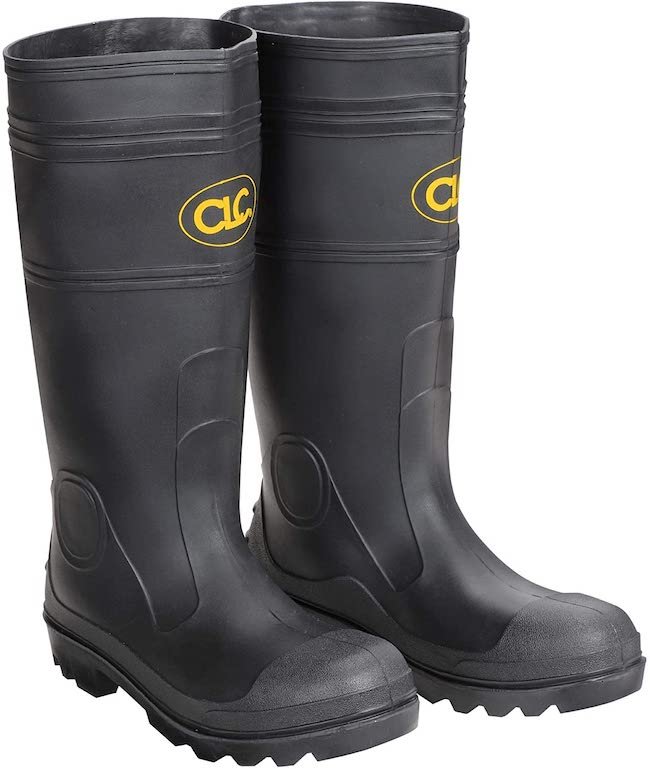
CLC Custom Leathercraft Rain Wear Rain Boots
Buy at AmazonBefore walking into a flooded area, one of the most important things to consider is the possible danger of the situation, including chemical contamination, biological contamination, and even electricity that might be flowing through the water from a submerged outlet or the electrical panel.
Call an electrician to shut off the electricity to the home and grab a mask, gloves, safety glasses, and a pair of insulated waterproof boots. Make sure they’re tall enough that water doesn’t spill over the top, and if it does, clean your legs and feet to remove any chemical or biological contamination.
Buckets
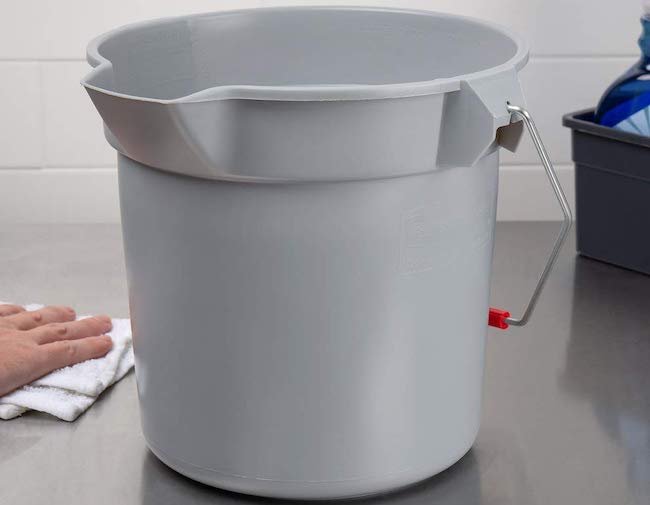
Rubbermaid Commercial Products 3.5-Gallon Bucket
Buy at AmazonYou can’t start the process of rebuilding until the home is no longer flooded, which is why having a few buckets readily available is never a bad idea. Use buckets, mops, and towels to clean up as much water as possible. While this method of water removal isn’t as efficient as using a pump or even a wet/dry vac, it is something that just about everyone can help with instead of simply watching one person work. After removing the water, you can also use the buckets to help gather and remove dirt, silt, drywall, carpet, and other debris that needs to be cleaned up.
Pry Bar
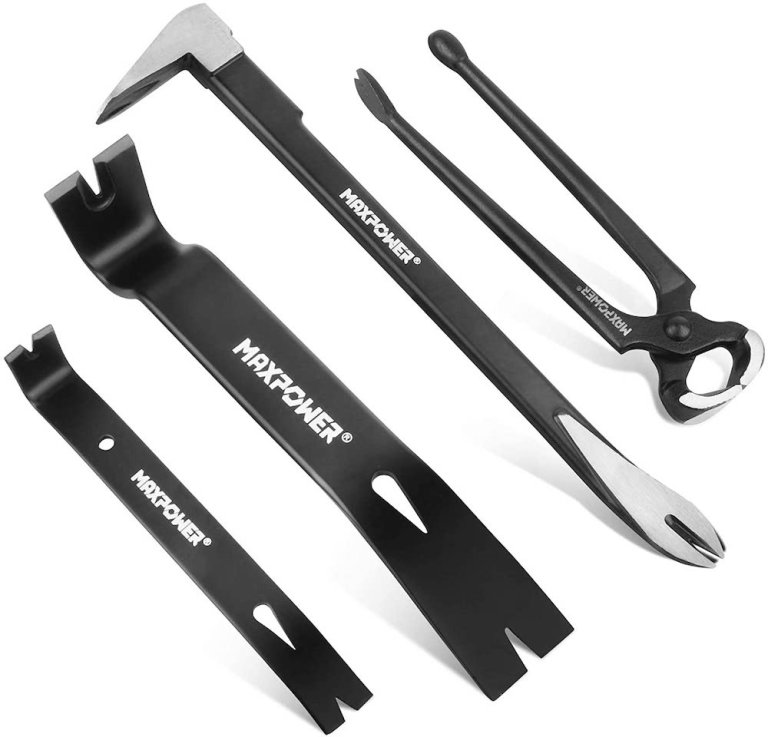
MaxPower 4-Piece Pry Bar Set
Buy at AmazonUnfortunately, when a flood occurs, it can lead to downstream issues like mold growth if damaged materials aren’t removed. With a pry bar, the process of peeling away drywall and pulling up carpet or hardwood is much easier. This simple tool works well on standard building materials, and using it is even easier when the walls and floors are already damaged. Once removed, store the wet materials in your shed or a garage in case your insurance agent needs some type of proof beyond pictures.
Contractor Bags
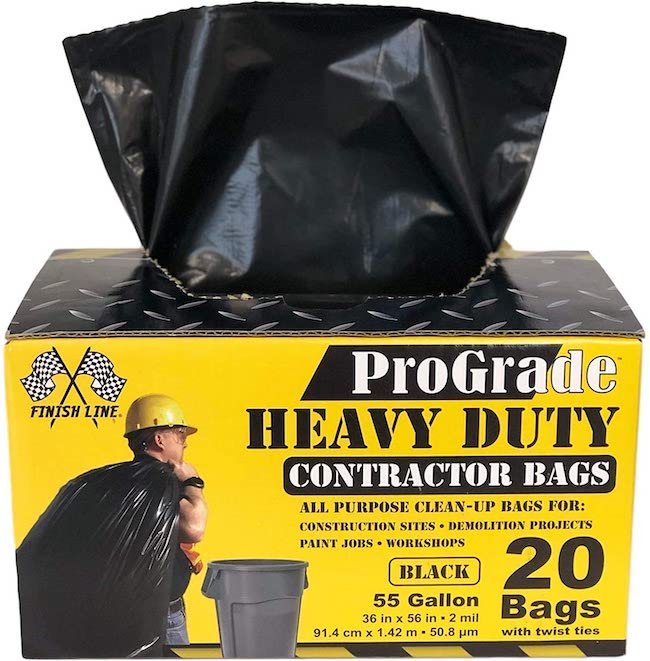
Reli. ProGrade Contractor Trash Bags
Buy at AmazonPaired with a durable pry bar, contractor bags are essential for cleaning up after a flood. Carpets, drywall, hardwood, insulation, dirt, mud, and even some furniture must be removed—otherwise, persistent moisture can lead to serious mold growth. Since wet environments also make a great place for insects and some rodents to nest, removing soaked materials with the help of durable contractor bags will help prevent additional issues from popping up.
Shovel
amazon.com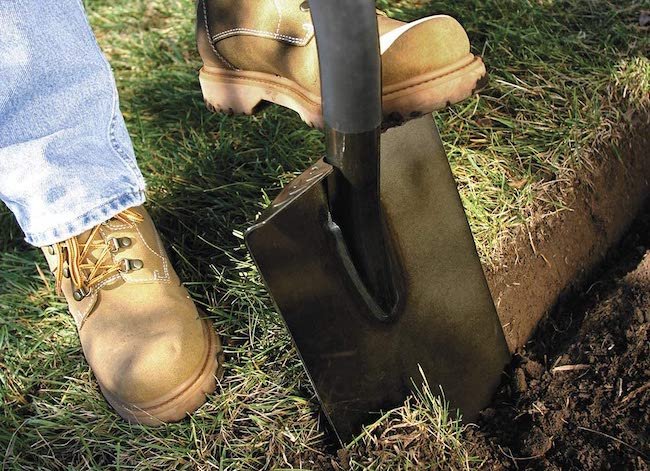
Most homeowners have one or two shovels they use for light gardening or snow and ice removal, and these tools can be incredibly useful for getting rid of the dirt and mud that can come in through the sides of a home and build up in the basement during a flood. Shovels can help remove this mess quickly, and you can also use them to scoop water into a bucket or waterproof trash can for disposal.
Dehumidifier
amazon.com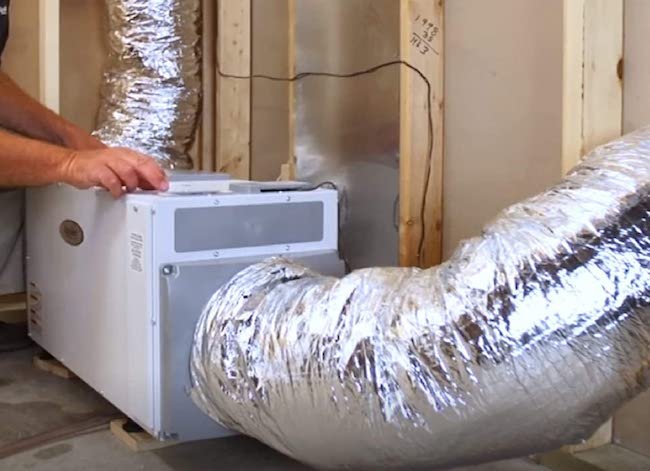
Even after removing most of the water from the home, you’ll still need to run a dehumidifier to pull water out of the air and carpet. While these devices are commonly light-duty appliances for reducing typical humidity levels, what you really need for a flood is a whole-house dehumidifier you can connect to a hose that drains water as it’s collected. You’ll likely need to leave it on for up to 2 weeks, depending on the extent of the flooding and size of your home.
Fans
amazon.com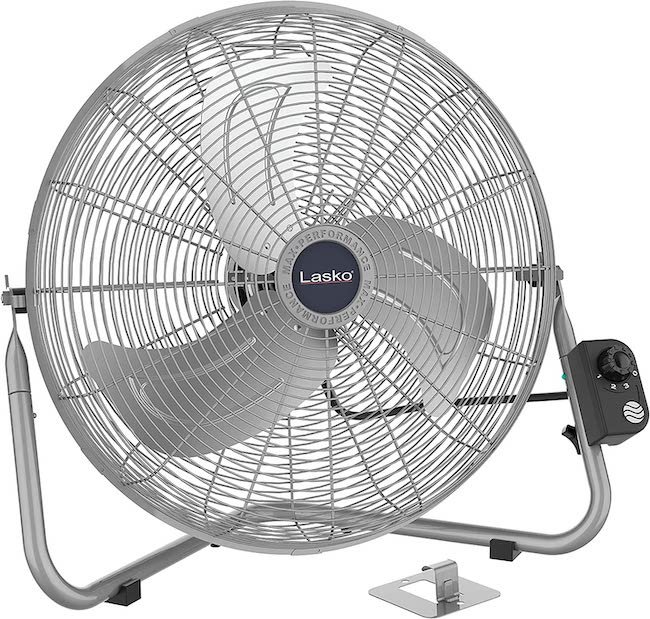
The air inside an enclosed area that has been flooded can quickly become contaminated with mold and mildew. Chemicals from household products, like paint or oil, can also seep into the water and become airborne. Fans help reduce this risk by pushing standing air out through the nearest window or door. Since they’re also excellent for drying furniture and the surrounding space, you’ll want to use them alongside dehumidifiers to get the best results.
Wet/Dry Shop Vac
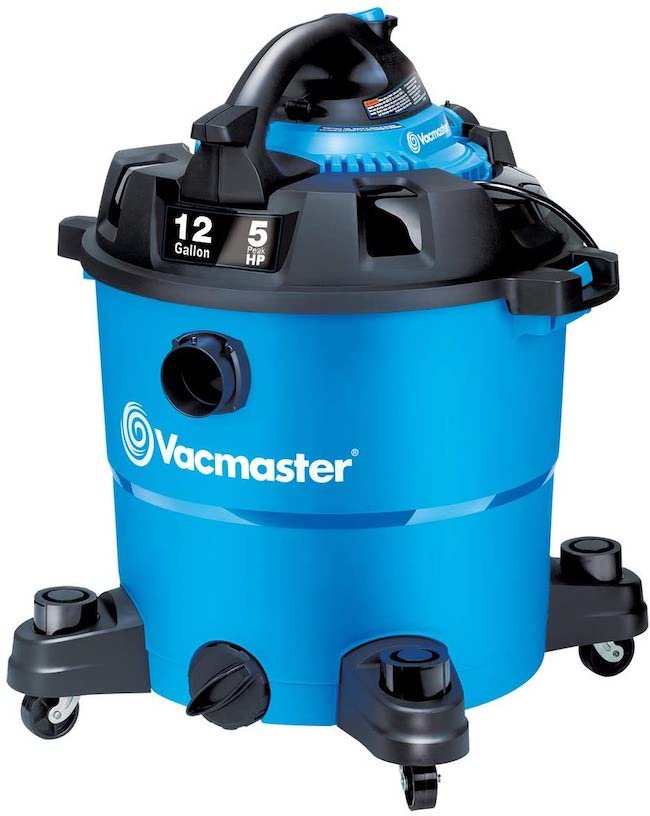
Vacmaster VBV1210 12-Gallon Wet/Dry Shop Vacuum
Buy at AmazonTake some of the strain out of flood cleanup by investing in a wet/dry shop vac that can quickly suction water off the ground and into an enclosed collection chamber for disposal. These vacuums can work in place of buckets for broad water cleanup, but they’re actually better suited for salvaging furniture, clothing, rugs, carpets, and other fabrics soaked in the flood. Simply use one to pull excess water out before setting these items aside or hanging them up to dry. In addition to this model from Vacmaster, our tested guide on shop vacs lists several other excellent options.
Mold Treatment
amazon.com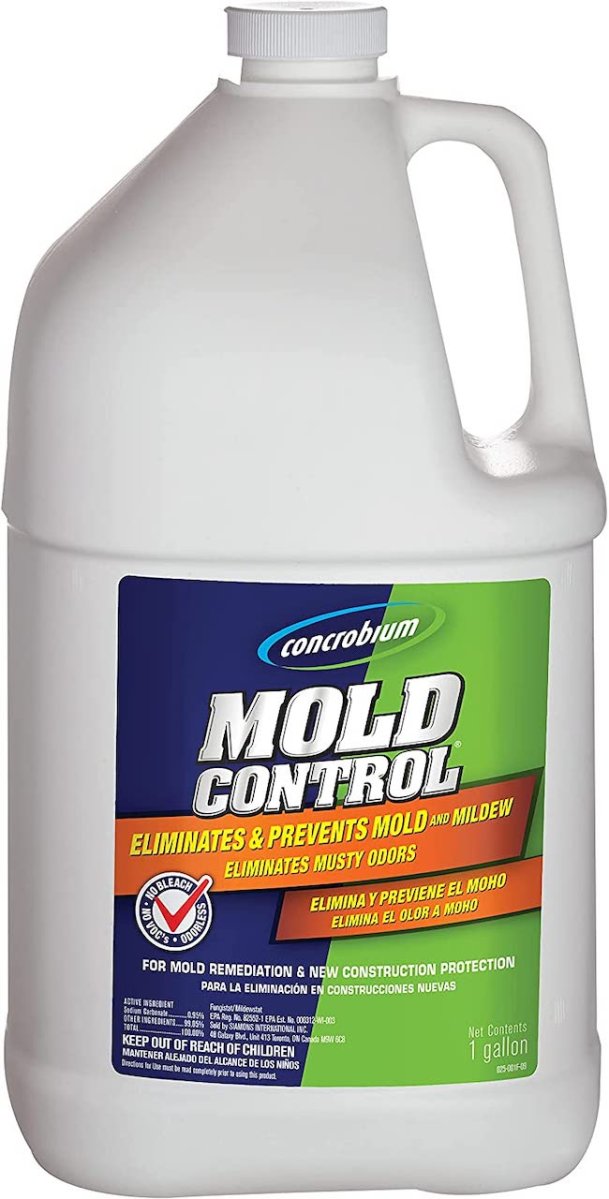
Even after the home looks clean and dry, lingering moisture under carpets, behind walls, and inside insulation can cause mold and mildew problems. Prevent these and other biological hazards by cleaning the entire area with an EPA-registered disinfectant or mold cleaner. After cleaning, apply a mold-inhibiting treatment to further reduce the risk of mold growth.
Camera
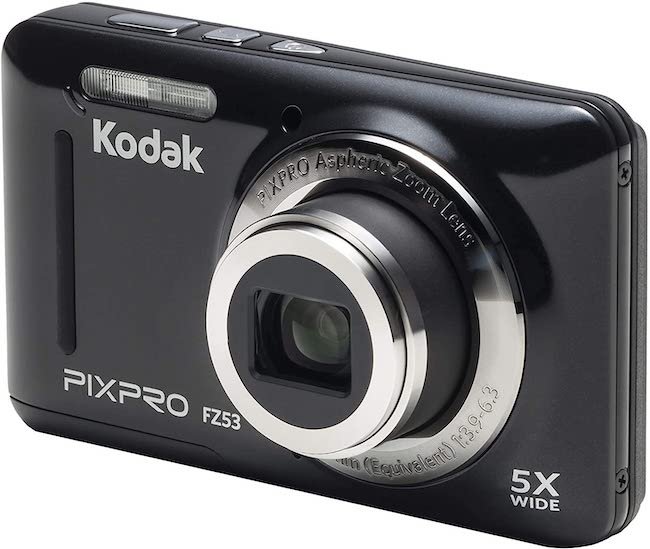
Kodak PIXPRO FZ53-BK Digital Camera
Buy at AmazonNever rely on memory or your account of things when it comes to flood damage. Your initial impression can change over the course of the experience, and forgetting details can lead to complications with your insurance company. Because phones can also get damaged and become unusable for taking immediate photos, it’s smart to keep a digital camera in a flood-safe location within your home. Use this device to take clear emergency photos in case of flooding, fires, or structural damage like a tree falling on the house.