We may earn revenue from the products available on this page and participate in affiliate programs. Learn More ›
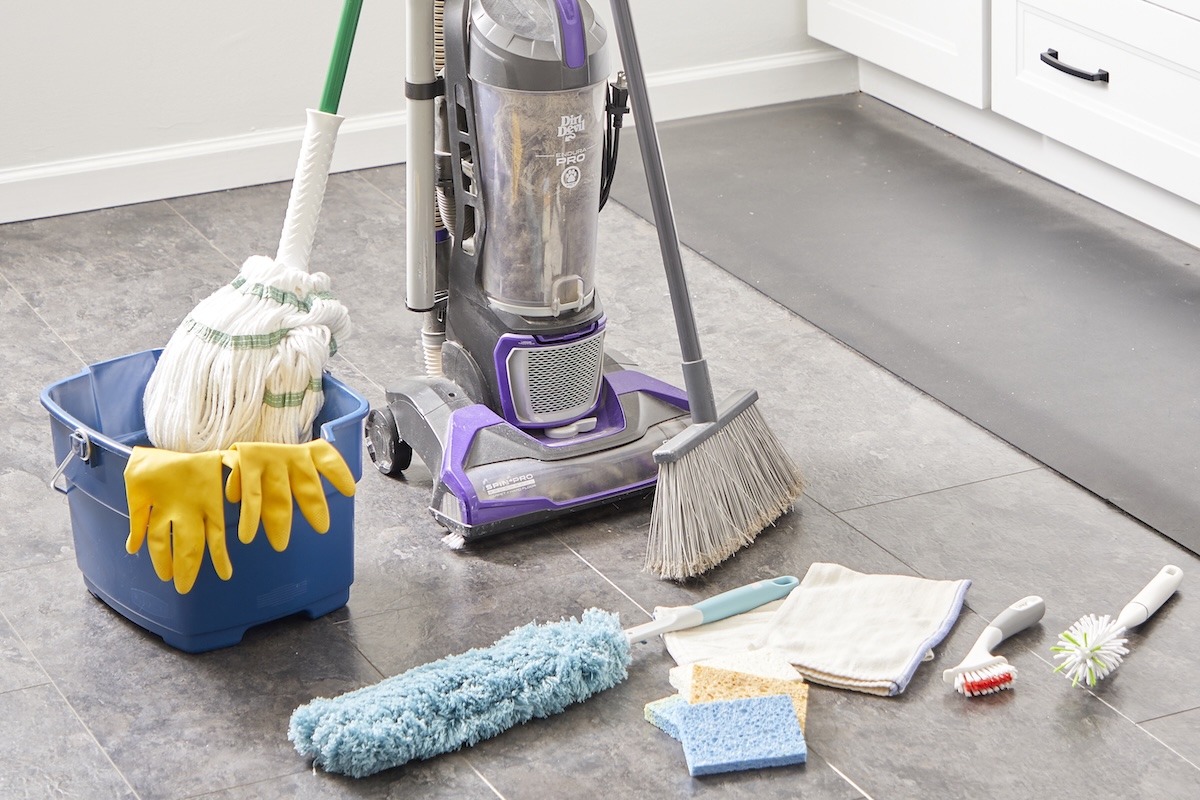
Though you probably clean your home’s interior on a fairly regular schedule, the dirtiest areas of your house are hiding in plain sight. Your household tools collect dirt, grease, and germs, making your cleaning efforts less effective, even unhealthy. In fact, every time you use your mops, sponges, and rags, you could just be spreading more germs around your home. The next time you use your trusty cleaning tools, take a moment to maintain and sanitize them.
Sanitize Your Sponges
Banish sponge odors, and maybe some of the germs, with a 5-minute soak in a solution of ¾ cup bleach and 1 gallon of water. You can also run sponges through the dishwasher on the normal setting, or microwave a damp sponge on high for 1 to 2 minutes. A 2017 journal article in Scientific Reports warns, however, that “kitchen sponges harbor a higher bacterial diversity than previously thought,” and resistant bacteria can eventually recolonize sponges that have been sanitized. Regular replacement, say the scientists, is your best bet.
Dump and Dust the Vacuum
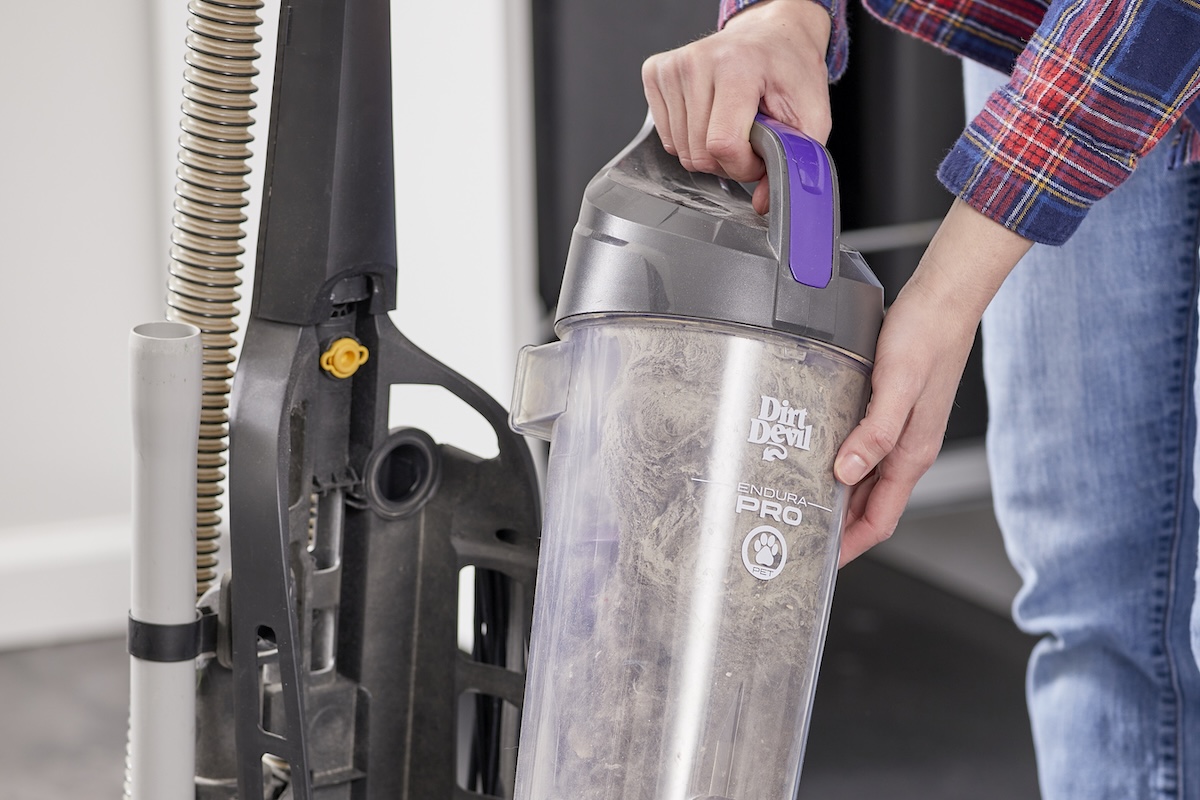
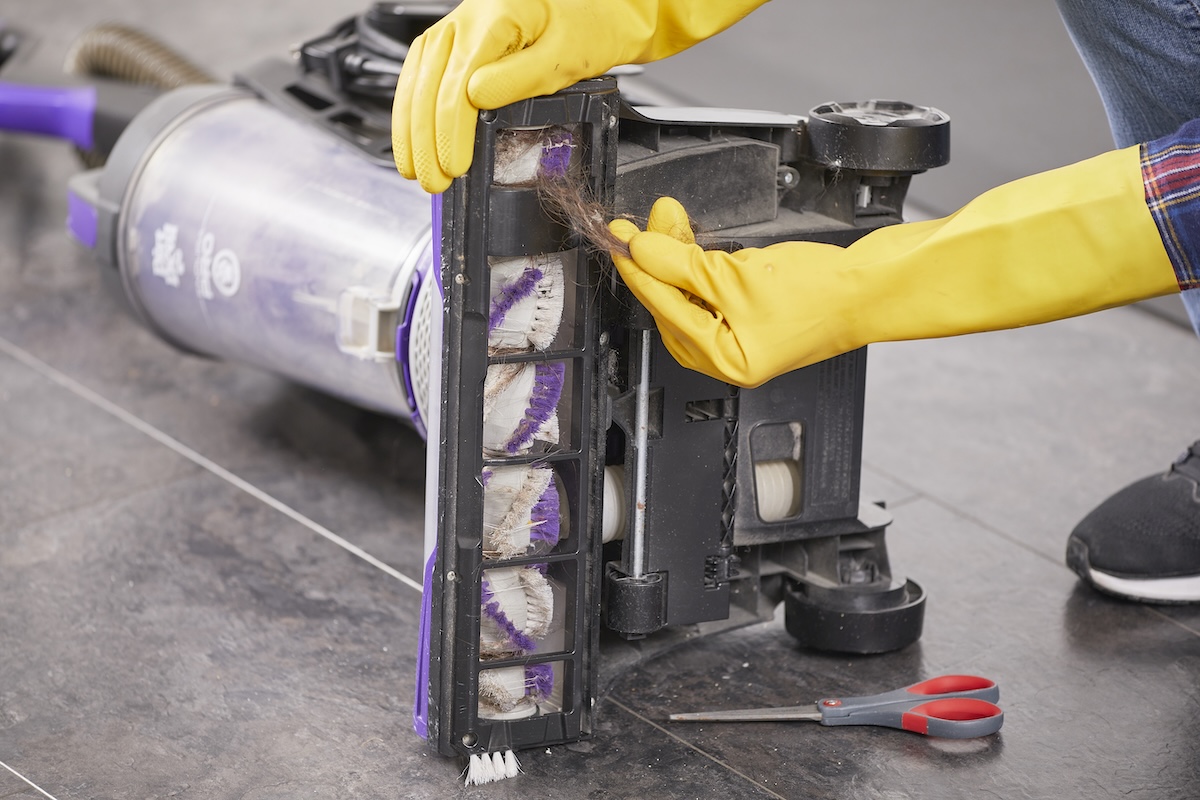
After vacuuming the living room and dumping out the debris canister, you’re done, right? Wrong. Cleaning your vacuum cleaner after each use to ensure peak performance in the future. Replace the bag regularly, or if you machine is bagless, empty the dust collector and wipe it down. Dust off hoses and attachments with damp cloth, and don’t forget to examine the beater bar and roller and remove any debris or hair.
Disinfect Mop Heads
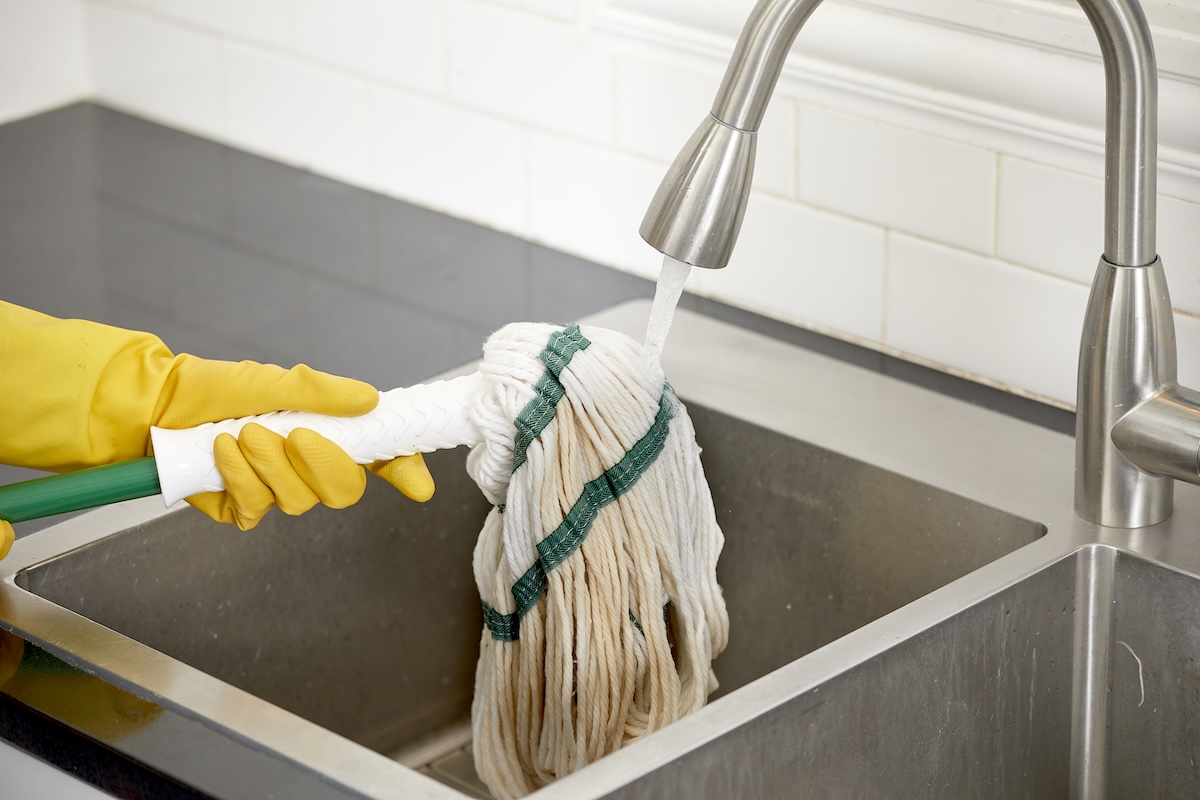
You probably keep your floors clean with regular mopping. But when you’re finished, don’t just wring the water out and store it until next time. Instead, give your mop a good soak in hot, soapy water, and then rinse it well in hot water. Wring it out thoroughly and let it dry standing up. Removable mop heads can and should be run through the wash on the delicate cycle with bleach and disinfected.
Best Spin Mop
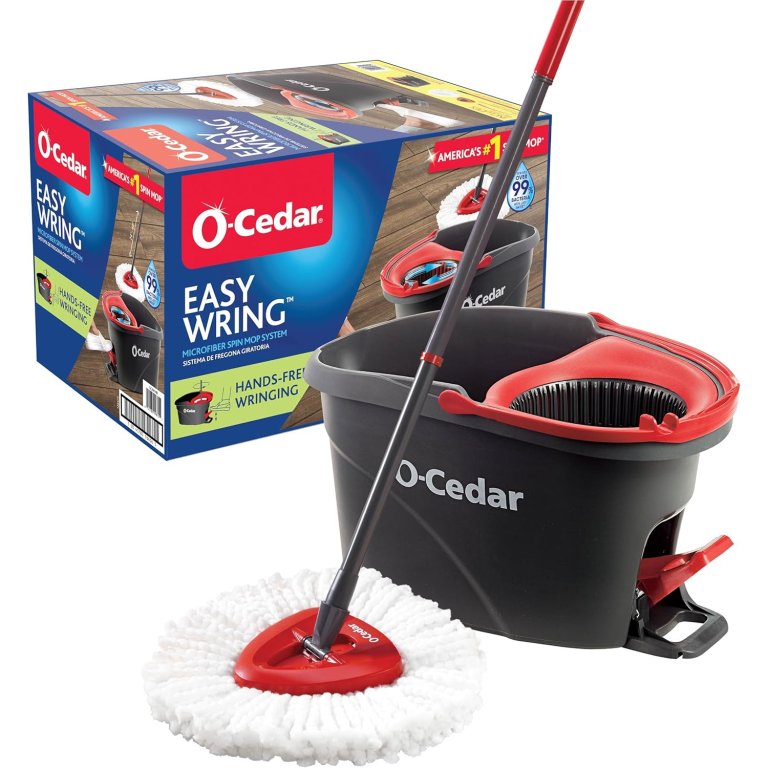
O-Cedar EasyWring Microfiber Spin Mop
We love this iconic mop’s extendable handle and fluffy, washable mophead, which easily reaches into corners and under furniture. Read the full review.
Buy It at AmazonLaunder Dish Towels
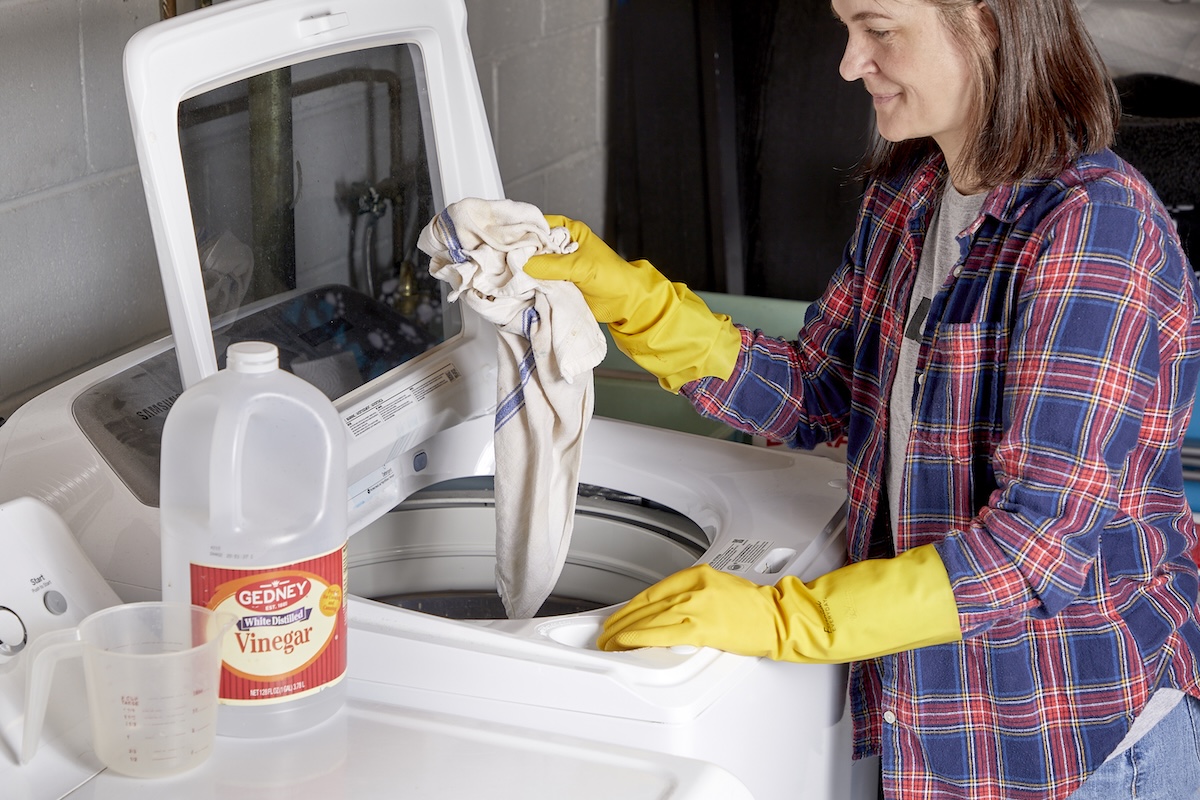
Kitchen towels get damp, dirty, and downright odiferous over time. A Popular Science article reported on studies that found bacterial growth on about half of kitchen hand towels, and identified towels as possible sources of food poisoning. Machine-washing your kitchen towels on the hottest cycle every day or two can help. For extra cleaning power, set the machine for an at least 1-hour soak cycle, adding a cup of white vinegar to the water along with the usual amount of laundry detergent.
Rinse and Dry Scrub Brushes
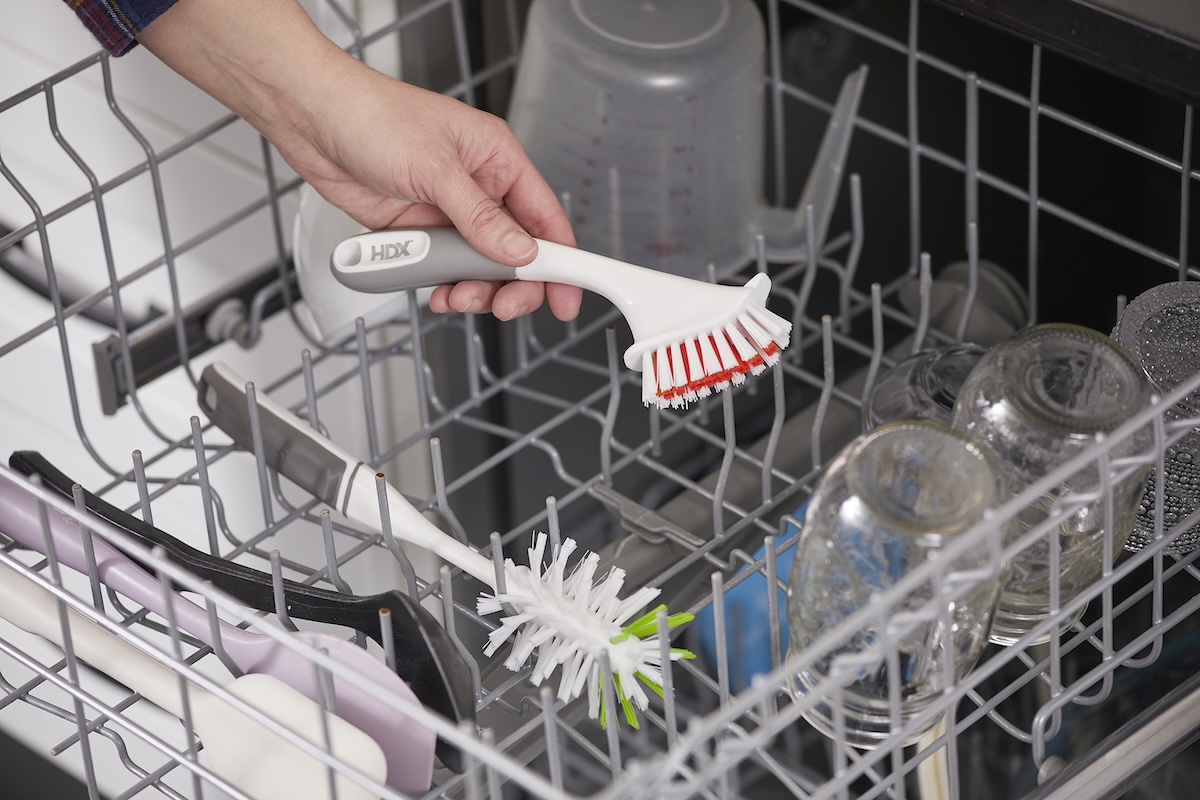
Scrub brushes are the go-to tools for fighting baked-on grease and gunk, and a tough session of grime-fighting can leave the bristles pretty mucked up. Rinse scrub brushes in hot water after each use, and gently knead the bristles to dislodge debris. Dry them upright in the dish drainer, or hang them from a hook. Every few days, run scrhub brushes through the dishwasher on the normal setting.
Wash Broom Bristles
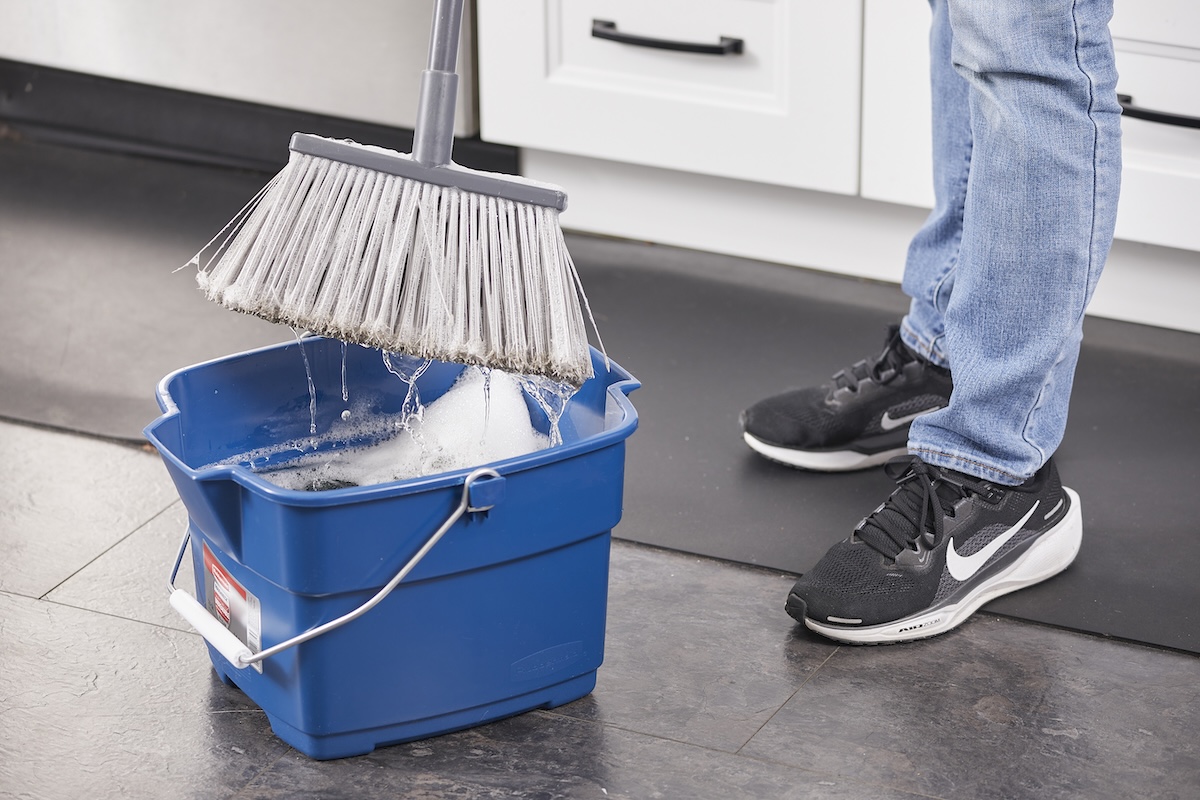
Whether you sweep with an old-fashioned corn broom or a more modern microfiber version, all brooms benefit from regular cleaning. A good shake outside the house will get rid of most trapped dust and debris. For a deeper clean, swish the broom in a bucket of hot, soapy water and rinse thoroughly with cold running water. Don’t let the broom soak; this can weaken the bristles. Hang to dry, or lean with the broom head up before storing.
Shake Debris From Dusters
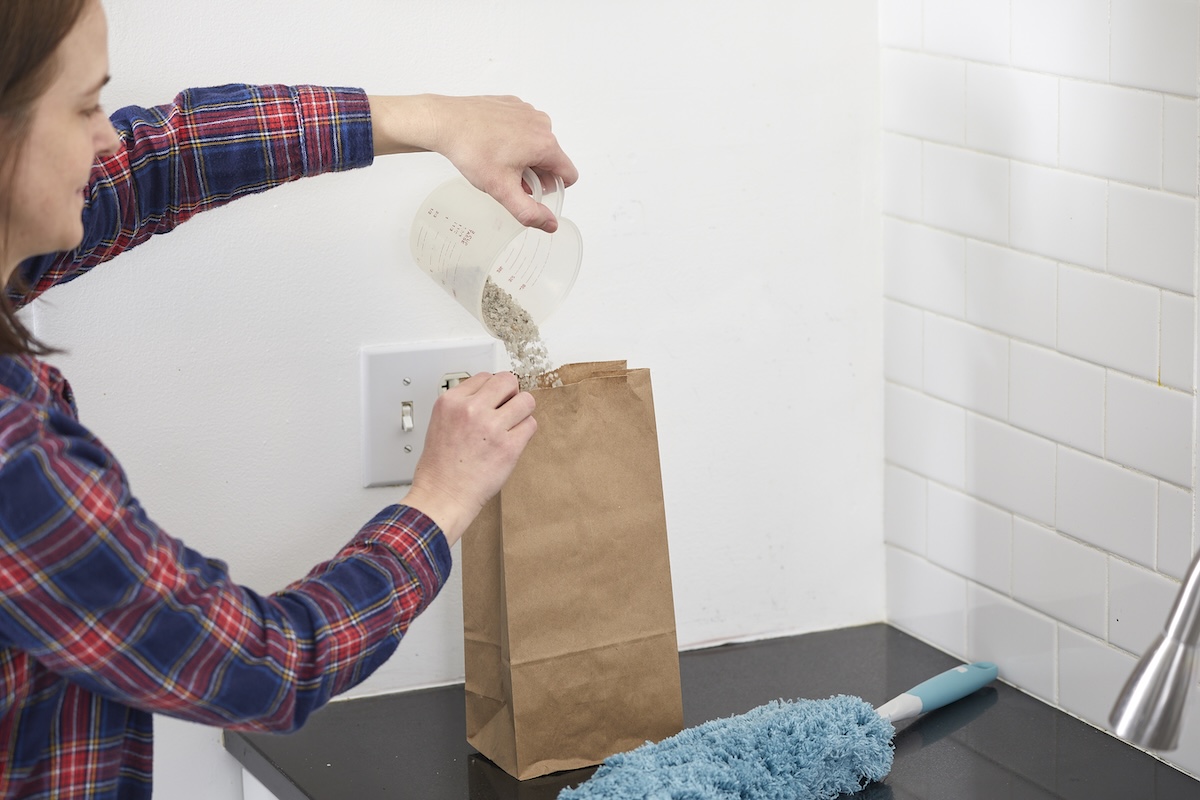
Dust, cobwebs, and small particles can become trapped in a duster, hampering its effectiveness. Dislodge debris by sticking the duster in a paper bag with rock salt and shaking vigorously for 2 to 3 minutes. Empty out the rock salt and dust into the trash, and shake off the duster outside to remove any remaining particles.