
We may earn revenue from the products available on this page and participate in affiliate programs. Learn More ›
Your kitchen is supposed to be a place where you can gather to enjoy meals with family and friends. But if you walk into the room and are turned off by unpleasant smells, you may quickly lose your appetite. There are lots of reasons why your kitchen may be stinky. We spoke to a couple of cleaning experts to find out the most common sources of kitchen smells and how best to address them.
1. Kitchen Sink
The sink itself is a common source of undesirable odors in the kitchen. “Many people regularly wipe down their countertops but neglect to clean the sink, which is constantly coated in food remains and liquids of all sorts,” says Ben Pullman, founder of Cubby Bear Cleaning in Chicago, Illinois. The best way to tackle this issue, says Pullman, is to simply clean the sink with some dish soap and a sponge after you’re done doing the dishes.
In addition, avoid throwing food scraps directly into the sink, recommends Arthuza Rabelo, a cleaning professional from Cleanzen Cleaning Services based in Boston, Massachusetts. “It’s better to use a sink strainer that catches small food particles and prevents them from going down the drain, as food scraps can accumulate in the pipes, cause blockages, and eventually produce unpleasant smells,” she says.
Finally, check the area under your sink as well, Rabelo adds. “Water damage in this area can cause a musty smell, similar to the odor of a damp cabinet floor,” she explains. If left unaddressed, it can also lead to mold or mildew growth and damage to the cabinet. “Make it a habit to inspect this area regularly so you can catch leaks early and prevent more serious damage, beyond just the unpleasant smell.” If you notice a leak, consult a professional as soon as possible.
Sink Strainer
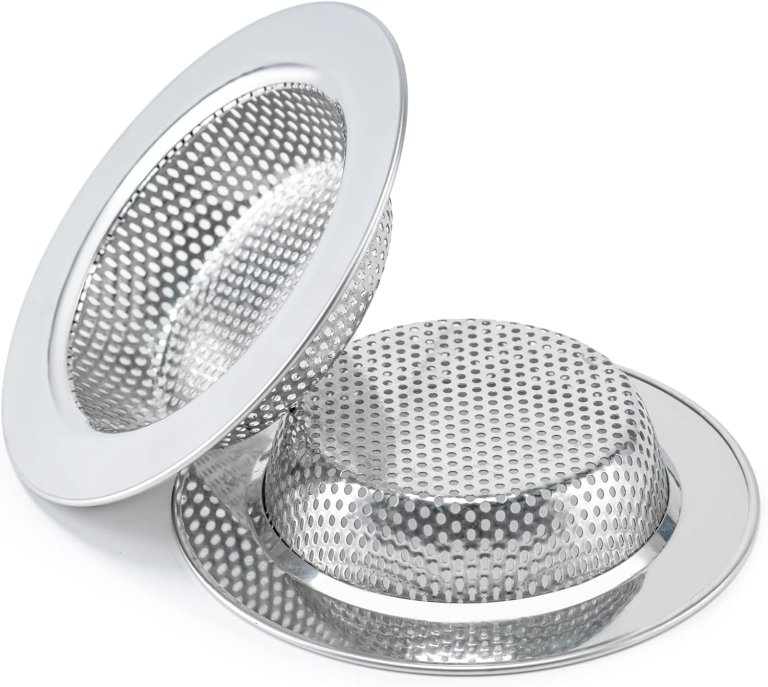
Sink Strainer Double-Layer
Long-lasting, rust-proof stainless steel sink strainer with a double-layer design.
Buy Now2. Trash Can
Although the trash can is one of the most obvious culprits of a smelly kitchen, there are steps to take to easily avoid this from happening. “The odor can come from the trash itself or the bin, which tends to get caked with residue over time,” says Pullman.
The best ways to combat this issue include taking your trash out more frequently, including as soon as it is full; replacing the garbage bag regularly; and cleaning the bin itself with a disinfecting wipe. Make sure to wipe down the inside of the bin as well as the lid, says Pullman. Also, avoid mixing biodegradable and non-biodegradable waste, as decomposing food can produce a strong odor that spreads throughout the kitchen, adds Rabelo.
Disinfecting Wipes
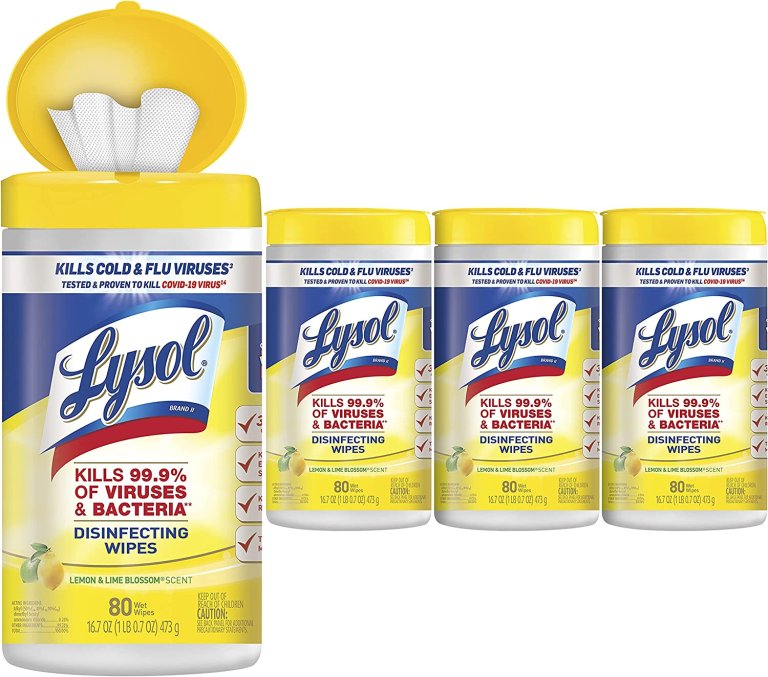
Lysol Disinfecting Wipes
Lysol Disinfecting Wipes are pre-moistened disposable wipes for cleaning, disinfecting, and sanitizing every surface in your home.
Buy Now3. Appliances
If there’s a new smell emanating from your kitchen, you’ll want to check all appliances to see if any of them are the cause. “Refrigerators, ovens, and other kitchen appliances are often sources of unpleasant smells,” notes Rabelo.
First, open the refrigerator to see if the stink is coming from inside. Expired, rotting food is often the cause of smells, says Pullman. “The best way to prevent it is to leave an open container of baking soda in the fridge at all times since it absorbs odors,” he adds. Aside from that, store food in sealed containers, regularly discard expired and old food, and wipe down the shelves and drawers of the fridge monthly, or even more frequently, with an all-purpose cleaner.
Next, check your microwave. “Especially if you’re heating up food without a cover, food tends to splatter in the microwave and even if it’s not a lot at once, over time it really builds up and starts to smell,” warns Pullman. “The best way to clean this is just using an all-purpose cleaner and a paper towel.”
Dishwashers can also pick up unwanted scents over time as a result of food particles getting trapped in the filter. After emptying the dishwasher, use a damp microfiber cloth to wipe off any debris on the floor and sides of the dishwasher’s interior. Next, fill a glass cup or bowl with about 1 cup of distilled white vinegar, and place it on the top rack of your dishwasher between the prongs used to separate glasses. Run the dishwasher through a single cycle on the hottest setting possible. Once the cycle is complete, leave the door open for about an hour to let the dishwasher air out completely.
Distilled White Vinegar
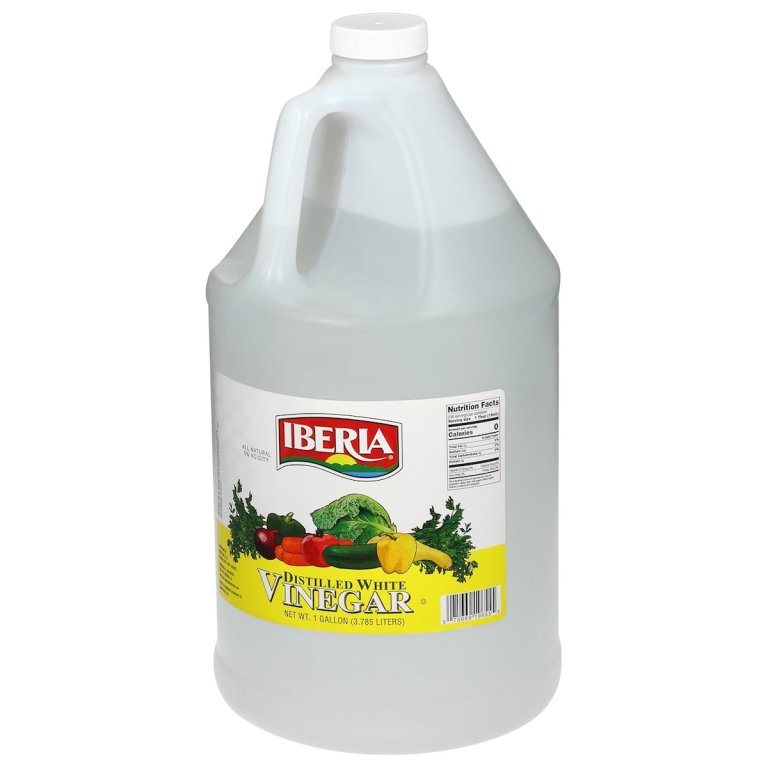
Iberia Distilled White Vinegar
Iberia Distilled White Vinegar has 5% acidity that can be used as a natural, eco-friendly cleanser for everyday tasks like wiping glass and counters.
Buy Now4. Garbage Disposal
The garbage disposal is another big one, as grinding food waste inevitably leaves the disposal smelling from time to time, says Pullman. Leftover food particles and soap residue often get stuck down in these areas or on the blades where bacteria can develop and produce a foul smell.
His favorite way to clean this is by cutting a lemon wedge, throwing it in the disposal, and grinding it up. “This works really well for most maintenance cleaning. If it requires more elbow grease, you can use some Bar Keeper’s Friend. Let it sit in there for 10 to 15 minutes, and then rinse and grind with hot water,” Pullman suggests. It’s a good idea to clean your garbage disposal on a weekly basis to prevent future stenches.
Powder Cleanser

Bar Keeper’s Friend Powder Cleanser
Concentrated powder cleanser that eliminates stubborn rust stains, cuts through grease, restores burnt pots and pans, and removes hard water deposits.
Buy Now5. Grease Buildup
Grease and oil buildup from cooking can also start to smell. “When we cook, oil and sauces often splatter around the cooking area and gradually build up on nearby surfaces, especially the walls,” explains Rabelo. “Even if the smell isn’t too strong at first, this buildup can be one of the reasons your kitchen develops an unpleasant or unusual odor.”
He recommends making it a habit to wipe down the stove after each use, once it has cooled down. “Use a cloth with a little dishwashing liquid to clean the stove and surrounding areas, then wipe again with a damp cloth and finish with a dry one.” You can also prevent this from happening by using a splatter screen that has a carbon lining to absorb odors. Running your kitchen ventilation system will help manage the odor as well.
Splatter Screen

KitchenAid Gourmet Odor Absorbing Splatter Screen
This gadget keeps stovetops and countertops clean when frying, while also controlling odor with its activated carbon filter.
Buy Now