We may earn revenue from the products available on this page and participate in affiliate programs. Learn More ›
Many gardens have started out auspiciously, thriving through the spring and early summer, only to be cut down by an infestation of insects just as the plants are getting ready to produce. Tomato hornworms, caterpillars, and squash bugs are just a few common pests that can lay waste to a garden. To make matters worse, figuring out how to get rid of these pests without using pesticides that can leave chemicals on your veggies and kill off pollinators can be a real challenge.
Fortunately, there are safe options for protecting your garden from insects. Before you do anything, identifying the threat and employing the right method to eliminate it is the first order of business. Our rogue’s gallery of the worst garden pests can help you determine what’s eating your garden and the best strategy for getting control of the situation.
1. Tomato Hornworms
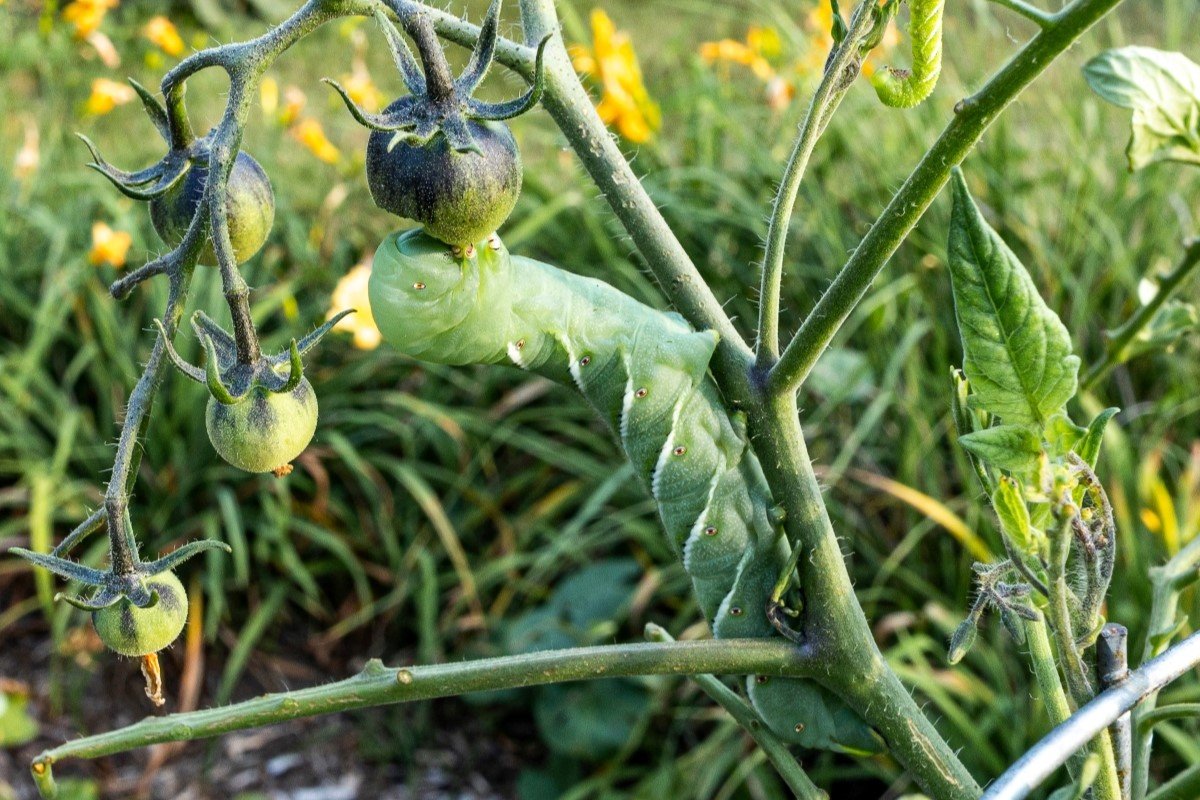
These tomato-loving caterpillars are prolific eaters with the ability to defoliate a plant in a single day. Tomato hornworms grow up to 4 inches long, have a bright green body, white V-shaped markings on their side, and a telltale dark blue or black horn protruding from the rear of their bodies. They feed on mainly plants that fall into the nightshade family, including tomatoes, peppers, eggplants, and potatoes. While they eat mainly the leaves and stems of the plant, they can also chew holes in ripening tomatoes.
How to get rid of tomato hornworms
Pesticides aren’t particularly effective with hornworms and can kill beneficial insects. The best way to get rid of tomato hornworms is to pick them off by hand. Dusk is typically the best time to spot them. You can also apply an insecticide containing Bacillus thuringiensis (Bt), which typically won’t harm bees. Clean up your garden by removing any plant debris during the off season then cultivate the top layer of soil to destroy any pupae to prevent them from returning in the spring.
2. Squash Bugs
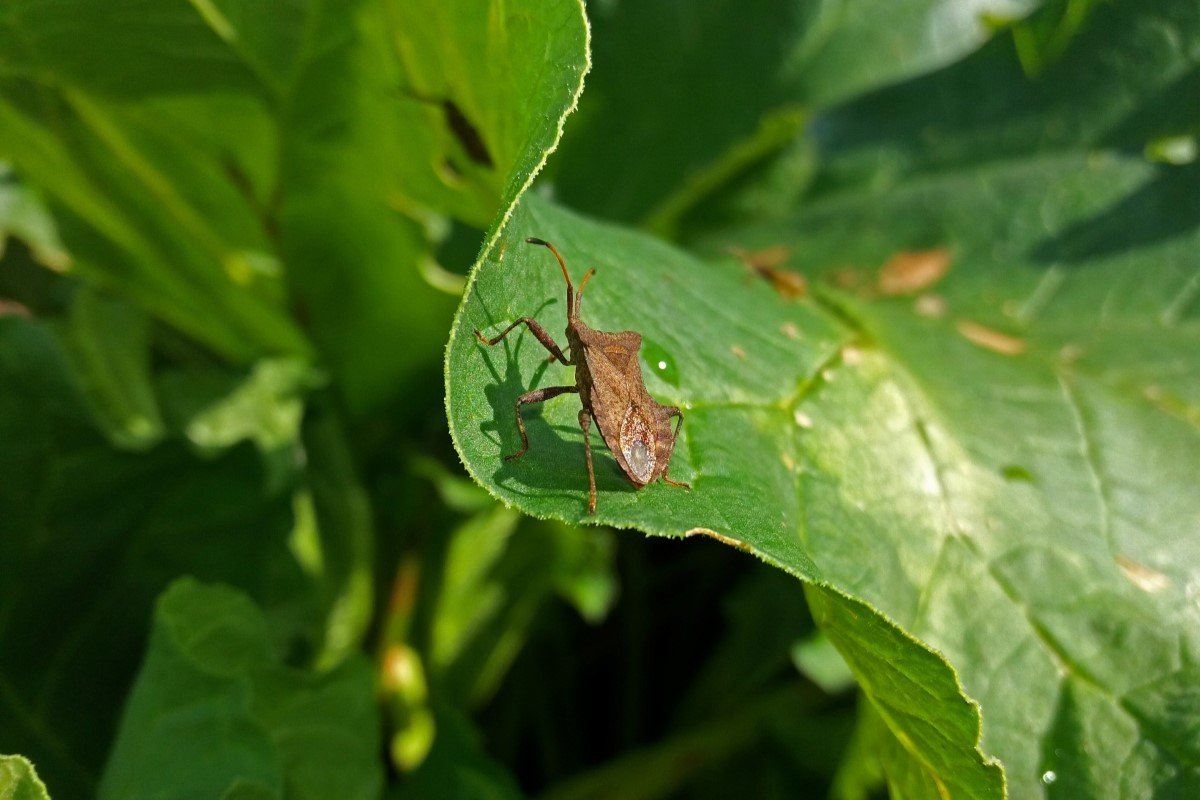
The destructive squash bug has a flat oval shaped dark gry or brown body that measures about 1/2-inch long. They have characteristic orange and brown markings on the sides and underside of the abdomen. Along with squash, these bugs also like to feast on melons, pumpkins, zucchini, gourds, and cucumbers, usually feeding on the leaves and stems. While they typically won’t feed on the fruit, large numbers can do enough damage to impact fruit growth.
How to get rid of squash bugs
As with other garden pests, manual removal is usually the best option for eliminating squash bugs. Handpick adults and nymphs off the leaves. A good strategy is to place pieces of cardboard in the garden overnight. Squash bugs will typically gather under them for shelter, allowing you to find and kill them more easily. Also check under leaves regularly, and scrape away any egg clusters to prevent them from reproducing.
3. Aphids
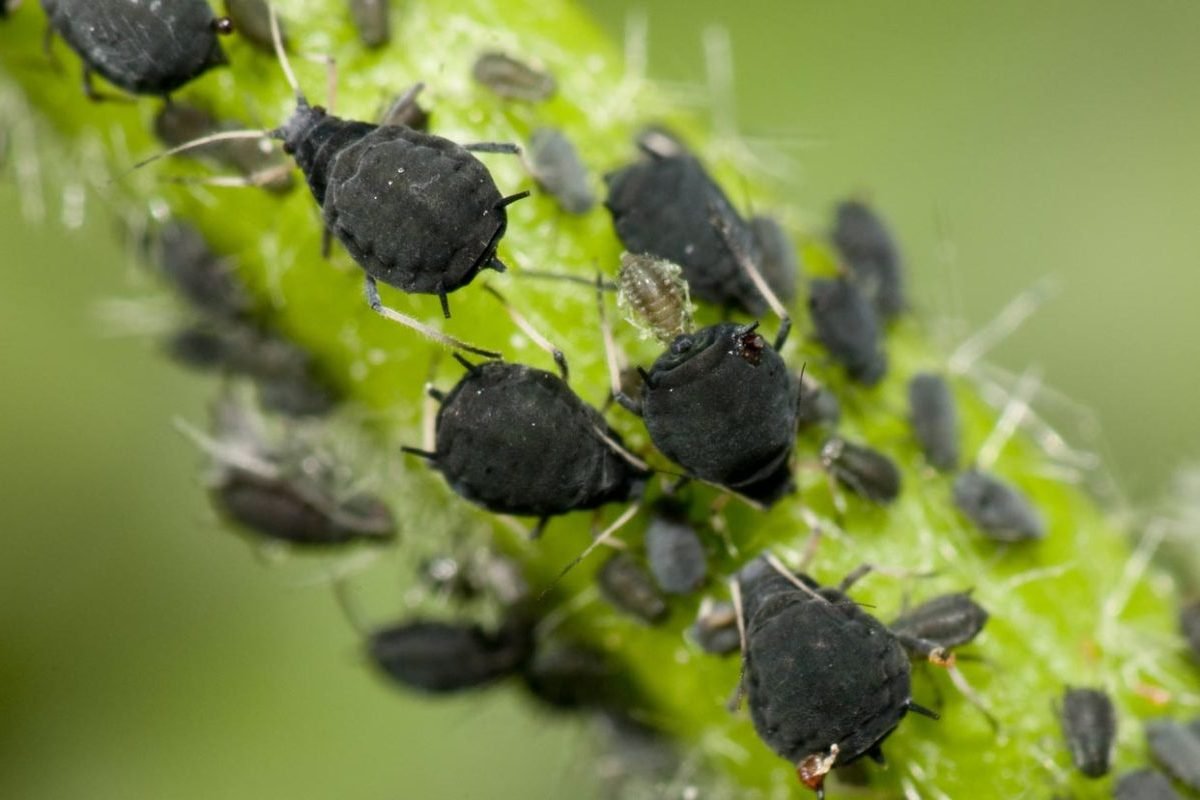
Aphids are soft-bodied, sap-sucking insects that feed on all parts of a plant including the roots, leaves, stems, and petals. Though they are tiny, they can do a significant amount of damage and spread quickly. They can be black, brown, white, pink, or green and look like little specks the size of sesame seeds. Aphids drain the sap directly out of leaves and can spread viral diseases. If you notice wilting leaves, dried-out leaves, sticky substances on leaves, or a soot-like smudge, these are all signs of an aphid infestation.
How to get rid of aphids
Invite and introduce beneficial insects that eat aphids, such as ladybugs and lacewings. Additionally, planting bug-resistant flowers can help cut back on aphid infestations. If you see a big infestation, try getting rid of aphids by using a soapy water solution made from a few drops of dish soap added to a gallon of water and spray the entire infested plant, including the undersides of leaves.
4. Grasshoppers
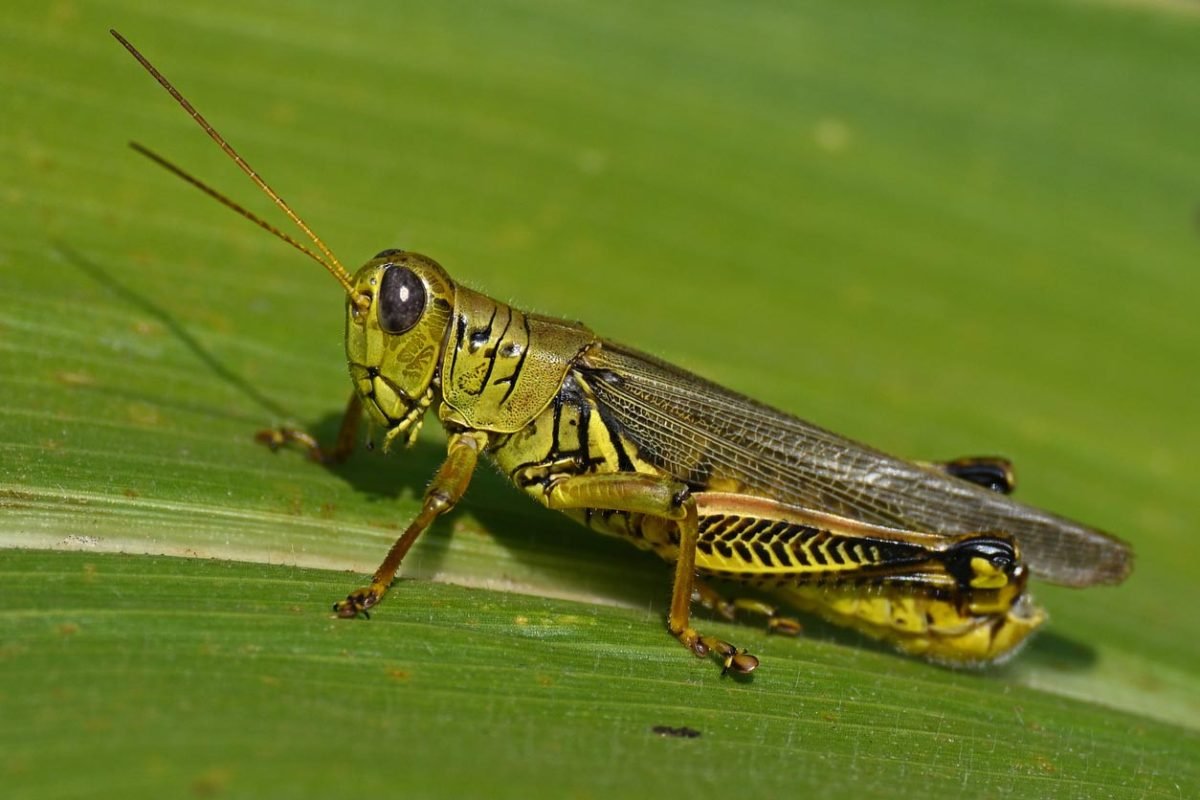
Grasshoppers are in the same insect order as crickets and locusts (Orthoptera) and are sometimes confused with crickets. Though there are differences between grasshoppers vs. crickets, it takes a closer look to be sure. Grasshoppers measure up to 4 inches long and can be dark brown as well as green. They also have large hind legs to help them “hop” from place to place. In small numbers, grasshoppers cause minimal damage in the garden. In fact, their excrement can act as a fertilizer for the soil. When warm, dry weather hits, grasshopper swarms can come rolling in, devastating crops and gardens.
How to get rid of grasshoppers
One of the best ways to get rid of grasshoppers is to attract natural predators, such as lizards, birds, and spiders. Preventive measures such as planting marigolds, daisies, and alyssum will attract insects that will attack grasshoppers. Keep the garden free of weeds to help eliminate places where grasshoppers like to hide.
5. Caterpillars
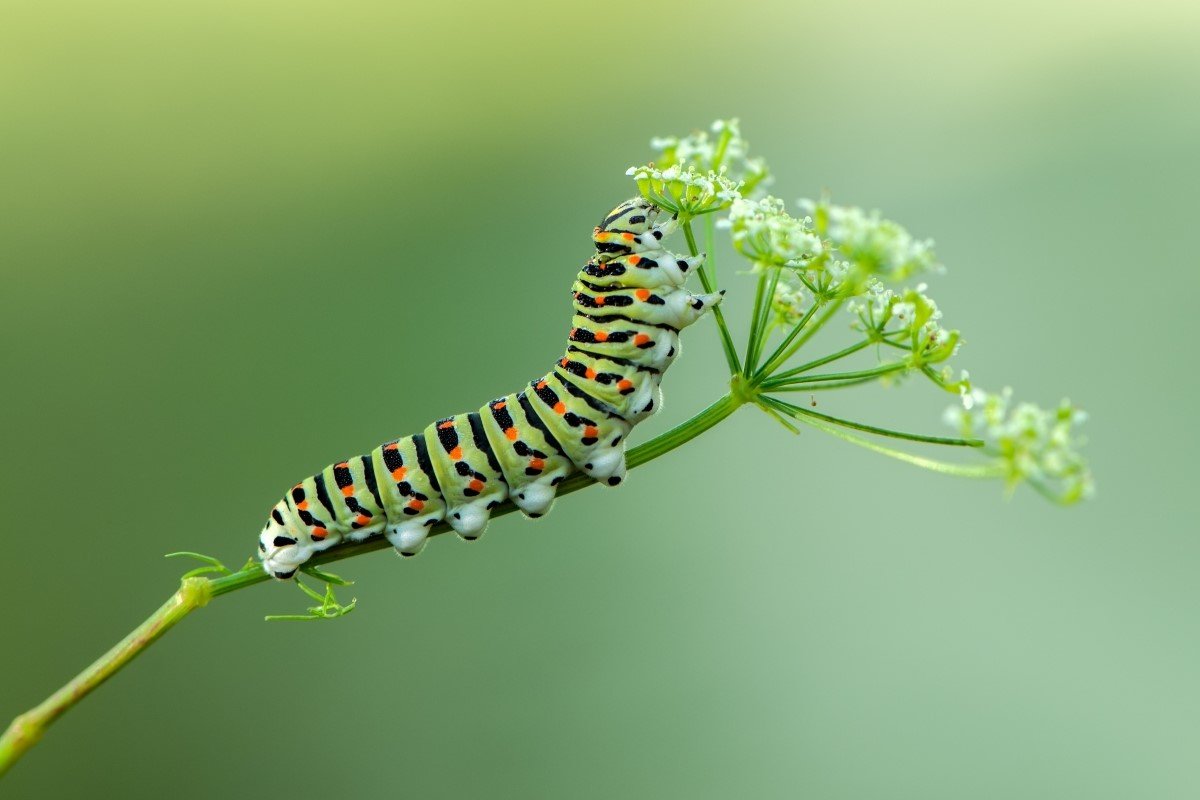
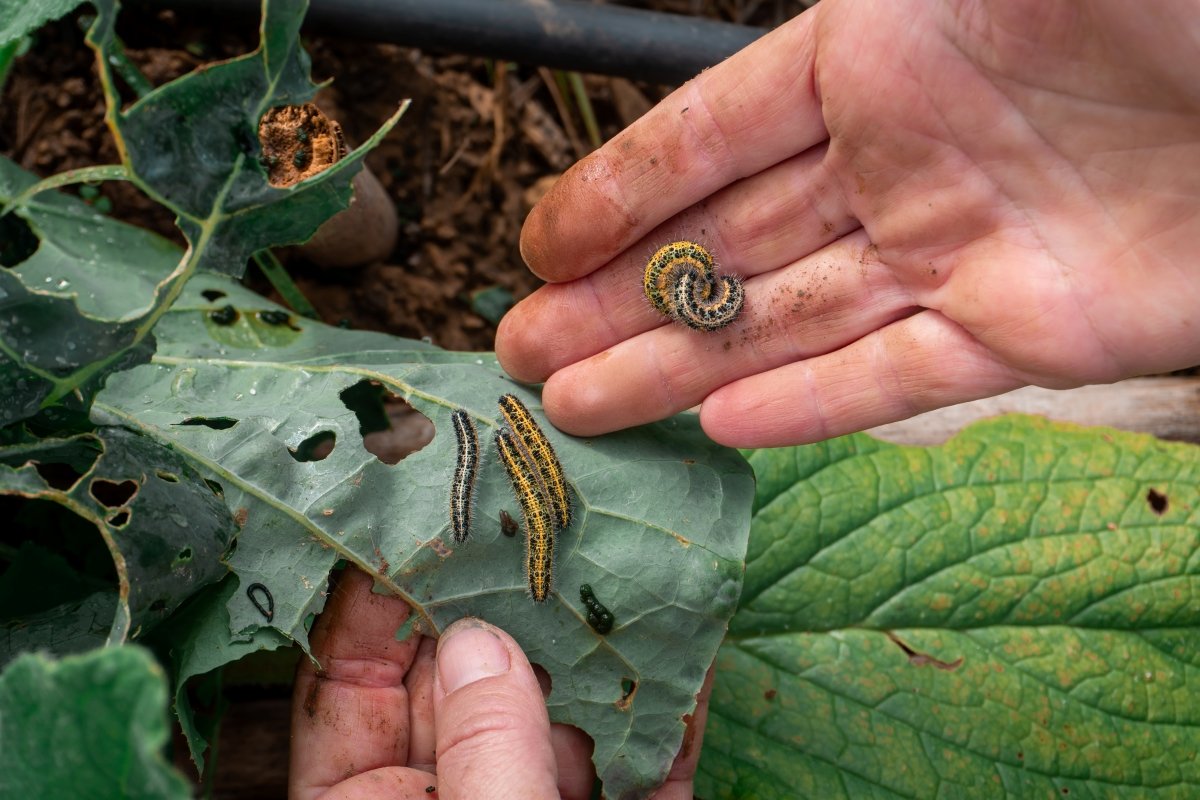
Caterpillars are the larvae of butterflies and moths, and they can munch the leaves, stems, shoots, and fruit of plants, leaving substantial damage in their wake. Look for jagged bite marks in leaves or petals or holes in fruit. Tomato and tobacco hornworms love plants in the nightshade family, including tomatoes, peppers, potatoes, and eggplants. A telltale sign of these hornworms is leaf damage along with a trail of small, dark pebble-like excrement.
How to get rid of caterpillars
The two best ways to control caterpillar damage are removing the caterpillars by hand and encouraging creatures that prey on caterpillars, such as reptiles, small mammals, birds, wasps, and amphibians. Keep in mind that butterflies and moths are significant pollinators in the garden, so insecticides that eliminate the population should be avoided.
6. Cabbage Maggots
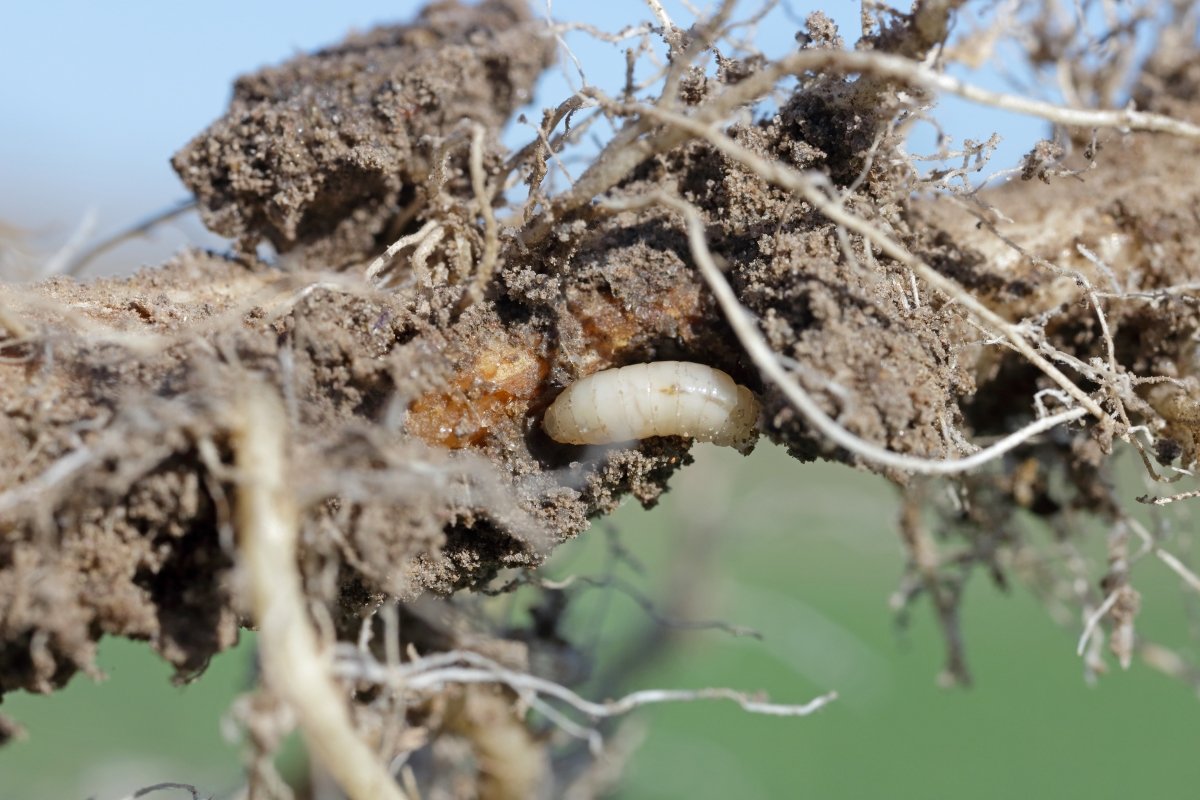
Although they are named for the cabbage crops they destroy, cabbage maggots prey on all of the members of the Brassica family including cabbage, broccoli, and cauliflower as well as other root vegetables such as carrot, parsnip, rutabaga, turnip, and radish plants.
According to the University of Massachusetts Extension Vegetable Program, the first sign of these detrimental insects is wilting plants on a sunny day followed by the outer leaves turning yellow or purple. This is then followed by collapsing plants that wilt and ultimately die. Upon inspection of the plant, there will be wriggling, white maggots tunneling into the roots or the root vegetable.
How to get rid of cabbage maggots
A critical component for avoiding an ongoing infestation is to never plant a crop of the Brassica family in the same spot in consecutive years. There are insecticides that can treat major infestations of cabbage worms, though practicing sustainable crop rotation and planting cool-season vegetables at the correct time of year for the climate you live in is typically enough to control these maggots.
7. Cutworms
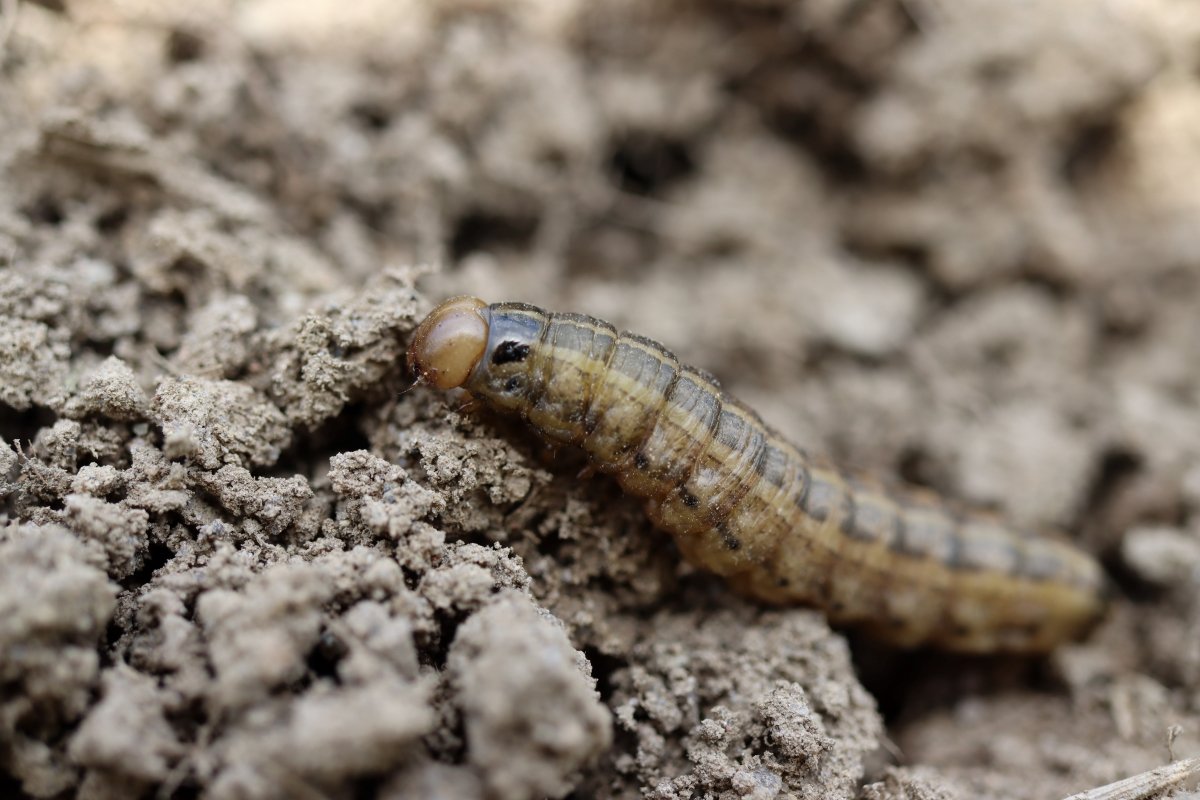
Cutworms are a particular kind of caterpillar that can do some serious damage to favorite vegetable crops in a short period of time. These little caterpillars are typically less than 2 inches long and can be green, gray, yellow, or brown. If they curl up into a “C” shape when you touch them, they’re likely cutworms. Cutworm caterpillars live in the top layer of soil and can devour newly sprouted seedlings.
How to get rid of cutworms
Natural methods of control for cutworms include protecting seedlings with small collars of cardboard or aluminum foil, inserted just below the soil. A nontoxic and inexpensive method of control is to leave out small bowls with wheat bran or cornmeal, which cutworms cannot resist—and cannot digest. Eating wheat bran or cornmeal will kill the cutworms.
8. Bagworms
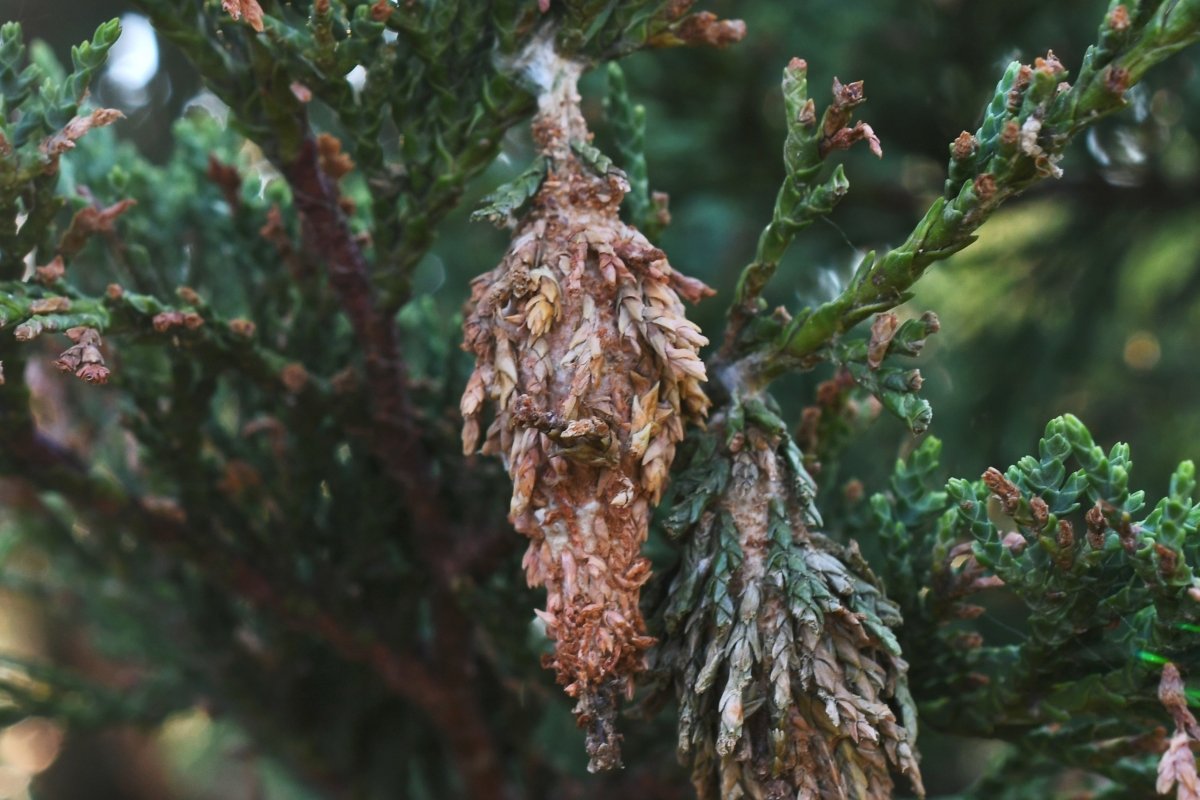
These caterpillars are so called for their 1- to 2-inch-long nests that hang from tree branches and resemble brown bags. Telltale signs of bagworms consists of brown branches and thinning foliage in a tree. Their heads will emerge from the bag when they’re feeding. Bagworms like mainly evergreen trees, including juniper, cedar, pine, spruce and cypress trees. They can also attack deciduous trees, including locust, maple and sycamore. Treating bagworms quickly is crucial. Evergreen trees often can’t replace older growth, so they can end up with large permanent bare spots.
How to get rid of bagworms
When treating smaller trees and shrubs, hand removal is the best method for eliminating bagworms. Remove the bag and dispose of it in the trash to prevent the caterpillars from crawling back to the tree. You can also treat bagworms with Bt when they’re actively feeding in the spring and early summer.
9. Whiteflies
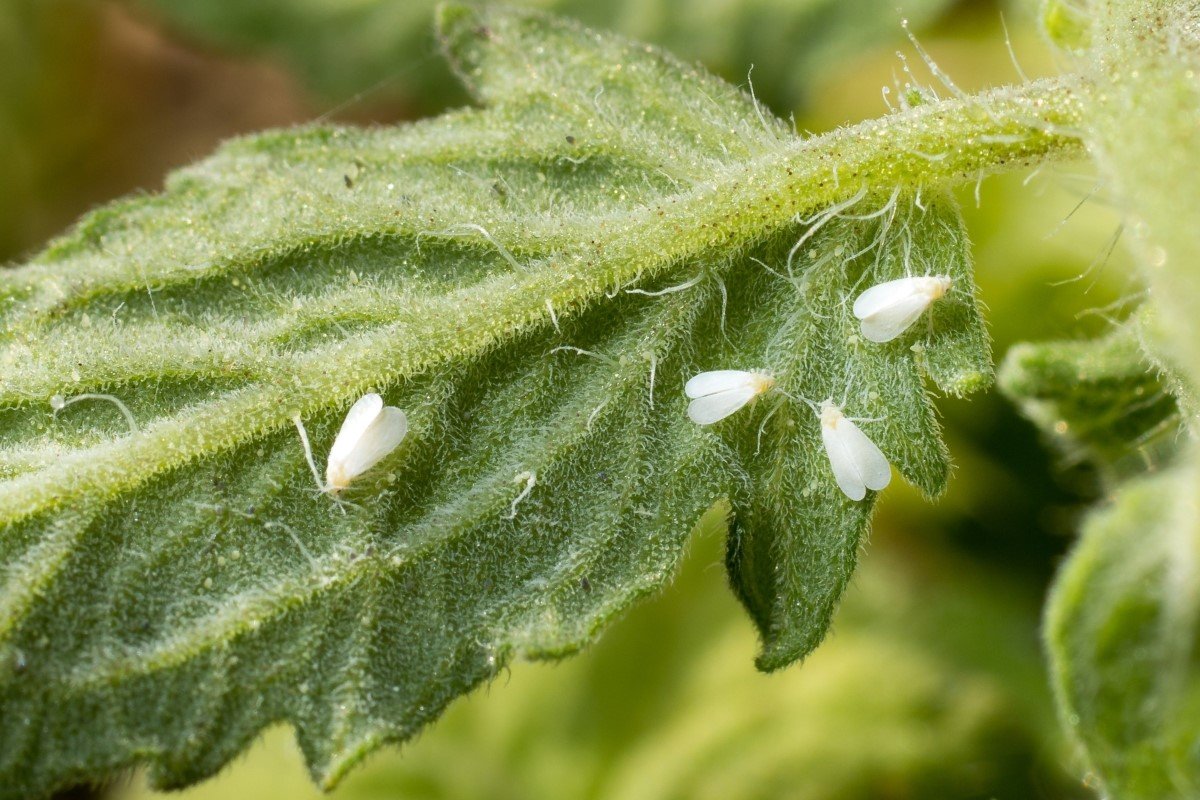
These tiny pests can be very difficult to spot, so it’s often easier to look for the damage whiteflies inflict. They attack many vegetables, including tomatoes, peppers, squash, cucumbers, and beans, along with citrus plants and a variety of ornamentals. They feed by piercing the leaves of these plants with their tiny probicus and sucking out plant juices, stunting growth and causing the leaves to look yellow or silvery. You can also shake an infested plant, which will cause a small cloud of bugs to emerge from the leaves.
How to get rid of whiteflies
Spray the plants with neem oil or an insecticidal soap, focusing on the undersides of the leaves where whiteflies like to feed. The treatment only kills whiteflies it directly contacts, so you’ll need to repeat this treatment every five days for three cycles to kill off newly hatched flies and eliminate the whitefly infestation.
10. Leafhoppers
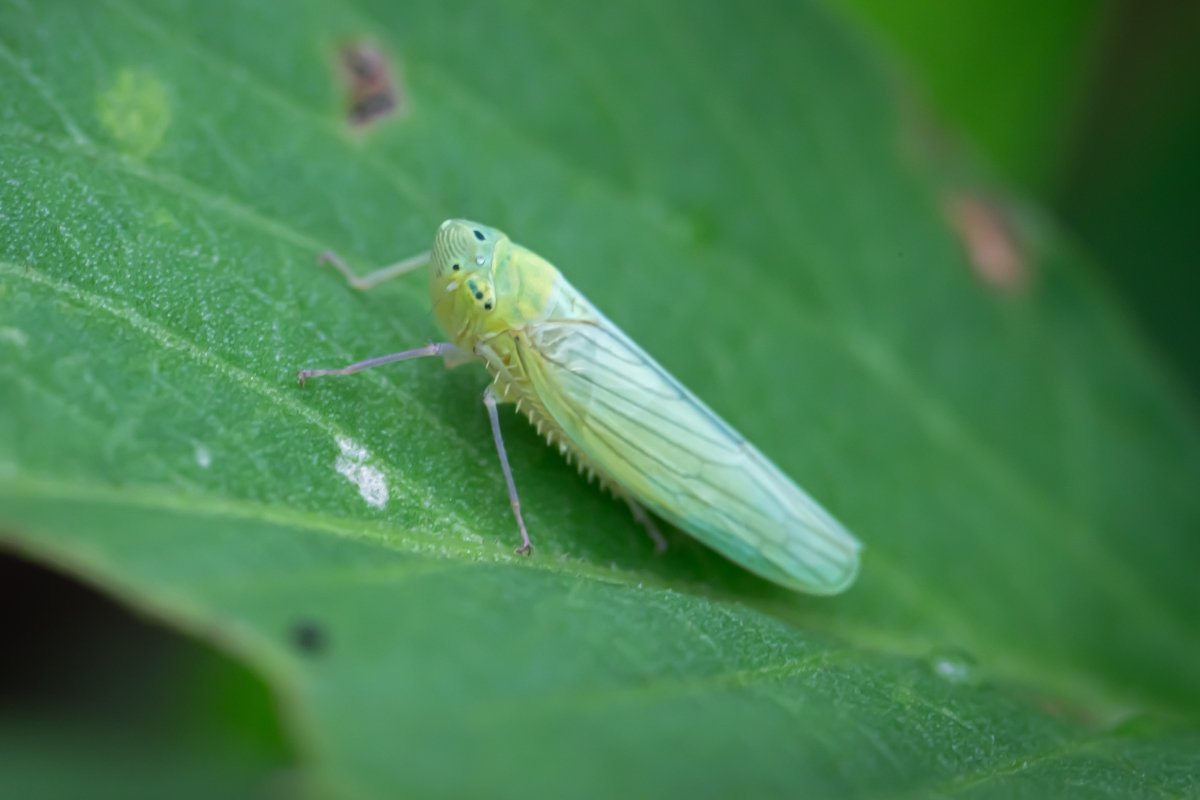
These tiny insects measure just 1/8- to 1/4-inch long and have slender wedge-shaped bodies. They come in a variety of species and can be green, yellow, brown, or gray. Leafhoppers like to feed on a variety of vegetable plants, including tomatoes, potatoes, beans, cucumbers and squash. Rather than chew on leaves, leaf hoppers suck the sap out of them with damage consisting of yellow or white speckles on leaves, yellowish browning on leaf edges, and curled leaves.
How to get rid of leafhoppers
Start by spraying the affected plants with a strong spray of water to knock off any bugs or nymphs. Put a few drops of mild dish soap into a spray bottle or use neem oil. Spray the mixture directly onto the bugs to suffocate and kill them. You can also sprinkle diatomaceous earth on the soil around the plant to kill them.
11. Weevils
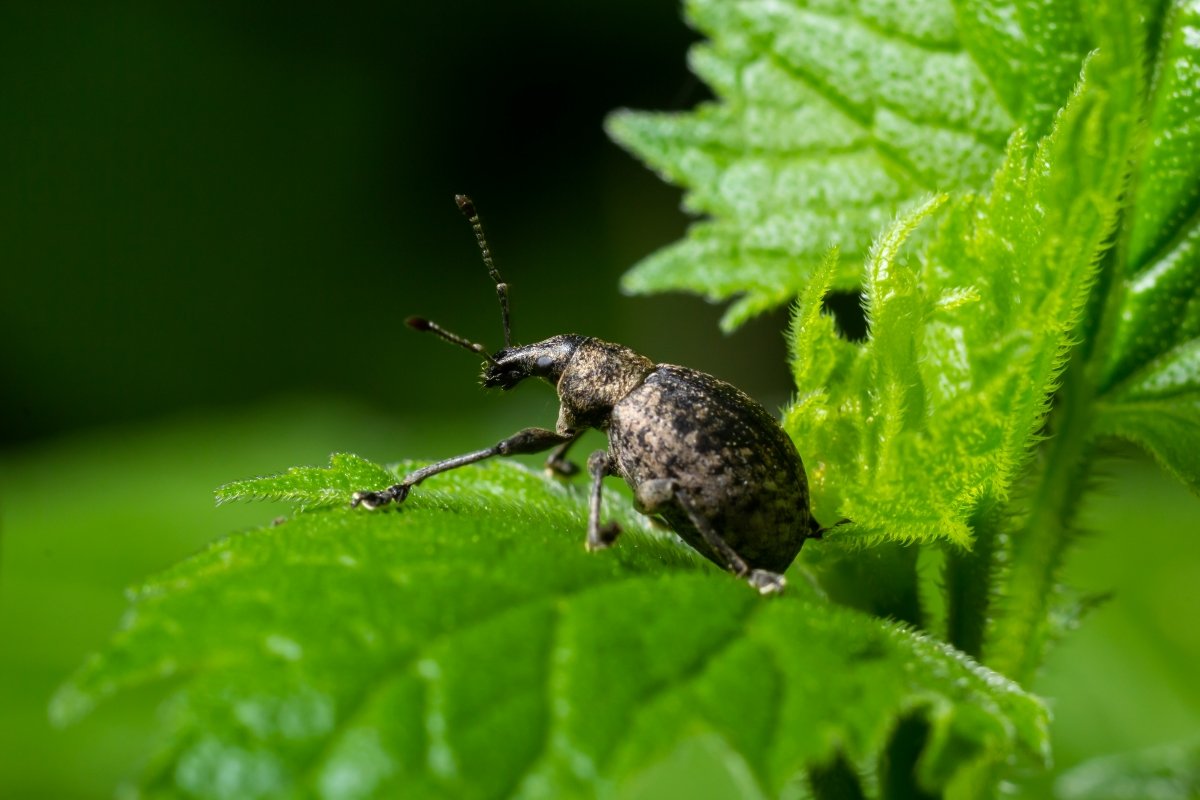
While there are many types of weevils, the ones that threaten gardens are beetles with an elongated head or snout and antenna. They can be a variety of colors, including black, brown, metallic green, gray and measure up to 1/2-inch long. They often hide in mulch and other debris then emerge at night to feed. Weevils’ preferred foods include grapes, roses, strawberries, mint, and hosta. They typically leave a notch in the leaves and buds, while larvae often feed on the roots.
How to get rid of weevils
To rid the garden of weevils, inspect garden plants after dark, hand remove them or shake them onto a tray and dispose of them in soapy water. You can also lay down cardboard or wrap it around the trunks of trees to create a hiding place/trap for them, which you can check and empty periodically.
12. Japanese Beetles
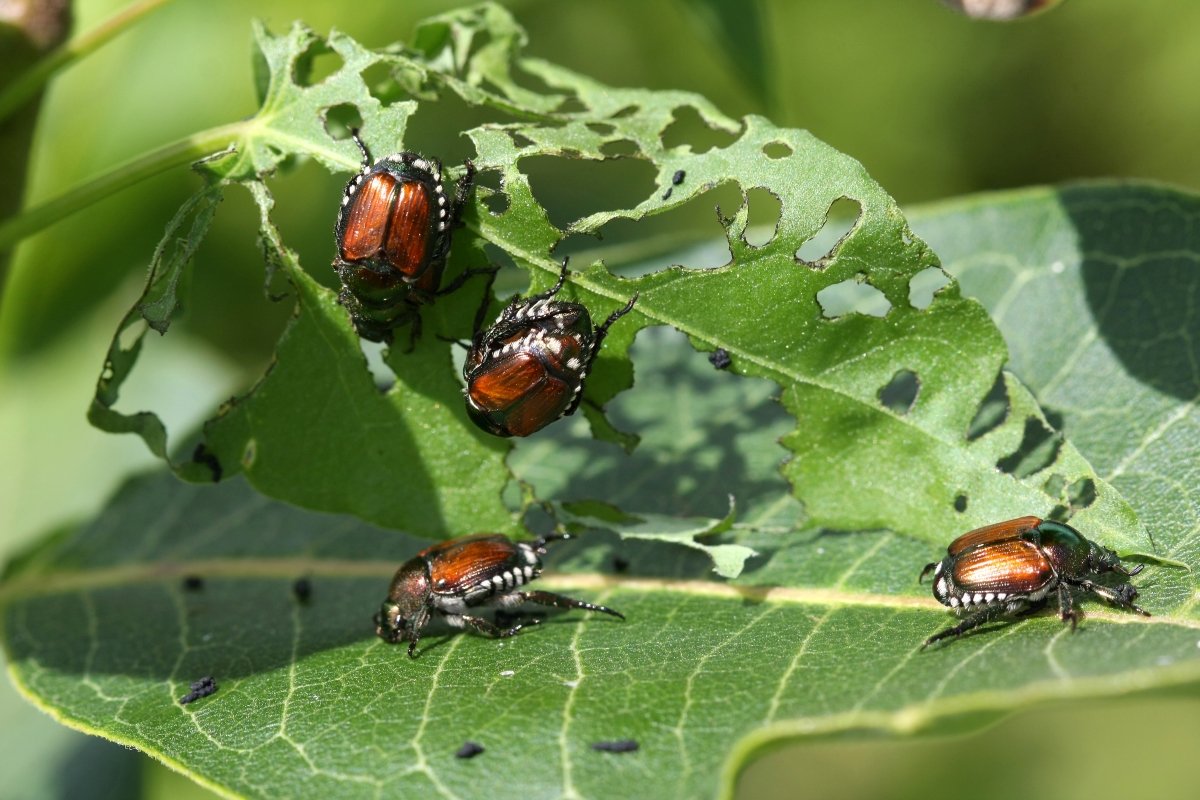
These pests, which appear in early to mid summer, emerge en masse and lay waste to plants with strongly scented foliage before dying off in late summer. They specifically like fruit trees and shrubs, roses, Japanese maples, and crape myrtle. Japanese beetles measure about 1/2 inch long and have a distinctive shiny, metallic green thorax and head with copper-colored wings. Since they release scents that attract other beetles, it’s not uncommon to find large clusters on a single plant or tree.
How to get rid of Japanese beetles
Very few chemical controls work against Japanese beetles, and those that do will also kill beneficial insects, like bees. Hand removal is the most effective method of getting rid of Japanese beetles. Hold a cup of soapy water under the foliage and brush or place the beetles in the cup to drown them. You can also place netting over smaller fruit trees and shrubs to protect them.
13. Mealybugs
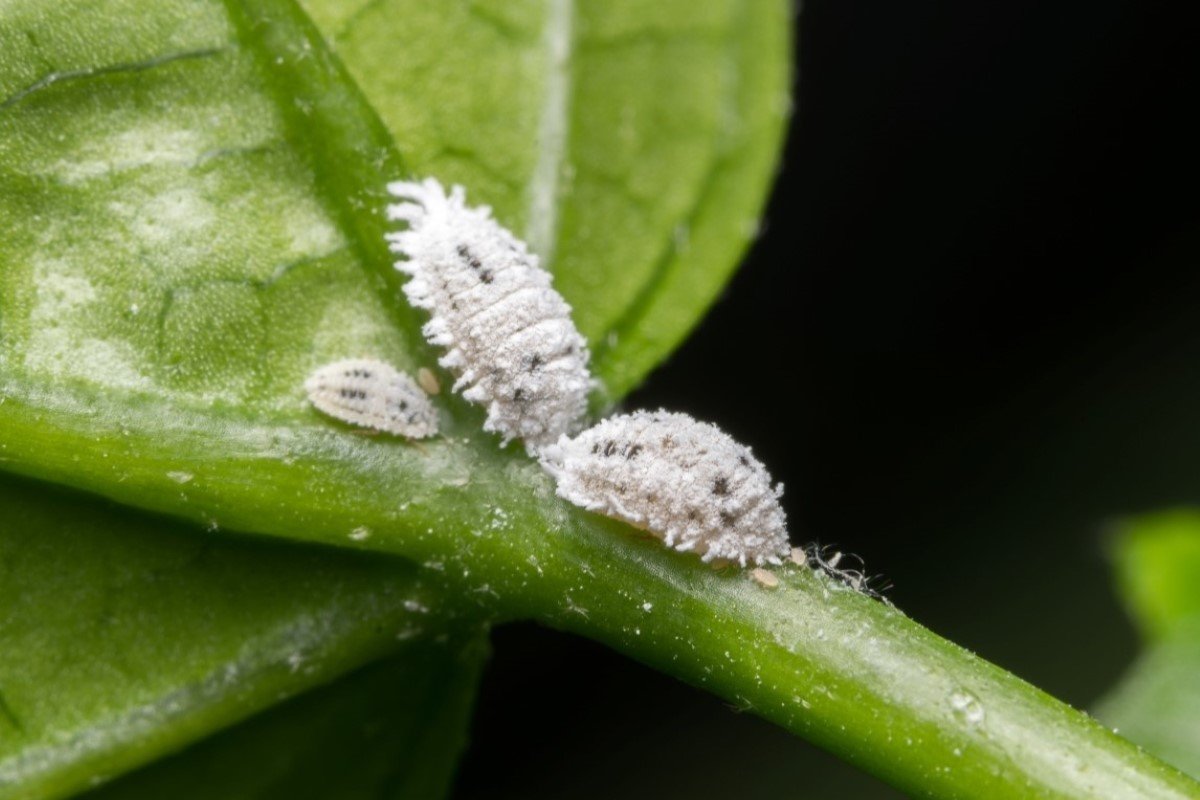
These vampire-like insects slowly kill your plants by draining the sap out of them. These 1/4-inch long insects have a waxy white coating that makes them resemble small bits of cotton. They typically collect in protected areas of plants, such as around flower buds, along leaf stems, and in leaf joints. Affected plants typically have wilting yellowing leaves and little to now leaf development. Mealybugs also excrete a sticky substance that will create a layer of black mold around on the plant. They like to feed on tomatoes, potatoes, gardenias, orchids, and various houseplants. Like whiteflies, they like to suck sap out of plants.
How to get rid of mealybugs
For smaller infestations, dab each bug with a cotton swab coated in isopropyl alcohol. If you’re dealing with a larger infestation of mealybugs, you can spray it with a mix of water, a few drops of dish soap or with neem oil.
14. Slugs
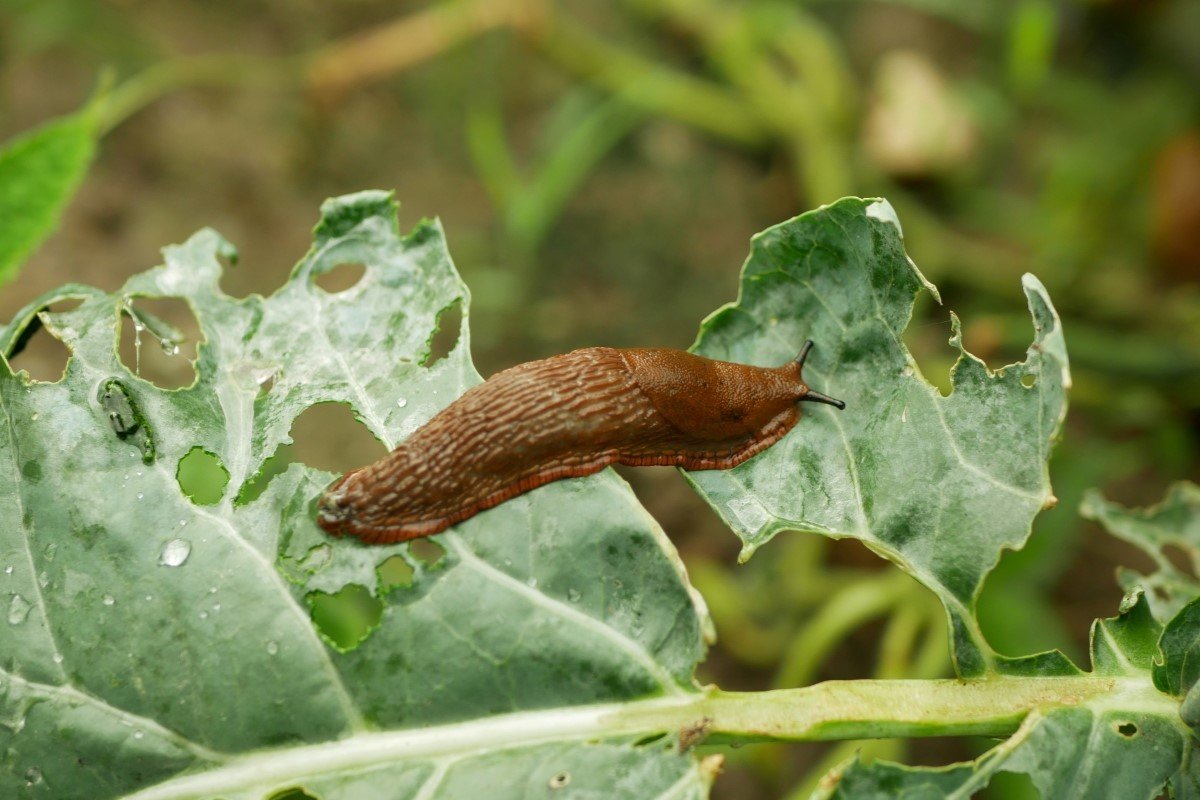
Slugs slip into the garden under cover of night and wreak havoc on plant leaves. Slugs can be yellow, gray, orange, black, brown, or multicolored. Telltale signs of slug damage are leaves that have been eaten and a trail of slime. Slugs and snails have similar habits: Both like to eat young plants and soft leaves like hostas, and both leave that signature trail of slime.
How to get rid of slugs
Since birds and toads love to eat slugs, employing a nontoxic method of control is the best option. Place copper strip barriers around vulnerable plants, or sprinkle diatomaceous earth in areas surrounding the garden beds. A common and effective method for getting rid of slugs is to place a shallow dish of beer in the garden. Slugs are drawn to the beer and drown in it.
15. Crickets
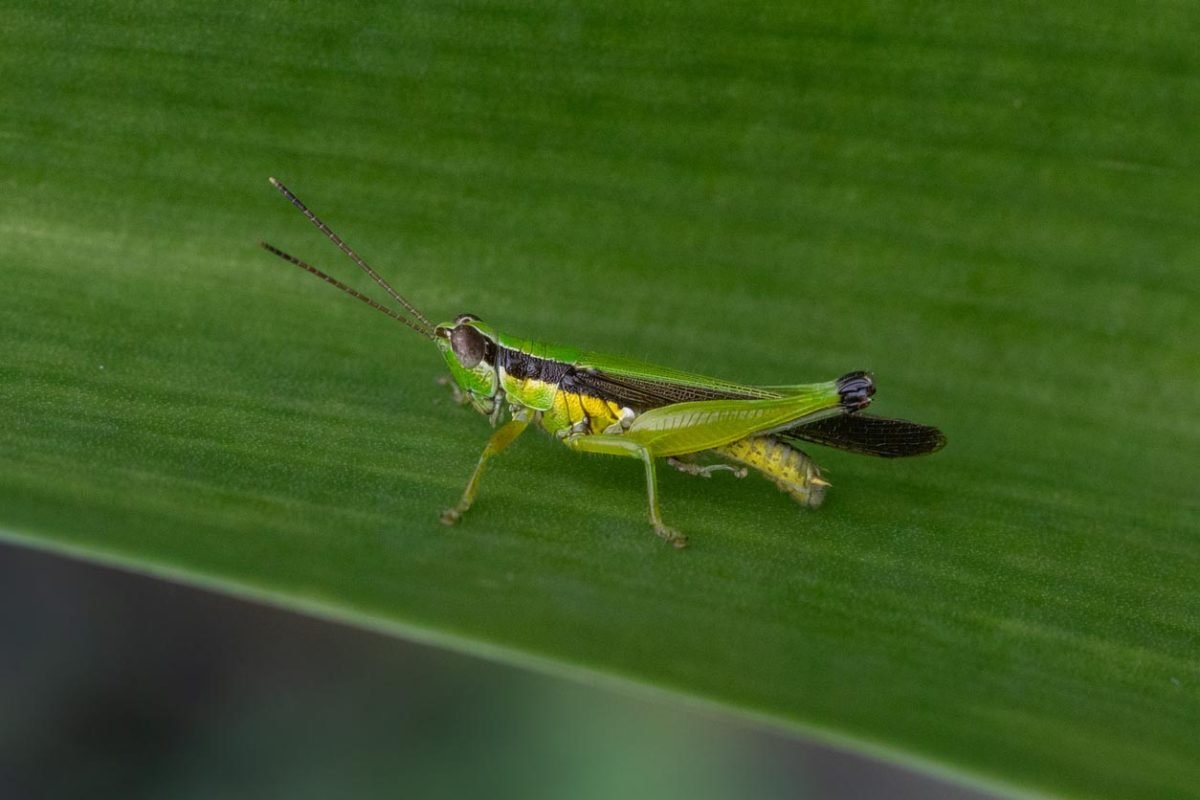
Crickets are common garden insects known for a chirping sound that for many is synonymous with late summer nights. The two most common types of cricket are the house cricket and the field cricket. House crickets are brown, grow to about ¾ inch in length, and have wings. The field cricket is between ½ and 1 inch long, has wings, and is shiny and black.
As a beneficial insect in the garden, crickets eat insects such as aphids and mites. They’ll even consume weed seeds and cut down on the spread of weeds. While most crickets are harmless in the yard, some species are destructive. In the Southeastern U.S., mole crickets, which have an odd, squished mole-like head, can devastate lawns by uprooting grass, making tunnels, disturbing the soil, and eating grass roots.
How to get rid of crickets
Getting rid of crickets, including mole crickets, can take some time. Clean up places they like to hide such as leaf piles, stacks of wood, or other plant debris; be sure the soil is nutrient rich; keep the lawn at the correct height and practice regular lawn care including fertilizing and irrigation.
16. Earwigs
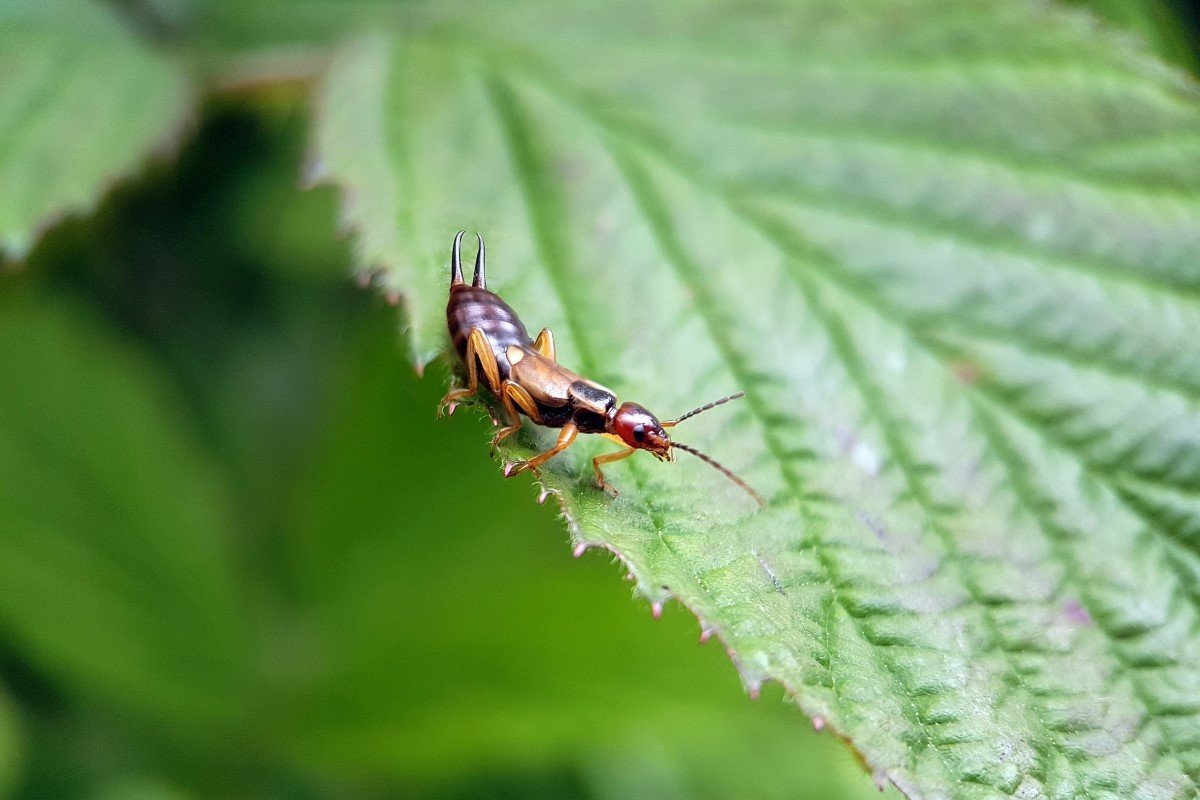
Earwigs are easily spotted thanks to the pincer-like appendages that extend off their abdomen, which gives them their second name, pincher bugs. Usually around ½ inch long and brown in color, these garden insects are incredibly common and not all bad. Earwigs feed on insects that damage garden plants, such as aphids. Unfortunately, earwigs are flower-eating bugs, feeding on flowers and the tender growth of plants. Their damage is obvious, as the little pincers quite literally take bites out of petals and new leaves, and the munching is often in a jagged, irregular pattern.
How to get rid of earwigs
Eliminating beneficial predators entirely such as earwigs and crickets can cause more harm than good, signaling to pests like aphids that the territory is all clear. There are a number of natural ways to get rid of earwigs, such as rolling up newspaper, keeping it damp, and placing it at the base of problem plants. Once the earwigs have been trapped, drown the insects in a soapy water solution.
17. Ants and Fire Ants
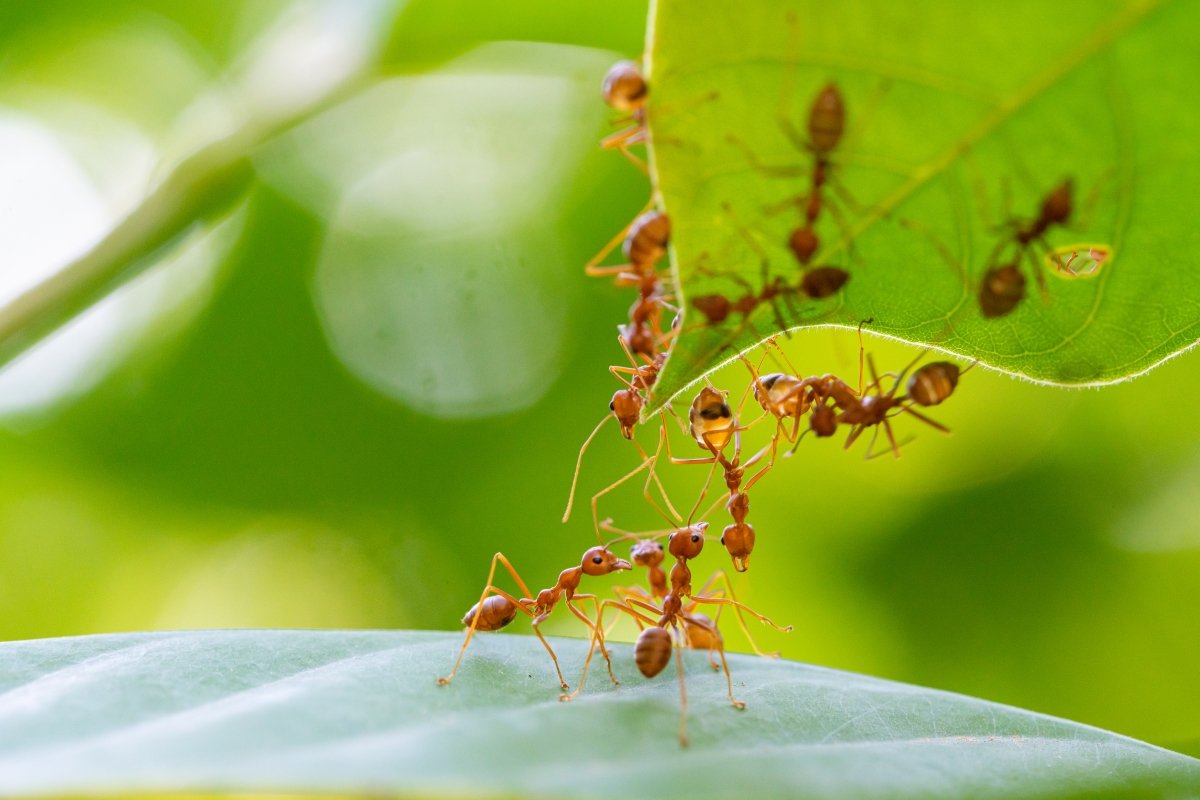
Ants are some of the most industrious of the garden insects. They can vary in color from pale amber to red to brown to black. Though ants do not harm plants, they can be a nuisance if they get inside the home or begin building ant hills in your yard or garden. Fire ants, harvester ants, and Allegheny mound ants can also deliver painful bites. Be sure to identify ants before attempting to eliminate them as there are a number of species that are harmless or helpful to the yard and garden.
How to get rid of fire ants
To prevent ants from coming inside, keep areas around doorways and windows free of debris, promptly clean up food or sugary drinks, and keep screens closed. Make sure entryways are well caulked and sealed to cut down on entry spots. Ant traps that deliver a delayed pesticide that can take out an entire colony are the best line of defense against ants. Place them near entry points and around the bases of large trees or shrubs.
18. Mosquitoes
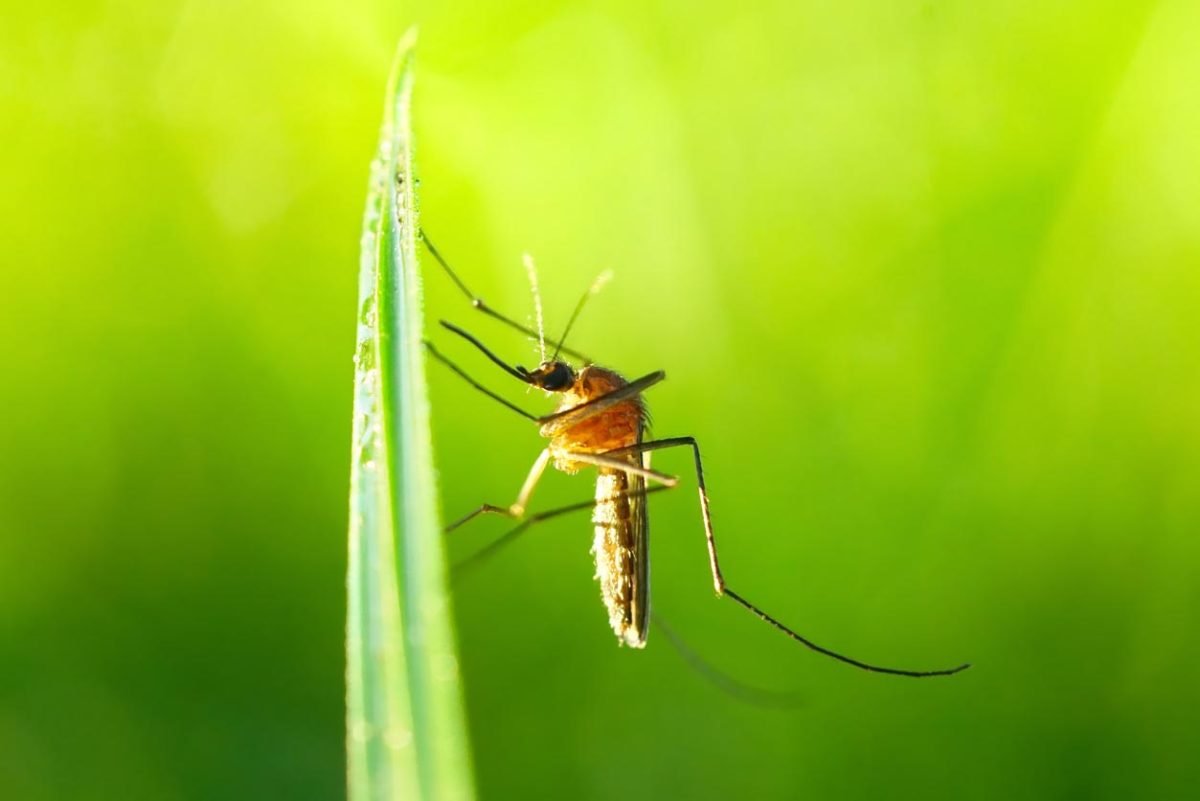
Of all the outdoor pests, the mosquito is probably the most recognizable in spite of its tiny size: Most are smaller than ½-inch long. The two most common types of mosquito in the United States are the Northern house mosquito, which is brown, and the Asian tiger mosquito, which has black and white stripes on the body. Like fleas and ticks, they suck blood, and reactions to their bites range from itching to swelling. Mosquitoes do not cause any specific problems to plants in the garden, but they can make spending time outdoors intolerable.
How to get rid of mosquitoes
In addition to applying mosquito repellent when going outside, there are a few other preventive methods that work in tandem to help control mosquitoes in the garden. Mosquitoes reproduce by laying eggs in water, so don’t let water sit for too long. Regularly check pet bowls, bird baths, flower pots, rain barrels, kiddie pools, gutters, and any other potential source of standing water. Certain spray treatments and chemicals can also be applied outdoors to control mosquito populations in the yard.
19. Fleas
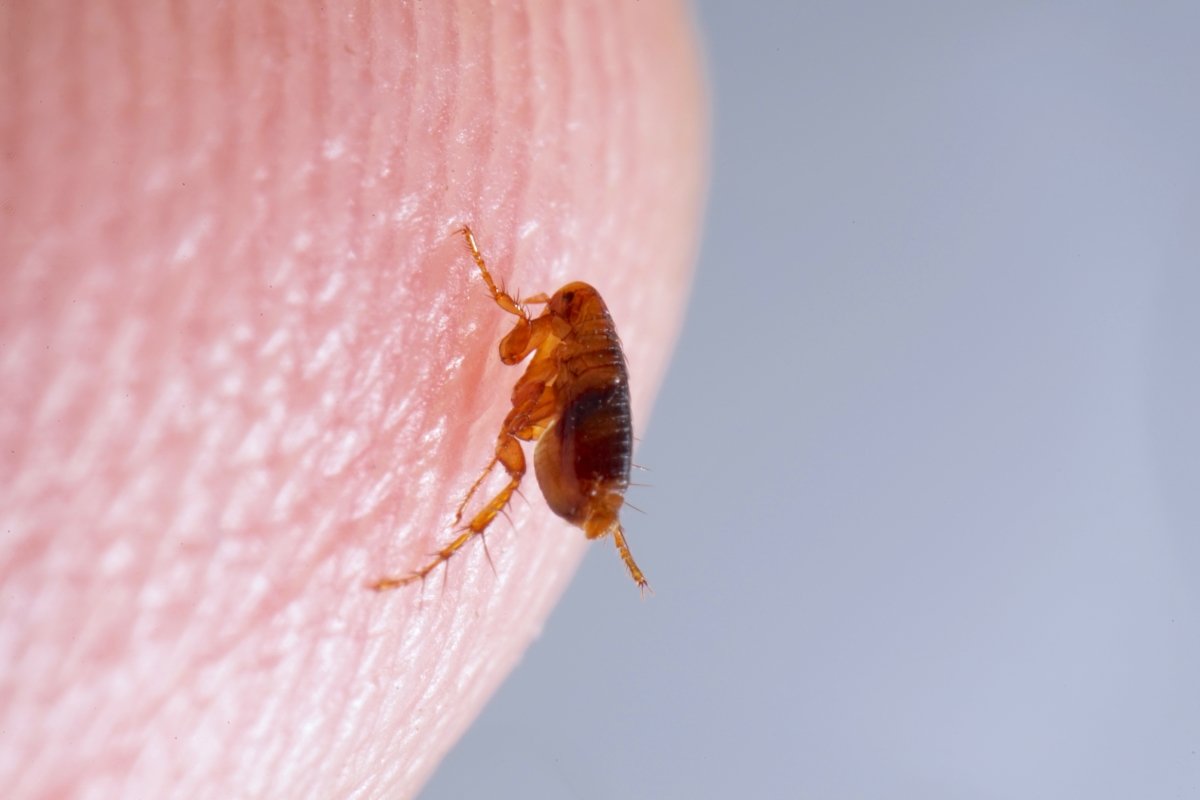
These parasites look like little more than dark specks about ⅛-inch long. The main way to tell if the insect you’re trying to identify is a flea is by observing if it can jump quite high (since fleas have powerful hind legs). While fleas do not cause damage to plants or lawns, they commonly hitch rides in the coats of pets and can cause bites on pets and humans.
How to get rid of fleas
Treating pets directly is the most effective way to avoid a flea infestation, especially indoors. However, if fleas are a consistent problem there are a few nontoxic and chemical insecticides that can be applied to lawns and areas under trees or bushes where it is shady or damp. Many of these are formulated to repel fleas and ticks.
20. Ticks
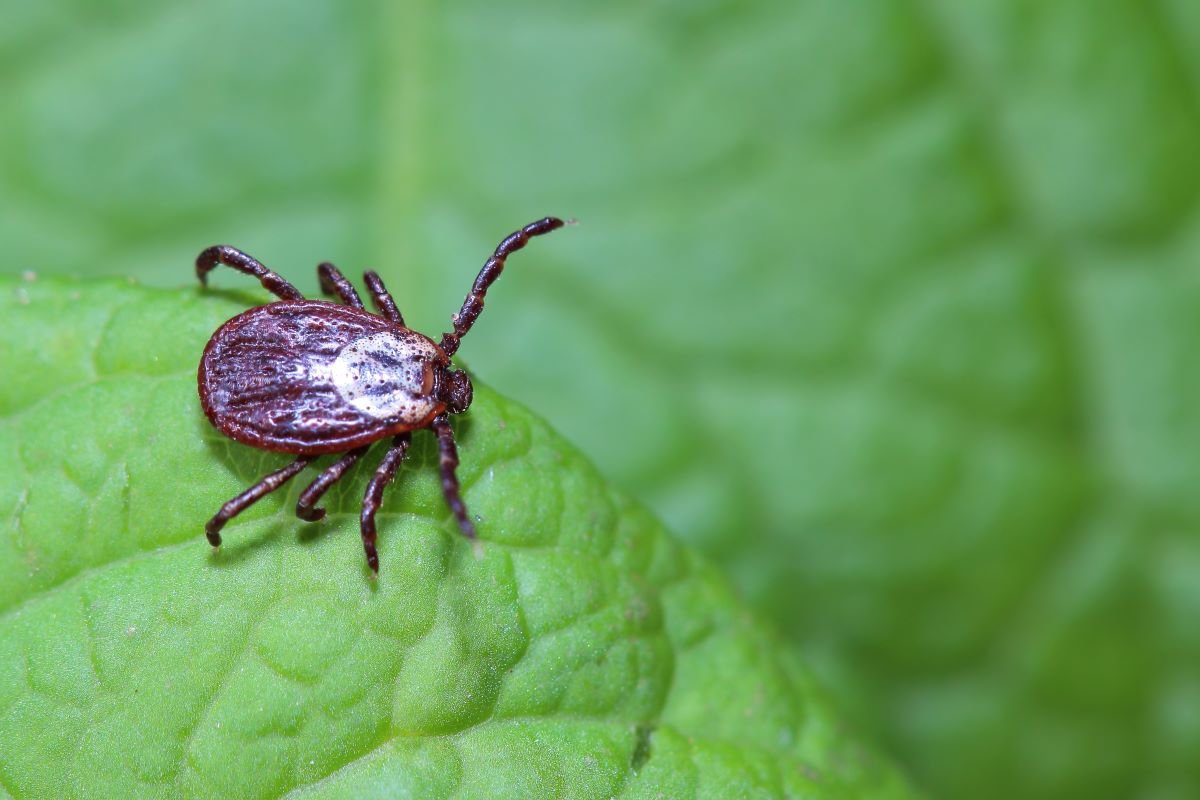
These notorious bloodsuckers are usually dark brown or black with eight legs. While ticks do not cause any damage to plants and are nearly undetectable in the garden, they are especially dangerous to people because they can carry diseases such as Rocky Mountain Spotted Fever and Lyme disease. These common garden pests are parasitic crawlers that attach themselves to people and pets to feed on their blood. Ticks can be as small as a sesame seed and swell to the size of a raisin or bigger when fully engorged.
How to get rid of ticks
Using spray tick repellents can prevent ticks from latching onto skin. Tick-specific chemicals, called acaricides, can be sprayed on a lawn sparingly to get rid of ticks in the spring and again in the fall to try to control ticks that carry Lyme disease.