

We may earn revenue from the products available on this page and participate in affiliate programs. Learn More ›
Choosing the right soil for herbs is one of the most important steps toward a thriving herb garden. These leafy plant parts—typically harvested for cooking, aromatic blends, and natural medicines—add a certain zing to life, and growing your own is often more convenient and economical than buying them at the grocery store. But for an herb garden to actually flourish, you need good growing conditions, and that begins with the soil.
While the best soil type may differ slightly depending on the particular herb being grown, most herbs do well in rich, moist, and well-drained soil that is moderately fertile. Our top pick, the Black Gold All-Purpose Potting Mix, is nutrient rich, includes a slow-release fertilizer, offers moderate water retention and drainage, and works well for both indoor and outdoor plant containers. Read on to learn more about growing herbs, how to choose the ideal soil for your situation, and specific info on a variety of soils well suited to a successful herb garden.
Key Takeaways
- Choose the right soil for thriving herbs. Most herbs need rich, moist, well-drained soil for optimal growth.
- Top pick: Black Gold All-Purpose Potting Mix. Nutrient-rich with slow-release fertilizer, suitable for indoor and outdoor use.
- Versatile options for different needs. From organic to seed-starting mixes, find the right soil for your herb garden.
- Consider location and specific needs. Indoor, outdoor, and container plants have different soil requirements.
Bottom line: Selecting the right soil is crucial for a successful herb garden. Explore various options to suit your specific growing conditions and needs.
- BEST OVERALL: Black Gold All-Purpose Potting Mix
↓ Jump to Review -
BEST BANG FOR THE BUCK: Miracle-Gro Potting Mix
↓ Jump to Review - BEST ORGANIC: Black Gold Natural and Organic Potting Soil
↓ Jump to Review - BEST FOR INDOOR PLANTS: Miracle-Gro Indoor Potting Mix
↓ Jump to Review - BEST FOR OUTDOOR GARDENS: Miracle-Gro Moisture Control Potting Mix
↓ Jump to Review - BEST FOR SEEDS: Miracle-Gro Seed Starting Potting Mix
↓ Jump to Review - BEST CONCENTRATED: Miracle-Gro Expand ’n Gro Concentrated Planting Mix
↓ Jump to Review - ALSO CONSIDER: FoxFarm Ocean Forest Potting Soil Mix
↓ Jump to Review
Soil for Herbs Comparison
| Product | Type | Ingredients | Good for |
|---|---|---|---|
| Black Gold All-Purpose Potting Mix | All-purpose potting mix | Sphagnum peat moss, worm castings, forest humus, pumice, slow-release fertilizer | Indoor and outdoor houseplants, patio containers, and herb gardens |
| Miracle-Gro Potting Mix | All-purpose potting mix | Processed forest products, sphagnum peat moss, coir, fertilizer, wetting agent, and/or compost | Indoor and outdoor container plants |
| Black Gold Natural and Organic Potting Mix | Organic all-purpose potting mix | Canadian sphagnum peat moss, bark, compost, earthworm castings, RESiLIENCE, perlite, pumice or cinders, organic grade fertilizer | Canadian sphagnum peat moss, bark, compost, earthworm castings, RESiLIENCE, perlite, pumice or cinders, organic grade fertilizer |
| Miracle-Gro Indoor Potting Mix | All-purpose indoor potting mix | Sphagnum peat moss, coconut coir, perlite, quick-feed fertilizer | Indoor houseplants and container herb gardens |
| Miracle-Gro Moisture Control Potting Mix | Garden soil | Soil, compost, plant food | Outdoor herb and vegetable gardens |
| Miracle-Gro Seed Starting Potting Mix | Seed-starting mix | Sphagnum peat moss, perlite, Miracle-Gro plant food | Herb seeds; other plant seeds; and root, stem, and leaf cuttings |
| Miracle-Gro Expand ’n Gro Concentrated Planting Mix | Concentrated, all-purpose planting mix | Compressed coir and fertilizer | Containers, raised beds, and in-ground gardens |
| FoxFarm Ocean Forest Potting Soil Mix | All-purpose potting mix | Composted forest humus, sandy loam, sphagnum peat moss, earthworm castings, bat guano, and fish and crab meal | Indoor and outdoor herb and plant containers |
Our Top Picks
Give herbs a healthy start with high-quality soil. One of the following growing mediums should be ideal for an herb garden.
Best Overall
Photo: amazon.com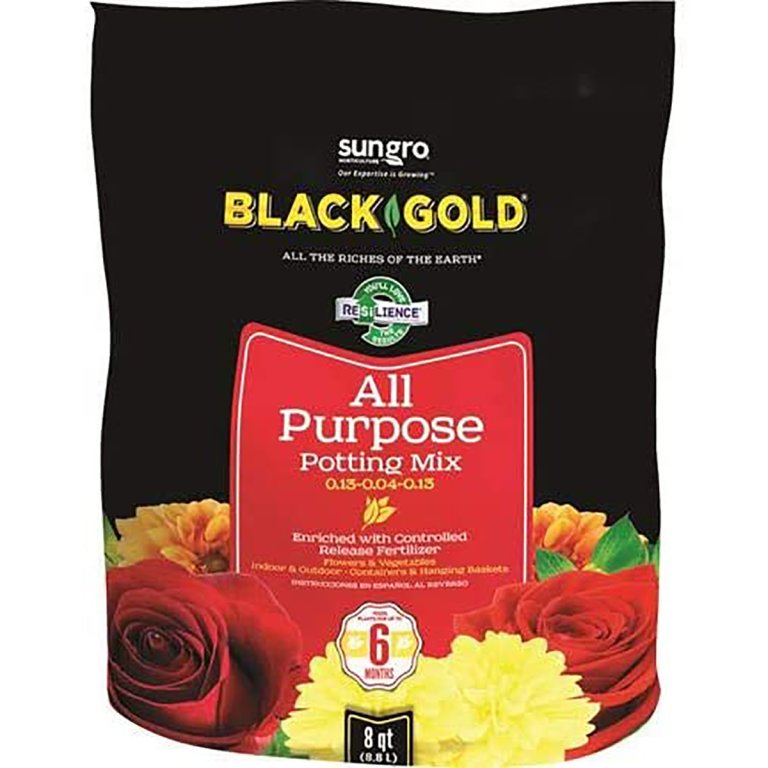
What We Like
- Nutrient rich
- Slow-release fertilizer
- Moderate water retention and drainage
- Suitable for indoor and outdoor plant containers
What We Don’t Like
- Small-quantity bag
Product Specs
- Type: All-purpose potting mix
- Ingredients: Sphagnum peat moss, worm castings, forest humus, pumice, slow-release fertilizer
- Great for: Indoor and outdoor houseplants, patio containers, and herb gardens
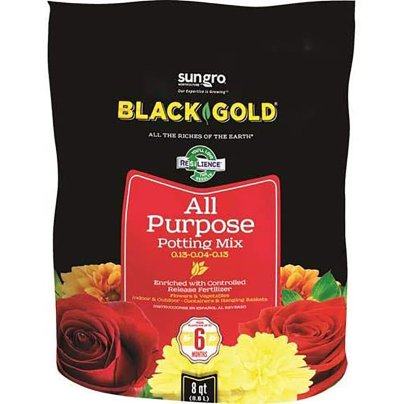
Give all types of herbs a strong start with this all-purpose potting mix from Black Gold. The nutrient-rich mix is suitable for growing many container plants, including most herbs. This robust potting mix comprises sphagnum peat moss, worm castings, forest humus, pumice, and a slow-release fertilizer. The fertilizer features the brand’s MultiCote controlled-release mechanism to provide even, consistent feeding for new herbs.
This potting mix works for both indoor and outdoor use. It has moderate water retention and drainage capabilities that makes it ideal for a range of containers, including houseplants, hanging baskets, and herb containers.
Get the Black Gold all-purpose soil for herbs at Ace Hardware, Lowe’s, or Walmart.
Best Bang for the Buck
Photo: amazon.com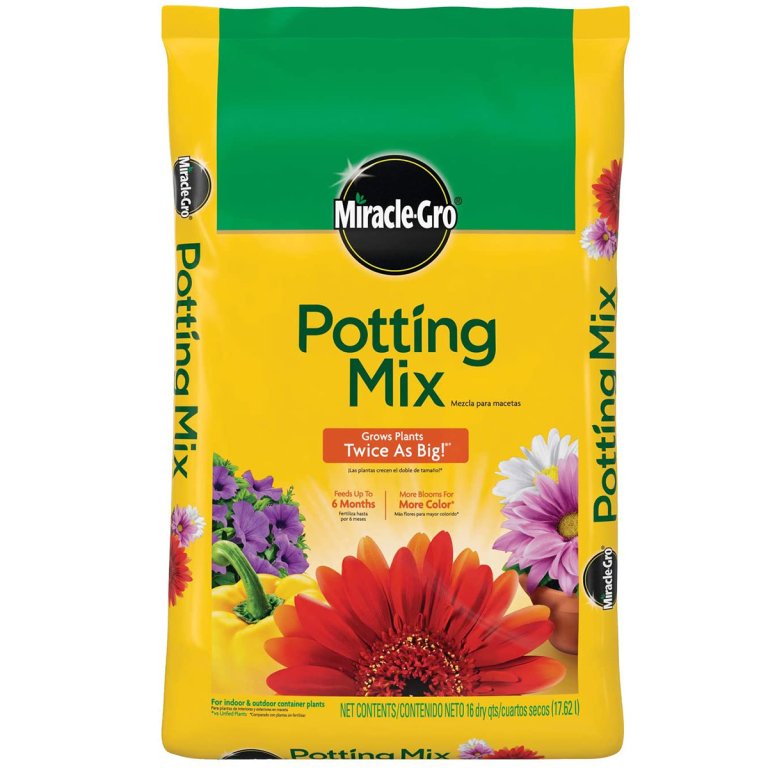
What We Like
- Affordable
- Encourages larger plant growth
- Feeds plants for up to 6 months
What We Don’t Like
- Some users reported receiving soil with gnat eggs
Product Specs
- Type: All-purpose potting mix
- Ingredients: Processed forest products, sphagnum peat moss, coir, fertilizer, wetting agent, and/or compost
- Great for: Indoor and outdoor container plants
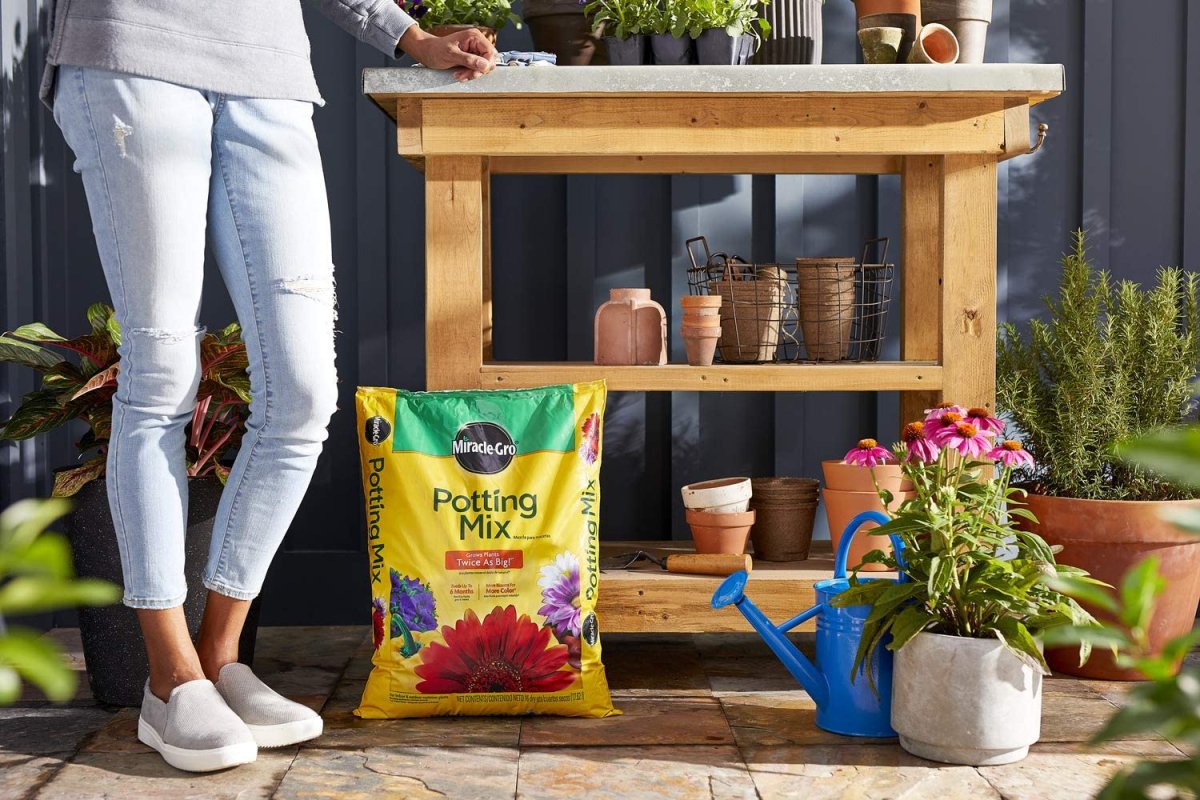
This all-purpose potting mix is a versatile choice for most types of indoor and outdoor container plants, including herbs. Made by one of the best-known brands in the business, Miracle-Gro, it’s also quite affordable, so it’s a boon to gardeners on a budget.
This potting mix contains sphagnum peat moss, composted softwood bark, perlite, a wetting agent, and fertilizer. It feeds plants for up to 6 months and purports to provide anchorage and support for the roots, as well as proper drainage, airflow, and nutrients. These qualities make it an excellent choice for herb gardens in both indoor and outdoor containers.
Get the Miracle-Gro potting mix soil for herbs (various sizes) at Amazon, Lowe’s, Tractor Supply Co., Ace Hardware, The Home Depot, Walmart, or Target.
Best Organic
Photo: amazon.com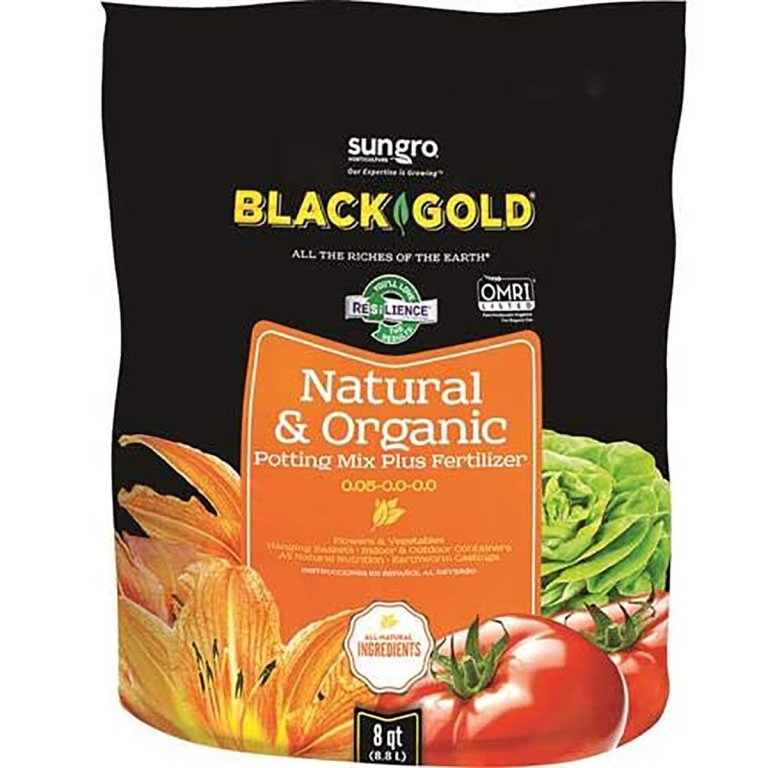
What We Like
- OMRI-certified organic
- Includes fertilizer
- Suitable for indoor and outdoor containers and raised garden beds
What We Don’t Like
- Pricier than nonorganic options
Product Specs
- Type: Organic all-purpose potting mix
- Ingredients: Canadian sphagnum peat moss, bark, compost, earthworm castings, RESiLIENCE, perlite, pumice or cinders, organic grade fertilizer
- Great for: Indoor and outdoor herb and vegetable containers, raised garden beds
Organic herbs start with an organic potting soil. This potting soil from Black Gold is OMRI certified, an assurance that it is appropriate for organic gardening. The all-natural and all-purpose potting soil is a versatile and convenient choice.
This rich and loamy mix includes peat moss, compost, and earthworm castings for optimal soil health, plus perlite and pumice to ensure optimum pore and air space for root growth. It is suitable for both indoor and outdoor containers and is an excellent choice for both herb and vegetable gardens. Beyond herb containers, this mix can also be used for potted houseplants and raised garden beds.
Get the Black Gold natural and organic soil for herbs at Tractor Supply Co. or Ace Hardware.
Best for Indoor Plants
Photo: amazon.com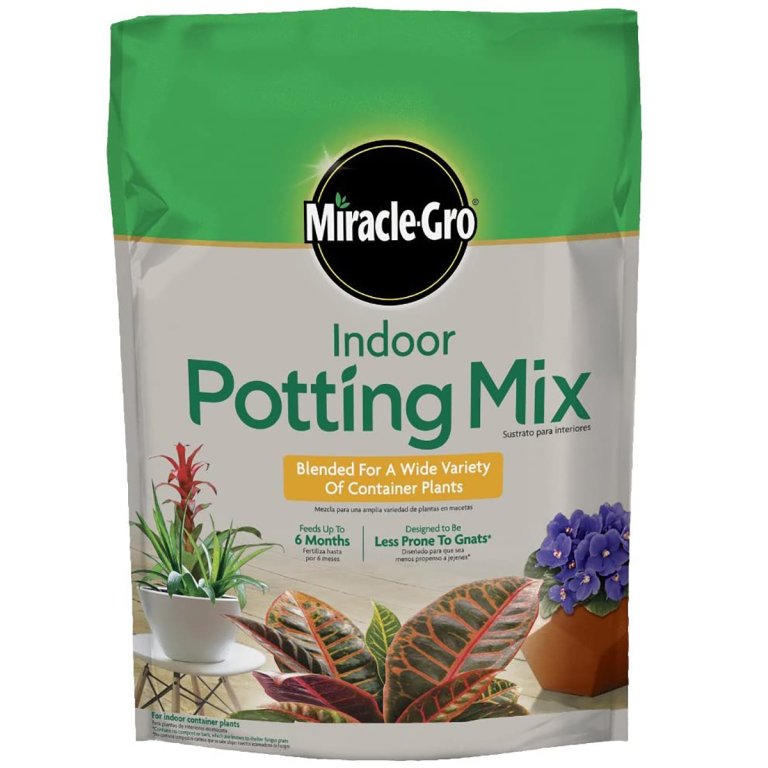
What We Like
- Designed for a wide variety of indoor container plants
- Omits bark and compost to reduce gnats
- Feeds plants for up to 6 months
What We Don’t Like
- Small amount of mix per bag
Product Specs
- Type: All-purpose indoor potting mix
- Ingredients: Sphagnum peat moss, coconut coir, perlite, quick-feed fertilizer
- Great for: Indoor houseplants and container herb gardens
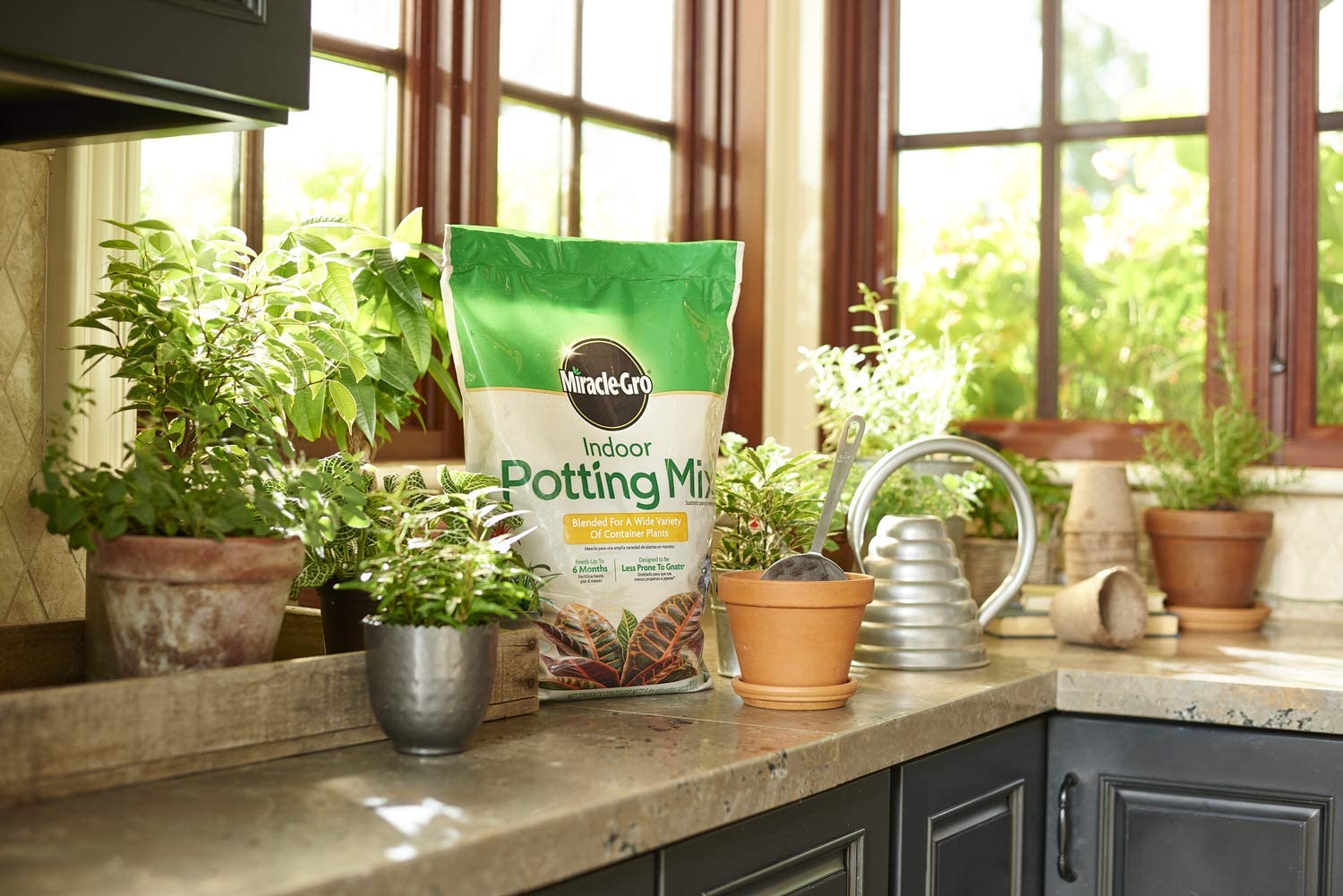
Certain ingredients in soil can increase the likelihood that indoor plants will harbor gnats. This specially formulated indoor potting mix does not contain bark or compost ingredients, relying instead on sphagnum peat moss, coir, perlite, and fertilizer. The result is excellent water retention and drainage while lowering the chance of pesky gnats.
This mix is blended for a wide variety of indoor container plants, including herbs. It contains fertilizer that feeds plants for up to 6 months for optimal growth. This mix can also be used for outdoor plants, although since it comes in smaller bags, it’s more appropriate for small indoor containers.
Get the Miracle-Gro indoor potting mix soil for herbs (various sizes) at Lowe’s, Tractor Supply Co., Ace Hardware, The Home Depot, or Target.
Best for Outdoor Gardens
Photo: amazon.com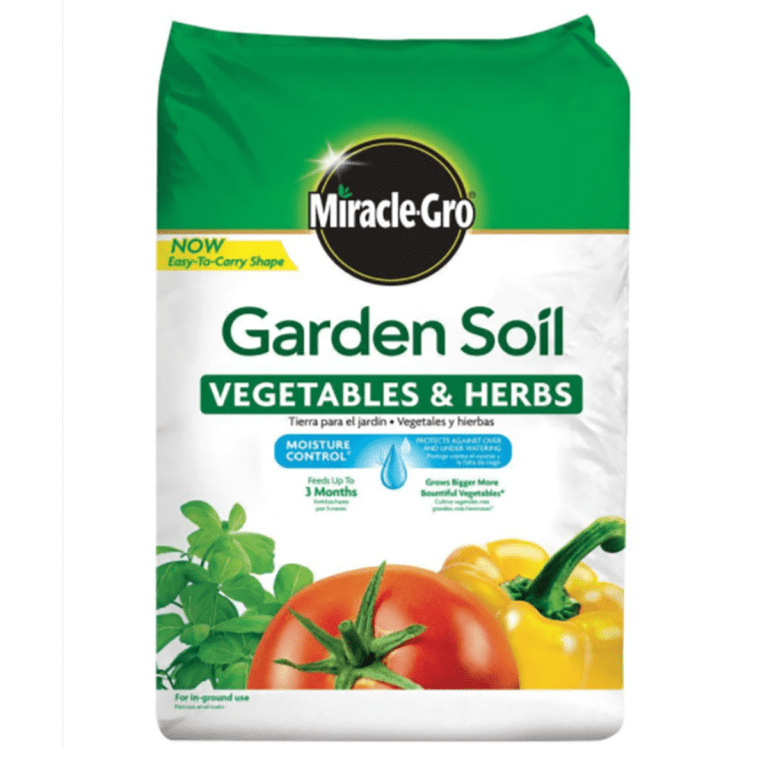
What We Like
- Designed for vegetable and herb gardens
- Enriched with compost and plant food for essential nutrients
- Moisture Control technology
What We Don’t Like
- May contain some contaminants
Product Specs
- Type: Garden soil
- Ingredients: Soil, compost, plant food
- Great for: Outdoor herb and vegetable gardens
Outdoor herb and veggie gardeners hoping for a plentiful yield should consider this high-quality soil. Miracle-Gro claims a superior harvest guaranteed when compared to unfed plants. Its blend of compost and essential nutrients help to feed plants for up to 3 months, encouraging growth.
This soil is also enriched with Miracle-Gro Plant Food for more nutrient-rich garden beds. To protect against both under- and over-watering, this soil also features the brand’s Moisture Control technology.
Get the Miracle-Gro moisture control soil for herbs (various sizes) at Amazon, Lowe’s, Tractor Supply Co., Ace Hardware, The Home Depot, Walmart, or Target.
Best for Seeds
Photo: amazon.com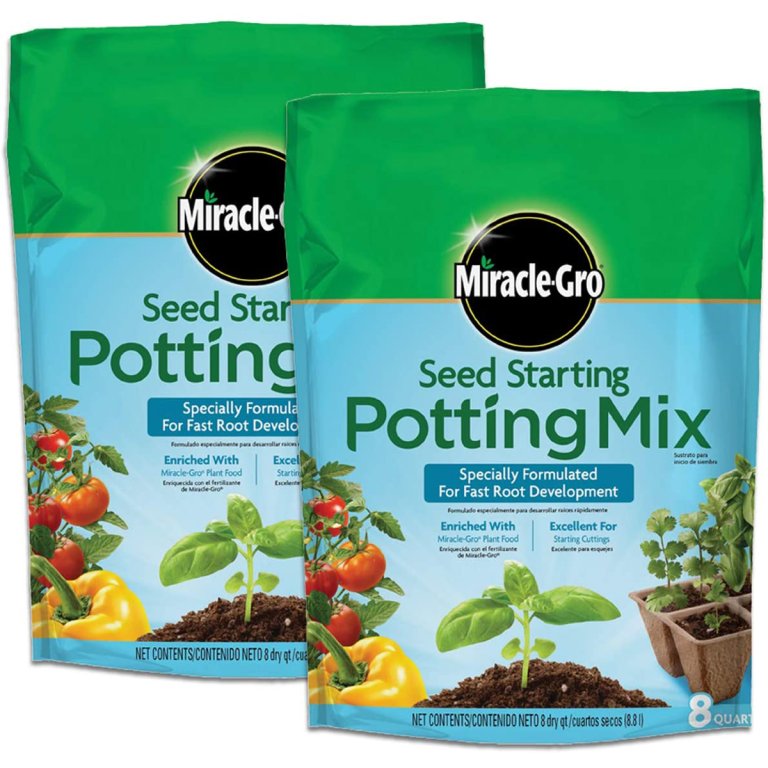
What We Like
- Lightweight mix
- Formulated for fast root development
- Enriched with plant food
- Easy to use
What We Don’t Like
- Only useful for seed starting
Product Specs
- Type: Seed-starting mix
- Ingredients: Sphagnum peat moss, perlite, Miracle-Gro plant food
- Great for: Herb seeds; other plant seeds; and root, stem, and leaf cuttings
Those opting to grow herbs from seeds instead of starter plants may want to hedge their bets—and this seed-starting potting mix may be just the ticket. A seed-starting mix tends to be finer in texture than potting soil, so it won’t weigh down a seed as it germinates. Miracle-Gro Seed Starting Potting Mix features a mixture of sphagnum moss and perlite to create a lightweight and moisture-retaining seed bed, which is ideal for growing new herbs.
This mix is enriched with Miracle-Gro plant food to further encourage seedling growth. The blend is lightweight to allow germination without interfering with strong root growth.
Get the Miracle-Gro seed starting soil for herbs (various sizes) at Amazon, Lowe’s, Tractor Supply Co., Ace Hardware, or The Home Depot.
Best Concentrated
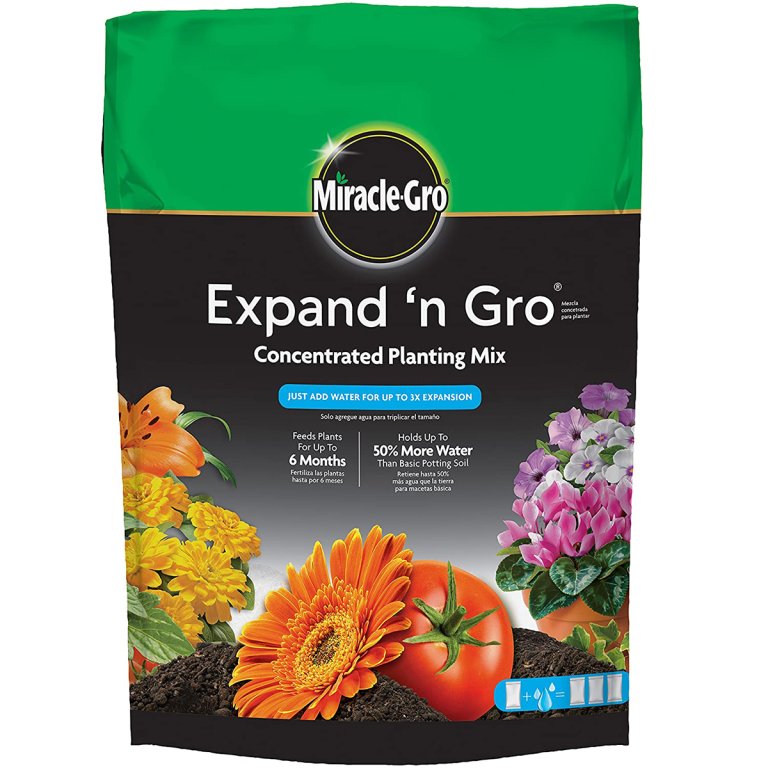
Miracle-Gro Expand ’n Gro Concentrated Planting Mix
Buy at AmazonWhat We Like
- Coir helps to regular moisture levels
- Excellent moisture retention
- Airy
- Space saving
What We Don’t Like
- Can retain too much water for some herbs
Product Specs
- Type: Concentrated, all-purpose planting mix
- Ingredients: Compressed coir and fertilizer
- Great for: Containers, raised beds, and in ground
Herbs don’t require much room to grow, which makes them great choices for windowsills in small homes and apartments. But tight quarters may not offer lots of storage space for a big bag of soil—and that’s where Miracle-Gro Expand ’n Gro Concentrated Planting Mix, sold in compact bags, comes in.
This concentrated soil contains compressed coir. When mixed with water, it expands up to three times its size. The expanded soil is very airy, forming up to 90 percent more air space than some other bagged mixes. This mix also holds up to 50 percent more water than other planting mixes, ideal for thirsty herbs.
Get the Miracle-Gro concentrated soil for herbs at Amazon.
Also Consider
Photo: amazon.com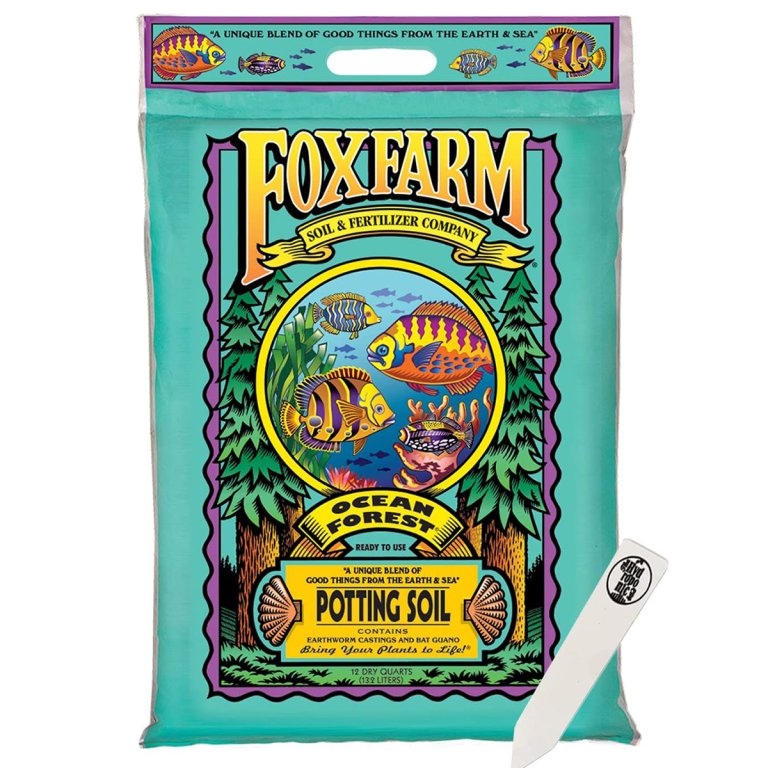
What We Like
- pH adjusted for good fertilizer uptake
- Ready to use right out of the bag
- Nutrient rich
What We Don’t Like
- Pricey
Product Specs
- Type: All-purpose potting mix
- Ingredients: Composted forest humus, sandy loam, sphagnum peat moss, earthworm castings, bat guano, and fish and crab meal
- Great for: Indoor and outdoor herb and plant containers
This potting mix from FoxFarm is designed for container gardening and has a light, aerated texture that is ideal for both indoor and outdoor plants. Since it’s pH adjusted (between 6.3 to 6.8), it’s suitable for most herbs, without the need for any amendments. The slightly acidic pH also allows for optimum fertilizer uptake.
Composted forest humus, sandy loam, and sphagnum peat moss make up the base of this soil mix and give it its fluffy texture. Earthworm castings, bat guano, and fish and crab meal add nutrients for better herb and plant growth.
Get the FoxFarm soil for herbs at Amazon, The Home Depot, Walmart, or Target.
Jump to Our Top Picks
How We Chose the Best Soil for Herbs
To start selecting the best soil for herbs, we did a deep dive into what most herbs need for successful plant growth. This primarily includes rich and decently fertile soil with good water retention and excellent drainage. With these criteria in mind, we picked soils and potting mixes that will work for a variety of popular herbs.
Through extensive product research and studying consumer reviews, we found high-quality products designed for great plant growth. We stuck with reputable gardening brands because we believe they’re popular for a reason: They have reliable and high-quality soil products.
Many of these soils and mixes are versatile, which means they can be used to grow herbs and other plants, both indoors and outdoors. We chose a few more specialized products as well, such as mixes made specifically for seeds, outdoor gardens, and an indoor potting soil, to cover growing herbs from start to harvest in a variety of locations.
What to Consider When Choosing the Best Soil for Herbs
Growing herbs, either in a garden patch or on a sunny windowsill, is a rewarding experience that’s even more gratifying when the fresh, tasty results jazz up a dinner recipe. Before planting and choosing the best soil for plants, consider where the garden will be located and the fertilizer, pH level, nutrients, and water needs of the desired herbs.
Location
Herbs that grow in an outdoor garden have different requirements than indoor or container plants. For outdoor success, opt for garden soil, which is formulated for in-ground plants. Garden soil, which is heavy and dense, can become too compacted in a container, reducing its ability to drain and negatively impacting roots.
For indoor and container gardens, potting soil or potting mix is preferable. Though these terms are often used interchangeably, they are technically different products. Potting soil, as the name implies, contains soil (either partially or completely). Potting mix, however, does not contain any actual soil and instead consists of a range of natural ingredients to create a light and well-draining texture. Potting mix tends to be the best choice for container herb gardening because, in addition to draining well, it is sterile and often includes added nutrients.
Fertilizer and Other Ingredients
Soils and potting mixes are scientifically formulated to include ingredients that can help plants thrive. Fertilizer can be chemical or organic material that adds nutrients, and while exact fertilizing needs depend on the particular plant and growing conditions, most herbs can benefit from a blend of nitrogen, phosphorus, and potassium. The rule of thumb is to only fertilize as much as needed; overdoing it can cause some herbs to grow too fast, which risks losing flavor.
For outdoor herbs, a soil test can determine what nutrients may be lacking so the gardener can fertilize accordingly. Container herbs may require more frequent fertilizing because pots hold small amounts of growing medium, and plants can use up nutrients as water leaches them away. Using a potting mix with fertilizing ingredients, then adding a fertilizer later (as needed), can help optimize plant health.
Potting mixes, which are soilless, contain various ingredients—such as coconut coir, peat moss, and perlite—to create and maintain their fluffy, well-draining texture. Garden soil and some potting soils often contain organic ingredients like compost and manure to boost soil health.
pH Level
While most herbs prefer slightly acidic to neutral soil with a pH between 6.0 and 7.0, some common species deviate slightly from this scale. Rosemary, for example, prefers a pH between 5.0 and 6.0. Use a soil pH-testing kit to determine if pH-adjusting amendments, like limestone or sulfur, should be added to the herb garden.
Nutrients
Necessary nutrients may be added to growing mediums to help nourish plants. High-quality potting mixes typically contain important nutrients, which can be organic or nonorganic (chemical) in origin, to help with plant health.
Many companies list nutrients on the product label, displaying the soil’s nitrogen, phosphorus, and potassium content as a ratio of percentages. These nutrients usually release slowly to last for a few weeks to a few months before additional fertilizer is necessary.
Water
While herbs should be watered often enough to keep the soil moist, overwatering will likely result in soggy roots, which can lead to rotting. To prevent overwatering, a well-draining soil is important for herb gardens, especially for container-grown plants.
Different herbs have different water needs. Mint and parsley, for example, do well in fairly moist soil, while rosemary and sage prefer dryer soil. Pro tip: Bunch herbs with similar watering needs close together to help ensure proper watering. Using a moisture meter is a good way to help ensure proper watering. These inexpensive tools are stuck into soil to measure the moisture level at the root level.
Drainage
Precise drainage is important to growing herbs successfully. Too little drainage and the roots can drown, while too much drainage will cause water to flow through too quickly for the roots to absorb. A soil with good drainage allows for adequate water and airflow so both water and oxygen can reach plant roots. Many of the most popular herbs (like basil, bay leaf, cilantro, and lavender) are native to the Mediterranean, so they grow best in soil with good drainage, similar to soils found in that region.
Organic vs. Nonorganic
Choosing between organic and nonorganic soil is a matter of personal preference. Organic soil has become popular for edible plants like vegetables and herbs, even though it tends to be the pricier option.
Organic soil mixes contain only natural ingredients and nutrients. Instead of chemical fertilizers, these soils use such ingredients as bone meal, blood meal, and worm castings to add nutrients. Look for OMRI (Organic Materials Review Institute) certification on the label, which signifies that the ingredients are suitable for organic growing.
Nonorganic soil is affordable and plentiful. It has a neutral pH and is less likely to have microorganisms and other contaminants (which organic soil may contain, due to the addition of organic matter).
FAQs
With the best soil for herbs, you can encourage a plentiful harvest for cooking, medicinal, and ornamental uses. Still considering the best soil for your herb garden? Read on for answers to some common questions on choosing and using soils for herbs.
No, you needn’t buy a specialty or herb-specific potting soil. Instead, consider growing conditions and choose potting soil with those factors in mind. An all-purpose soil is suitable for most uses.
Herbs are hardy plants that are excellent for container gardening. Planting herbs in pots gives you the freedom to move them indoors or outdoors to keep the plant in optimal growing conditions as the seasons change. An added bonus is that potted herbs can be kept within easy reach while you are cooking, like on a kitchen windowsill.
Planting herbs in pots is easy! You can grow nearly any herb in a container. Start by choosing herbs, either starting from seeds or via the easier route, with a starter plant. Next choose a suitable well-draining container and a high-quality potting soil, and you’re ready to plant.
If the soil comes in a high-quality, sealable bag, store it well-sealed in its original bag. Potting soil in low-quality or damaged bags can be dumped out into another resealable bag. It’s best to add another layer of protection by putting your sealed soil bags in a sealed storage container.
Most herbs like neutral to slightly acidic soil. Some examples include rosemary, chives, thyme, oregano, and sage.
Herbs like marjoram, spearmint, and peppermint can tolerate more alkaline soil.