We may earn revenue from the products available on this page and participate in affiliate programs. Learn More ›
It’s easy to get excited about a new project and overlook small but important details like a simple post base. However, understanding how to attach a wood post to concrete is critical for structural integrity and longevity, whether you’re building a deck over a concrete patio slab or constructing a pergola, pavilion, or pole building. When I was planning to build my deck, I took the advice of a contractor who recommended that I use Simpson Strong-Tie ABA Adjustable Post Bases. That job went so well that I’ve used them for other projects since then.
Best Adjustable Post Base
Photo: The Home Depot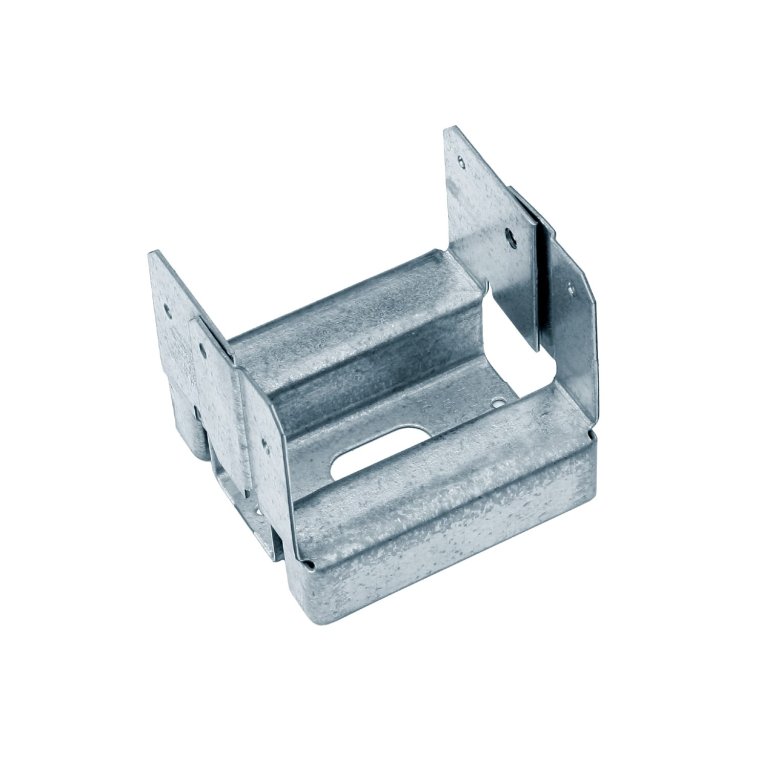
The specific model that I used is the ABA66Z, which is designed for use with 6×6 pressure-treated posts. Other sizes are available for double 2×4, as well as rough and standard 4×4, 4×6, and 6×6 posts. The post slot in the ABA66Z measures 5 ½ inches by 5 ⅜ inches by 3 ⅛ inches. It is made of thick 14-gauge galvanized steel, which is weatherproof and resistant to the corrosive chemicals in pressure-treated lumber. I’ve used both ½-inch and ⅝-inch anchor bolts to install the bases to concrete, depending on the project requirements, and either 16d 3 ½-inch nails or #10 2 ½-inch SD screws to fasten the post.
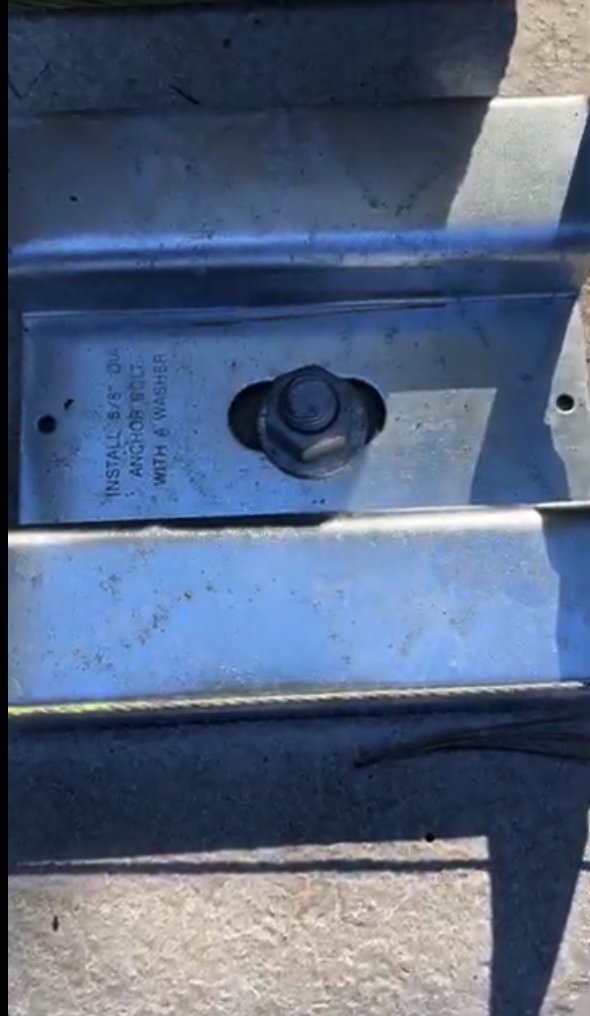
To install them, I marked the center points for all of the post bases, pre-drilled and installed the anchor bolts, and loosely attached the post bases with a washer and nut. The slotted anchor bolt hole let me tweak the positioning of each base as needed for an accurate layout, just in case I didn’t get the anchor bolt positioned perfectly. After rechecking alignment with a laser level, I tightened the bases in place. I’ve used the same process when working with level concrete slabs and piers on uneven ground, and it works perfectly.
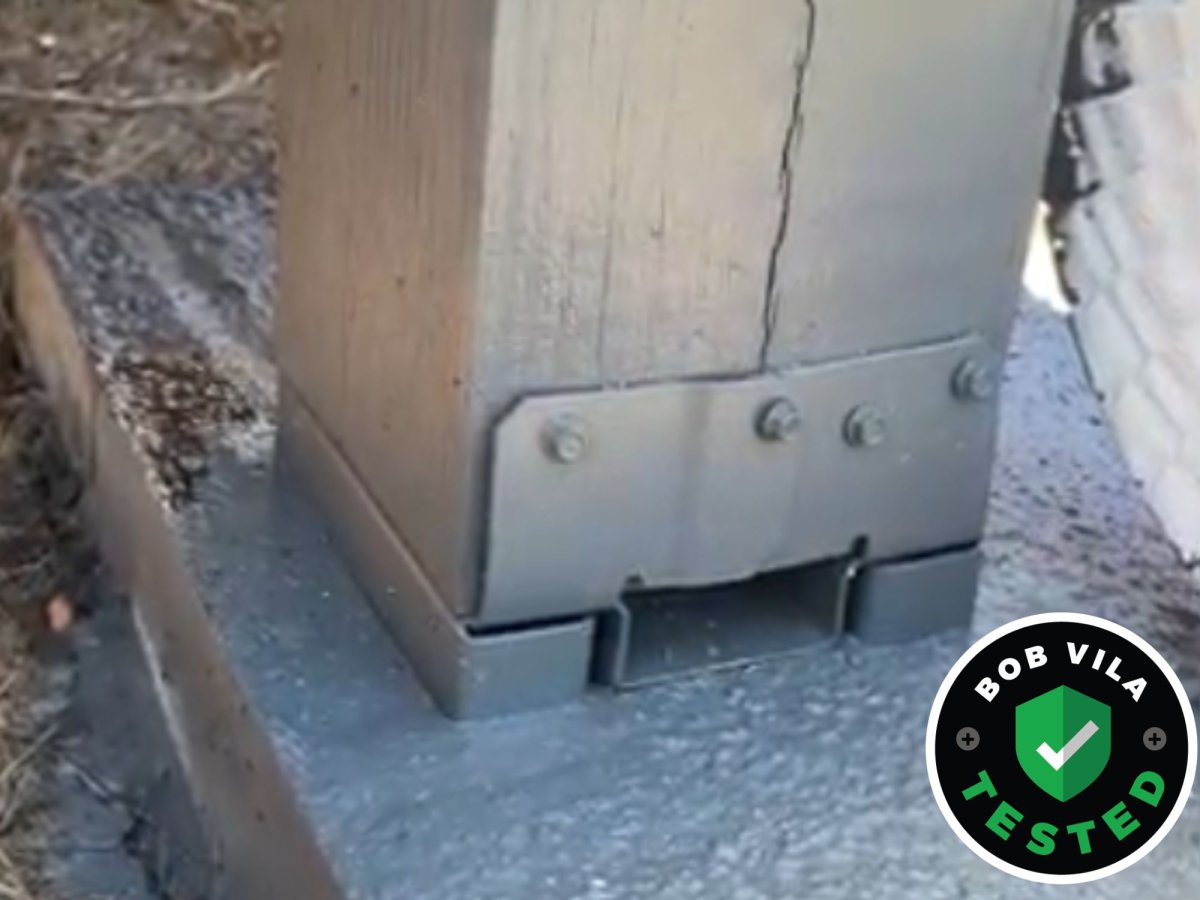
These are standoff bases, which means they elevate the bottom of the post 1 inch above the concrete to protect against moisture intrusion and premature rot. Not only do they keep the posts out of pooled and splashed water, but they also eliminate exposure to the moisture inside the concrete. ABA standoff post bases meet building codes for installation of structural wood posts in basements or those exposed to weather or water splash.
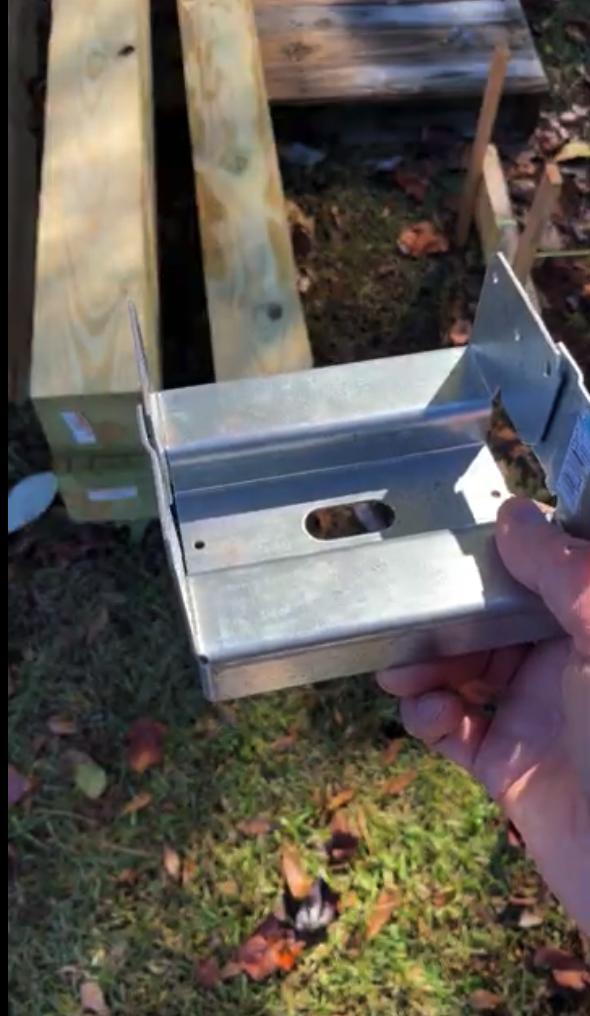
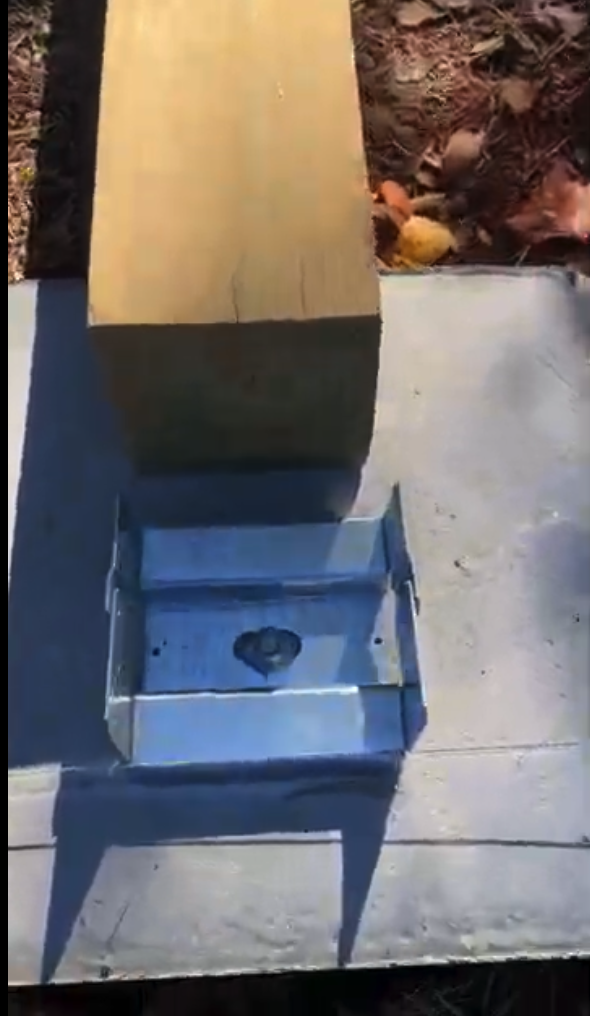
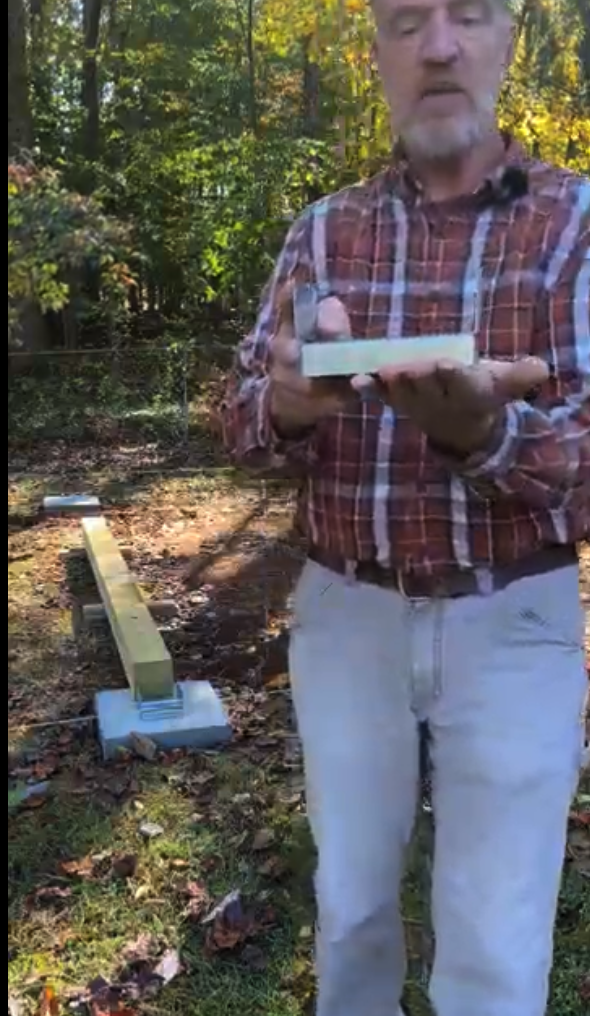
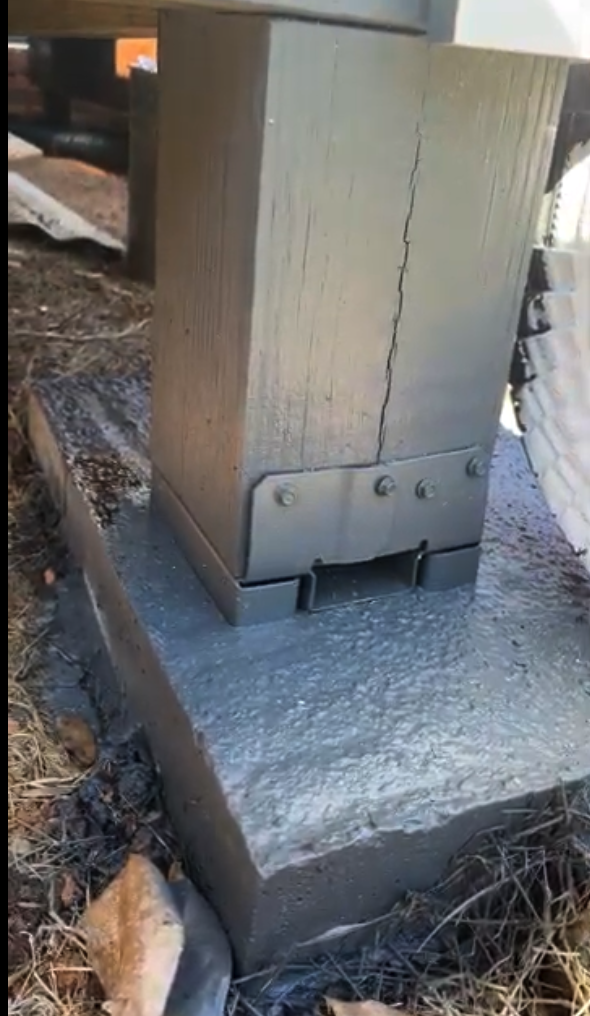
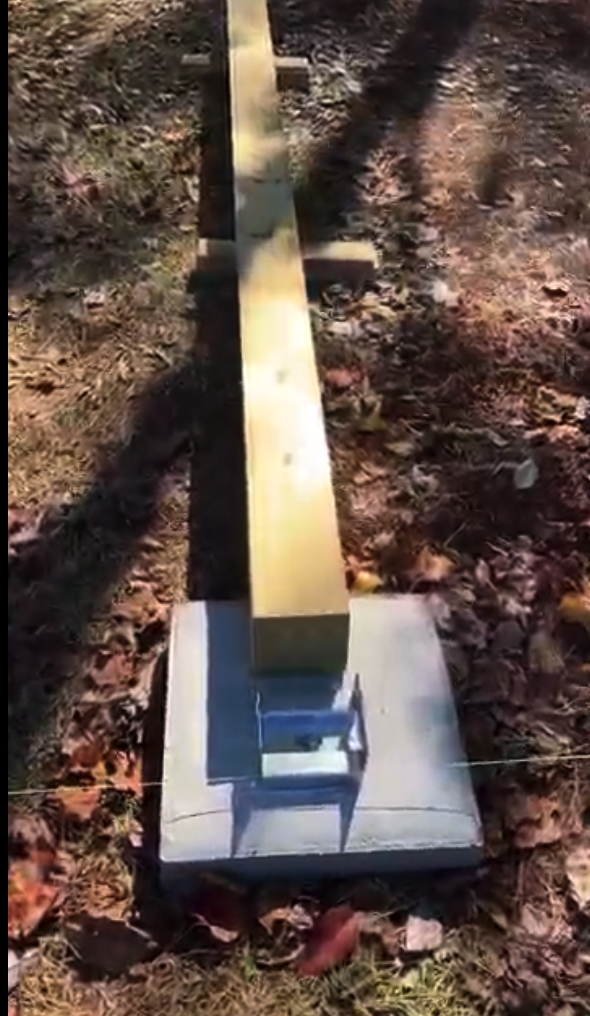
Since I started using ABA post bases, I’ve learned to double-check the post dimensions and make sure the bottom cut is square before attempting to install it. The galvanized post bases themselves are always factory-perfect, but the wood posts vary in dimension. Sometimes they are not cut perfectly square. It’s easier to shave down the sides or square cut the end while the post is lying on the ground, instead of attempting to stand it in the post base before finding out it doesn’t fit or won’t stand up straight.
I keep going back to ABA post bases because they are easy to install accurately, they make a strong attachment between posts and concrete, and they are more affordable than other options. They also take a coat of paint nicely. They do have some use case limitations—for instance, they are not suitable for anchoring fence posts or other “not top supported” applications—but if you’re looking for the right way to anchor a shed, deck, or pergola, I recommend checking them out.
Where to Buy
Photo: The Home Depot