
We may earn revenue from the products available on this page and participate in affiliate programs. Learn More ›
Common garden pests like mosquitoes and ticks aren’t just itchy nuisances. According to the Centers for Disease Control and Prevention, they also spread diseases like Lyme disease and West Nile virus. Fortunately, there are many steps you can take to keep these pests away. From keeping food covered to installing a bat house, these are the best ways to achieve a bug-free backyard this summer.
1. Bring birds to your yard.
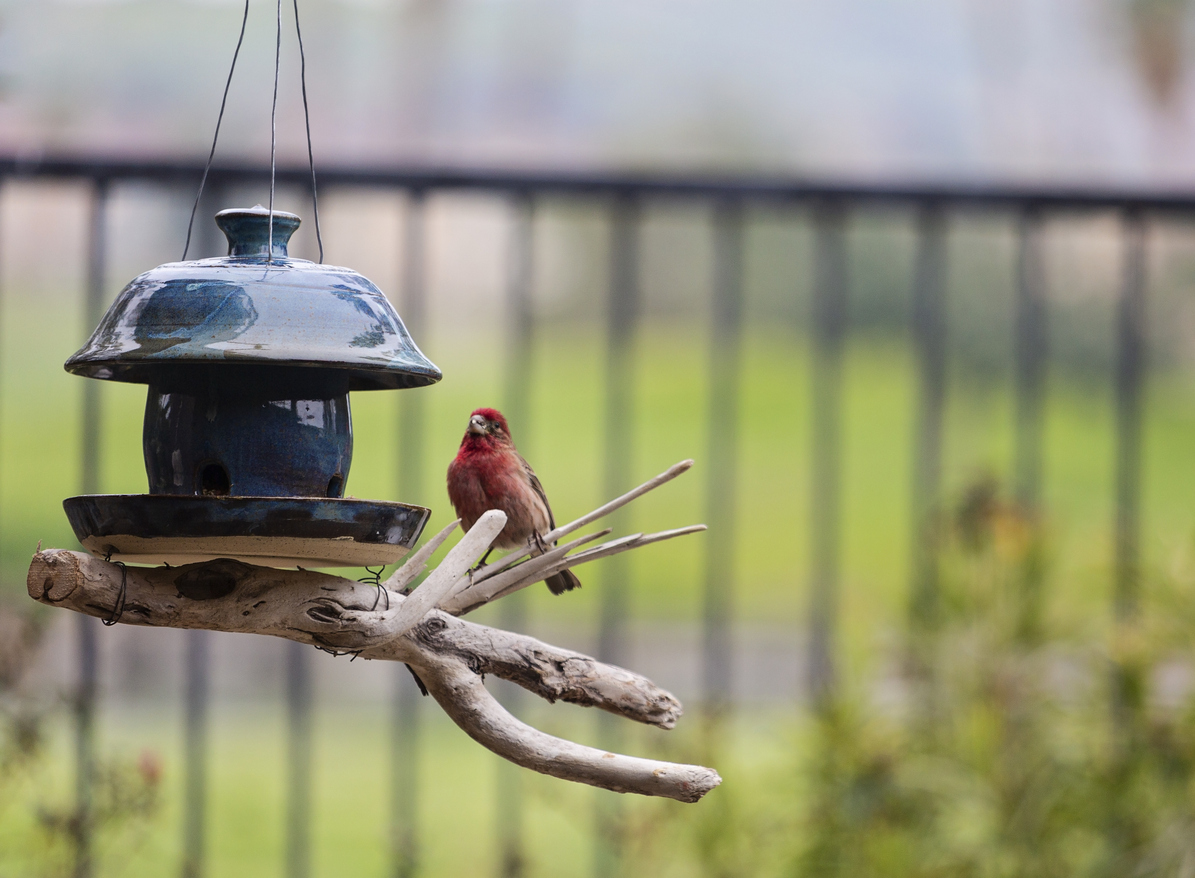
Feathered friends make for fun window-watching, but they can also help with pest control. Most common backyard birds, like sparrows, swallows, and warblers, eat a diet of berries, seeds, and—you guessed it—insects. Make your yard more inviting to birds by planting shrubs and small trees for nesting. You can also establish a bird feeder and bird bath to encourage avians to take up residence in your yard.
Best Bird Feeder
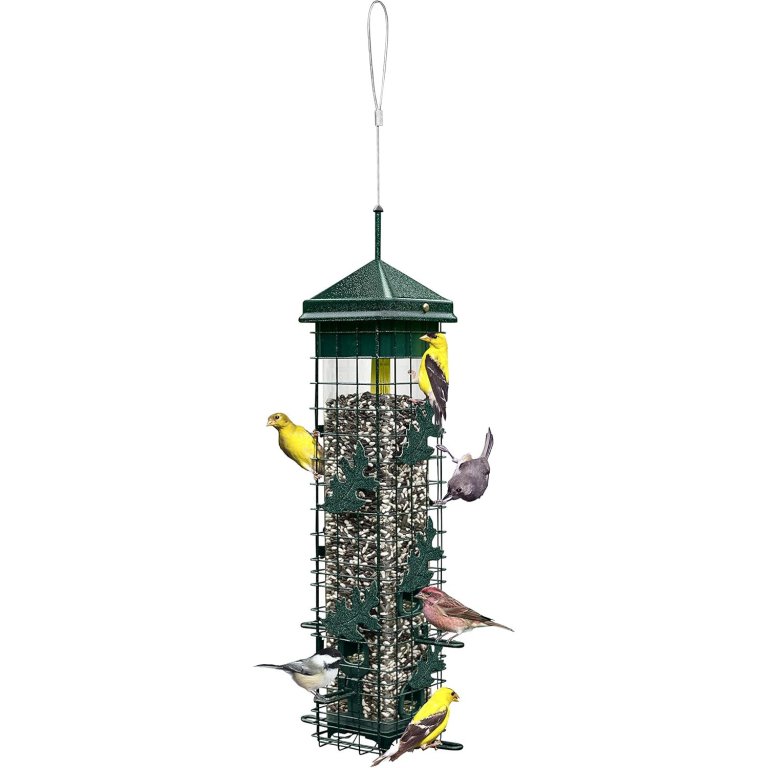
Brome Squirrel Solution200 Squirrel-proof Bird Feeder
The Brome Squirrel Solution feeder holds 3+ pounds of seed, has perches for multiple avian visitors yet deters squirrels. Read the review.
See It2. Drain standing water.

Mosquitoes love to lay eggs in standing water, which is why you don’t want standing water in your backyard. Make sure your gutters are clean and any low spots in your yard are filled or planted to prevent pooling. The water in your bird bath and kiddie pool should be changed regularly, too, to prevent the insects from congregating.
3. Relocate your trash bins.

Garbage is a breeding ground for flies, ants and other insects. Make sure all of your trash and recycling cans remain covered, and keep them far from your yard’s prime entertaining zones.
4. Keep food covered.

Outdoor parties and barbecues are a favorite summer pastime, but your friends and family aren’t the only ones who will find your smorgasbord inviting. To keep six-legged critters off the chicken and burgers, cover your outdoor platters with silicone lids or mesh food tents.
5. Hang a bat house.
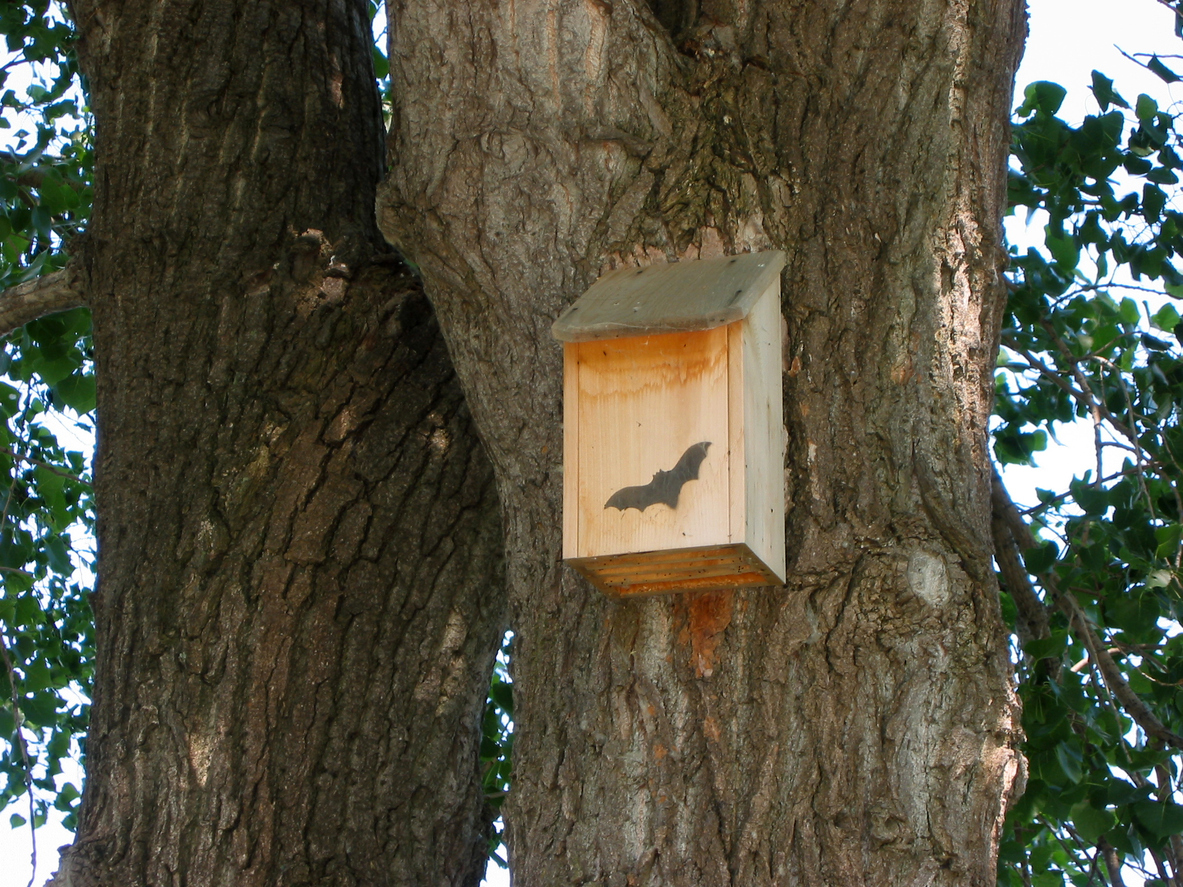
A single bat can eat more than 4,000 insects in a night, so consider these nocturnal critters your superhero sidekicks in the fight against common bugs. Bolster your bat population by building a bat house, and be glad to see them swooping through your yard at dusk.
6. Burn citronella.

Citronella oil can mask the scents to which mosquitoes are drawn, like carbon dioxide and human lactic acid. Approved by the FDA, citronella is even used to flavor foods and beverages. Come summer, citronella candles, incense, and tiki torches are go-tos for outdoor gatherings, especially those that take place in the evening hours.
Best Mosquito-Repelling Candle
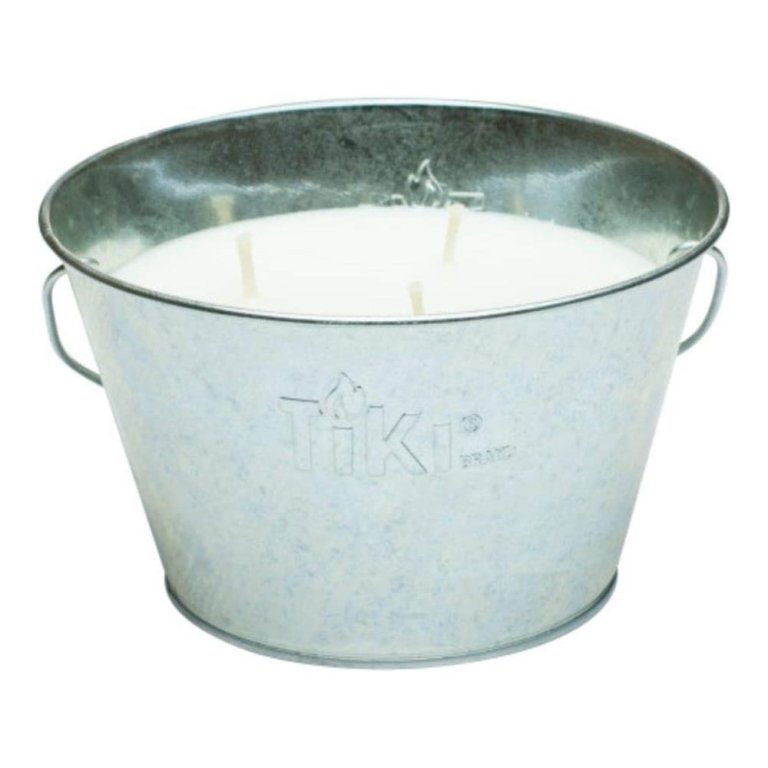
Tiki Brand Triple-Wick Citronella Candle Bucket
Tiki’s citronella candle bucket lasts 32 hours and keeps bugs away with its telltale light citrusy-herbal scent. Read the review.
See It7. Tidy the landscaping.
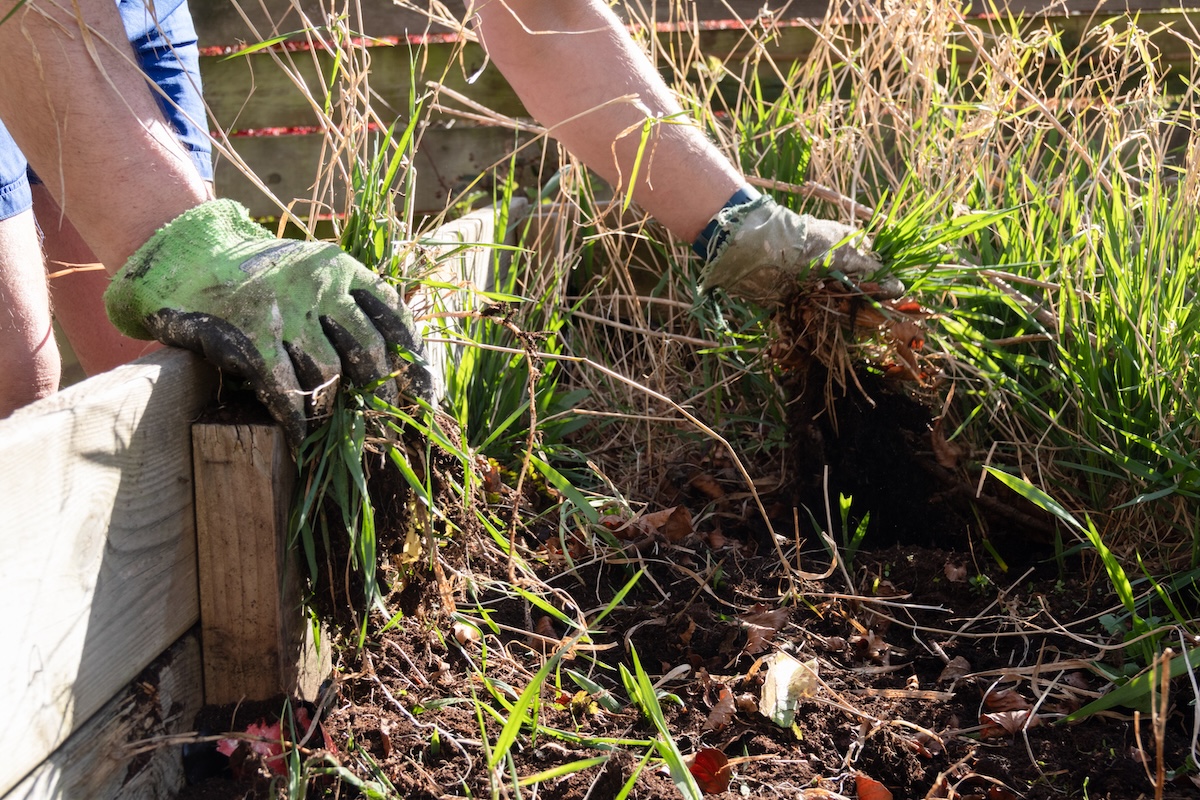
Overgrown brush and weeds are perfect nesting and hiding areas for mosquitoes, fleas, and ticks. Thick vegetation can also make it harder for the sun to evaporate standing water, where mosquitoes lay eggs. Deter these pests by keeping your landscaping tidy, and trimming tall grass, brush, and weeds around your property.
8. Build a bug trap.

A DIY trap is an easy defense against backyard insects. To make one, cut the top off a 2-liter soda bottle and invert it so that the spout points down into the bottle. Tape the pieces of the bottle together to seal it, then fill the bottle with a solution that will attract the type of insect you’re hoping to catch:
Wasp and fly solution
- Fruit scraps or jam
- 1 cup water
- A few drops of liquid dish soap
Mosquito solution
- ¼ cup sugar
- 1 gram yeast
- 1 cup hot water
9. Spray your yard with essential oils.
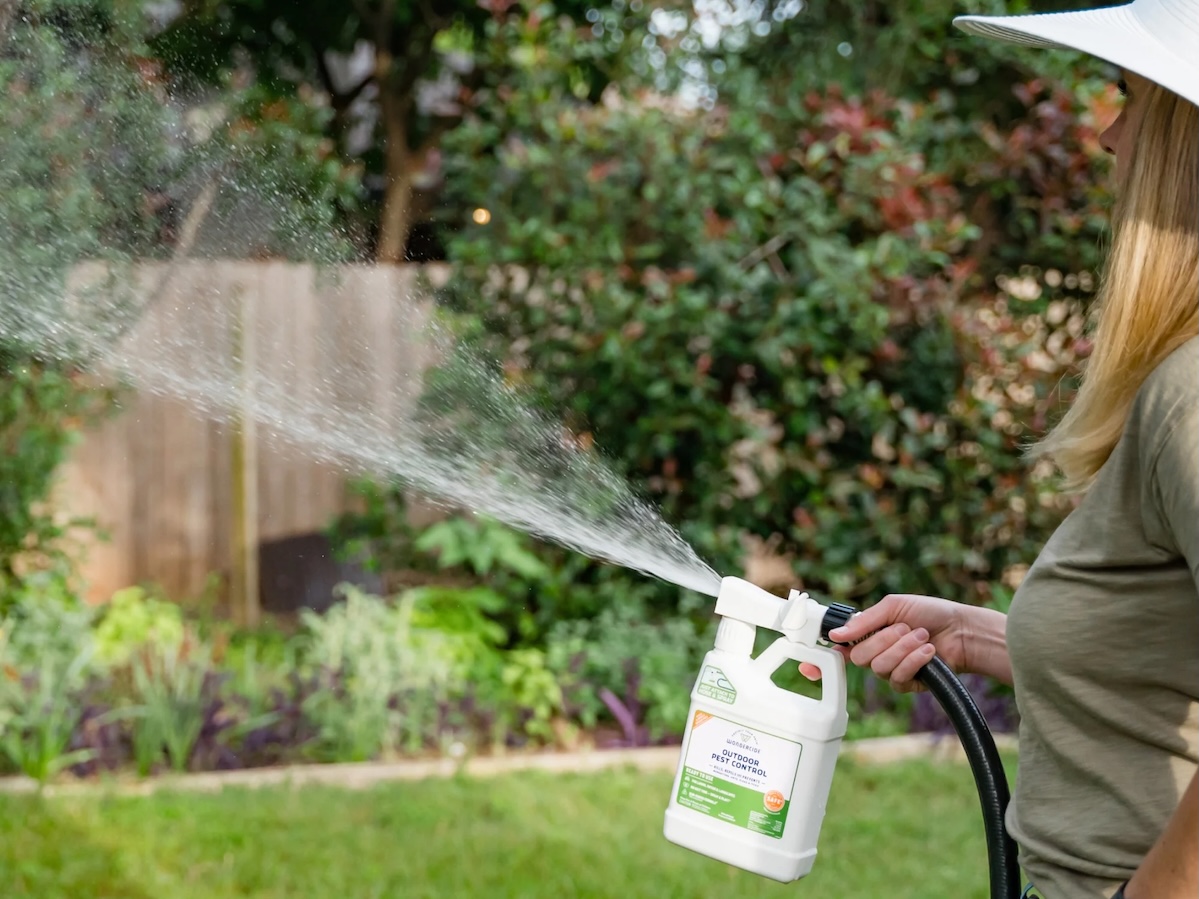
Wondercide Flea & Tick Spray contains essential oils such as cedarwood and sesame, which repeal mosquitoes, fleas, and ticks naturally. This natural pest control is entirely safe for humans, dogs, and other small mammals so you can spray it anywhere that’s susceptible to pests. Connect the container to a garden hose and apply the solution at least twice within a 10-day period, then apply every 3 to 4 weeks for maintenance. One 32-ounce bottle can cover a 5,000-square-foot area.
10. Choose plants that repel bugs.

While you’re planning your landscaping, mix in some bug-repellent plant varieties: Lavender, marigold, chrysanthemum, citronella, and lemongrass can all discourage insects like mosquitoes and aphids from calling your yard home. Plus, they’re pretty to look at and provide additional spots for bug-eating birds to nest.
11. Hang fans on your patio.

If you love to spend time on your patio or under the pergola, consider installing fans to keep mosquitoes off the patio. Mosquitoes might seem relentless, but they’re fairly weak flyers, so even a ceiling or standing fan on medium power can be too much for their little wings to take on. A ceiling fan also makes it tough for flies to get to your drinks and snacks.
Best Outdoor Ceiling Fan

Honeywell Belmar 52-inch Ceiling Fan
The Honeywell Belmar ceiling fan has a 3-speed motor and fan blades that are wet rated for exterior use. Read the review.
See It12. Swap out incandescent bulbs for LEDs.

According to a study on the effects of different light bulbs on bugs around sunset from July through September, incandescent bulbs attract more bugs than LED bulbs. If you’re currently illuminating your outdoor space with incandescent bulbs, swap them out for LEDs to reduce nighttime pests. You’ll also save some money on your energy bills, since LEDs consume less energy than incandescents do.
13. Light a fire in a fire pit.

Mosquitoes and other insects are deterred by smoke, so using a fire pit regularly can help keep these pests away. You can even sprinkle some lavender around the perimeter of the pit to further deter bugs. If you don’t have a safe place to build a DIY fire pit, you can purchase a smokeless model like the Breo smokeless fire pit, which, with add-on accessories, can also double as a griddle or grill.