How to Replace a Window Screen
Window screen replacement is an easy, inexpensive project that even novice DIYers can do. Here’s how to keep insects from coming through the holes in your screens.

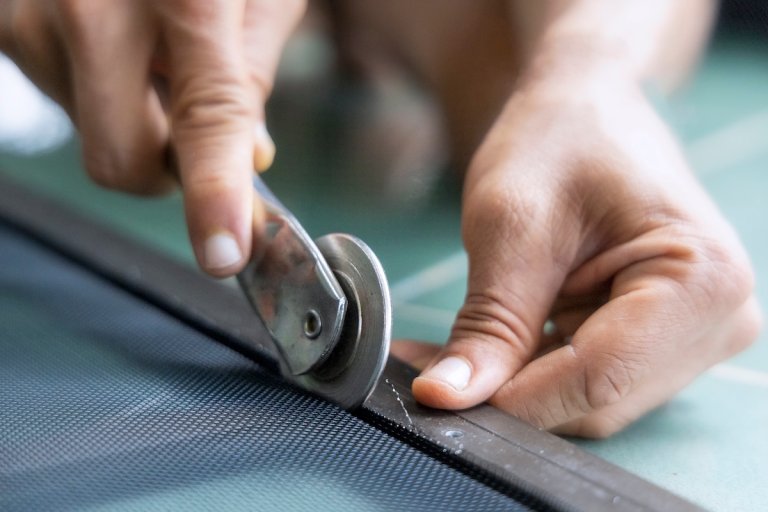
Window screen replacement is an easy, inexpensive project that even novice DIYers can do. Here’s how to keep insects from coming through the holes in your screens.
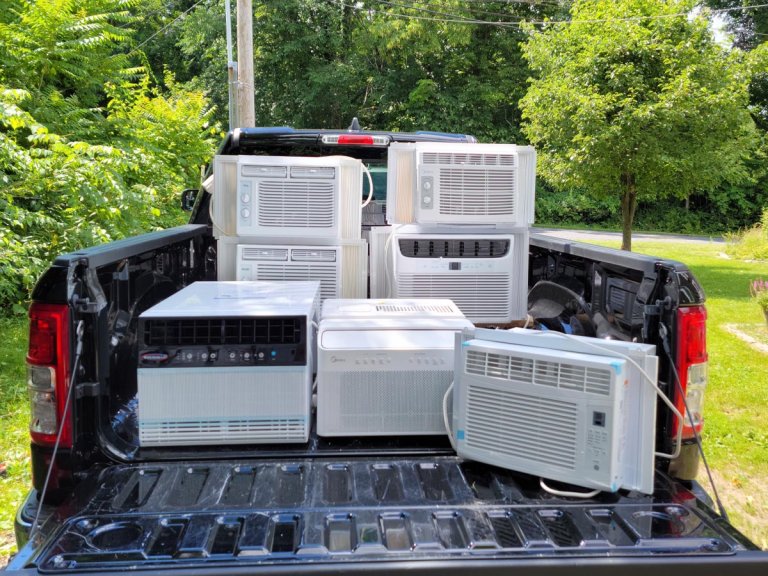
One of these small yet mighty window air conditioners can help folks sleep cooler and otherwise feel more comfortable indoors during hot weather.

These garden accessories keep my plants well-watered, even when I'm away for the weekend.

Are bees bugging the hummingbirds that frequent your feeders? Learn what you can do to get them to buzz off.

Ryobi and DeWalt tools, patio sets, and power washers—these Home Depot deals beat Prime Day prices, and they’re live now.
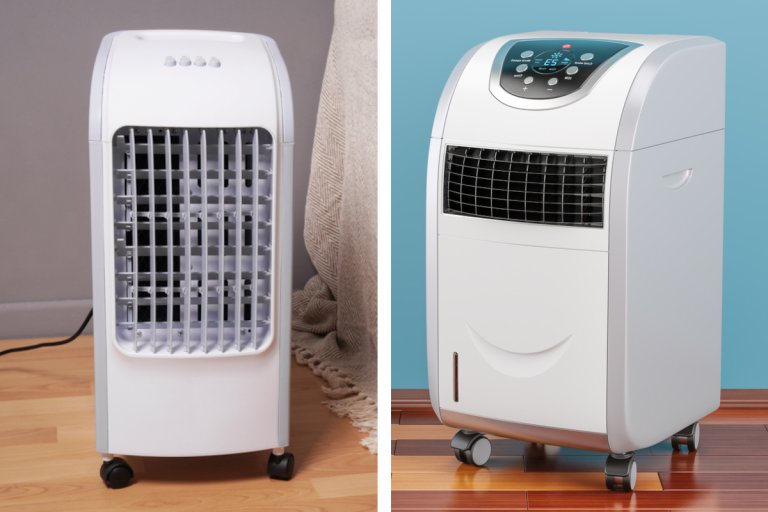
Where you live, where you'll use the unit—even whether you have allergies—are all factors to consider when deciding which cooling device is better for your home.
Submit your product to be considered for our annual awards program celebrating the best new tools on the market.
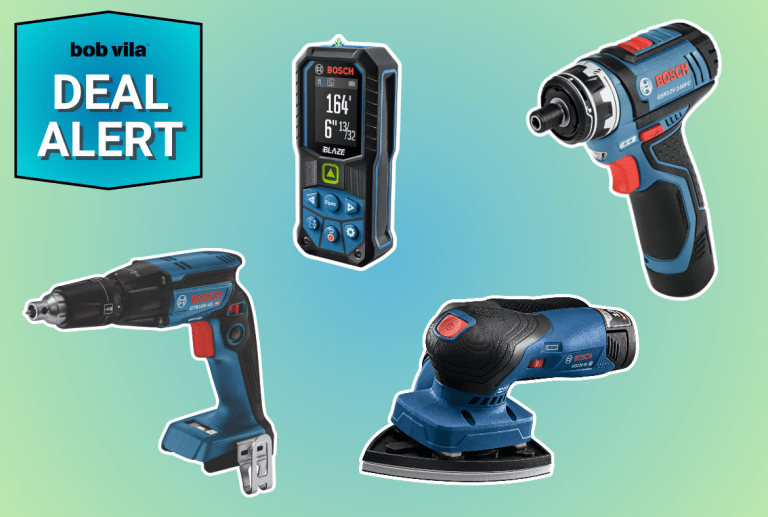
Save up to $180 on Bosch drills, screwguns, batteries, and ProFactor gear in this contractor-picked roundup of the best Prime Day markdowns.
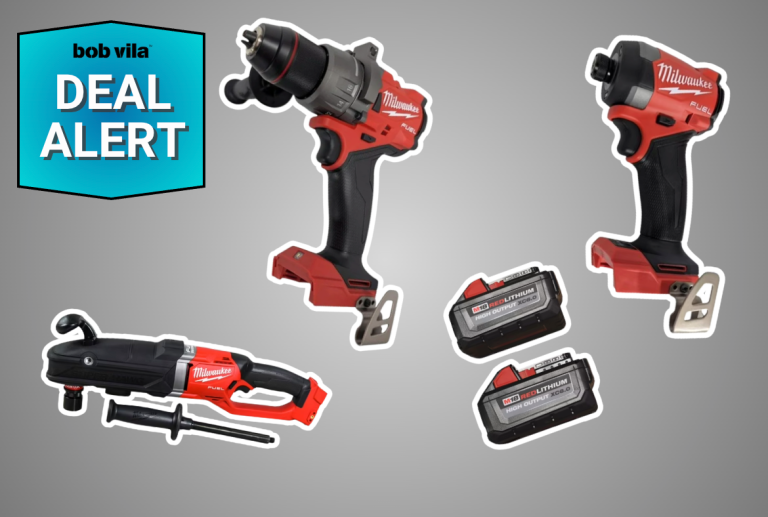
Save big on Milwaukee’s most popular tools, including cordless combos and accessories.

These electric riding mowers deliver the power, runtime, and comfort you should expect for the price.
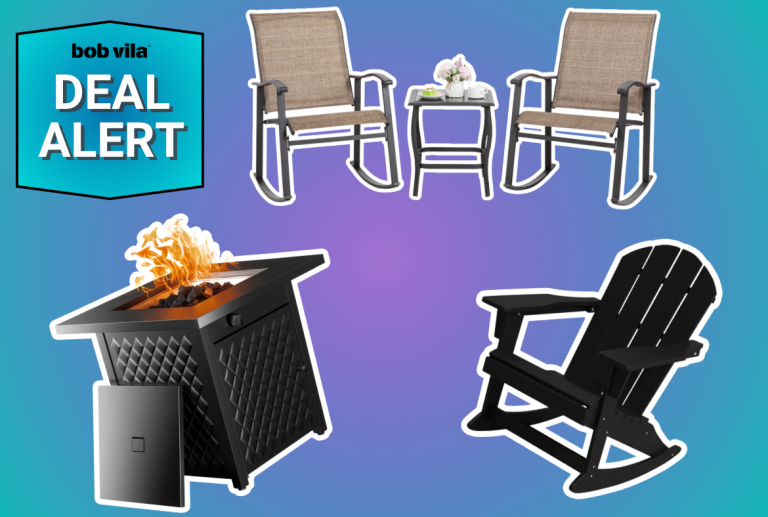
Forget Prime Day—Wayfair just launched deeper discounts on patio sets, umbrellas, and outdoor must-haves.

Walmart Deals just kicked off with deep discounts on Greenworks, EcoFlow, Milwaukee, and more. I sorted through them and these are the ones worth grabbing now.
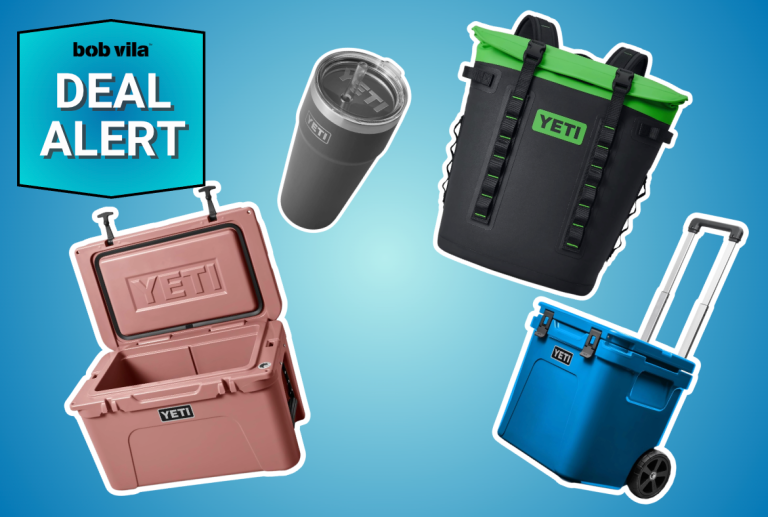
Yeti coolers, tumblers, and products rarely go on sale, making these Amazon Prime Day deals impossible to pass up. Now is your chance to upgrade your cooler, drinkware, or stock-up your gift closet.
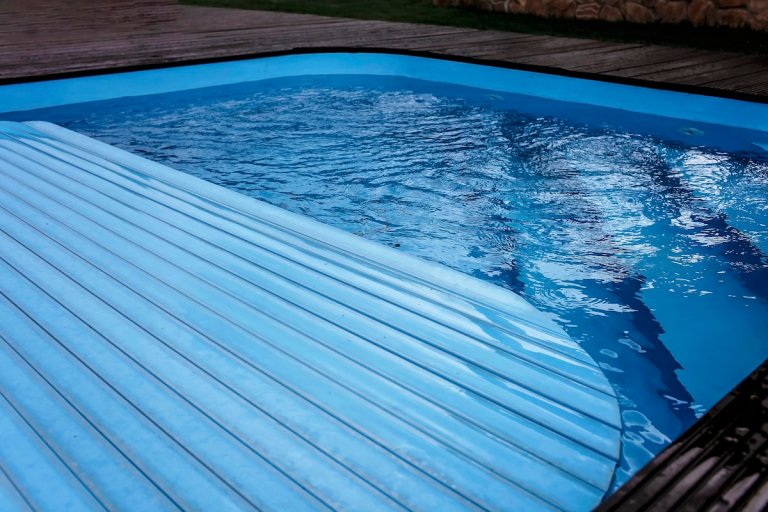
Closing a pool properly protects your investment from cold-weather damage, and will spare you maintenance headaches come spring.
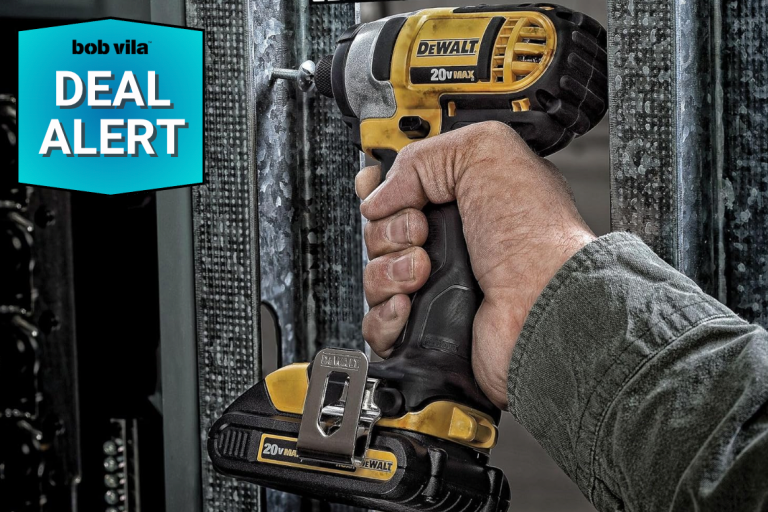
This DeWalt bundle includes two cordless power tools, two batteries, a charger, and a contractor bag—everything you need for your next DIY project, now 40% off for Prime Day.
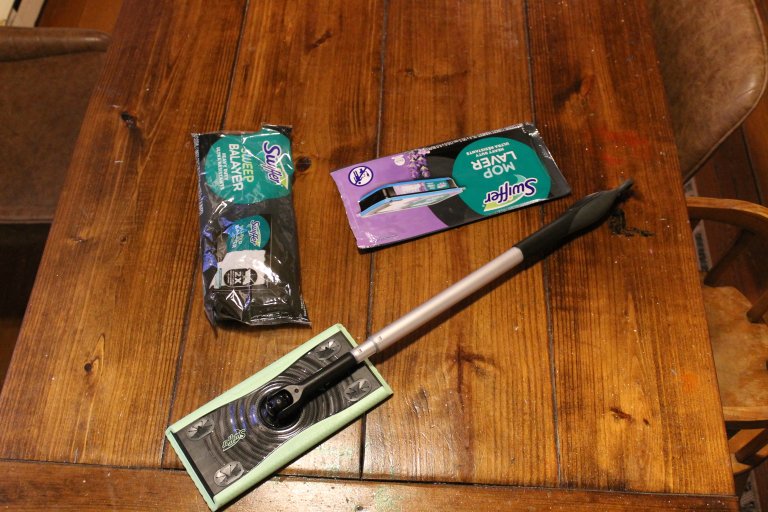
A mainstay of my cleaning supplies, the Swiffer 2-in-1 was a part of my routine for years. Now, after a month’s worth of cleaning, I’ve found that the new version is even better than the original.
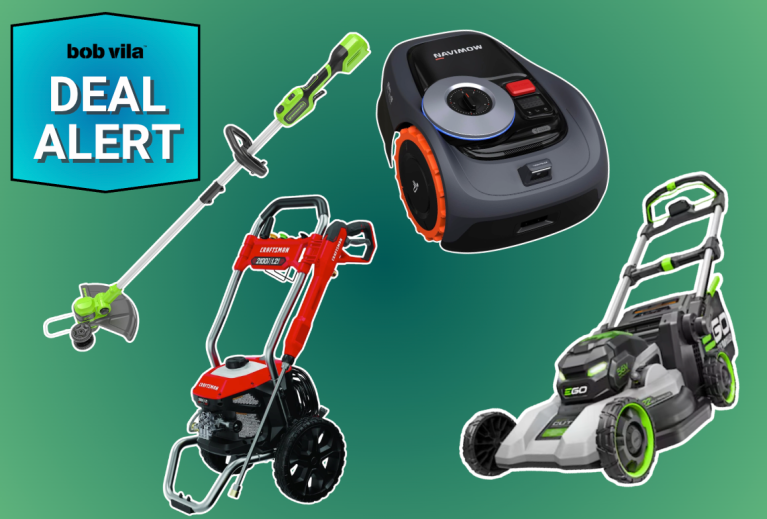
Prime Day is officially live, and top brands like Ego and Greenworks are slashing prices on cordless mowers, trimmers, and more.
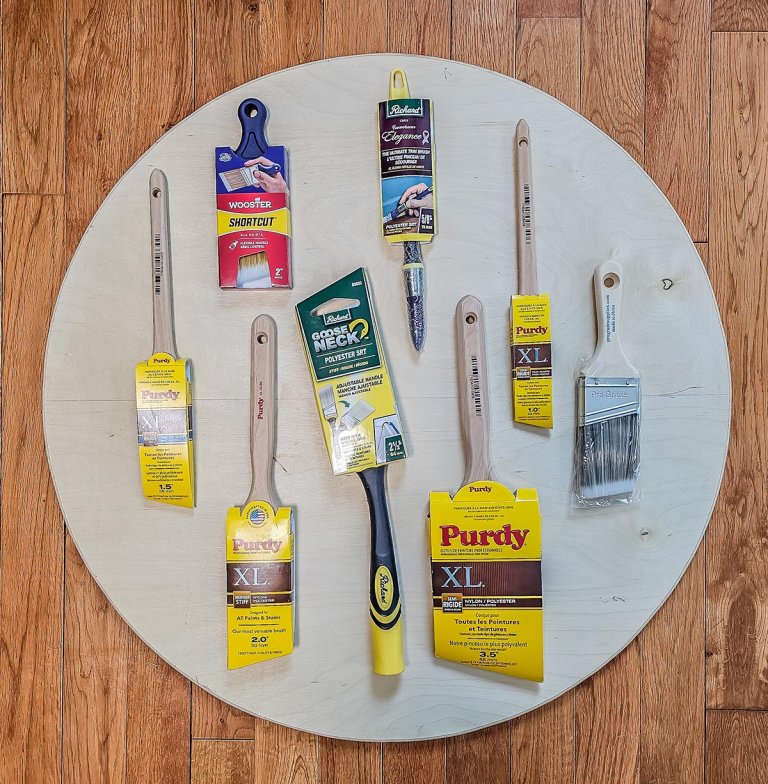
Not all paint brushes are suitable for trim. We tested the top options—find out which brushes made us feel like painting pros.
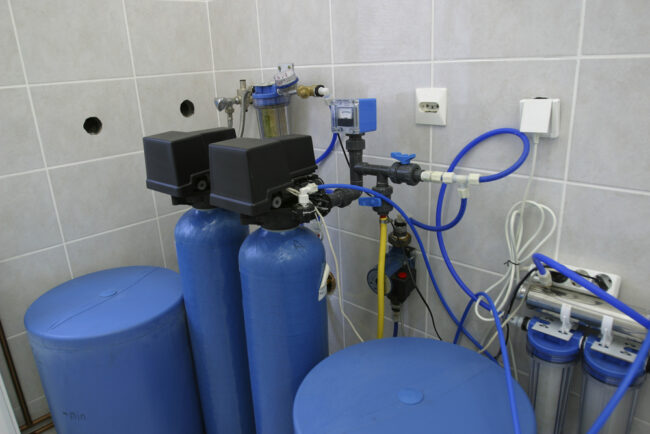
These whole-house filtration systems can filter out bacteria, pesticides, heavy metals, and more for healthier and better-tasting drinking water.

A retractable awning provides ample shade on sunny days and is easy to tuck away when not in use, offering the best in flexible sun protection.