We may earn revenue from the products available on this page and participate in affiliate programs. Learn More ›
There are shower people, and then there are bath people. While these two groups may be able to debate the advantages and disadvantages of having a bathtub in a home from sunrise to sunset, not every home needs a bathtub and some can’t do without.
Even though a bathtub may simply be nice to have, there may be other reasons to include or exclude a bathtub if you are thinking about future resale value and your investment. With luxury showers growing in popularity, homeowners’ needs for tubs are changing.
https://secure.money.com/embeds/embedder.js?v=1
Rachel Moussa, founder and Realtor at Blushwood Realty Group in Texas, says that when she first got into he unwritten rule was that there should be one bathtub on each floor that has a bedroom. For two-level homes with bedrooms upstairs and downstairs, there should at least one tub on each floor. We get that. If you love a good tub soak, you don’t want to have to schlep your bath salts, book, beverage, candle, and other gear to another floor.
This tub-per-floor rule, Moussa says, is no longer hard and fast. Whether you’re remodeling a bathroom or contemplating a home without a bathtub, here’s what to consider if you’re thinking about ditching the tub.
Pro: Showers use less water.

From a time and water waste perspective, showers have the upper hand. The average shower in the U.S. lasts approximately 8 minutes and uses approximately 16 gallons of water. A bath is a more languid affair. Sometimes soaks can last more than a half an hour and use around 70 gallons of water, which doesn’t include the water you might use to rinse off after a bath. The less water you use bathing, the more money you can save on your water bill.
Best Towel Warmer

Keenray Bucket Towel Warmer
The Keenray bucket towel warmer heats up in just 6 minutes and holds up to 2 bath towels measuring 70 x 40 inches. See our full review.
Buy at AmazonCon: Not having a bathtub can be a deal-breaker for potential buyers.
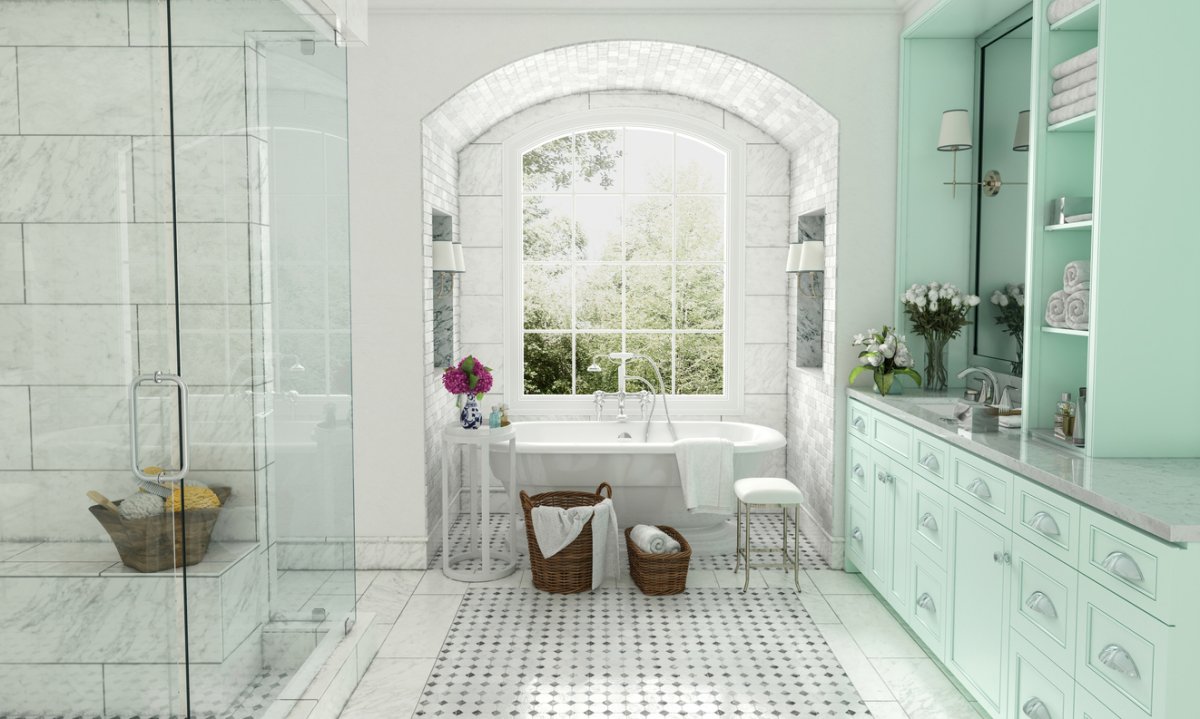
Shower people may not want a bathtub of any kind in their home, and might go as far as to remove a tub from their primary suite and put in a walk-in shower. If you plan to stay in the home long-term, nixing a tub really isn’t much to worry about. However, if you plan to put your house on the market in the near future and your floor plan doesn’t include a tub, understand that you’re automatically excluding some percentage of potential buyers.
After hundreds of sales and experience in renovating and flipping houses, Moussa says there are people who will not buy a house without a bathtub. In contrast, having a bathtub in a home is highly unlikely to tank a real estate transaction. So erring on the side of at least one tub in the house could make a difference in your ability to sell your home.
Pro: You won’t have to clean every bacteria-laden nook and cranny of a jetted tub.
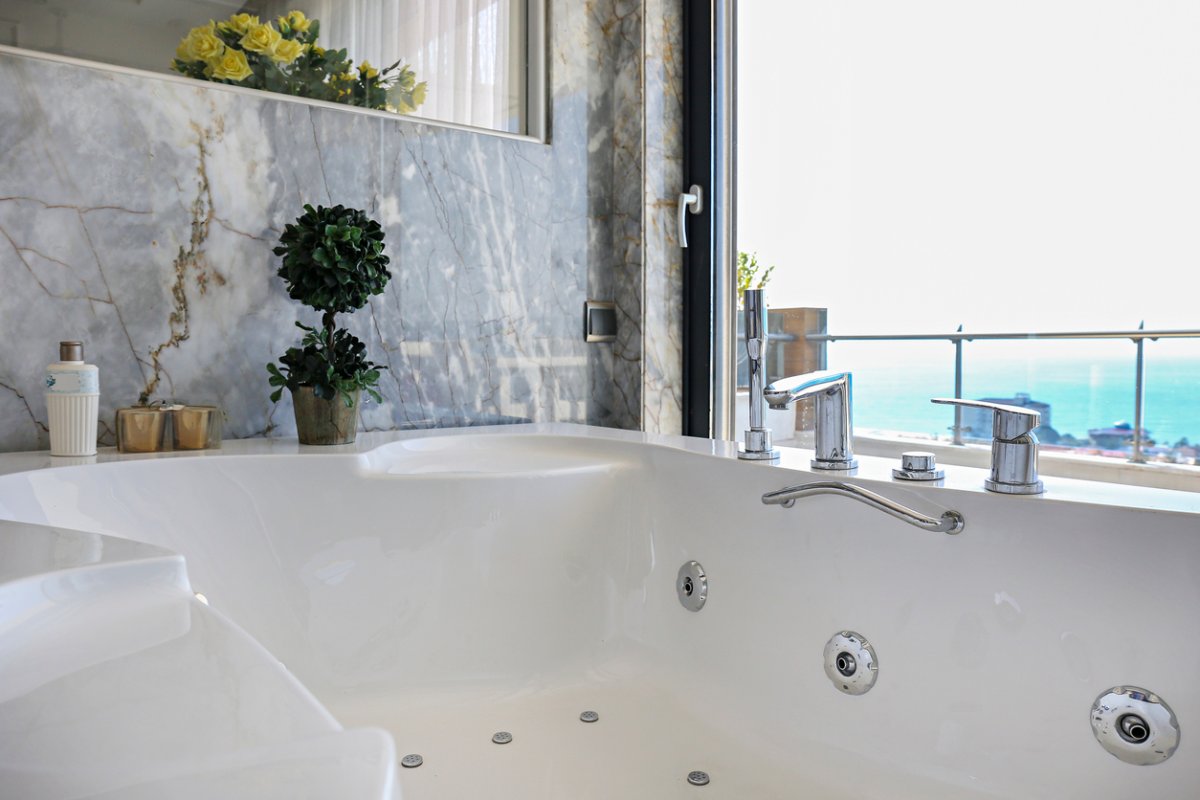
Moussa points out that jetted tubs can be pretty gross if they’re not taken care of properly. The interior pipes of jetted tubs that are not filtered or cleaned with appropriate chemicals can develop bacteria and microbial growth. When the jets turn on, this bacteria shoots into the tub along with the water, which can result in adverse health effects, including urinary tract infections and skin irritations or infections.
Con: Not having a tub makes it difficult to bathe young children and pets.

Families with young children or pets tend to rely heavily on tubs; many would consider a quality bathtub essential. Washing little ones in the kitchen sink may work while they are really small, but there comes a point when that doesn’t work anymore; tub baths, unlike showers, can get the kids clean while you stay dry. Similarly, a bathtub is often the easiest place to scrub dogs and other pets clean after they play outdoors.
RELATED: The Best Tub-to-Shower Conversion Kits to Update the Bathroom
Pro: A shower is a better long-term choice if you plan to age in place.
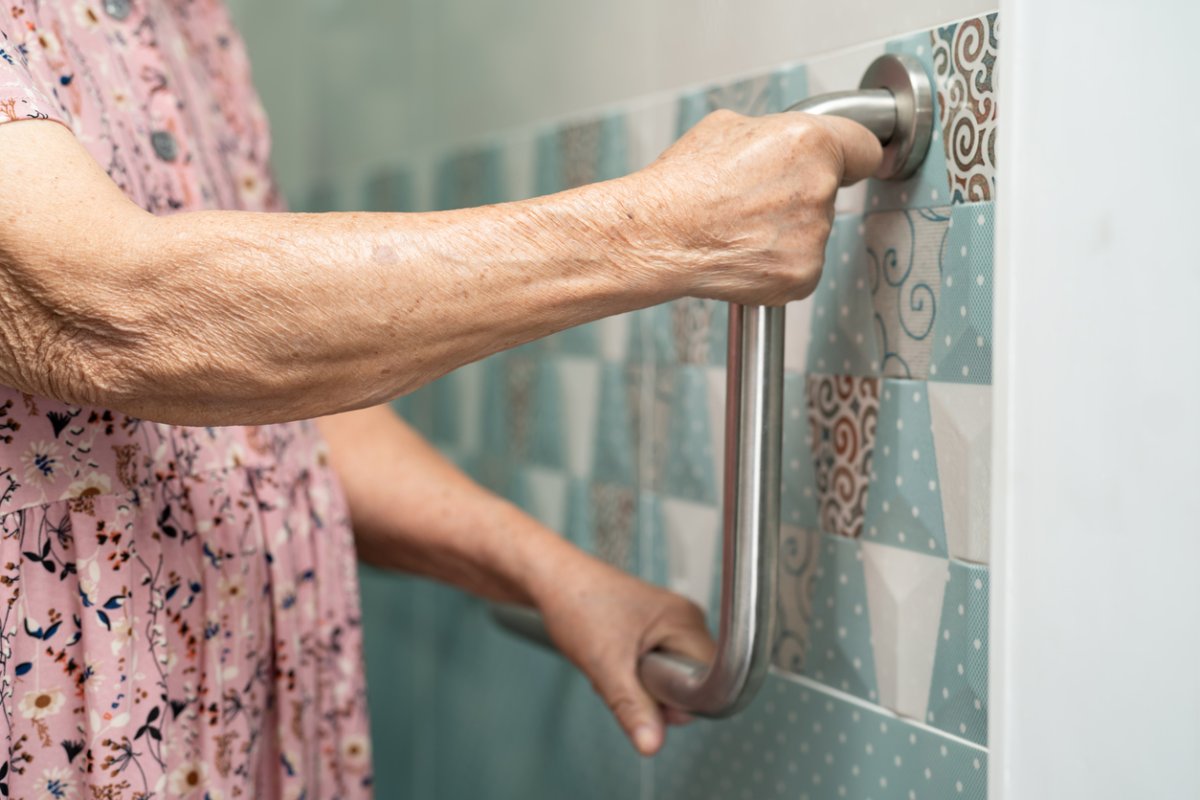
Walk-in showers are generally better than tubs for seniors or those with mobility issues. Showers are easier to get into and out of than tubs are, and are thus usually preferred by those who are aging in place.
However, as Moussa mentions, houses do shift a little over time, so a curbless shower built at the right angle now may create an opportunity for water to pool years down the road. A shower that has even a small lip or curb can contain water better and eliminate future stress. Accessible walk-in tubs, which have with a side door to the bathtub for easy entry, are another option.
Con: You’ll miss out on the spa-like experience a bathtub can provide.
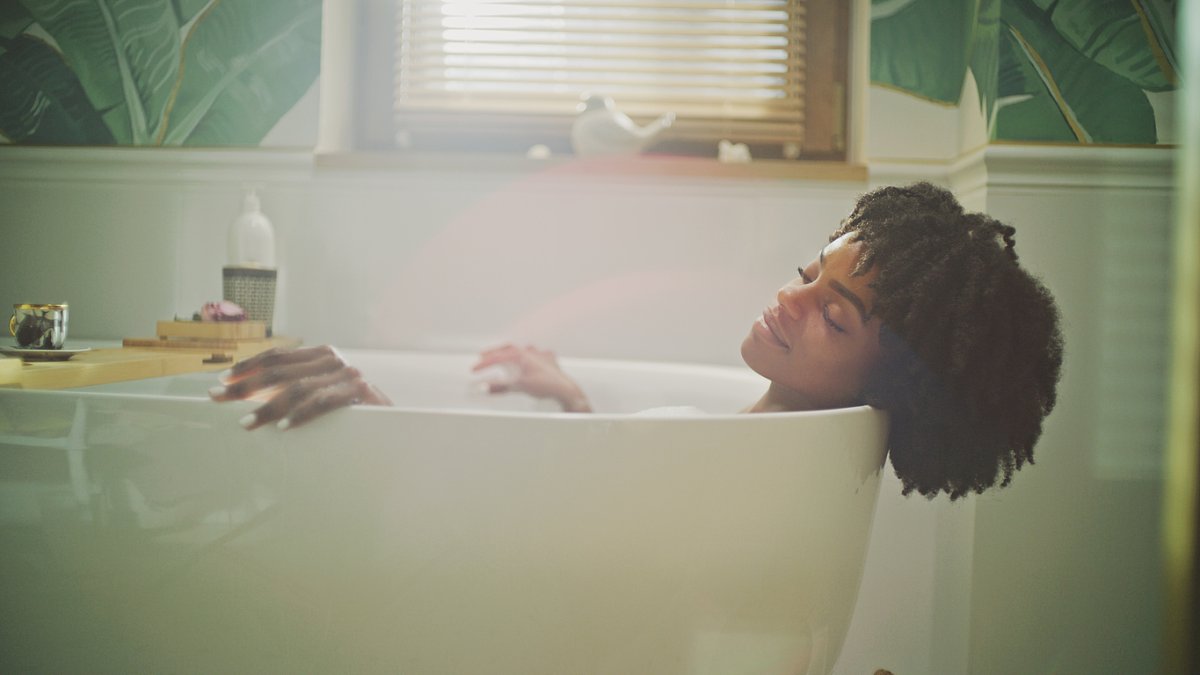
How often you plan to have a long, luxurious bath is another factor. If you don’t have a hot tub at your home, a hot bath is the next best thing. Creating a spa-like environment is a benefit many homeowners seek out when looking for a primary suite with a bathroom. A bathtub with a ledge around the top or near a source of natural light is another benefit that adds to the ambiance.
Pro: Modern showers can also be spalike.
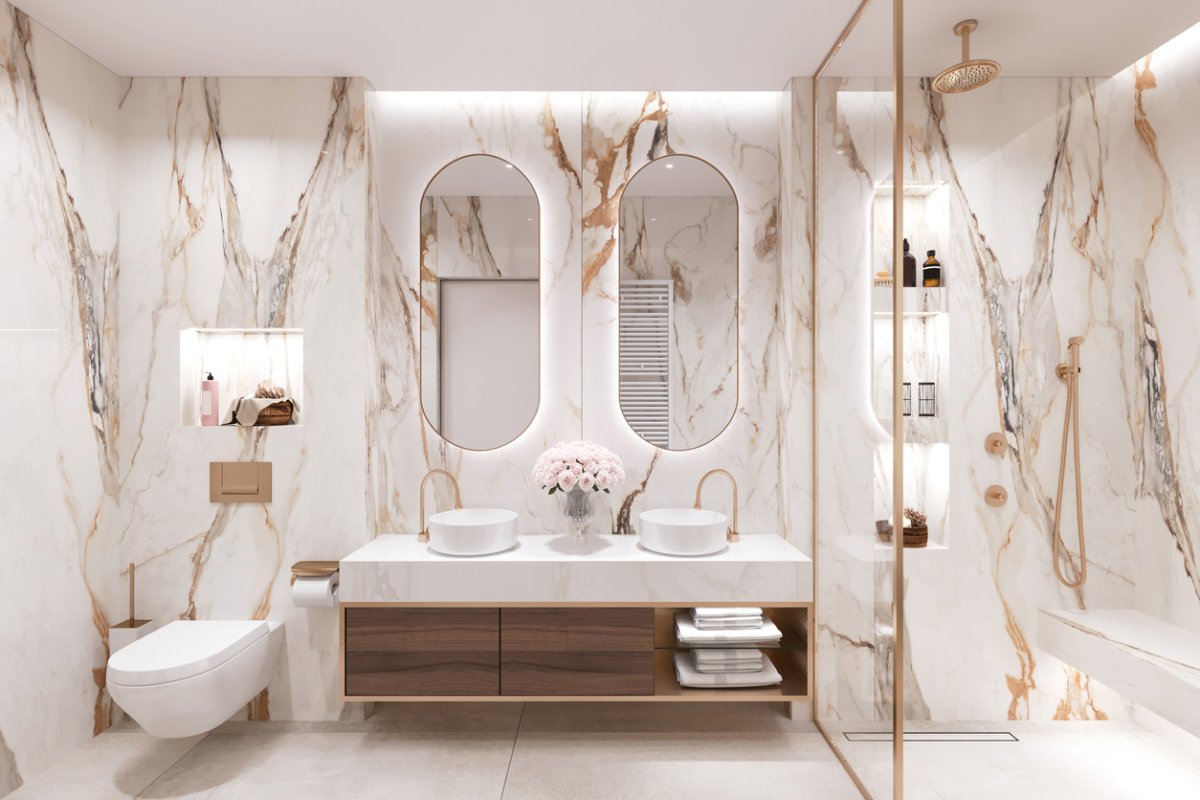
Many adults like baths because of the luxury associated with them, but Moussa points out that modern showers can be extravagant too. Large showers with frameless glass elevate the aesthetic of a bathroom. These showers often have multiple shower heads and settings, built-in seating, and plenty of space to shower without feeling cramped. The steam keeps you warm, and you get a constant water supply at your preferred temperature, unlike a tub where the water gets gradually cooler.