We may earn revenue from the products available on this page and participate in affiliate programs. Learn More ›
Even if you had a home inspection before you moved in, the current condition of your home may have changed. Issues can go unnoticed, unseen, or not understood depending on your knowledge about home systems, infrastructure, and foundations. Even experienced pros in the construction industry may not understand every aspect of a home, especially if they tend to work within a specific niche, like plumbing or electrical.
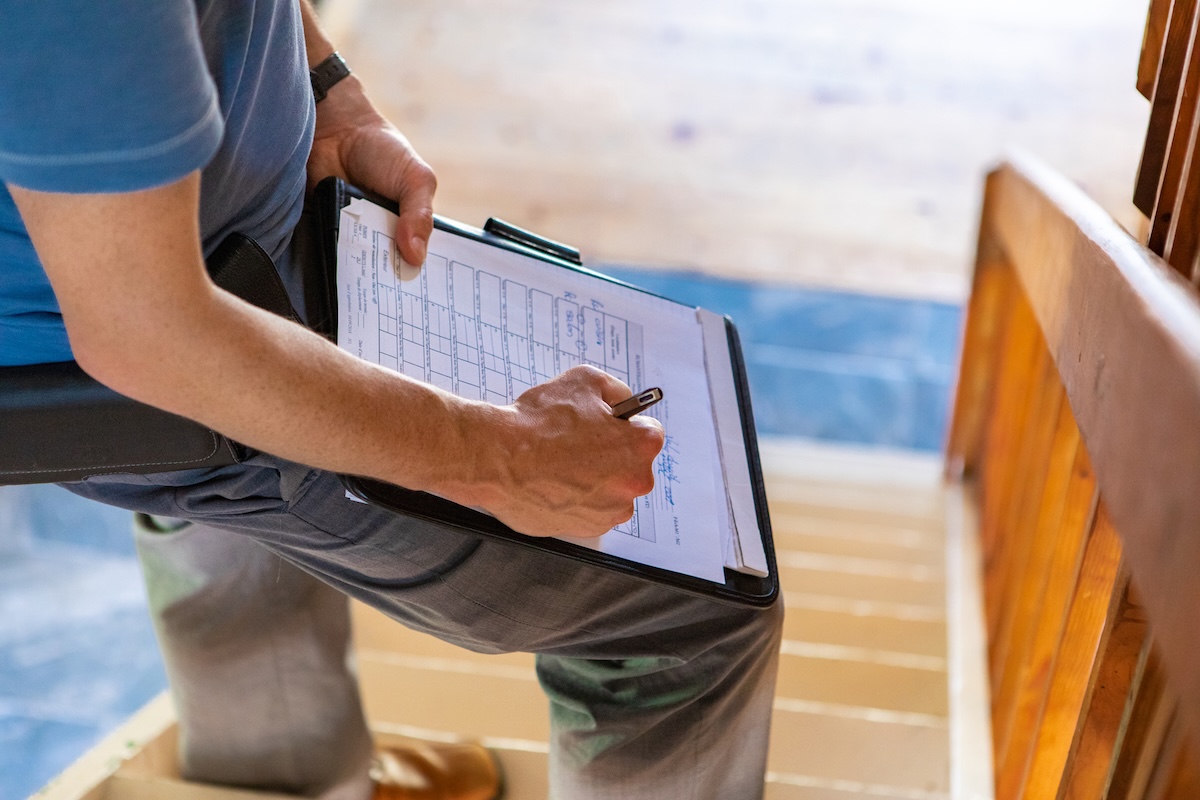
However, home inspectors are trained to thoroughly investigate homes, identify problems, and make suggestions to repair, replace, or upgrade your home. Most homeowners don’t invest in this service unless they are selling or buying a home, but there are many benefits to a regular home inspection. We spoke to an expert home inspector to find out why inspecting a home that’s not for sale can be worth the investment.
Check Major Systems
Your major home systems, like plumbing, electrical, and HVAC, are key components that keep your home safe, comfortable, and convenient. Home inspectors will typically pay special attention to your major systems, ensuring that they spot any problems or potential issues that could arise with an aging system, including potential safety hazards, like gas leaks or faulty electrical connections.
Chuck Gravely, Home Inspector and Vice President of Technical Standards and Development at Pillar to Post Home Inspectors, says: “It’s fantastic for any homeowner to have a home inspection at any time just to see what’s going on with their property. Particularly if something is questionable and they want very specific information on an area of the home.”
Catch Problems Early
A commonly cited reason for getting a home inspection is to identify any issues with your home before they can get worse. Catching a leaky foundation, missing roof shingles, or faulty valves can reduce the risk of major repairs, so that you only have to pay for the inspection and a few minor fixes to keep the home in good condition.
Gravely notes that “there is need to have a home inspection independently, whether the homeowner is buying, selling, or just looking to maintain their home properly, especially since home inspections have a more reasonable price tag than finding out repairs are needed at the last minute.”
Investigate Hard-to-Access Locations
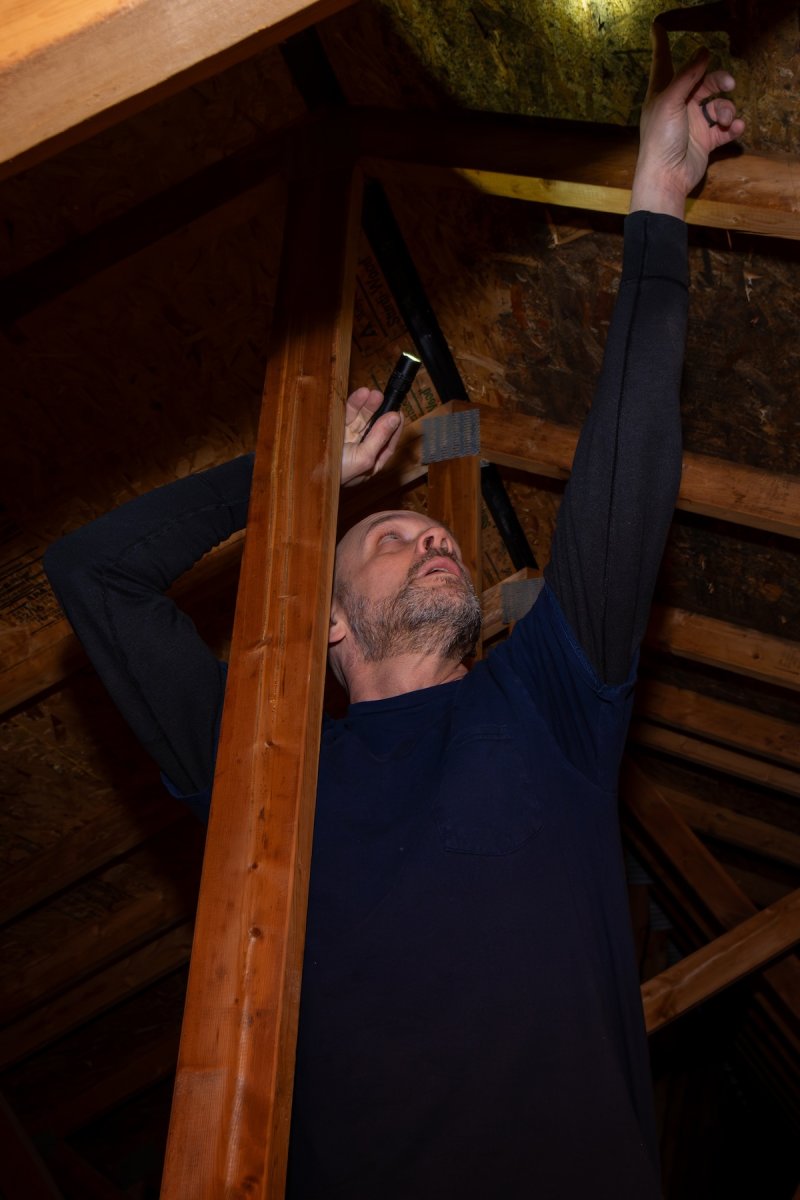
Depending on the layout and construction of your home, there may be spaces where you simply do not go, either because it is too difficult to access or you just don’t want to go in there, like a poorly lit crawlspace or an awkward corner of the attic. Given the potential for hidden issues, the cost of a home inspection is well worth the investment to investigate these areas.
“A good range to budget for would be to start at a basic package starting at $500. It can go up to $1,800 with added services,” explains Gravely. You can save on the cost of home inspections by asking about first-time discounts, skipping any unneeded add-ons, asking if the company bundles any services, and shopping around to find a price that is suitable for your budget. You may even be able to get a free home inspection if you know someone who is training to be a home inspector.
Find Hidden Mold or Mildew
One of the most notorious issues homeowners deal with on a regular basis is mold. This constant irritation grows in damp, warm, dark locations, just like you may encounter in a basement, crawlspace, cellar, shed, garage, or even under your deck. Mold is a pervasive issue that grows and spreads easily, especially in areas that are completely out of sight.
With this in mind, it’s a good idea to have a home inspector come take a look around the home to find mold quickly before it grows into a serious issue. The length of time a home inspection will take depends on the size and layout of the property, as well as the number of problems the inspector encounters, but given that the alternative is to allow mold to grow unseen and untreated, it’s worth setting aside the time for an inspection.
Get an Impartial Evaluation of Your Home
Generally, a home inspector does not have any ulterior motives when they are going through the home inspection checklist, while a contractor may give you a biased evaluation so that you hire them for additional services around the home or a real estate agent may side-step certain problems for a faster sale.
Additionally, Gravely explains that “a report stating that all parts of a home are in tip-top shape can help save on homeowner insurance cost and the home can be listed at any time when the owner has all the facts stated in a report by a reputable home inspection team.” To get an honest and unbiased evaluation of your property, make sure your inspector doesn’t have any affiliations with the contractor that may end up working on your home.
Ensure the Safety of the Home
Regular home inspections are a great option for identifying potential safety risks, especially in older homes. The inspectors can find faulty or outdated wiring, uncover issues with overloaded circuits or inadequate grounds, and point out plumbing problems that could otherwise lead to mold and mildew growth.
Inspectors will also check for pests, like termites, ants, or rodents, which could cause damage to the property and put your health at risk if left untreated. Similarly, you can ask for carbon monoxide or radon testing to be conducted during the home inspection. “Radon is invisible, odorless, and tasteless, which makes testing the only way to know whether it is present at elevated levels in a home,” states Gravely.
Improve Energy Efficiency
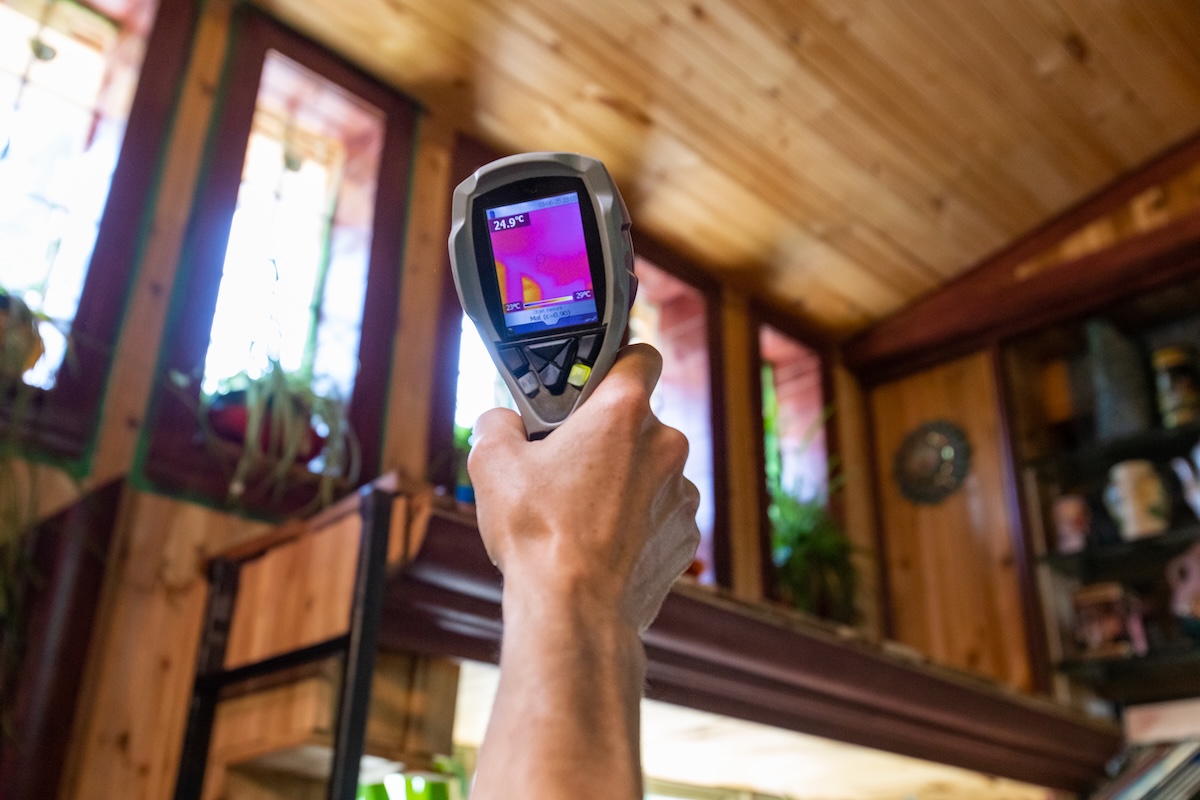
Unless you are well-versed in the various home systems and appliances around a home, you may be paying more than necessary on your energy bills. Home inspectors can identify where your home may be wasting energy, such as inefficient appliances, drafty windows, or poor attic insulation, allowing you to address these issues and significantly improve the home’s energy efficiency.
“We recommend a home inspection once a year or even more often if there are any major disasters or events (say your township rebuilds or adds pipes to the street in front of your home), but if there are no changes you can structurally see, we encourage homeowners to use common sense and repeat at their own discretion,” mentions Gravely.