
We may earn revenue from the products available on this page and participate in affiliate programs. Learn More ›
Enhancing your home’s curb appeal is often framed as a strategic move for resale, but investing in your exterior offers significant rewards that go far beyond a simple transaction. In a 2026 housing market characterized by unseasonable sluggishness due to widespread geopolitical and economic uncertainty from the Iran War, homeowners are increasingly staying put.
According to a report from Redfin, pending home sales recently dropped 4.1 percent nationwide in early spring compared to the same period last year. This is the biggest decline in over a year, and the median home-sale price rose 2.3 percent annually, the largest increase in a year. Added to that, mortgage rates are hovering around 6.3 percent and inventory is tightening.
Given the current housing market, it’s an ideal time to realign focus from resale value to personal enjoyment of your home when considering the most valuable curb appeal projects. “These factors are driving a shift toward maintenance and improvement instead of relocation,” says Roxanne Conrad, COO for Premium Service Brands, a home services platform franchisor. “When people know they’re going to be in their home longer, they’re more willing to invest in projects that improve durability, comfort, and long-term value, not just quick visual upgrades.”
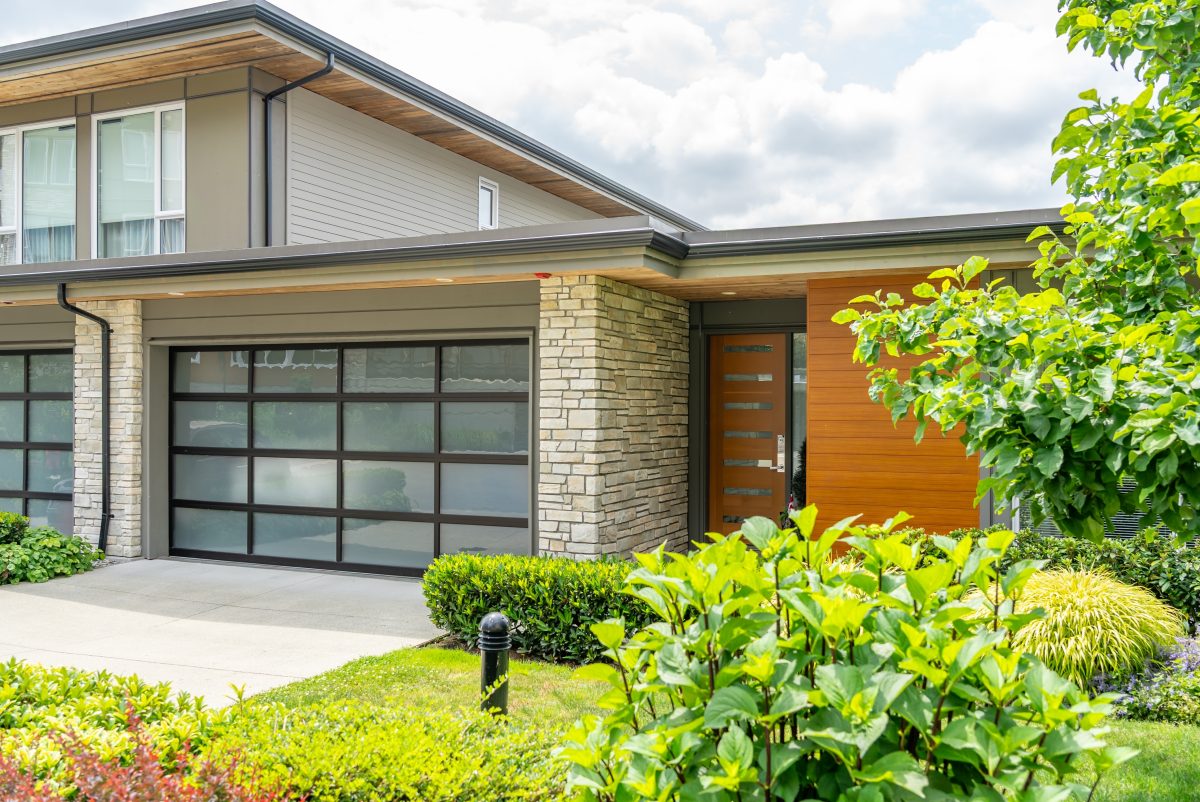
Most Valuable Curb Appeal Projects
We spoke to several real estate experts to get their takes on curb appeal projects. Focus on these to enjoy your home more and even increase its future curb appeal value.
Siding
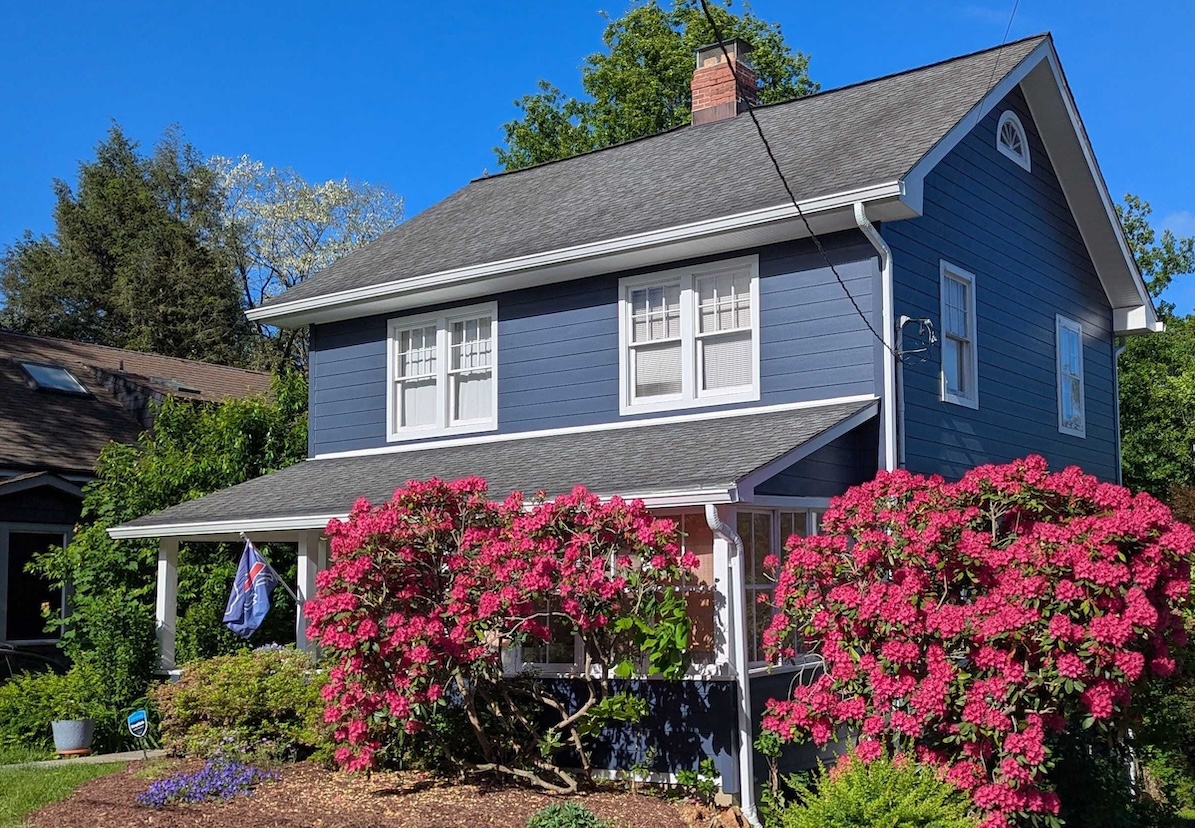
Siding projects can be a very beneficial curb appeal project, says Darren Robertson, Realtor and founder of Northern Virginia Home Pro in Arlington, Virginia. “Siding offers greater protection from adverse weather, adds structural integrity by preventing mold and water damage, and improves energy efficiency with its insulating properties.” Ensuring your home has solid siding also helps prevent pests from sneaking indoors, improves control of your home’s temperature and energy loss, and boosts the overall durability of your home. The best part of keeping siding maintained is that you can save money on energy costs related to home heating and cooling.
According to fiber cement siding manufacturer James Hardie, the product’s resistance to pests, moisture, and hail damage—and the fact that homeowners’ insurance companies may offer reduced premiums for installing the non-combustible siding—make the investment worthwhile. In terms of return on investment, fiber cement siding replacement can recoup approximately 114 percent of its cost at resale, and vinyl siding about 97 percent, according to the Remodeling 2025 Cost vs. Value Report.
Roofing
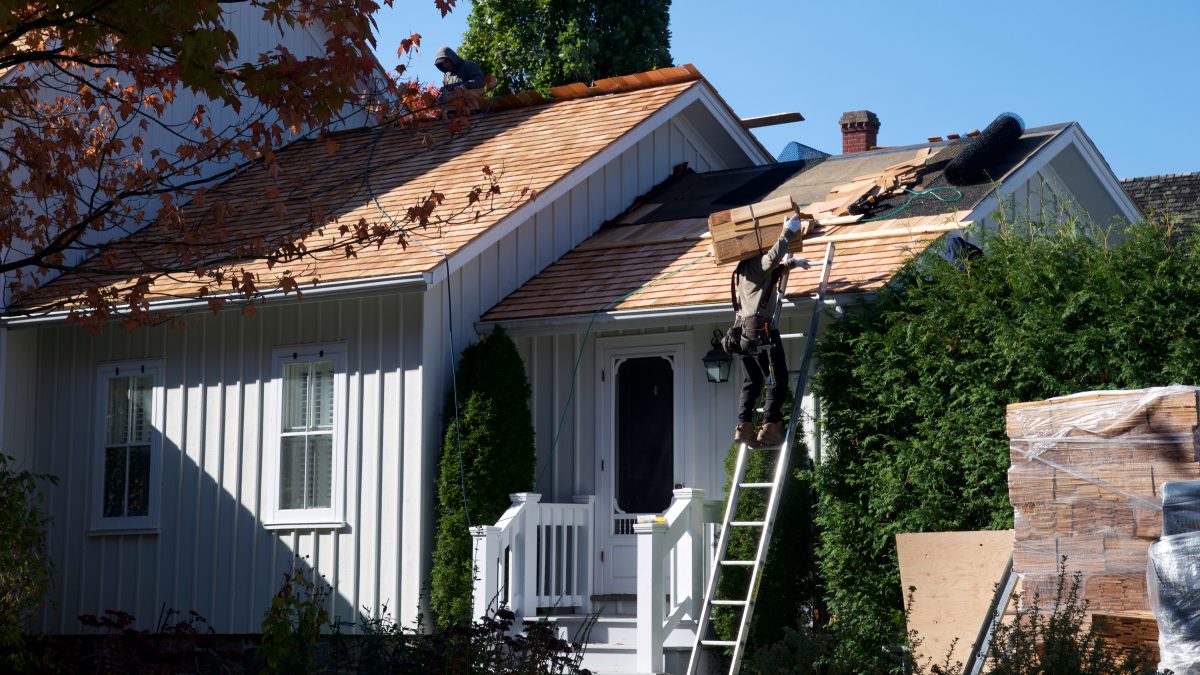
New roofs add considerable value to a home because of the structural impact they create, notes Robertson. “They can improve ventilation, help save on utility bills, and reduce the chances of leaks inside the property,” he says. Reflective roofing can lower cooling demand in hot climates, adds Matthew Prato, home improvement and outdoor design expert and President of Tri State Gate in Bedford Hills, New York. Finally, newer roofs tend to lower insurance premiums when there’s less risk of damage or maintenance needs; this reduction in long-term costs can be an attractive prospect to future buyers.
That’s helpful, since replacing asphalt shingles costs nearly $32,000 on average, and metal roofs run closer to $50,000. If you ever sell, you’ll recoup slightly more than half the cost in resale value.
Windows
Keeping windows updated and well maintained is also beneficial while you live in your home and if you sell. “Windows improve comfort and efficiency by reducing drafts and condensation when they are correctly sized, installed, and sealed,” says Prato. Also, Low-E glass helps manage heat gain and ultraviolet exposure. “Reducing noise, improving ultraviolet protection, and enhancing security through window projects can benefit a home, creating better living spaces for you and any other residents,” adds Robertson. Let’s also not forget the chance for windows to insulate your property with double windowpanes, which can help reduce energy bills.
The average cost of replacing about 10 windows is $22,000 to $26,000, depending on the material. You gain back about two-thirds of the cost of replacement windows in resale value.
Doors
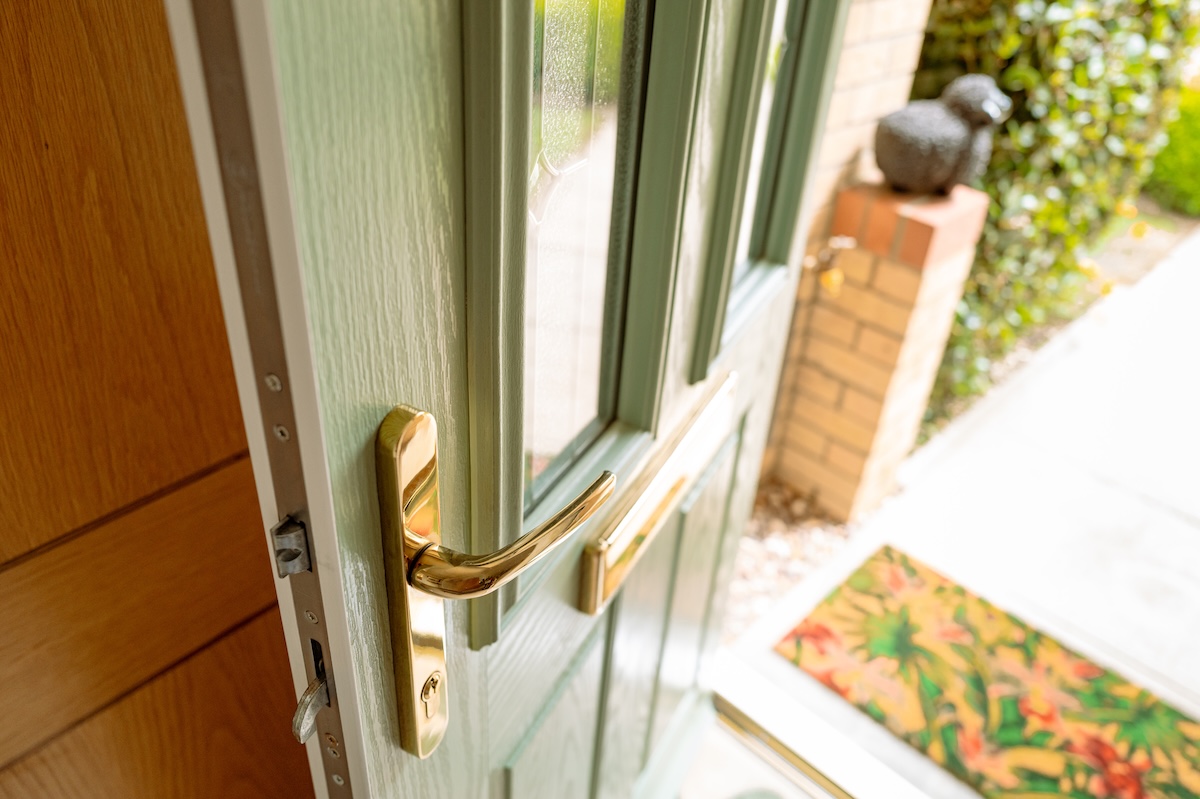
Both entry doors and garage doors can transform how a home looks and functions. “Doors affect security, air sealing, and daily reliability,” says Prato. “Intact weatherstripping, proper door balance, functional safety sensors, and insulated panels can reduce noise, improve comfort, and prevent injury or damage,” Prato adds. Consider modernizing your home by upgrading your entry doors and garage doors with smart technologies like managed access and automation, suggests Robertson.
New garage and entry doors have the highest return on investment among other home improvement projects, according to the Remodeling 2025 Cost vs. Value Report (www.costvsvalue.com), with both estimated to earn more at resale than it costs to replace them.
Landscaping
The chief aim of landscaping projects is to increase the aesthetic appeal of a property; however, there are a few practical reasons you might want to make some exterior improvements. “Adding privacy through hedging, cooling the area with trees that provide shade, and improving outdoor drainage are a few projects that could benefit a home, not to mention creating a more relaxing, enjoyable outside space,” says Robertson. Additionally, landscaping supports drainage and foundation health when grading moves water away from the house, and native plantings can reduce watering and routine upkeep, says Prato.
Prioritize projects by return on investment.
If you are looking to choose projects based on the best bang for the buck, then start with replacing your roof first, says Robertson. “It can add magnificent aesthetic value to a home and deliver practical benefits such as improved ventilation, greater energy efficiency, and leak prevention, all of which can reduce a home’s bills and maintenance costs.” It can also lead to a higher appraisal value, and potentially lower insurance premiums, relieving major future expenses for homebuyers.
Prato suggests an approach that involves handling roof and water management first, followed by openings such as windows, entry doors, and garage doors. Next, focus on siding. The last priority should be landscaping projects. “That order limits rework because solving water intrusion and air leakage first protects any finish work that comes after,” explains Prato. “It also tends to match what inspectors and insurers focus on, so the projects that reduce risk and improve performance usually belong at the top of the list.”