We may earn revenue from the products available on this page and participate in affiliate programs. Learn More ›
It’s reasonable to expect that a home’s exterior will typically last for decades in moderate weather conditions, requiring regular but minimal maintenance. This longevity, however, also depends on the materials. So it’s important to understand the key differences between fiber cement siding vs. vinyl when selecting exterior cladding for the home. However, before deciding to invest in a fiber cement siding installation or vinyl siding installation, it’s recommended to get a more comprehensive breakdown of these differences, so you can make an informed decision.
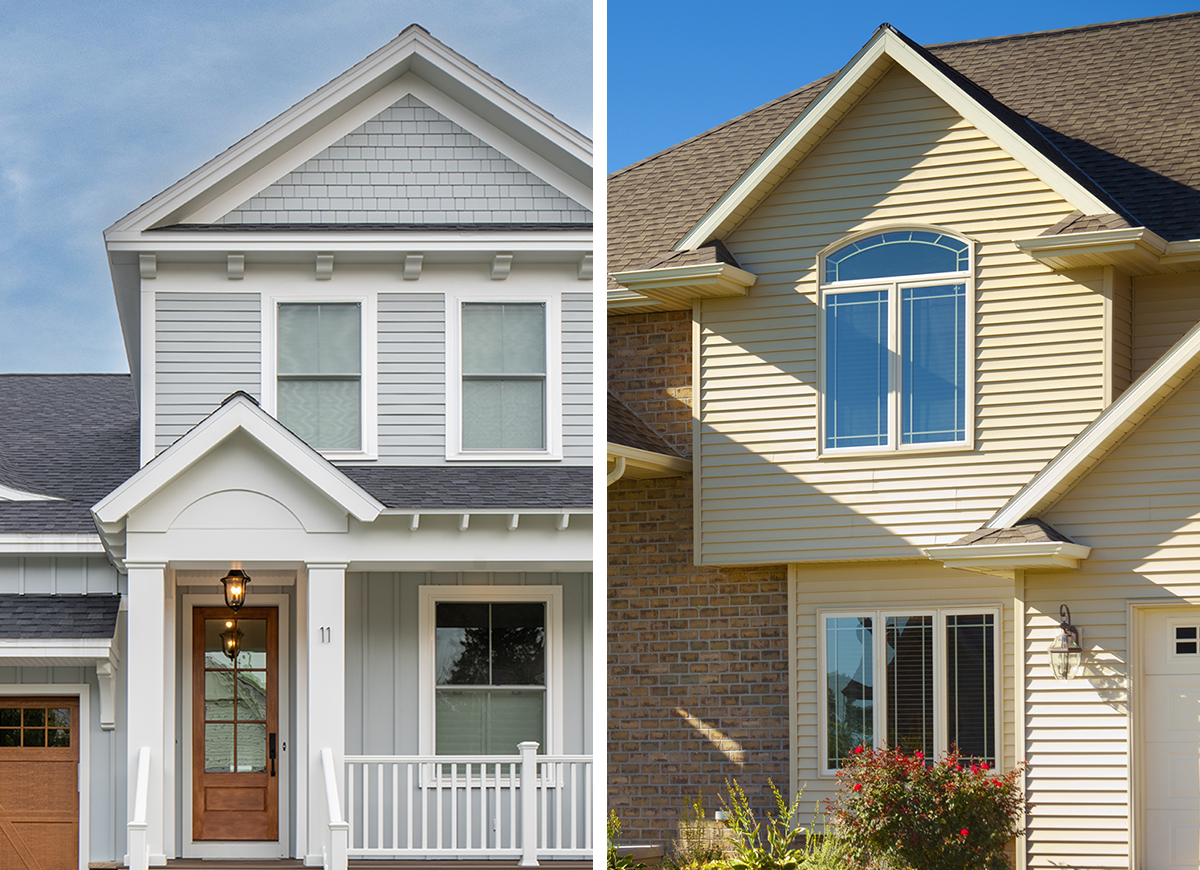
In general, fiber cement siding is more durable, eco-friendly, fire-resistant, and long lasting, while exterior vinyl siding is more affordable, easier to install, requires less maintenance, and comes in a wider variety of styles, colors, and decorative options. Use this guide to increase your understanding of the differences between fiber cement siding vs. vinyl siding before updating the exterior of your home.
Need help with your siding project?
Consult with a qualified siding pro in your area and get free, no-commitment estimates for your project.
What Is fiber cement siding?
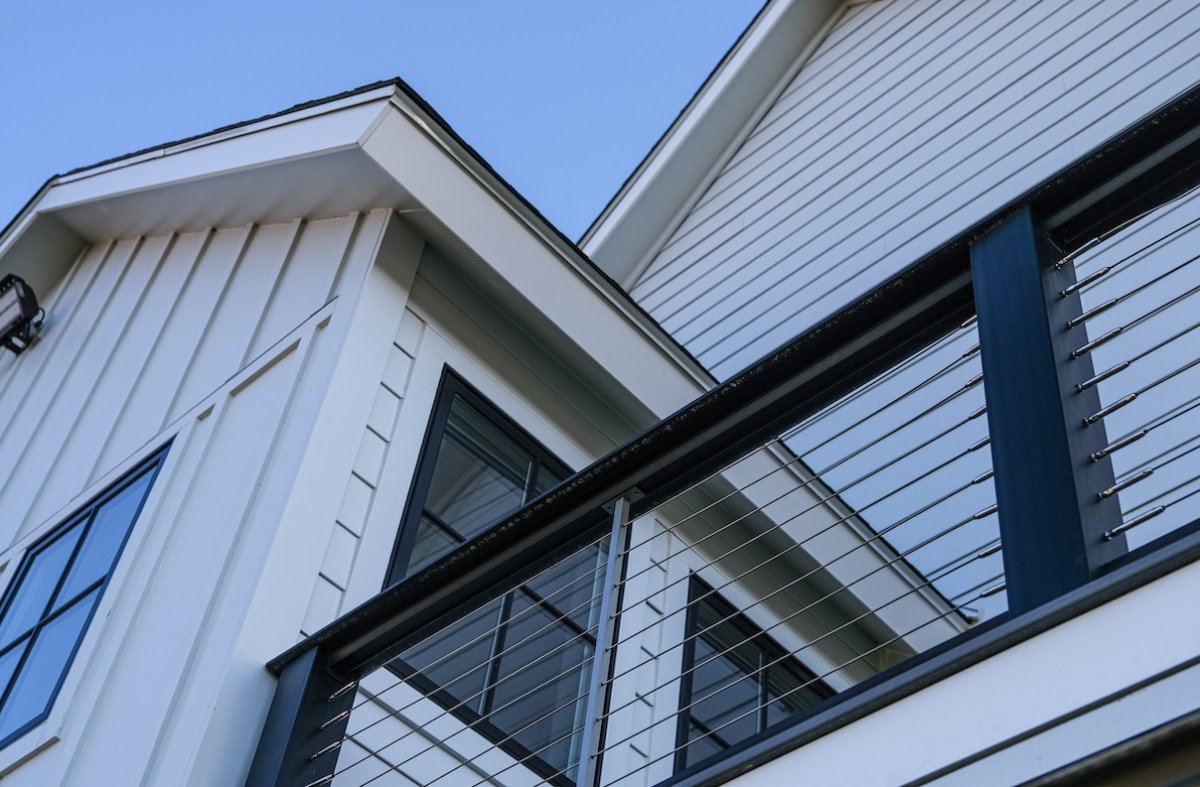
There are clear physical differences in the construction and manufacturing of fiber cement siding vs. vinyl siding. Constantine Anest, owner of Ethos Roofing & Restoration explains: “Fiber cement siding is a composite material made from cement with the addition of natural and/or artificial cellulose fibers and other components. Since cement is durable but brittle when bending and breaking, fiber protects the panel from cracking and destruction during transportation and installation.”
Best For: This siding material is best suited as an environmentally friendly cladding for building facades in a wide variety of climates, as it is resistant to moisture, frost, temperature fluctuations, and ultraviolet radiation.
What Is vinyl siding?
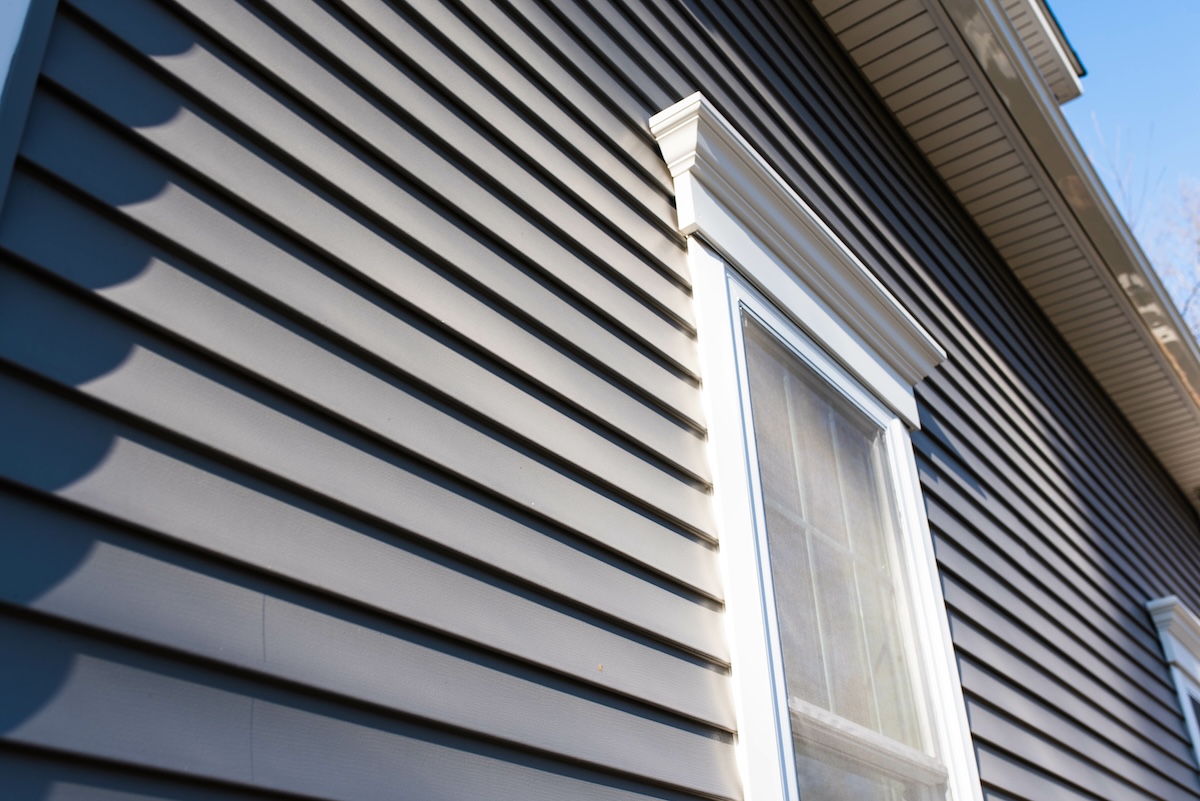
Having a clear understanding of the components vinyl siding manufacturers use is important when weighing your options for the exterior of your home. “Vinyl siding is approximately 80 percent PVC (in other words, plastic) with the addition of modifiers, stabilizers, and other additives, making it a fairly durable and lightweight material,” says Anest.
Best For: Vinyl siding is best for providing a low-cost, low-maintenance, moisture-resistant exterior shell that can protect the home against the elements. For those who desire color choice, there is a variety of vinyl siding colors and styles.
Comparing Fiber Cement and Vinyl Siding
When comparing types of fiber cement siding to types of vinyl siding, there are significant differences between the installation difficulty, cost, eco-friendliness, and fire resistance of these products. Consider these differences when choosing which siding option is right for the exterior of your home.
Installation
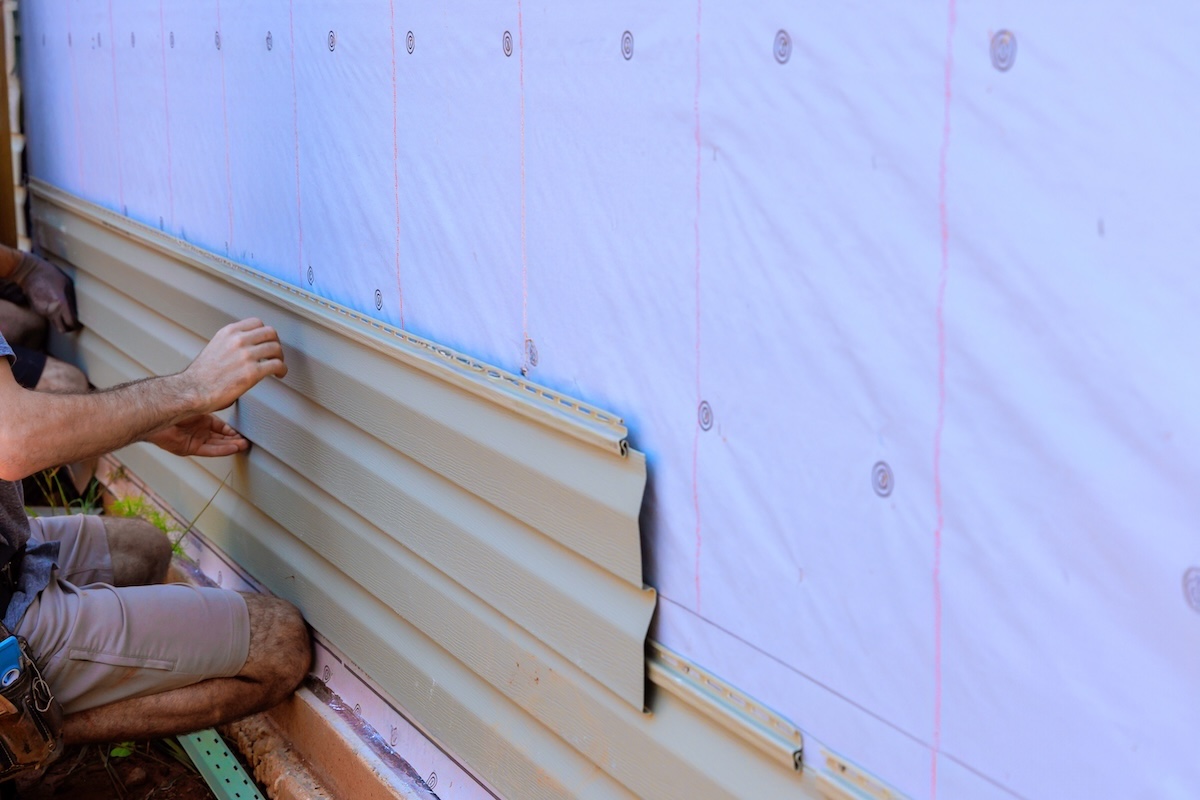
Since fiber cement siding is heavier than even insulated vinyl siding, it tends to be more difficult to carry, maneuver, and install. Additionally, vinyl is ready for use as soon as it is installed, while fiber cement siding needs caulking (and exterior paint if it does not come precolored) to ensure that it is adequately protected from moisture.
Anest says that “safe installation of fiber cement siding requires specialized tools, PPE and skills—which may add to the overall costs—as opposed to vinyl siding, which is relatively easy to install.” Given the difficulty of installing fiber cement siding, many homeowners who prefer to DIY their home renovation projects opt for easy-to-use vinyl siding.
Cost
Budgeting for materials and labor is important for any project around the home, so it’s necessary to compare fiber cement siding cost vs. vinyl siding cost to determine the amount you will need to invest to complete the exterior siding installation. “Fiber cement siding can be more expensive than vinyl, which is typically the most affordable siding option,” notes Anest.
On average, you can expect the cost of fiber cement siding to be about $5 to $14 per square foot, while vinyl siding costs range between $3 to $12 per square foot. This works out to an average of $14,641 for most fiber cement siding projects and $11,676 for vinyl siding jobs, making vinyl siding the better choice for those with a tight budget.
Eco-friendliness
One of the foremost factors that eco-conscious homeowners consider is the sustainability of the siding material and the impact it has on the environment. Fiber cement siding doesn’t require the use of fossil fuels to make: James Hardie‘s fiber cement siding, according to the brand, is “made from natural and sustainable raw materials that are also low in toxicity,” and over 83 percent of these raw materials are sourced within 100 miles of a Hardie plant. Their product’s ingredients list is short and easy to pronounce: Portland cement, cellulose pulp, sand, and water.
In addition to sustainability, fiber cement siding boasts better fire resistance than even the best vinyl siding brands. While vinyl siding tends to burn and melt when exposed to extreme heat and flame, fiber cement is created primarily using fire-resistant cement as a base. For homes located in areas prone to wildfires, fiber cement siding is a better choice.
Don't do it yourself
Knowledgeable and trusted professionals in your area are available to help you with your project.
Similarities Between Fiber Cement and Vinyl Siding
Fiber cement siding and vinyl siding are not polar opposites. Since both fiber cement and vinyl share a few similarities, including mimicking the appearance of natural materials, providing relatively high durability and low maintenance, and creating effective weather barriers to protect a home.
Appearance
While vinyl siding has a wider range of colors to choose from, there is a significant overlap between fiber cement siding styles and vinyl siding styles. Anest says, “Both fiber cement siding and vinyl siding offer the look of wood while providing more durability and lower maintenance needs than traditional wood siding.”
Selecting either fiber cement siding or vinyl gives you the opportunity to beautify your home by mimicking the look of wood and other natural materials. Additionally, since fiber cement siding requires painting, you can select a color that suits the exterior of the home. Similarly, once you learn how to paint vinyl siding, you can customize the siding to suit your personal preferences.
Durability
One of the top reasons to invest in either fiber cement siding or vinyl siding is that both are durable materials that hold up for decades of exposure to wind, rain, and UV radiation. Fiber cement has an edge in physical durability and resistance to UV radiation, but vinyl makes up for this slight difference with its superior resistance to moisture. “While fiber cement siding may need to be painted periodically, vinyl siding does not require painting or finishing,” says Anest.
Both fiber cement and vinyl siding are relatively low-maintenance options. In fact, vinyl siding usually only requires regular cleaning, while fiber cement will need to be repainted and caulked about once every 10 to 15 years. Though, it’s important to note that vinyl typically needs to be repaired more often than fiber cement, due to its lightweight construction.
Weather resistance
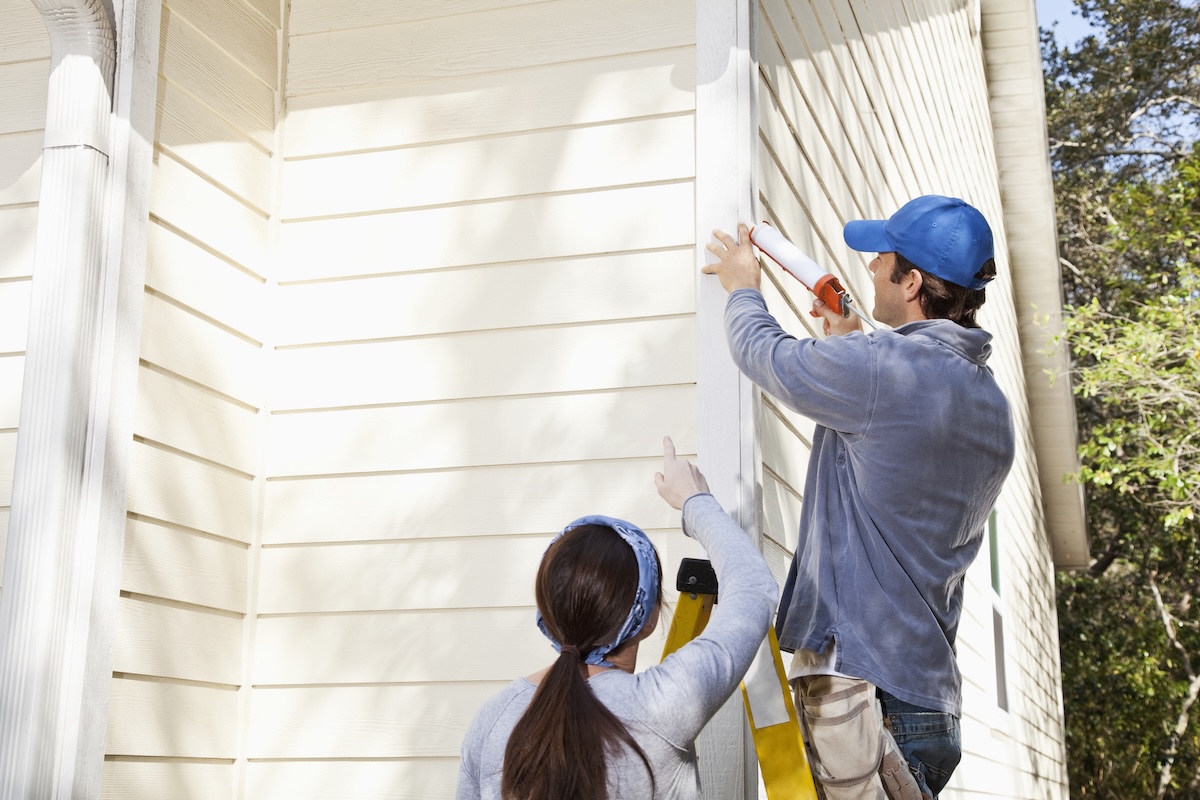
The main purpose of siding is to provide a protective layer for the home that blocks out wind, rain, sleet, hail, and snow. Both fiber cement siding and vinyl siding are suitable choices for accomplishing this goal. Vinyl siding is better equipped for handling moisture, while fiber cement siding is able to adapt to both hot and cold climates.
However, Anest, points out that “proper installation and preventative maintenance are crucial for both types of siding to ensure longevity and best performance.” If these materials are not installed and maintained properly, it can leave the home vulnerable to mold, mildew, rot, and water damage, so it’s necessary to ensure the siding installation is carried out by an experienced DIYer or a trained professional for the best results.
Final Thoughts
Exterior cladding is necessary to protect the more vulnerable materials that make up the walls of your home. Deciding between fiber cement siding vs. vinyl siding can be difficult. But, with a firm understanding of the key differences and similarities between these two siding options, you can make an informed choice that gives the look and protection your home requires without exceeding your financial constraints.