We may earn revenue from the products available on this page and participate in affiliate programs. Learn More ›
Hurricane season kicks off this time of year, plus scientists at The National Weather Service are predicting a “super” El Niño weather pattern this summer, which could bring above-average temperatures, heavy rain, high winds, flooding, and even tornadoes. During an El Niño, the trade winds weaken across the warm Pacific Ocean, triggering waves that travel eastward along the equator and up the West Coast, warming the ocean and raising both sea surface temperatures and sea levels for several months. If we see a super El Niño, the sea temperature could heat up more and the effects would be stronger.
The increased likelihood of severe weather due to super El Niño this summer also means the potential for higher utility bills and power outages. “The good news is homeowners are not powerless,” says Ian Giammanco, managing director of standards and data analytics and lead research meteorologist at the Insurance Institute for Business & Home Safety (IBHS). While we can’t prevent severe weather, we can ward off much of the damage it causes. “Research from IBHS shows that addressing a few key vulnerabilities now can significantly reduce damage and speed recovery after a storm.” He recommends taking action now: “Preparedness today leads to resilience tomorrow.”
Here are five steps you can take to prepare your home to handle extreme weather this season.
Make sure your roof is ready to safeguard the rest of your home.
Start with your roof, which is your home’s first line of defense. “The roof is the most critical part of a home when it comes to severe weather,” says Giammanco. “Once it is compromised, wind and water can quickly enter and cause widespread damage.”
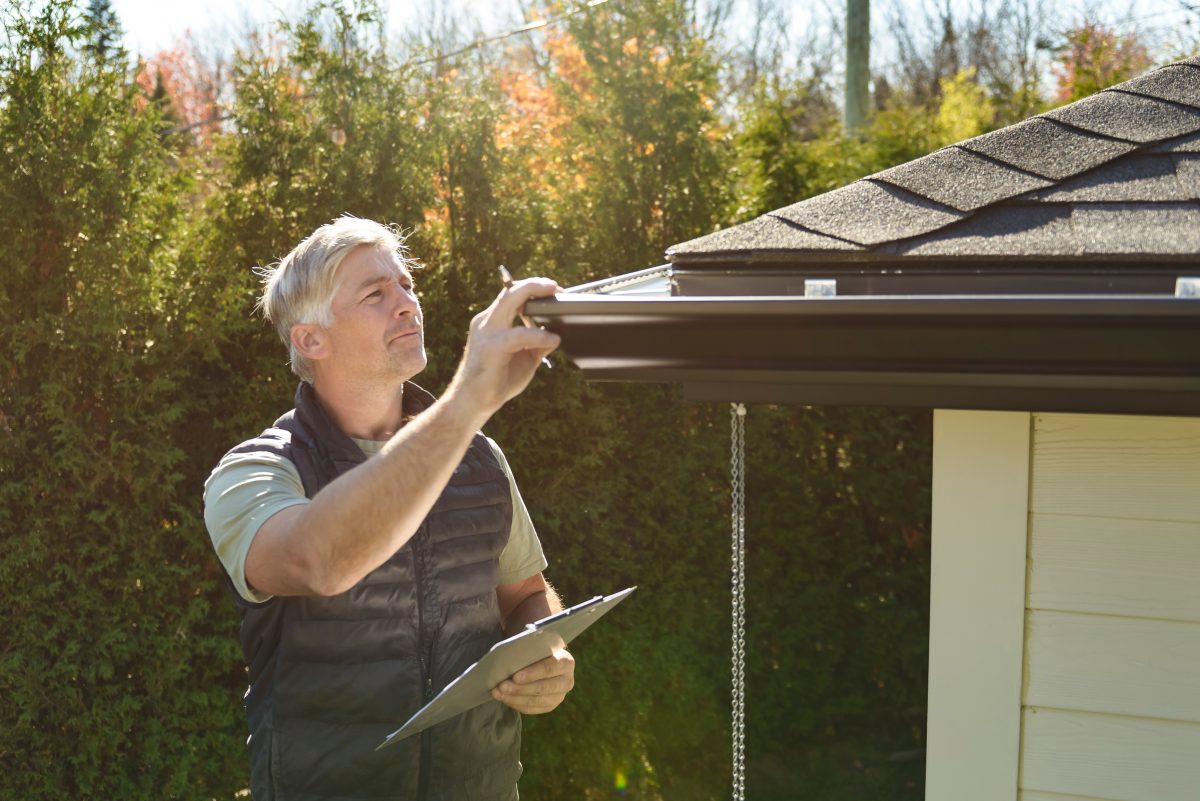
He recommends scheduling a professional roof inspection and repairing any missing or damaged shingles and flashing. “IBHS research shows that even small openings in the roof can allow significant water intrusion, so proactive maintenance is one of the highest-impact steps homeowners can take,” explains Giammanco.
Also, plan ahead for roof replacement, prioritizing heat-resistant materials like highly reflective roof shingles or a FORTIFIED Roof, which is designed to better withstand high winds and heavy rain.
Check and prepare your HVAC system.
You’ll be relying on your HVAC system throughout the steamy summer, so be sure to schedule a maintenance check to address any issues before El Niño weather kicks in, says Patrick Gambel,owner of General Heating & Air Conditioning in New Orleans, Louisiana.
“Also, if you have a generator, make sure it’s ready before storm season starts. Have your local HVAC technician check and service it before you actually need it, just to be prepared,” advises Gambel. He also recommends changing air filters regularly, making sure refrigerant levels in your AC system aren’t too low, and checking attic insulation and air leaks throughout the house.
Seal openings throughout your home.
Severe storms often cause damage when wind enters a home through weak openings, increasing internal pressure and leading to structural failure, says Giammanco. This also means the AC will have to work harder to keep your home cool.
Strengthen doors, windows, and other openings by upgrading to impact-resistant windows or adding storm shutters; ensuring doors, especially garage doors, are wind-rated and properly secured; and sealing gaps and cracks on the exterior to block wind and water intrusion. “The garage door is one of the most vulnerable components during high winds, and reinforcing it can help prevent a cascade of structural damage,” advises Giammanco.
Minimize flood risks.
You’ll also want to manage water before it becomes a problem. “Heavy rain is a major driver of property damage, especially when water cannot properly drain away from the home,” explains Giammanco. Here are a few simple steps he recommends taking:
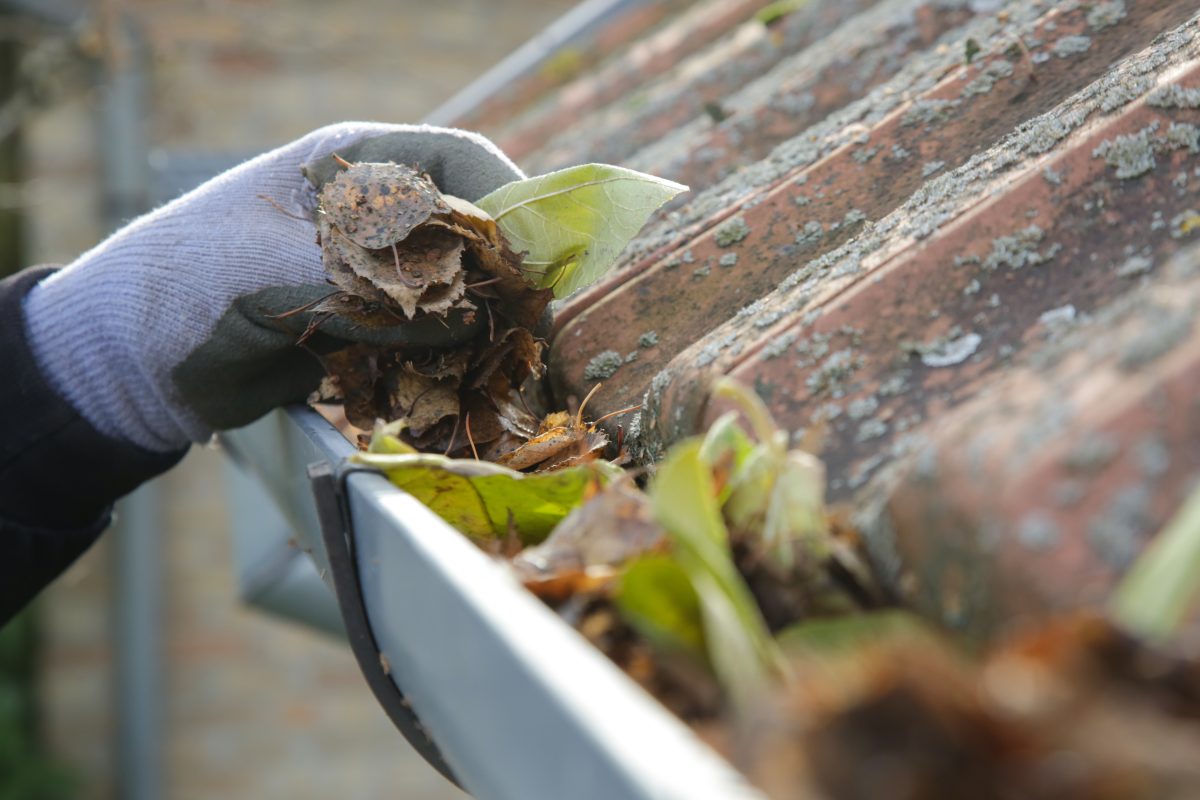
- Clean and secure gutters and downspouts, making sure there is no debris blocking them.
- Make sure water is directed away from the foundation.
- Check for and seal any exterior cracks or gaps.
- Clear drainage systems to help prevent water backup and reduce the risk of interior damage during severe storms.
Maintain landscaping and clear yard debris.
It’s also important to reduce risks outside around your property. “Damage does not just come from the structure itself. Yard conditions can create additional hazards in high wind or wildfire conditions,” explains Giammanco.
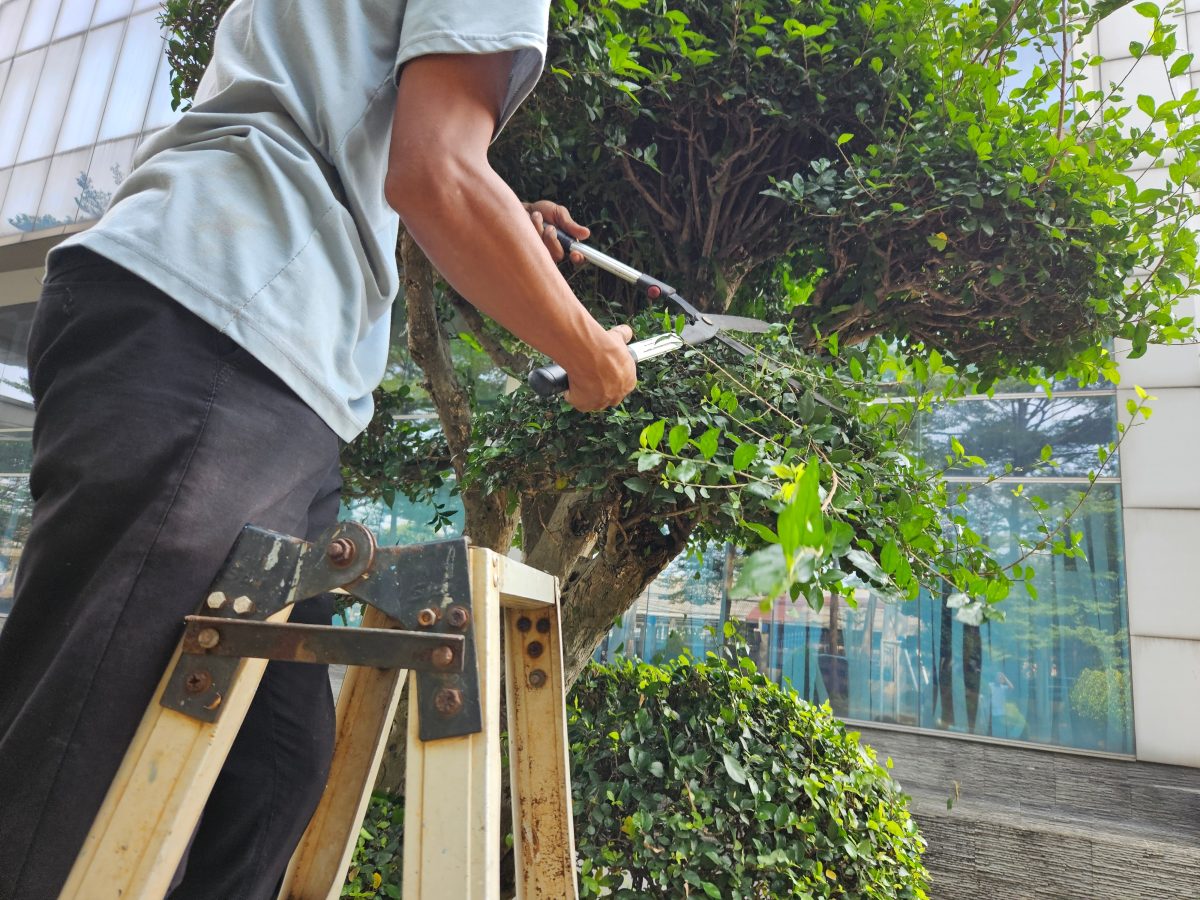
- Trim trees and plants, and remove branches that hang over the roof or near windows.
- Clear debris from roofs, gutters, and decks; around AC units; and throughout your yard.
- Secure loose items outside before stormy weather approaches.