We may earn revenue from the products available on this page and participate in affiliate programs. Learn More ›
When extreme weather like a hurricane or line of tornadoes fills the forecast, you probably rush off to the store for milk and bread, but might not think about stocking up on items that can help you repair and clean up your home after the storm, should the worst happen. “If weather has caused a disruption to your home, your first priority should be to ensure the elements don’t cause more damage,” says Michael Stein, founder and CEO of Tarps Plus in Dallas, Texas. “Being prepared for a serious weather forecast with a small emergency repair kit leads to the fastest recovery for most homeowners,” says Stein.
Below are the top emergency fixes you should prepare for following severe weather, along with the essentials needed to help deal with temporary emergency repairs.
Roof Leaks and Missing Shingles
Roof damage caused by strong winds, hail, falling tree branches, and other obstructions can create a pathway for water to enter your home and cause interior damage, warns Stein. “Heavy duty waterproof tarps, rope or bungee cords, furring strips, screws or nails, gloves, and a ladder should be kept on hand to provide temporary protection until a repair professional can make a permanent roof repair,” says Stein.
Take the following steps when preparing for a storm to protect your roof from damage due to extreme weather:
- Schedule an inspection: Before the storm season begins, hire a licensed roofing contractor to come out and inspect your roof to identify any existing damage or potential weak spots that could be problematic during a storm.
- Address vulnerable areas: Repair or replace loose or missing shingles, flashing, and seals around vents and chimneys.
- Upgrade roof materials: Upgrade to impact-resistant roofing materials designed to withstand hail and other severe weather conditions.
- Clean gutters and downspouts: Remove debris that can create clogs and water backups.
- Trim trees: Cut back any overhanging branches.
- Secure loose items: Tie up or put away outdoor furniture, lawn ornaments, and other loose items that could become airborne during high winds.
Tarp
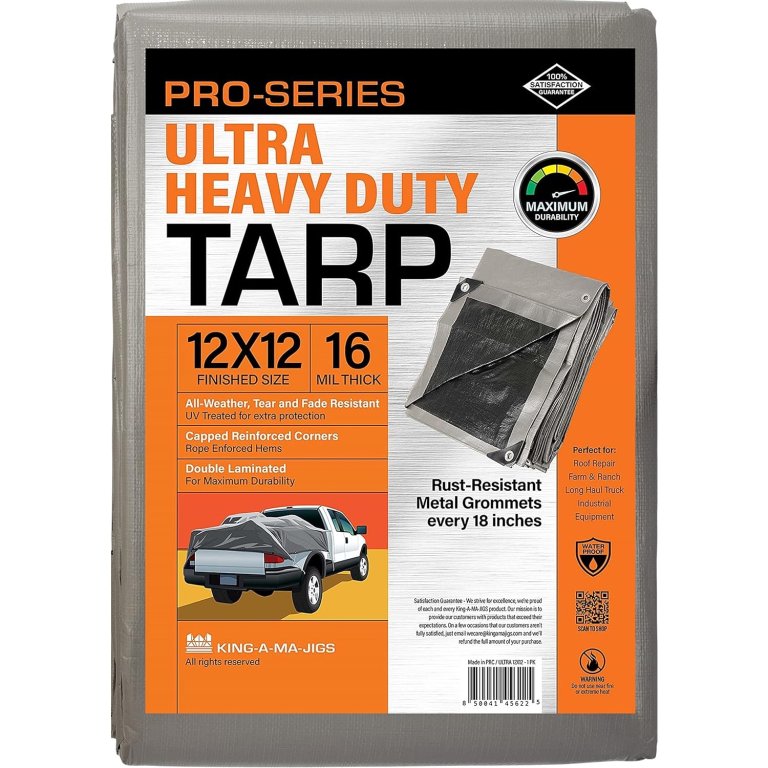
King-A-Ma-Jigs Pro-Series Ultra Heavy-Duty Tarp
Buy NowBroken Windows and Damaged Doors
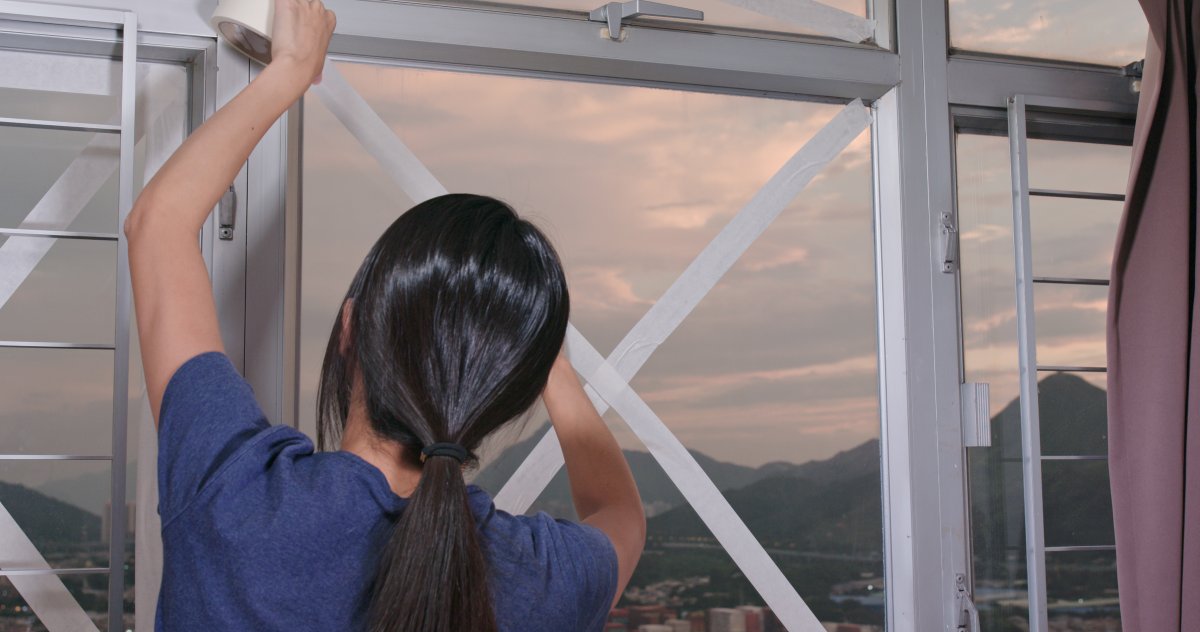
Strong winds and flying debris during tornadoes or hurricanes can damage entry doors, windows, and screens. “A temporary weather barrier can be created by keeping clear tarps, plywood, duct tape, utility knives, gloves, and fasteners on hand,” says Stein.
FEMA recommends putting up storm shutters to prevent windows from breaking from the impact of wind-borne debris. You can also add shatter-resistant window film or impact-resistant windows for protection. Reinforce garage doors with girts and by strengthening the wheel tracks. Other options include covering windows with plywood or clear polycarbonate panels.
Duct Tape
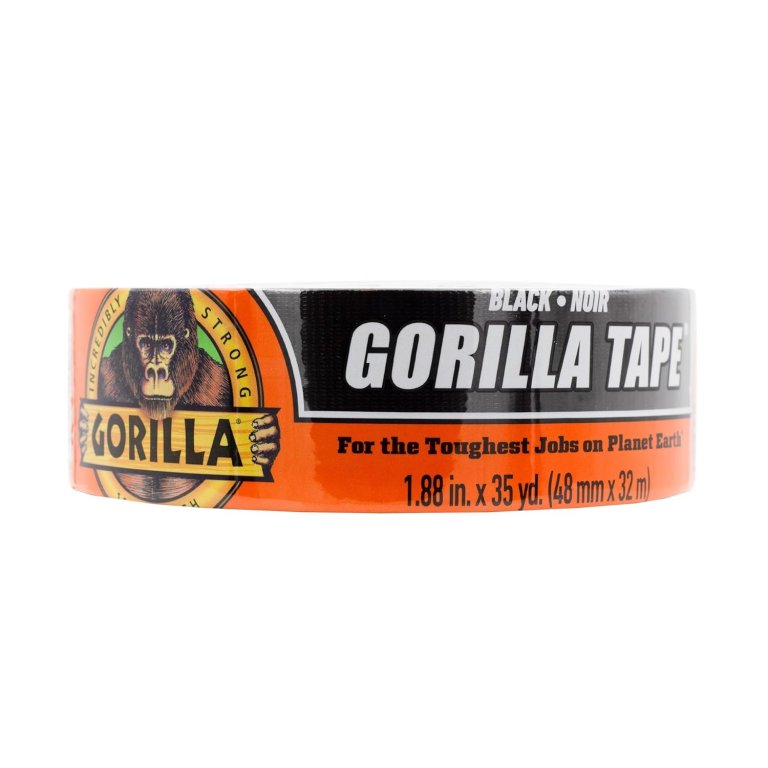
Gorilla Black Duct Tape
Buy NowFlooding and Standing Water
“Water intrusion can cause damage to the contents of the home and the home’s structure,” warns Stein. He suggests stocking up on breathable tarps, wet/dry vacs, dehumidifiers, fans, sandbags, and waterproof storage bins to help mitigate damage to the contents of your home.
FEMA recommends taking the following precautions to protect your belongings from water damage:
- Get flood insurance: Protect your investment by purchasing flood insurance for your home and its contents.
- Document what you have: Keep an updated list and photos or videos of the belongings in your home.
- Store valuables: Keep important documents and valuables on an upper floor of your home, if possible, and in waterproof or water-resistant containers. Also, make copies of documents and store them online or offsite.
- Elevate equipment: Keep appliances and HVAC equipment on higher floors.
- Choose flood-resistant materials: Flood-resistant insulation, drywall, and floor coverings like tile will help minimize damage and are easier to clean after a flood.
Storage Bins
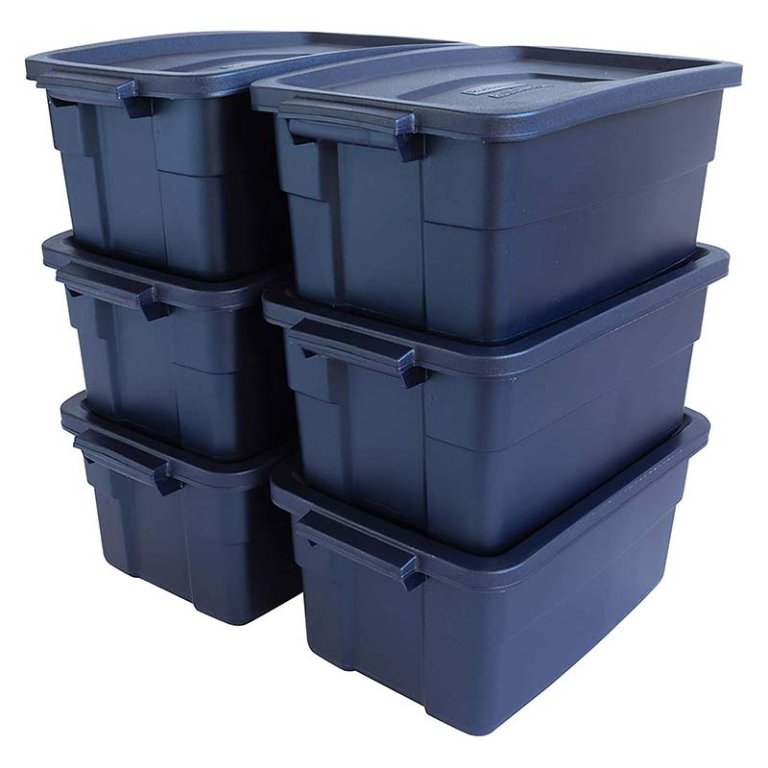
Rubbermaid Roughneck 3-Gallon Storage Totes
Buy NowDowned Limbs and Outdoor Debris
Flying debris can impact vehicles and damage structures outside, such as your shed. Stein recommends purchasing safety goggles, gloves, a headlamp, a tarp, rope, contractor bags, and pruning shears to safely address this type of damage.
After the storm, take the following steps to clean up:
- Assess the damage with safety in mind: Before you clean up, look for downed power lines, broken branches, hanging limbs, uprooted trees, structural damage, or hazards that could cause injury. You’ll want to make sure walkways, driveways, and access points are cleared first to ensure safe movement around your property. Take photographs for insurance purposes.
- Put on protective gear: Wear work gloves, sturdy shoes, eye protection, and long sleeves and pants to protect against sharp objects and debris.
- Remove small debris: Start by collecting small debris like twigs and leaves from your yard.
- Clear out gutters and downspouts: Remove debris that has accumulated in your gutters and downspouts, which can lead to water damage.
- Tackle larger debris: Cut fallen branches or trees using proper equipment or leave it to the professionals to handle. A certified arborist can help determine whether a damaged tree is salvageable or if removing it entirely is safer.
- Prune trees: Prune limbs that are splintered or hanging to prevent future damage.
Headlamp
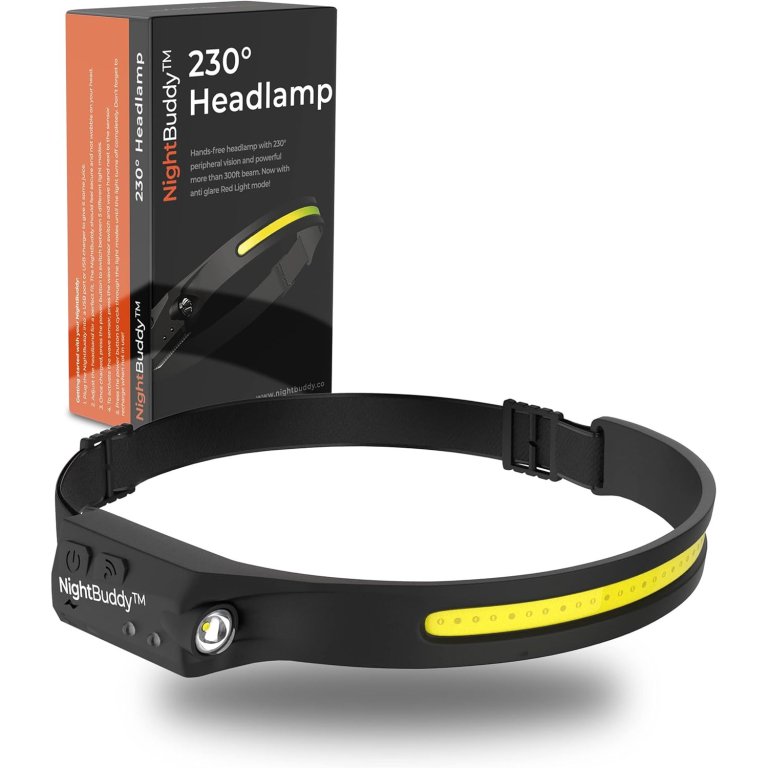
NightBuddy Rechargeable LED Headlamp
Buy NowPower Outages
A power outage can disrupt communications and water service, prevent the use of medical devices; cause food spoilage and water contamination; and lead to discomfort, loss of sleep, and health issues as the temperature either rises or plummets, depending on the season.
In addition, heavy storms can expose garages, sheds, vehicles, tools, generators, firewood, and other outdoor gear to the elements, says Stein. It’s a good idea to protect them before the storm hits if possible. Also, keep in mind that the following common home systems will no longer work when the power goes out: gas furnaces, boilers, well pumps, sump pumps, medical devices, electric stoves and ovens, garage door openers, and security systems.
Be ready for a power outage by keeping battery-operated lights, extra batteries, portable phone chargers, outdoor use extension cords, waterproof tarps, emergency blankets, and zip ties on hand, says Stein.
Outdoor Extension Cord
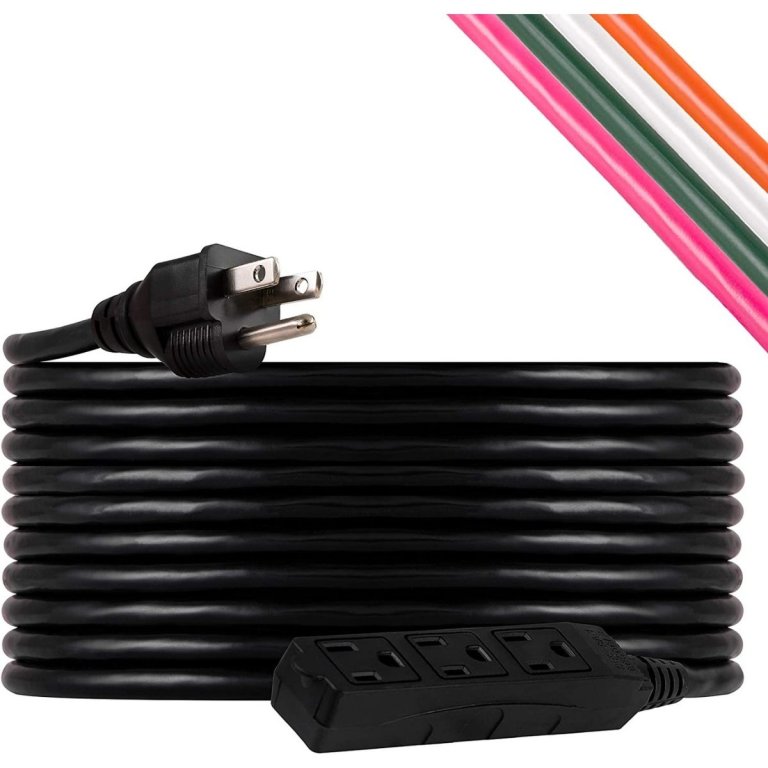
UltraPro 25-Foot Extension Cord, 3-Outlet Power Strip
Buy Now