We may earn revenue from the products available on this page and participate in affiliate programs. Learn More ›
Will you be ready when the next big storm arrives? Being prepared not only keeps you and your family safe but also ensures that you won’t get stuck with a hefty repair bill if your home is impacted by heavy wind, rain, and severe weather like a major hurricane. Whether you are trying to maneuver through predicted weather patterns or live in an area prone to dangerous weather, what you do in the 2 days prior to a forecasted storm can make a huge difference in how your property handles the elements.
To help guide you through these events, we spoke with Richard Di Biase, home restoration expert with Restoration 1 in Orlando, Florida, about his recommendations for a pre-storm checklist. “I see firsthand how much storm damage can be prevented through basic risk mitigation and routine home maintenance,” says Di Biase. “The 48 hours before a severe storm is the time to walk the property; identify vulnerabilities; secure loose items; and protect the home before rain, wind, and debris turn a manageable issue into a costly loss.” The following steps will help you be prepared.
1. Address how water moves around your property.
Clear leaves, branches, and debris from gutters, downspouts, driveway drains, swales, drainage ditches, and other pathways intended to carry water away from your house. “Clogged gutters and downspouts can overflow against roof edges, exterior walls, windows, and foundations,” warns Di Biase. “Poor drainage or grading that directs water toward the home can lead to pooling near low door thresholds, garage openings, window wells, cracks, and wall penetrations, each of which can become an entry point for water during a severe storm.”
Water intrusion is not always immediately visible and can show up as ceiling stains, soft drywall, swelling, damaged flooring, a musty odor, or microbial growth. Therefore, it’s important to check for these warning signs of damage following a major storm.

2. Maintain the drainage system.
If your home has a basement or crawlspace, it’s critical that the drainage system be properly maintained to protect against water intrusion. “A blocked drain line, clogged exterior drain, debris-filled gutter system, or poor grading around the foundation can contribute to basement flooding during heavy rain,” notes Di Biase. But maintaining clear drainage paths can help prevent stormwater from causing interior water damage.
Di Biase recommends making sure that all downspouts discharge away from your home’s foundation, clearing window wells and exterior drains, and testing sump pumps before the storm arrives. Also, don’t forget to install a battery backup for your sump pump in case there is a power outage during heavy rainfall.
Our Recommended Sump Pump
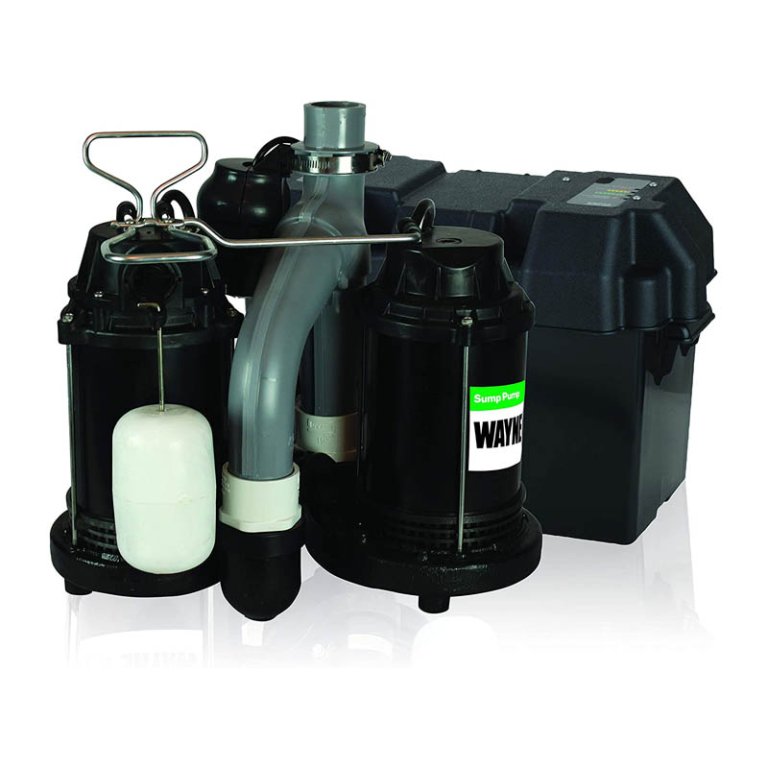
Wayne WSS30Vn Basement Backup Sump Pump
Thanks to its 75 Ah backup battery, this Wayne submersible sump pump continues operating for hours after the power goes out. Read our tested review.
Buy at Amazon
3. Inspect the exterior building envelope.
Look for loose or missing shingles, cracked or displaced roof tiles, deteriorated soffits, damaged fascia, loose gutters, and gaps around windows and doors, says Di Biase. “Hairline stucco cracks, failed caulking, or aging sealant can appear minor in dry weather, but wind-driven rain can force water through those small openings and into wall cavities,” he explains. Try to repair these issues before the storm arrives.
4. Protect windows and doors.
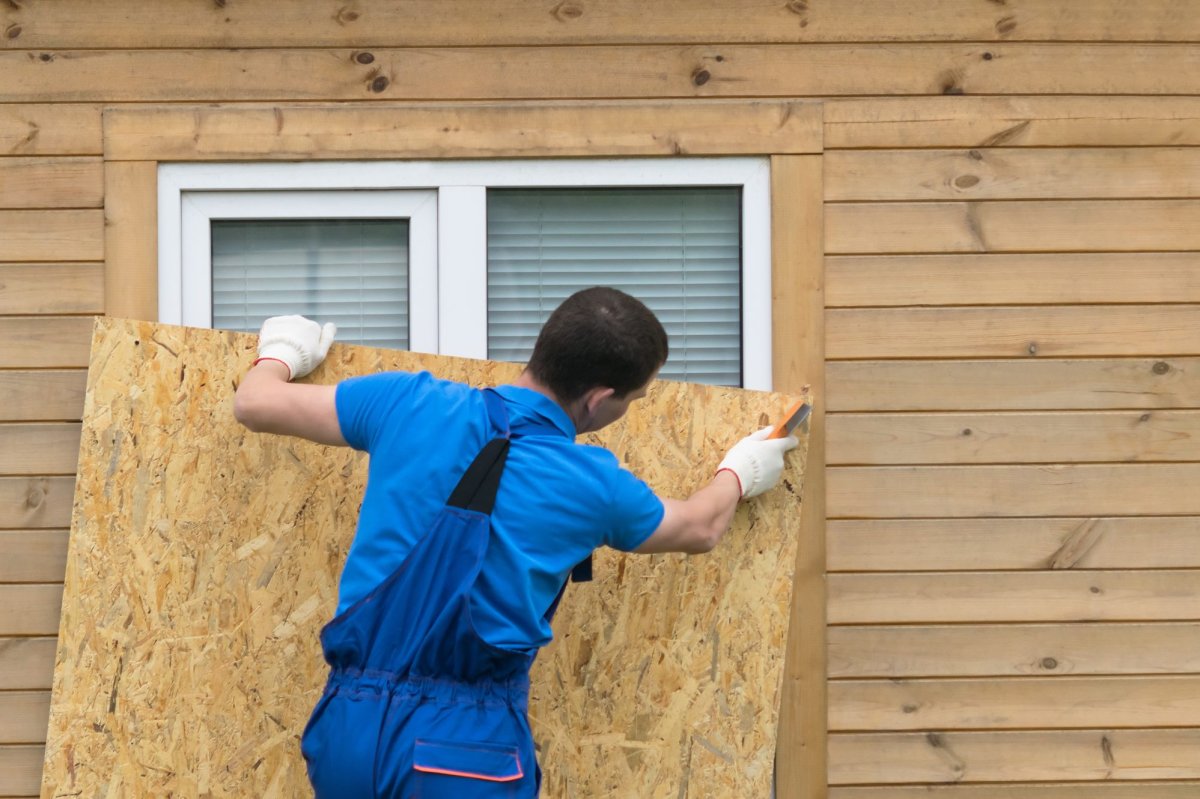
Entry points can be vulnerable during a storm. Shield windows, garage doors, exterior doors, gates, and fencing where possible. Protective measures may entail boarding up windows with wood or installing approved storm shutters or other appropriate window protection early, before conditions become unsafe.
5. Secure loose items.
Wind protection is just as important as water management, says Di Biase. “Anything left outside can become windborne debris capable of damaging windows, vehicles, roofing, screens, siding, or a neighboring property.” Bring patio furniture, grills, umbrellas, planters, tools, pool accessories, toys, garbage cans, construction materials, and yard décor inside or securely store them outdoors.
6. Safeguard essential items inside your home.
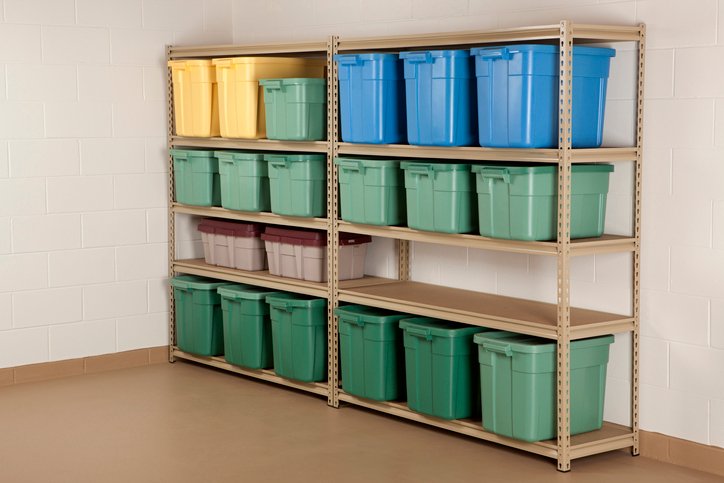
Move important documents, electronics, sentimental items, and valuables away from floors, particularly in garages, basements, first-floor rooms, and other areas that are most vulnerable to water intrusion. Place these items higher up on tables or shelves and/or store them in waterproof, sealed plastic bins.
7. Document your home and belongings.
Photograph and video your home’s existing condition before the storm. “It is incredibly important to document rooflines, exterior walls, windows, doors, gutters, fencing, pool areas, landscaping, vehicles, and important belongings inside,” explains Di Biase. This can provide an important record if damage occurs and an insurance claim becomes necessary.

8. Prepare for a power outage.
While the focus should remain on protecting the property and avoiding a major cleanup after the storm, basic household readiness is also essential, says Di Biase.
- Charge phones, portable battery packs, flashlights, and radios.
- Keep extra batteries available.
- Make sure there is enough fuel in your vehicles.
- Stock up on drinking water, nonperishable food, medications, first aid supplies, pet supplies, and sanitation essentials.
- Check your generator on a monthly basis to stay prepared, and always operate it outdoors and well away from doors, windows, and vents. Never operate it inside a home, garage, or enclosed space.
Our Recommended Portable Generator
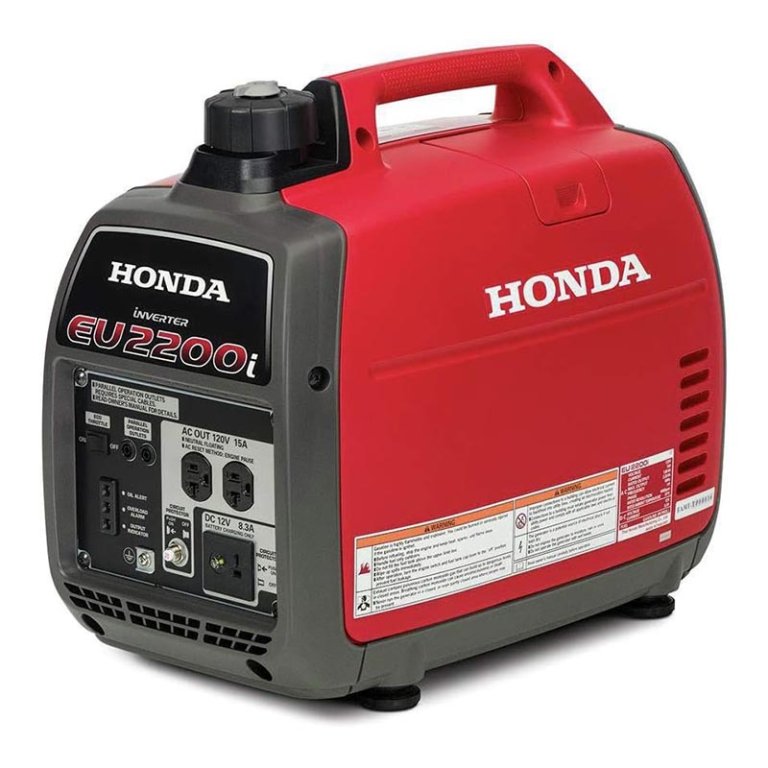
Honda 2200-Watt Inverter Generator
Small but mighty, this Honda inverter generator can run for 8.1 hours at 25% load or 3.2 hours at continuous maximum output. Read our tested review.
Buy at Amazon Buy at Northern Tool + Equipment9. Review your property insurance policy.
Finally, don’t forget to review your insurance policy and update it if necessary. As a property damage restoration expert, Di Biase recommends that homeowners not simply buy the cheapest policy needed to close on a property and assume it will be sufficient after a serious loss. “Work with a reputable insurance provider or agent, review the complete policy annually, and understand all aspects, from the coverage provided to the exclusions, deductibles, caps, and endorsements that may limit a claim,” he says.
Ask clear questions about roof coverage, wind and hurricane deductibles, water intrusion, sewer or drain backup, mold-related limitations, personal property limits, code upgrade coverage, and additional living expenses if the home becomes uninhabitable. “Keep copies of the declarations page, complete policy, endorsements, home inventory, receipts, and pre-storm photographs in a secure digital location.”