We may earn revenue from the products available on this page and participate in affiliate programs. Learn More ›
Each year, Zonda publishes an annual Cost vs. Value (CVV) report, ranking the most common home renovation projects across the nation by return on investment (ROI) value. For the first time, backup power generators entered the top 10 ranking on the list at number 7, with ROI exceeding 100 percent in hurricane-prone and storm-affected regions.
We wanted to understand why home backup power is more popular than ever, since it’s long been considered a luxury upgrade as opposed to an essential part of modern home preparedness. Here’s what several home generator experts and real estate pros think are the reasons why homeowners and homebuyers are now prioritizing backup power and whole-home generators when it comes to home value.
A standby generator is more effective at keeping your home safe and comfortable than a portable generator.
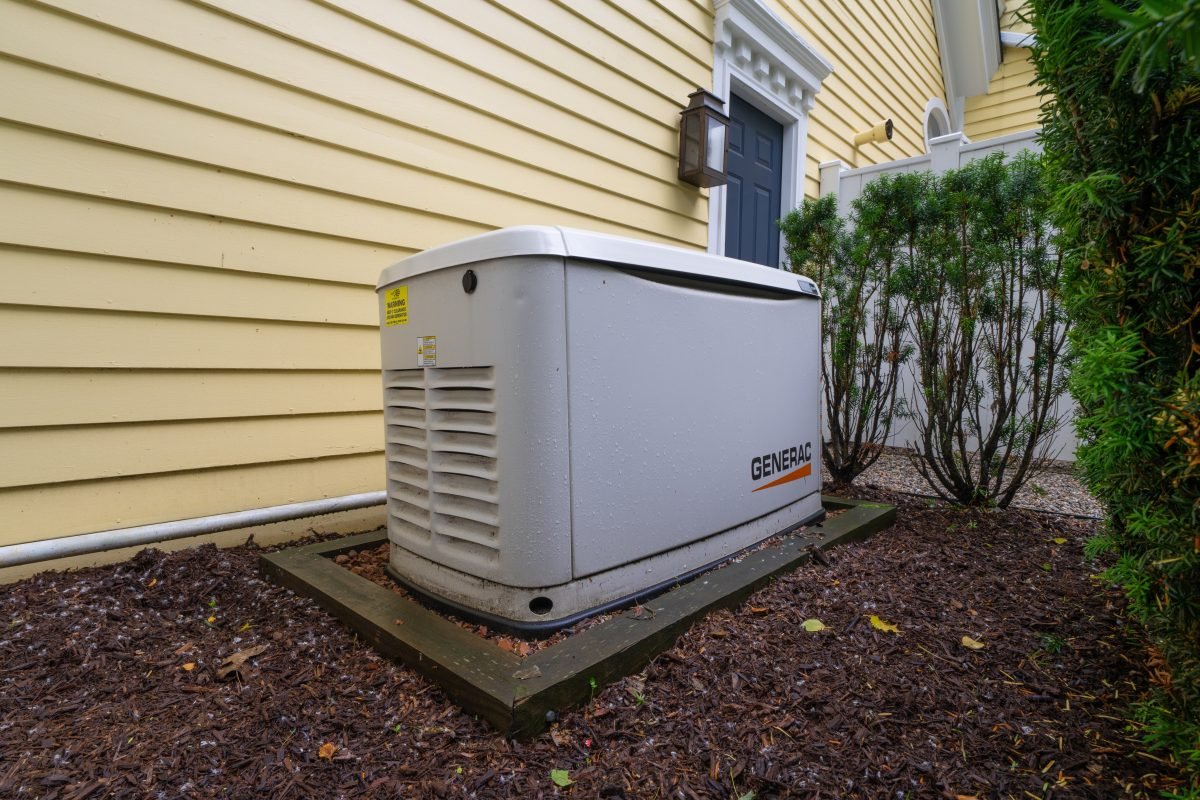
Before we dive into the reasons more people are opting to have a standby generator or whole-home backup generator, it’s important to understand exactly what it does and how it functions. Permanently installed outside a home, a standby generator produces enough electricity to power an entire house indefinitely in the event of a power outage. It connects directly to the home’s electrical panel and uses the natural gas line for fuel. One of the major benefits is that a standby generator automatically turns on within seconds of the power going out, seamlessly transferring the power source from the grid to the generator.
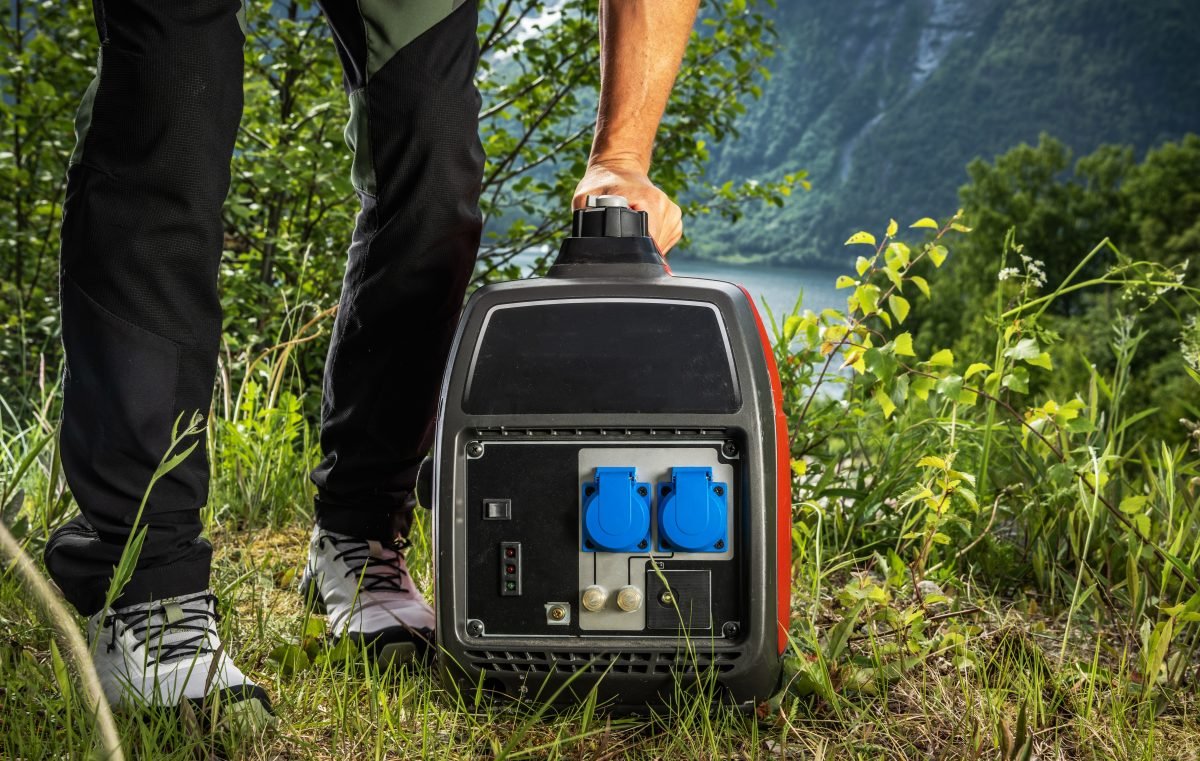
A portable generator is a gas-powered machine that you can carry or wheel over short distances. It has outlets so you can power several appliances. However, it only functions as a temporary power source when the electricity shuts off, making it less reliable than a standby generator. It’s also noisier, requires setup each time you use it, and needs to be refueled periodically.
Best Overall Standby Generator
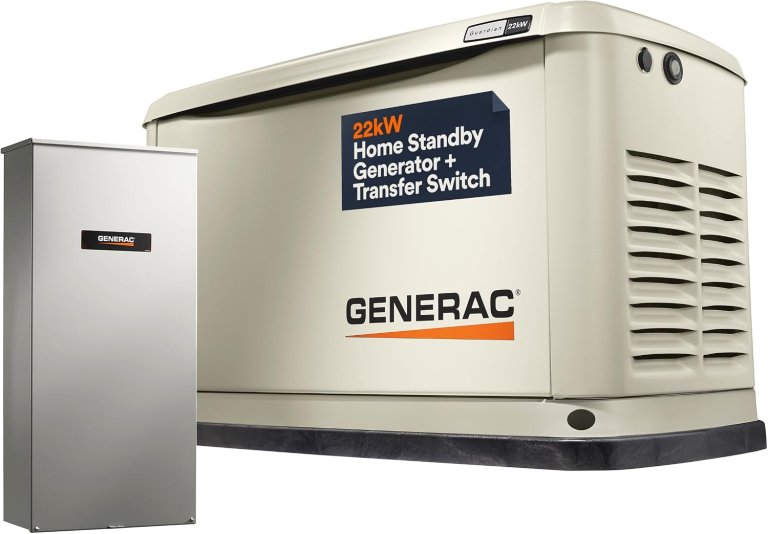
Generac Guardian Home Backup Generator
This whole-home standby generator features a dual-fuel design and a transfer switch that automatically kicks on when the power goes out.
Buy NowPower outages are more frequent due to extreme weather.
A rise in storm frequency and severity plays a role in more people wanting a backup generator for their home. “Outages stopped feeling rare,” says Beau Tyrrel, product training manager at Jackery. “The average U.S. customer lost about 11 hours of power in 2024, nearly double the decade before. When something happens twice as often, people start planning for it.”
Homeowners have concerns about property damage.
More storms mean more stress over potential damage. “Especially in our region, if you lose power, the biggest concern is your AC going out,” notes Woidan. “With how humid it gets, it’s not just uncomfortable, but the humidity and moisture can damage your home very quickly, so it’s super important to keep your AC running even if you lose power.”
In the Midwest, the big fear is the basement, says Omar Muhammad, owner of Excel Electrical Technologies in Orland Park, Illinois. “Most homes in our area have a sump pump, and the storms that knock out power are the same storms that send water toward your foundation.” A finished basement can take on tens of thousands of dollars of damage in one night if the pump stops, so buyers and residents understand that a generator protects the most expensive square footage in their house.
Technology has increased the need for uninterrupted power.
Technological innovation has been a game changer for how Americans live. Homes depend on electricity in ways they didn’t 20 years ago, says Muhammad. “A lot of people work from home now and some run medical equipment. Many have an EV in the garage; a high-efficiency furnace that won’t run without power; and a smart thermostat, security system, and Wi-Fi network they rely on every day,” he explains. “An outage is a lot different than it used to be—now it can mean you can’t work, can’t heat the house, and can’t charge your car.” Therefore, a standby generator has become a non-negotiable addition for many homeowners who can’t afford to have their power shut off for any period of time.
Homebuyers are demanding built-in power backup.
Standby generators are now recognized as being as necessary as smoke detectors and security systems, adding value to a home. According to Briggs & Stratton, a permanently installed generator could get you a 3 to 5 percent boost to your home value. And they are now more widespread and becoming the norm, so buyers expect to see them. “Most new builds automatically include a backup generator installation in the blueprints,” notes Woidan.
From a resale perspective, a home generator can help a property stand out by offering buyers peace of mind, especially in neighborhoods that have experienced repeated power disruptions, says Dell Jeanty, founder of Dell Residential Group in Arlington, Virginia. “A home with a generator during an outage demonstrates preparedness, which can be a meaningful selling point,” says Jeanty. “Some estimates suggest standby generators can recover as much as 95 percent of their installation cost at resale, although the actual return depends on the market, installation costs, and buyer demand.”