
We may earn revenue from the products available on this page and participate in affiliate programs. Learn More ›
Your attic might seem like the perfect out-of-the-way place to stash holiday decorations, old paperwork, and seasonal clothes, but without climate control and proper insulation, it can quickly become one of the worst storage spots in your home. “Between the heat, humidity, and temperature fluctuations, unfinished attics can be far more damaging than many homeowners realize,” explains Rebecca Deans, founder and CEO of SHIFT into Organized in Charleston, South Carolina. Add pests to the mix, and all these factors can take a toll on your belongings, leading to irreversible damage.
Before you haul another box up to your attic, it’s important to understand which household items aren’t suited for an unconditioned space. We spoke to several organizing and storage experts to find out what you should never store in an unfinished attic, in addition to better storage alternatives to save you money and frustration down the road.
1. Clothing
Clothes belong in closets, not in the attic. “Attics create a perfect storm for fabric damage: heat, humidity, and pests,” warns Deans. Moisture can trigger mold and mildew growth, while insects like moths can wreak havoc on your clothing. Plus, clothes can get dusty and smell musty when stored in an attic, according to Cameron Figgins, a certified cleaning and restoration contractor and president of Absolute Maintenance & Consulting in Los Angeles, California.
“Also, avoid storing anything leather in your attic,” says Figgins. “Summer heat will dry leather out and make it stiff as a board, and hot/cool cycles cause threads to break down in seams.” Leather can lose enough humidity content after one summer cycle to cause it to crack.
With unfinished attic temperatures rising 20 or more degrees higher than outside, Deans and Figgins recommend storing clothing in sealed containers or vacuum-sealed storage bags that are kept in closets that are in conditioned spaces, such as in bedrooms, or in under-bed storage compartments. Also, keep leather goods in their original boxes.
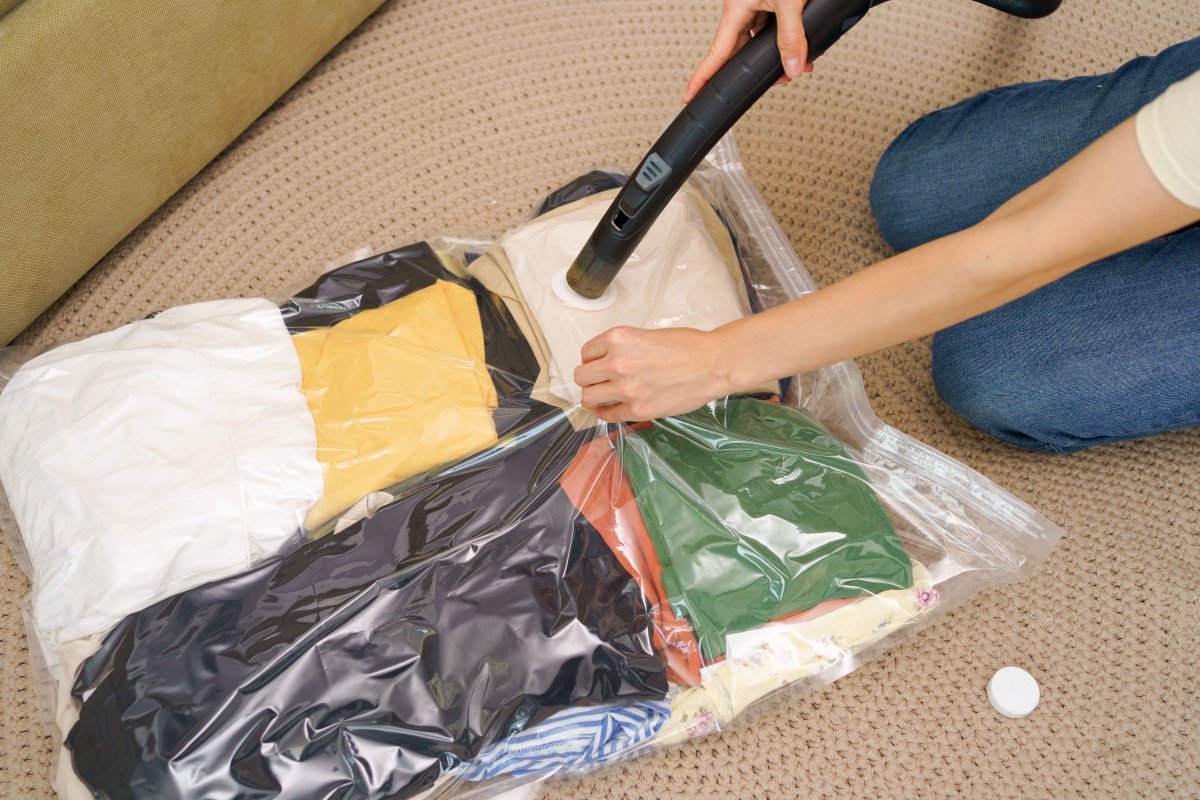
2. Electronics
Electronics are far more sensitive to environmental changes than people often realize, so it’s important not to keep them in an unfinished attic. “Excessive attic heat can damage batteries and wiring, warp components, and shorten device lifespans,” notes Deans. The scorching heat in the attic can also cause batteries to leak or even create a fire hazard.
“Even if something works perfectly when stored, there’s no guarantee it will survive months or years in those conditions,” says Dean. Instead, store electronics, no matter how old they are, in a cool, dark environment inside your home like a media cabinet, office closet, or labeled bins.
3. Important Documents and Photographs
Avoid storing photographs; sentimental papers like cards; and important documents like legal paperwork, passports, birth/death/marriage certificates, and financial records in your attic. The temperature swings and inconsistent humidity up there can damage such documents. “These items are too important, and often too difficult to replace, to risk deterioration,” says Deans.
“Over time, heat can cause photos to fade and curl, while moisture leads to warping, mildew, and deterioration,” says Deans. “Unfortunately, once sentimental paper items are damaged, there’s rarely a way to restore them.” Instead, keep photographs and keepsakes in archival boxes inside your living space, a bedroom closet, or a designated memory bin in a climate-controlled area. It’s also a smart idea to keep critical paperwork in a fireproof safe, filing cabinet, or secure drawer inside your home.
Our Recommendation
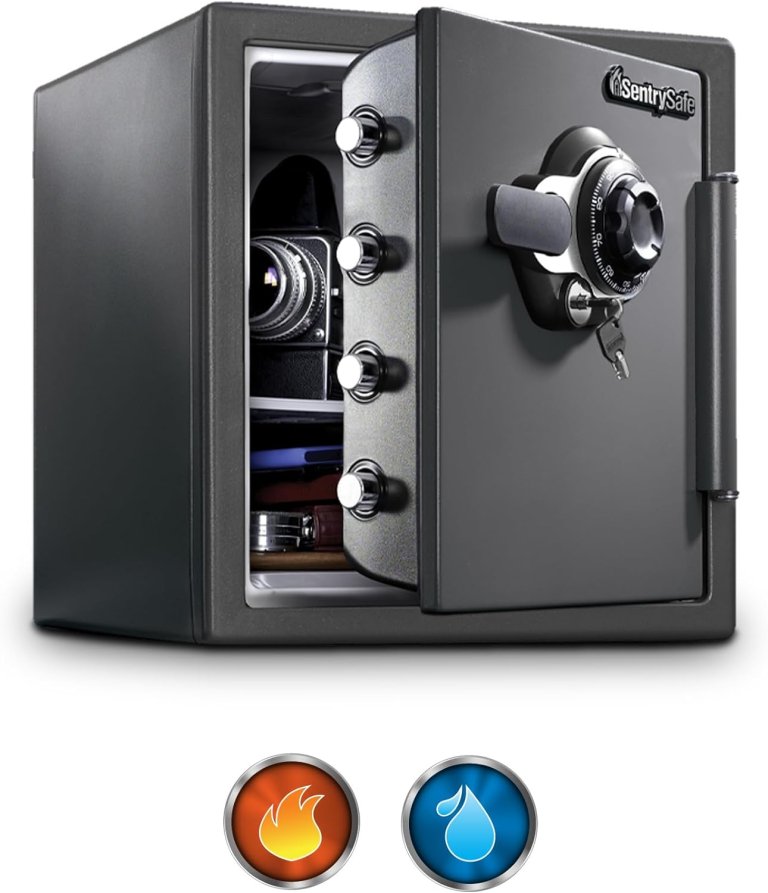
SentrySafe Fireproof and Waterproof Safe with Dial Combination
This highly durable, secure home safe was awarded “Best Overall” in our guide to the best fireproof safes.
Buy Now4. Wood Furniture
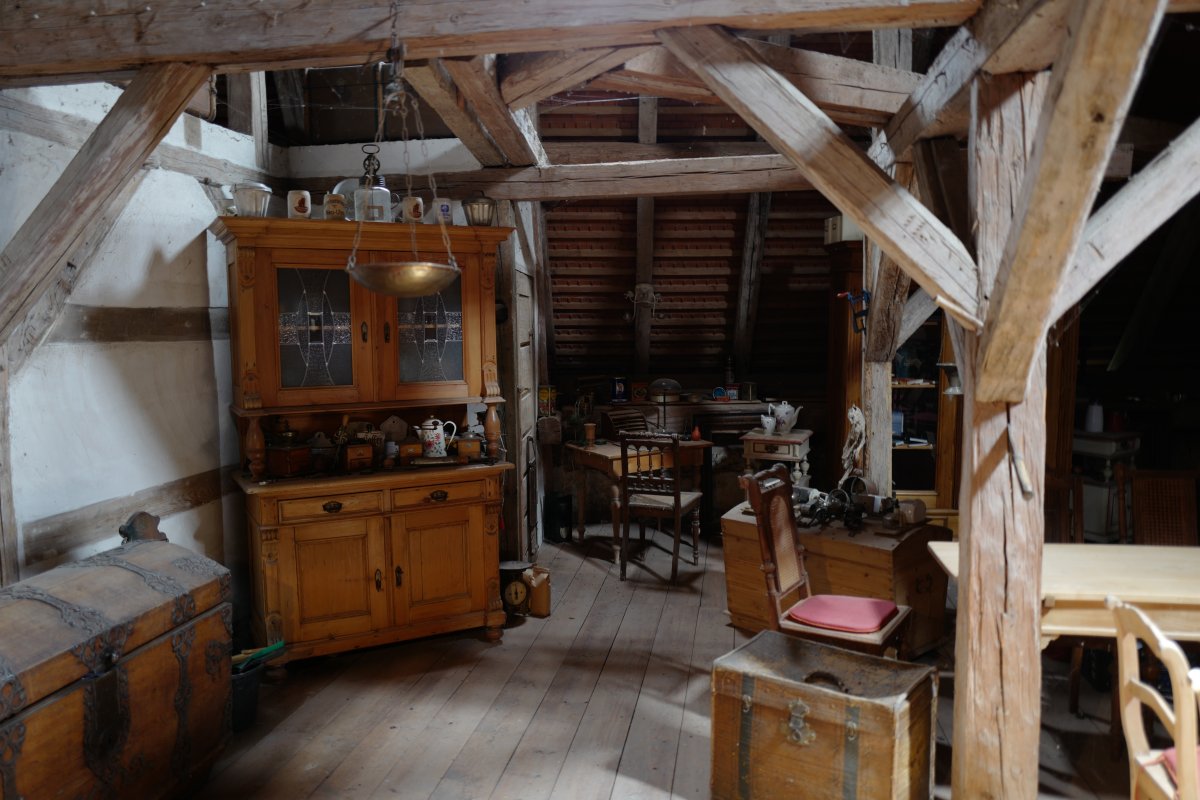
If you collect antiques or are holding onto a wood desk or rocking chair for the future, avoid storing these furniture pieces in your attic. Wood naturally expands and contracts, but attic conditions intensify that process, leading to cracking, warping, or separating at the joints over time, says Deans.
“Even well-built pieces can suffer structural damage when exposed to prolonged heat and humidity fluctuations,” notes Deans. The heat and humidity can also cause damage to wood finishes and glue. It’s better to store wooden furniture in a dry basement, guest room, or climate-controlled storage unit.
5. Food and Pantry Items
Food never belongs in the attic, including canned and dried goods. “Unfinished attics attract pests and experience temperature swings that can spoil dry goods,” says Angelia York, professional organizer and VP at Saint Louis Closet Co. in St. Louis, Missouri. “All food items should remain in a properly ventilated and organized pantry system within the main living area of the home.”
6. Holiday Decorations
Most people don’t think twice about storing holiday decorations in their attic throughout the year, but experts advise against this. “While attics often become the default holiday storage zone, extreme temperatures can quietly ruin seasonal décor,” warns Deans. “Candles melt, adhesives weaken, plastics warp, and delicate ornaments become brittle.” Experts recommend storing holiday decorations in clearly labeled bins kept in a hall closet, guest room closet, or basement.

7. Emergency Items
Finally, you’ll want to avoid keeping emergency-related products in your attic. “Items like flashlights, emergency lights, or extra fire extinguishers should always be easily accessible,” explains Arthuza Rabelo,a professional cleaner and organizer with Cleanzen Cleaning Services, in Boston, Massachusetts. “Storing them in an attic can delay access when they are needed most.” Instead, make sure to keep them in an accessible location like a bedroom nightstand, hallway closet, pantry, or designated safety storage area.