We may earn revenue from the products available on this page and participate in affiliate programs. Learn More ›
One of the most overlooked areas of a home during the winter is the basement. Years of working in basements taught Mark McAlpin, owner of ACM Basement Waterproofing in Long Island, New York, that homeowners run into the same problems every time but are still shocked when it happens. “Troubles usually pop up once snow melts and the basement gets damp and wet,” explains McAlpin. This can lead to foundation damage, dangerous mold growth, and other concerns.
Fortunately, you can see the early signs and even predict moisture if you look hard enough and know your home, says McAlpin. Winter prep is about getting familiar with your basement so nothing surprises you come springtime. “Take this as your green light this winter to take care of those issues and do some simple, stress-free DIY projects.” Here are some steps you can take to ensure basement moisture control and prevent issues in your home when the snow melts and rain starts coming down next season.
Best Water Detector
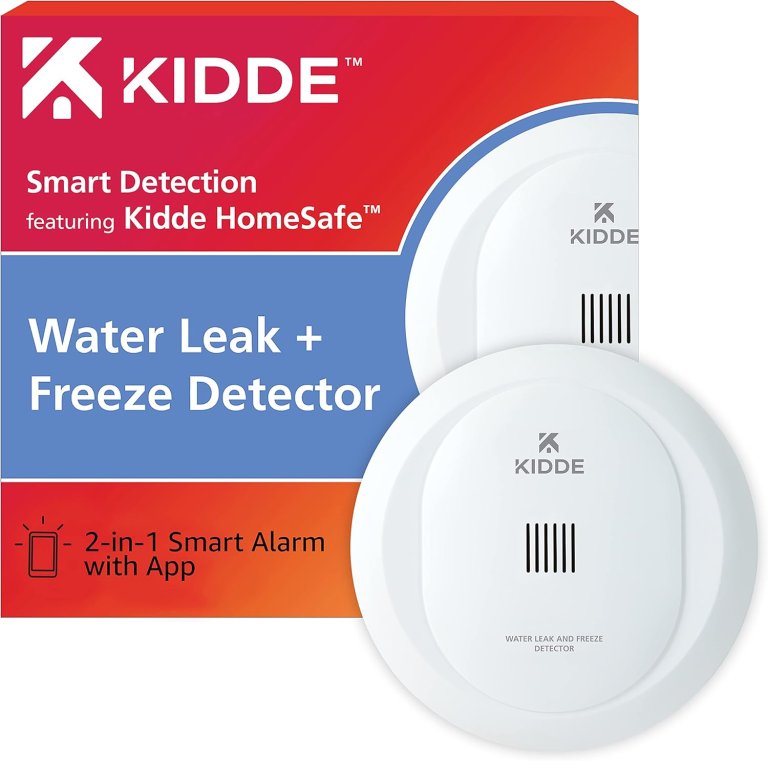
Kidde Water Leak + Freeze Detector
Buy NowMove Items Up Off the Floor and Away from Walls
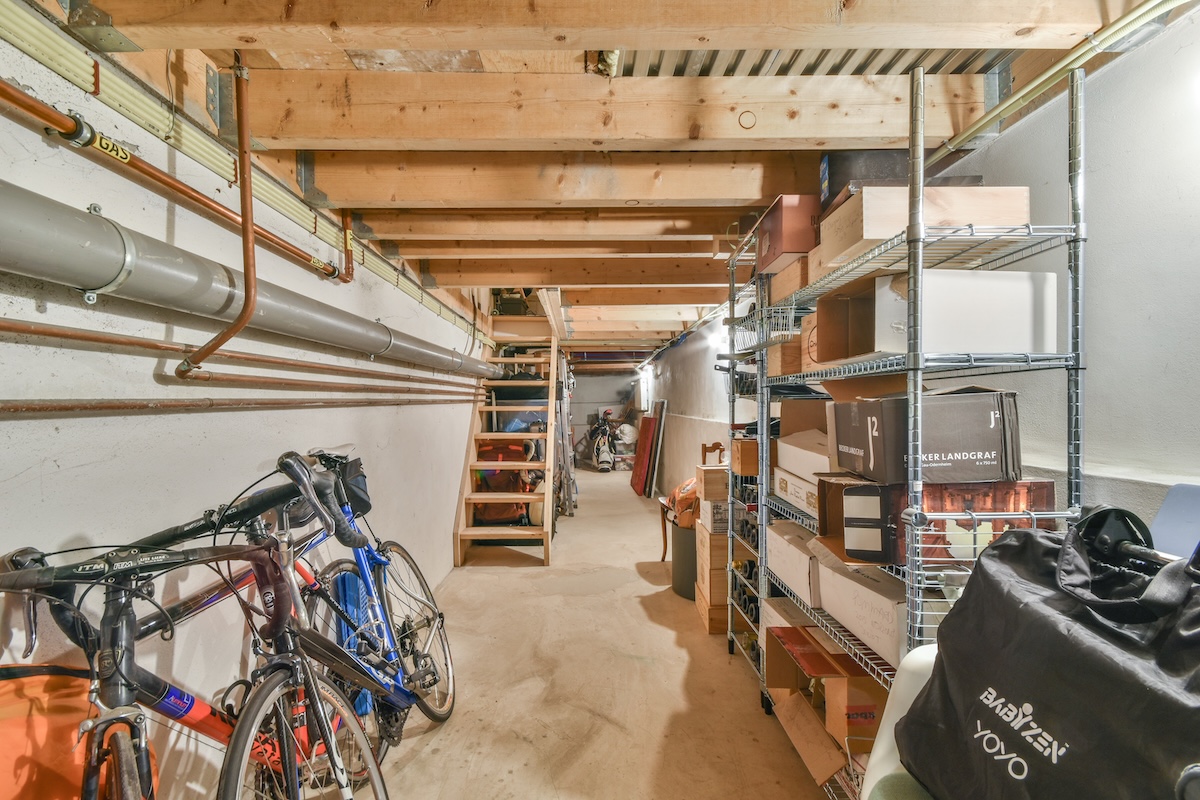
The first step is to open up the space along the basement walls so you can see everything in clear view and easily notice if something needs to be fixed, says McAlpin. “When boxes or furniture are pushed tight against the wall, you can’t see everything.” Move those big piles of storage boxes out of the way to get a good look at the walls, plumbing, and wires. This will help you notice any hairline cracks, stains, or damp areas before spring moisture arrives. He suggests leaving a few inches of space from the wall to make it easier to catch issues before water becomes an active problem.
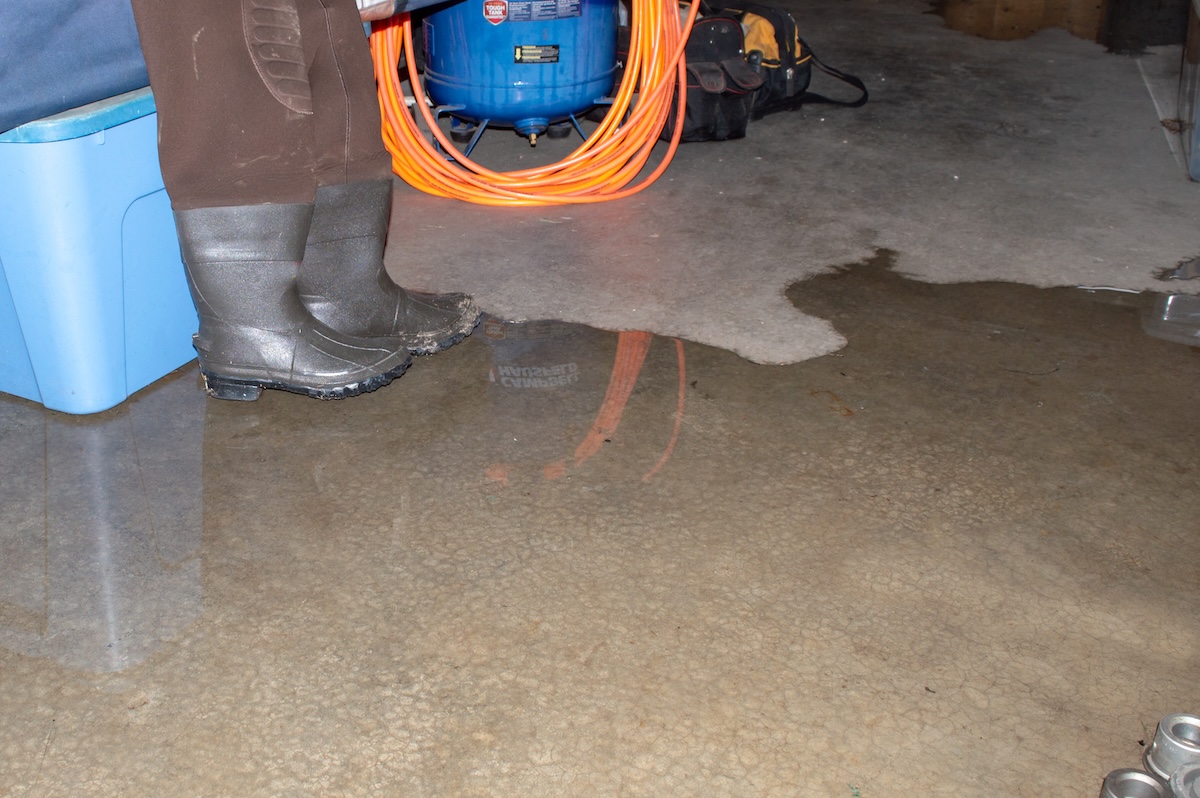
It’s also important to raise items up off the floor. If water gets in as a result of snowmelt and rain, you could find a puddle of water on the floor. “Setting up basic shelving or elevating bins a few inches helps keep your belongings safe for later and your basement room cleaner and more usable,” says McAlpin. If possible, raise up appliances such as washers, dryers, and freezers in the basement as well, so they don’t get damaged by water. Finally, avoid using cardboard boxes to store items in the basement.
Address Cracks and Stains
After you remove everything away from the walls, you can examine them for cracks, discoloration, and chalky residue, which are often early indicators that moisture is seeping into the basement. “Winter is the best time to notice and fix these spots before spring rain makes them worse,” advises McAlpin. Use a waterproof sealant, such as epoxy or hydraulic cement, to fill in any small cracks. Also, consider applying a waterproof coating to basement walls to provide an extra layer of protection. For peace of mind, you might want to call a professional to inspect the area and waterproof the basement.
Check the Sump Pump
It’s also smart to check your sump pump before spring arrives, as it’s your first line of defense against basement flooding. A sump pump failure during spring melt is one of the most common causes of basement flooding. “Don’t wait for the first storm to find out it’s not working,” warns McAlpin. “Pour some water into the pit and make sure it turns on and pumps water out properly.” Also, install a battery backup system for your sump pump to ensure that it continues to work even if the electricity goes out during a storm.
Inspect Gutter Downspouts Near Basement Walls
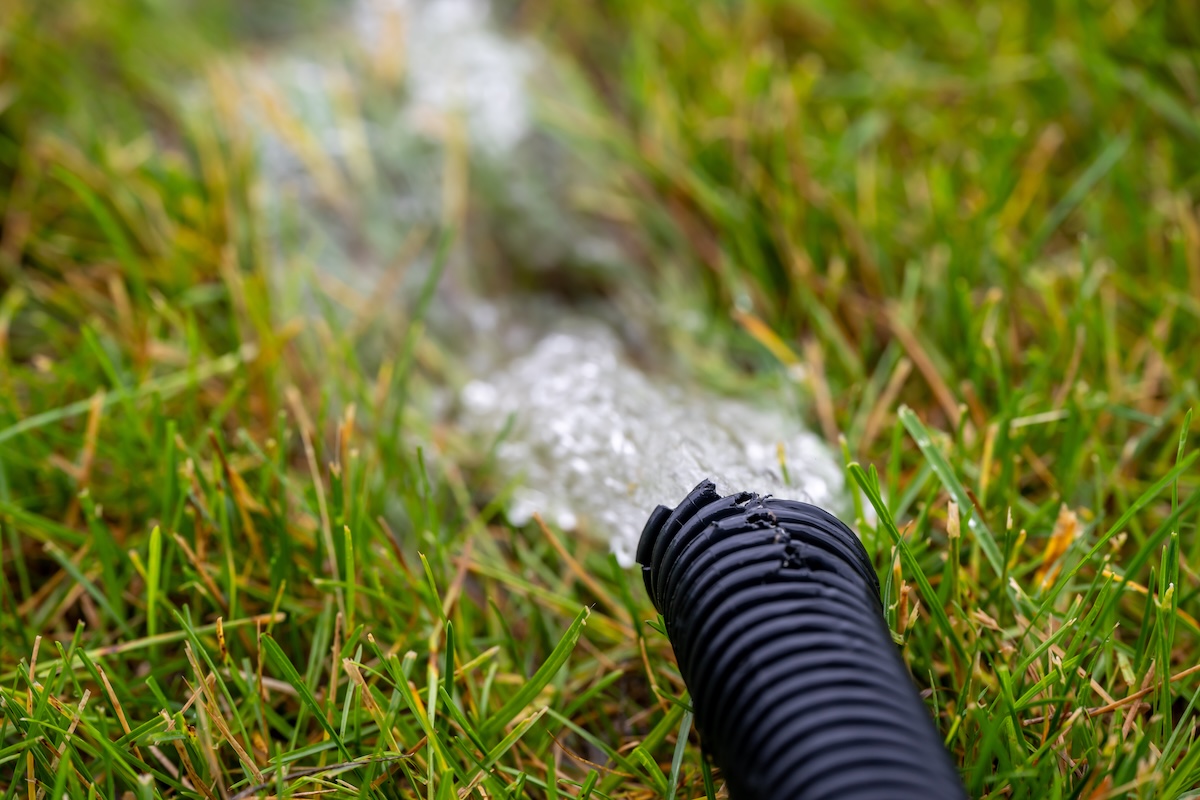
You will need to spend some time looking outside as well since the exterior of the home matters just as much as the interior, says McAlpin. “When melting snow and rain are dumped right beside basement walls, the soil becomes saturated and water looks for the easiest way in,” he explains. He suggests making sure that downspouts direct water several feet—at least 6—away from the foundation. You might have to install extenders to ensure you have adequate clearance. You’ll also want to keep gutters and downspouts clean by removing any leaves, dirt, twigs, and other debris that can clog them. This will help prevent water from pooling and help it drain freely away from your house.
Install Moisture Detection Tools
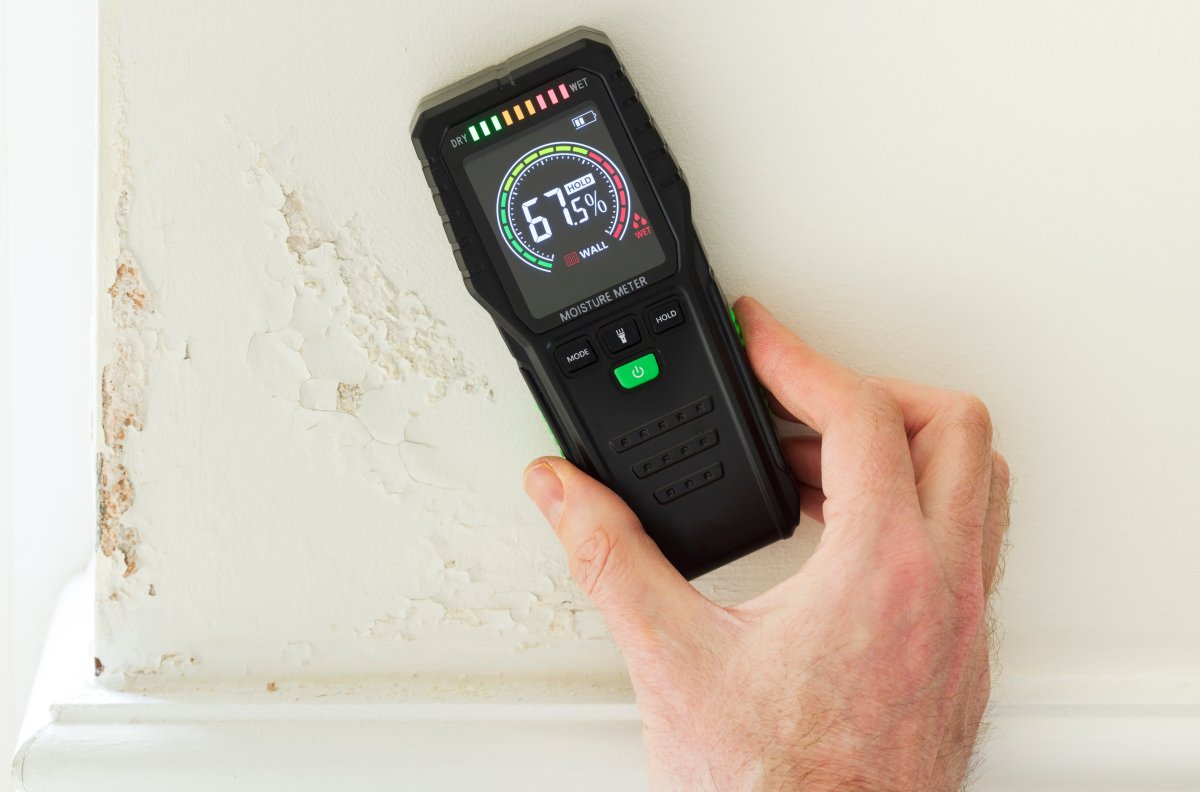
Another way to protect your basement from water damage is to install moisture detection devices. Water sensors can alert you to leaks early via your phone or by triggering an alarm in the basement, warning you to take action before a small issue becomes a major problem. Place water sensors in flood-prone areas, such as near the sump pump, water heater, or HVAC unit. Additionally, moisture detectors track moisture levels in your basement, indicating when moisture rises, which can let you know about a leak or potential flood risk.