We may earn revenue from the products available on this page and participate in affiliate programs. Learn More ›
If you live in an older home and haven’t updated the insulation, there’s a good chance that new insulation could make your house more comfortable and energy efficient. While drafty windows are to blame when you have to keep raising the thermostat during cold weather, heat loss is also often a result of unknown gaps, unsealed attics, and poorly insulated wall cavities, sending your heating bills soaring.
Don’t rely on guesswork to identify hidden cold spots in your home. Instead, use the following five tests and diagnostic tools recommended by experts so you can determine exactly where your home is losing heat and take targeted steps to ensure both comfort and financial savings this winter.
Visual Inspection
One of the cheapest and simplest methods to locate any heat loss is to conduct a visual inspection, says James Medina, HVACR instructor at Universal Technical Institute. “Simply check around doors and windows for any openings where the air and heat would be able to escape,” he advises. Wooden frames are particularly susceptible since they can decay and become soft or spongy.
Next, look for deteriorated weatherstripping, cracked caulking, gaps around pipes and/or wiring, and any insulation problems the home may have. Finally, look for gaps or holes around electrical outlets, light fixtures, and ceiling fans.
Touch Test
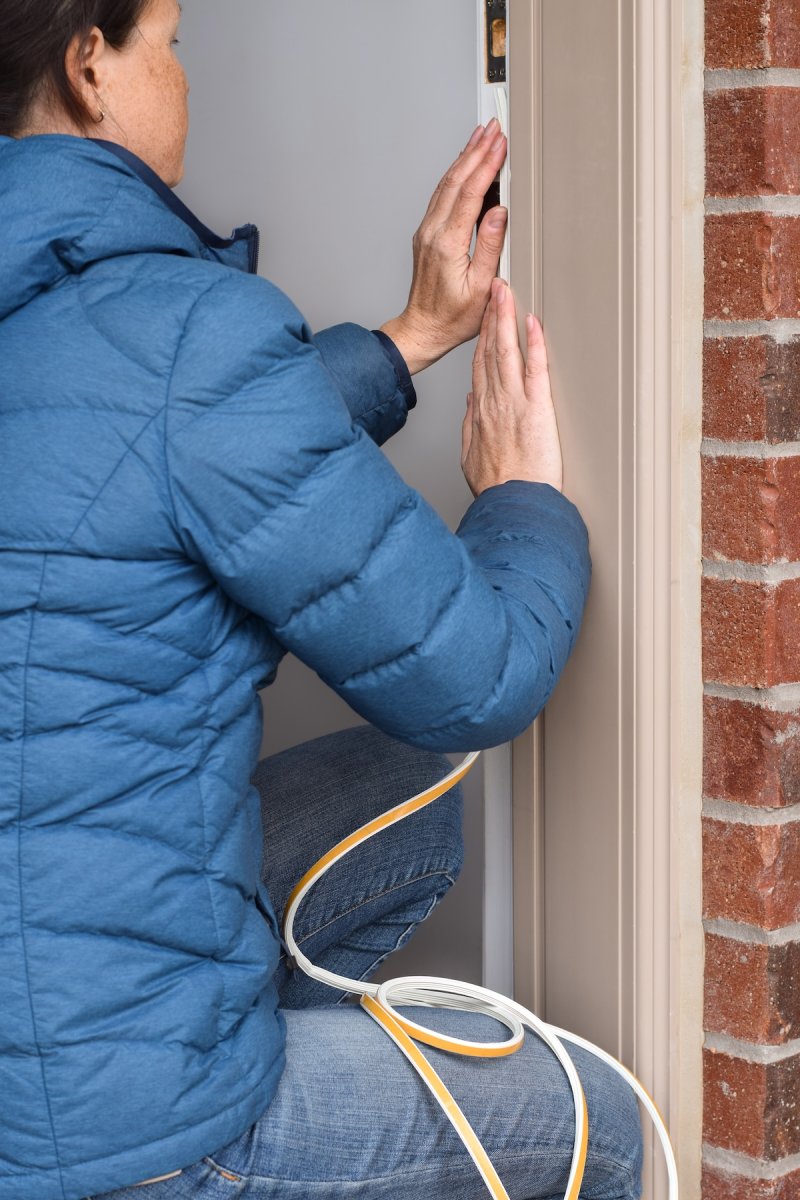
Another option is a touch test to feel for drafts. On a cold winter day, run your heating system and walk around the exterior of your home, feeling for any heat that may be escaping through door or window frames. “You can also do this on the interior of the home; as the heat escapes, it will feel cold to the touch,” explains Medina. Also, pay attention to temperature shifts around recessed lights, electrical outlets and receptacles, and baseboards.
Smoke Test
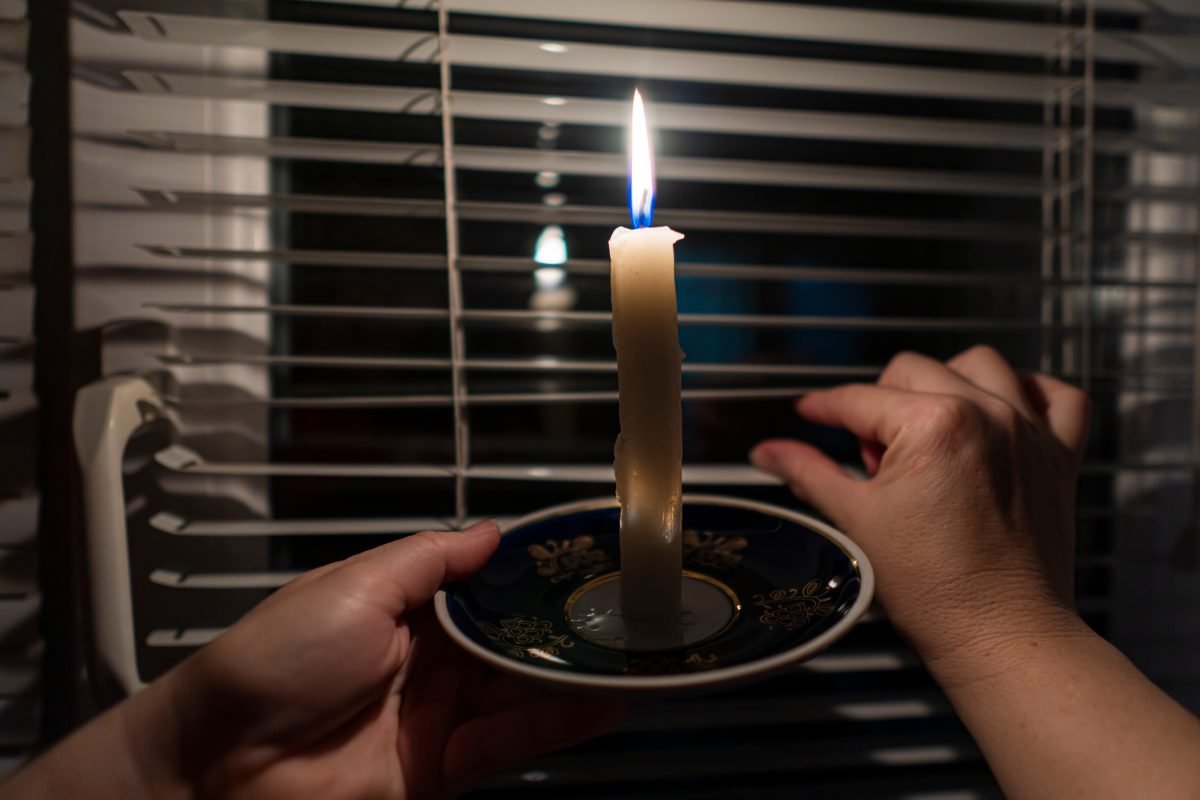
When you hold a lit candle or an incense stick near the edges of closed windows and doors, you can quickly spot heat loss. “Walk around the interior of the residence that borders an unconditioned space, such as the outside or the garage, and watch for places the smoke pulls toward cracks or penetrations, as this would be an indication that air is leaving the conditioned space and carrying heat out with it,” explains Medina.
Snow Test
For this one, step outside and observe the roof on your home and your neighbors’ homes. “Check whether you have less frost or light snow on your roof compared to your neighbors,” says Kevin Bohnet, HVAC program director at Fortis College. “If your attic is not insulated well, heat will penetrate through and warm the inside of the attic, causing the frost or light snow to melt, which is a definite sign of losing heat.”
Thermal Camera
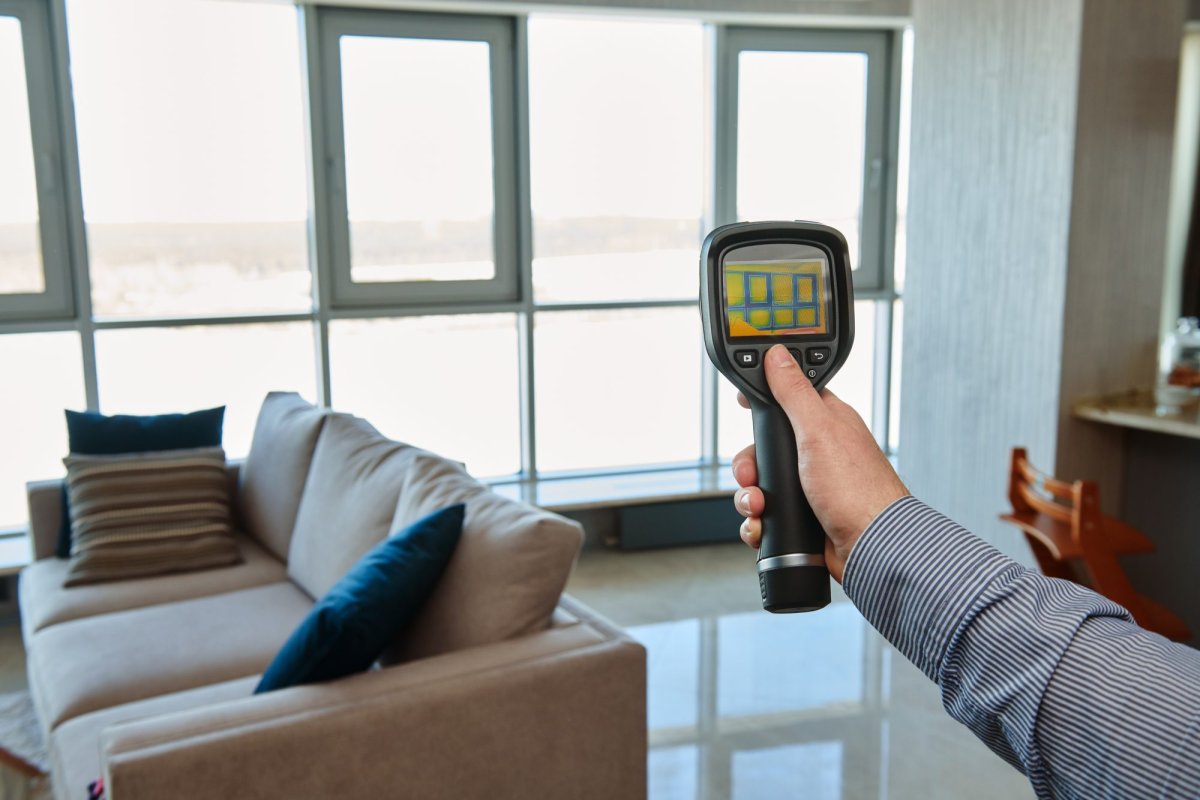
The most technological approach is to invest in a thermal camera. This vital diagnostic tool can quickly pinpoint heat loss by scanning walls, floors, ceilings, windows, and doors throughout the home. It works because most objects give off infrared energy, which is known as a heat signature.
The thermal camera detects and measures infrared energy and converts the data into an electronic image, which displays the measured surface temperature of the object. It’s best to conduct this test on a cold day and turn the heat up inside the house so there is a big thermal contrast between the indoors and outdoors, says Medina.
Best Thermal Camera

TopDon TC005 Thermal Camera
Capable of measuring temperatures between -4 to +1022 degrees Fahrenheit, this thermal camera was deemed “best overall” by our testing team.
Buy NowNext Steps to Improve Problem Areas
It is common for homes to experience some heat loss. “What you can do is try to mitigate this as much as possible by making sure your home is properly insulated and sealed,” says Medina. Most heat exfiltration problems can be resolved by sealing cracks and gaps with something as simple as caulking and insulation, he notes. “One of the best and most inexpensive ways to prevent heat from escaping your home is to have your attic insulated with the proper R-value, which is basically the rate at which your insulation allows heat to get in or out.”
If all else fails, contact a reputable energy auditing company to conduct a full inspection to identify issues and the best remedies to address them. You may end up needing to replace some doors or windows, especially if you have decaying wooden frames.