We may earn revenue from the products available on this page and participate in affiliate programs. Learn More ›
As summer temperatures climb, you might notice that your home feels more like a sauna than a spot to cool off. This is not your imagination, as your house might actually be getting hotter every year. Though some of the blame can fall on an intensifying sun and higher humidity, the real culprit often lies hidden within the aging components of your home.
“Over the years, houses deteriorate, which can make them feel hotter,” says Lane Martin, co-founder of Modern PURAIR in British Columbia, Canada. “Homeowners generally believe this is due to the AC getting older, but it can be a number of other reasons. Often it’s a combination of small issues around the home that have built up over time.” These subtle shifts create an environment where cool air escapes, humidity gets trapped indoors, and your cooling bills skyrocket without relief.
We spoke to several HVAC pros about the most common issues that can cause an old house to feel hotter as time passes. If you’ve ever wondered “Why is my house so hot?” then these tips will help you identify what’s keeping your thermostat higher than you prefer.
Aging Insulation
Poor insulation is one of the most common issues resulting in a hotter home. Over time, insulation can compress, shift, or break down, especially if it’s in the attic or wall cavities, says Danny Reddick, president at Reddick & Sons in Manassas, Virginia. “When this happens, the home is unable to block external heat from entering the home, where it remains trapped and increases indoor temperatures,” Reddick explains. This will result in the AC working harder to maintain the same temperature.
Reddick says to prevent this from happening, upgrade attic insulation to modern R-values, especially if the insulation is older than 10 years. “This is a critical step in restoring the home’s thermal barrier, improving energy efficiency, and reducing the workload placed on the HVAC system during peak cooling months.”
Deteriorating Caulk and Weatherstripping
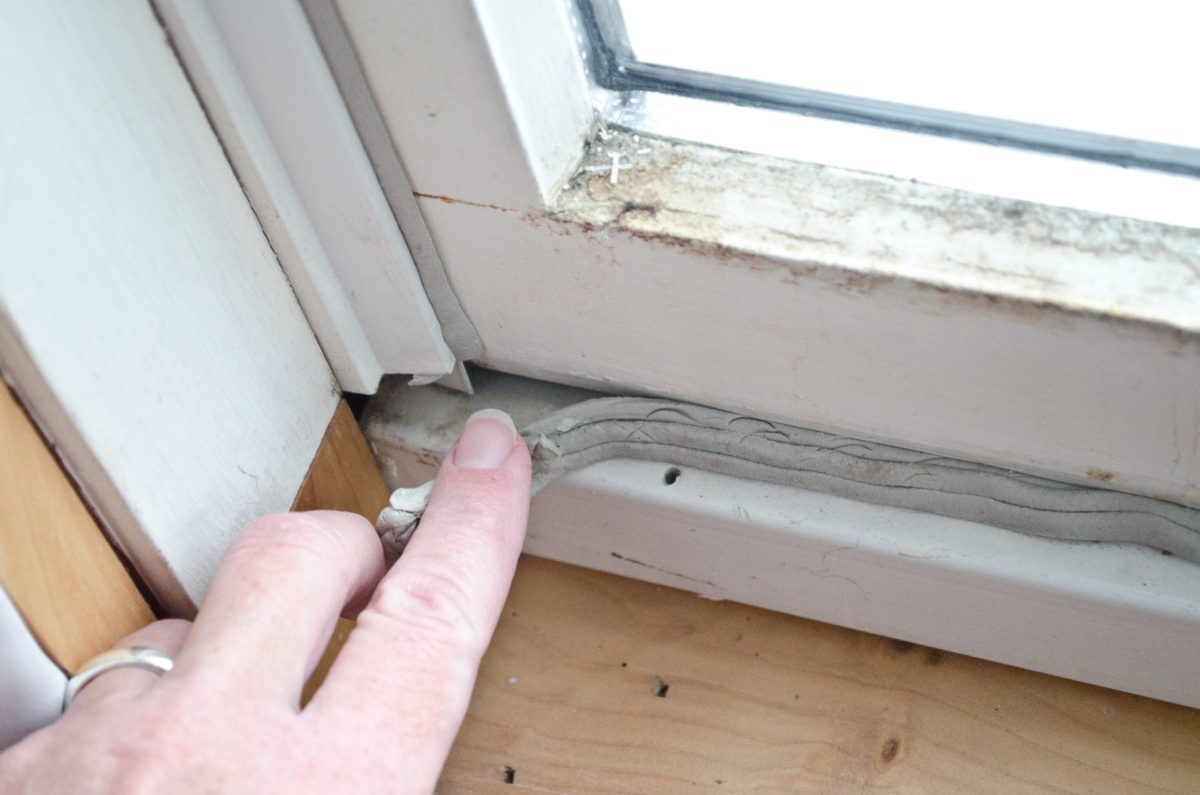
Gaps and cracks due to old caulk and weatherstripping can also be problematic, even if they appear to be minor. “If there is any caulk around windows, doors, or exterior parts of the home, it will dry out and crack faster than any caulk used in other parts of the home,” explains Reddick. Like caulk, weatherstripping can become brittle and break away over time. When this happens, air can more easily enter and escape the home, causing noticeable temperature fluctuations, says Reddick.
“Any small gaps around windows and doors will continue to grow bigger as house materials age, and those small leaks will let warm air in and allow the cool conditioned air to escape, making the house feel warmer than it should,” adds Martin.
Reddick recommends thoroughly inspecting any air-sealing areas in the home so you can quickly identify and fix leaks by recaulking windows, replacing door seals, and sealing penetrations around plumbing and electrical lines.
Leaky Ducts
Another common issue in older homes is ductwork that develops leaks, disconnected joints, or poor insulation. This means cooled air escapes into attics, crawl spaces, or walls before it ever reaches living spaces, says Reddick.
“What people also don’t realize is that ducts run through some of the hottest spaces in a house, such as attics, crawl spaces, and between walls,” says Michael Auman, general manager at Rite Way Heating, Cooling & Plumbing in Phoenix and Tucson, Arizona. “So, when there’s a leak, you’re not just losing conditioned air, you’re pulling in air from a space that could be 130 or 140 degrees.” That means the AC system has to work that much harder, but most people aren’t aware this is even happening.
To remedy this situation, Reddick suggests hiring a professional to seal ducts and to replace insulation, which can significantly improve system performance. “In some cases, redesigning airflow or adding returns helps balance temperatures across the home,” explains Reddick.
HVAC System Degradation
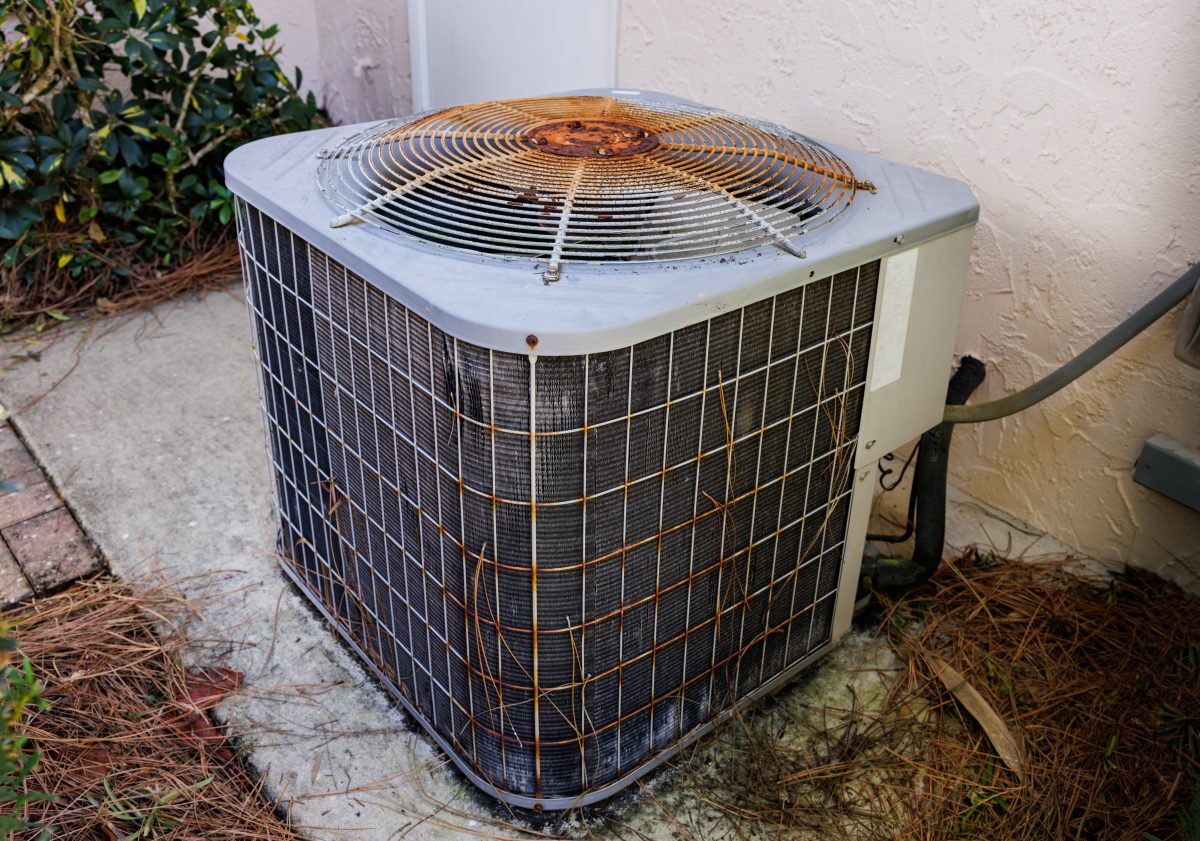
Older HVAC systems often lose efficiency faster than newer models due to dirty coils, low refrigerant charge, worn components, or duct leakage, says Reddick. “Even if the system still runs, it’s most likely not moving air or removing heat the way it’s supposed to.”
Keep tabs on your AC unit by scheduling routine maintenance, especially if you want to avoid having to replace your unit. Reddick recommends having a certified technician conduct coil cleaning, refrigerant checks, and duct inspections to help prolong the lifespan of your air conditioner and dramatically improve comfort levels in your home.
Changing Climate
Even if nothing inside the house has changed, hotter summers and longer periods of extreme heat mean many ACs are working against higher outdoor temperatures than they were originally designed for, says Martin. This means that during a heatwave, even a healthy HVAC system will have more heat to remove.
“Many regions in the country are experiencing higher than average temperatures, longer heat waves, and increased humidity, which all put a greater demand on older cooling systems,” notes Reddick. “Since the weather can’t be controlled, homeowners need to adjust their expectations of what their home and systems can actually do to maintain indoor comfort.” Some solutions he suggests include upgrading insulation and windows, improving outdoor shading, and ensuring the HVAC system is correctly sized for current—not historic—climate conditions. You also can support the work of your AC to keep cool with habits like running fans or closing blinds during peak heat.