We may earn revenue from the products available on this page and participate in affiliate programs. Learn More ›
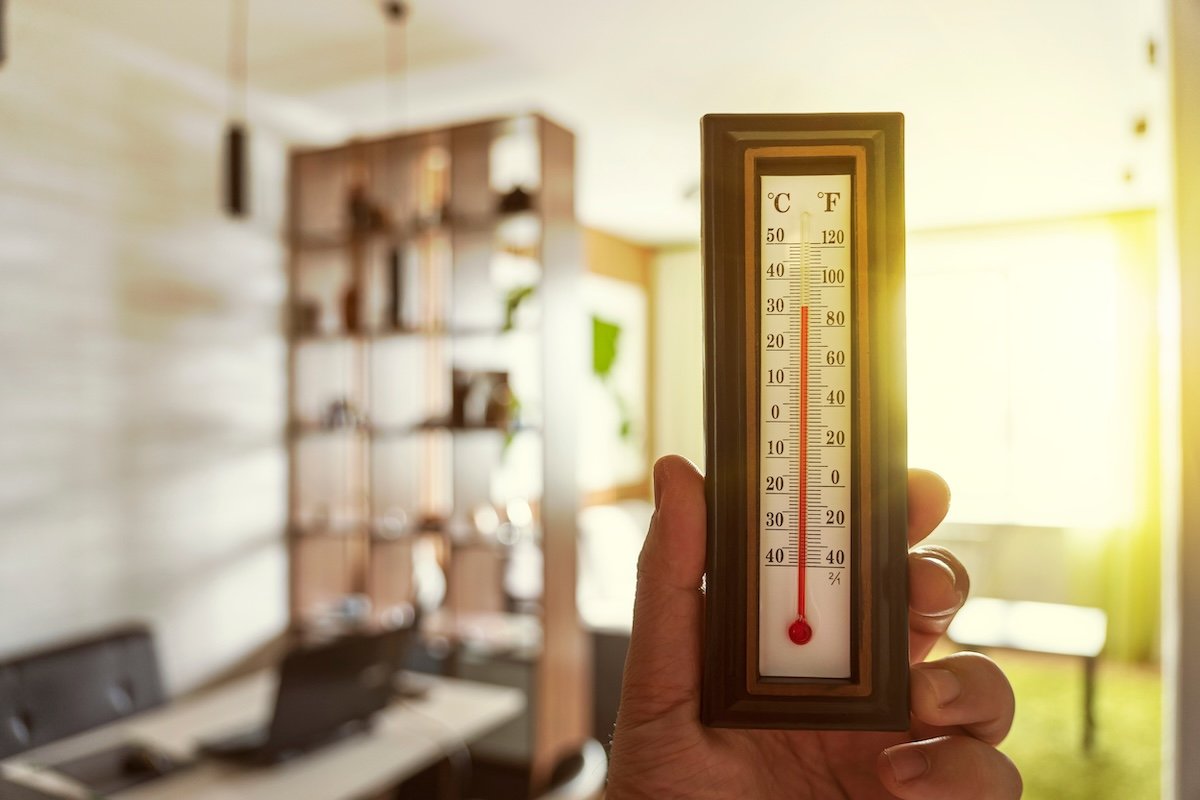
When summer temperatures soar, most of us instinctively turn to the thermostat to keep our homes cool, but the real reason your home may be stifling could be your daily habits. Simple, well-intentioned practices, such as leaving window treatments wide open to let in natural light or running major appliances during the hottest peak hours, can lead to a steamy living space. Even cooking a hearty meal during the afternoon heat or leaving hot incandescent lights on can raise the temperature indoors and force your air conditioner to work double-time. Fortunately, by making a few minor adjustments to these five common household routines, you can shed excess heat, lower your utility bills, and keep your home comfortable all summer long.
1. Leaving Window Treatments Open All Day
Many people don’t realize how quickly uncovered windows can raise a room’s temperature during a hot summer day. They invite intense solar heat gain, as sunlight enters through the glass and is absorbed by floors, walls, and furniture, transforming light into radiant heat, says Nancy Dow, interior designer at Sierra Living Concepts in Fremont, California. “This greenhouse effect accounts for up to 30 percent of an average home’s unwanted summer heat,” notes Dow.
To prevent this from happening, she recommends closing blinds, shades, and drapes during peak sunlight hours, especially on south- and west-facing windows. This is typically between 10 a.m. and 6 p.m. “Homeowners should opt for light-colored or reflective window treatments to actively bounce heat away from living spaces,” says Dow. Consider installing specially made energy-efficient, insulated window treatments as well.
2. Running Appliances During Peak Hours
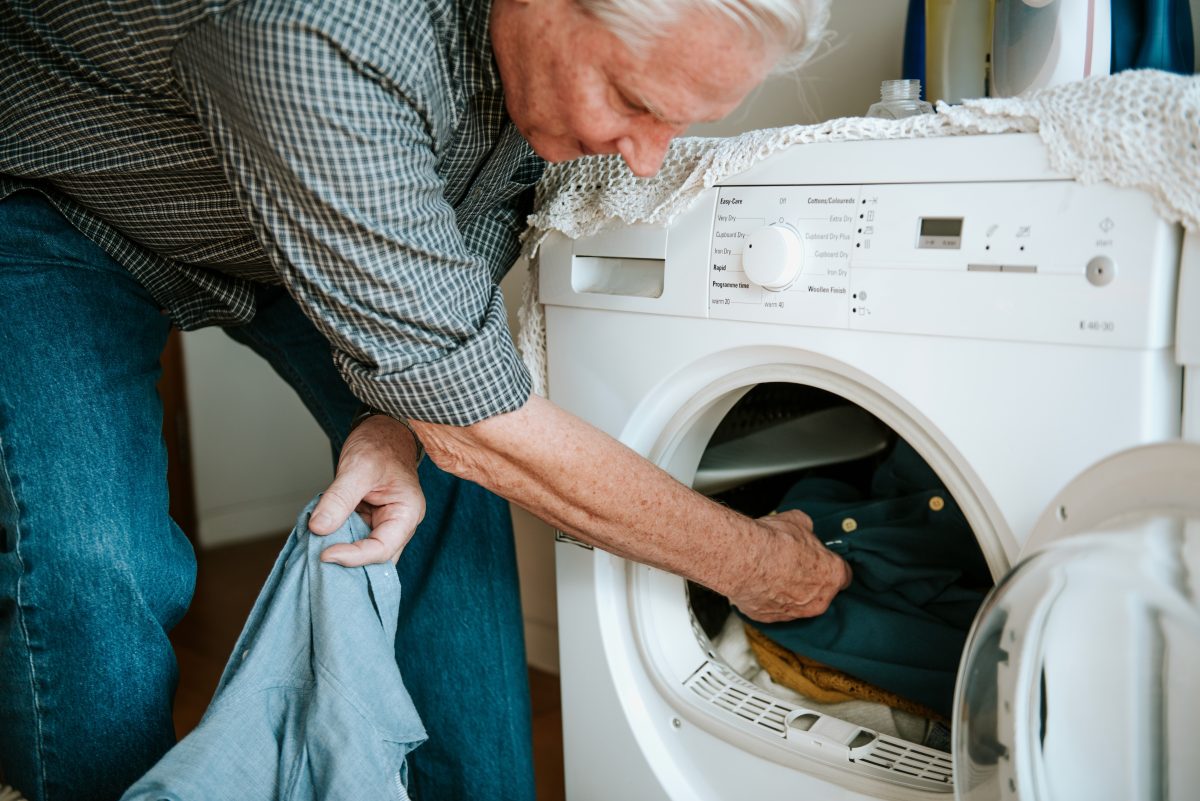
Large appliances like clothes dryers and dishwashers generate massive amounts of ambient heat and humidity that can make your home feel hotter, says Dow. “A standard dryer cycle can easily raise the temperature of a laundry area by 3 to 5 degrees Fahrenheit, forcing the air conditioner to work twice as hard to remove the moisture,” she explains.
Fix this by shifting your dishwashing and laundry cycles to early in the morning or late in the evening when ambient outdoor temperatures are cooler. In general, summer peak hours are typically between about 10 a.m. and 8 p.m. due to the increased need for air conditioning during these times. Not only will your home feel a bit cooler, but you will also save money on your energy bill. “Alternatively, air-dry clothes on an outdoor line, and use the air dry or no heat dry setting on the dishwasher to eliminate the internal heating cycle,” suggests Dow.
3. Cooking or Baking Indoors During the Hottest Part of the Day
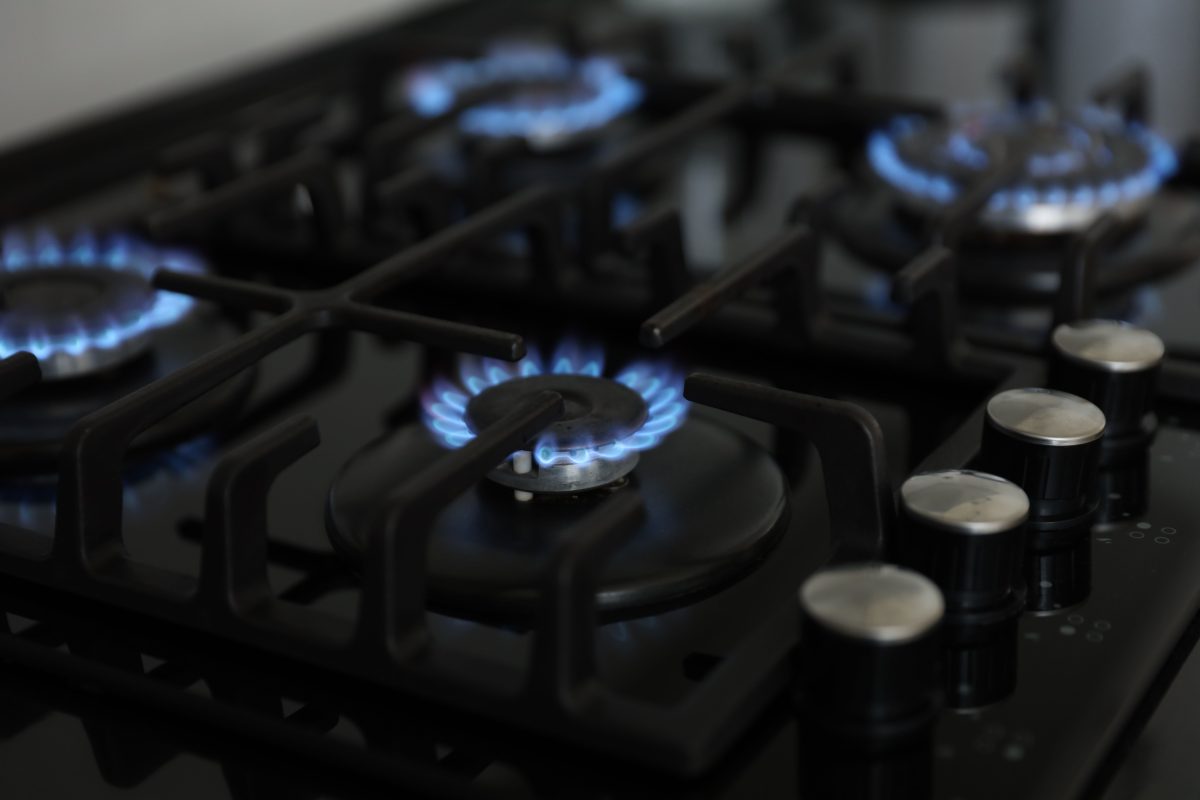
Avoid using your oven or cooktop during a heat wave. “Ovens and stovetops act as direct heat injectors,” explains Dow. “Baking a meal at 400 degrees Fahrenheit releases intense heat into the kitchen that quickly radiates into adjacent living areas, often raising local indoor temperatures by 5 to 10 degrees Fahrenheit.”
Tweaking how you cook can make a big difference during the heat. “Either shift your cooking to outside by grilling or use a slow cooker or microwave,” recommends Michael Strickland, a licensed energy broker at EnergyBrokerTX in Dallas, Texas. Air fryers and toaster ovens are also smart options, as these tools use significantly less energy and keep heat within a specific area of the home. “If you must cook indoors, running your hood fan can help vent heat and moisture outside,” he says.
4. Keeping Incandescent and Halogen Lighting On
Another common culprit is leaving too many lights on in the house during hot weather. “Traditional incandescent and halogen bulbs are highly inefficient, converting roughly 90 percent of their electrical energy into heat rather than light,” notes Dow. “Leaving multiple fixtures glowing creates dozens of mini-radiators scattered across ceilings and living zones.”
Transition the home entirely to LED bulbs to prevent the warming trend. “LEDs run cool to the touch, emit virtually no heat, and use up to 75 percent less energy than incandescent lighting, providing a double benefit for summer utility bills,” explains Dow.
5. Opening Windows at the Wrong Time of Day
While you may think that opening some windows to let in a breeze will be beneficial, it’s not always the case. “If you’re opening windows in the afternoon, you are letting hot air into your home,” warns Strickland. Dow explains why this happens: “If the outdoor temperature is higher than the indoor temperature, this routine replaces cool, conditioned air with heavy, hot, and humid air.”
“Instead, open windows to get fresh air either early in the morning or later in the evening when outdoor temperatures drop below indoor temps,” says Strickland. You can also utilize a cross-breeze strategy by opening windows on opposite sides of the house, and ensure everything is sealed tightly before the sun hits the building, according to Dow.