We may earn revenue from the products available on this page and participate in affiliate programs. Learn More ›
Appliances that clean and sanitize things in our home need to be cleaned themselves: Washing machines and dishwashers can get funky quickly, given that damp areas are breeding grounds for mold, mildew, and bacteria. And if they’re not maintained regularly, machines that come into contact with food—like refrigerators, microwaves, and stovetops—are also sure spots for stains to take hold and odors to take over.
As you’ll learn, a little elbow grease and a few home are all it takes to improve appliances’ performance and ensure that they continue functioning for years to come.
Refrigerator
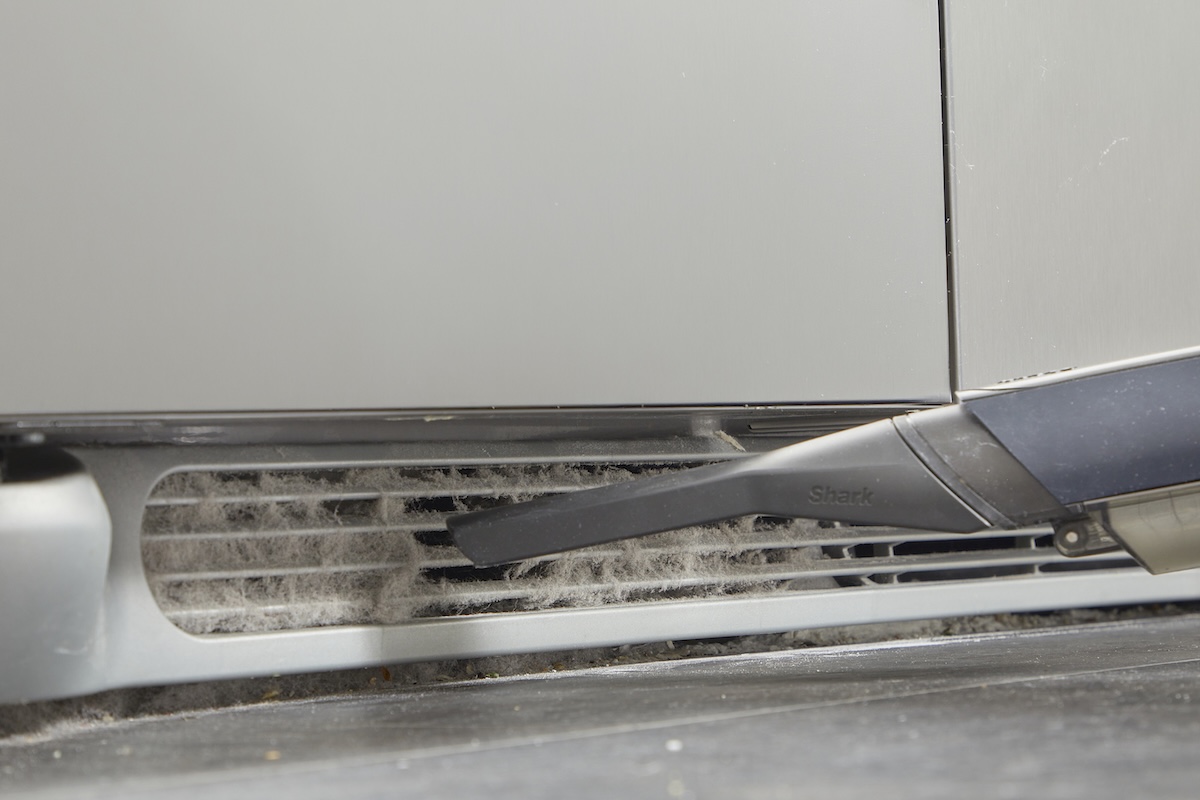
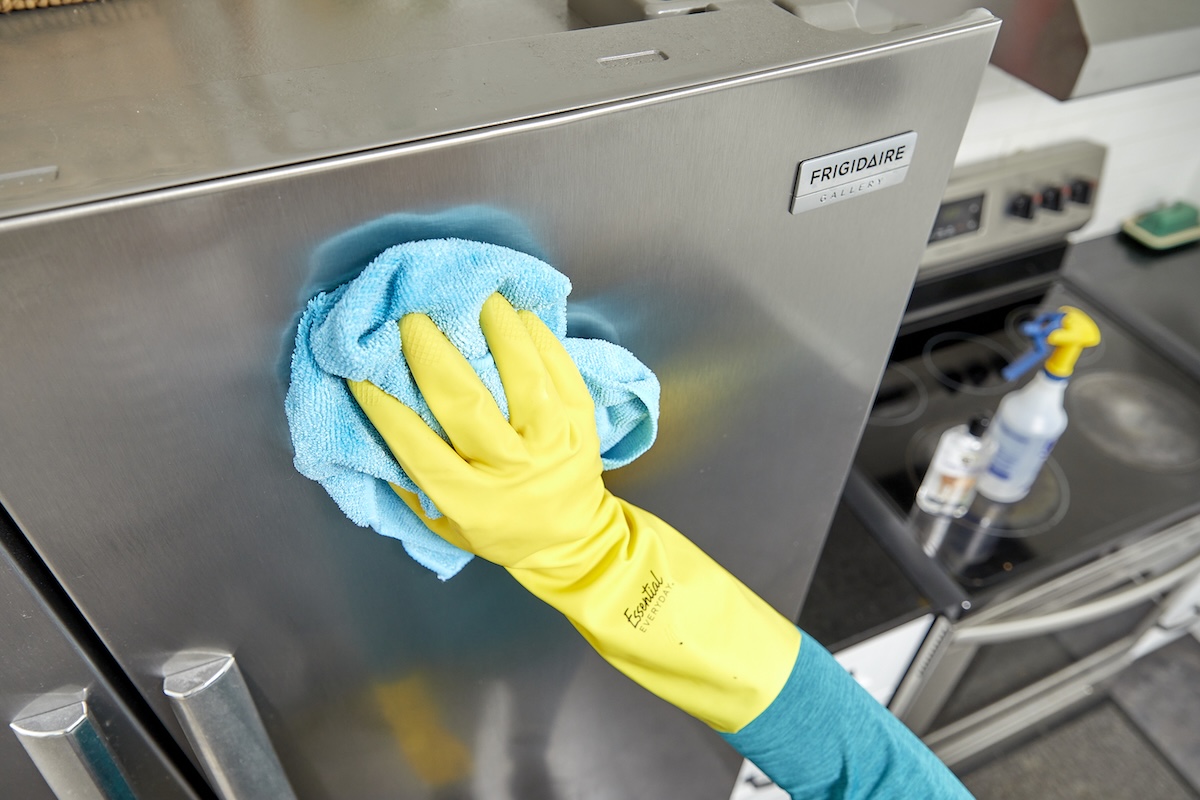
Did you know that a clean refrigerator is actually more energy efficient? It’s true, so toss out your spoiled food and scrub those shelves and drawers with warm soapy water. Remember, though, that you should not wash a cold glass shelf with hot water—the glass could shatter. Wipe down the refrigerator’s exterior thoroughly with a nonabrasive cloth and, last but not least, vacuum the refrigerator coils on the lower part (or back) of the unit.
Oven
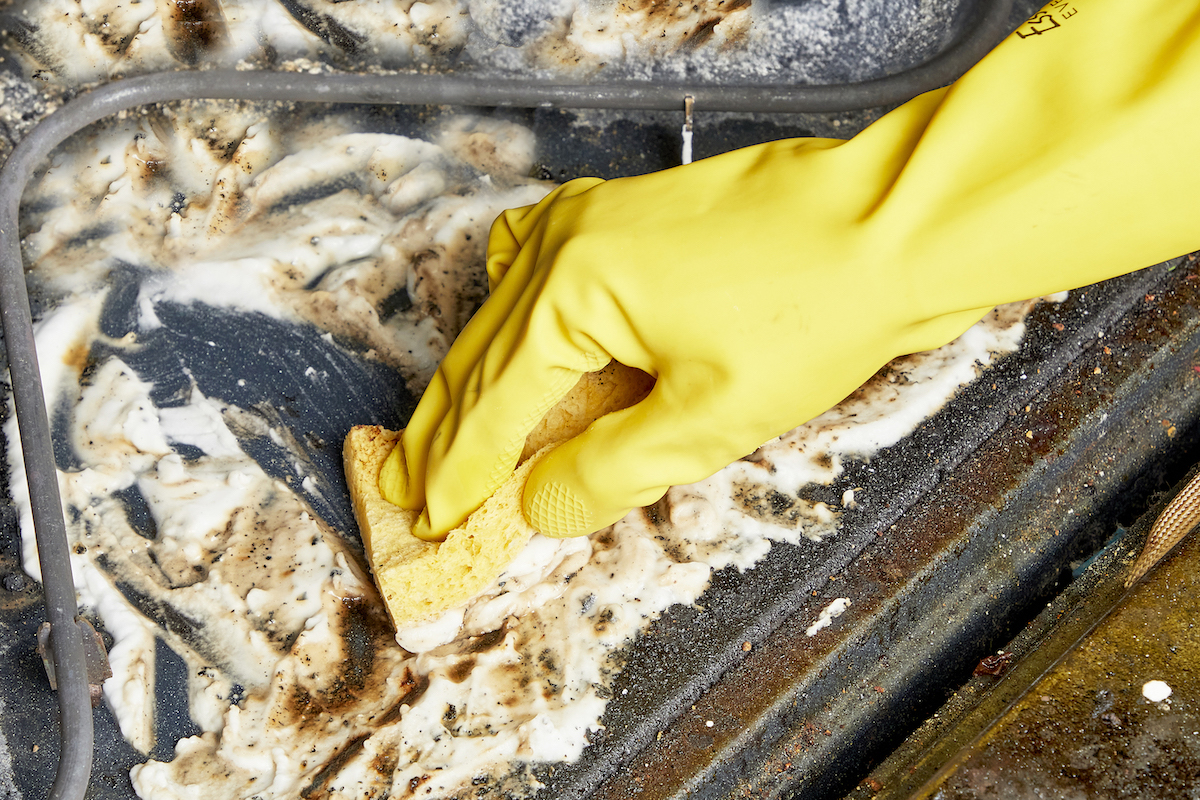
Oven spills can be tough to remove because by the time you notice them, they’re burnt to a crisp. It’s easy to clean an oven using pantry ingredients, though: Simply spread a paste of baking soda and water over them, and scrub with a toothbrush or plastic scrubbing pad. Add a little vinegar for extra cleaning oomph. Extremely dirty ovens may require a commercial oven cleaner and if that’s the case, always remember to follow the manufacturer’s instructions for use.
Microwave
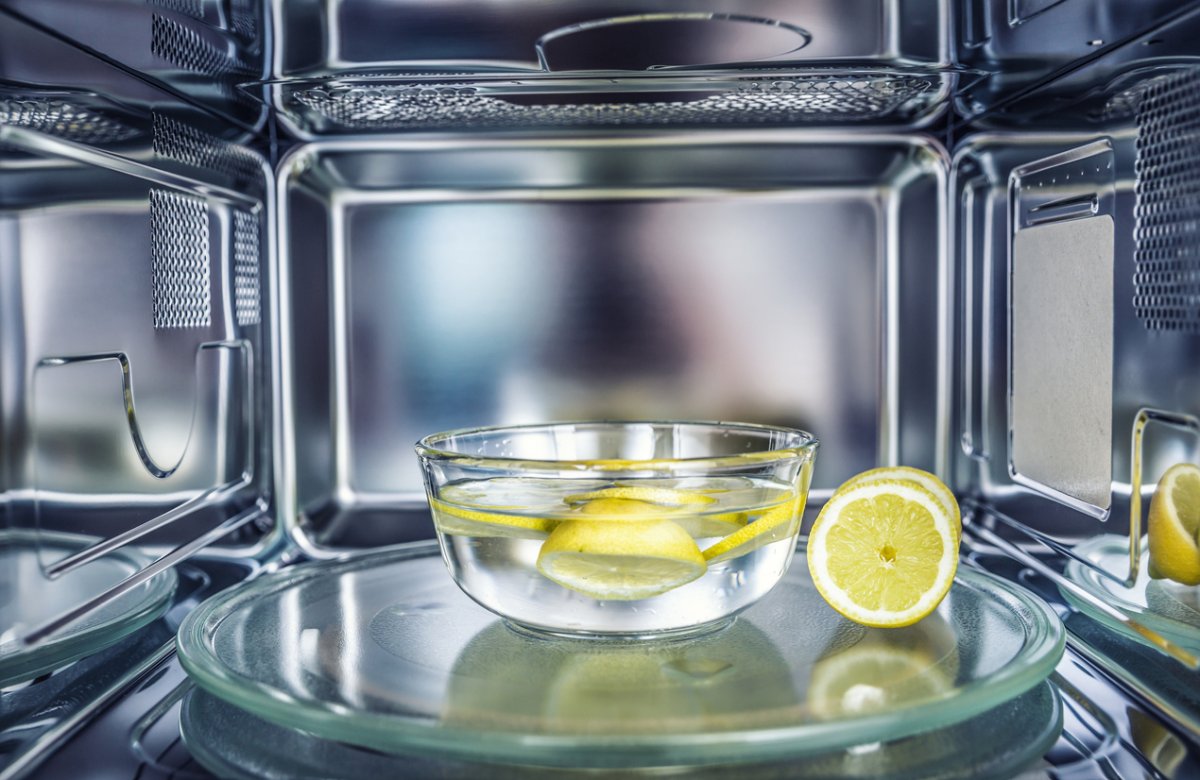
Do you have caked-on food stains in your microwave? They can seem impossible to remove, but cleaning a microwave with just lemons and water actually works very well. Cut a lemon in half and squeeze the juice into a microwave-safe dish, and add 1 cup of water. Microwave the mixture on high for 10 minutes, then let it sit for 10 minutes and allow the citrusy steam to work its magic. Wipe the appliance’s walls and you’re good to go.
Toaster
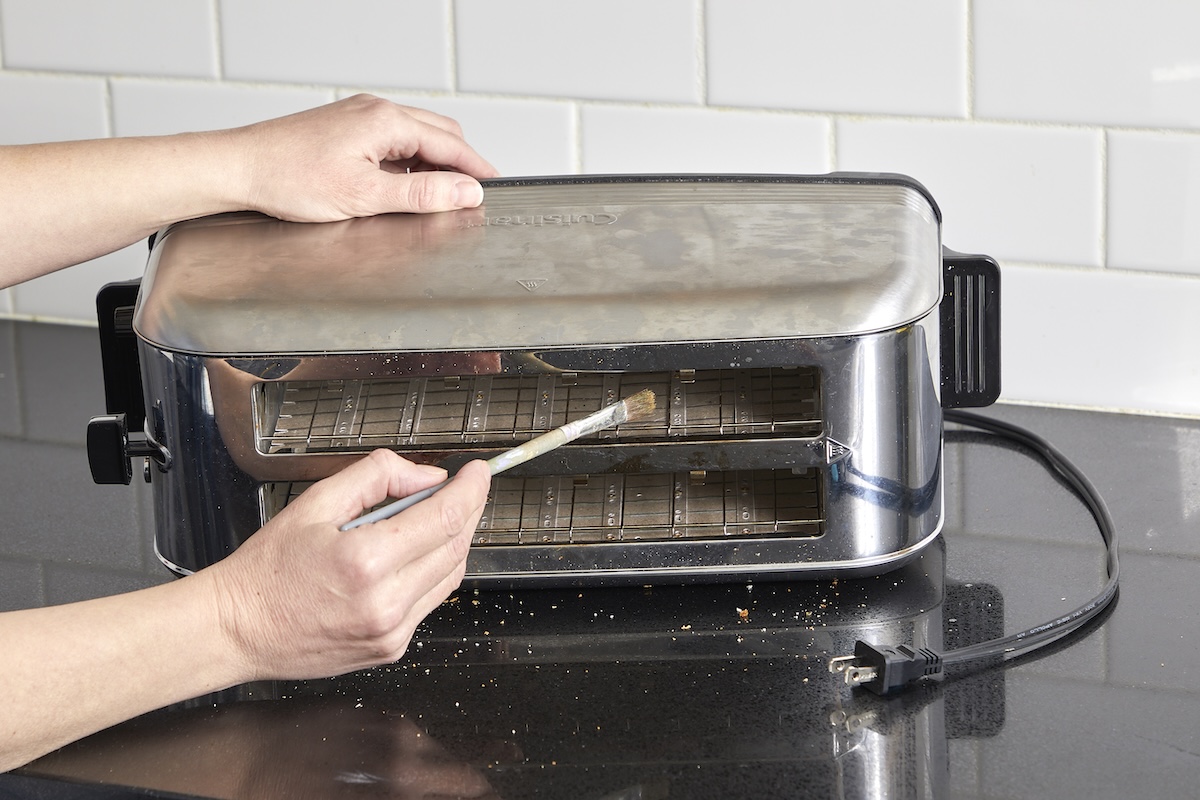
If the interior of your toaster is a crumby mess, a good cleaning is long overdue. Here’s our trick for cleaning a toaster super quickly: Unplug the toaster and place it on top of several layers of newspaper. Turn it upside down and shake it vigorously to dislodge any particles. Use a pastry brush to sweep the interior slots, removing any stuck-on crumbs before wiping down the toaster’s exterior with a sponge or microfiber cloth.
Cooktop or Rangetop
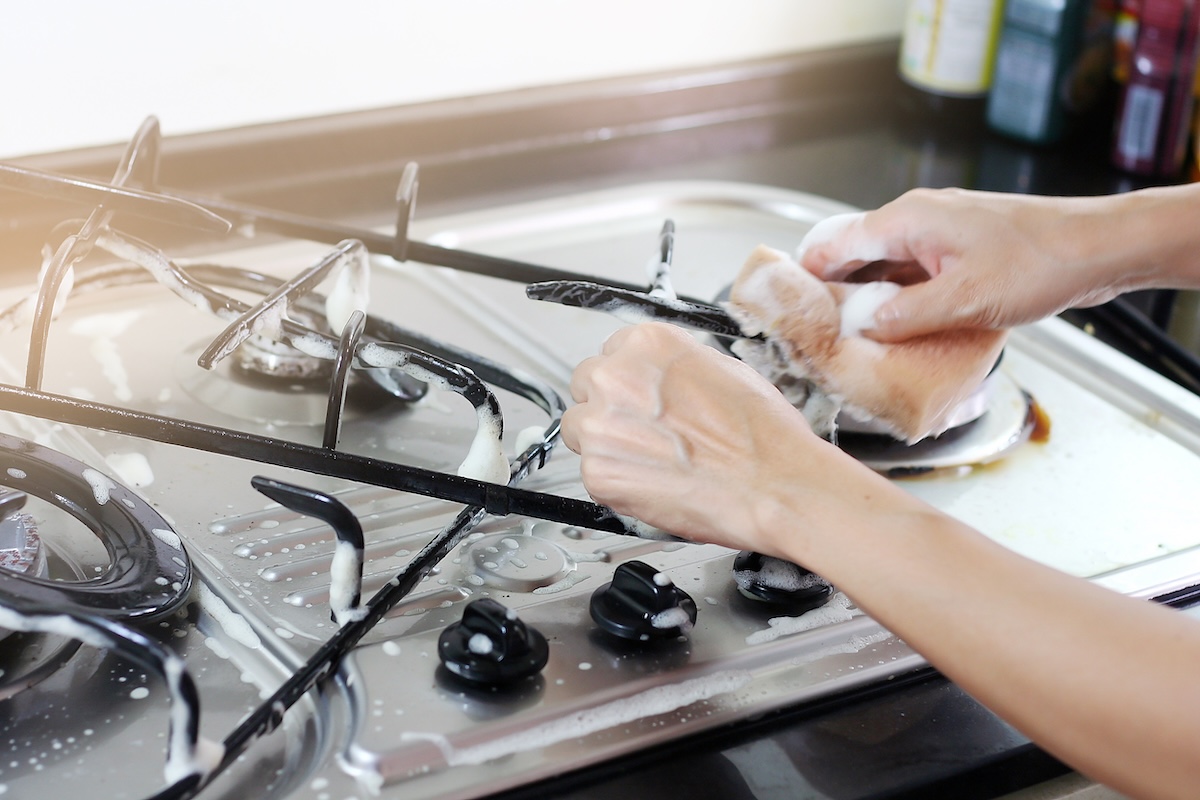
There’s no reason for your rangetop to be plagued by greasy buildup and cooking spills. It’s easy to clean, though a bit time consuming. For a gas range, remove burner caps, grates, and control knobs, and place them in hot, soapy water. Clean the stovetop with a scrubbing sponge and dish soap, then rinse. If you have an electric range soak the drip pans and knobs, but not the burners—just clean around the burners.
Humidifier
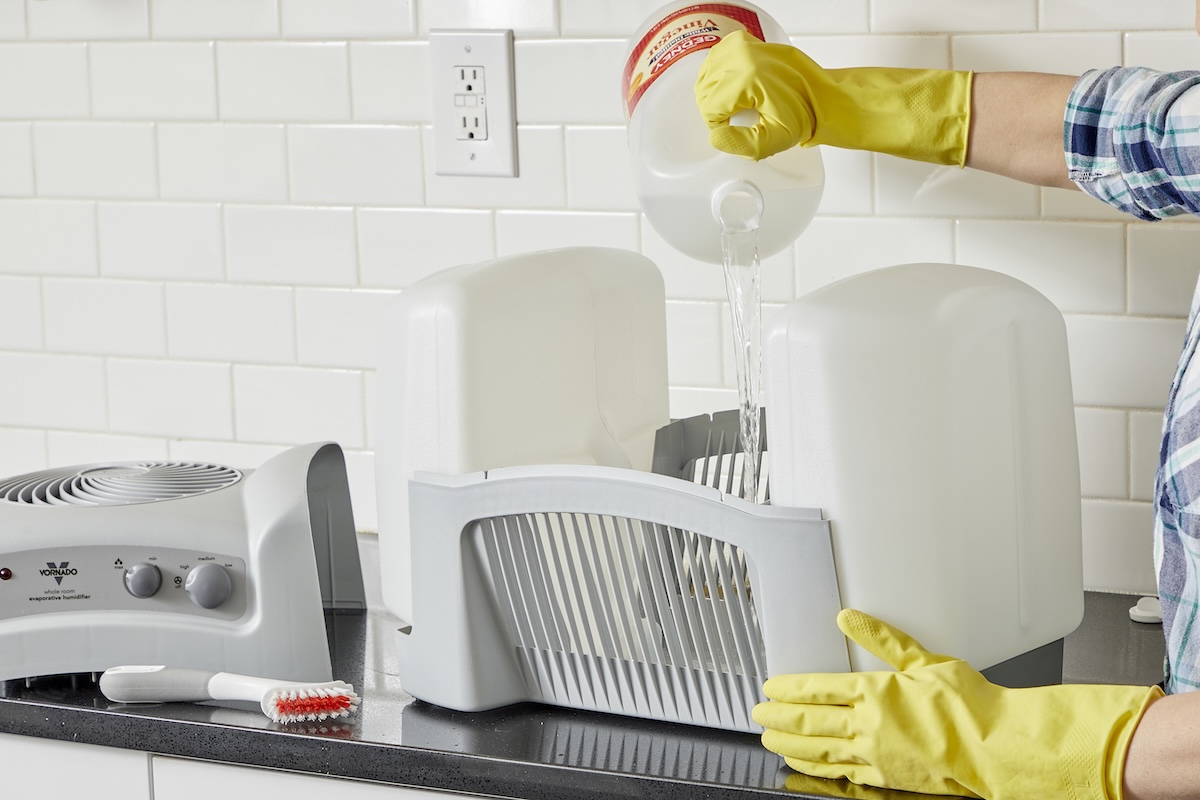
A humidifier can breed mold, minerals, and bacteria, and who wants to spread all that into home’s air? To clean a humidifier, unplug the unit and remove the filter, rinsing or replacing it as needed. Pour undiluted white vinegar into the base and allow it to stand for 15 to 30 minutes. Scrub gently with a soft scrub brush and rinse with plain water. For warm-mist humidifiers, gently brush away any mineral buildup on the heating element. Dry the appliance and replace the filter before using it.
Dishwasher
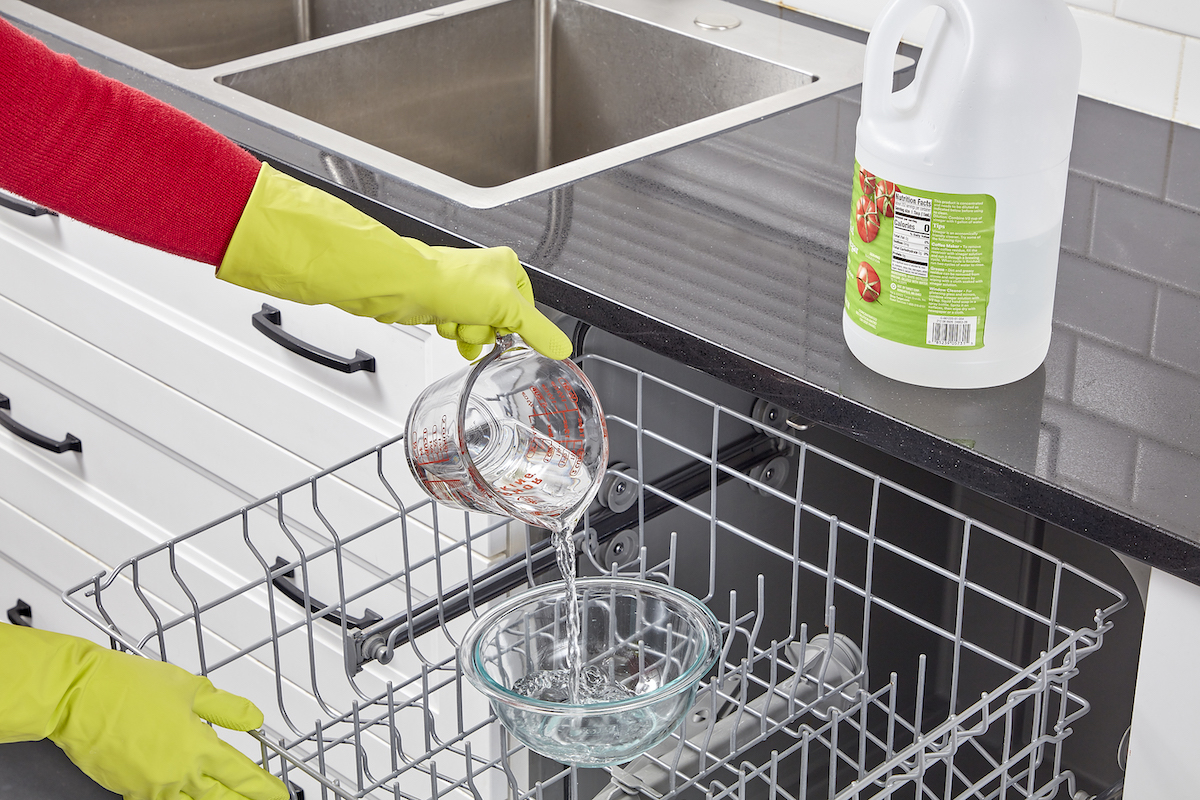
While it would be easy to assume that dishwashers would just clean themselves as they clean dishes, they actually need to be maintained regularly to keep them performing their best. To clean a dishwasher, remove the bottom rack and place a cup of white vinegar on the top rack and run a hot water cycle. Then, run a second empty cycle after sprinkling a cup of baking soda in the base of the appliance.
Garbage Disposal
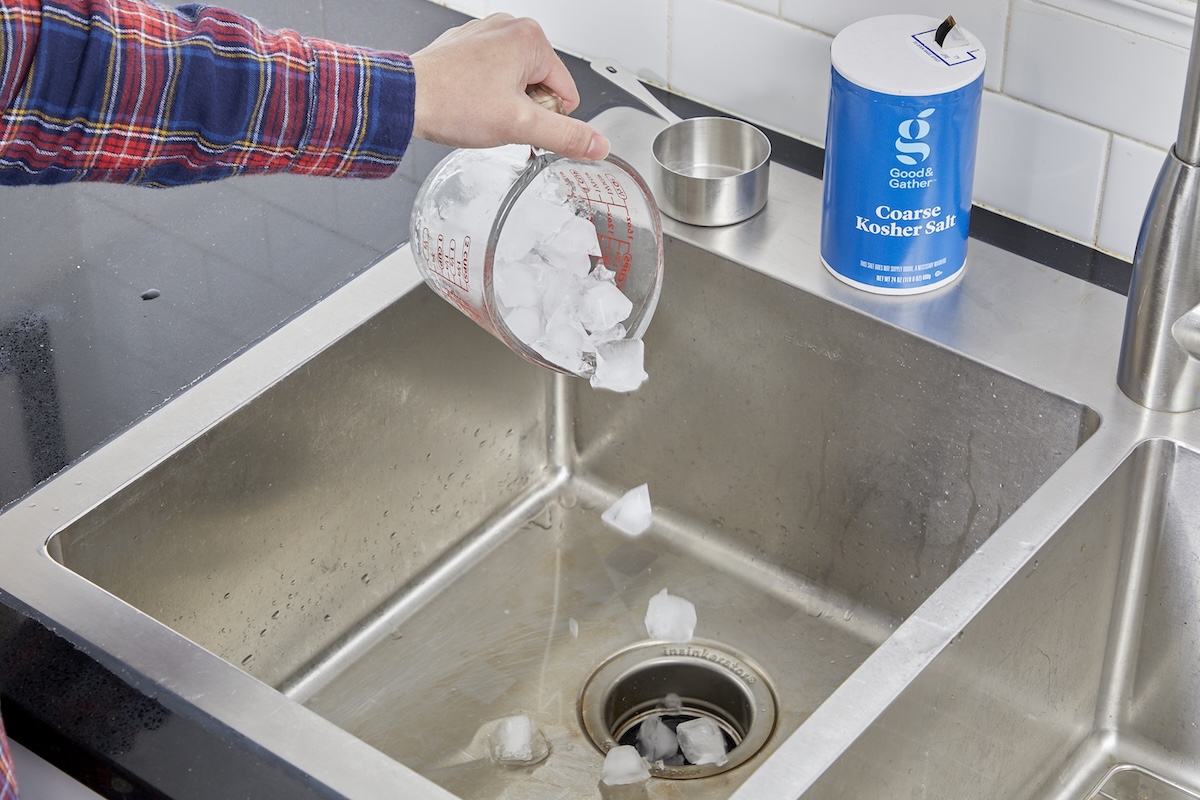
Garbage disposals are a breeding ground for bacteria, and if you don’t clean the garbage disposal regularly you’ll certainly smell it before long. Here’s what to do: Disconnect the power before putting a tray of ice cubes and half a cup of rock salt into the disposal. Turn the power back on, turn on the water, and run the disposal. Disconnect the power again and pour a cup of vinegar and half a cup of baking soda into the drain. Allow the mixture to sit in the garbage disposal for 15 minutes to kill any lingering bacteria before rinsing.
Coffee Maker
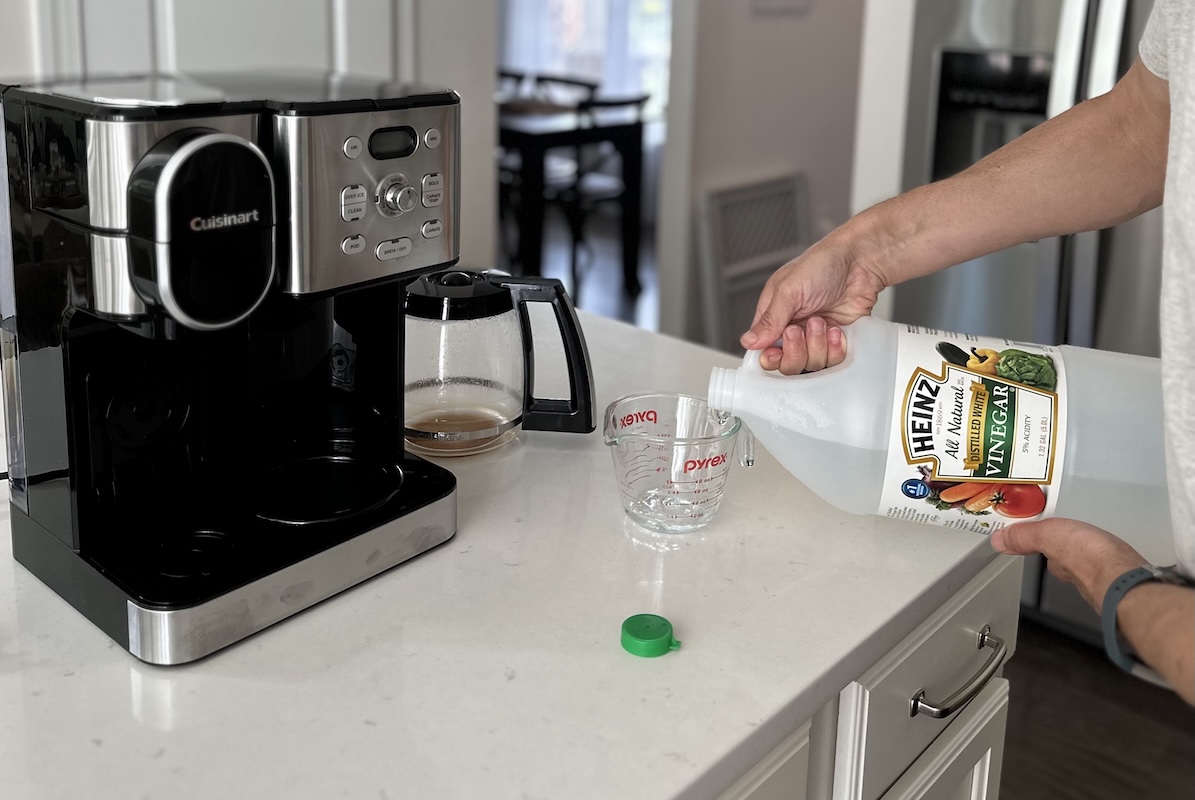
Rinsing the coffee carafe out after each use isn’t going to cut it: Every now and again, coffee makers need a more thorough cleaning. To clean a drip coffee maker, fill the water reservoir with equal parts white vinegar and water. Begin a standard cycle, but pause the process halfway through and let the mixture sit for 30 minutes before completing the cycle. Then, run two or three cycles of clean water through the coffee maker to remove any remaining vinegar.
Best Coffee Maker
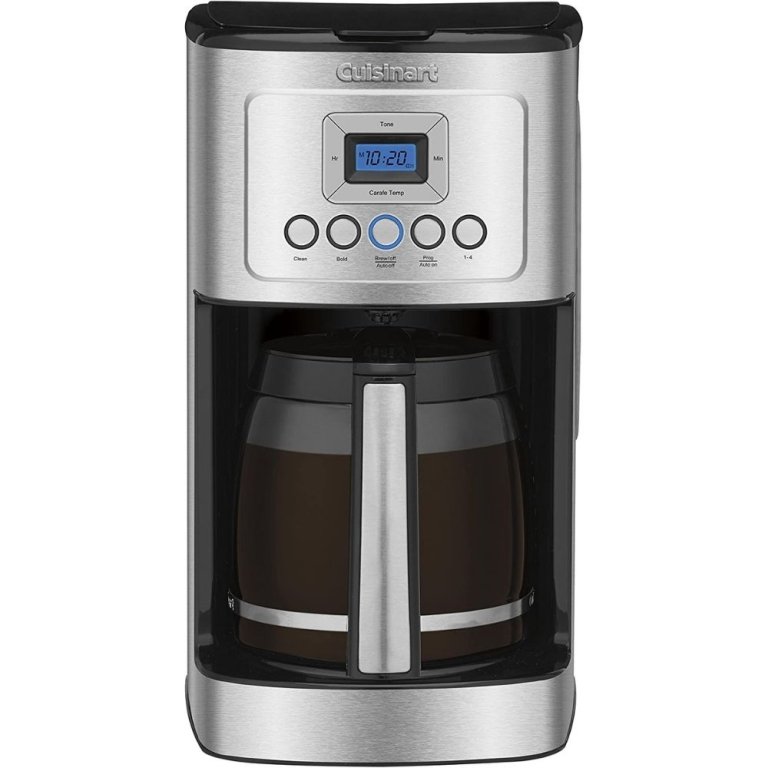
Cuisinart PerfecTemp 14-Cup Programmable Coffee Maker
Cuisinart’s programmable drip coffee maker has a backlit LCD display and brews up to 14 cups at a time. Read the review.
See ItBlender
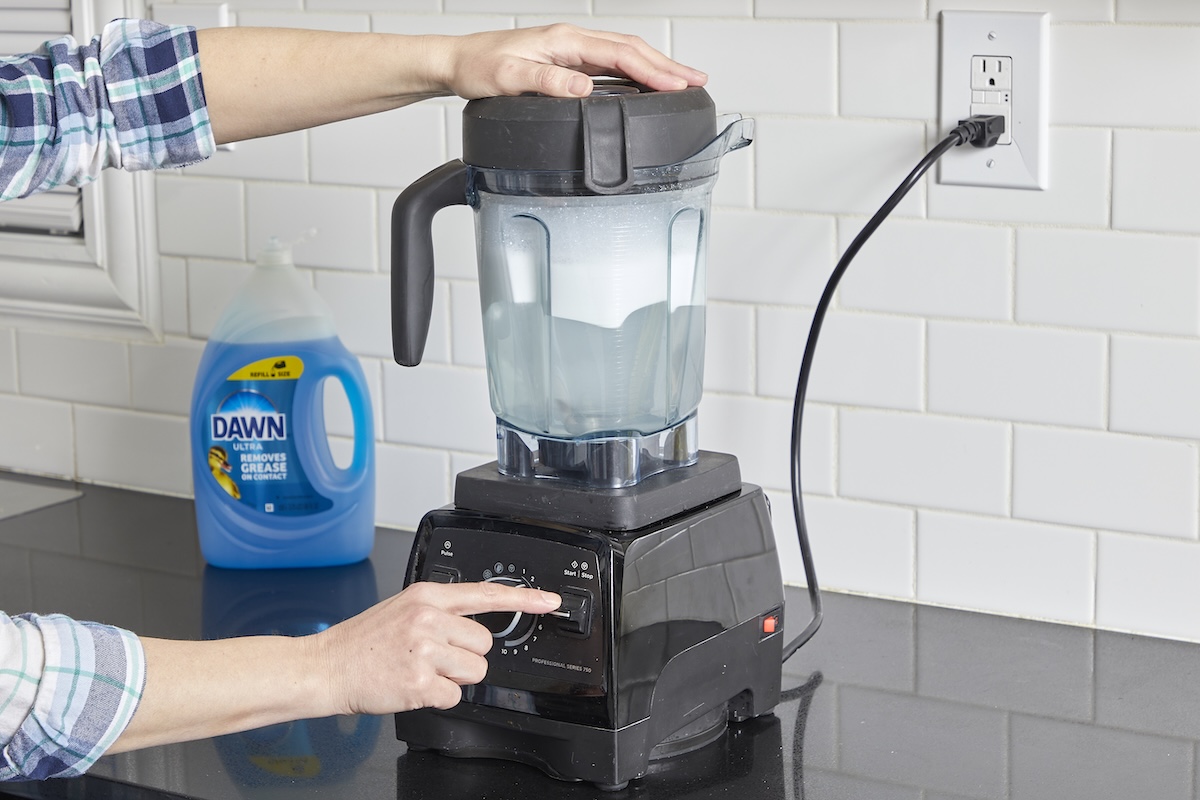
Blenders are notoriously tricky to wash by hand because food particles and other debris get stuck in their blades. Once you learn this trick, though, you’ll never go back to scrubbing a blender’s container: Fill the glass vessel with warm water and a squirt of dish soap before putting it back on the base. Put on the lid, turn the blender on, and allow it to run for 1 minute. Finish by rinsing it out with cold water.
Air Fryer
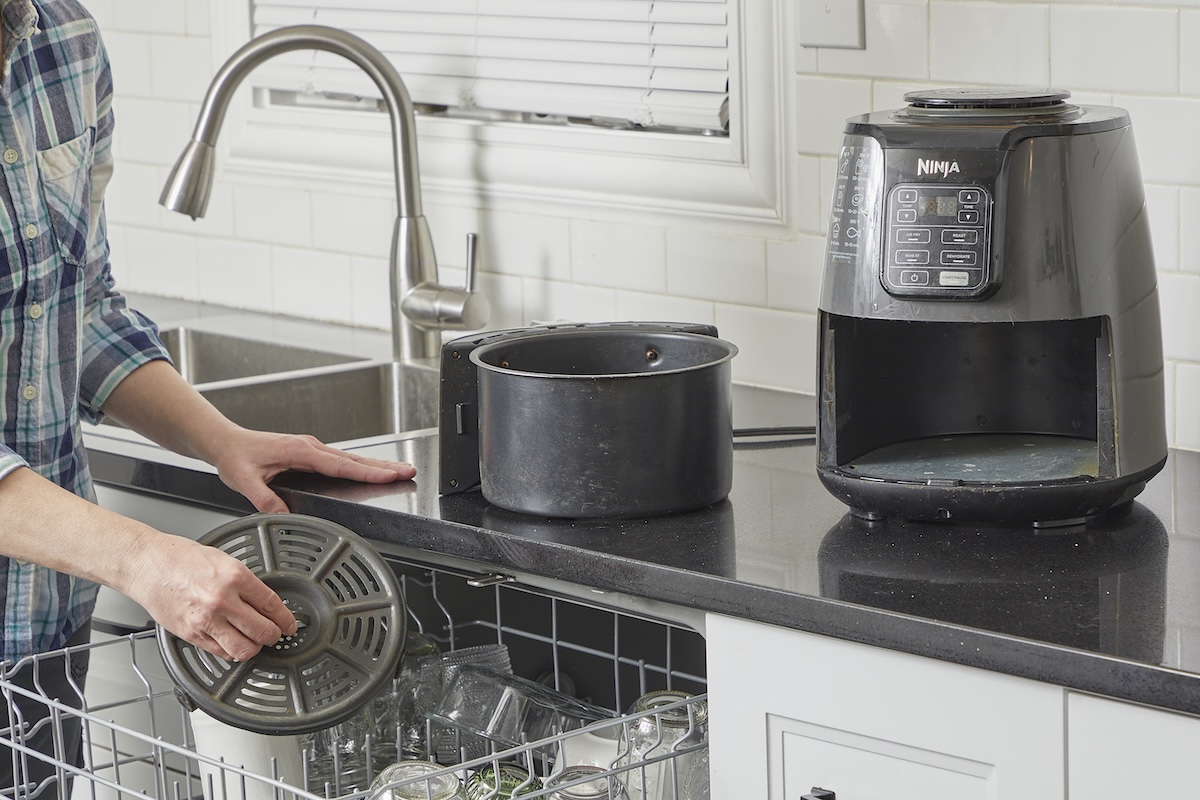
Air fryers have experienced a surge in popularity in recent years, but new owners may not know how to keep them clean. After removing any oil from the device, clean all removable components with soap and water, or toss them in the dishwasher if they’re dishwasher-safe. Wipe down the interior and exterior of the machine with a damp, soapy cloth.
Washing Machine
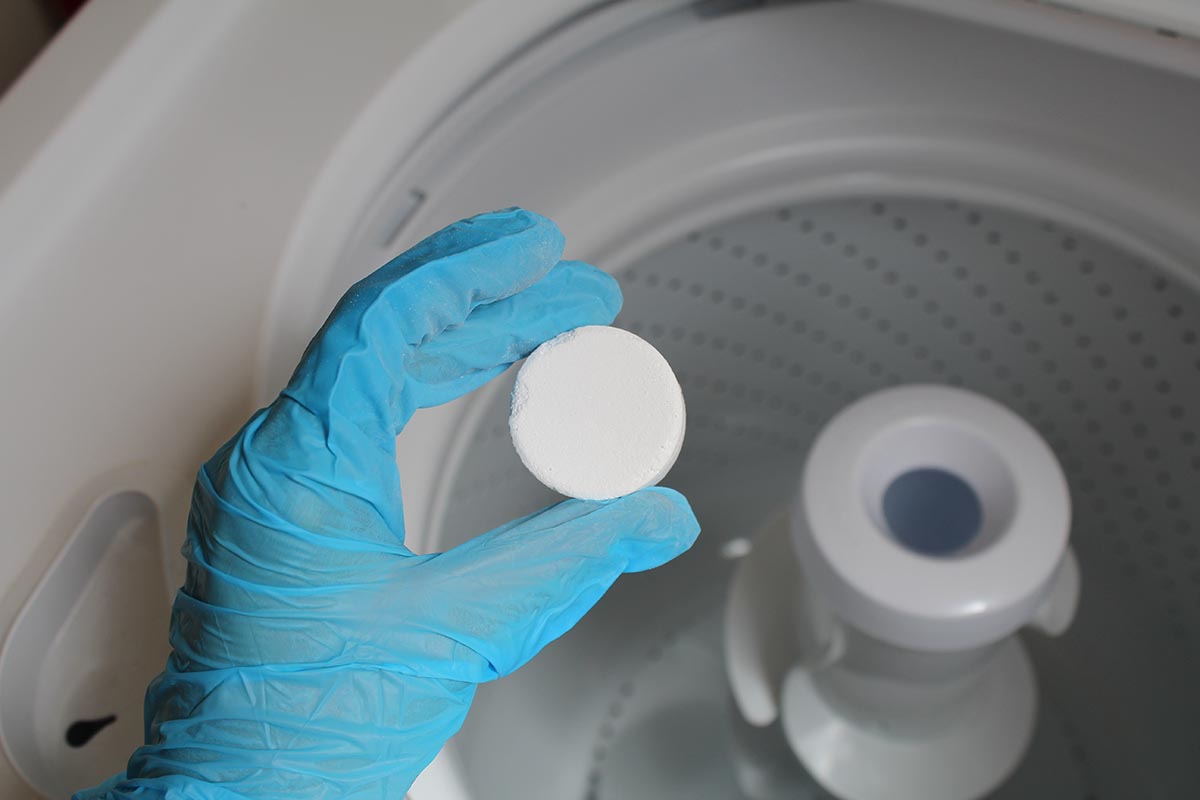
If your washing machine is stinky or isn’t performing well, it may be time to give it a deep clean. To clean a washing machine, unplug the appliance and ensure all water has been drained. Then, use a commercial washing machine cleaner, following the instructions for the specific product. If hard water is causing limescale buildup, run a hot water cycle and add a cup of vinegar to the drum to remove limescale.
Best Washing Machine Cleaner Tablets
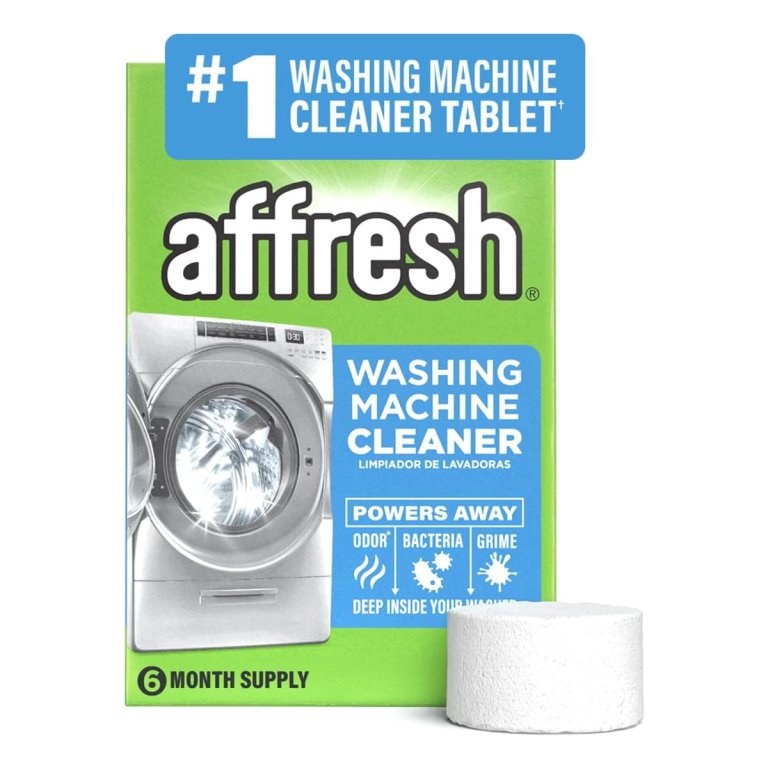
Affresh Washing Machine Cleaner
These tablets work on all types of washing machines, and is excellent at getting rid of mildewy odors and limescale. Read the review.
See ItDryer
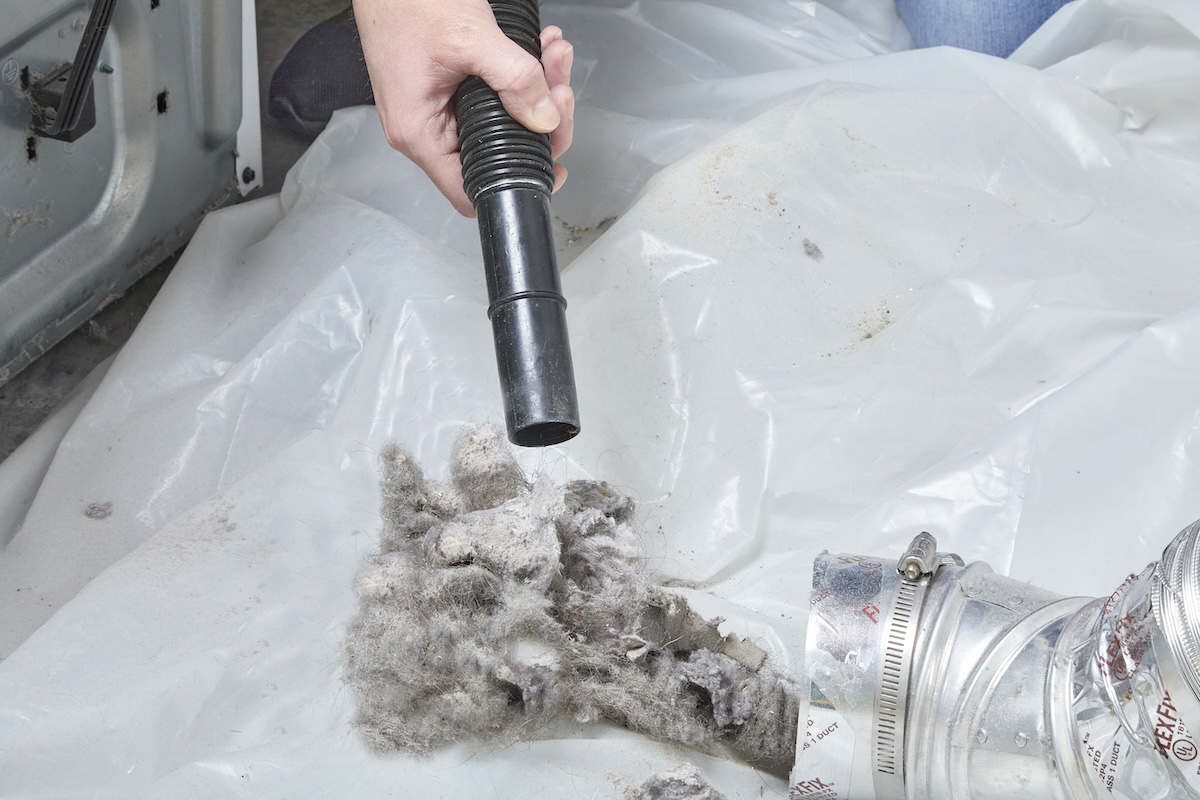
Cleaning a dryer’s lint trap after each cycle is essential, but it’s also important to do a deeper clean every few months. Start by unplugging the dryer and removing the exhaust hose and back panel. Use a vacuum cleaner to remove any dirt and lint from the hose and the back of the dryer. Vacuum the interior of the drum before wiping it down using an all-purpose cleaner and a microfiber cloth.
Waffle Maker
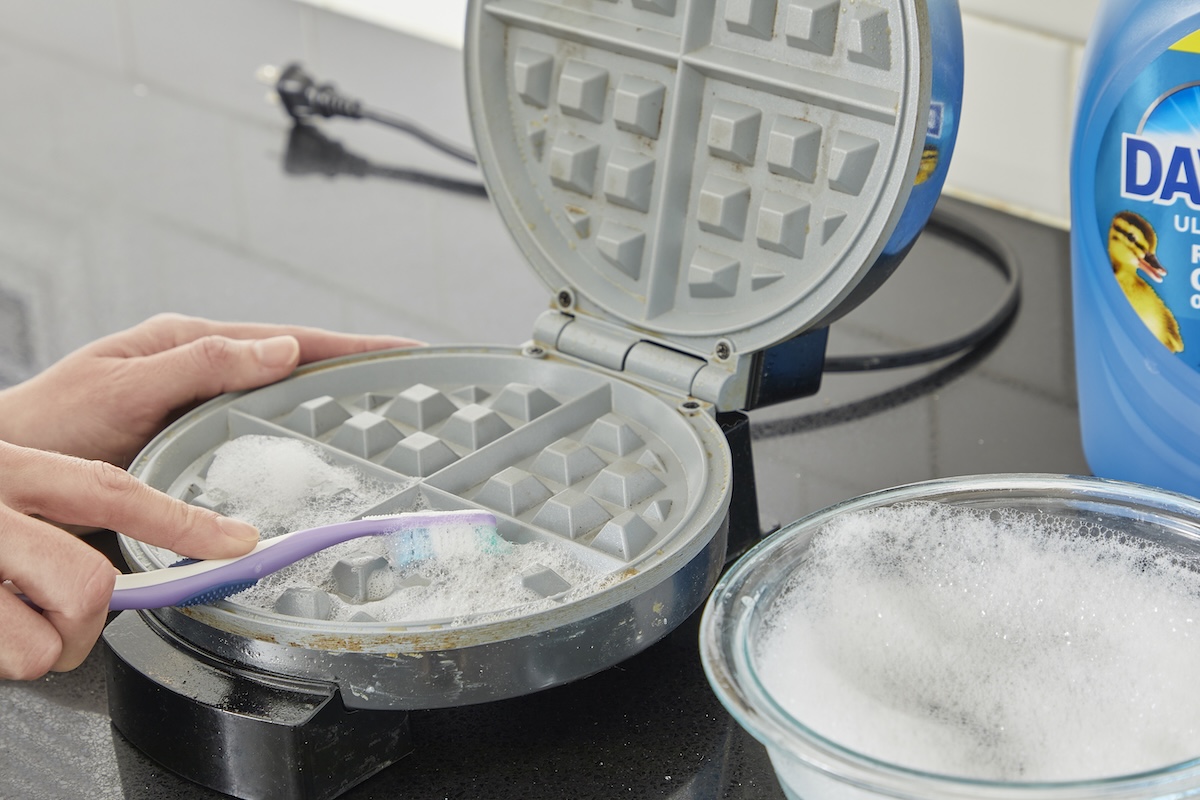
After making waffles, remove any food particles from the waffle maker with a rubber spatula or toothpick. Allow the plates to cool completely. Remove the plates and submerge them in warm water for 10 minutes (if the plates cannot be removed, wipe them down in place). Use a soft sponge or gentle dish brush to clean the plates. Avoid using dish soap if possible, since it can wear down the nonstick coating over time. Rinse and allow the plates to dry before reassembling the machine.
Range Hood

Range hoods can quickly become coated with grease and grime, which is why cleaning the range hood regularly is a must. Wipe down the exterior and underside with a grease-cutting cleanser and a microfiber cloth. Clean the range hood filter by removing it and submerging it in a solution of water, dish soap, and baking soda. Allow it to sit for 20 minutes before using a gentle brush to remove any remaining grease residue. Rinse with cold water and allow to dry.
Vacuum Cleaner
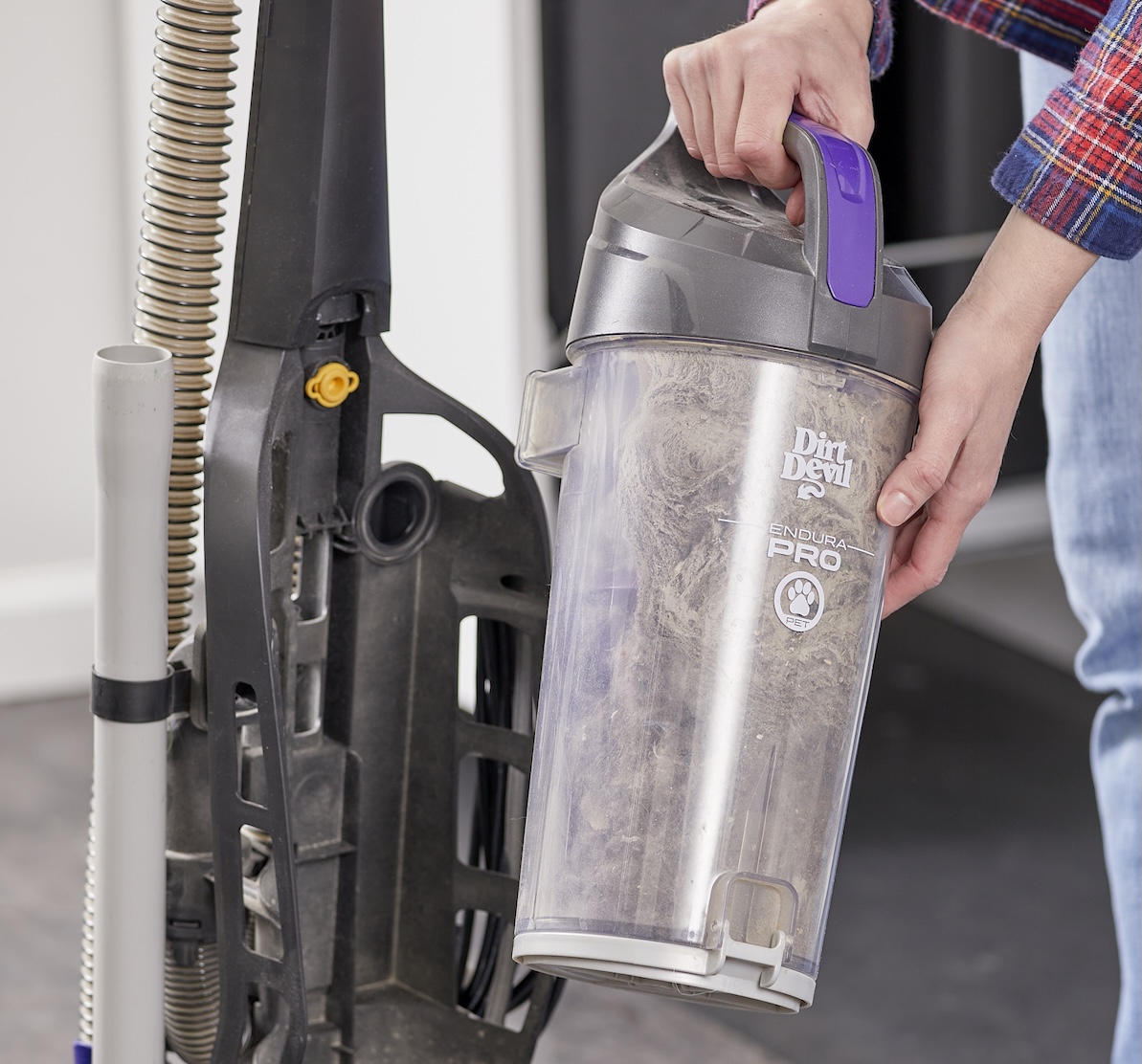
If your vacuum’s performance seems to be dwindling, consider giving it a deep clean before repairing or replacing it. For bagless vacuum cleaners, empty the dust canister and wipe the interior and exterior with a damp microfiber cloth. Repeat the process on the hose and any other removable vacuum attachments, using compressed air to remove any hard-to-reach dirt particles. Remove the rotating floor brush and remove any dirt and hair that has become attached to the bristles.
Iron
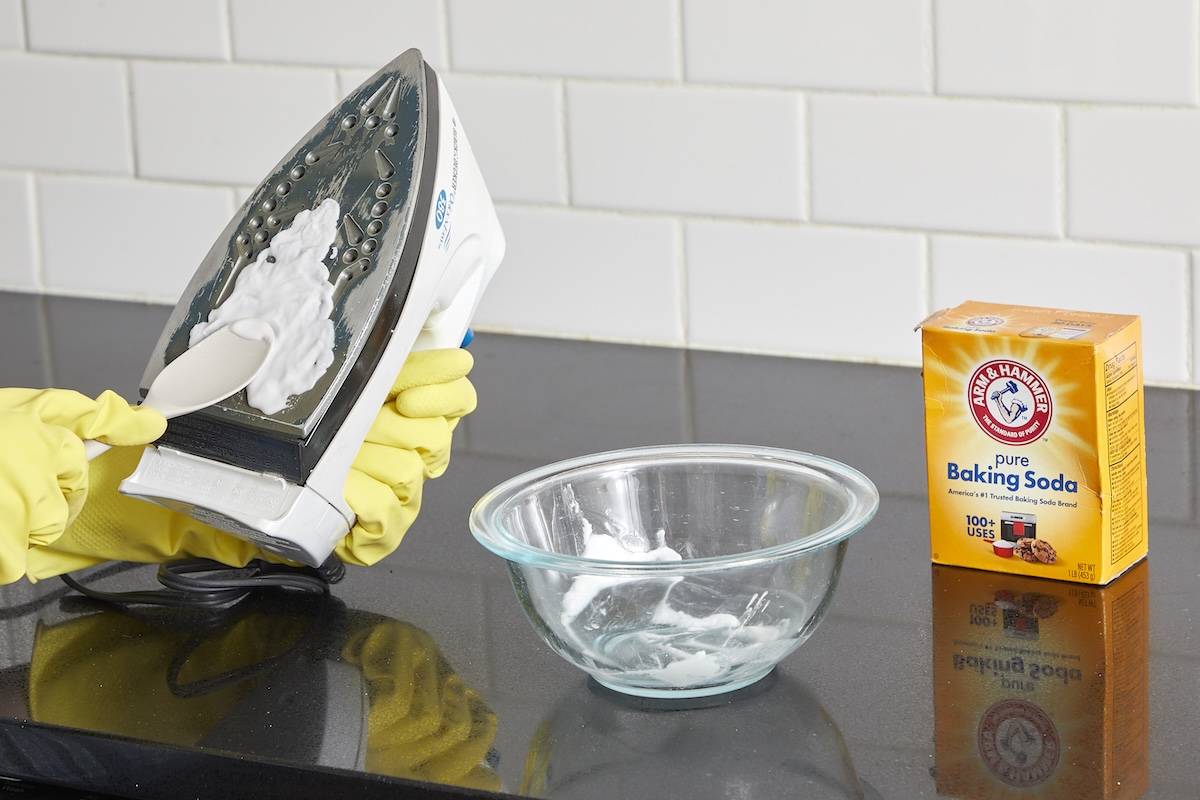
When residue builds up on an iron, stop everything and degunk it right away or you might just mess up your clothes the next time you use the iron. To clean an iron, apply a paste of baking soda and water to the appliance while it’s cool, and rub it into the soleplate until stains are gone. To remove mineral deposits from steam ducts, use pipe cleaners. Finish the job by filling the water reservoir with a 50-50 solution of vinegar and water, then turning the iron on high for 15 minutes. Cool it down, then dump out the liquid. Repeat with plain water.