We may earn revenue from the products available on this page and participate in affiliate programs. Learn More ›
When plumbing is working fine, most homeowners probably never think about the complicated system that moves water and sewage discreetly behind our walls and through our floors. But it’s a beast of a system that needs to be carefully tended in order for it to continue to function properly. As Ryan Rex, a plumber with Rex & Sons Plumbing and Heating, says, it’s an unstoppable force. “Respect it accordingly.”
Understanding these principles about what works—and what doesn’t—for your pipes and plumbing can keep them functioning properly.
1. Pouring grease down the sink clogs your drain.
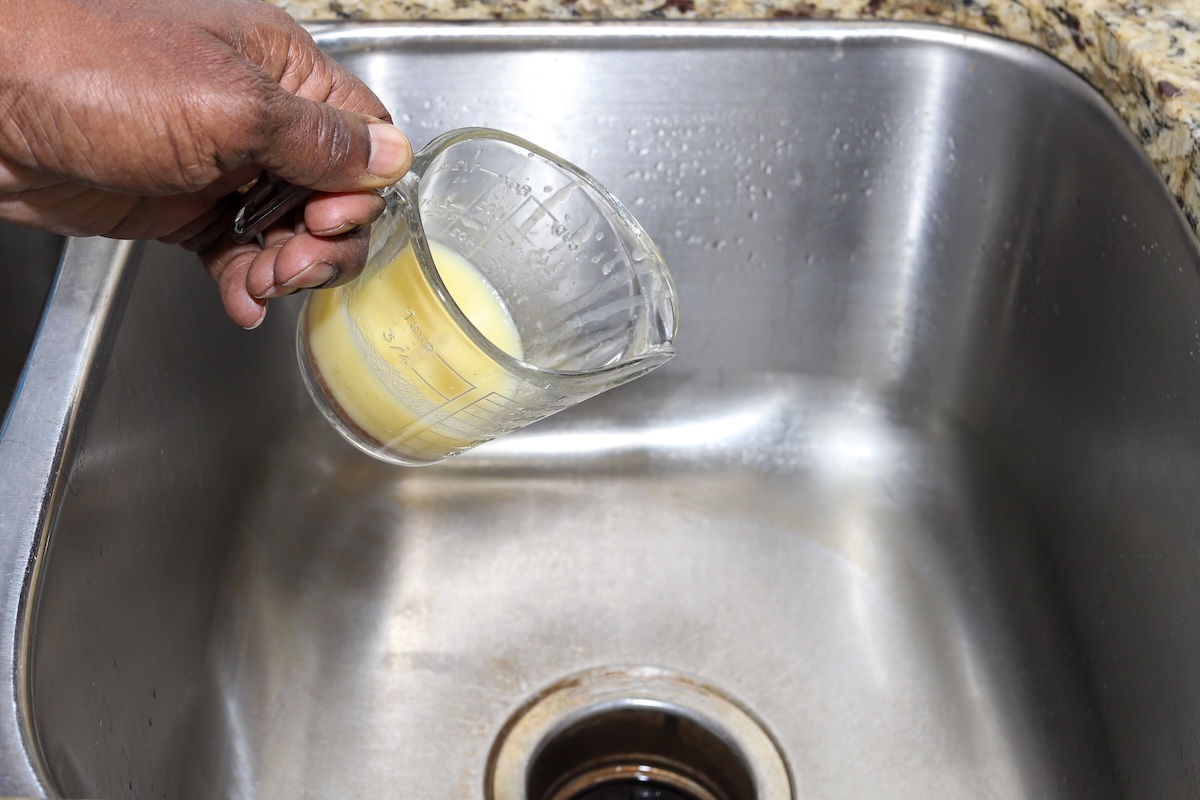
One of the worst things you can do to your plumbing is to pour grease, oil, or other fatty substances down your kitchen sink drain. If you do, prepare to pay a professional to unclog your drainpipes. Grease coagulates as it cools, and once in your pipes, that solidified fat results in heavy clogs that can back up your house’s plumbing. Instead of sending grease down the drain, Rex says, “Let it cool and put it in a container to throw away.” Then scrape it into a sealable jar or can and put it in the garbage where it belongs. (Note that the container cannot then be recycled.)
2. Avoid caustic cleaners if you have old pipes.
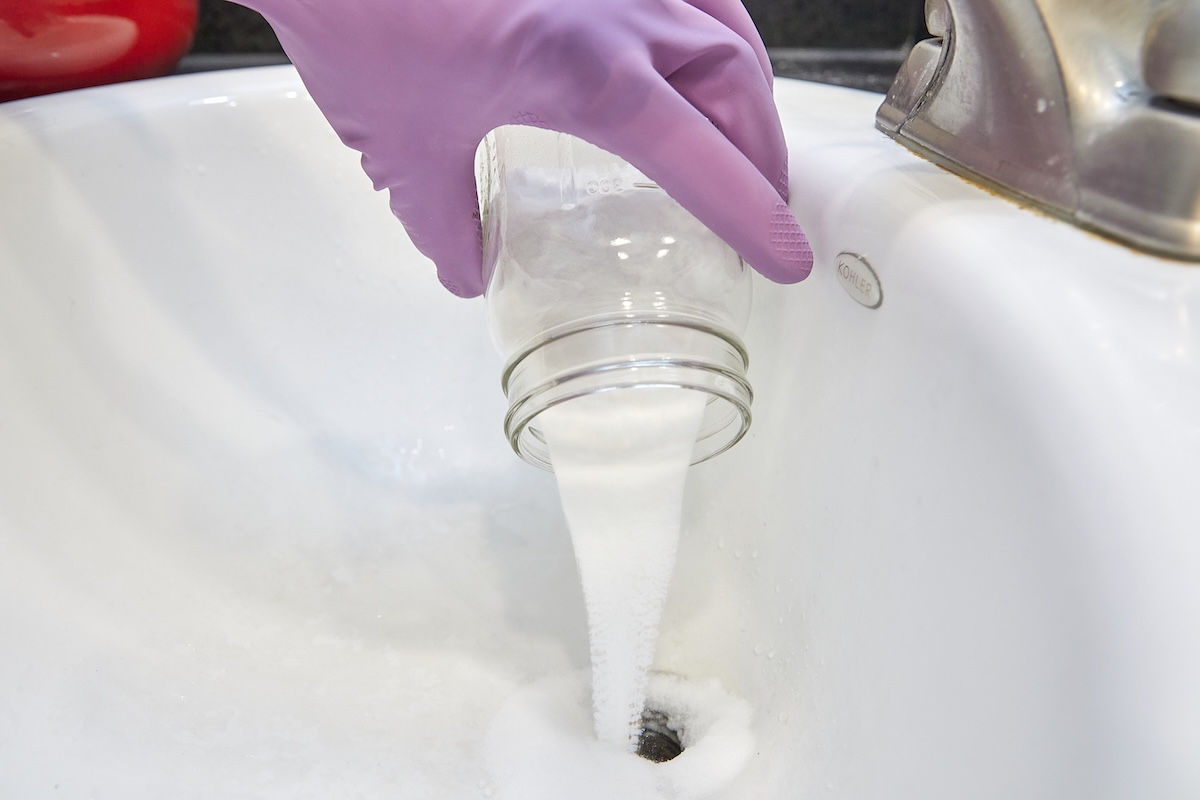
You may be quick to grab a conventional drain cleaner when the sink or tub drains slowly, but over time, the caustic oxidizing chemicals these products contain can take a toll on old drainpipes, resulting in corrosion and leaks. Next time you experience a nasty clog, use a natural drain cleaner that eats away clogs through enzymatic action. It doesn’t work as quickly as caustic chemicals, but it’s gentler and safer for your pipes.
If you have a serious clog, Rex recommends sulfuric acid. “Only pour acid or cleanser into an open drain. Never pour it in standing water.”
3. Leave faucets dripping to prevent frozen pipes.
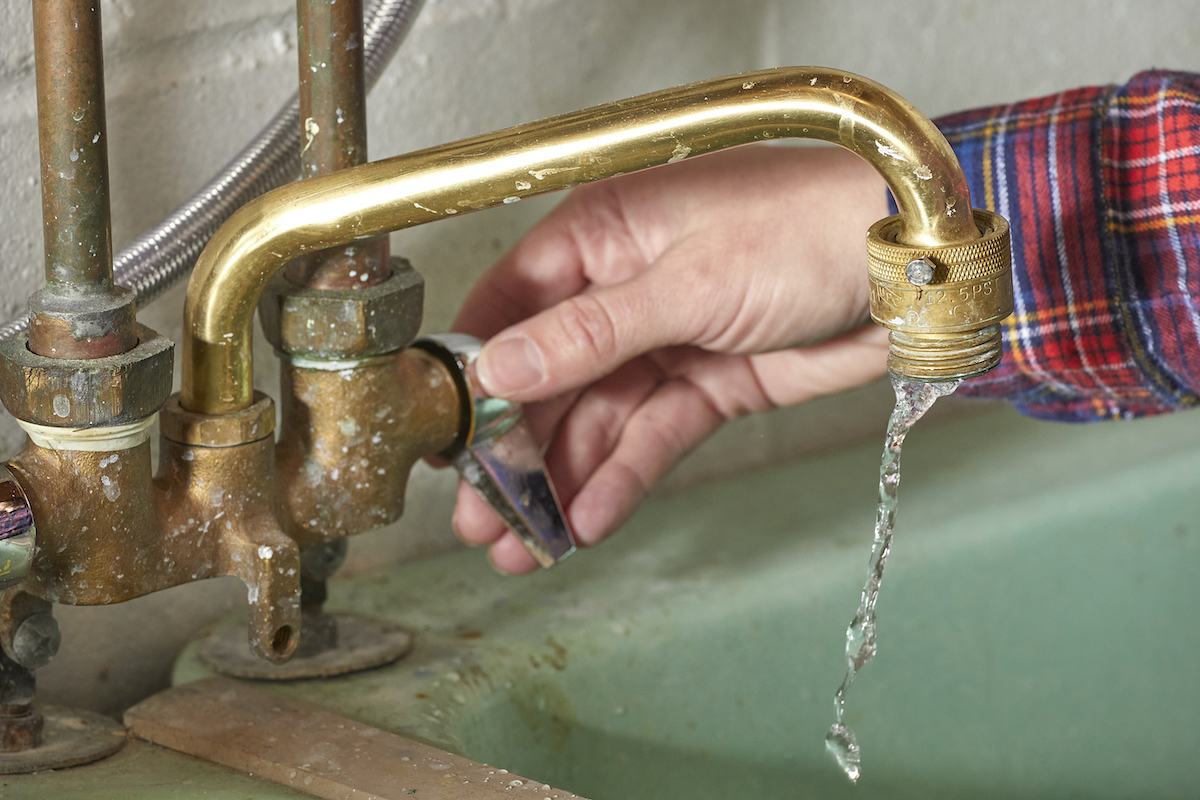
If you’ve had problems with frozen pipes in the past, chances are they’ll freeze again once the weather turns cold. When that happens, you’ll be left without water and facing the increased threat of busted pipes. To keep pipes from freezing, especially when temperatures plunge overnight, open the tap ever so slightly to establish a steady drip. If the pipes are inside a cabinet, Rex suggests opening the cabinet and placing a space heater in front to blow warm air on them.
4. Don’t cram stuff under the sink.
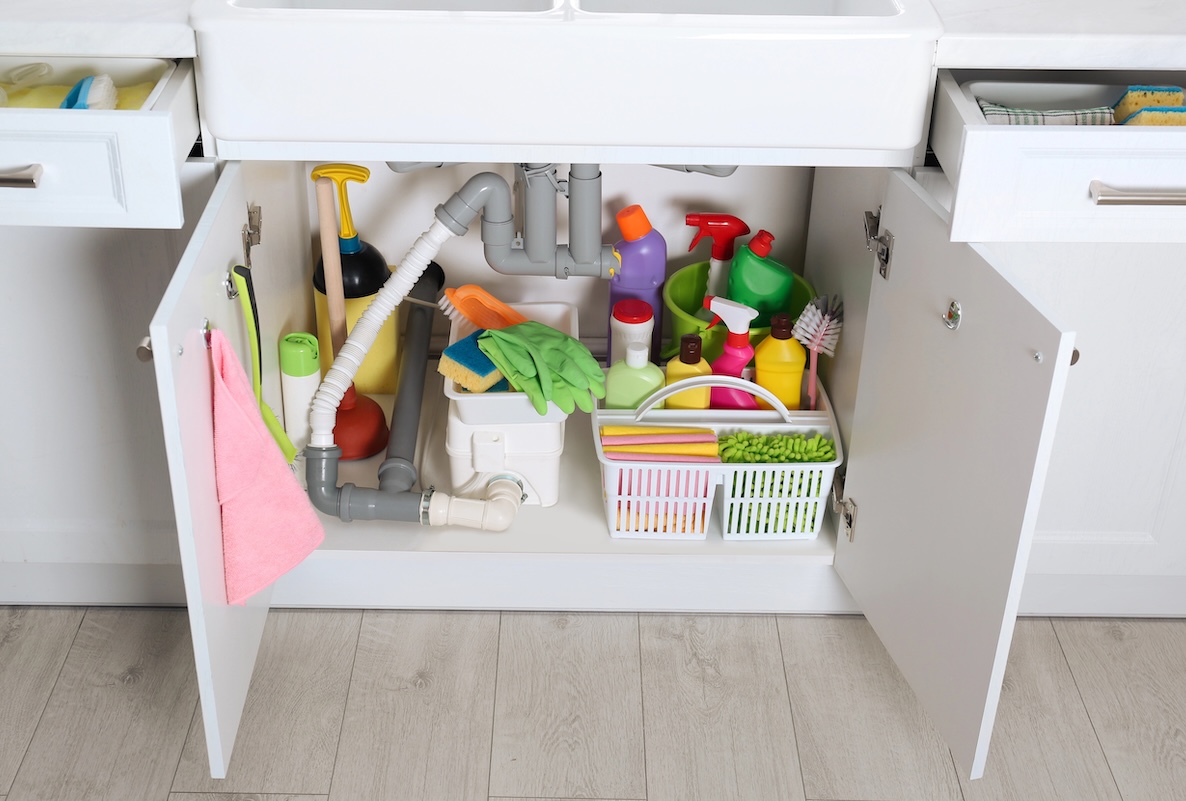
Drain traps, those curved pipes under the sink, prevent sewer gases from entering your home while allowing wastewater to pass. They also catch items that may fall into the sink, like jewelry or other debris. Traps connect to surrounding pipes with screw-on joints, making them easy to remove when cleaning a clogged drain. But when under-sink clutter pushes against or jostles these pipes, the joints can come loose, leading to leaks. Keep the area under the sink clutter-free so household essentials like trash cans, cleaners, or fire extinguishers don’t bump into the pipes.
5. Don’t treat your garbage disposal like a trash can.
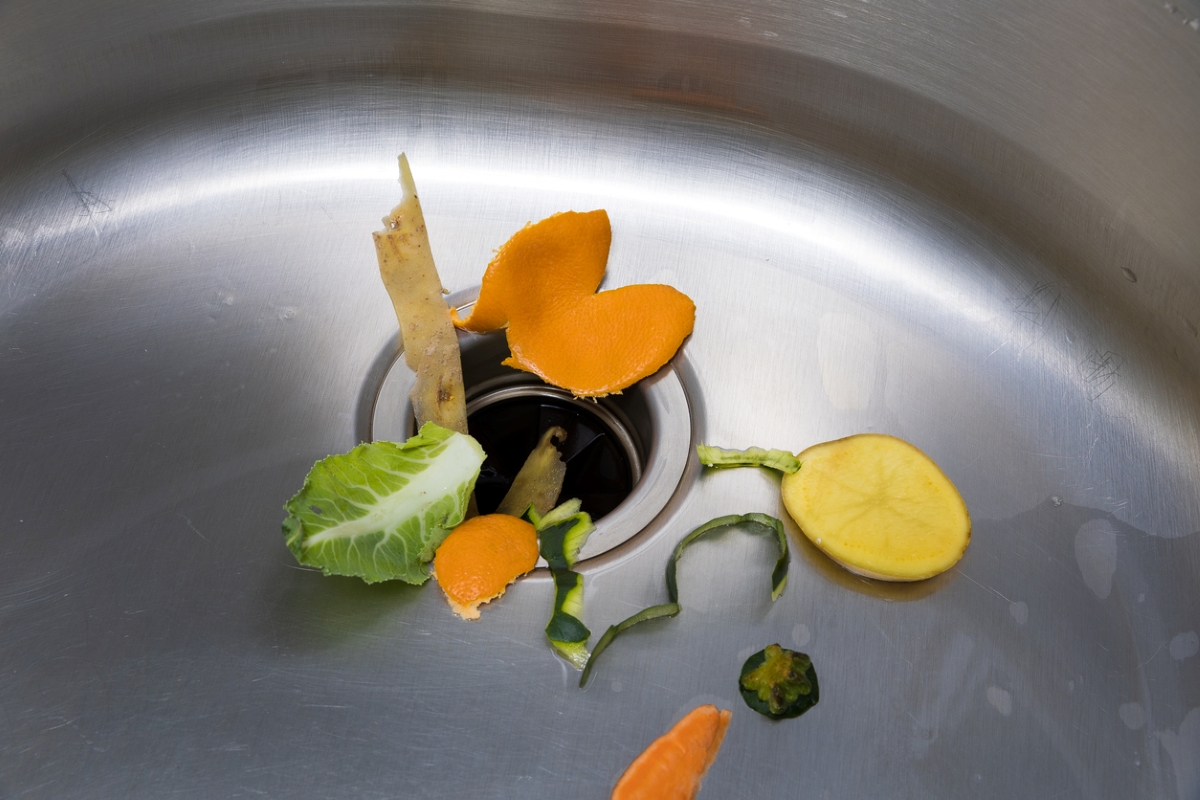
Garbage disposals top the list of plumbers’ least-liked appliances because most homeowners don’t know how to use them correctly. Despite their name, garbage disposals aren’t a second trash can. They can’t handle large amounts of food waste, nor can they process fibrous foods, like celery and potato peels, which can quickly clog the garbage disposal. Save your sink by tossing food scraps in the compost pile, and when you do run the appliance, rinse the ground food down the drain with lots of water.
6. Shut off your main water valve before going on vacation.
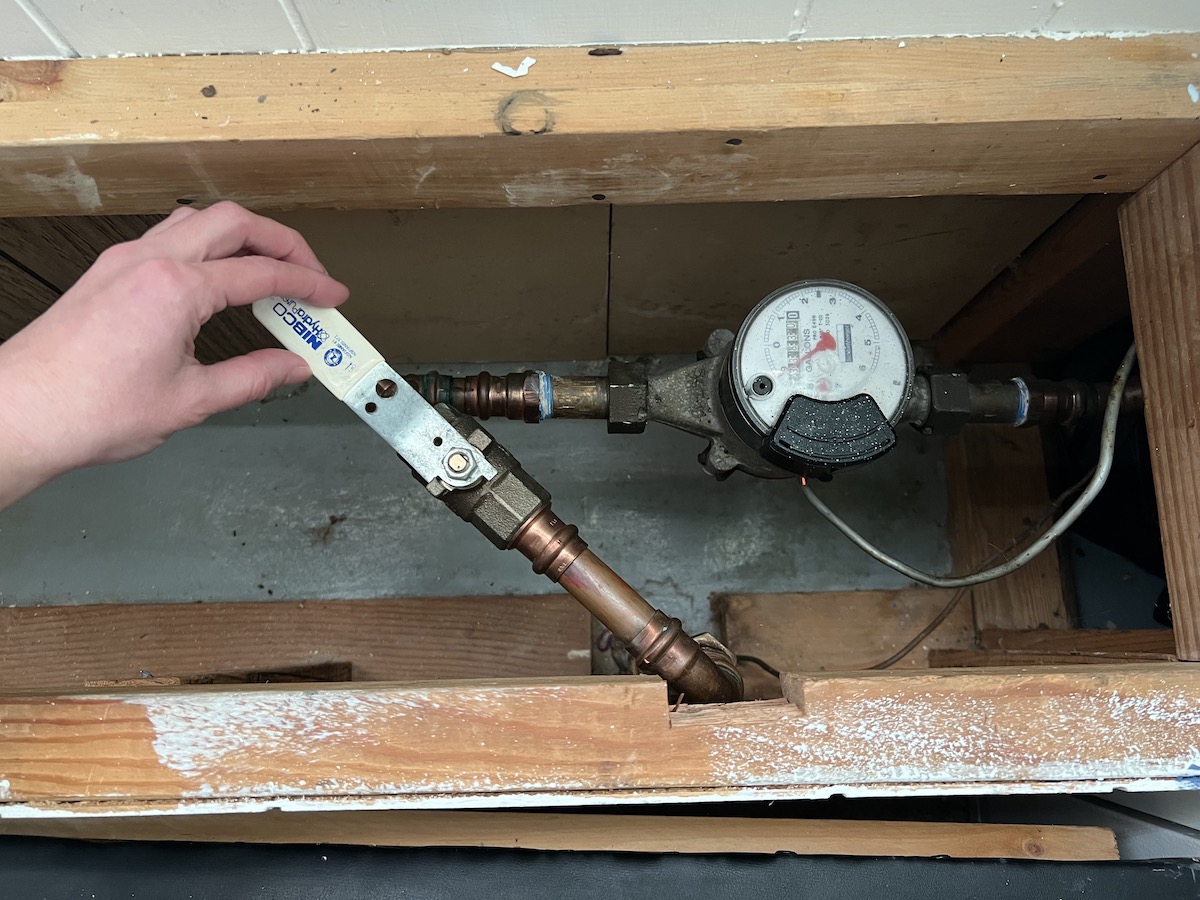
There’s nothing like coming home from a two-week vacation only to find your house has flooded. Avoid disaster by turning off the main water valve before you go. “Use the valve on the house side of the meter, avoid using the street side valve if you can,” says Rex. Also, open up a couple of sink or tub faucets to bleed the water pressure off the lines. It may seem like a lot of work, but remember that it’s a lot simpler to switch the water off and on than to risk major cleanup and expenses in the event of a leak.
7. Flush your water heater every year.
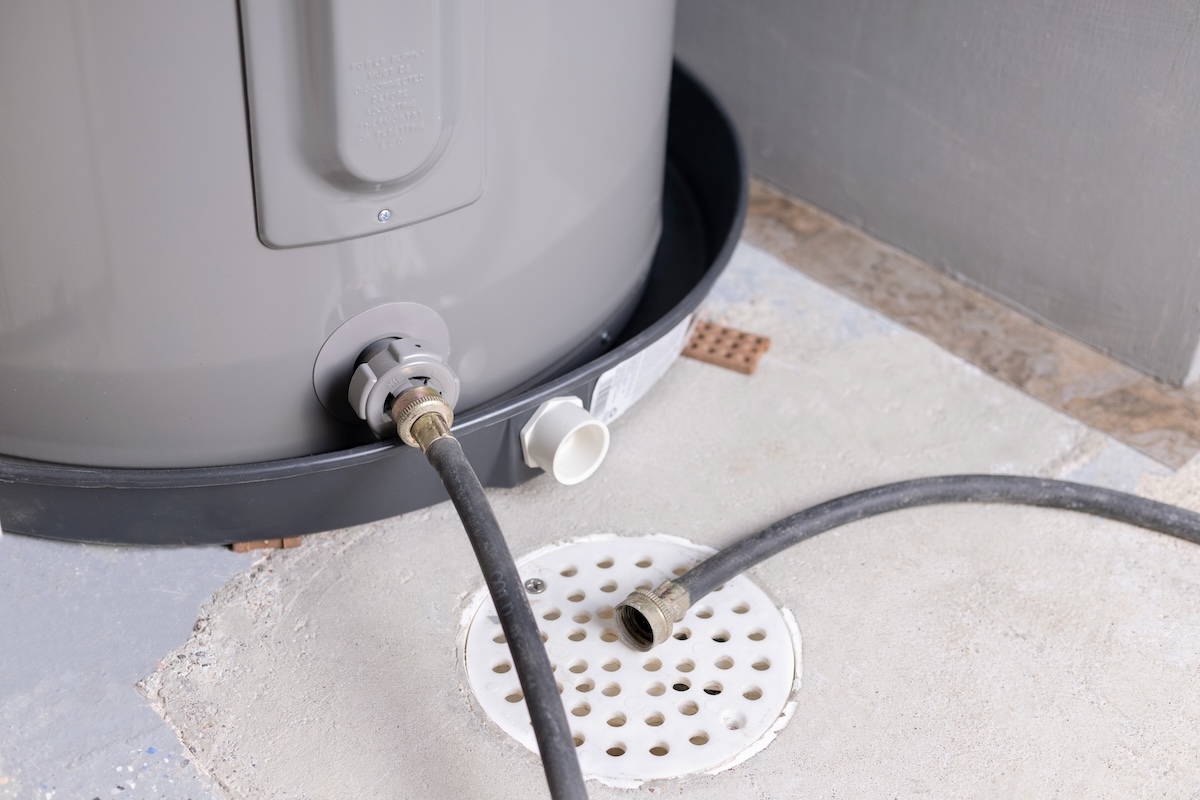
If you’re a knowledgeable do-it-yourselfer, you may want to flush your water heater tank annually (check the manual for instructions) to remove lime and deposits. These minerals build up over time and can impair the functioning of your appliance. However, you need to evaluate whether your water heater is a good candidate for flushing.
“Make sure it’s off first, whether it’s gas or electric,” says Rex. “The tank will crack if it fires empty, or the elements will break if they activate without being submerged. Plus, the valves tend to leak after use, so flushing it will cause other issues over time. Electric water heaters are more important to flush, especially if they’ve just been installed. An old electric water heater is normally filled a few inches on the bottom with mineral deposits that make flushing very difficult.”
If you’re not confident doing the job yourself, have your plumber do it. It may not seem like much, but this simple task will keep your water heater in good shape for years to come.
8. Don’t ignore water around the base of the toilet.
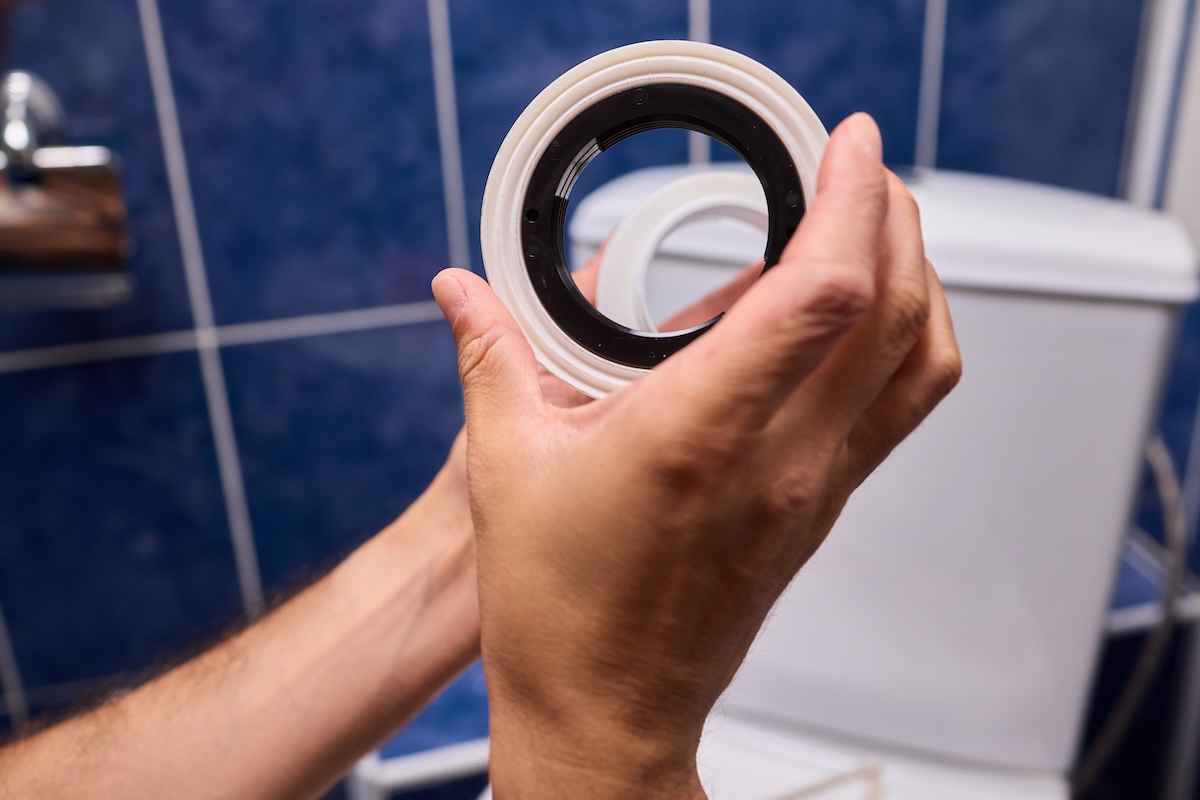
It doesn’t have to be a lot; just a tiny puddle or constant wetness on the floor around a commode could signal failure of the toilet’s connection to the plumbing system. At the bottom of the toilet, there is a wax ring that creates a watertight seal between the toilet and the drainpipe. Wax rings don’t last forever. Over time, the wax ring can start to degrade and start to slowly leak.
Though it might not look problematic on the surface, this leaking water can damage the subflooring beneath bathroom tile, leading to rot, mold, and expensive repairs. Save yourself added trouble by calling in a plumber to replace the wax ring as soon as you suspect that it is starting to fail.
9. High water bills might mean you have a water leak.
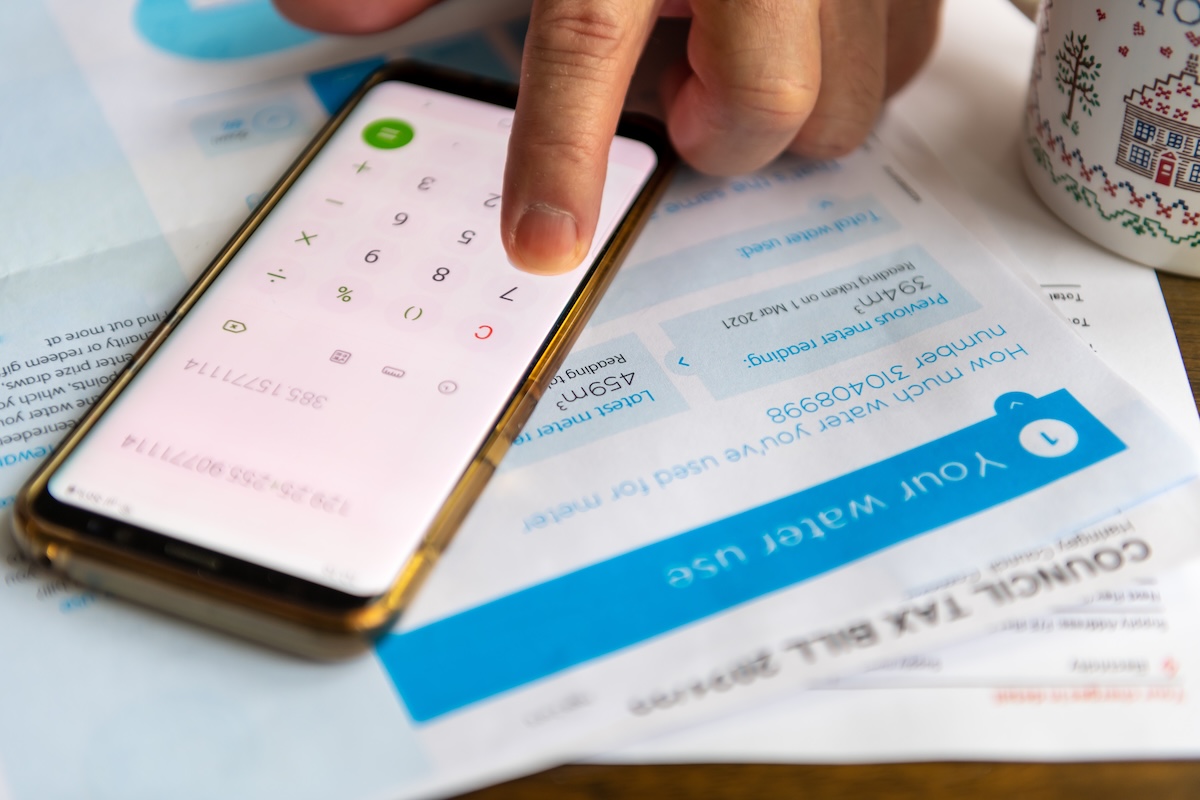
If your monthly water bill is higher than normal and shows increased usage, but you feel like your family isn’t actually using more water, you could have a leak. “We find running toilets are the biggest contributor to the high water bills,” says Rex. “Replacing the fill valve and flapper in the problematic toilet usually does the trick.”
To find a water leak, turn off all faucets and any appliances that use water. Then, go to your water meter and watch it. If the meter is moving, there’s water flowing somewhere in your house. Translation: You’ve got a leak. This is one problem that needs fast attention. Shut off the water and call your plumber.
“If you have a leak, don’t try to fix it on the weekend,” says Rex. “People get into trouble thinking they can make a quick fix. Unless you have all the tools and parts that could be necessary at home, don’t attempt it. Call a professional.”
10. Know when the job is too much for you to handle yourself.
The biggest plumbing mistake Rex has ever seen a homeowner make? “Putting in a faucet themselves on a Sunday afternoon and over-tightening a lavatory supply valve. It broke off at the tile floor, causing a disaster in their home. When I got there, the drywall underneath was soft enough to pull apart with my hands to make the repair.”
You might be great at replacing toilet flappers or making other home repairs, but if you have a major plumbing project, it’s a good idea to call a plumber from the get-go. If you don’t know your own limitations, you could end up paying more for a pro to fix your amateur mistakes.
11. Steer clear of septic lines.
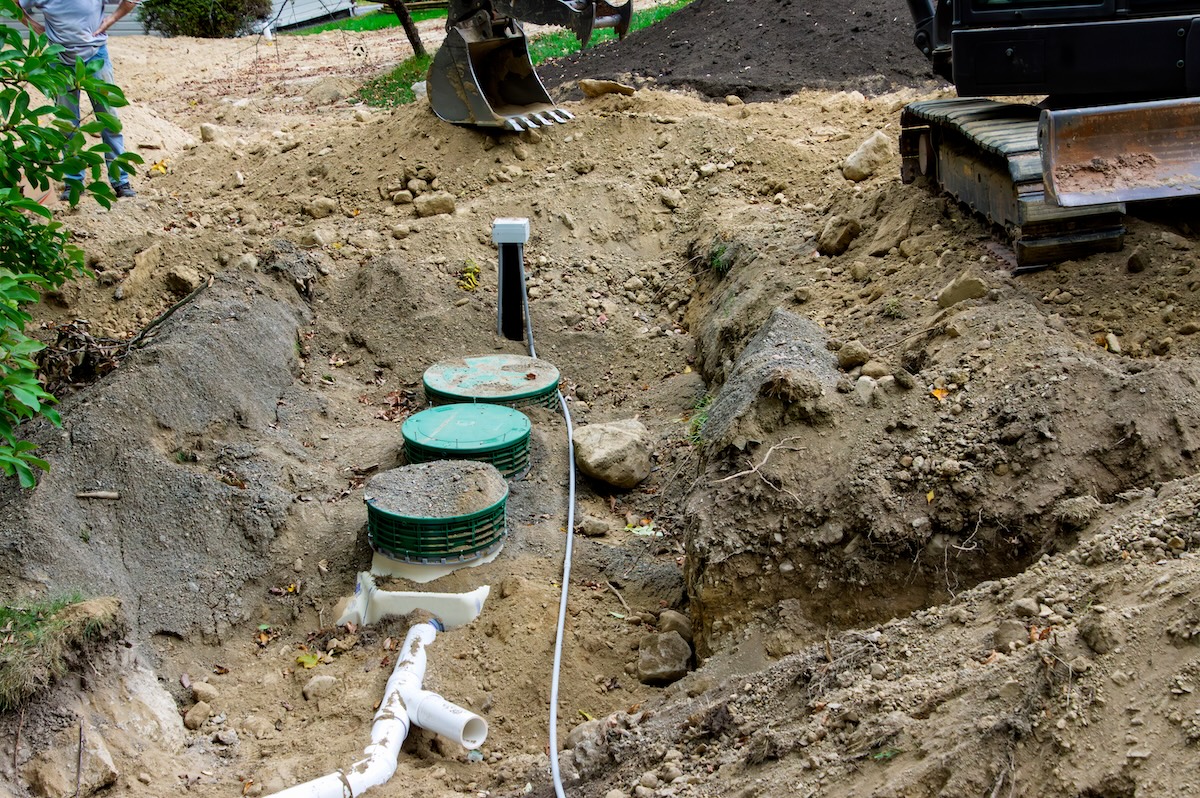
Out of sight shouldn’t mean out of mind when it comes to plumbing pipes. If you’re on a septic system, lateral septic lines are buried under a portion of your property. Because they’re hidden, they’re easy to forget, but if you drive a heavy vehicle over the lines (or your septic fields) and damage them, you might have thousands of dollars in repairs on your hands.
12. Don’t throw your trash in the toilet.
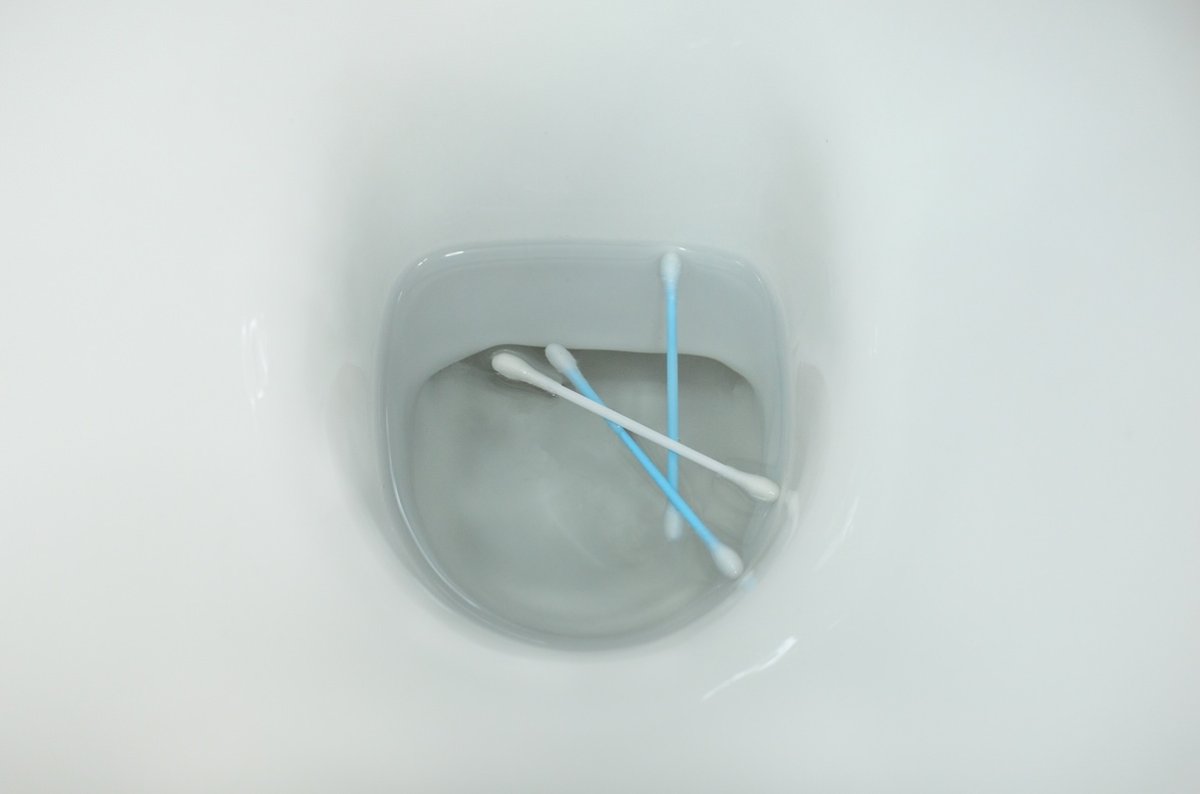
You’ve probably heard it all before, but it’s true. Don’t dump anything in the toilet that doesn’t belong. Avoid flushing feminine hygiene products, cotton swabs, paper towels, makeup-removal wipes, or “flushable” cat litter clumps. These products aren’t designed to break down in liquid, so flushing them can increase your risk of clogging the pipes. Use your commode only for its intended purpose to prevent trouble.