We may earn revenue from the products available on this page and participate in affiliate programs. Learn More ›
Gardens take time to mature, especially vegetable gardens. That can be a problem for those who live in areas with short growing seasons, who want to squeeze in as many seasonal plantings as possible between frosts to feed a family, or who are getting a late start on planting. Some vegetables, like radishes, have a naturally short seed-to-harvest cycle. For other vegetables, plant breeders have introduced hybrids with smaller sizes or shorter cycles to help farmers and home growers achieve an earlier harvest.
This selection of fast-growing fruits, vegetables, and herbs can shorten how long you have to wait for a bountiful harvest to eat, dry, or can.
1. Zucchini
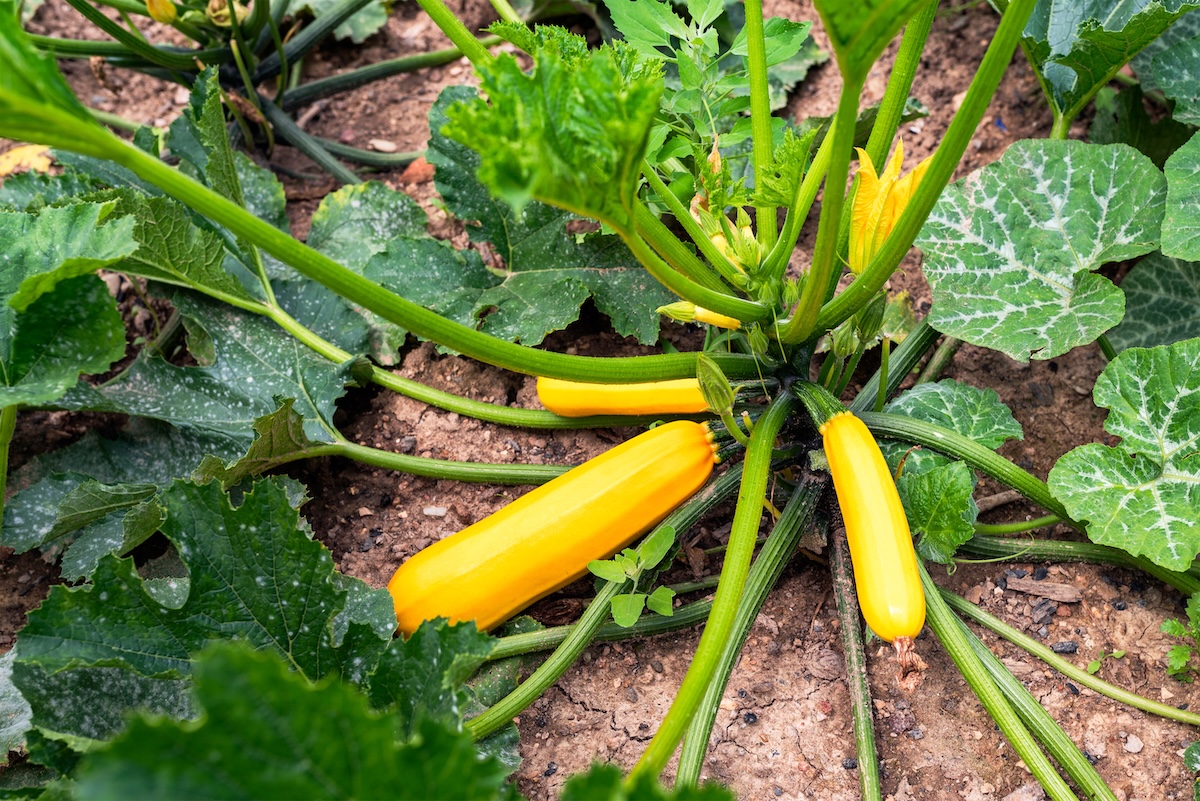
A typical zucchini plant is ready for harvest in as few as 40 to 50 days from planting or sowing seed, depending on the variety and growing conditions. That’s pretty amazing considering, how large the squash can get. Just beware that you might have to sow the seeds a little later than some vegetable types, since they need warm soil (at least 70 degrees Fahrenheit at 2 inches deep) to start. With its brief sprout-to-harvest time, zucchini is a great edible to plant in succession, so you’ll have a continually ripening bounty throughout the summer.
Especially fast-growing zucchini varieties include Bossa Nova, a 2015 All-American Selection. When grown from seed, the zucchini produces beautiful 6- to 8-inch fruits in 30 to 45 days from seed or as little as 25 days from transplanting. This bushy variety needs about 4 square feet to produce an abundance of fruit. Also consider Green Machine, bred for short seasons and disease resistance, and Spineless Beauty for a 46-day maturity, and itch-free leaves and stems.
2. Green Beans
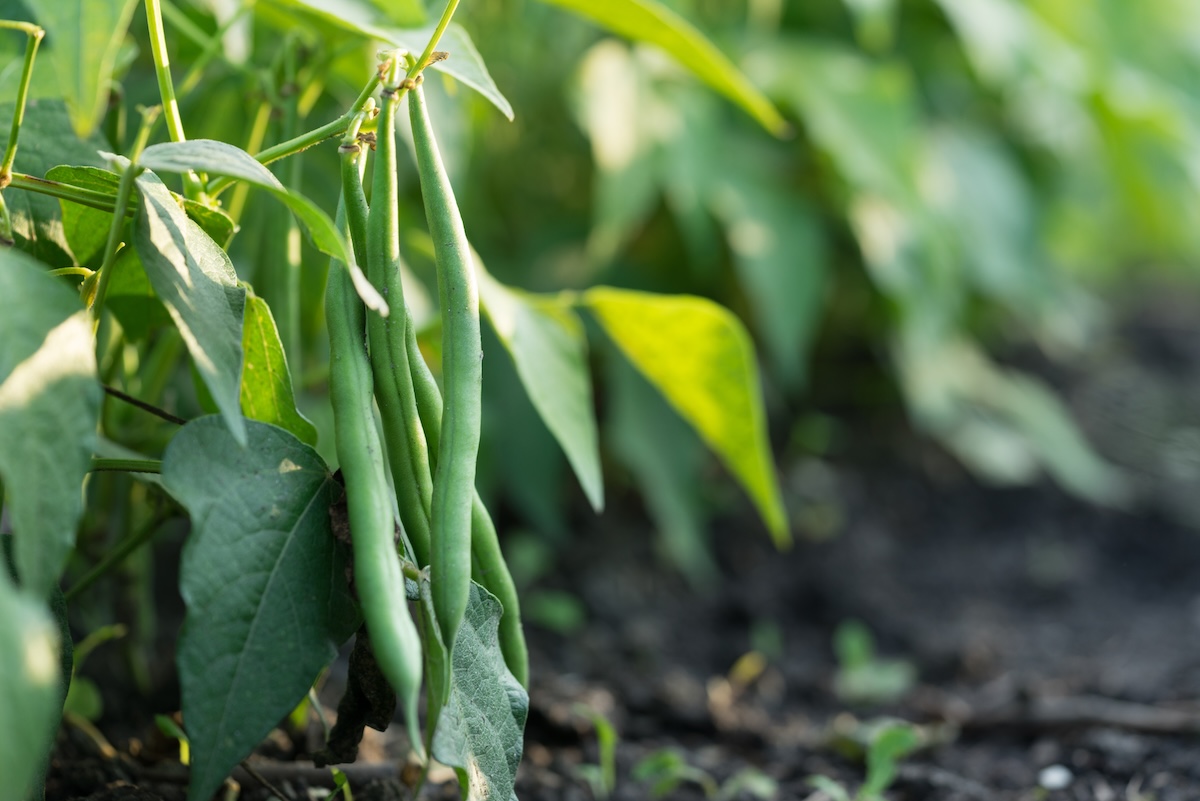
Green beans are easy to grow from seed and can mature in 50 to 70 days, especially in warm climates. Though many bush bean varieties such as Jade yield a quicker harvest than pole beans, the harvest is short-lived and abundant. That’s great for canning, but not for season-long harvest. Pole beans take 5 to 10 days longer to mature on average, but varieties like Seychelles can mature in 55 days.
Seychelles need a little support to help their 7- to 9-foot vines reach their peak, but they reward with a constant supply of stringless 6-inch beans. Regular picking encourages the vines to continue producing. Other quick-growing beans include a stringless pole beans called Fortex, and Mountaineer, a half-runner bean that’s more compact than most pole beans.
3. Swiss Chard
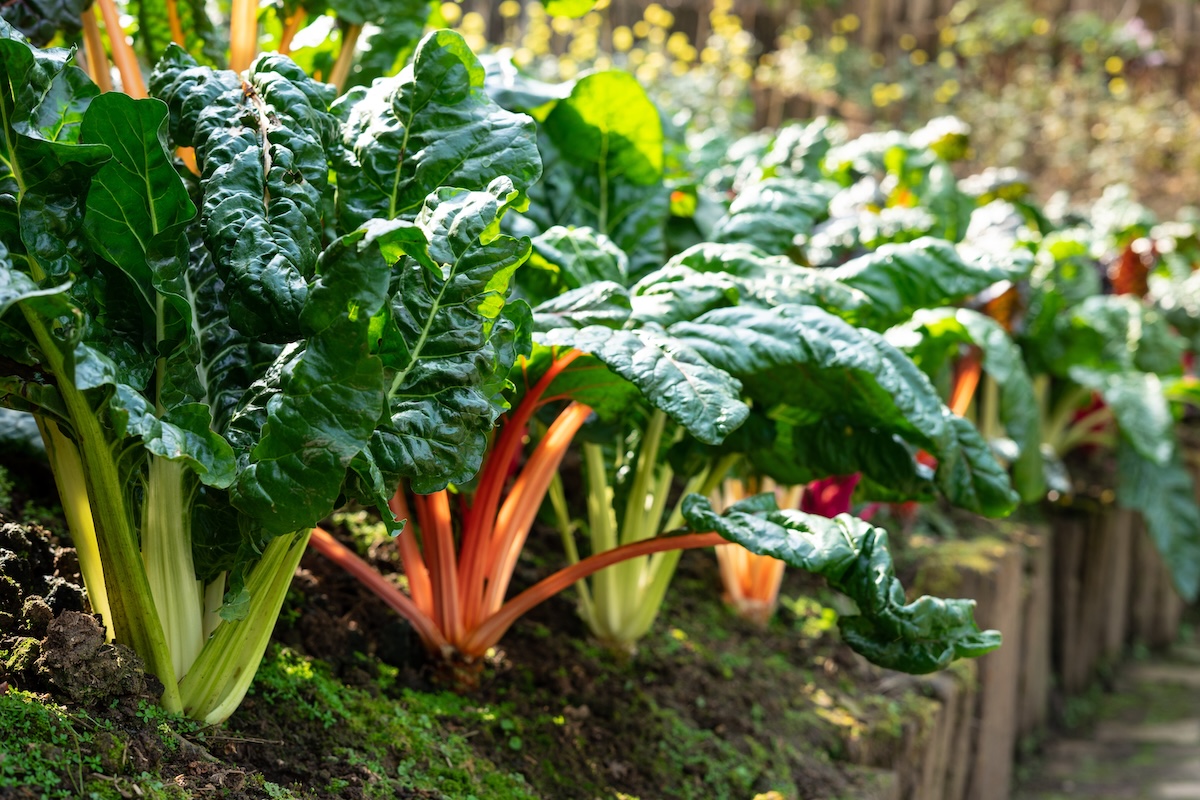
Swiss chard is an edible green in the beet family that has no edible root, with large and stunning leaves that are both edible and ornamental. One of the most nutritious vegetables, Swiss chard packs a powerful punch of fiber, calcium, and vitamins A, C, and K, plus antioxidants. Aside from a relatively short growing season, Swiss chard can also go in the ground earlier since it prefers cool temperatures. Some varieties are ready to harvest baby leaves in as little as 30 days, and others mature around 55 to 60 days.
Bright Lights swiss chard is edible, gorgeously ornamental, and can be harvested in 30 to 35 days for young salad greens or 49 to 60 days for mature plants. Other quickly maturing varieties include Peppermint and Golden Sunrise.
4. Radishes
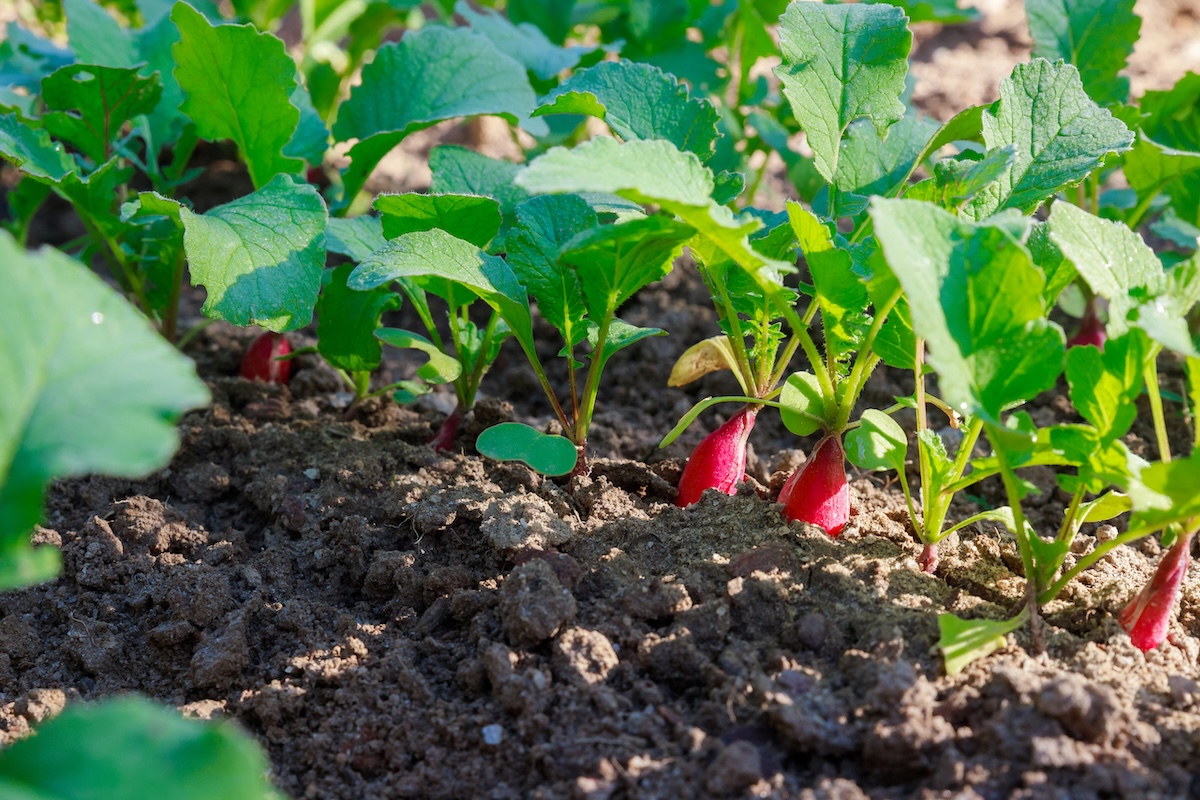
The fastest producer in any garden is the radish; its peppery roots can mature in as little as 24 to 30 days after sowing. What’s more, they taste better when they’re harvested early. The cool-weather crop adds plenty of crunch to salads filled with fast-growing greens, and the radish greens also are edible.
Easter Egg radishes are named for their colorful round roots that come in shades of purple, cream, and red. They’re best sown in spring or fall, but radishes grow just as well planted from seed in September for a fall harvest. They typically mature in as little as 30 days. Another quick-growing variety called Cherriette is also good for beginners, with a 24-day average maturity and a mild flavor. Sparkler radish has crisp white flesh ready in 25 days.
5. Day-Neutral Strawberries
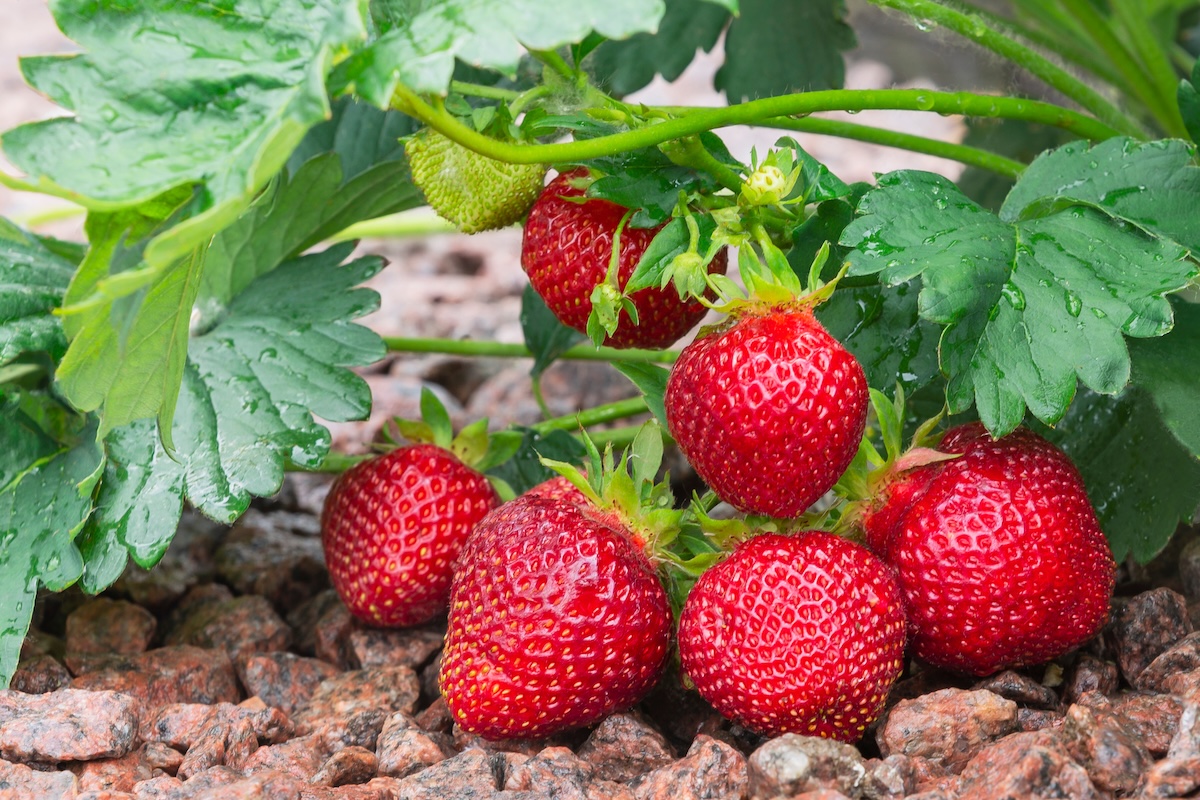
There are several types of strawberries, generally categorized by when they bear fruit. Everbearing and June-bearing varieties typically need a year or more of growing as a perennial to produce. Day-neutral strawberries can produce small berries their first year of planting from June until first frost, so they are typically grown as annuals. If you want to grow strawberries for a quick harvest, plant a day-neutral type to harvest about 60 days from transplanting. You can also plant a June- or everbearing type for the next year’s harvest.
Day-neutral Delizz strawberry fruits throughout the summer and the plant is unaffected by high temperatures. Each one is capable of producing approximately 45 strawberries. Seascape is a day-neutral strawberry known for its flavor and yield.
The Best Soil for Strawberries
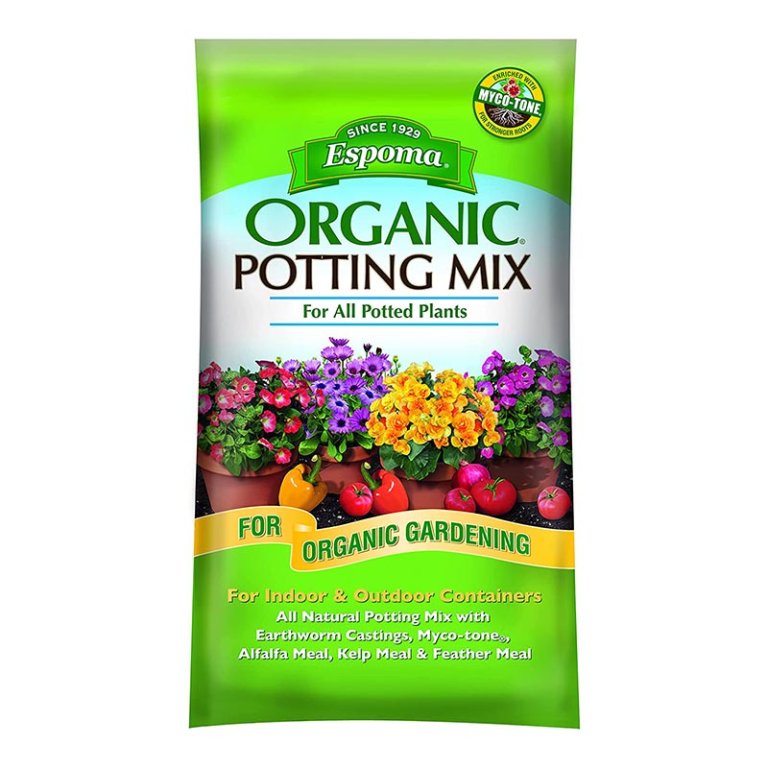
Espoma AP16 16-Quart Organic Potting Mix
Strawberries thrive in this rich, well-draining soil that contains mycorrhiza and dolomitic limestone. Read the review.
See It6. Cucumbers
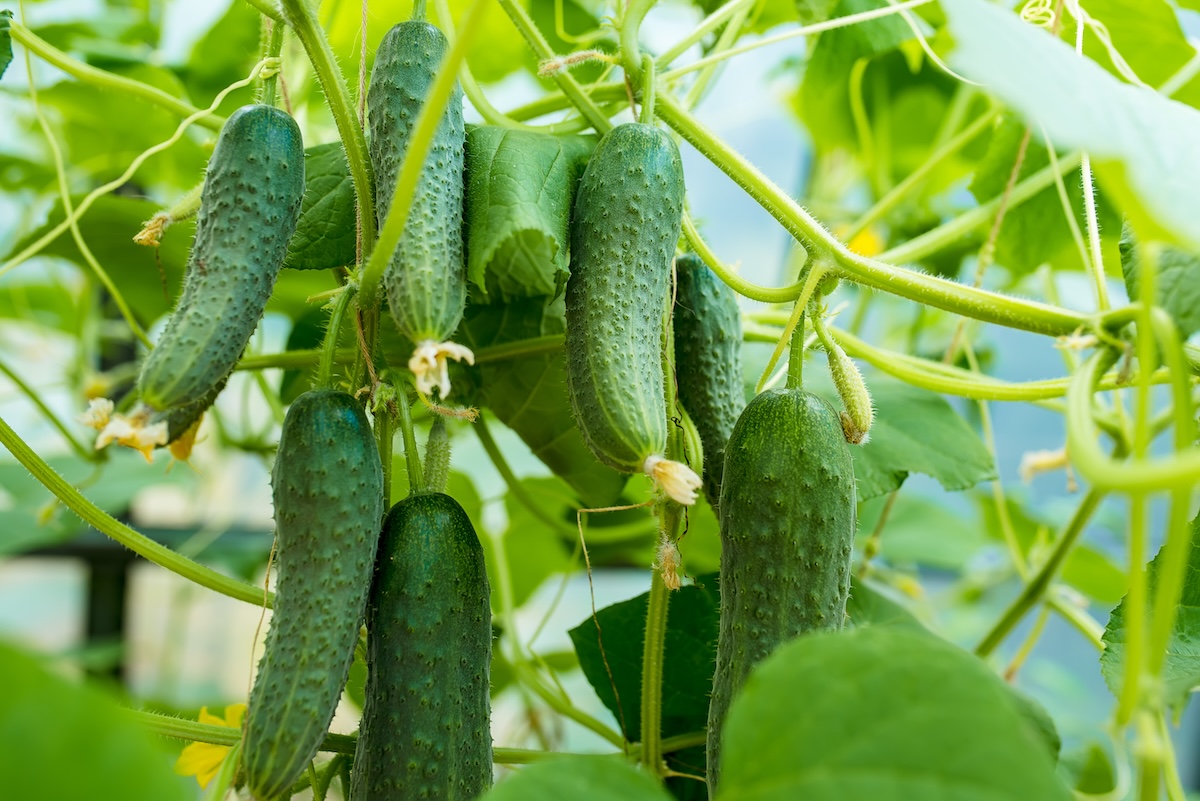
Cucumbers need heat to germinate outdoors, but once they do, some cucumber hybrids produce fruit in as little as 50 days. If you are growing cucumbers mostly for snacking or pickling, however, you can get shorter days to harvest with mini cucumbers, which grow to only 3 to 5 inches. Plant a mini and a favorite larger variety to begin picking a few weeks later.
Yielding 40 or more personal-sized fruits per plant, Green Light produces sweet 3- to 4-inch fruits in 37 to 42 days. At 80 inches long, these vining plants need some vertical space, so give them something to climb like a trellis or arbor. Green Light will grow well in containers, too, as long as they are 18 inches or more in diameter. Calypso is a 3-inch pickling cucumber ready in 50 days. For larger fruit, try Dasher II, which produces fruit about 8 inches long in 55 days.
7. Loose-Leaf Lettuce
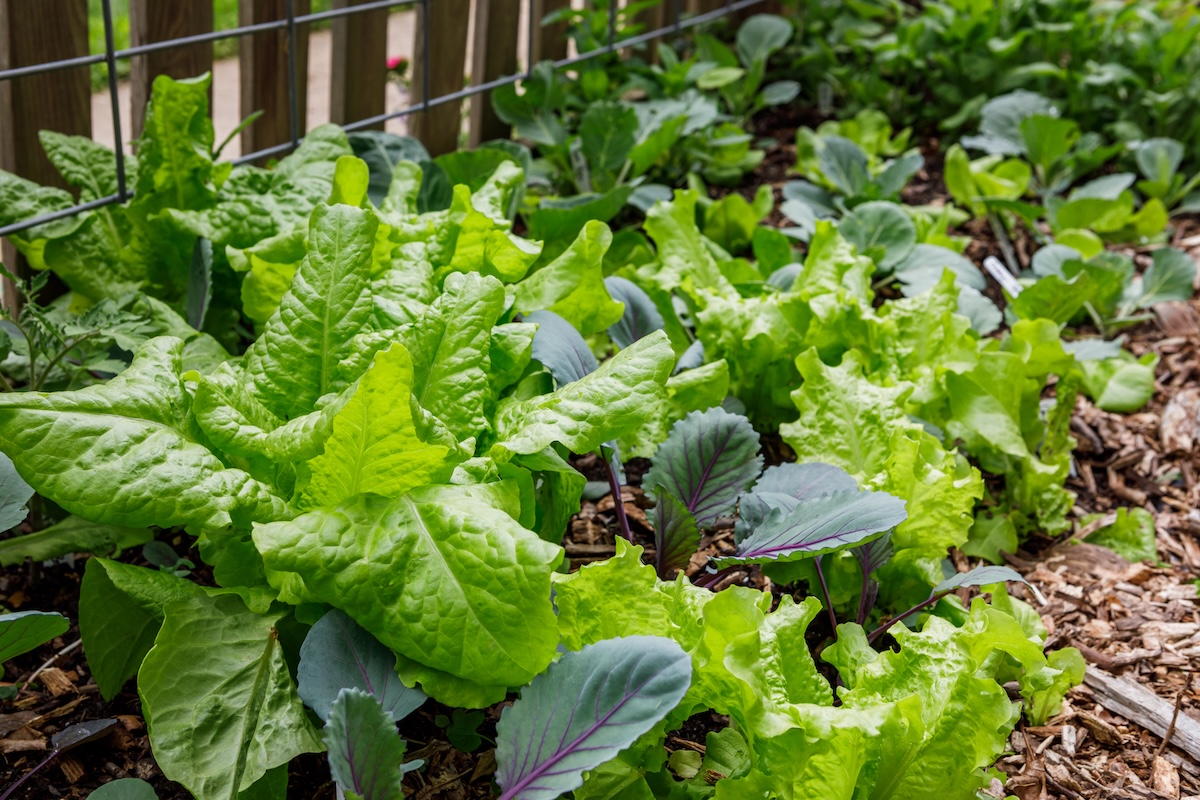
Sowing loose-leaf lettuces signals the start of many growing seasons. Start the cool-season crop in spring based on the seed packet instructions and sow a second wave in late summer. One of the beauties of loose-leaf greens is that you can harvest from the same plant multiple times (cut and come again).
Salad Bowl Blend leaf lettuce can be ready to cut in 21 to 50 days, depending on conditions. And it has a tougher constitution than some lettuces, which means you can grow this green in some heat as well without it bolting, or producing a flowering stem and becoming bitter. Plant it every 3 to 4 weeks as long as it’s taking the heat for a continuous harvest. Mesclun is another favorite blend that matures in 30 days but will bolt in heat.
8. Mini Melons
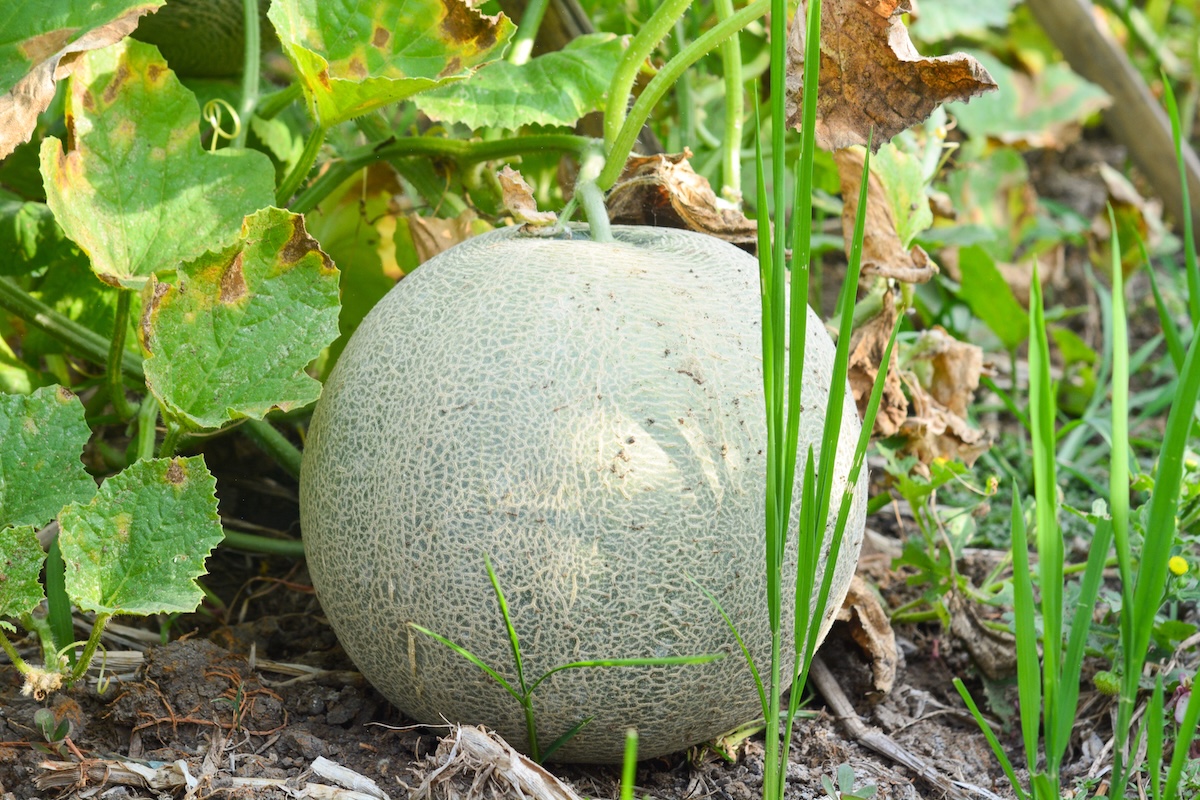
Melons are notoriously tough to grow in climates with short summer seasons, but if you choose a mini melon with a shorter harvest time (65 to 80 days), you can enjoy the sweet fruit of a cantaloupe or honeydew as summer winds down. Melon seeds need warm soil to germinate.
Minnesota Midget cantaloupe reaches about the size of a softball in 60 to 70 days with sweet fruit inside a thin rind. The plant also is compact, saving room in the garden. Golden Honeymoon honeydew is a smaller honeydew (about 3 pounds vs. up to nearly 8 for larger types) with orange flesh and an 80-day average harvest. You can even try for a watermelon harvest with Natsu Cocoa, which can ripen in about 65 days instead of the 90-day average for larger melons.
9. Basil
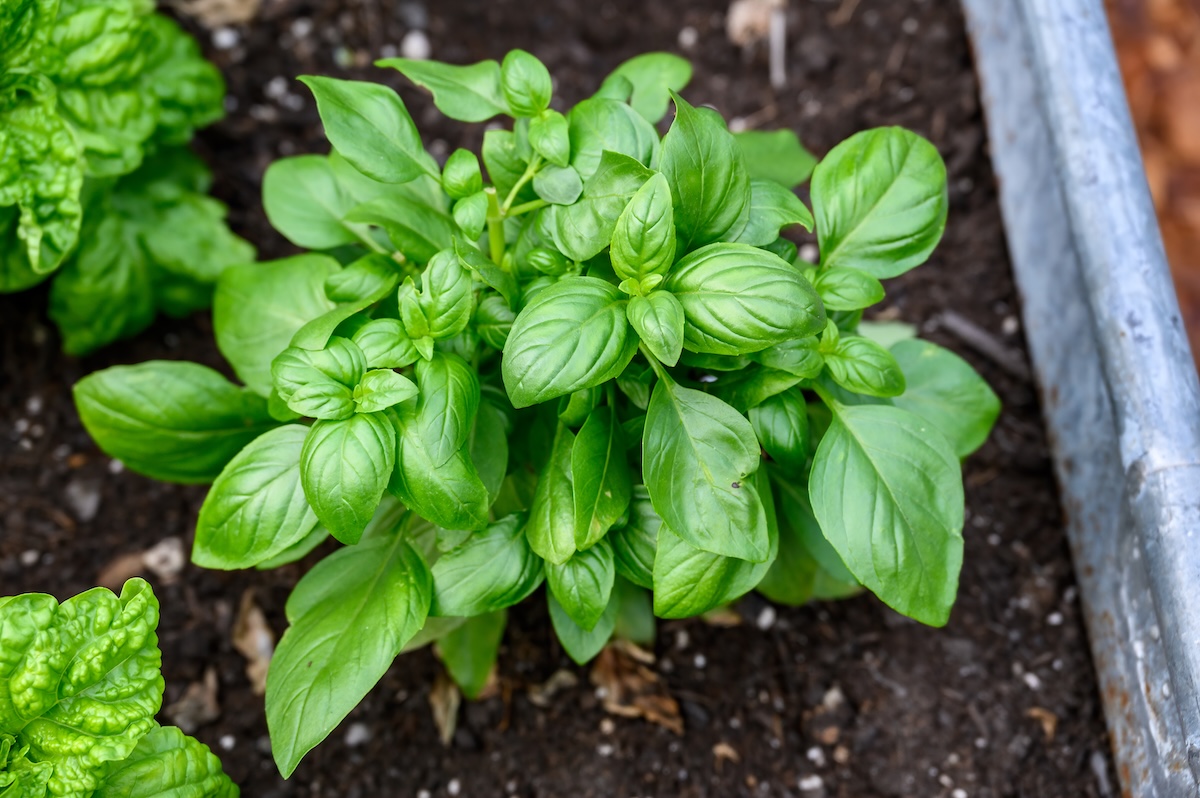
If you’re a fan of pesto or Caprese salad, you’ll want to grow basil in your garden or containers. The beauty of basil is that it’s ready to harvest as soon as it has leaves and it grows quickly. Frequent harvesting keeps flavor sweet and prevents plants from flowering, or bolting, which makes them less palatable. Basil can take 60 to 90 days to start from seed, but it starts easily indoors and transplants or does well as a purchased small plant.
Genovese basil has classic Italian flavor, and lemon basil (like the heirloom Mrs. Burns’) adds a citrusy tang to the leaves. If your palate leans toward Southeast Asian dishes, plant a Queenette Thai basil, which also is an attractive herb garden plant with purple stems.
10. Dill
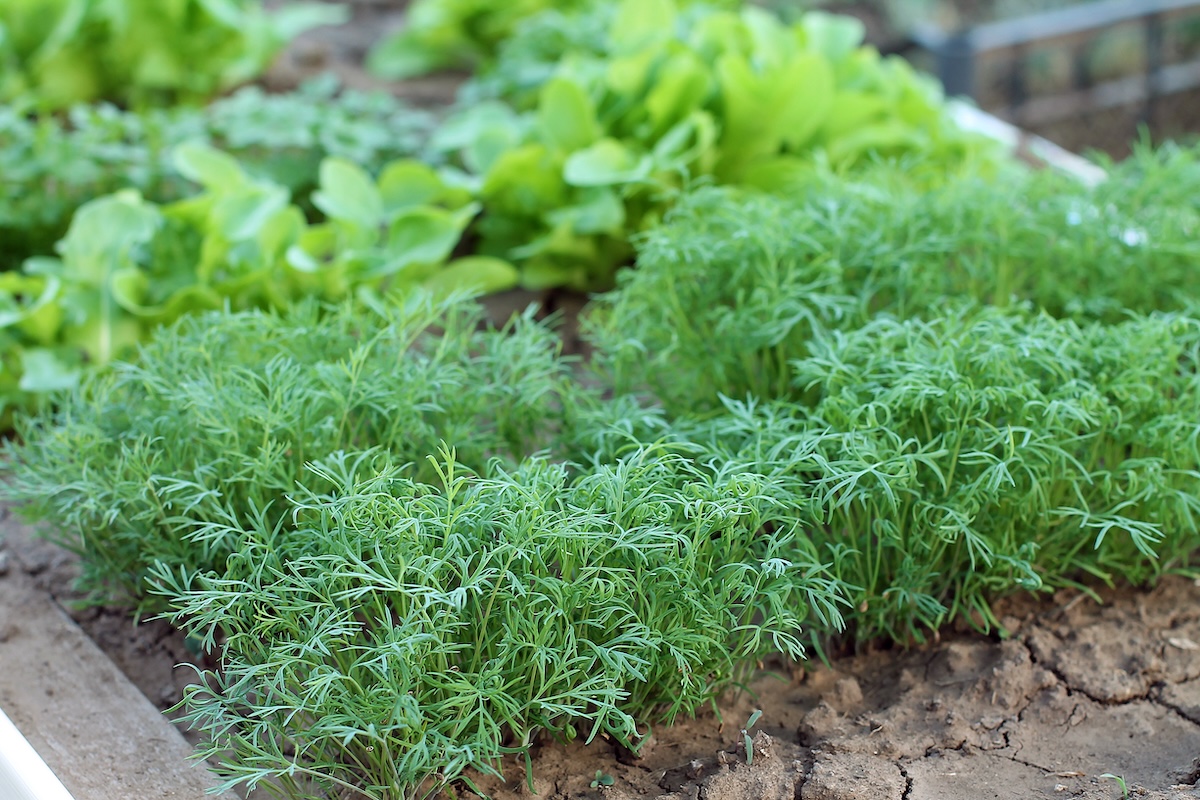
Plant some for you and some for the swallowtail butterflies that rely on host plants like dill and other members of the carrot family. Like basil, you can begin to harvest some leaves as soon as the plant begins to fill out. At just 18 inches tall, Fernleaf dill is perfect for small-space and container gardens.
Planted from seed, Fernleaf dill takes approximately 40 days to reach maturity and is slow to bolt. Pinch the flowers off as soon as you notice them to extend the life of the plant. If you prefer to harvest seeds, leave the flowers on and gather seeds after about 90 days.For larger gardens, opt for Hercules dill, which can grow to 48 inches tall, which produces even more leaves and seeds for harvesting. All dill plants are easy to grow from seed and enjoy full sun.