We may earn revenue from the products available on this page and participate in affiliate programs. Learn More ›
Deciding whether to use mulch or compost for a specific garden bed or landscape task really depends on soil and plant needs. Both compost and organic mulches are loaded with benefits and share some common qualities. “At a basic level, the difference comes down to purpose and how they’re used,” says Chris Hilgert, Colorado Master Gardener Program director and horticulture specialist for Colorado State Extension in Fort Collins.
Hilgert offers a simple way to remember the mulch vs. compost distinction: “Mulch covers the soil; compost feeds the soil.” Despite that difference, there are plenty of similarities in both gardening materials and differences in how to use them to improve the health of garden soil and plants.
What is mulch?
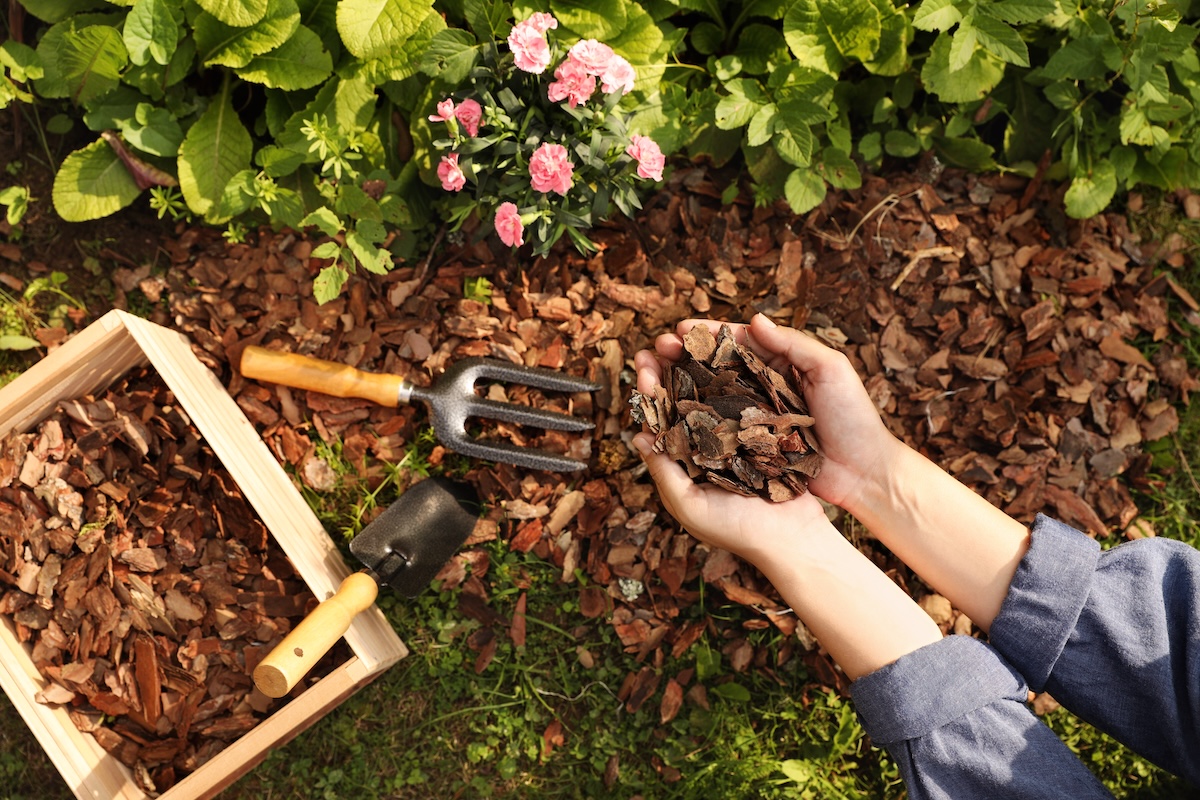
“Mulch is defined as either organic or inorganic material put over the soil to keep moisture in, weeds down, and prevent soil erosion,” says Amy Jo Detweiler, professor and extension horticulturalist in Redmond, Oregon, for Oregon State University. Mulch also can help regulate the temperature of soil or around plants and cover crops, such as placing straw mulch over strawberries in winter.
Mulches can be organic or inorganic. The difference is that organic mulches are made from natural materials that eventually decompose. Softwood chips, pine needles, leaves, and grass clippings are common examples of organic mulches. Inorganic mulches do not break down, but still can control weeds, prevent erosion, conserve soil moisture, and add visual appeal to a landscape. Gravel, pulverized rubber, and lava rocks are examples of inorganic mulches.
Why Use Mulch
Along with erosion control, “top reasons to mulch would be to keep moisture in the soil and reduce the number of weeds coming up in the landscape,” says Detweiler. Mulch is particularly helpful at suppressing weeds, since it blocks light from getting to weed seeds under its layers. You also can manage soil temperature or heat around plants and protect soil with mulch. “It keeps soil cooler in summer and more stable in winter,” says Hilgert. A layer of mulch can even protect soil from compaction caused by rain or irrigation. Finally, mulch gives a flower bed or other landscaped areas a finished and uniform look.
How to Use Mulch
Various types of mulches have qualities or benefits that affect the type you choose. For example, gravel can add heat around plants, while wood chips and bark can add a cooling layer of insulation. Some mulches blow more easily in wind or can erode with heavy water flow, factors Detweiler suggests you consider when choosing mulch, along with heat, ability to ignite, soil aeration, and erosion control.
Another consideration is how to apply mulch. “More isn’t always better,” says Hilgert. The ideal amount of most mulches is a depth of 2 to 4 inches to suppress weeds but allow oxygen exchange. Likewise, when mulching around tree trunks, you can do more harm than good if you apply the mulch incorrectly. The 3-3-3 rule for mulch “is an easy way to remember how to properly mulch around the trunk of a tree,” says Detweiler. That’s a 3-inch (or up to 4-inch) layer of mulch in a 3-foot radius around the trunk but 3 inches away from the trunk to avoid harboring insects and moisture against the tree.
What is compost?
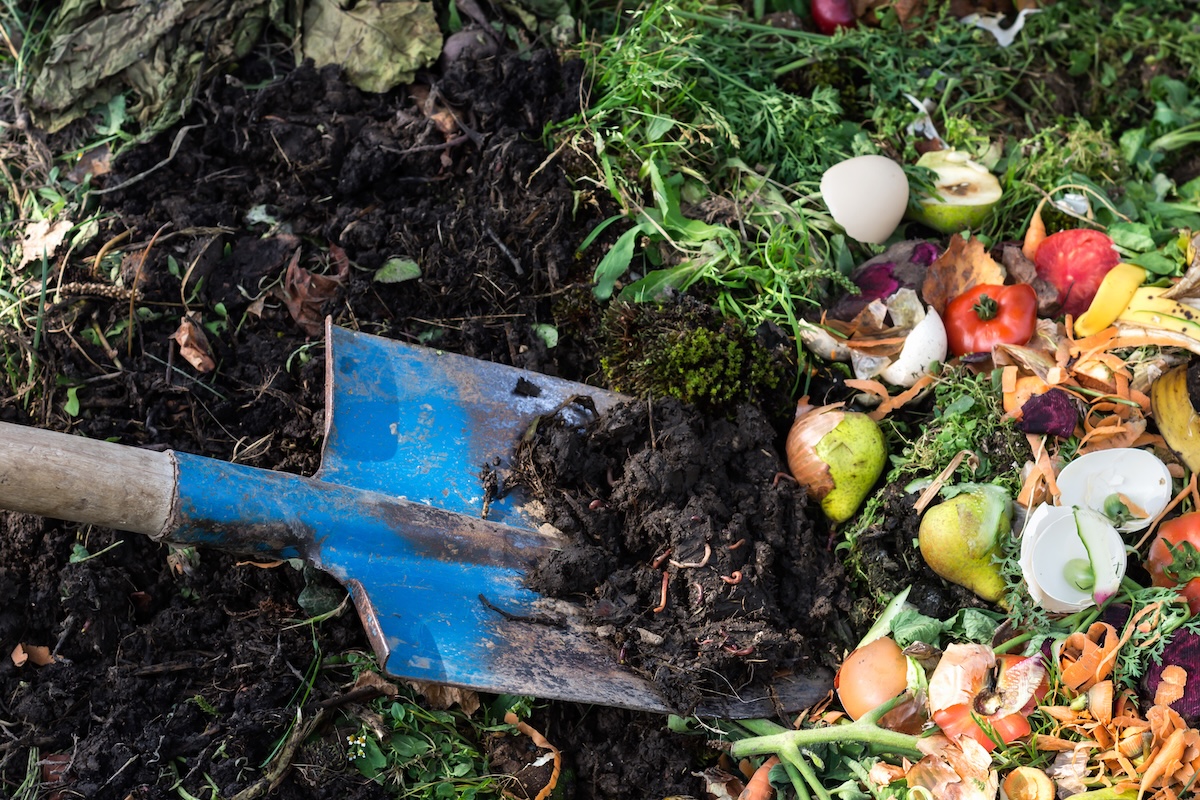
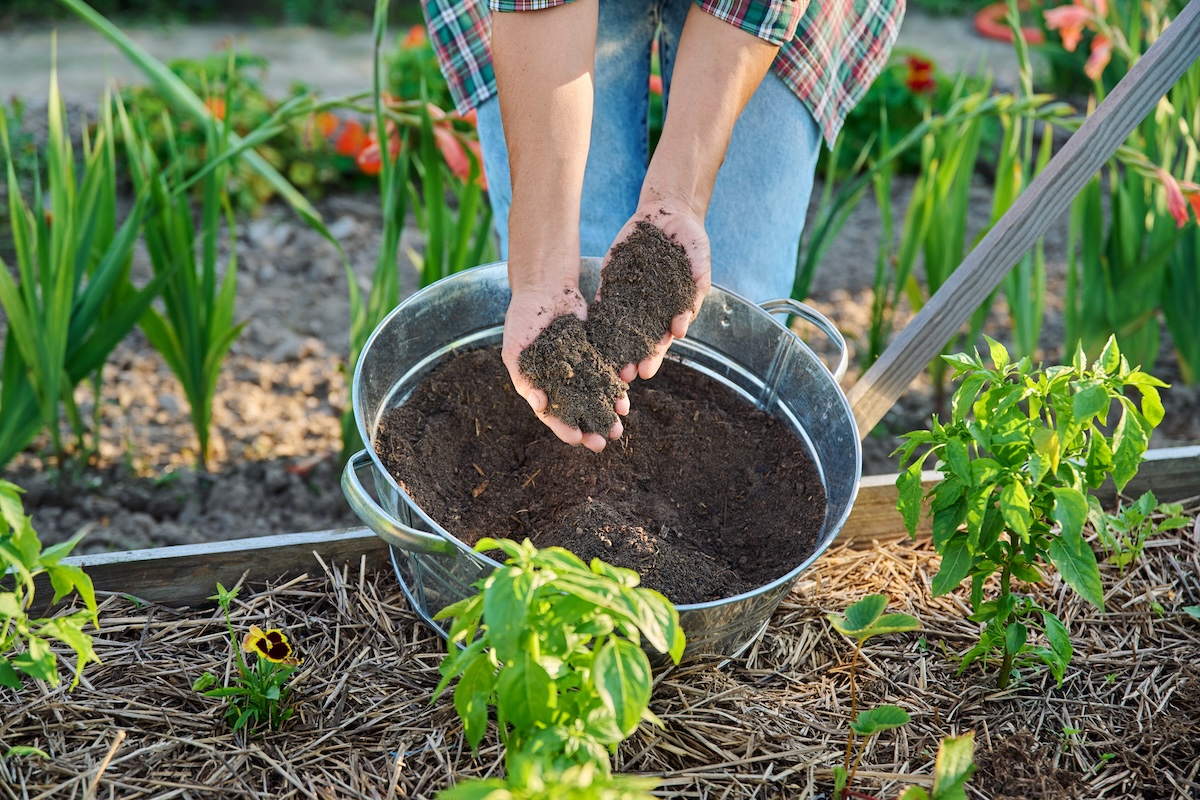
“Compost is an organic-based amendment,” says Detweiler. Gardeners mix it into the soil to improve the soil’s health and tilth (physical condition of the soil that supports root and plant growth) by adding its organic matter and nutrients. Examples of compost are worm castings, manure, decayed plant matter, and homemade compost from yard debris and kitchen scraps.
Since compost feeds the soil, it provides plenty of benefits for plants and even for soil structure. “Compost can improve clay and compacted soils by providing tilth, and improves sandy soils by increasing the soil’s ability to retain moisture,” says Hilgert.
Best Compost Tumbler
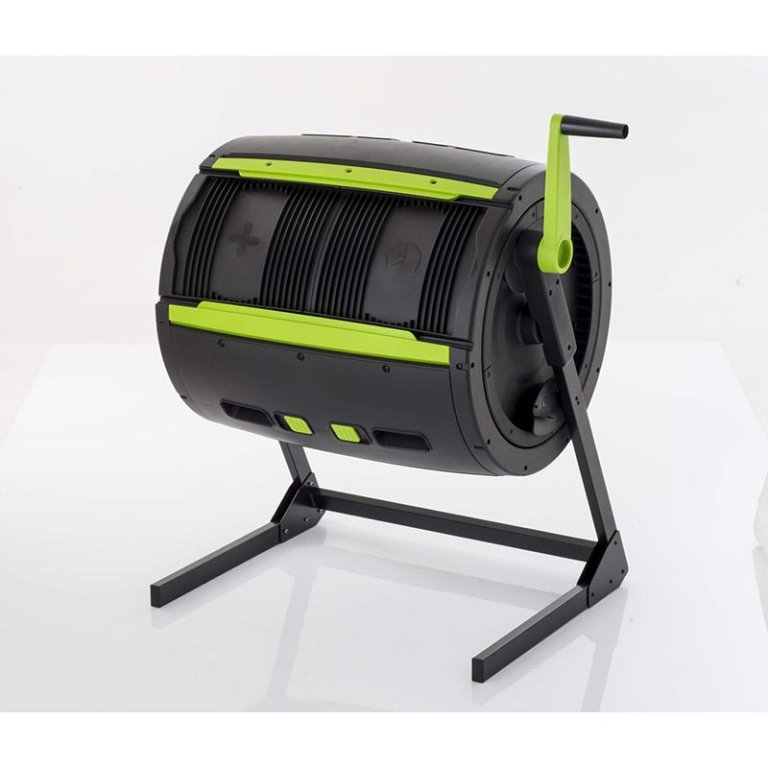
RSI Maze 65-Gallon Compost Tumbler
This 65-gallon composter has a rust-resistant, zinc-coated steel frame and is a great choice for those with larger gardens. Read the review.
See ItWhy Use Compost
Plants need excellent conditions underground to grow healthy roots and provide nutrients for leaf and fruit or flower development. That means the soil needs air, water, and organic material for nutrients. “Compost is most useful when your goal is to improve soil quality,” says Hilgert.
Some of the top reasons to add compost to soil include:
- Establishing new garden beds to start microbial activity and prepare soil.
- Improve soil structure and drainage (compacted or clay soils) before planting.
- Improve water-holding ability in sandy soils.
- Add organic matter to poor or disturbed soils.
How to Use Compost
You can add compost any time of year, says Detweiler, as “in a vegetable garden, late fall to break down over winter or in spring to ‘feed’ the soil by adding organic matter to the planting area.” There is no reason to add compost every year “just because,” says Hilgert. If the soil already is rich, adding compost regularly could build up excessive nutrients, especially phosphorus, he says. You also shouldn’t need compost for many native and drought-tolerant plants, which prefer lean soils. Adding compost for them might provide “little or no benefit,” says Hilgert.
In general, however, compost seldom causes any trouble unless a commercial compost contains weed seeds, or a neighbor’s free manure has herbicide residue. Likewise, compost you make in a bin or purchase needs to be ready for use. If it hasn’t finished breaking down, compost can compete with plants for nitrogen. Aim for dark and crumbly compost without large pieces. And if you are adding manure as compost, “make sure it is well aged by several months so that it is not too high in nitrogen,” says Detweiler.
Differences Between Mulch and Compost
With the benefits of mulch and compost in mind, it helps to emphasize a few differences between these handy gardening materials and how best to use them. Remember the simple difference between how they go in a garden bed, for example, when deciding whether to add compost vs. mulch. Mulch covers soil, and compost is worked into soil.
Compost and mulch differ in purpose and application.
You might hear advice about top-dressing a plant with compost, but that refers to merely scattering organic compost and gently working it into the top layer of soil. Although technically, you can mulch with compost, it’s best to work it into the ground. A thick layer of compost on top of soil can trap moisture during humid periods. “It will also be fertile ground for weed seeds to germinate,” says Detweiler. Mulch goes on thicker and can protect the soil below, but is not an amendment to improve or feed soil when planting.
Mulch takes longer to decompose and improve soil than does compost.
A value to organic mulches is that they eventually break down into the soil.”So yes, mulch can serve both roles, just on different timelines,” says Hilgert. Adding bark or pecan shells as a mulch layer above the ground can feed the soil many years out, not in a single planting season. By comparison, compost already has decomposed and is full of various micronutrients to mix into soil below plants.
Composts are organic, but some mulches are not.
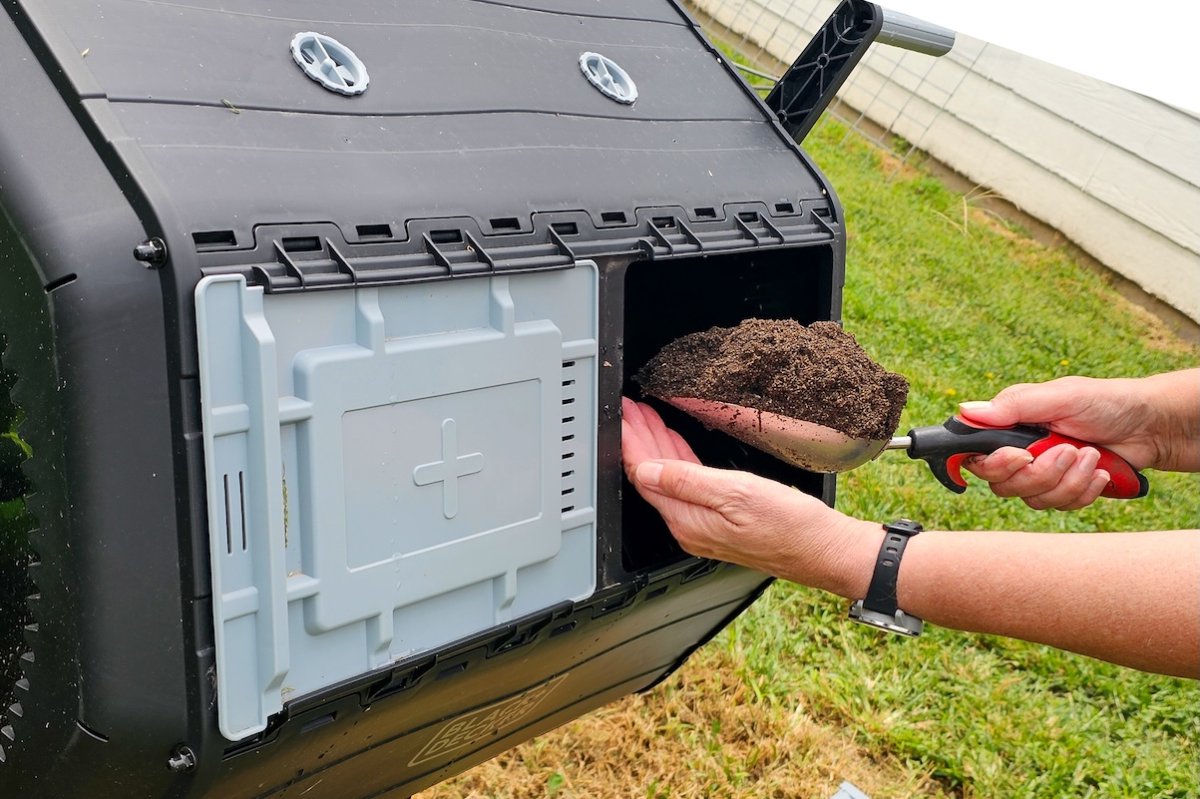
All composts have some form of organic matter and nutrients created by decomposition of plants, food, or plant or animal waste. You can choose composts that help amend nutrient-deficient soil or simply to help filtrate water and air through compacted ground, for example. It should always be natural and already decomposed.
The best mulches can be organic or inorganic and there are good uses for both. Although it makes sense to use organic mulches to improve soil over time, there are plenty of situations that call for inorganic material. “Some mulches, especially pine needles and bark, can be flammable and are not recommended in fire-prone areas,” says Hilgert. He says rock and gravel are better fire-wise options, yet they still can help protect soil below, retain soil moisture, and suppress weeds naturally.
Mulch can serve aesthetic purposes, but compost works underground.
You can’t really see the benefits of your compost immediately; and how it looks is not a consideration so much as how it works. On the other hand, mulch protects the soil below and helps retain moisture, but it’s a highly visible addition to a landscape. In fact, mulch can be an integral part of a landscape design, adding color, texture, and even a softer place for kids to land.
Similarities Between Mulch and Compost
Despite the difference between mulch and compost, using both ranks as one of the best things you can do for your garden. Both support plant health and neither excludes use of the other. In other words, a particular area might benefit from both compost to improve soil and mulch to protect it.
Both organic materials improve soil over time.
Compost is made of decayed organic material, and organic mulches are made of organic or inorganic materials in larger pieces. Both compost and organic mulches improve soil over time. Adding compost to poor soils can improve the structure and replace nutrients used up by plants, especially for what Hilgert calls “high-turnover systems that benefit from regular additions of organic matter and nutrients,” such as annual or vegetable beds. Organic mulches, “can do some of the same ‘feeding’ role as compost, just much more slowly,” says Hilgert.
Both can improve moisture dynamics and help conserve water.
Plants and their roots need more than just fertile soil to stay healthy or produce flowers and fruit. Soil must help move moisture to hydrate roots but also drain, and be loose enough that roots can get through. Too much water suffocates plants, but too little fails to support plant growth. Organic matter like compost improves soil structure, supports root development, and encourages a healthy cycle of nutrients and earthworms.
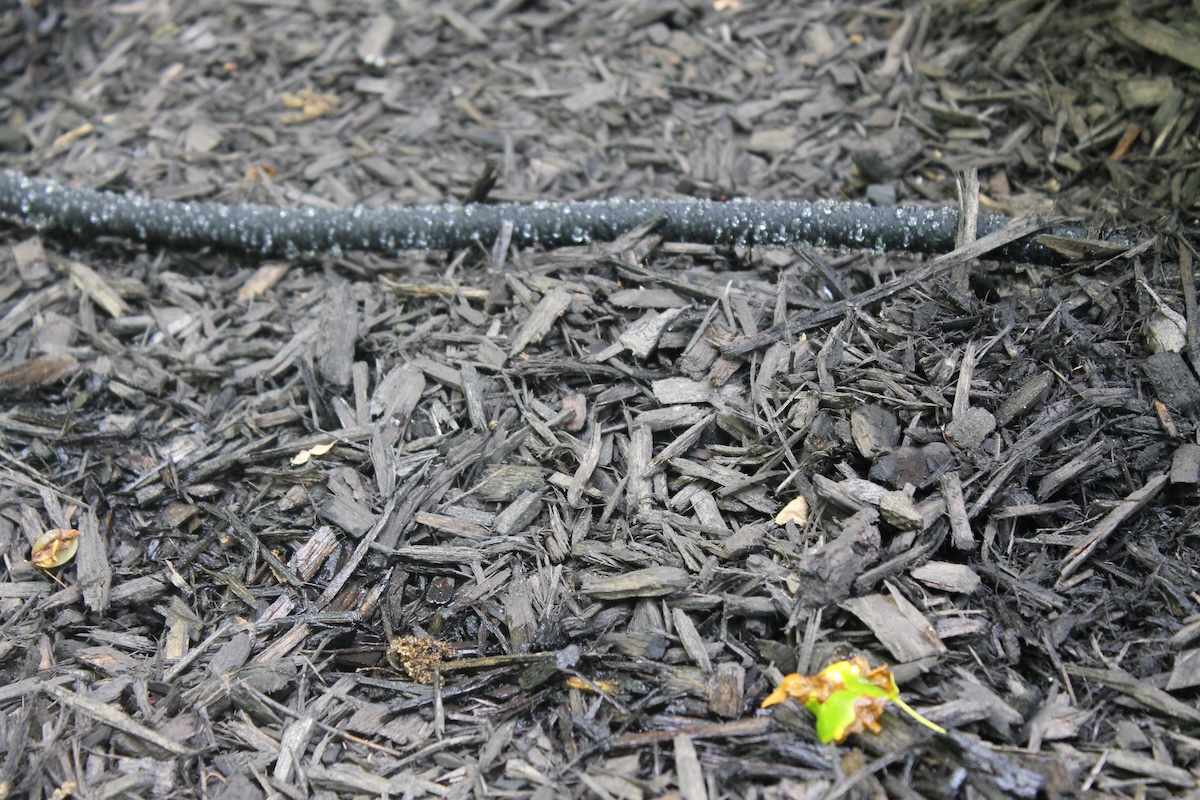
Since water evaporates at the soil surface, mulch serves a critical role in helping irrigation slow evaporation and allow water to trickle down into the soil. The ability of mulches to lower soil-level evaporation can even help extend time between irrigation, conserving water in the long run.
Both mulch and compost will likely need periodic replacement.
Hilgert says one disadvantage of mulch is that it “needs periodic replenishment as it decomposes or blows away.” This can add to cost and maintenance. Selecting the right mulch type for a given bed or situation can slow loss to wind or erosion. Compost also breaks down over time, and high-turnover beds might need regular replacement with organic matter. However, you might reach a point where a perennial bed or native planting area needs no additional compost.
Choosing Between Mulch and Compost
| Which should I use to… | Mulch | Compost |
| Suppress weeds | ✔ | |
| Nourish plants | ✔ | |
| Quickly improve soil in garden beds | ✔ | |
| Improve soil over time | ✔ | ✔ |
| Improve appearance of beds | ✔ | |
| Improve water efficiency | ✔ | ✔ |
When you are trying to decide on mulch vs. compost for your garden, consider the most important goal you have for the soil, like whether to nourish plants in a growing season, or to suppress weeds. There are plenty of situations where you might use both compost and mulch in your landscape—mix in organic compost and add a layer of mulch above the soil so plants can enjoy the benefits of both.