We may earn revenue from the products available on this page and participate in affiliate programs. Learn More ›
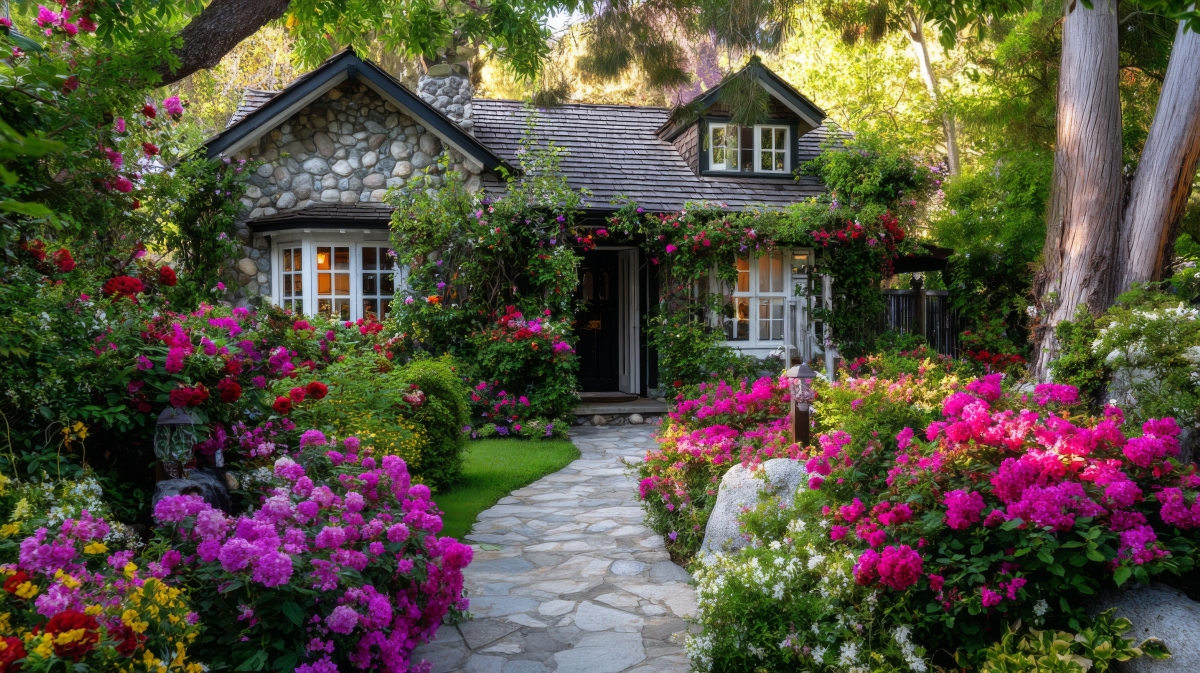
Tall plants make excellent backdrops for shorter shrubs or flowers in the landscape; their lankiness complements other plants’ textures, colors and, of course, heights. Because they can steal the spotlight (and the sunlight) from other plants in the garden, I usually set them at the back of a garden bed. There, they don’t cast my other flowers in the shade.
Tall plants can conceal less appealing features of my landscape, such as the shaggy junipers I never get around to trimming. If, like me, you need towering greenery to add variety to boring beds, or as a screen for the less desirable areas of your property, consider this collection of annuals, biennials, and perennials that can reach 6 feet or more.
1. Canna (Canna spp.)
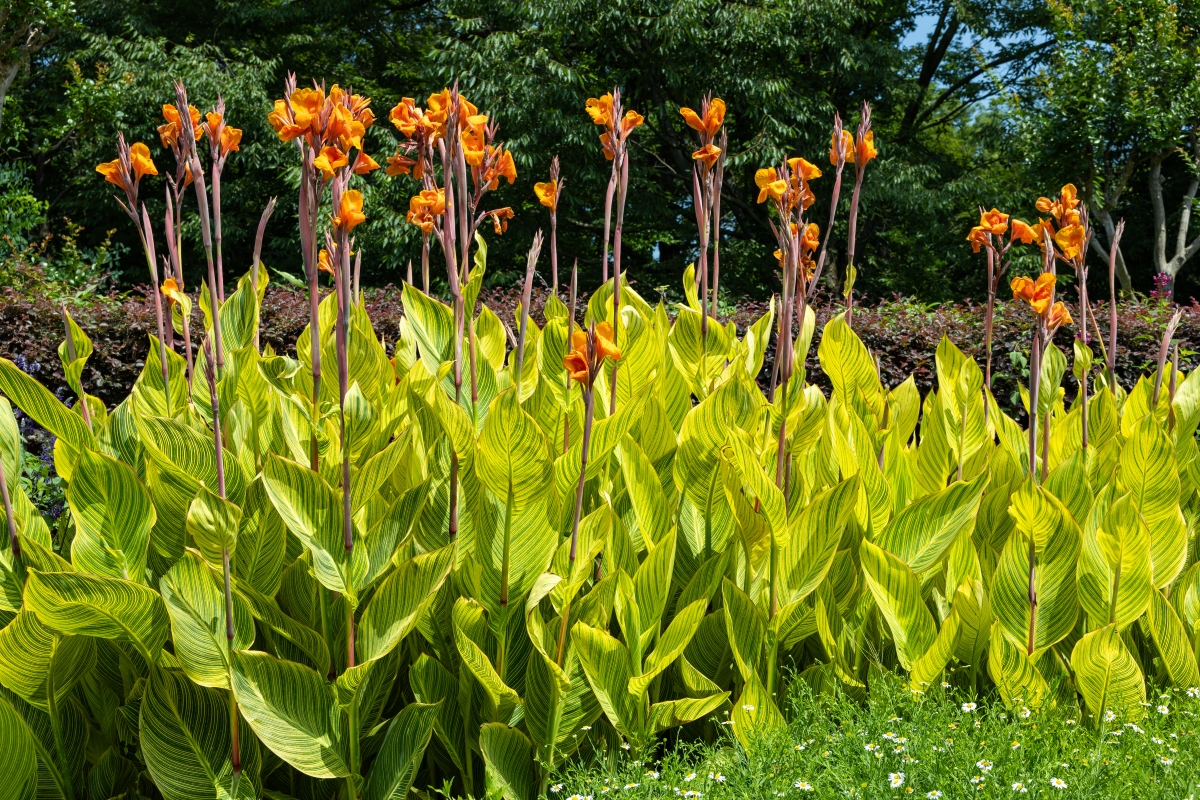
Popular for their tropical vibe and a mainstay of Victorian gardens, canna hybrids virtually vibrate with color that shows up at a distance thanks to their bright blooms and large leaves that often have stripes or variegation. Except for dwarf types, cannas typically grow from 3 to 8 feet high and prefer rich, well-watered soil and full sun. They are hardy in USDA zones 8 and higher, and some can survive down to Zone 7 if mulched for winter. In colder zones such as mine, however, canna rhizomes must be dug up in the fall, overwintered indoors, and replanted in late spring.
2. Cardoon (Cynara cardunculus)
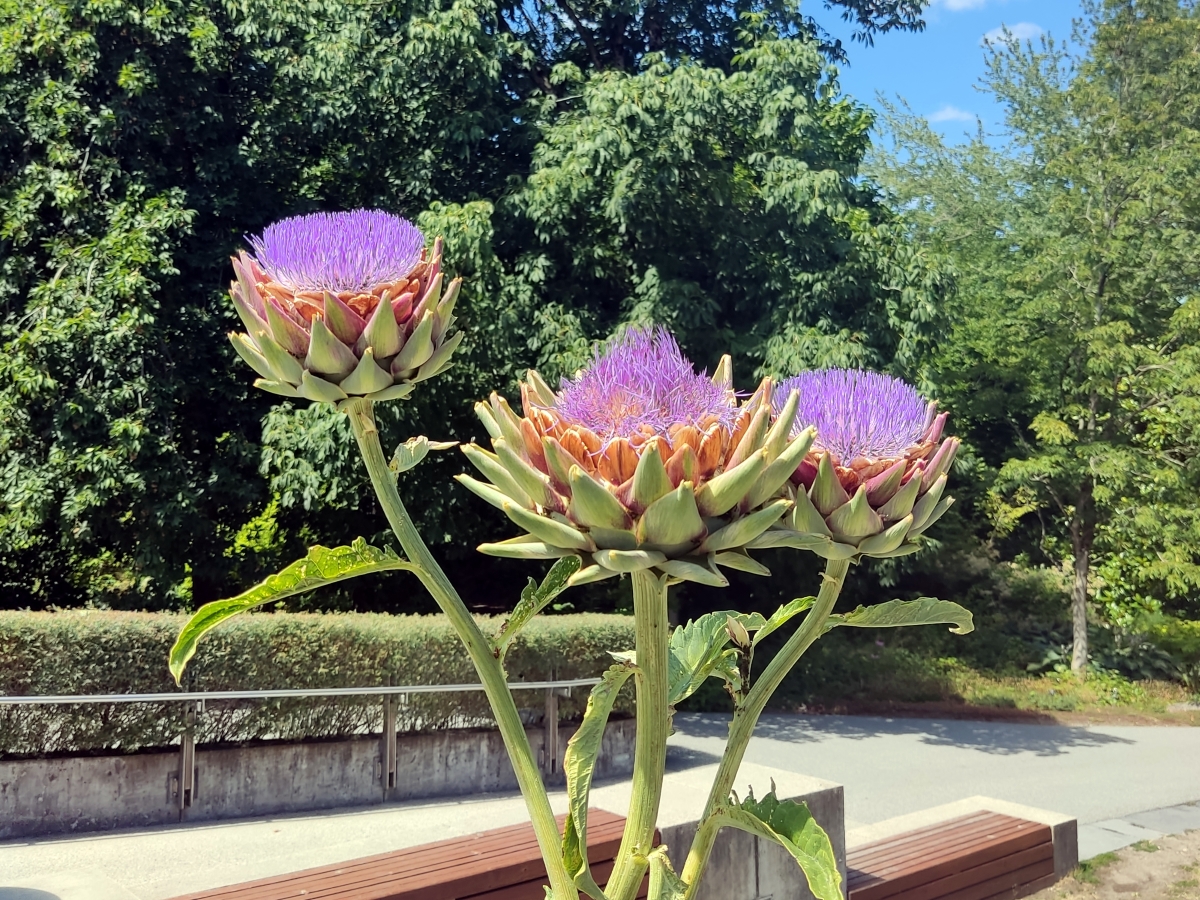
Although they sometimes are considered the bitter little brothers of globe artichokes, in my opinion thistly cardoons needn’t get prickly about the comparison. Their 3-inch purple blooms are smaller than those of artichokes, yet cardoons actually can grow taller (to 6 feet) than artichokes do, with rosettes of showy and spiny gray-green leaves. Their stalks, not the flower buds, are edible but must be blanched before you eat them. Appropriate for the vegetable garden as well as the cutting garden, cardoons prefer full sun and fertile soil and are perennial in USDA zones 7 through 10. Just check with local experts to see if it’s invasive in your area.
3. Castor Bean (Ricinus communis)
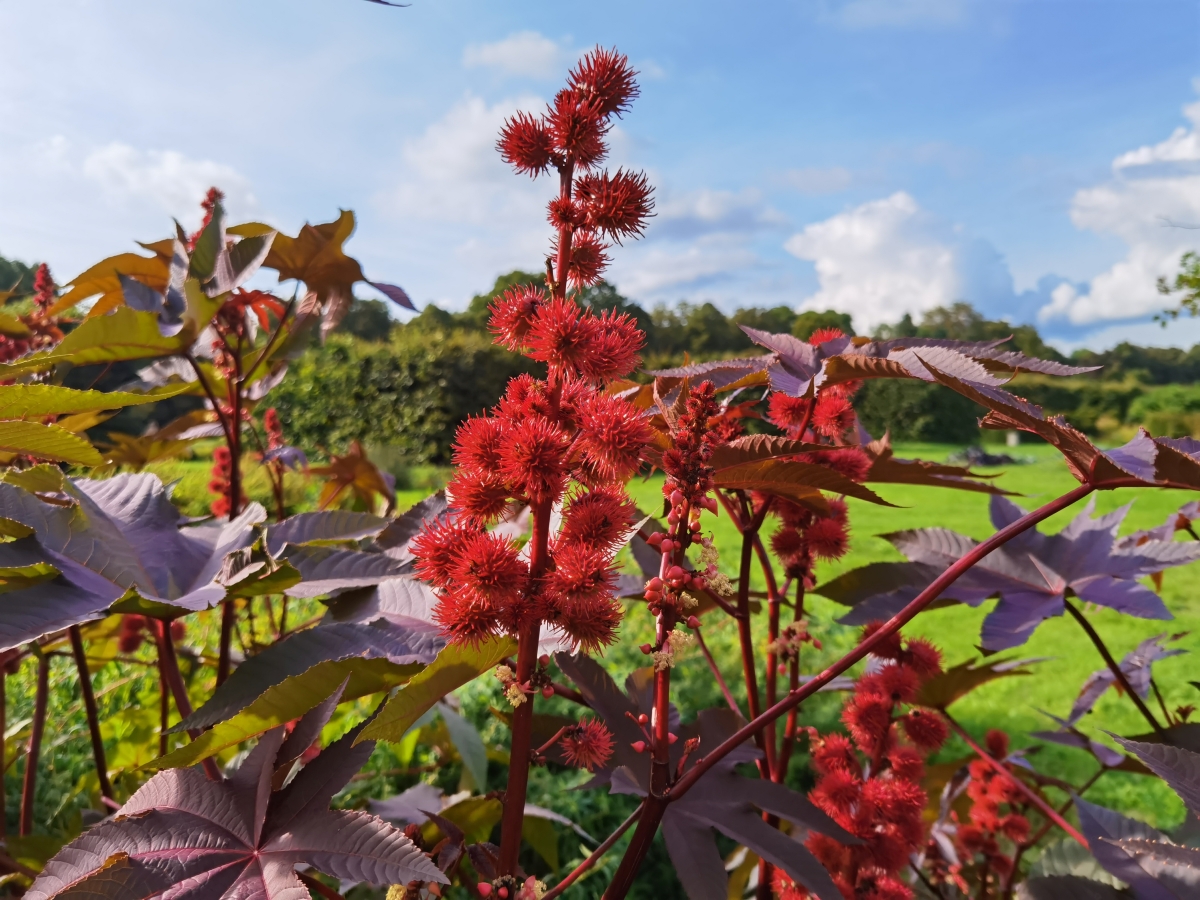
Another of the tropical species popular with Victorian gardeners, castor bean plants can shoot up to 15 feet tall over summer with lots of sun and rich soil. course of one summer with lobed leaves 3 feet across. Hardy only in USDA zones 9 through 11 where they can be invasive, but usually grown as annuals, some cultivars produce maroon or purple foliage (up to 3 feet across) with prickly clusters of seed pods that often glow scarlet. I wouldn’t plant this near children or pets and would snip off the seed pods, since the ricin in castor beans is highly toxic, as are the plants that produce them.
4. Cutleaf Coneflower (Rudbeckia laciniata)
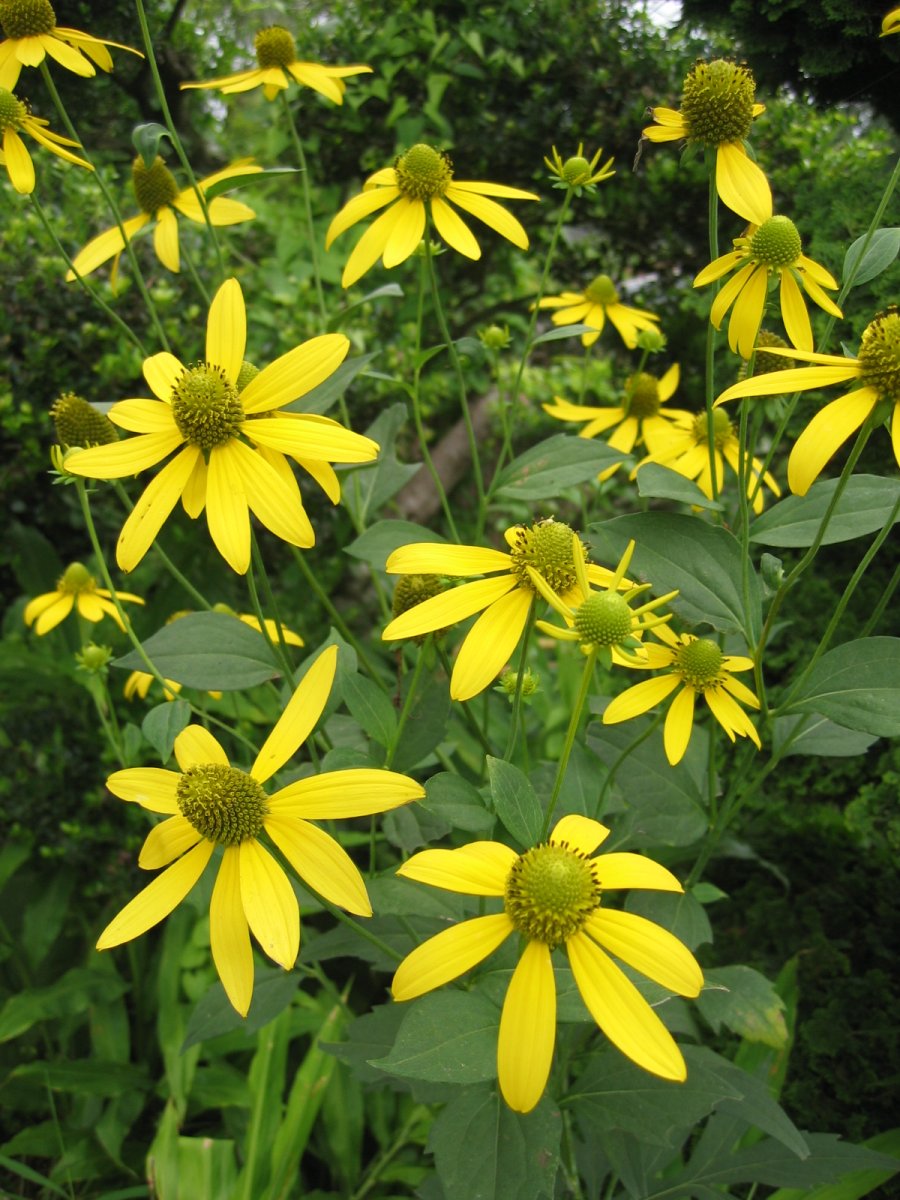
Although rudbeckias usually don’t attain exceptional heights, R. laciniata cultivars such as the perennial double-flowered Hortensia, or Golden Glow, can grow to 10 feet tall. Along with hollyhocks, cutleaf coneflowers used to be popular picks for outhouse beautification in USDA zones 3 through 10. Although these particular “black-eyed Susans” don’t actually have black eyes, I like their bouffant look and their ability to bloom from mid- to late summer in full sun or partial shade. The single type also provides a more positive interpretation of “the green-eyed monster” idiom in a wildflower garden.
5. Delphinium (Delphinium elatum strains)
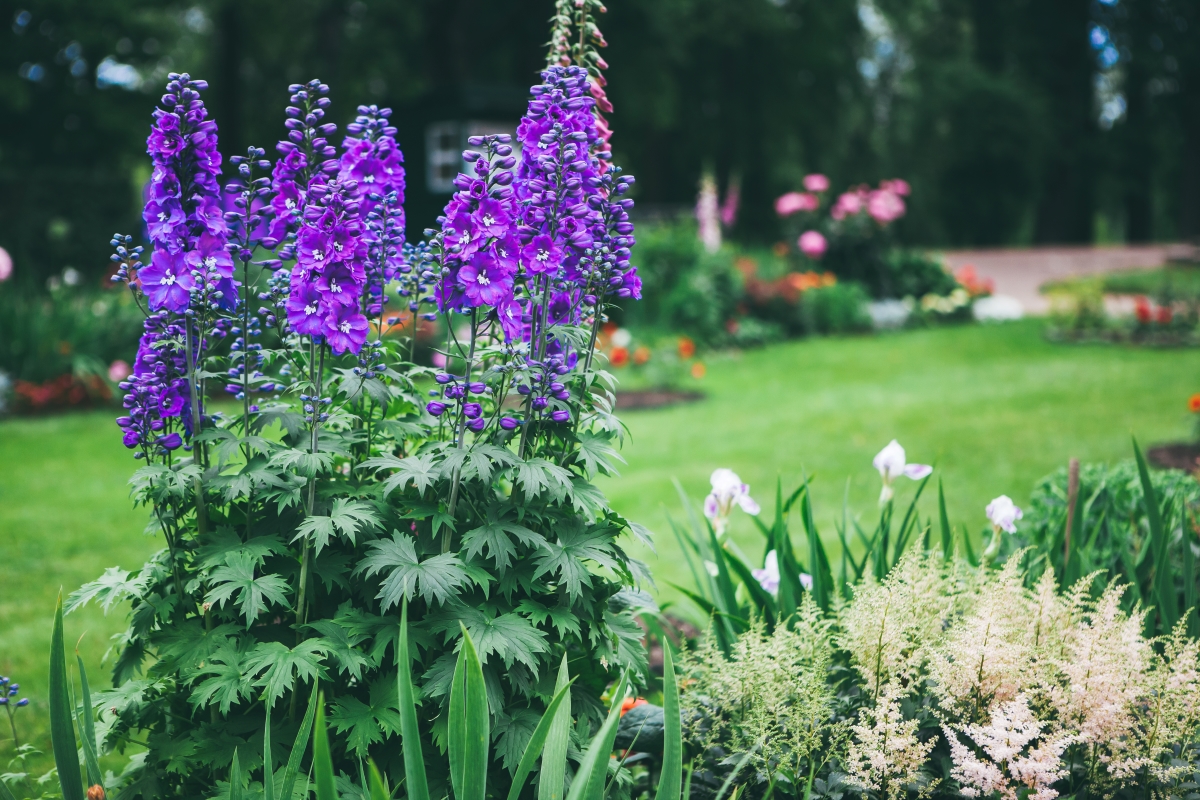
Among the first perennials I ever grew, delphiniums make spires of blooms with furry “bees” at their centers. I probably was entranced by their true-blue flowers, as many blooms called “blue” actually are purple instead. But delphiniums also come in shades of purple as well as blue, white, and pink. When planted in rich soil in cool-summer climes, they can grow up to at least 6 feet tall and are hardy in USDA zones 3 to 7. Delphiniums aren’t picky about light and thrive in both sun and partial shade. They are toxic to people and animals, though, so those of you with children or pets might want to plant less dangerous blooms.
6. Foxglove (Digitalis purpurea)
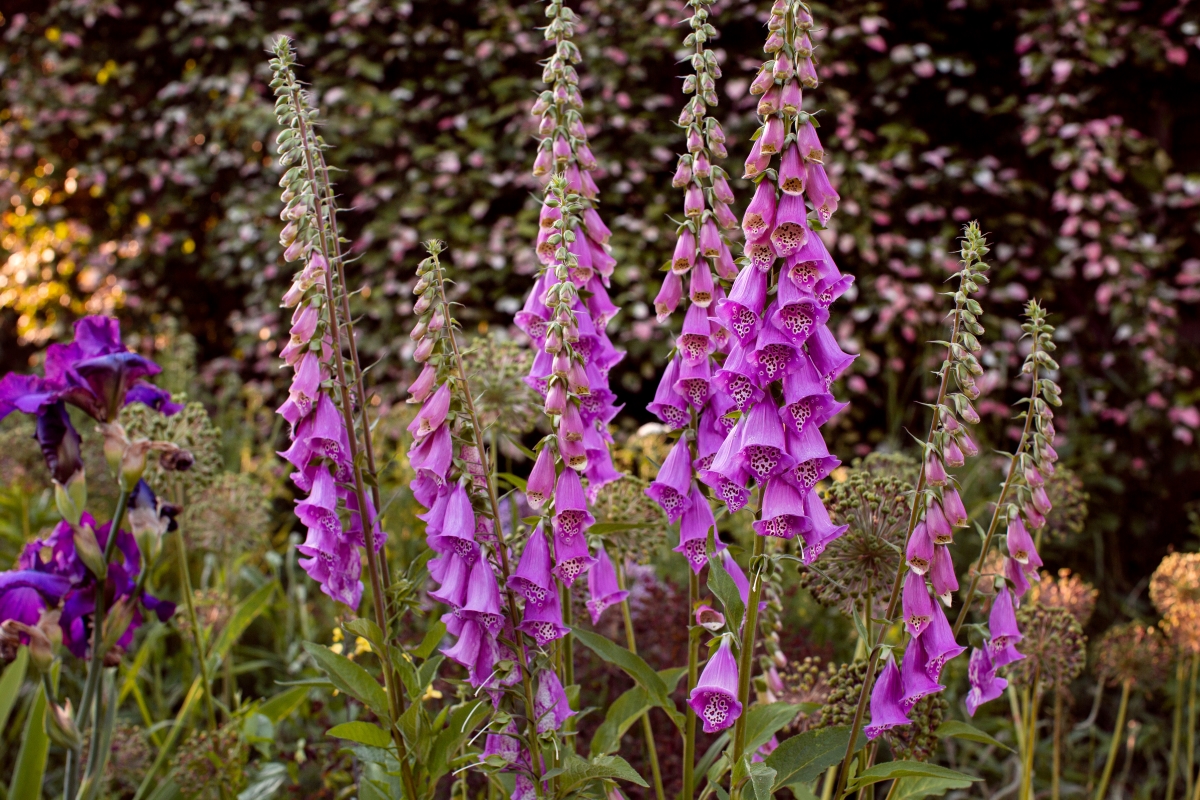
With stalks of beauty-spotted flowers shaped as if to cup fingertips, these biennials can grow to nearly 6 feet and add svelte glamour to a shade garden or cottage garden. Grown in USDA zones 4 through 8, foxgloves don’t like excessive heat and I’ve found them to be one of the few plants that thrive in dry shade. Chemicals from these floral femme fatales are the source of the heart medicine digoxin, and the entire plant is highly toxic. Therefore, foxgloves probably aren’t a good choice for families whose young children may want to play with those fingertip-fitting blooms.
7. Hibiscus (Hibiscus moscheutos)
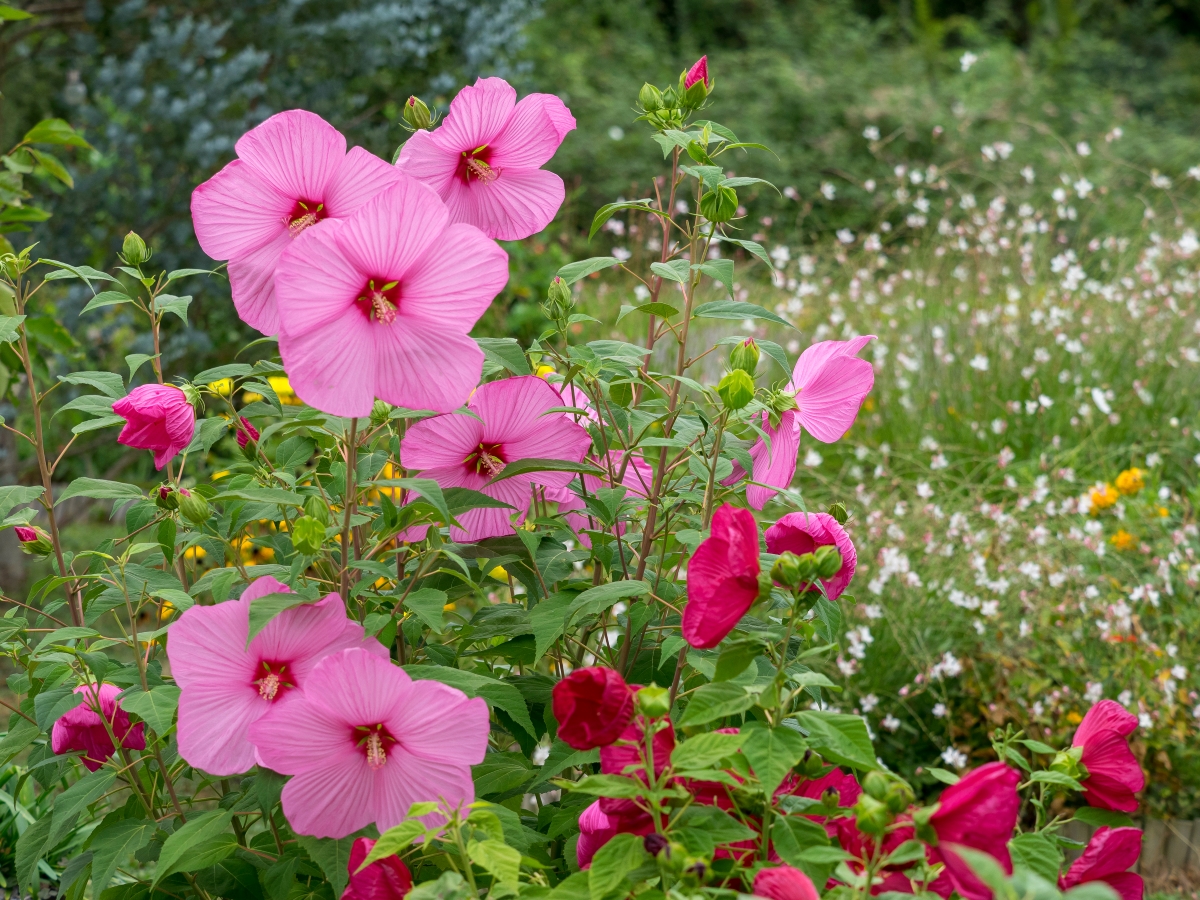
Growing up to 7 feet tall with flowers the size of dinner plates, perennial hibiscuses aren’t wallflowers or shrinking violets. For gardeners who prefer stunning to subtle, these plants suit the bill if they’re given full sun and slightly acidic soil, along with with hibiscus fertilizer. I’ve noticed that hibiscus plants, perennial in USDA zones 5 through 9, are usually slow to emerge from their winter hibernation at the colder end of that range. In my zone, the plants generally flower in late summer, but are definitely worth the wait! They can bloom all summer in warmer zones.
8. Hollyhock (Alcea rosea)
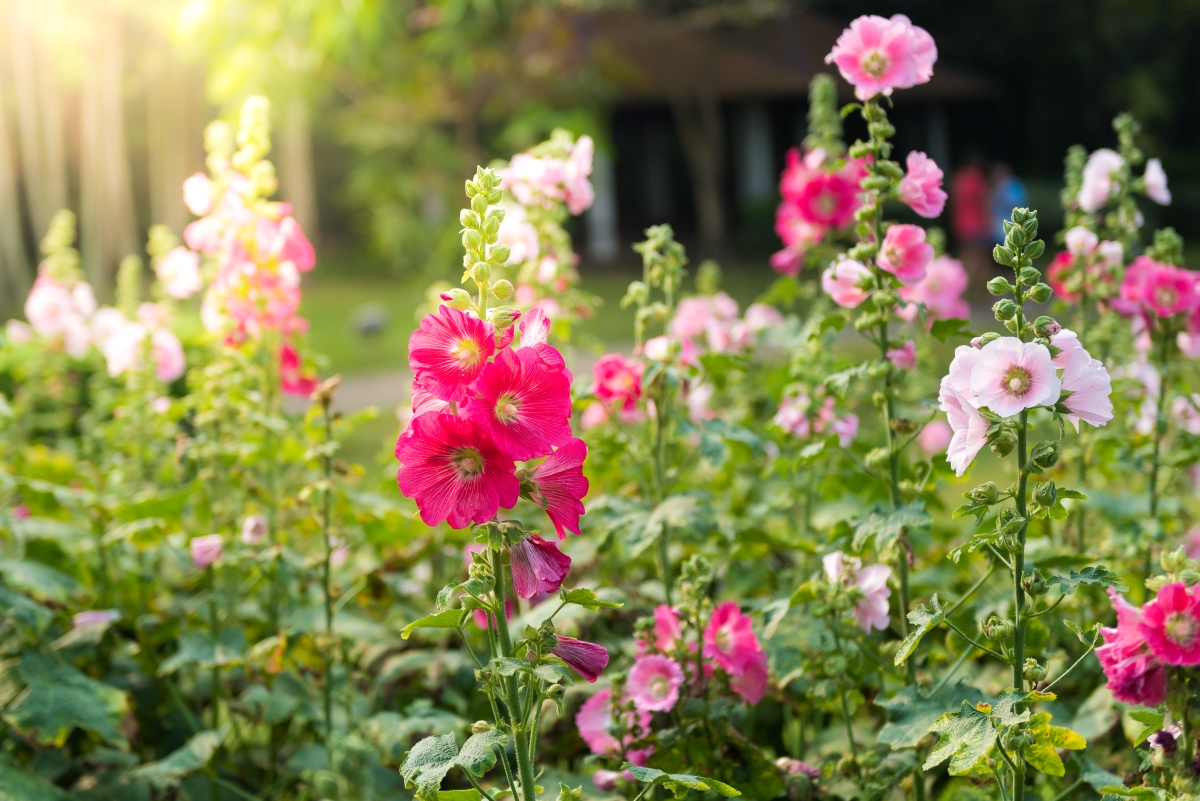
Hollyhocks aren’t hollies, nor are they as widely hawked as they once were when used as pretty screens for outhouses. Still, I’ve found that these charming old-fashioned biennial cousins to hibiscus can reach 9 feet high in USDA zones 4 through 10, stacking 3- to 6-inch single or double flowers into towers of blooms. A cottage garden favorite, they prefer full sun, protection from wind, and soil that’s on the heavy side to keep them upright. In zones where that soil often is wet, you might need to stake them to keep them standing. Planted thickly, hollyhocks are a stunning alternative to shrubs or small trees for privacy.
9. Red Hot Poker (Kniphofia spp.)
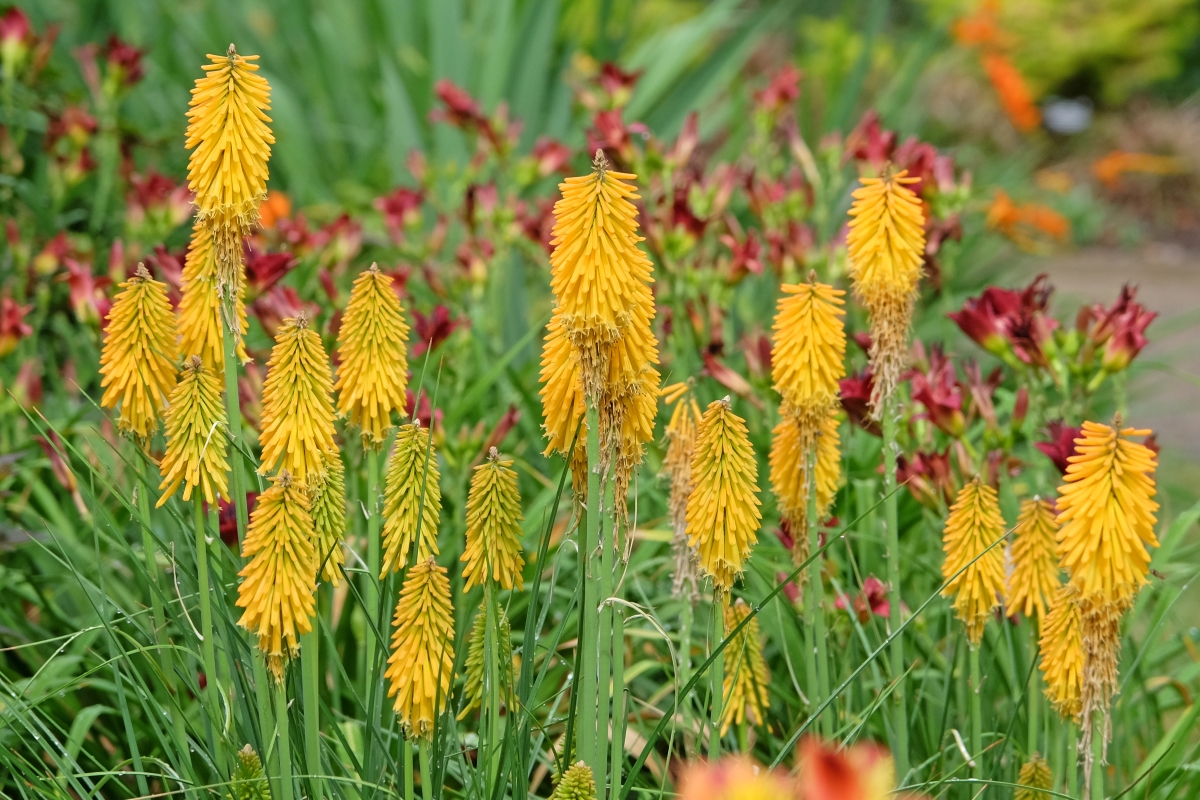
Cylindrical spikes composed of tubular flowers make up this plant’s pokers. The spikes look like they have been thrust into smoldering embers, often glowing red at the tip and white-hot lower down. I first spied them “poking” way up from grassy foliage in a friend’s garden. Large varieties can reach a height of 6 feet. Except for K. uvaria, which is hardy to USDA Zone 5, most red hot poker species only are perennial in zones 7 through 10. Another of the tropicals appropriate for a Victorian garden, they were introduced about that time, and prefer full sun and well-draining soil.
10. Sunflower (Helianthus annuus)
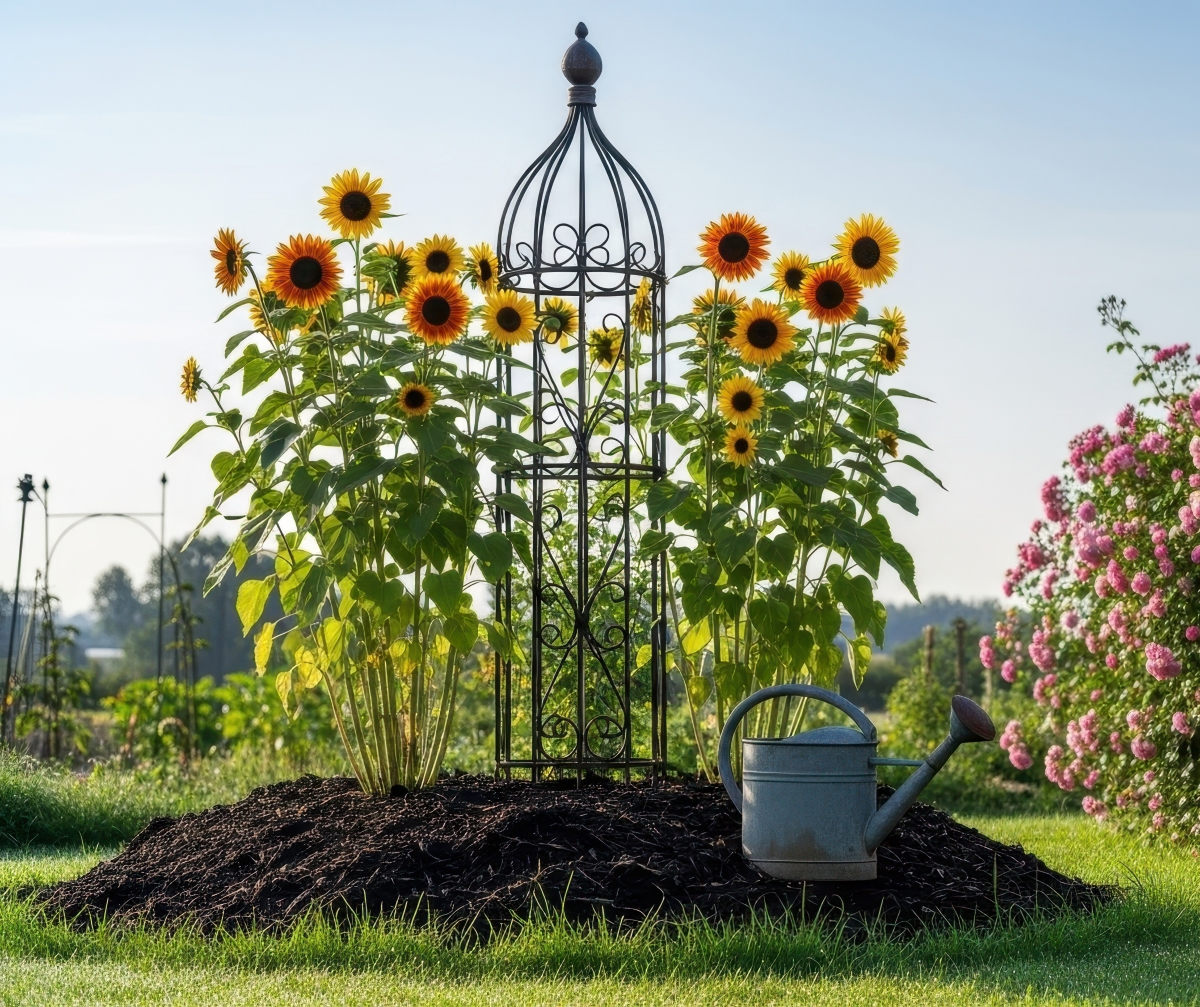
Annual sunflowers reach for the sun, whose beaming face their large and often yellow blooms appear to mirror. The tallest sunflower cultivars can grow up to 15 feet in one summer with flower heads that are up to 1 foot across. Sunflowers are easy-to-grow flowers at any height. Naturally, they prefer a location in full sun and out of the wind, along with plenty of water. I grow mine at the back of the vegetable garden, where their oil-rich seeds provide healthy snacks for the wild birds.