We may earn revenue from the products available on this page and participate in affiliate programs. Learn More ›
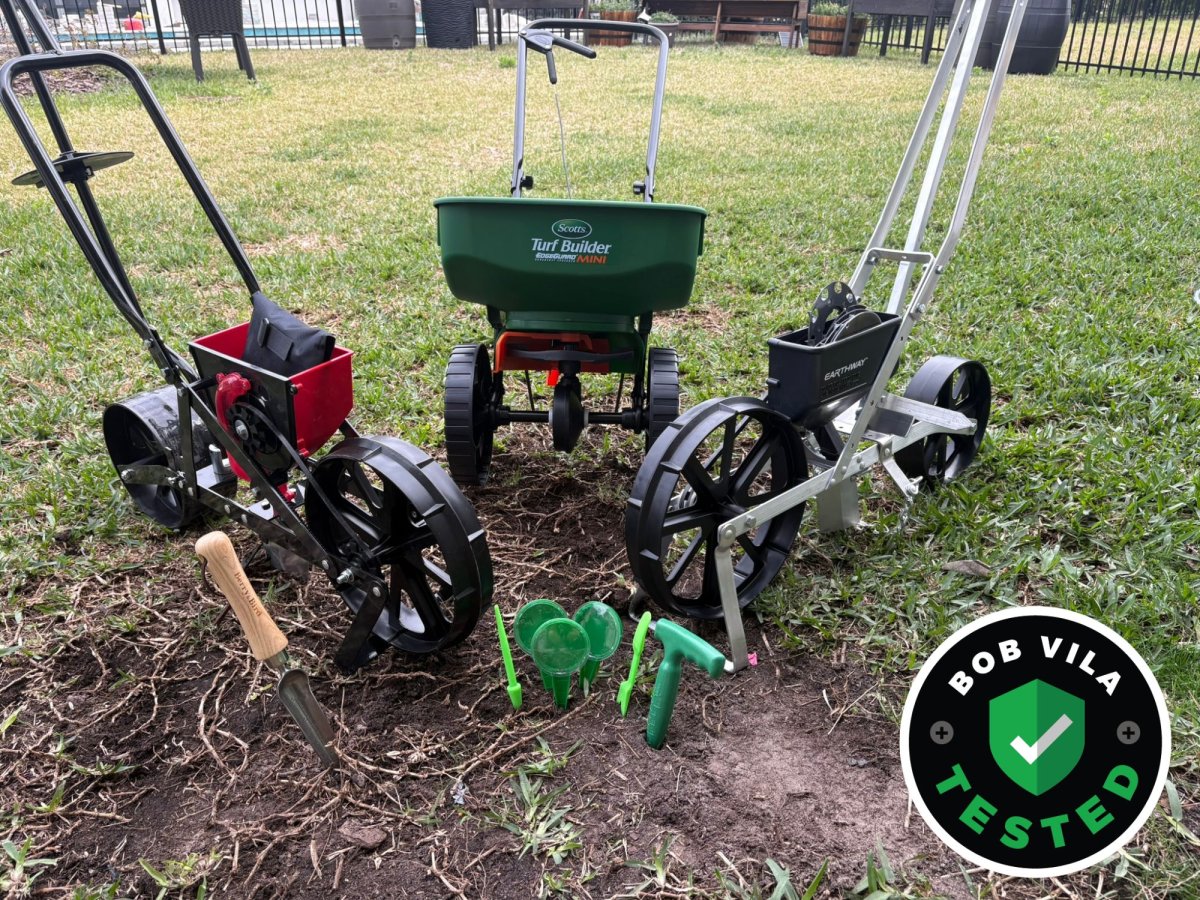
A garden seeder can help growers plant everything from neat vegetable rows to newly seeded lawns with less bending and better consistency. I tested five different tools—including a traditional push-row model, compact handheld seeders, and a grass seed spreader—to see which delivered the best accuracy, ease of use, and overall efficiency in real-world conditions.
Tammy Sons, founder and CEO of Altamont, Tennessee–based TN Nursery, explains, “Garden seeders can make planting more accessible, which is a big plus, but they can also plant seeds at the right depth uniformly and cut seed waste—overall saving the gardener’s time and boosting germination success.” A high-quality tool should match the task at hand, whether that’s planting straight rows of carrots, evenly distributing lettuce seed in raised beds, or overseeding a patchy lawn.
Our top pick, the EarthWay Precision Garden Seeder, stood out for its versatility and consistent results. With seven included seed plates (designed to handle 38 types of seed), it offers reliable depth and spacing control that will suit most home vegetable gardeners. As Sons notes, “I recommend looking for a seeder that has adjustability for the seed plate so it can handle multiple seed sizes and that has row and depth-spacing control.”
Ahead, learn what features matter most and how to choose the best garden seeder for your planting style and space. We also offer our recommendations for more garden seeders we recommend.
Best Overall
Photo: Paul Rankin for Bob Vila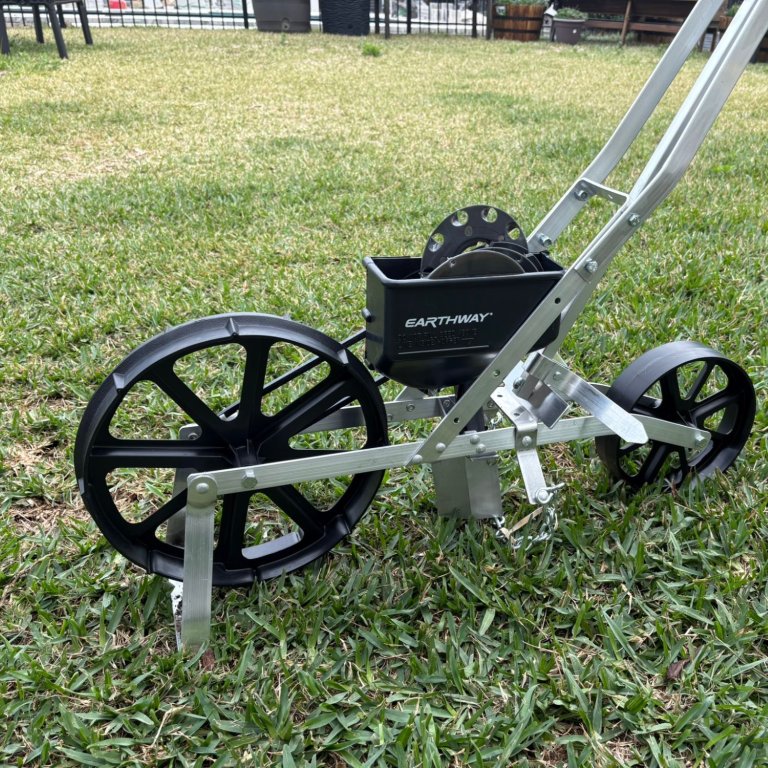
What We Like
- Includes multiple seed plates
- Very easy to use
- Lightweight aluminum frame
- Suitable for almost any type of seed
What We Don’t Like
- Seed plate sizes take some experimenting
Product Specs
- Type: Row crop planter
- Material: Aluminum frame, plastic wheels
- Compatible seeds: 15+ seed varieties
The EarthWay precision garden seeder earned our top spot after hands-on testing proved just how much time and strain it saves during planting season. In our trials, it consistently cut clean furrows, dropped seeds at a steady spacing, and covered them in one smooth pass, which was dramatically faster than hand sowing. Assembly was straightforward, and once in the garden, the lightweight aluminum frame felt sturdy yet easy to maneuver, even over longer rows. If you regularly plant vegetables in straight lines, this tool turns what can be a slow, back-bending task into a quick, efficient process.
This model includes seven interchangeable seed plates designed to handle multiple seed types, making it suitable for everything from small carrot seeds to larger beans. It also features an adjustable furrow plow for depth control and a built-in row marker to help keep plantings evenly spaced—an especially useful touch for larger plots or market-style gardens. During testing, we found it worked best in well-tilled soil, where it rolled smoothly and maintained consistent depth.
The only real learning curve involves the seed plates. The recommended plate sizes don’t always perfectly match the seed at hand, so some trial and error is required to dial in spacing. Still, once properly set up, it’s a breeze to use—and well worth the roughly $150 investment for serious home gardeners or small-scale growers.
What our tester says: “If you’re a serious gardener and want to optimize your back-breaking work to be as quick as possible, this garden seeder will be your best friend.”—Paul Rankin, Product Reviews tester and writer.
Where to Buy
Photo: Paul Rankin for Bob VilaMore Garden Seeders We Recommend
Chapin Garden Push Seeder
Photo: Paul Rankin for Bob Vila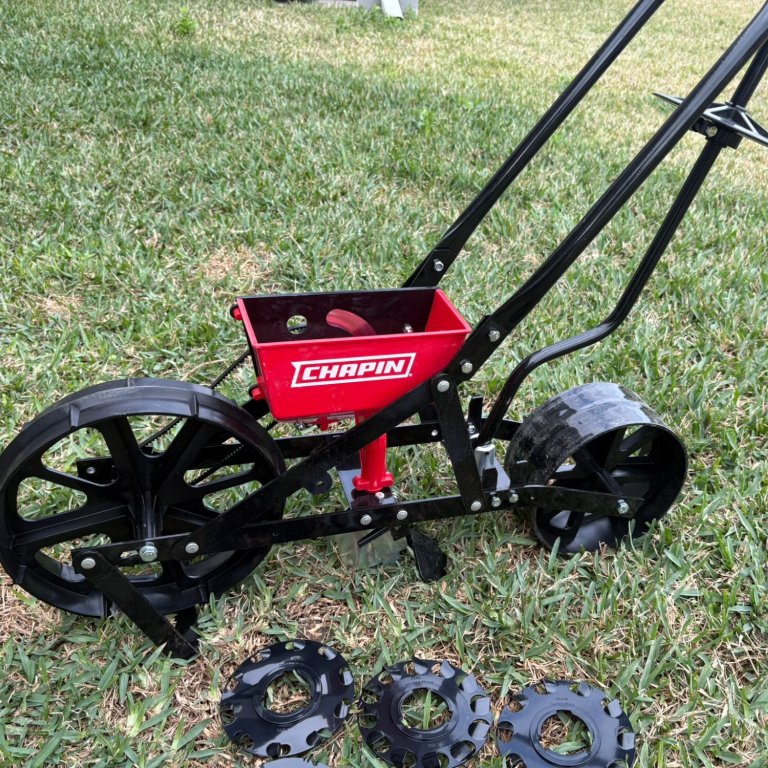
The Chapin is a solid entry-level option for gardeners who want the efficiency of a walk-behind row planter without spending top dollar. It’s especially well-suited to beginners or casual growers planting a few seasonal rows who want straighter spacing and less bending, but don’t need all the extras of a higher-end model.
Berry & Bird Seeding Widger
Photo: Paul Rankin for Bob Vila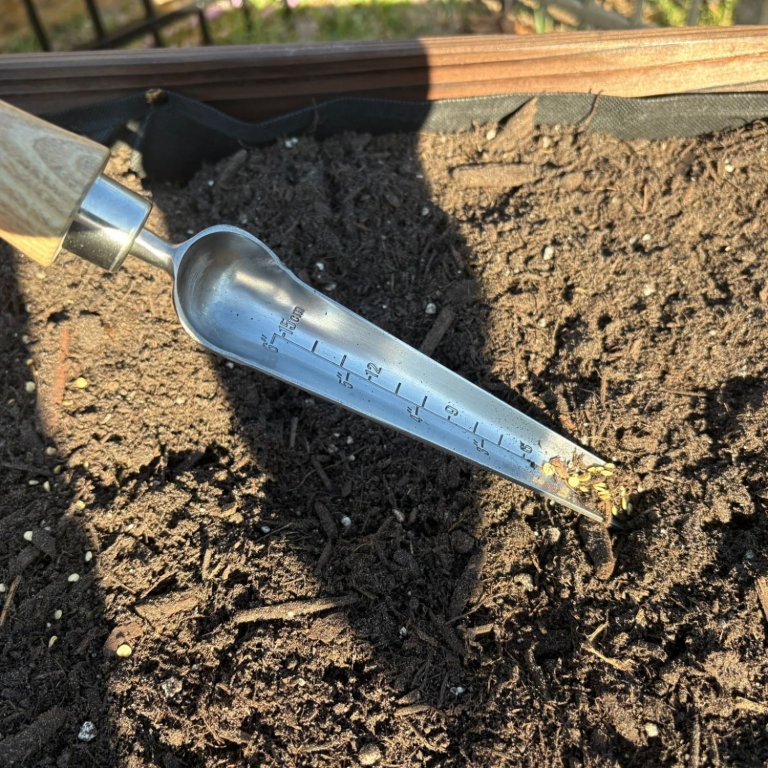
The Berry & Bird Seeding Widger is a great choice for gardeners who prefer a hands-on approach to planting, especially in raised beds, containers, or tight spaces. Its narrow metal blade and built-in depth markings make it ideal for precise seed placement, transplanting, and small-scale digging where larger push seeders simply aren’t practical.
Coolrunner Seeds Dispenser Set
Photo: Paul Rankin for Bob Vila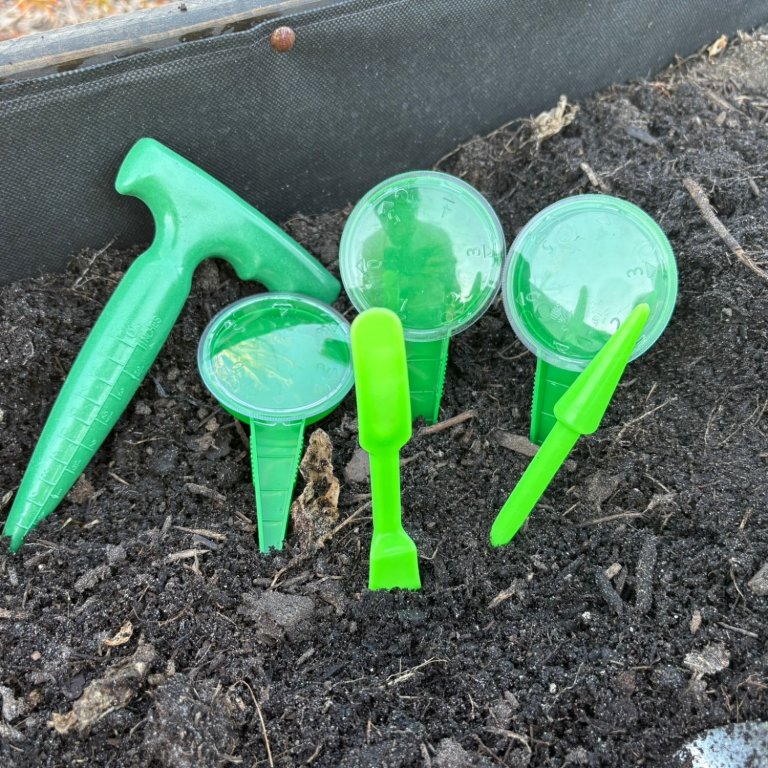
This seeds dispenser set is best suited for gardeners starting seeds in trays, containers, or small raised beds who want more control over tiny seeds. With multiple outlet sizes and lightweight plastic construction, it’s an affordable, beginner-friendly option for reducing spills and overcrowding during sowing.
Scotts EdgeGuard Spreader
Photo: Paul Rankin for Bob Vila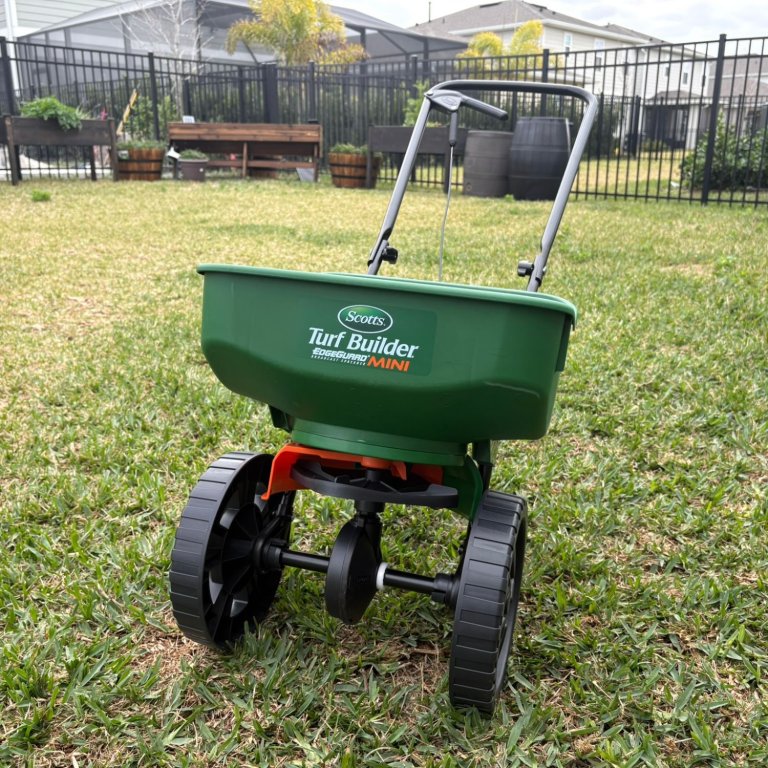
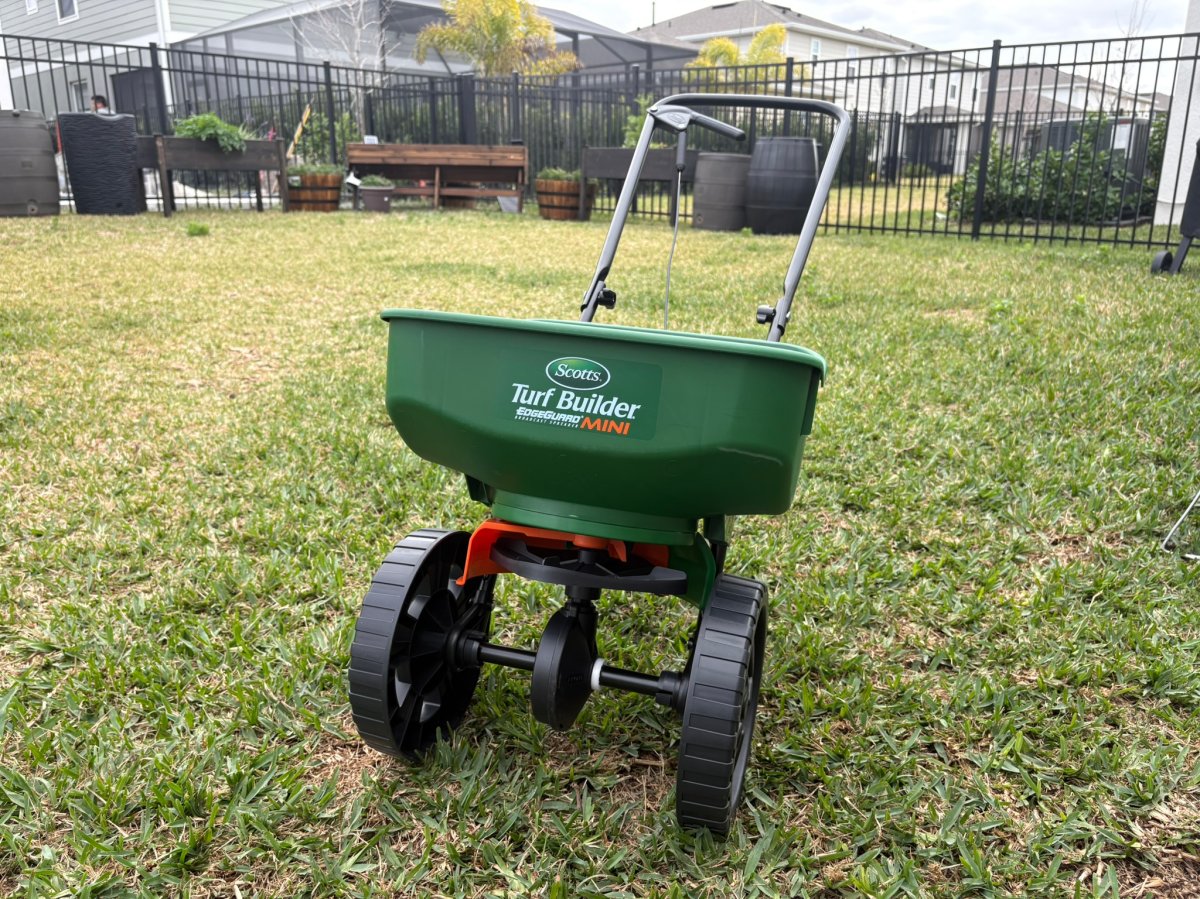
The Scotts EdgeGuard Mini Broadcast Spreader is a smart pick for homeowners looking to overseed or fertilize a small to medium lawn with consistent coverage. While not designed for precise vegetable rows, it’s a versatile, easy-to-use tool that also handles fertilizer, salt, and ice melt, making it a practical year-round yard companion.
What to Consider When Choosing a Garden Seeder
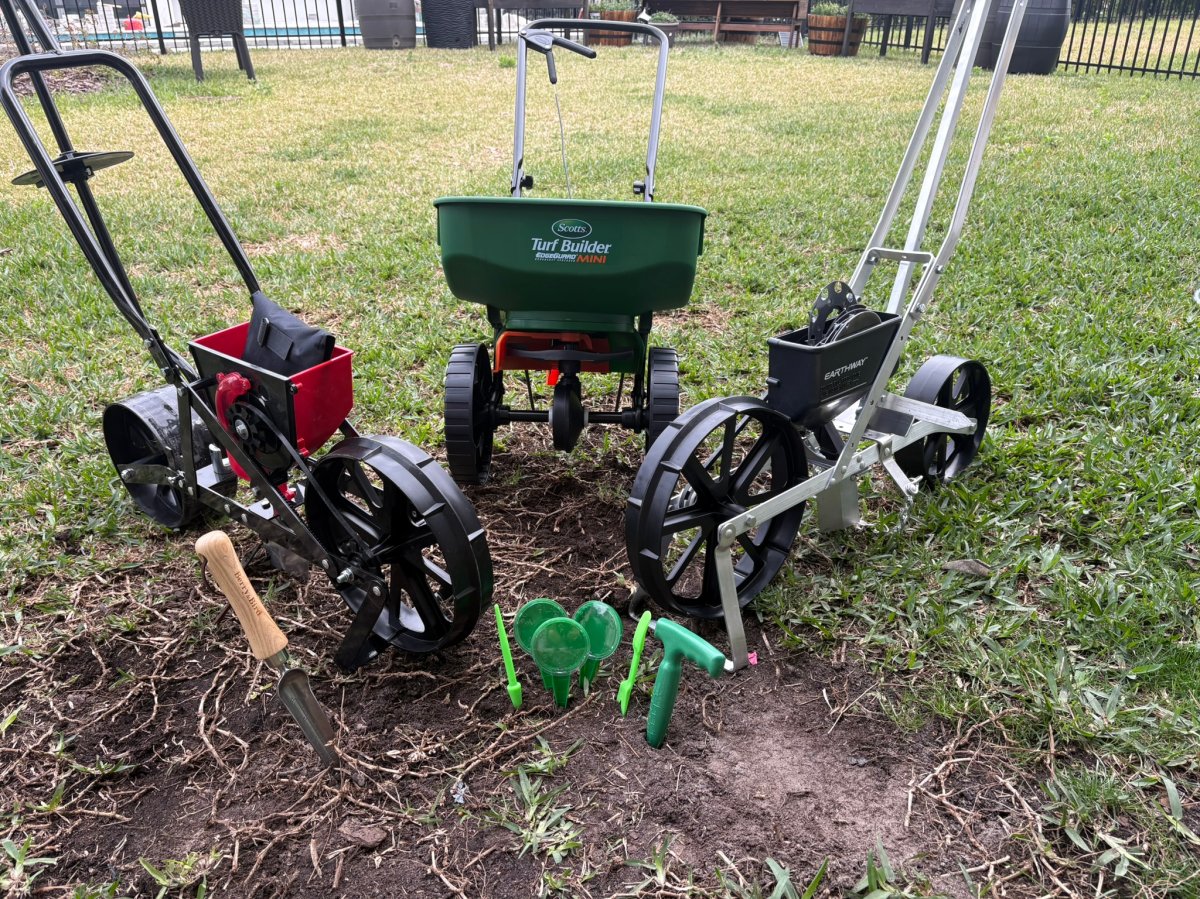
Choosing the right garden seeder depends on more than just price. Garden size, seed variety, adjustability, and overall build quality all influence how well a tool will perform. Some models are designed for long, straight vegetable rows, while others are better suited to raised beds, containers, or even lawn seeding. Understanding how and where you plan to plant will help narrow down the features that matter most.
Garden Size
Start by considering the size and layout of your planting area. For larger in-ground gardens with long, straight rows, a push-style seeder can dramatically reduce time and strain. These models typically open the furrow, drop seeds, and cover them in one pass, making them especially helpful for growers planting multiple rows each season.
Smaller gardens, raised beds, and container setups may not require a full walk-behind tool. In tighter spaces, handheld seeders or dibbers often give you better maneuverability and control.
For lawn applications, such as overseeding or fertilizing, a broadcast spreader is the more appropriate choice, giving you wide, even coverage rather than precise row spacing.
Seed Types and Adjustability
Seeds come in all shapes and sizes. Tiny carrot or lettuce seeds require different handling than larger beans or peas, and a good seeder should accommodate that range. Push-style models usually come with interchangeable seed plates, while handheld dispensers may feature adjustable outlet openings to control flow.
Depth control is also important. Seeds planted too shallow may dry out, while those buried too deep may struggle to germinate. Look for models with adjustable furrow depth, spacing controls, or clearly marked measurement guides. The more flexibility a tool offers, the more versatile it will be across multiple planting seasons.
Material and Design
Garden seeders are typically made from combinations of aluminum, steel, plastic, and wood. Lightweight aluminum frames are easy to maneuver and resist rust, while heavier steel components may offer added durability. Plastic parts can reduce weight and cost but may be less rugged over time.
Ergonomics also matter, especially for larger gardens. Comfortable handle grips, balanced weight distribution, and smooth-rolling wheels all contribute to easier operation. On push models, wheel size affects stability and performance. Larger wheels tend to handle uneven or freshly tilled soil better, while smaller wheels may work fine in compact, well-prepared beds. Choosing a design that feels comfortable and stable during use can make a noticeable difference over a full day of planting.
FAQs
Garden seeders can be a great solution for low-maintenance landscaping, but buying and using one can feel intimidating for new gardeners. With that in mind, here is more information to help you decide if a seeding machine is right for your gardening needs.
Yes! If sowing seeds by hand is taking a toll on your body, it might be worth investing in a seed planter for garden use. Our top pick overall costs under $200, so weigh this investment against how often you plant seeds. If you have to plant a lot of seeds or have neighbors who would collectively be interested in sharing a seeder, a seeding machine will likely pay for itself over time; if you plant only a few seeds each year, you may want to stick with hand-planting and seed starting trays.
There are many types of grass seeders and garden seed planters, and each may work differently. In general, however, common garden seeders feature a piece in the front that carves out a furrow at a set depth. A mechanism drops a few or a single seed into the furrow according to the set spacing. Then, the seeder covers the seeds with soil, completing the sowing process in one pass.
Use a walk-behind seeder when you need to sow rows of seeds. How often you use it depends on what you’re planting: If you only plant a single crop, you’ll only need to use it once a growing season. If you plant multiple crops, you might use it more than once. You can also combine your seeder with a good seed starting mix to ensure your plants grow up strong and healthy.
There are a lot of beginner-friendly vegetables and flowers to start in a garden, including tomatoes, zucchini, marigolds, sunflowers, and more. Consider these 16 easiest vegetables to grow or 10 foolproof flowers for inspiration.
Meet the Tester
Paul Rankin is a Florida-based product tester and hands-on DIY gardener who grows vegetables in raised beds and in-ground rows. He regularly reviews home and garden tools, evaluating them in real backyard conditions. His approach is practical and detail-oriented, focusing on ease of use, durability, and measurable performance so readers can confidently choose tools that truly improve their gardening routine.
Additional research provided by Jasmine Harding.