We may earn revenue from the products available on this page and participate in affiliate programs. Learn More ›
Pipe wrenches are designed to grip and turn threaded pipe and fittings, so they’re crucial tools for plumbing projects. A quality pipe wrench delivers the leverage and bite needed to get the job done—whether you’re tightening a gas line, breaking loose galvanized fittings, or adjusting PVC.
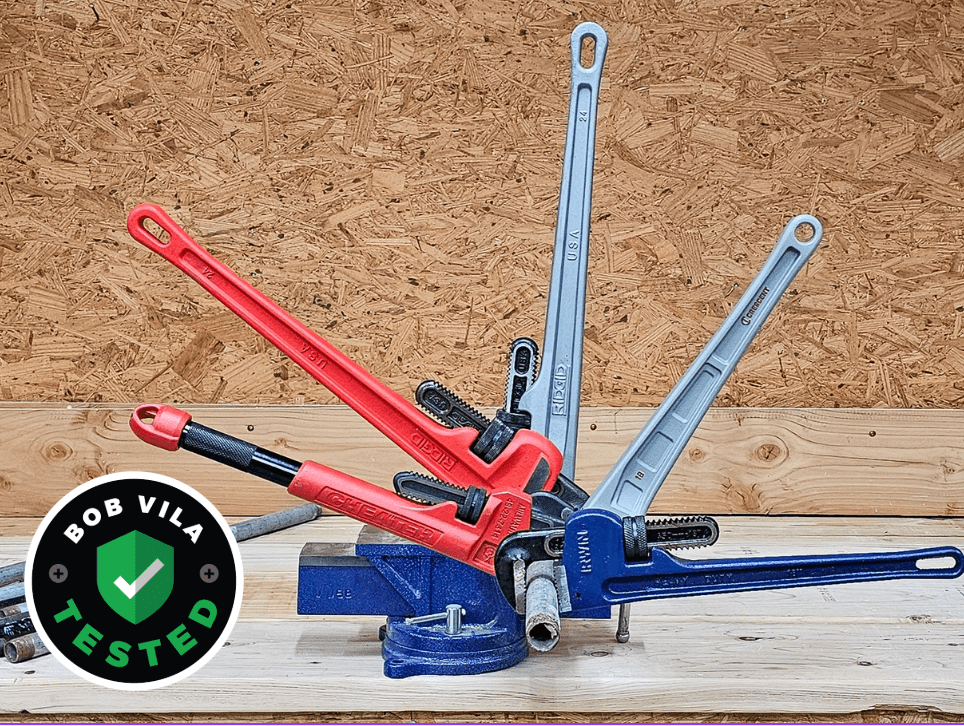
To find the top performers, we tested five models on steel, aluminum, and PVC pipes secured in a vise. Our favorite was the Milwaukee Cheater Steel Adaptable Pipe Wrench, which stood out for its versatile multi-length design, aggressive overbite jaw, and excellent torque leverage.
Still, not all pipe wrenches are created equal. Jaw capacity, handle length, weight, and tooth design can all affect how securely a wrench bites and how much effort it takes to turn stubborn fittings. A poorly designed plumbing wrench can slip, mar the pipe, or leave you with aching hands during extended use. Ahead, we break down what to look for when shopping for the best pipe wrench for your needs.
Milwaukee Cheater Pipe Wrench
Photo: Glenda Taylor for Bob Vila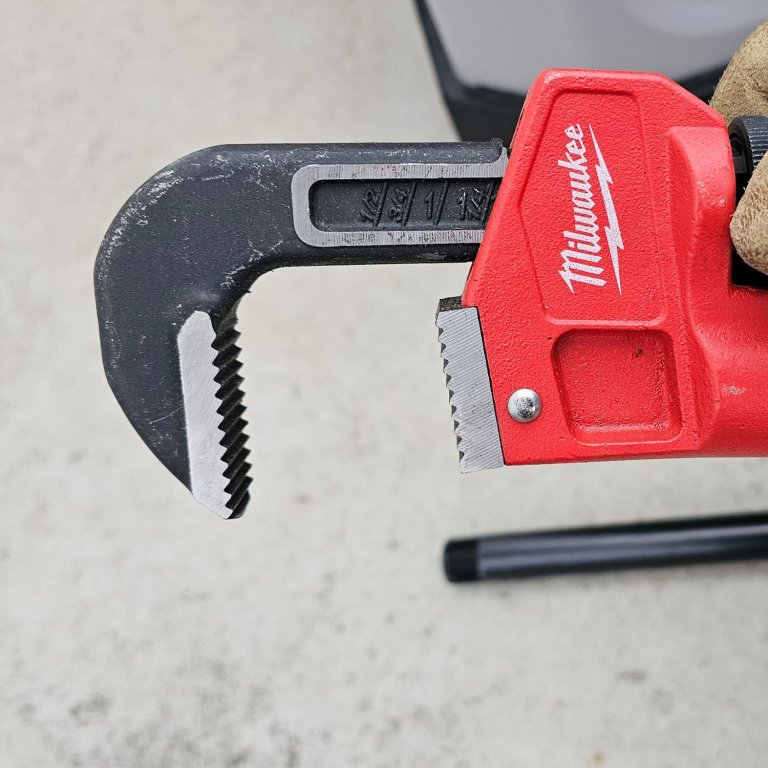
What We Like
- Versatile 3-length design
- Aggressive overbite jaw
- Ergonomic build reduces hand fatigue
What We Don’t Like
- Heavier than some at 6.6 pounds
Product Specs
- Handle Length: 21.80 inches
- Jaw Capacity: Not listed
- Weight: 6.6 pounds
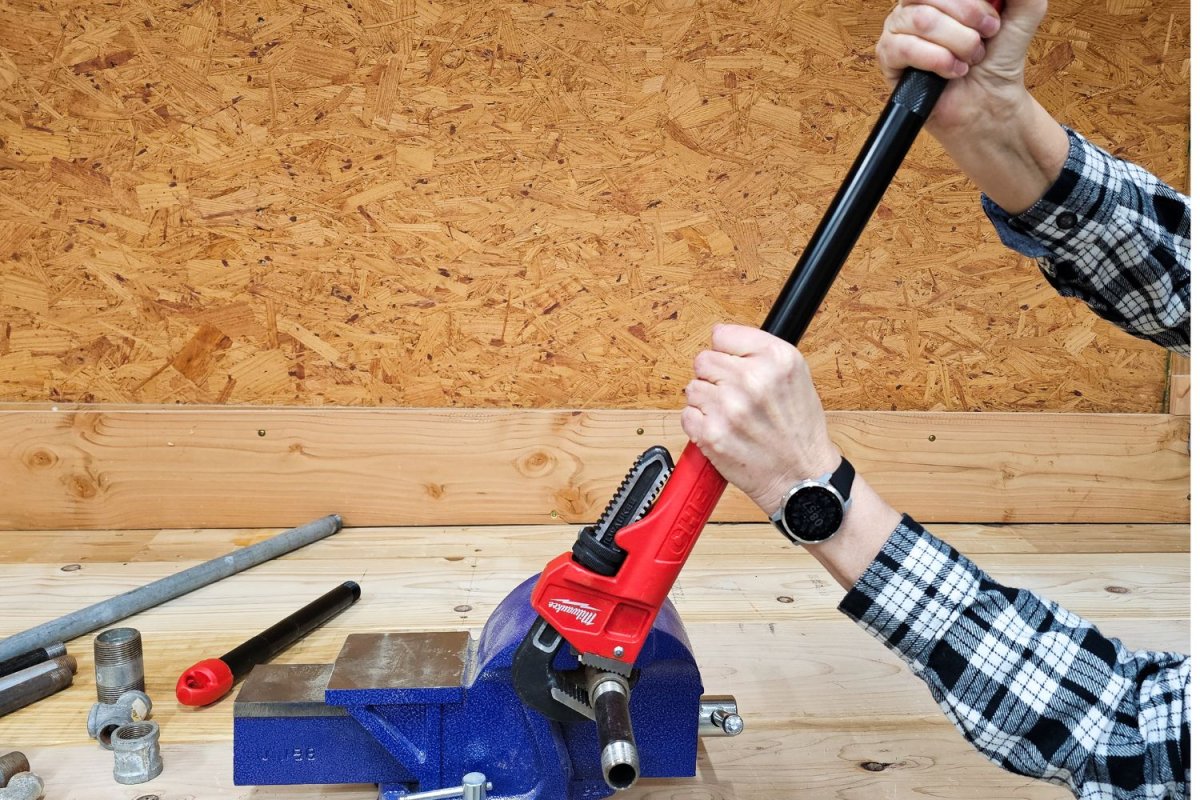
The Milwaukee Cheater Steel Adaptable Pipe Wrench excelled in our hands-on testing on a range of pipe materials. Its three-length design allowed us to tailor leverage and reach, which makes it very handy for different types of plumbing jobs. You can use the base tool alone in tight spots, add the short handle for everyday plumbing work, or snap on the long handle for maximum torque on stubborn fittings.
Milwaukee’s overbite jaw offers a large gripping surface and, paired with its hardened, aggressive teeth, delivered maximum leverage with minimal slippage. In repeated use, the dual coil springs maintained consistent jaw tension, and the ergonomic handle design reduced hand strain even under high torque.
The only notable trade-off was weight; at 6.6 pounds, it’s heavier than simpler fixed wrenches, which may be an issue for all-day overhead work. Still, its combination of adaptability, grip strength, and durability made it our top performer.
Get the Milwaukee pipe wrench at Amazon, The Home Depot, or Blain’s Farm and Fleet.
More Pipe Wrenches We Recommend
In addition to the Milwaukee, we tested the following four pipe wrenches and found them to have exceptional grip and durability for a variety of tasks.
Crescent Offset Pipe Wrench
Photo: Glenda Taylor for Bob Vila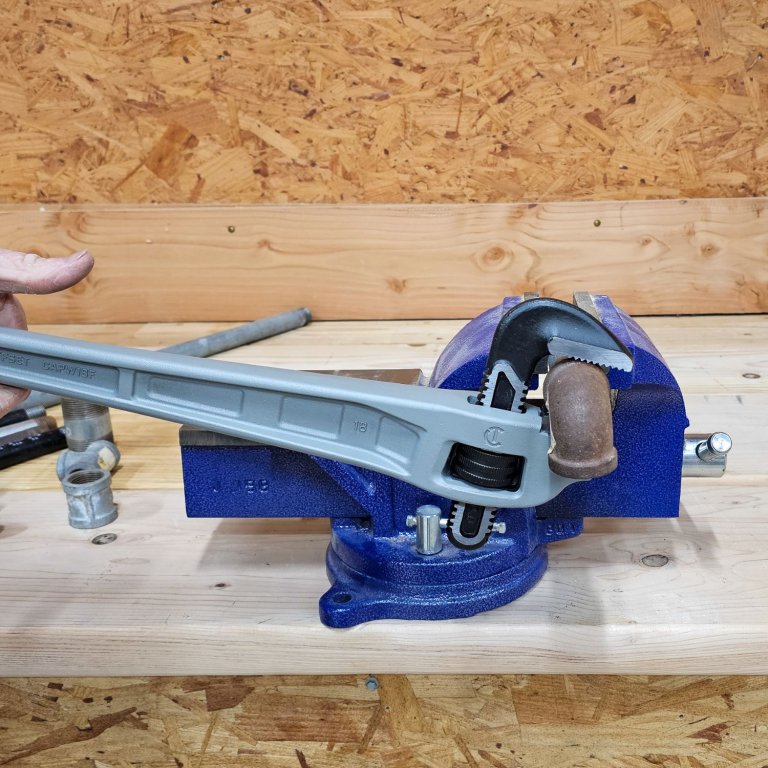
Product Specs
- Handle Length: 18 inches
- Jaw Capacity: 2.5 inches
- Weight: 3.4 pounds
This lighter-weight aluminum offset pipe wrench is a good choice for plumbers and DIYers who want easier handling in tight spaces, thanks to the 90-degree offset jaw. It blends solid grip with reduced fatigue on medium-duty pipe work.
Irwin Cast Iron Pipe Wrench
Photo: Glenda Taylor for Bob Vila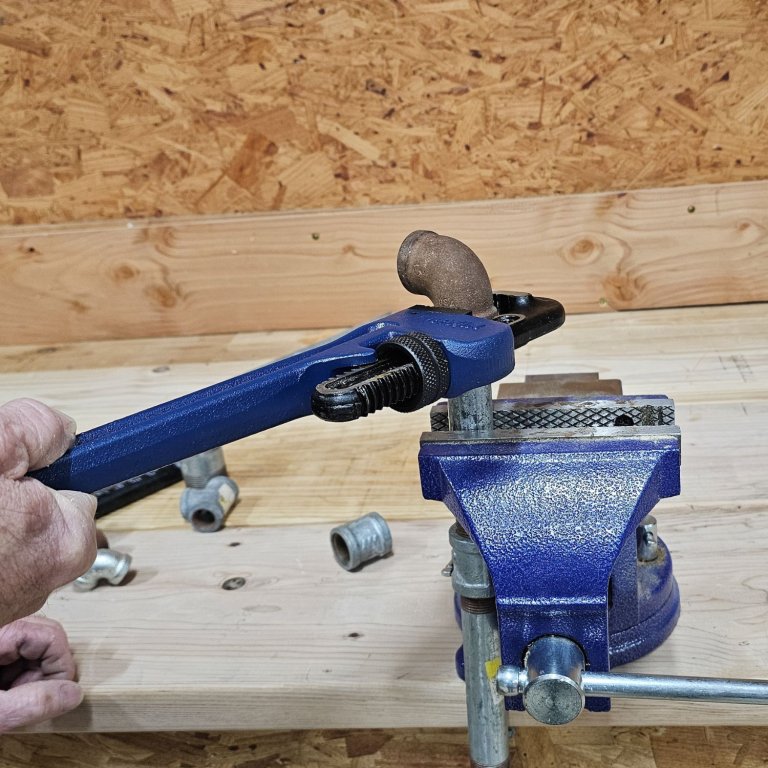
Product Specs
- Handle Length: 18 inches
- Jaw Capacity: 2.5 inches
- Weight: 6.3 pounds
The Irwin pipe wrench offers classic cast-iron construction and hardened teeth with a hammer head design, making it a good pick for general plumbing and on-the-job adjustments.
Ridgid Aluminum Pipe Wrench
Photo: Glenda Taylor for Bob Vila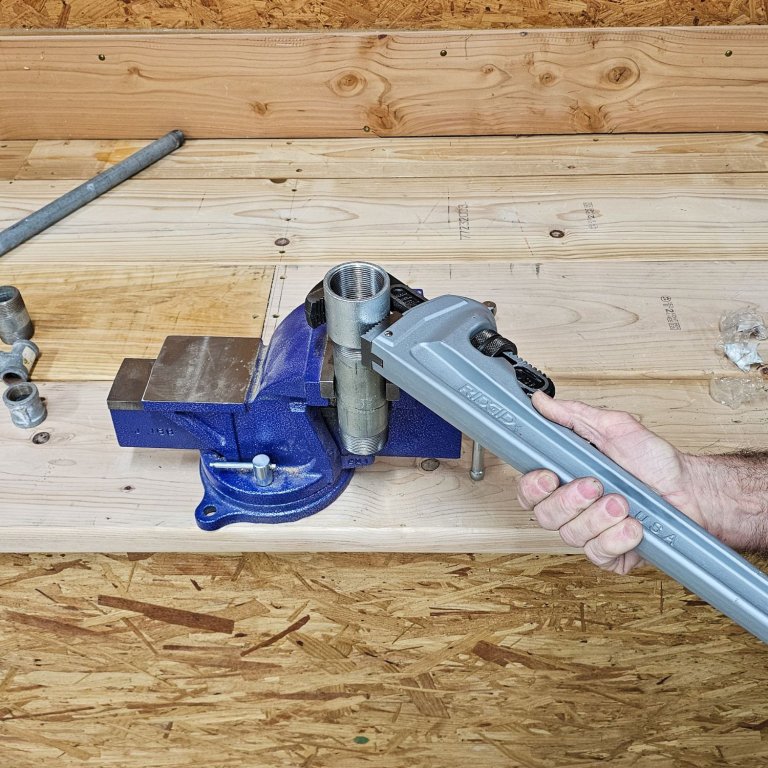
Product Specs
- Handle Length: 24 inches
- Jaw Capacity: not listed
- Weight: 6 pounds
This 24-inch straight pipe wrench is ideal for everyday plumbing tasks that require a balance of reach and weight. It features self-cleaning threads and hook jaws that help maintain a secure grip on threaded fittings.
Ridgid Heavy Duty Wrench
Photo: Glenda Taylor for Bob Vila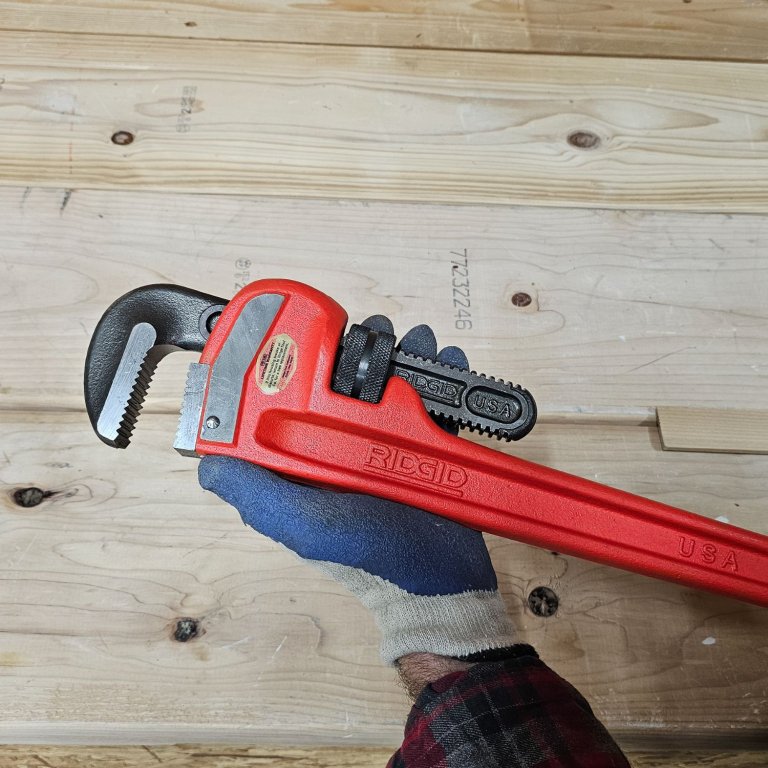
Product Specs
- Handle Length: 24 inches
- Jaw Capacity: 3 inches
- Weight: 10 pounds
Ridgid’s heavy-duty 24-inch model with self-cleaning threads and hook jaws suits users tackling larger plumbing pipes and fittings who want rugged performance from a trusted brand.
What to Consider When Choosing a Pipe Wrench
When selecting a pipe wrench, look for features that affect grip strength, leverage, and ease of use. Key considerations include the type of wrench needed for a specific plumbing job, the appropriate handle length to match pipe size, jaw capacity to fit the pipe diameter, and durable materials.
Type
Straight pipe wrenches are the most common and versatile. They come with a linear handle and fixed jaw orientation that’s suited for general plumbing and larger pipe sizes. Offset pipe wrenches have jaws set at an angle, which improves access in tight spaces or around obstacles, making them useful for work under sinks or near walls.
Some models offer adaptable designs, handles, or multi-length configurations, allowing a single tool to function effectively across a wider range of pipe sizes and leverage needs. These are called “cheater” pipe wrenches, and our top performer came with cheater bars. Less common are internal pipe wrenches that feature teeth that fit inside an open pipe end for tightening and loosening.
Handle Length and Jaw Capacity
Handle length directly impacts the leverage you can apply: longer handles increase torque for stubborn fittings, but they are harder to maneuver in confined spaces. Shorter handles are easier to use in cramped areas, but they can limit the amount of force a user is able to apply.
Jaw capacity determines the maximum pipe diameter the wrench can grip. Ensure the wrench has sufficient jaw range to handle the largest pipes in your work. When it comes to pipe wrench sizes, a wider jaw capacity adds versatility, especially for professionals who encounter varied pipe sizes.
Material
Traditional wrenches often use forged steel, which offers high strength and durability for heavy-duty plumbing and industrial use. These wrenches tend to be heavier but they stand up well to frequent, rugged use.
Aluminum wrenches are lighterweight, which reduces fatigue during extended use and makes them easier to maneuver in awkward positions. While slightly less rugged than steel, quality aluminum models still provide great performance for most household and light commercial plumbing tasks.
Jaw Design and Grip
Jaw design is central to a pipe wrench’s performance. Look for aggressive tooth patterns with hardened, angled teeth that bite into pipe surfaces without slipping. The angle and spacing of the teeth affect how well the wrench grips materials like steel, aluminum, or PVC, especially under high torque.
Self-cleaning threads and overbite jaws increase grip and also reduce debris build-up. Adjustable jaws should move smoothly and maintain tension to hold pipe securely while minimizing slippage and damage to the workpiece.
For very large pipes—more than 3 inches in diameter—plumbers will often choose to use a strap wrench, which allows them to grip a pipe firmly when it’s too big for pipe wrench jaws.
Ergonomics
Features such as contoured handles and balanced weight distribution will reduce hand fatigue when you’re applying force or working over extended periods. Some models include tether-ready points for secure jobsite hanging, which is useful if you’re working from ladders or scaffolding.
Consider how the wrench feels in your hand and whether it allows comfortable leverage without strain. Good ergonomics enhances precision and reduces the risk of fatigue-related errors, making demanding tasks easier and safer.

FAQs
Learning how to use a pipe wrench is straightforward, but choosing the right one—and using it correctly—will make plumbing work much easier. Common questions include material differences, pipe wrench dimensions, and how to choose a good plumbing wrench for tight spaces. Here are some quick answers to the most frequent shopper concerns.
Q. Are aluminum pipe wrenches better than steel ones?
In some cases. Aluminum models are lighter and more comfortable, while steel wrenches are heavier but more durable for heavy-duty use.
Q. Do I need more than one pipe wrench size?
Yes, if you plan on handling multiple plumbing tasks. Having a set of pipe wrenches—at least one small and one larger—will accommodate most plumbing tasks. While it’s unlikely you’ll ever need one, you can find a 72-inch pipe wrench that is used exclusively for industrial applications.
Q. What’s the difference between a pipe wrench and an adjustable wrench?
A pipe wrench has toothed jaws for gripping round pipe, while an adjustable wrench has smooth jaws meant for nuts and bolts.
Q. How do you maintain and clean a pipe wrench?
They don’t require a lot of attention—wipe them clean, keep the threads lightly oiled, and replace worn jaws if your grip starts slipping.
Q. How long should a good pipe wrench last?
A quality pipe wrench can last decades with proper care, especially if the jaws and adjustment threads are maintained.
Meet the Tester
Glenda Taylor is a contractor, product tester, and writer focusing primarily on construction, DIY tools, and home appliances.