We may earn revenue from the products available on this page and participate in affiliate programs. Learn More ›
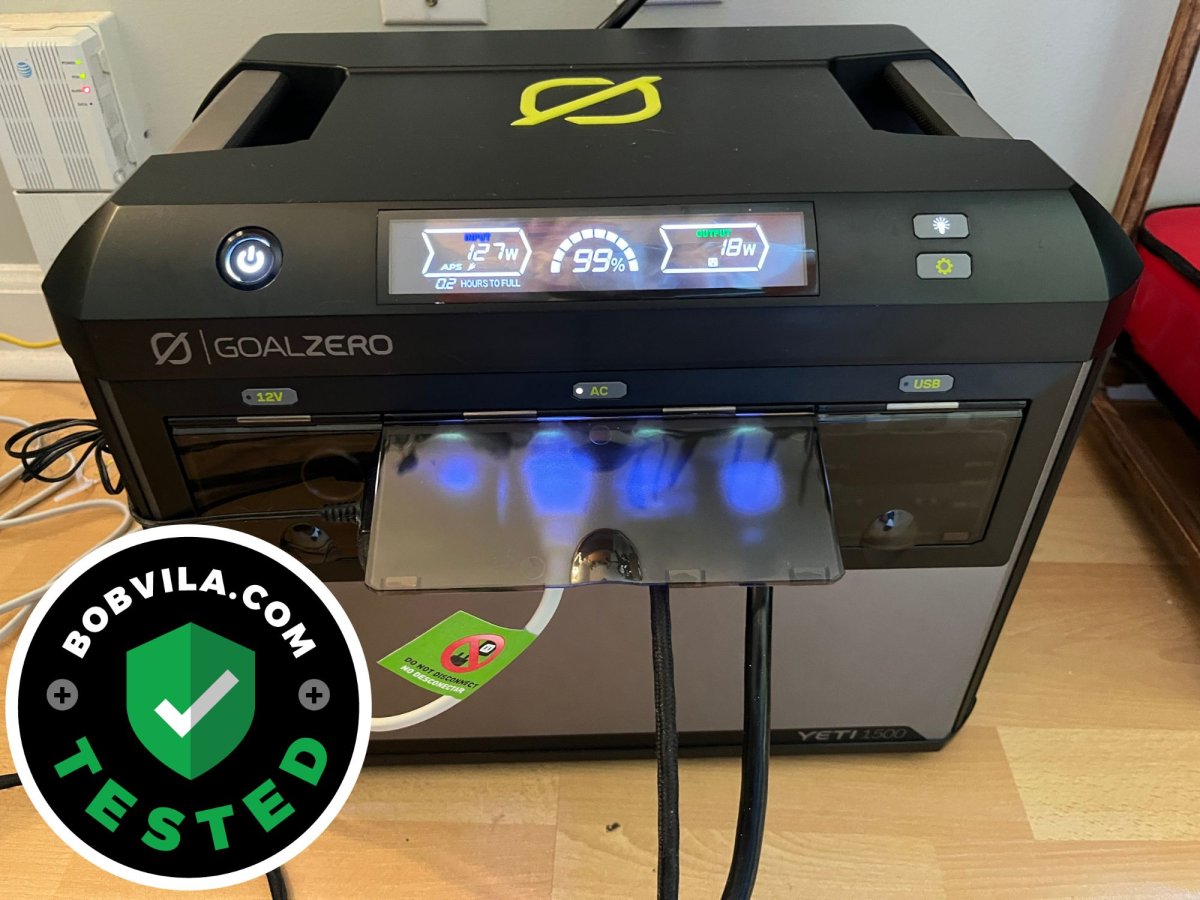
The new Goal Zero Yeti 1500 is a portable power station that promises fast charging and rugged performance in tough environments. It has numerous features that make it a standout in the outdoors, including an IPX4 splashproof rating, aluminum housing with rubber bumpers, and vibration protection for travel on rough roads. My concern is that here in the Southeast, we have the potential for unexpected storm-related power outages all year round. I tested the Yeti to find out if it has what it takes to serve as an emergency backup for my home office.
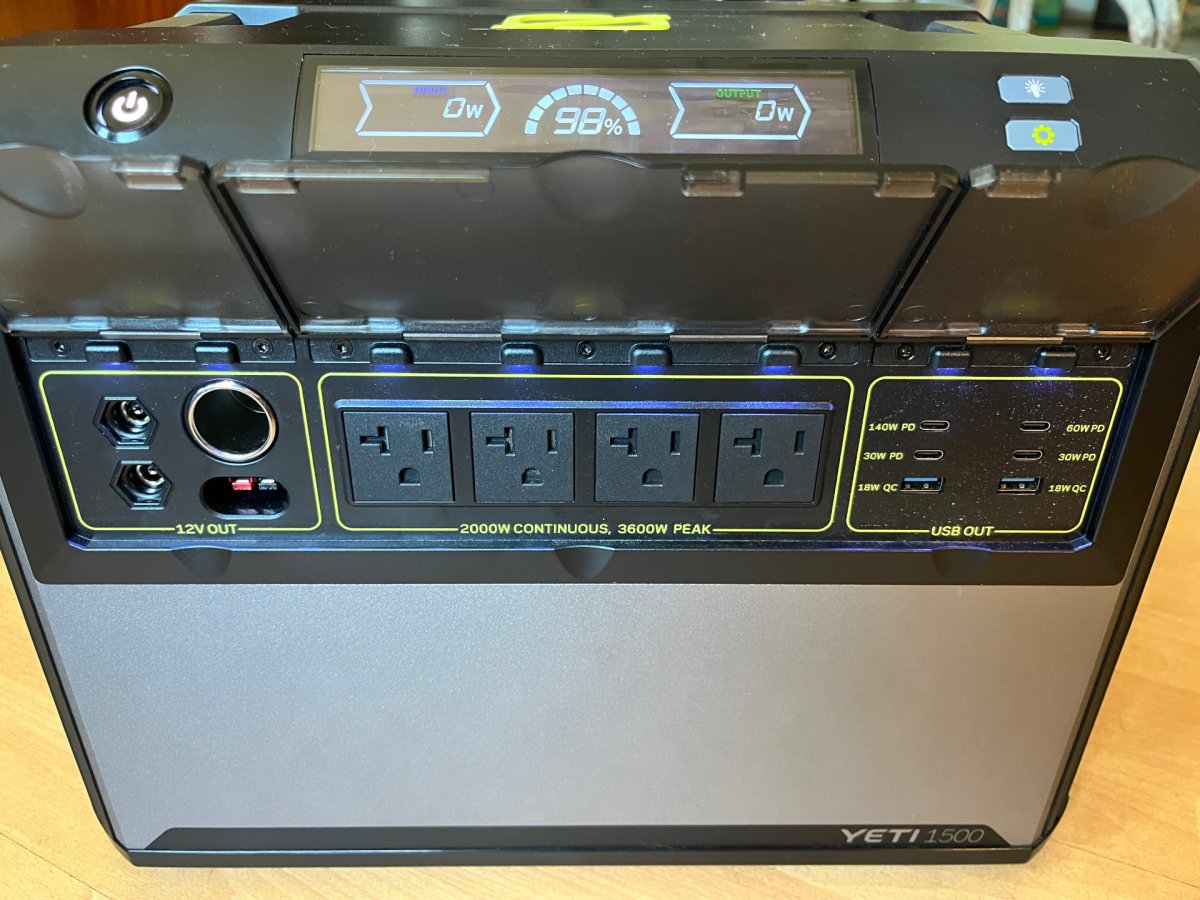
There was a lot to consider, such as battery capacity, operating wattage, available outlets, and fitting the unit into my space. For longer outages, I was also interested in its ability to charge while simultaneously keeping my office online. The Yeti is equipped with 1,505 watt hours (Wh) of battery capacity, and is capable of producing up to 2,000 running watts and 3,600 surge watts. It has four AC 20-amp outlets, two USB-A and four USB-C ports, a DC HPP port, a car outlet, and two proprietary DC ports.
Key Takeaways
- Reliable backup for power outages. The Goal Zero Yeti 1500 powers a home office for a full day with its 1,505 Wh capacity.
- Seamless transition with UPS feature. Automatically switches to battery mode in 15 milliseconds during outages.
- Versatile and rugged design. Features multiple outlets and a durable build, ideal for tough environments.
- Quick charging capability. Charges from 10% to 97% in about 1 hour 20 minutes when plugged into a wall outlet.
Bottom line: The Goal Zero Yeti 1500 is a robust, efficient solution for off-grid power, ensuring uninterrupted work during outages.
AI assisted, editor reviewed
Goal Zero Yeti 1500
Photo: Mark Wolfe for BobVila.com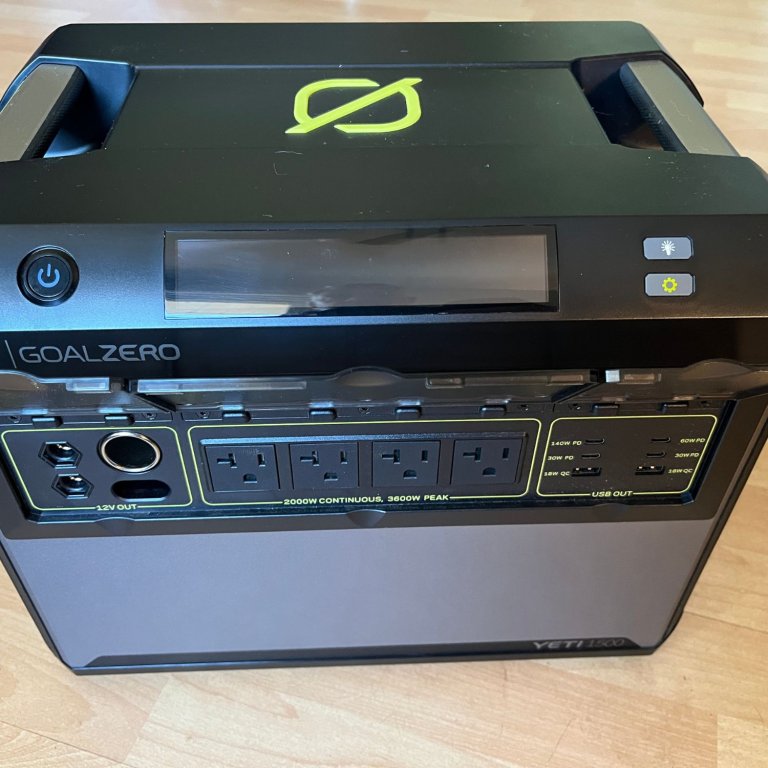
What We Like
- Compact cube shape is easy to pack
- Built for rugged outdoor use
- Strong output for tools and appliances
What We Don’t Like
- The proprietary ports only work with Goal Zero products
Product Specs
- Dimensions: 15.7 inches by 11.4 inches by 12.02 inches
- Weight: 52.75 pounds
- Capacity: 1,505 Wh
- Output: 2,000 W continuous/3,600 W surge
- Outlets: 4 AC 20-amp, 2 USB-A, 4 USB-C, HPP, car outlet, and 2 proprietary ports
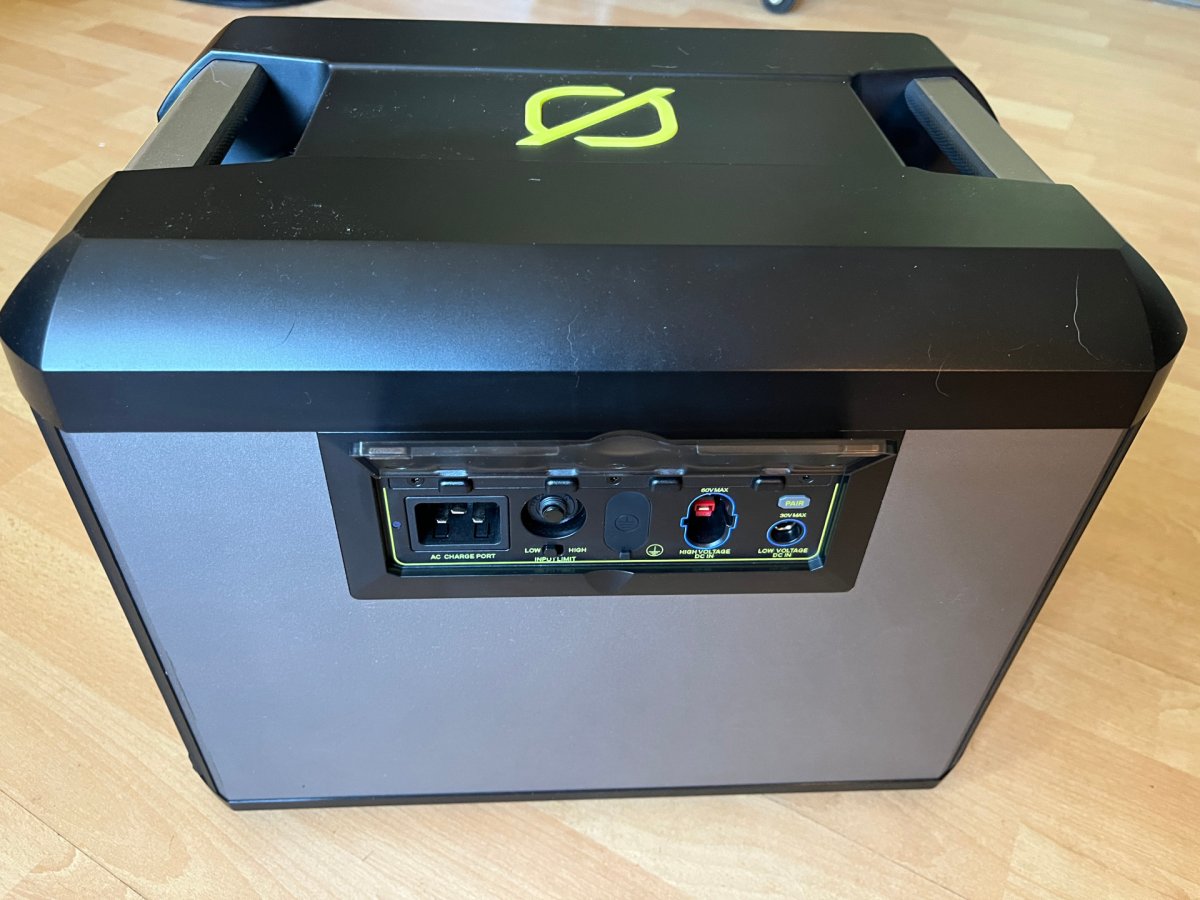
- Charging: AC, car, solar
Output and Daily Use
I tested the Yeti for 2 months before writing this review. First, I simulated an outage with all of my equipment plugged in, working as normal. It kicked on and ran everything for a full 8-hour day with no hiccups. Then I attempted to overwork it—boiling multiple quarts of water back to back in a 2,000-watt electric kettle ran it down fast, but otherwise it consistently kept the office up and running.
My office is compact and not exceedingly power hungry—I have a lamp, internet router, and printer plugged in, and I charge my laptop and phone every couple of days. I also have a mini fridge and an electric kettle close by, and the ability to power those is a bonus. Based on the electrical draw of these devices and my usage pattern, I calculated that less than 800 Wh would power my office equipment for a day. The Goal Zero Yeti 1500 had more than enough to cover it.
I also liked that it is purpose-built as an uninterrupted power supply (UPS) for backup power. When the Yeti is plugged into a wall outlet and has devices plugged into its AC outlets, it will automatically switch over to battery mode within .015 second (15 milliseconds) if the power goes out. Because it uses lithium iron phosphate battery chemistry and is equipped with a smart battery management system, keeping it plugged in is completely safe, and the UPS remains on standby.
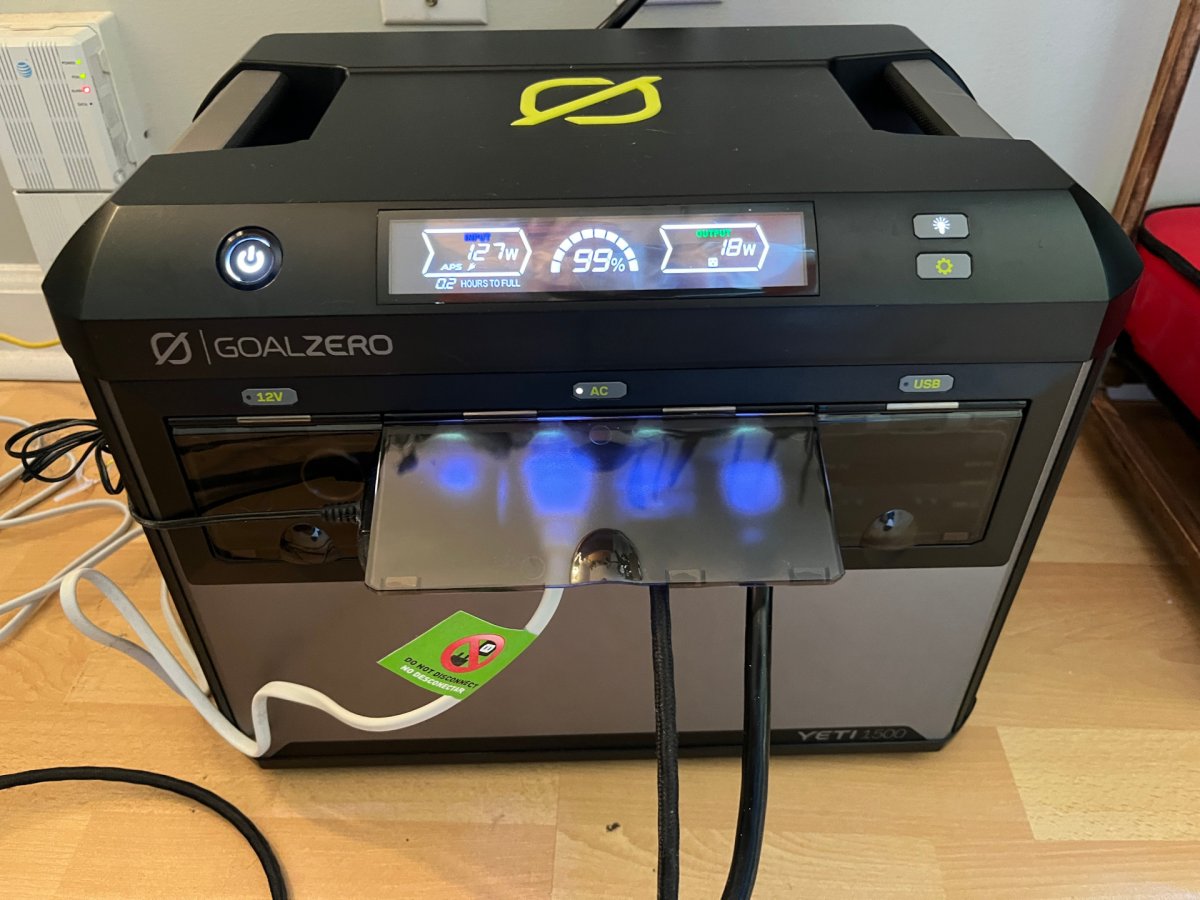
The best use pattern I found was when I ran all of my essentials plus the refrigerator. That setup worked for about 2 days without recharging the Yeti. Adding the kettle depleted the battery faster than I preferred, as did a small microwave that I tried. Even those may not have been problematic in limited use had I been able to solar charge at the same time.
Charging, Size, and Final Thoughts
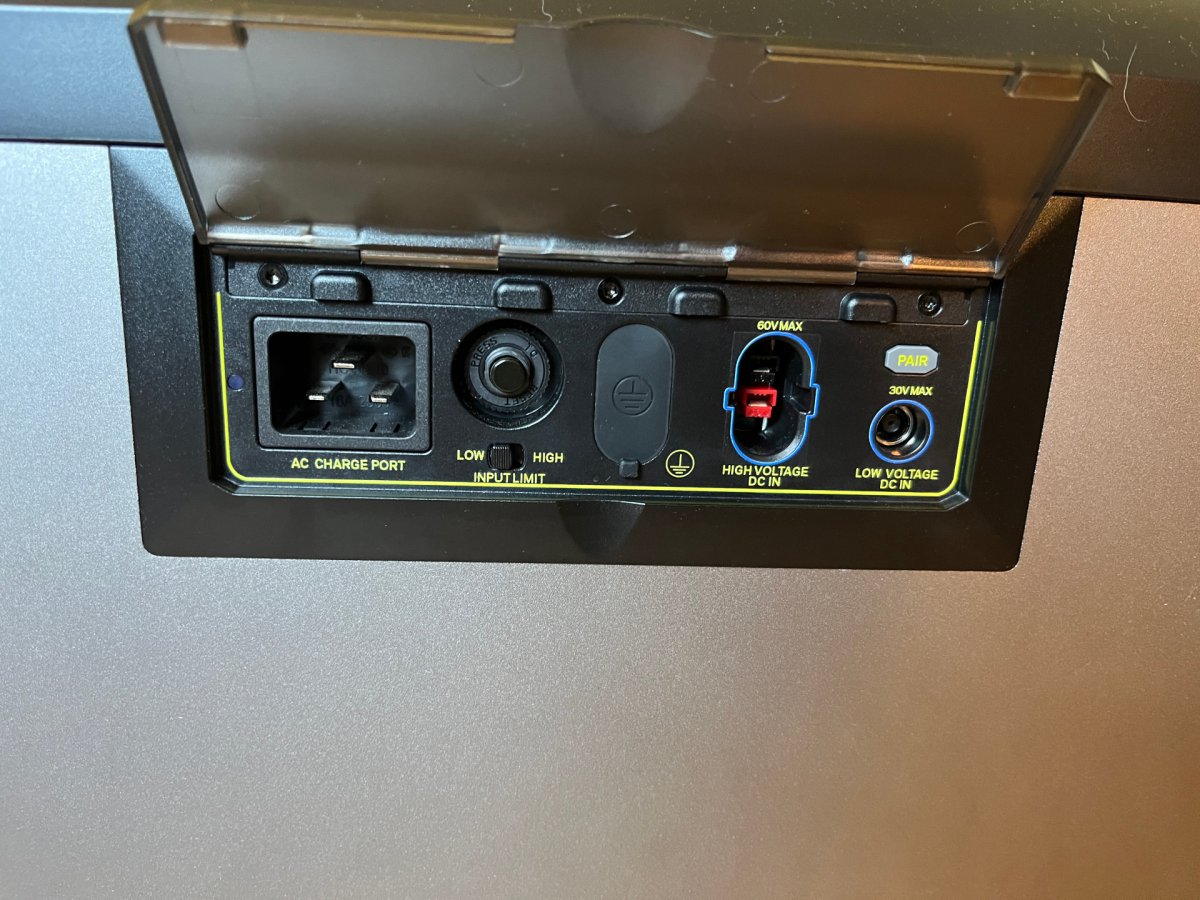
I was not able to test simultaneous solar charging while powering equipment because the Yeti’s solar charging port was not compatible with the panel I had on hand during testing. The Yeti accepts up to 900 watts of solar charging, which is a large input if you have enough panels and sunlight to collect it. Just be aware that the battery may still be depleted while charging if the draw of the devices being powered exceeds the incoming charge.
The Goal Zero Yeti 1500 proved to be as rugged and convenient as advertised. Plugged into a wall outlet, it charged from 10 percent to 97 percent in about 1 hour 20 minutes. In UPS standby mode it silently remained at full charge, and automatically switched on in a split second when needed. The compact size and cubic dimensions fit perfectly into my work space, and it had plenty of power to keep me up and running for a full day in the event of a power failure. I could not be happier with it.
Where to Buy
Photo: Mark Wolfe for BobVila.com