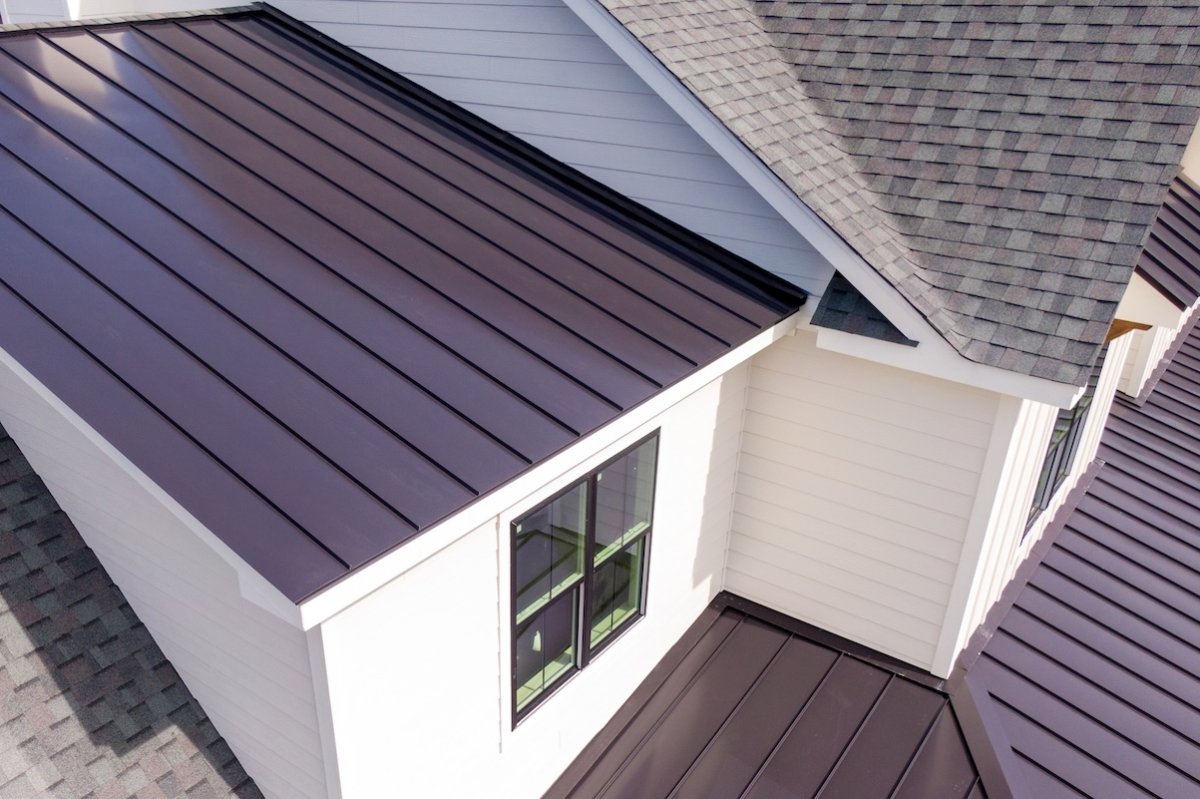
We may earn revenue from the products available on this page and participate in affiliate programs. Learn More ›
Choosing a new roofing material is a big decision. It’s a major investment that affects your home’s durability, curb appeal, and long-term maintenance needs. While asphalt shingles have long been the most common choice in the U.S., metal roofing has steadily grown in popularity as more homeowners look for longer-lasting and more energy-efficient options.
Each material comes with its own set of trade-offs. Asphalt shingles are typically more affordable upfront and easier to install, while metal roofs are known for their longevity, durability, and modern look.
Factors like cost, lifespan, maintenance, energy efficiency, and performance in extreme weather all come into play when it’s time to replace a roof. If you’re weighing metal roofs vs. asphalt shingles, here’s what to consider to choose the right option for your home.
Metal Roofing: Pros, Cons, and Cost
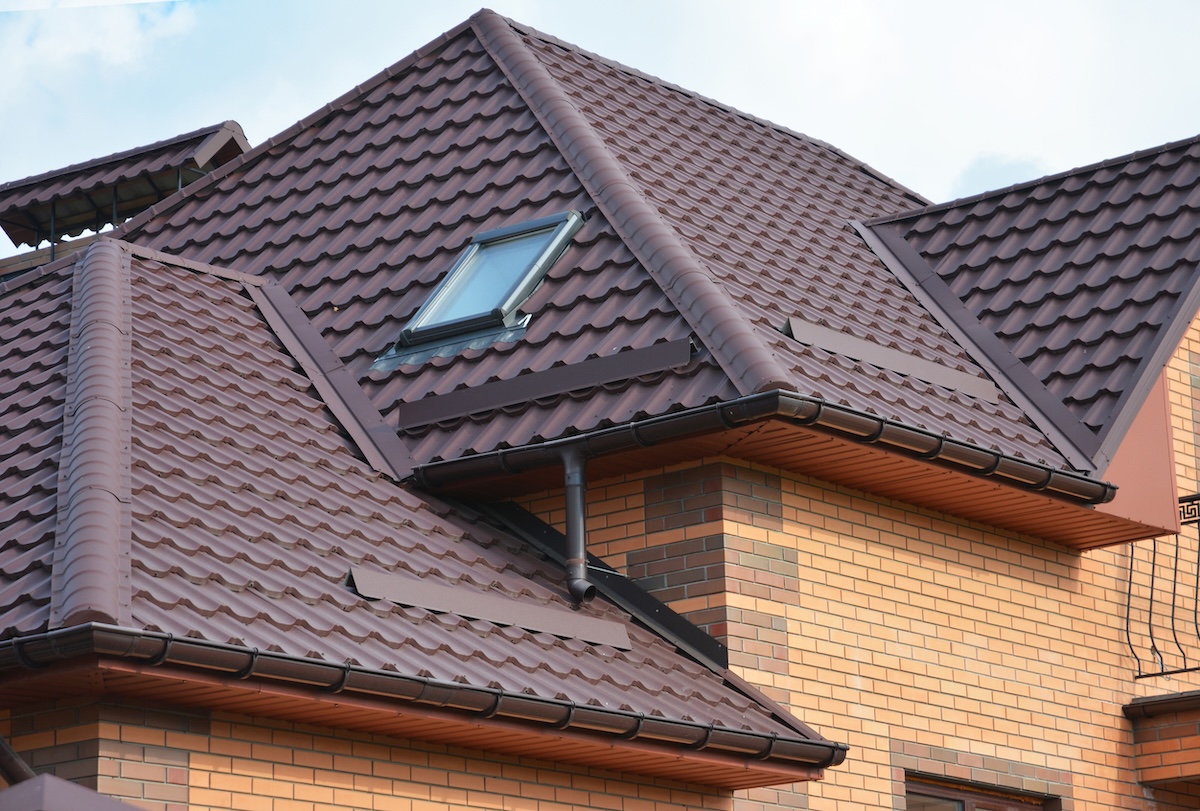
Metal roofing is an increasingly popular alternative to asphalt shingles, especially if you prioritize longevity and durability. According to the Metal Roofing Alliance, 18 percent of homeowners replaced their existing roofs with metal roofing in 2022, a six-fold increase over the 3 percent of homeowners who replaced with metal roofing in 1998. Available in a range of materials and styles, from standing seam panels to metal shingles that look like slate or wood, metal roofs give you a modern look with great performance in harsh weather. While the upfront cost is higher than shingles, many homeowners see metal roofing as a long-term investment due to its lifespan and energy efficiency.
Metal roofing has also evolved significantly in terms of appearance. Once associated with corrugated panels on barns or sheds, today’s metal roofs are available in a wide range of colors, finishes, and profiles. This includes styles that mimic shingles, slate, and wood shakes. Materials like steel, aluminum, zinc, and copper allow for more refined and modern designs that suit everything from contemporary homes to coastal properties.
Pros of metal roofing
- Long lifespan: Typically lasts 40 to 70 years, often outlasting asphalt shingles by decades.
- Excellent durability: Holds up well against wind, rain, and wildfire. Many systems are rated for winds up to 140 mph.
- Energy efficient: Reflective surfaces can reduce heat absorption and lower cooling costs.
- Low maintenance: Resistant to rot, insects, and mildew.
- Eco-friendly: Often made from recycled materials and are fully recyclable at end of life.
- Solar-friendly: Easier to install solar panels without roof penetrations (especially standing seam systems).
- Potential insurance savings: Impact-resistant (Class IV) options may qualify for discounts.
Cons of metal roofing
- Higher upfront cost: Materials and installation are significantly more expensive than shingles.
- Specialized installation required: Fewer contractors are qualified to install metal roofing properly.
- Noise potential: Can be louder during heavy rain or hail (though insulation helps mitigate this).
- Denting risk: Hail or falling branches may cause cosmetic dents.
- More complex repairs: Individual panels are harder to replace compared to shingles.
- Expansion and contraction: Metal expands with temperature changes, requiring proper installation to prevent issues.
Cost of metal roofing
Metal roofing typically costs between $14 and $40 per square foot, depending on the material, profile, and finish. Installation costs are also higher than asphalt shingles due to the specialized labor required.
While the upfront investment is steep, metal roofs can offer long-term savings. Their extended lifespan means fewer replacements over time, and their reflective properties may help reduce energy bills. In some cases, you may also qualify for insurance discounts or incentives tied to energy-efficient upgrades.
Metal roofing materials
Metal roofs come in several material types, each with its own balance of cost, durability, and appearance:
- Steel (galvanized or galvalume): The most common option; strong, relatively affordable, and often coated for corrosion resistance.
- Aluminum: Lightweight and highly resistant to corrosion, making it ideal for coastal areas.
- Copper: Premium material with a distinctive appearance that develops a natural patina over time; very long-lasting but expensive.
- Zinc: Durable and low-maintenance with self-healing properties that reduce visible scratches; typically high cost.
- Tin (modern terne-coated steel): Less common today but still used in specialty applications; known for its classic appearance.
Asphalt Shingles: Pros, Cons, and Cost
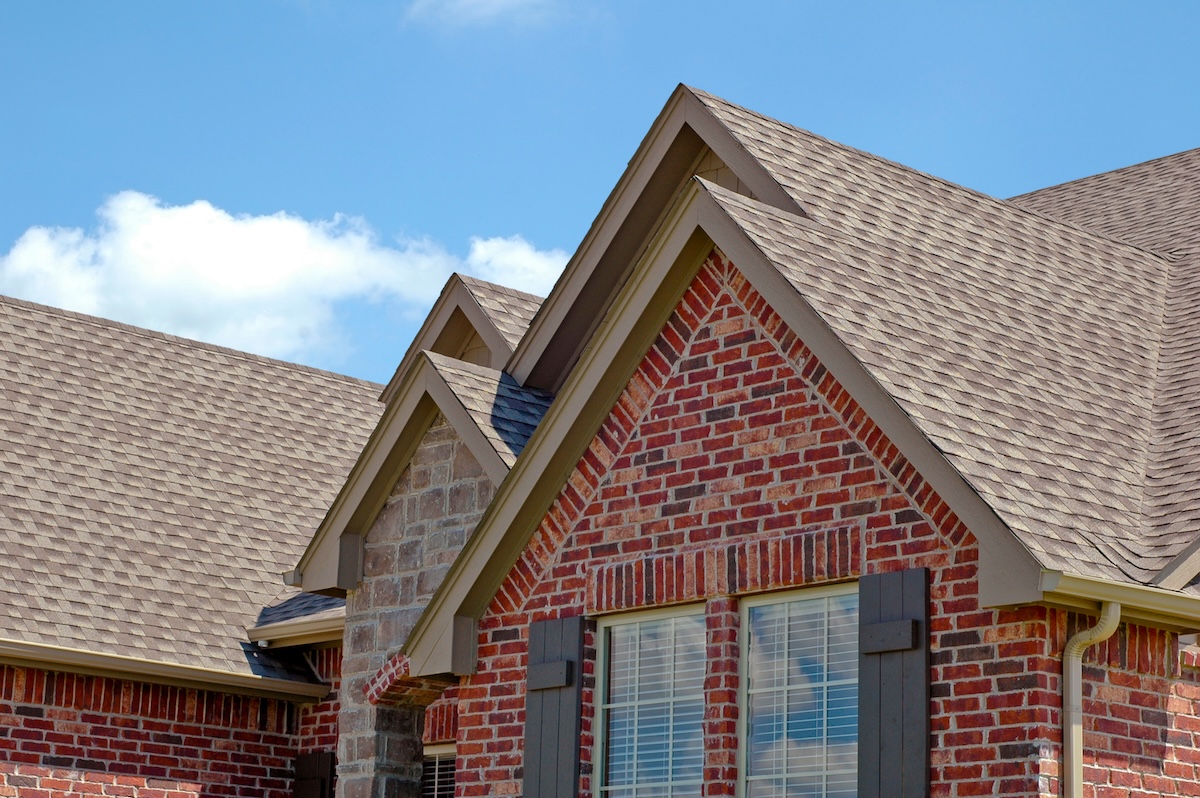
Asphalt shingles are still the most common roofing material in the U.S., thanks to their affordability, versatility, and ease of installation. Available in a wide range of colors and styles, including options that mimic wood shakes or slate, shingles work well with most home designs. While they don’t last as long as metal roofing, their lower upfront cost and straightforward repairs make them a practical choice for many homeowners.
“Some of the innovation in asphalt roofing mimics the appearance of more expensive roofing materials,” says Eddie Prchal, CEO and co-founder of Gunner Roofing in Stamford, Connecticut. “Metal roofing has also seen a surge in popularity, with more styles available than ever before.”
Because both materials now offer similar aesthetic flexibility, appearance alone is rarely the deciding factor. Performance, cost, and longevity tend to matter more.
Pros of asphalt shingles
- Lower upfront cost: One of the most affordable roofing options available.
- Widely available: Easy to source and install across most regions.
- Easier installation: Most roofing contractors are experienced with shingles, keeping labor costs competitive.
- Simple repairs: Damaged shingles can be replaced individually without major work.
- Style variety: Available in many colors and designs, including architectural and designer options.
- HOA-friendly: More likely to meet homeowners association requirements.
- Decent performance: Modern architectural shingles offer improved durability and wind resistance.
Cons of asphalt shingles
- Shorter lifespan: Typically lasts 15 to 30 years, depending on climate and maintenance.
- More maintenance over time: Susceptible to algae growth, cracking, and granule loss.
- Less durable in extreme weather: More prone to wind uplift, hail damage, and temperature-related wear.
- Lower energy efficiency: Absorbs more heat compared to reflective metal roofing.
- Environmental impact: Petroleum-based material that contributes to landfill waste when replaced.
- Frequent replacement: Will likely need to be replaced at least once (or more) over the life of a home.
Cost of asphalt shingles
Asphalt shingles typically cost between $3 to $12 per square feet, depending on the type. Basic 3-tab shingles fall on the lower end, while architectural or designer shingles cost more but offer better durability and aesthetics.
Installation is generally more affordable than metal roofing due to lower material costs and the widespread availability of experienced contractors. This makes asphalt shingles an attractive option if you’re working with a tighter budget.
However, while the initial cost is lower, it’s important to factor in long-term expenses. Because shingles have a shorter lifespan than metal roofing, you may need to budget for one or more replacements over time.
Differences Between Metal and Shingle Roofing
While both metal roofing and asphalt shingles can suit a wide range of home styles, the real differences come down to performance, cost over time, and how each material holds up in your specific climate. If you’re deciding between the two, these key factors highlight where each option stands out.
Shingle roofs are cheaper up front.
Asphalt shingles are typically the more budget-friendly option. Standard shingles cost about $3 to $12 per square feet, while architectural shingles can be much higher.
Metal roofing is significantly more expensive, generally running between $14 and $40 per square foot, depending on the material and style. Installation costs are also higher, since metal roofing requires more specialized labor.
That said, while asphalt shingles cost less upfront, metal roofs may offer better long-term value. Their longer lifespan means fewer replacements over time, and their energy efficiency can help reduce heating and cooling costs.
“Installing a metal roof can also increase your home’s value,” says Prchal. “This is because metal roofs are a highly desirable feature for home buyers, who are willing to pay more for homes with durable, long-lasting roofs.”
Both kinds of roofing might qualify you for insurance discounts.
In some cases, metal roofing can lead to lower homeowners insurance premiums due to its durability and resistance to fire, wind, and hail damage, especially if the roof carries a high impact rating.
“A metal roof should lower insurance premiums, especially if the roof is Class IV rated,” says Jason Gibson, owner of Storm Guard Roofing and Construction in Austin, Texas.
However, certain high-performance asphalt shingles can also qualify for discounts. “A Class IV asphalt shingle should result in lower premiums than a regular asphalt shingle roof,” Gibson says, noting that discounts for impact-resistant shingles can range from about 10 to 15 percent.
Ultimately, insurance savings will vary by provider and location, but both materials can offer benefits when upgraded to more durable, impact-resistant options.
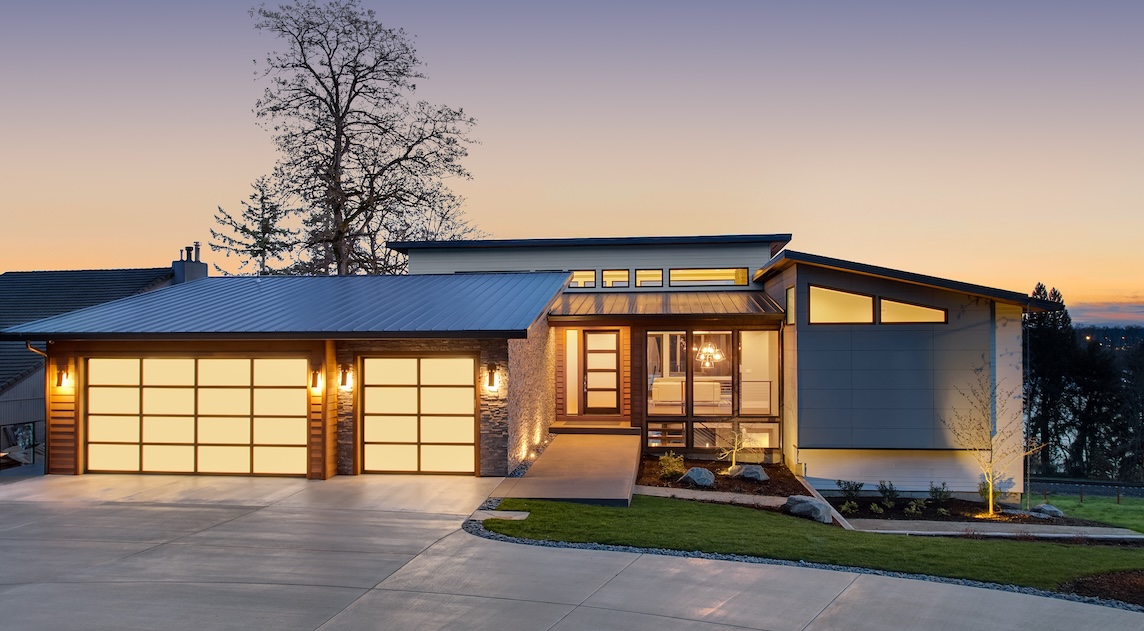
DID YOU KNOW?
Metal roofing does not attract lighting. In fact, according to the Metal Roofing Alliance, “if lightning strikes your metal roof, the electricity will be spread out across a larger area, diminish[ing] the immediate impact.”
Metal roofs tend to be more durable.
Metal roofs can stand up to nearly anything Mother Nature throws at them. You’ll find that they come with 30- to 50-year warranties, and many often outlast that with lifespans of 40 to 70 years. Metal roofs are not without weaknesses, however: Extreme hail or falling branches could dent a metal roof, as could walking on it improperly. Discuss vulnerability concerns with a representative from the manufacturer. You’ll learn, for example, that steel is hardier than copper.
Shingles have their own unique weaknesses, along with a shorter lifespan. Pooling water and chronically damp conditions can lead to algae and fungus growth; ice dams can create cracks; and temperature spikes between day and night can reduce the life of a shingle roof. Shingle roofs come with 15- to 30-year warranties, depending largely on the region, environment, and climate.
No matter whether you choose asphalt shingles or metal roofing, proper roofing installation will help you get the maximum lifespan and protection for your home. “Like most home projects, make sure to hire qualified experts who guarantee their workmanship to avoid issues, especially when it comes to your home’s roof,” says Ben Thacker, vice president of business development at Emporia Energy, a company that specializes in home energy management that’s located in Littleton, Colorado.
Asphalt shingle roofs are generally easier to install and repair.
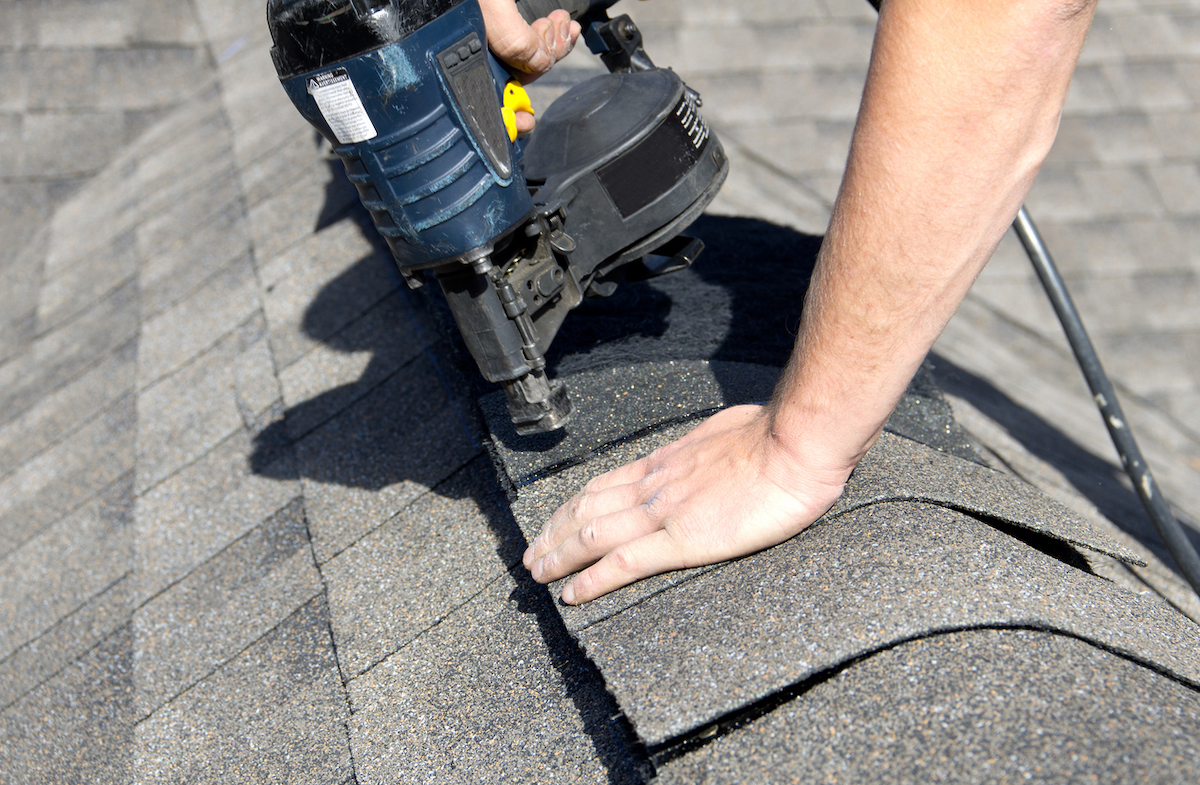
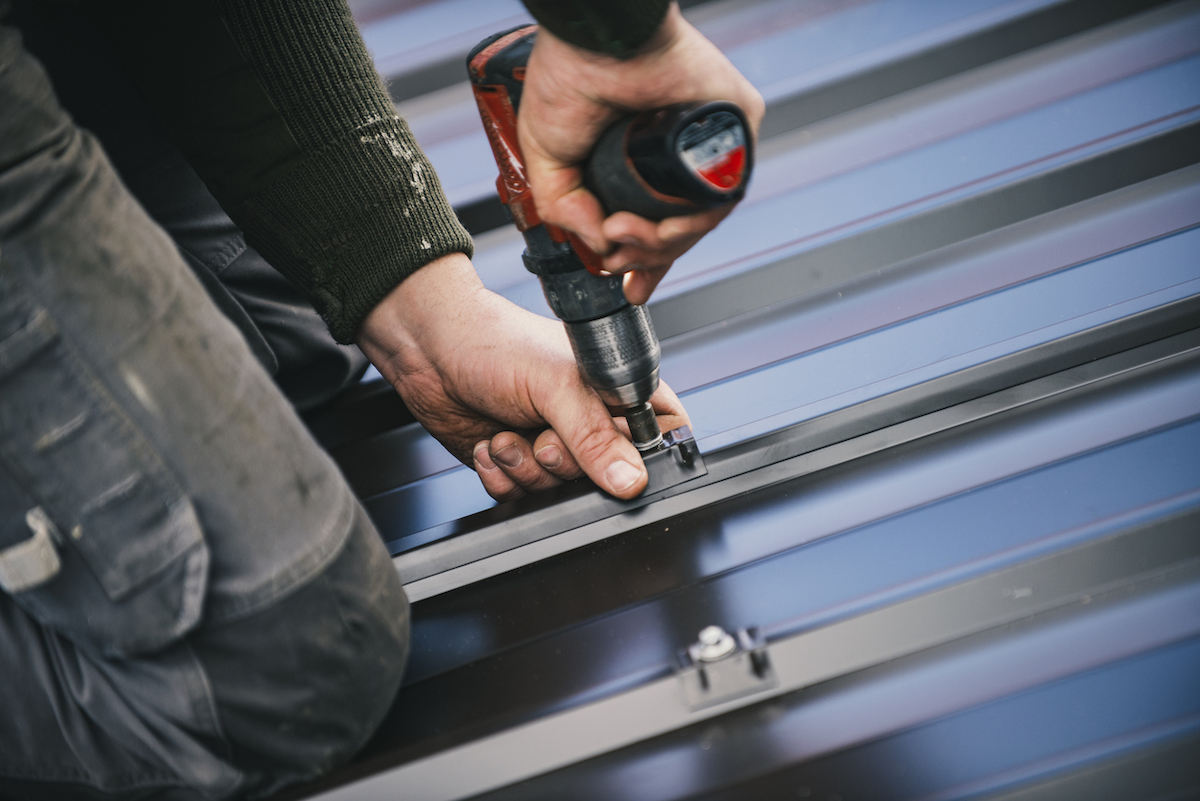
For pros, installing an asphalt shingle roof requires little specialized knowledge and just some basic tools. Shingles can be installed in a day or two in some cases, and sometimes right over the existing layer. Metal roofing installation typically requires a more skilled and specialized tradesperson.
A metal roof installation is more precise, with less room for error, so it won’t move as quickly as a shingle installation. However, some lightweight metal products may be installed right over an existing roof that’s in good condition, simplifying installation overall and eliminating the cost of ripping out the original roof.
“Quality metal roofs are very easy to clean, typically only requiring a squirt of water and gentle soap to remove rooftop grime. Other materials such as asphalt, shake, and clay may require more expensive professional cleaning and the use of harsh, environmentally harmful chemicals to remove stubborn dirt and to prevent issues like moss from taking hold.”
—Renee Ramey, Executive Director of the Metal Roofing Alliance (MRA)
Metal roofs are more eco-friendly and solar panel-friendly.
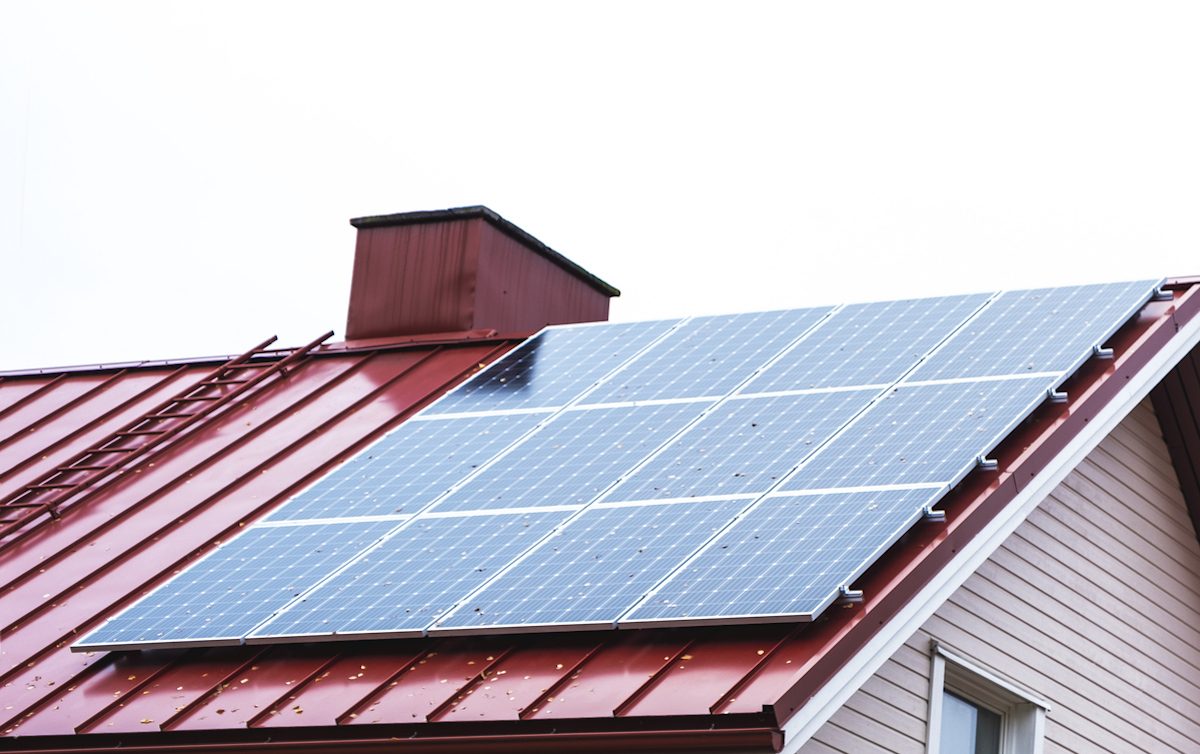
Metal roofing is generally considered a more sustainable option than asphalt shingles. It’s often made from recycled materials and can be recycled again at the end of its lifespan. Its reflective surface can also help reduce heat absorption, improving energy efficiency and lowering cooling costs. Metal roofs are a better choice for homeowners who plan to harvest rainwater, because contaminants and granules from asphalt can leach into rainwater harvested from asphalt-shingled roofs.
Asphalt shingles, on the other hand, require more frequent replacement. While some are now recycled for uses like road paving, millions of tons still end up in landfills each year. They’re also petroleum-based, which increases reliance on fossil fuels.
“Metal roofing is recyclable and a good substrate for rainwater collection. So, for the more environmentally conscious homeowner, it can be a desirable option. Metal roofing can have a higher solar reflectivity, especially with lighter colors, resulting in a cooler attic space and lower electric bills.”
—Jason Gibson, Owner of Storm Guard Roofing and Construction
Metal roofing also pairs especially well with solar panels. On standing seam systems, panels can often be attached without drilling into the roof, reducing the risk of leaks and simplifying installation.
“A metal roof’s main benefit is that it allows solar panels to be attached without penetrations,” says Thacker.
Because metal roofs can last 40 to 70 years, they’re also more likely to outlast a solar system, which typically has a lifespan of 25 to 30 years, reducing the need for roof replacement during the life of the panels.
Homeowners associations typically require asphalt shingles.

Homeowners associations can be strict with their guidelines for the colors, materials, and sizes of home elements, and it can be difficult to navigate exceptions to the rules. Asphalt shingles are often the choice for homeowners associations.
“For a home in an HOA community, an asphalt shingle may be the only approved roofing option,” says Gibson. “Asphalt shingles are going to have a lower up-front cost, so if the budget is limited, it may make more sense.”
Metal roofing performs better in most types of extreme weather.
When it comes to severe weather, both metal roofing and asphalt shingles can perform well—but metal typically has the edge in durability and resilience. Here’s how each material compares across common weather risks:
- Wildfire: Metal roofs are non-combustible and typically achieve a Class A fire rating, the highest level of fire resistance. Asphalt shingles can also carry Class A ratings, but are generally more vulnerable to ignition from wind-blown embers.
- Hail: Metal roofs can withstand hail impacts but may dent cosmetically. Asphalt shingles, especially Class IV impact-rated options—may resist visible damage better, making them a solid choice in hail-prone areas.
- High winds (tornadoes and hurricanes): Metal roofs are often rated to withstand winds up to 140 mph, making them a strong option in storm-prone regions. Asphalt shingles can be more susceptible to lifting, cracking, or losing granules in extreme wind conditions.
- Heavy rain and hurricanes: Metal roofing systems, particularly standing seam designs, excel at shedding water and resisting wind-driven rain. Proper installation is critical for both materials, but metal generally offers better protection against leaks in severe storms.
- Flooding and moisture: Metal roofing materials are more resistant to water damage and prolonged moisture exposure. Asphalt shingles are more prone to deterioration in consistently damp or flood-prone environments.
3D-printed roofs are neither metal nor asphalt…yet.

Called additive construction, 3D-printed homes have been a much-talked-about subject among residential construction pros. And while 3D printers can print metal and asphalt, they haven’t yet started printing full roofs in either material. Typically a 3D-printed home still has a roof made of traditional materials, except in developing countries.
Since access to building materials is more difficult in some nations, 3D-printing technology is being used to create roofing from recycled plastic that resembles terra-cotta tiles. It’s a less expensive material and it performs well, too. Still, 3D-printed metal or asphalt roofing might be a new option on the horizon. According to the roofing industry, 57 percent of roofing companies are looking into 3D printing.
How to choose the right material for your roof
Choosing between metal roofing and asphalt shingles ultimately comes down to your priorities, budget, and where you live. Both materials can perform well when properly installed, but the right choice depends on how long you plan to stay in your home and what matters most to you, whether that’s upfront cost, longevity, or performance in extreme weather.
Before making a final decision, consider these key factors:
- Your budget (short term vs. long term): Asphalt shingles cost less upfront, while metal roofing may give you better long-term value due to its lifespan and efficiency.
- Climate and weather risks: In areas prone to hurricanes, high winds, or wildfires, metal roofing often provides added durability and protection.
- How long you plan to stay in your home: If you’re planning to stay long-term, a metal roof may be worth the investment. For shorter timelines, shingles may make more financial sense.
- Maintenance preferences: Homeowners looking for a lower-maintenance option may prefer metal, while shingles are easier and cheaper to repair if issues arise.
- Neighborhood or HOA restrictions: Some communities limit roofing materials, so it’s important to check local guidelines before deciding.
- Future upgrades (like solar panels): If you’re considering solar, metal roofing can simplify installation and help avoid future roof replacements.
No matter which material you choose, proper installation is just as important as the material itself. Working with a qualified roofing contractor ensures your new roof performs as expected and protects your home for years to come.