We may earn revenue from the products available on this page and participate in affiliate programs. Learn More ›
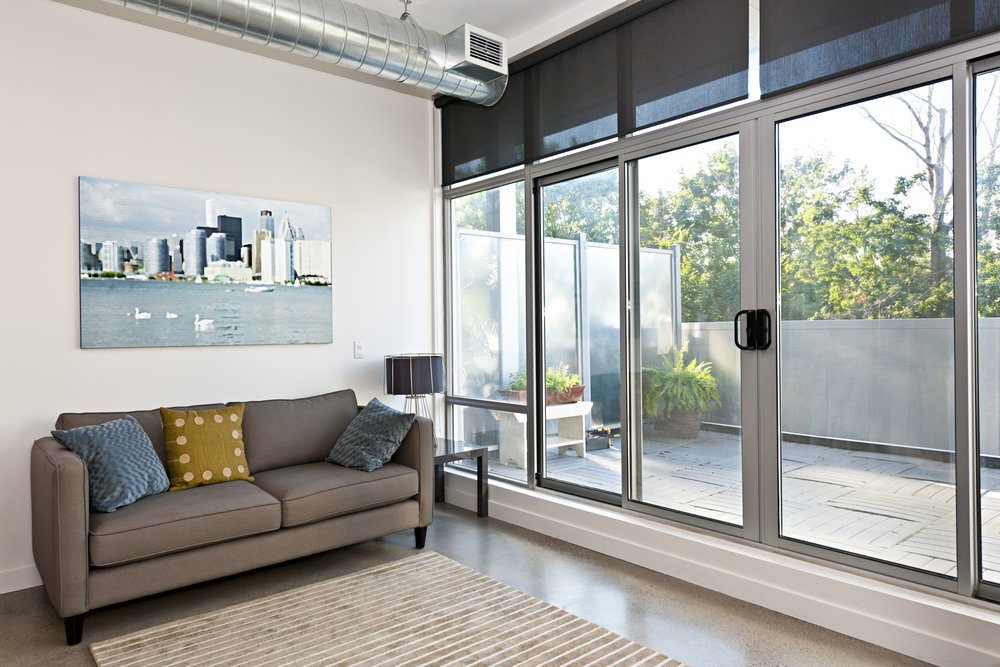
As the weather warms up and patios come back to life, sliding glass doors start getting more use. They flood your home with light, connect you to the backyard, and let in fresh air on cooler evenings. But here’s the question most homeowners don’t ask: How secure is yours, really?
Sliding doors use large glass panels with lightweight frames and simple latching systems. If your door is older, or you’re still using its original factory lock, it may not be as secure as you think. “Older models tend to use standard tempered glass, which is easy to shatter, as well as weak locking mechanisms on exposed tracks,” says Craig Ricks Jr., president of Acadian Windows and Siding in New Orleans. In some cases, he explains, someone may try lifting the panel off its track first, and if that doesn’t work, break the glass near the latch.
The good news: You don’t have to replace the entire door to improve security. From simple DIY fixes to upgraded locks, there are practical ways to secure a sliding glass door and make your home safer without overcomplicating the process.
Sliding Door Security Risks
Before you upgrade anything, it helps to understand how sliding glass doors usually fail in the first place. Most security issues come down to three weak points: the glass, the lock, and the track.
Breaking the glass
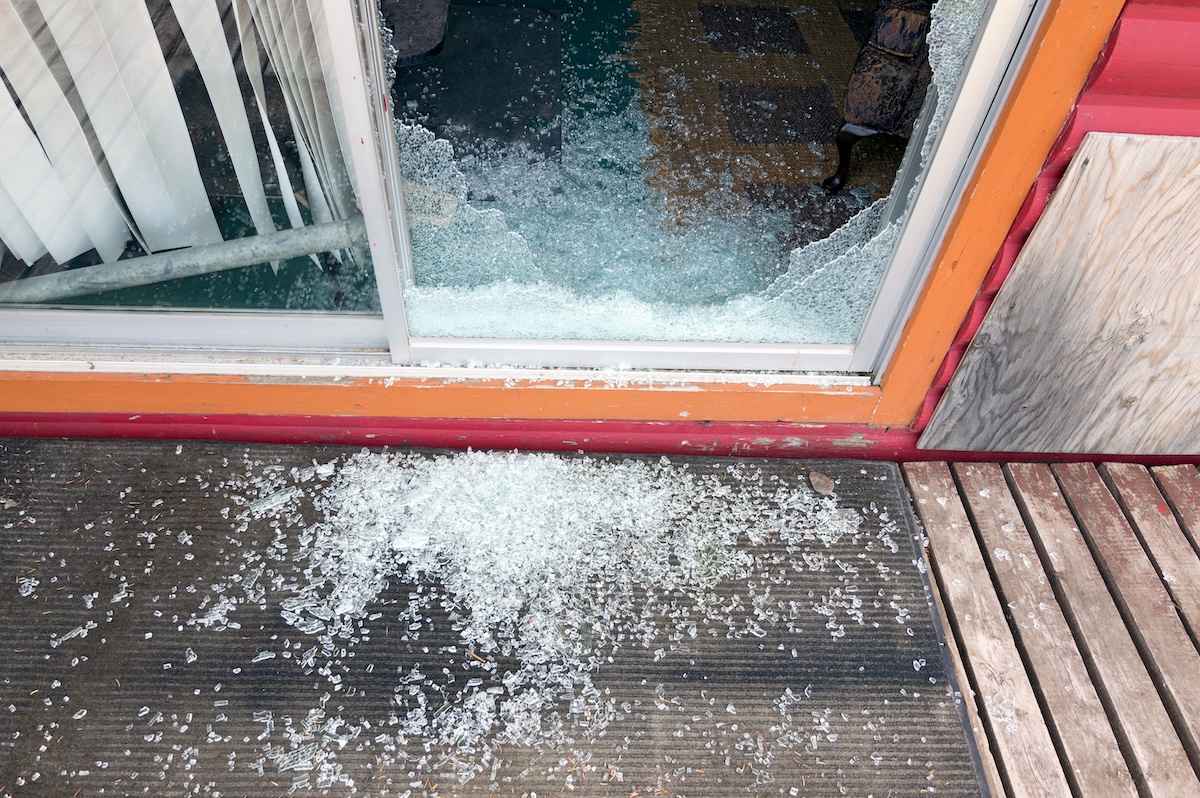
Large, uninterrupted panes of glass look great, but they’re vulnerable. Standard tempered glass is designed to shatter safely, not resist forced entry. “An intruder may be able to crack laminated glass but won’t be able to quickly shatter it like they can with tempered glass,” Ricks explains. If your door uses basic tempered glass, someone could potentially break a section near the latch and reach inside to unlock it.
Bypassing a simple latch lock
Many older sliding doors use a single-point latch. That may keep the door closed during normal use, but it doesn’t provide the same level of resistance as a multi-point locking system. If the latch is worn or misaligned, the latch lock may not fully engage.
Lifting the door off the track
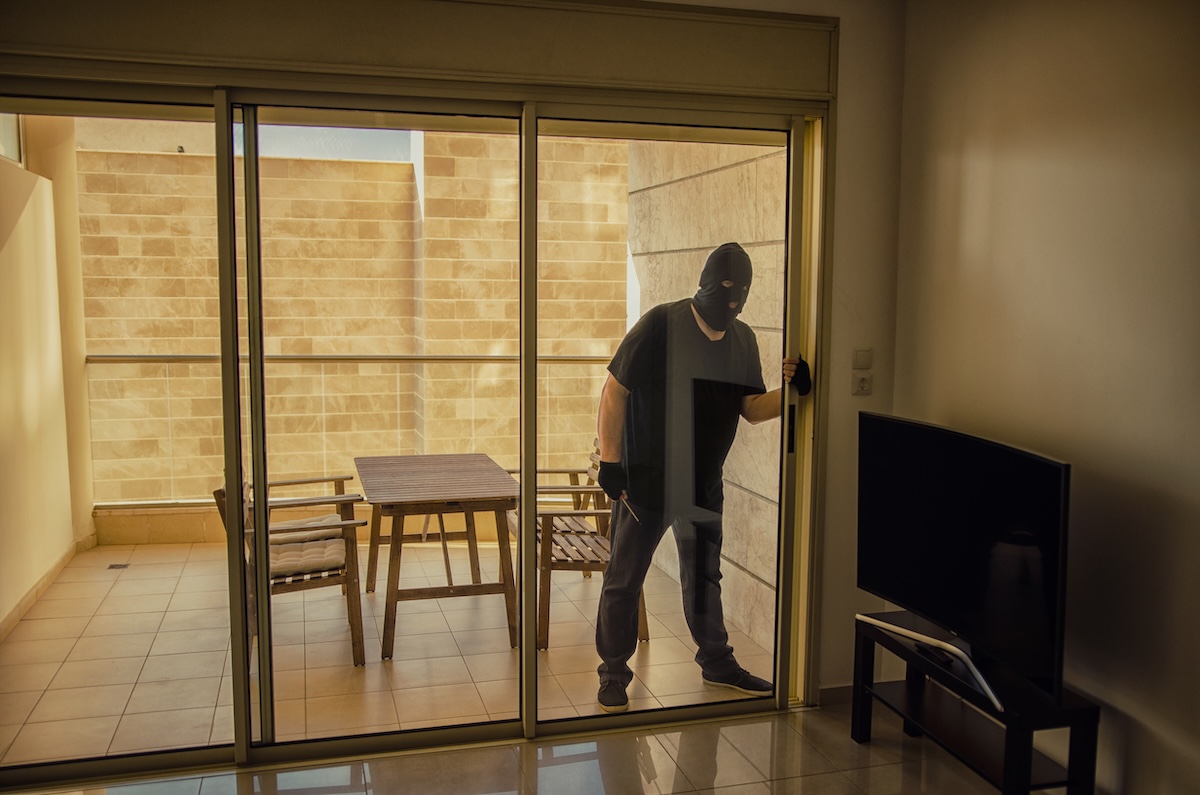
Because sliding doors move along rollers, they can sometimes be lifted upward and pulled out of the lower track, especially if the anti-lift mechanisms are missing or worn down. Ricks notes that exposed tracks and aging hardware make this easier on older models.
There’s also a visibility factor to consider. Sliding doors are usually at the back of the home, away from the street. They give you privacy, but they provide it for someone else, too. Step outside and look in. Can you see electronics, tools, or other valuables? Small adjustments like repositioning furniture, adding blinds, or installing motion lighting can reduce temptation without blocking all that natural light.
Understanding these common entry points makes it easier to choose the right fix. In many cases, a few good upgrades can dramatically improve security without replacing the entire door.
Protect your home and family with a top-notch security system. Vivint’s professionally installed systems don’t just alert you to threats—they help both prevent and deter them. See Vivint’s cameras and services.
Ways to Secure Sliding Doors
Apply a shatterproof window film.
If you want a simple upgrade that doesn’t require replacing the door, security window film is a good place to start. These adhesive films go directly on the glass and help hold it together if it cracks. Instead of shattering outward, the glass stays stuck to the film, which slows down entry and makes forced access much more difficult.
Security film comes in precut sheets or larger rolls that you can trim to size. When applied correctly, clear versions are nearly invisible and won’t change your view. They’re appealing if you want added protection without losing natural light.
It’s important to understand what window film can, and can’t, do. It doesn’t make glass unbreakable. Instead, it reinforces the pane so an intruder can’t quickly smash through and reach the lock. As Ricks explains, laminated materials that hold glass together can delay entry significantly compared to standard tempered glass, which shatters easily.
You’ll also see privacy variations:
- Clear film gives you your full view in and out.
- Mirrored film makes it so others can’t see in during the day, but reverses at night when interior lights are on.
- Frosted or patterned film allows light in while obscuring the view entirely.
If privacy is part of your concern, frosted film gives you the most coverage, but it also means losing your backyard view. For some homeowners, that tradeoff makes sense. For others, layering in blinds or curtains may be better.
If you’re already planning to replace the door, you can upgrade to laminated or impact-resistant glass instead of adding film afterward. But as a first step, security film is one of the most accessible ways to reinforce a vulnerable pane without a full door overhaul.
Block the track with a security bar or dowel.
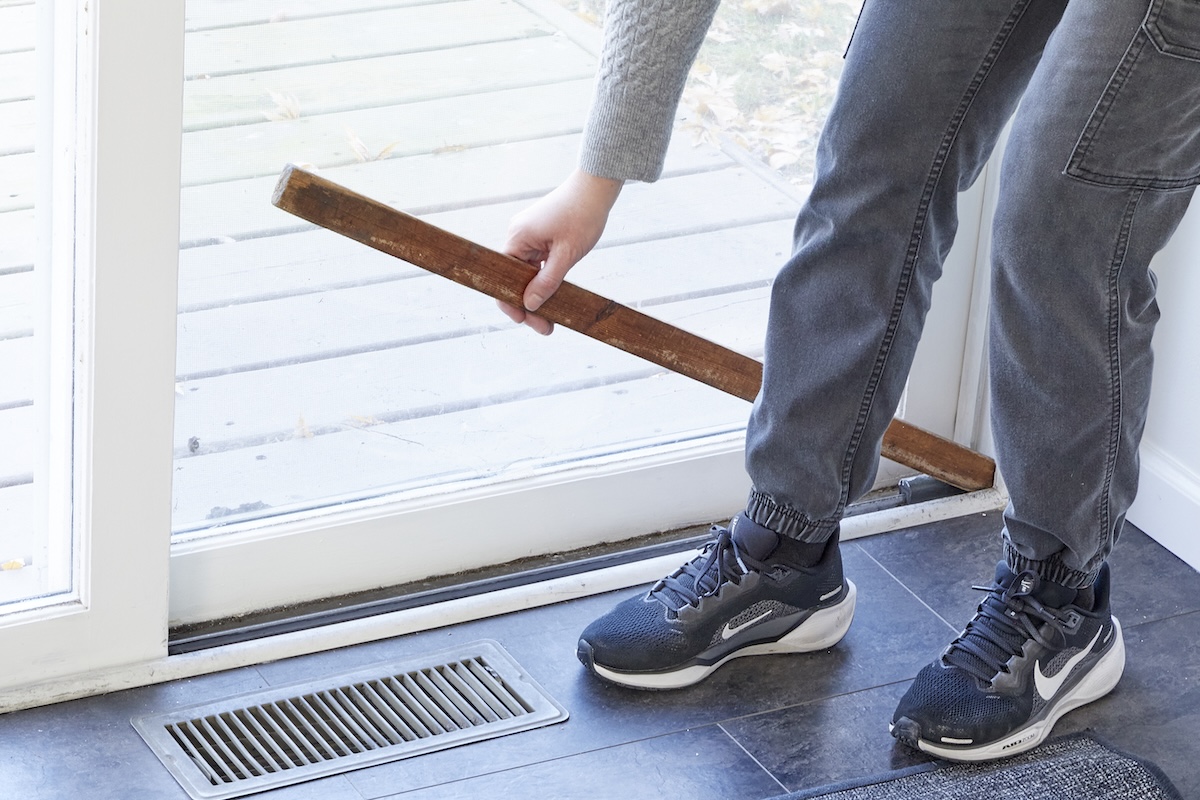
One of the simplest and most effective ways to reinforce a sliding glass door is to block the track itself. Even if someone manages to tamper with the latch, a solid barrier in the track prevents the door from sliding open.
The most basic version is a metal rod or wooden dowel cut to fit snugly between the moving panel and the door frame. When placed correctly, it physically stops the door from moving. For maximum security, the rod should extend fully from the edge of the door to the frame with little room to wiggle.
Ricks often reminds homeowners that a dowel only prevents sliding; it doesn’t stop someone from breaking the glass or attempting to lift the panel. Still, as part of a layered approach, it’s a smart and inexpensive deterrent.
If you’d rather not deal with a loose rod, you can install a sliding glass door security bar. These adjustable bars mount to the frame and lock into a bracket on the door panel. They’re more visible than a track rod, but that visibility can work in your favor as a visual deterrent.
Upgrade the locking system.
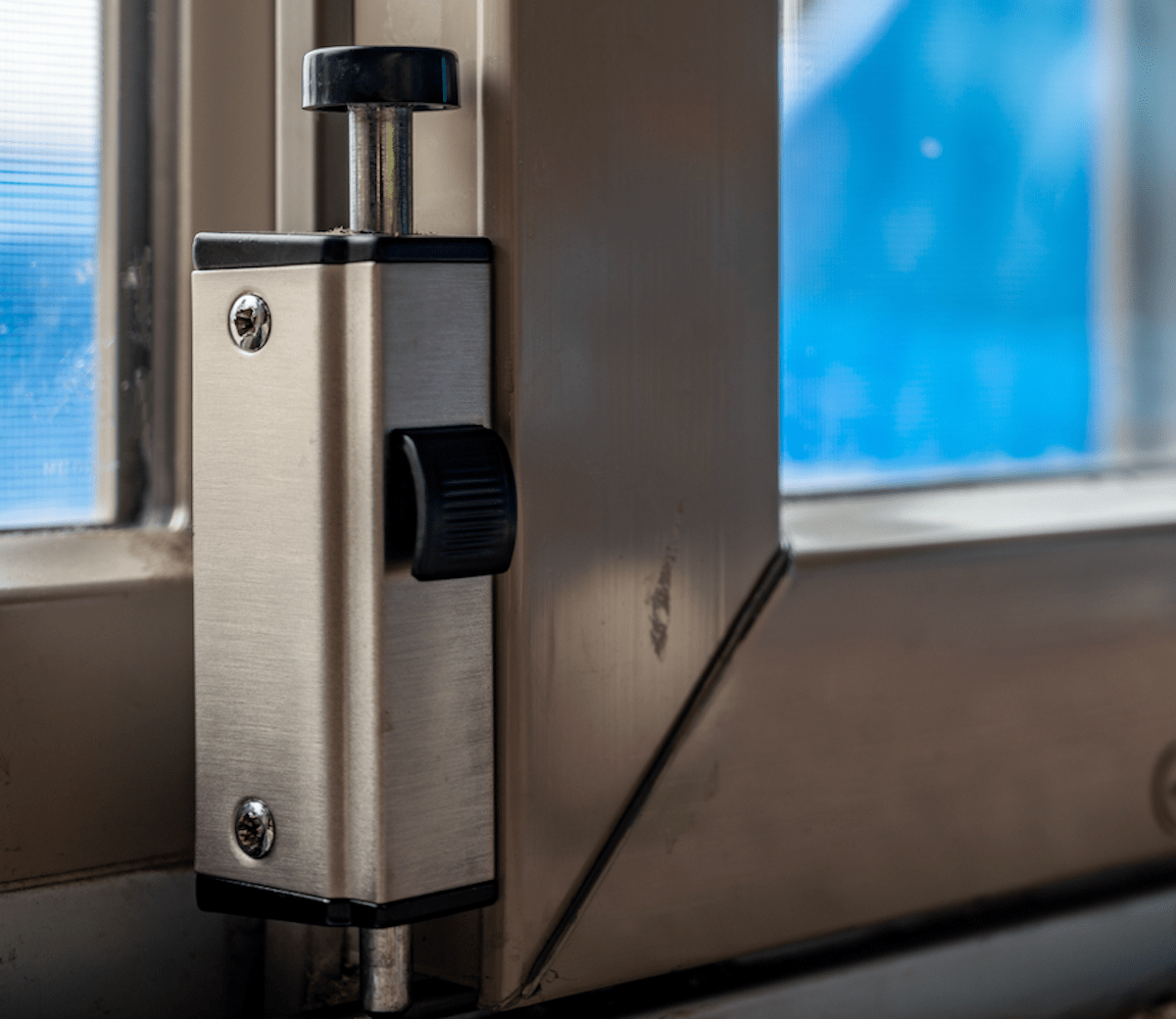
Most factory-installed sliding door locks rely on a single latch. That may be enough for everyday use, but it doesn’t offer the same resistance as a reinforced locking system.
If your door feels loose when locked, or if it’s more than 15 to 20 years old, it may be time for an upgrade. Aftermarket sliding door locks can secure the door at additional points along the frame. Some models bolt into the floor or the top frame, while others add a keyed cylinder for improved functionality if the slider is a main entry point.
Modern doors often use multi-point locking systems that engage at several locations along the frame. According to Ricks, these systems give you significantly better resistance than older single-point latches.
If your door is structurally sound but lacks a strong lock, upgrading the hardware can be one of the most cost-effective improvements you can make without replacing the entire unit.
Mount or reinforce the door to prevent lifting.
Because sliding doors operate on rollers, some older models can be lifted upward and removed from the lower track. If the anti-lift blocks are missing or worn down, this vulnerability becomes easier to exploit.
One solution is installing anti-lift devices or adjusting the rollers so the panel sits tighter within the frame. Some homeowners also add track screws or security pins that prevent the door from being raised high enough to clear the track. These upgrades are relatively inexpensive and directly address one of the most common bypass methods.
If the frame feels loose or flexes when pressure is applied, or if the door no longer sits squarely in the track, that may signal a larger structural issue. In those cases, reinforcing the frame—or replacing the door entirely—may make more sense than layering smaller fixes.
Install a security gate.
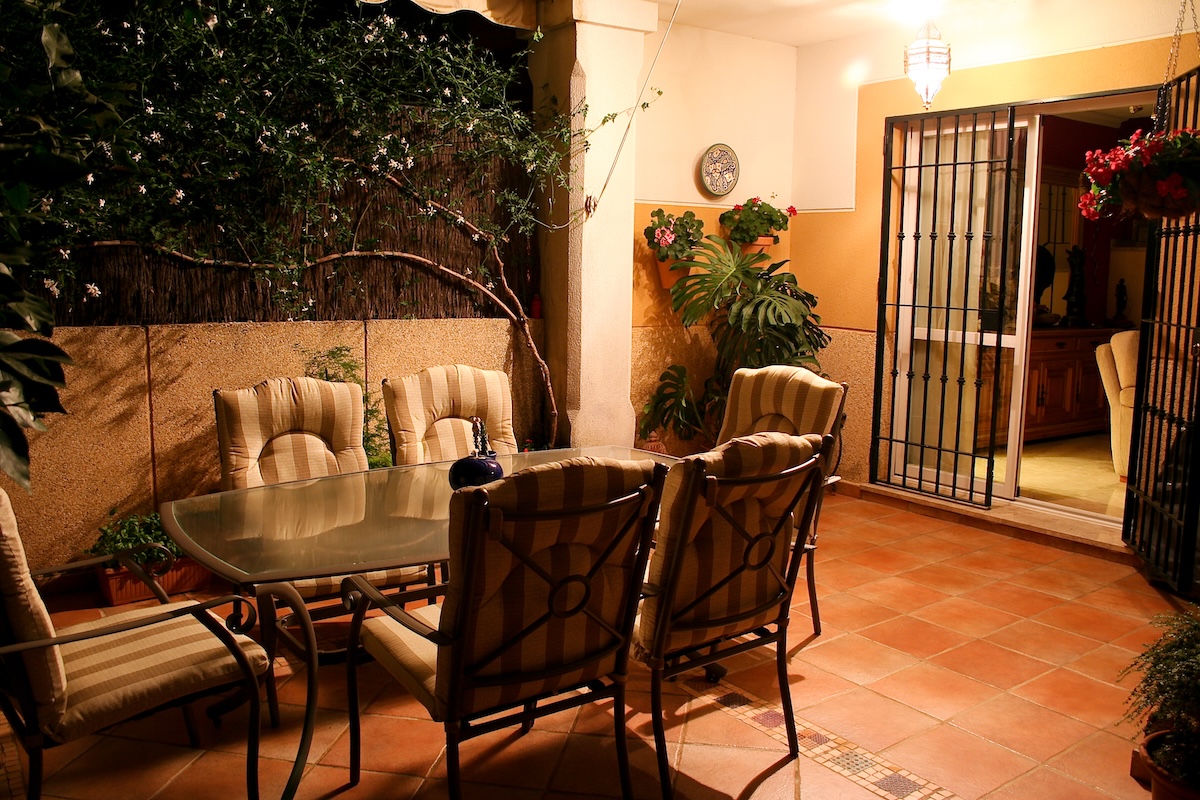
In higher-risk areas, you can install exterior security gates for additional sliding glass door security. These metal barriers mount outside the door and create a physical shield that prevents access to the glass and frame.
This approach gives you strong protection, but it’s less common in standard residential settings because it changes the look of the home and can feel restrictive. For most homeowners, upgraded glass, reinforced locks, and proper lighting provide enough security without adding a visible barrier.
Still, if security is your top priority, a gate can offer significant peace of mind.
Invest in a home security system.
Physical reinforcements slow entry. Monitoring systems add awareness.
A home security system won’t strengthen the door itself, but it can alert you immediately if someone tampers with it. Many systems offer:
- Door contact sensors
- Glass-break detectors
- Motion sensors
- Exterior cameras
- Real-time smartphone alerts
- Professional monitoring with emergency dispatch
If someone attempts to force the door or break the glass, you’ll know right away. Visible cameras and yard signage can also be good deterrents.
Ricks emphasizes that sliding glass doors, by design, will never be as inherently secure as a solid-core entry door. That’s why a layered approach works best: Reinforce the glass, strengthen the lock, prevent lifting, and add monitoring if needed.
With the right combination of upgrades, you can keep the light and backyard views you love without compromising on safety.
Protect your home and family with a top-notch security system. Vivint’s professionally installed systems don’t just alert you to threats—they help both prevent and deter them. See Vivint’s cameras and services.
Final Tips for Sliding Door Safety
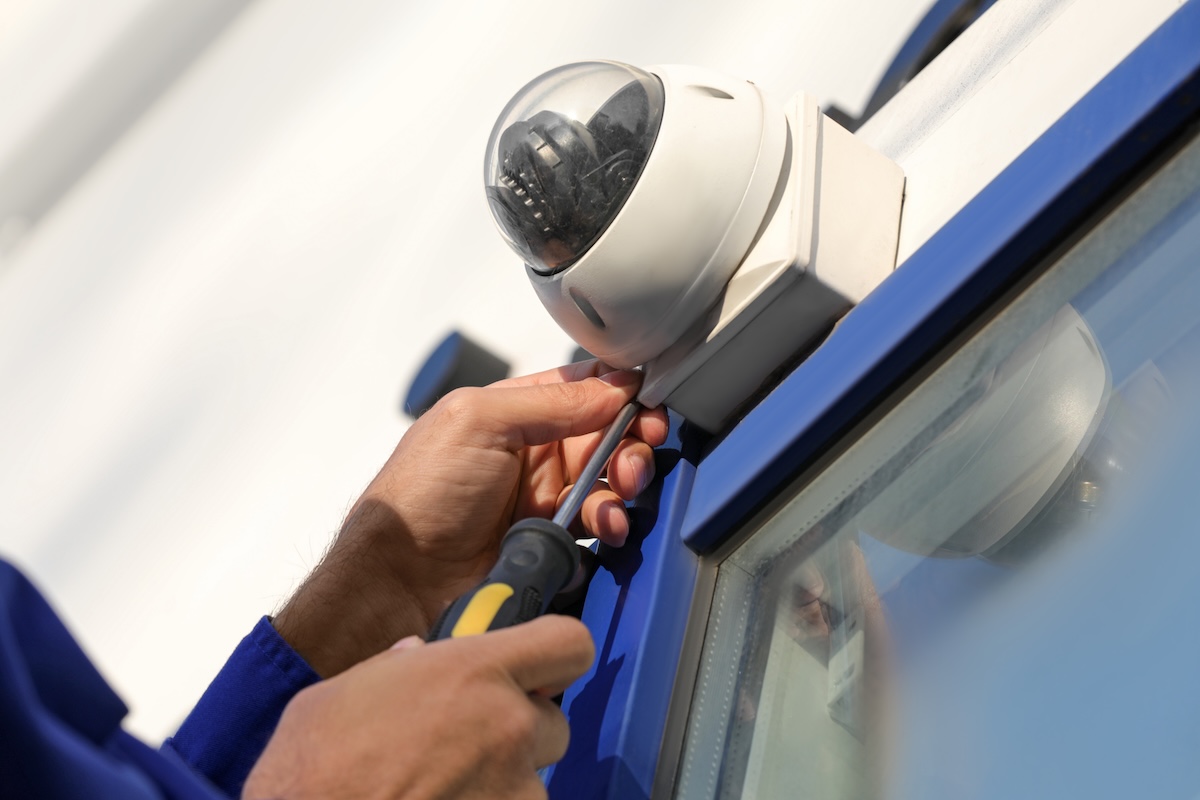
Upgrading hardware and glass makes a big difference, but everyday habits matter just as much.
- Start with visibility. Sliding patio doors often look out to the backyard, which means fewer neighbors passing by. At night, close curtains or blinds so someone outside can’t easily see your home’s layout or valuables. During the day, consider sheer coverings that let light in while softening the view from outside.
- Lighting also helps. Motion-activated lights near the patio area remove the cover of darkness and can discourage someone from lingering near the door. Even simple landscaping choices—like trimming back shrubs around the entry—improve sightlines.
- If you’ve just moved into a new home or apartment, temporary fixes are better than none. A snug dowel or tension rod in the track provides immediate reinforcement while you look at longer-term upgrades. Renters can also add removable security bars, anti-lift devices, and door sensors without making structural changes.
For homeowners planning a more permanent solution, think in layers:
- Reinforce the glass with film or laminated panels.
- Upgrade weak factory latches to stronger locking systems.
- Prevent lifting with anti-lift hardware.
- Add monitoring or cameras for awareness and deterrence.
Ricks recommends weighing the age and condition of the door itself. If it’s 20 years old with a weak frame and outdated hardware, replacement may ultimately offer better value than stacking multiple fixes.Sliding glass doors don’t have to be a weak point. With a few thoughtful upgrades and smart daily habits, you can enjoy the light, views, and fresh air they provide while maintaining a secure patio door year-round.