We may earn revenue from the products available on this page and participate in affiliate programs. Learn More ›
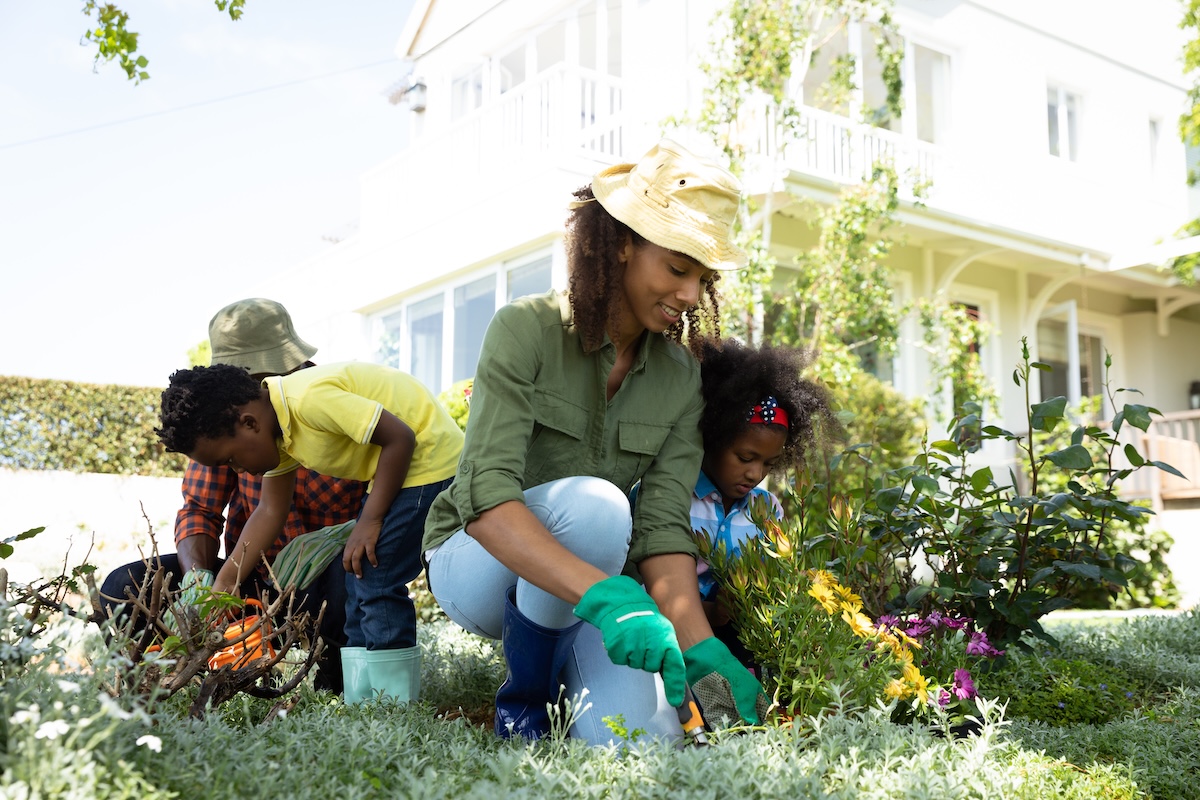
Whether you’re new to gardening or have been growing veggies and flowers for years, there’s no better time to turn over a new leaf in your outdoor space than at the start of the New Year. For some, this may involve switching up gardening layouts to accommodate more plants, or finding tricks to save money while growing more. But for me, I’m committed to making my outdoor space a little greener in 2026 with these eco-safe and budget-friendly garden resolutions that anyone can do.
1. Go Organic
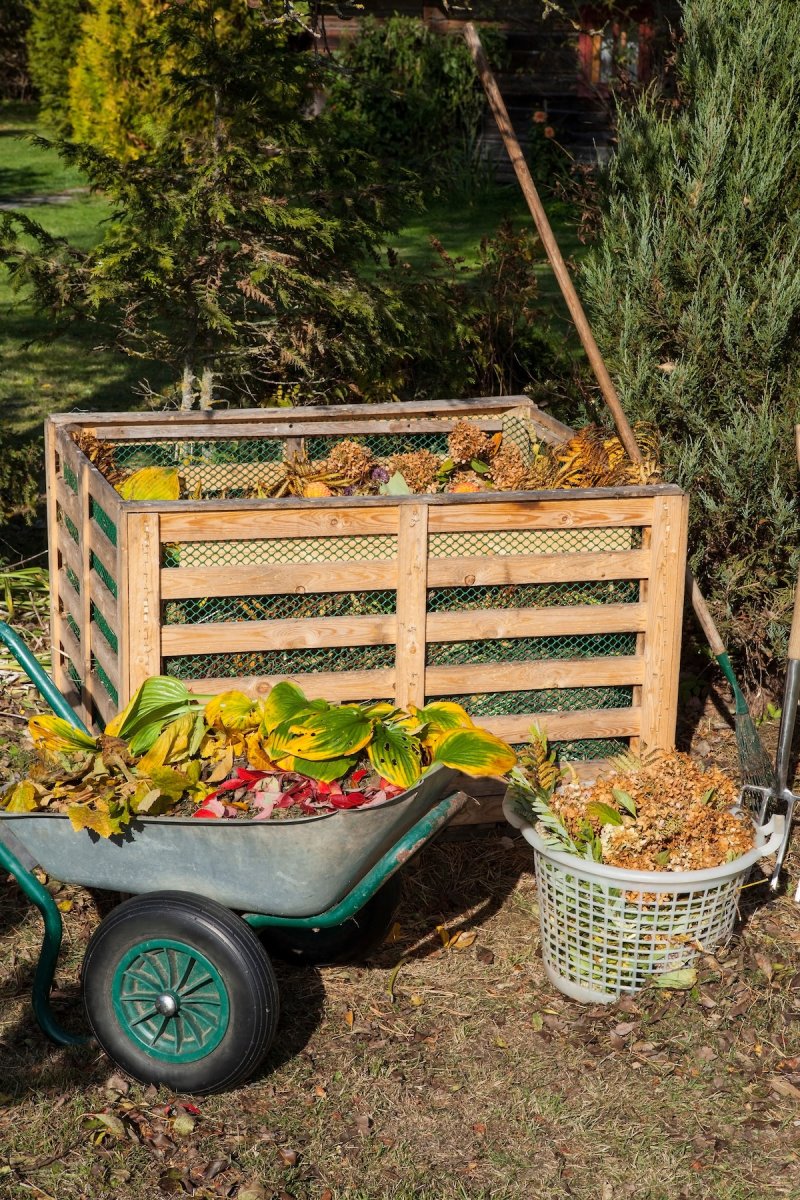
Pesticides and synthetic fertilizers can build up in waterways and harm pollinators that are essential for the health of our plants and gardens, so I’m sticking to organic gardening in the New Year. This, of course, includes eliminating synthetic products as much as possible, but it has also inspired me to try the following traditional gardening practices and techniques that naturally reduce the need for pesticides, herbicides, and synthetic fertilizers.
- Composting more. Composting food scraps and yard debris reduces the amount of household waste sent to landfills. It collects the valuable nutrients in food waste, breaks them down into a usable form, and when added to your garden, reduces the need for commercial fertilizers.
- Switching from conventional to organic fertilizers. Products like blood meal, fish emulsion, alfalfa meal, and kelp meal are all organic and effectively boost plant growth too.
- Using tarping and no-till gardening. Keeping soil covered with mulch and compost and tackling hard-to-remove weeds with tarps and cardboard can be just as effective as herbicide products.
- Reduce pests the all-natural way. Rotating crops, companion planting, investing in resistant plant cultivars, covering vulnerable plants with row covers, and using organic products like organic soap spray and Bacillus thuringiensis (Bt) are tried and true methods for eliminating garden pests without pesticides.
2. Plant More Natives
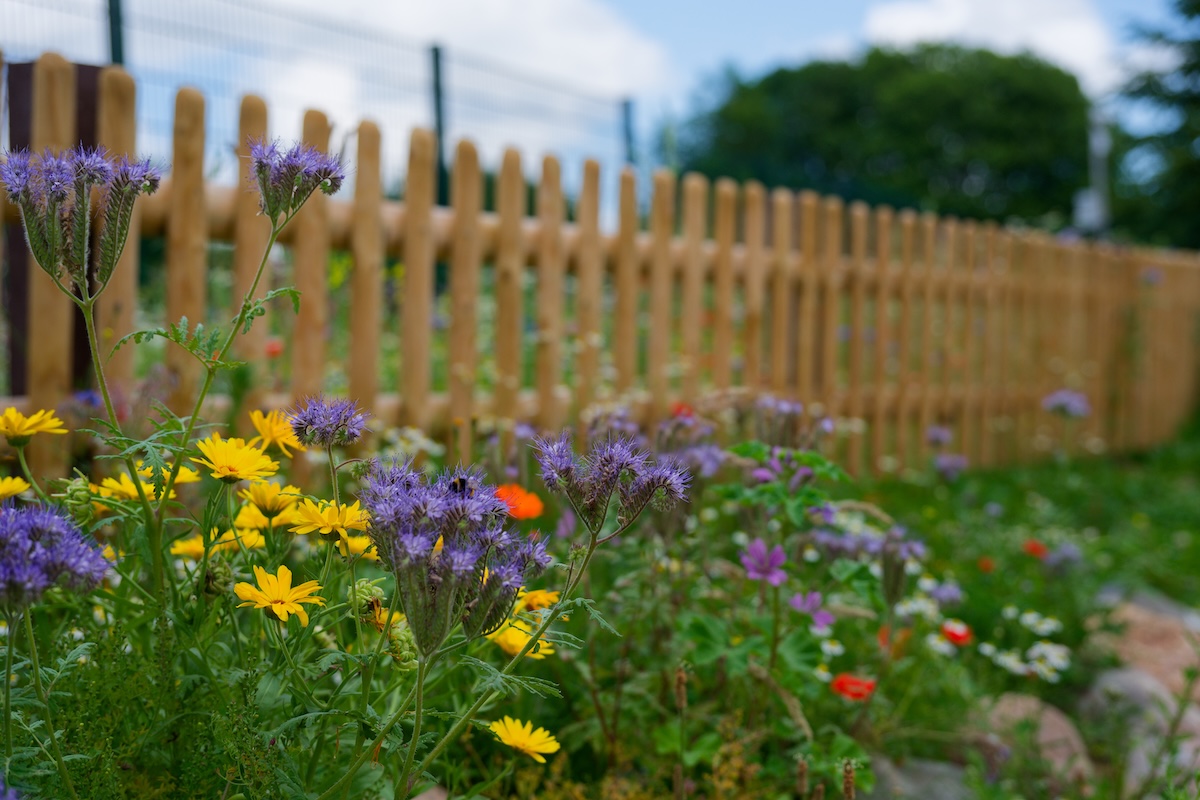
Native plants are the plants that grow wild in our local growing regions, and keeping them in our gardens can make our spaces much more eco-friendly. Not only are native plants four times more attractive to pollinators than non-native ones, but native plants are also perfectly adapted to our growing zones and don’t need as much water or fertilizer to keep them happy. They also tend to be more naturally resistant to pests.
The plants that are native to your garden vary depending on where you live, but you can find native annuals, perennials, trees, and shrubs for any garden space. Here in New England, I’ve focused on growing native plants that are cold hardy and particularly attractive to pollinators, such as:
- Butterfly weed
- Joe Pye weed
- Yarrow
- Woodland sunflowers
- Blue lobelia
Beginning gardeners as well as those more seasoned can benefit from checking with your local extension agent for recommendations tailored to your microclimate. If you live in a naturally dry climate, for example, the agent might recommend native plants that don’t need much water, such as:
- Prickly pear
- Heath aster
- Blanket flower
- Leadplant
- Prairie smoke
Or select these native plants that tolerate soggy soil if your garden stays damp or gets a lot of rain:
- Blue flag
- Turtlehead
- Boneset
- Cardinal flower
- Swamp milkweed
3. Water Wisely
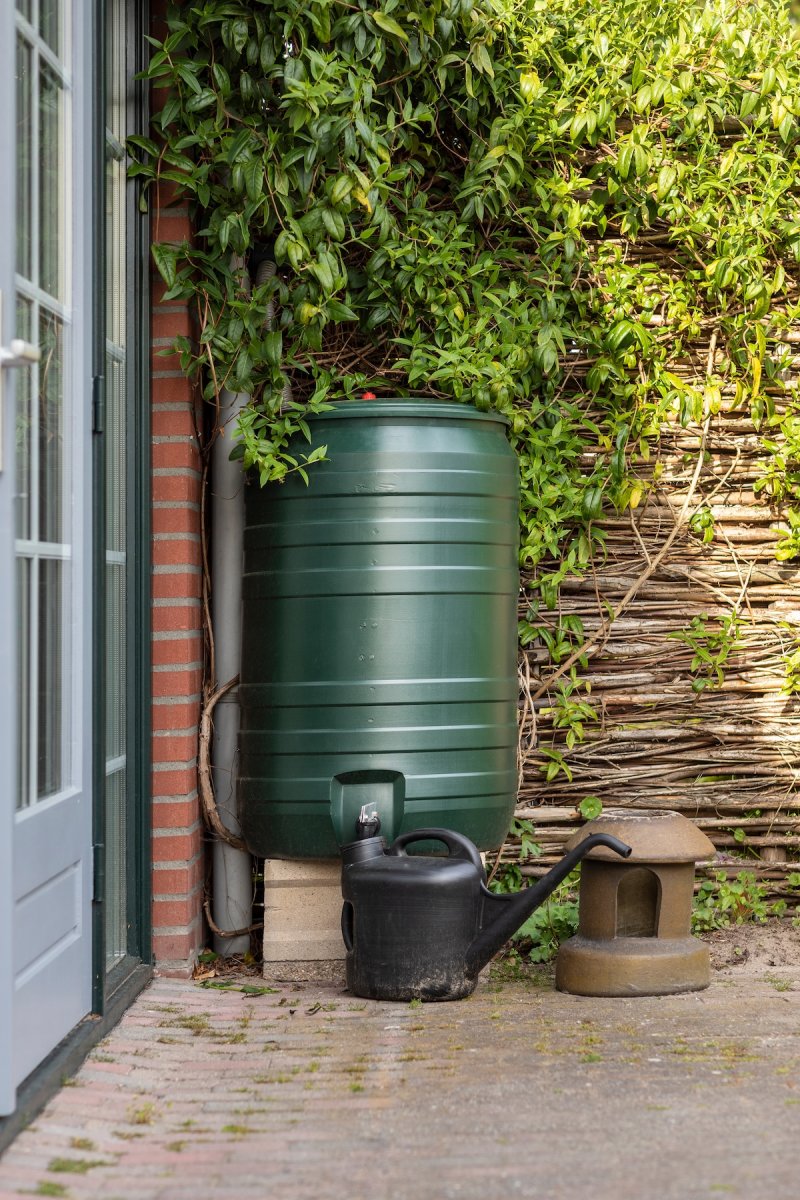
Growing native plants can reduce water waste and make gardens easier to maintain. But there are plenty of other ways to slash water use and potentially eliminate the need for hand-watering altogether.
I keep my garden beds covered with mulch to reduce evaporation rates and maintain moisture in the soil. I also add plenty of compost into my beds as it helps the soil to lock onto moisture longer and keeps plant roots well-hydrated. For 2026, I’ve also committed to watering my garden earlier in the morning when plant roots are more efficient at absorbing water. In addition to these measures, I’m swapping out my overhead sprinkler system for drip irrigation in my veggie beds and herb garden. This swap may not be for everyone, but drip irrigation uses significantly less water than garden hoses and sprinkler systems. It also helps to prevent issues like powdery mildew by directing water to the soil line and helping to keep plant leaves dry.
If you want to explore even more ways to reduce water use in your garden, consider:
- Conserving water in a rain barrel. Collecting rainwater is legal in most states and can reduce your reliance on public water.
- Swapping out some of your turf grass for less thirsty wildflowers or clover. About 30 to 60 percent of urban fresh water is used to water turf grass lawns. Replacing some or all of your grass with more resistant wildflowers, clover, or plants like creeping thyme can significantly reduce your lawn’s watering and maintenance needs.
- Water plants deeply. Shallow watering doesn’t give plants as much time to absorb water.
- Group plants together to reduce moisture evaporation. Keeping your soil covered with mulch and growing plants close together leaves less soil exposed to the harsh sun and reduces evaporation rates. Just make sure to position plants far enough apart that they still have adequate access to light and air.