We may earn revenue from the products available on this page and participate in affiliate programs. Learn More ›
Key Takeaways
- Ozone generators are sometimes used to treat persistent smoke, pet, cooking, and musty odors after the odor source has been removed or cleaned.
- Never operate an ozone generator around people, pets, or plants, and follow the manufacturer’s instructions for treatment and re-entry.
- Ozone is not a substitute for mold remediation, cleaning, ventilation, or fixing leaks and other underlying odor sources.
- Thoroughly ventilate the treated space afterward, and don’t rely solely on the absence of an ozone smell to determine that it is safe to re-enter.
AI assisted, editor reviewed
Depending on your experience with troubling smells around the home, you may have seen an ozone machine but have no idea what it does. An ozone machine creates ozone by adding a third oxygen atom to O₂ molecules, then uses this ozone to deodorize closed locations. Because ozone is highly reactive, it can oxidize some odor-causing compounds. However, its effectiveness varies, and ozone reactions can also create irritating byproducts.
For that reason, ozone treatment is sometimes used in controlled, unoccupied spaces during fire or odor restoration, such as in a house with a strong cigarette smell. In this guide, find out how to use an ozone machine and what safety measures you should take when using this device.
What does an ozone machine do?
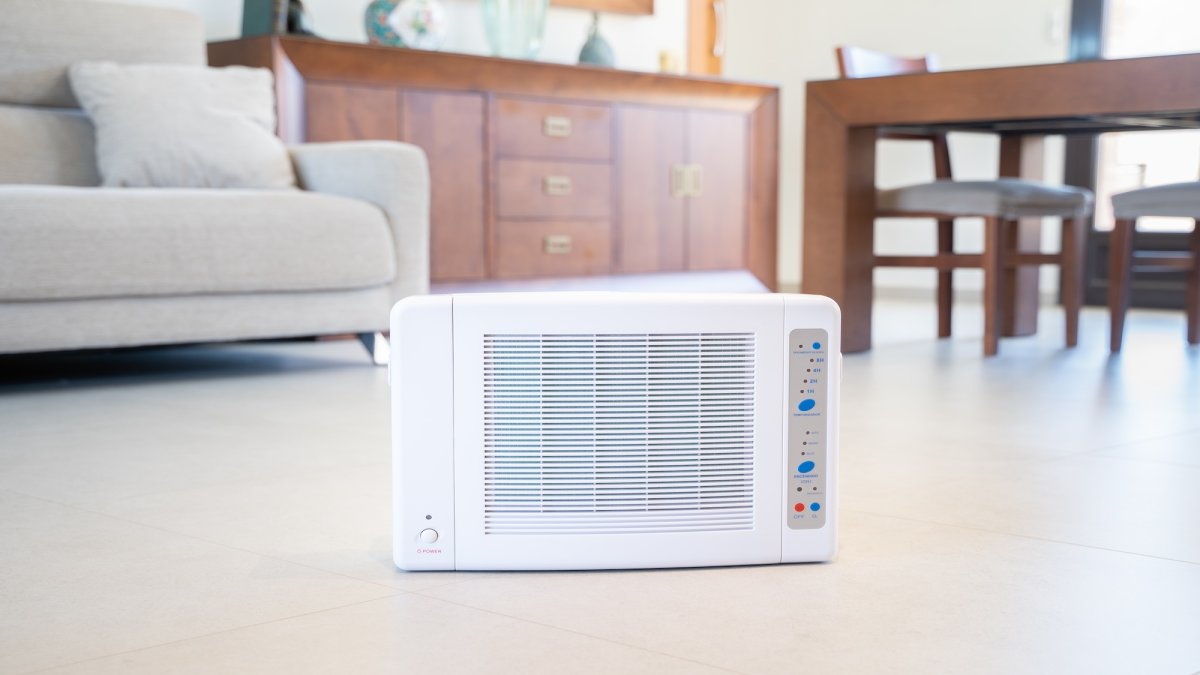
The primary use for an ozone machine is to get rid of odors in the home, though it’s important to note that these machines are used to eliminating powerful odors in more extreme situations—you don’t use these daily, as you might use an air purifier. You should never run an ozone generator in an occupied space, as ozone is toxic to breathe and can cause significant harm, especially in high concentrations.
Jesse Roher, Technical Trainer with Paul Davis Restoration, explains that “an ozone machine is a device that converts oxygen (O2) into ozone (O3). I often describe ozone as behaving like an airborne oxidizer, similar to bleach or chlorine. Ozone is a useful deodorizer when used in an unoccupied space.”
Ozone Machine Benefits
Since ozone machines can be hazardous, many people wonder about the benefits of using these machines and how to use an ozone generator at home safely. Ozone generators are sometimes used as a supplemental treatment for persistent odors after the odor source has been removed or cleaned, like heavy mildew smells, by breaking down the contaminants on a molecular level. Consider these benefits of using an ozone machine in your home:
- Neutralizes severe tobacco, wildfire, and post-fire smoke damage.
- Eliminates deep-set animal smells embedded in porous home fabrics.
- Eradicates lingering oils, grease, and pungent cooking aromas.
- May be used for residual musty odors after the moisture source and mold itself have been properly addressed
- As a gas, ozone can circulate through the treatment area and contact exposed surfaces and materials.
- High shock concentrations can eradicate localized household pests like fleas.
How do ozone generators work?
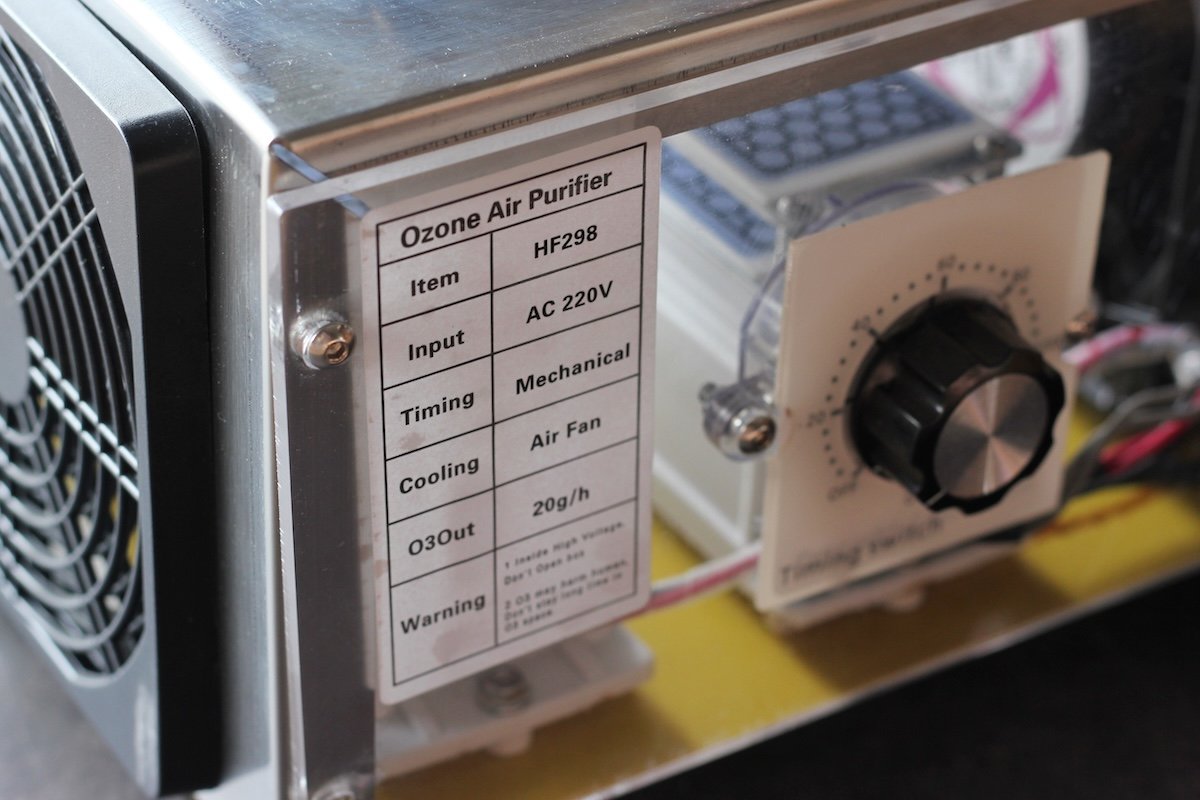
When an odor elimination device comes with significant safety risks, it’s makes sense to wonder how they function, and why they should be used with caution. “Most ozone generators use electricity to split oxygen molecules (O₂). Those oxygen atoms then combine with other oxygen molecules to form ozone (O₃). Once produced, ozone reacts with odor-causing compounds through oxidation, which is why it can be effective for deodorization,” says Roher.
Ozone is highly reactive and can oxidize certain compounds it encounters. These reactions alter some odor-causing molecules, although they can also create secondary pollutants. While ozone machines can be useful in certain applications, they carry severe health risks if misused. The U.S. Environmental Protection Agency (EPA) warns that breathing ozone damages the respiratory tract and exacerbates asthma.
When using an ozone generator, living things, including house pets and plants, must leave the room while the machine runs. Follow the manufacturer’s re-entry instructions and thoroughly ventilate the treatment area before anyone returns. These machines do not trap dust or pollen, like standard filters or air purifiers, and are only meant for intense, periodic shock treatments.
Tools & Materials
Bobvila.com may earn a commission from purchases made through these links.
How to Use an Ozone Machine
Since ozone machines are not used often, you likely don’t need to purchase one. Instead, you can head to a local equipment rental store to rent one for a couple of days. If you have a powerful odor that you just can’t get rid of, like a musty smell in the basement, and need to know how to use an ozone generator, Roher has provided the following steps for properly using an ozone machine to clean/deodorize the home.
- Identify the source of the odor. Before setting up an ozone machine, determine what is causing the odor. Ozone should not be used to mask odors when the source is still present.
- Clean and address the source. Once the source is identified, properly clean, remove, or remediate it. Ozone is a deodorization tool, not a substitute for cleaning.
- Isolate the treatment area. Close doors, vents, and cold air returns to keep the ozone contained within the treatment area, preventing it from moving into occupied spaces.
- Set up the equipment. Place the ozone generator as high in the room as possible. Roher also recommends using a fan or an air mover to circulate air within the room so the ozone can be distributed more evenly throughout the space.
- Run the ozone treatment. Set the machine on a timer and leave the area immediately. No people, pets, or plants should remain in the area during the ozone treatment.
- Allow the ozone to dissipate. Once the timer has finished, the room should remain vacant to allow the ozone to naturally revert to oxygen.
- Ventilate the room. Before reoccupying the space, ventilate it with fresh air whenever possible. This may include running an air mover toward an open window, using an exhaust fan, or operating a bathroom fan.
Eliminate These Odors With an Ozone Generator
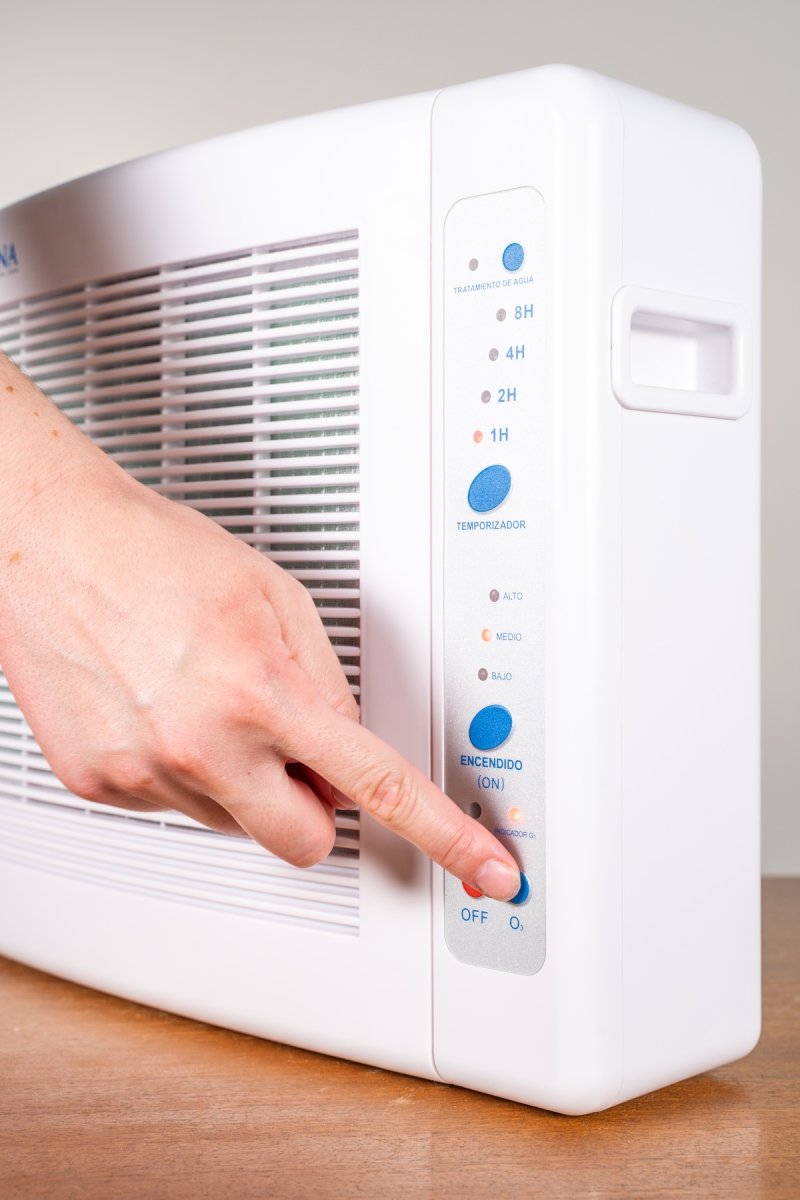
Ozone generators are sometimes used for one-time shock treatments of the home to remove severe odors, like smoke smells after a fire, tobacco odors, mildew smells, or even car detailing.
Though, Roher mentions that “in a residential setting, I would only recommend using ozone for short periods to address persistent odors such as smoke, cooking odors, pet odors, and musty smells after the source has been identified and cleaned.”
Water Damage
After locating and repairing the cause of a leak, flood, or moisture incursion, you can use an ozone generator to neutralize damp, musty odors in the basement, bathroom, or throughout the home.
Pets
Puppies and kittens are adorable, but the smells they can leave trapped in your carpets, furniture, baseboards, and upholstery are not. Ozone treatment may help address some residual pet odors after urine, stains, and other sources have been thoroughly cleaned. It does not remove pet dander or other particles.
Fire and Smoke Damage
One of the main professional uses for an ozone machine is to remove smoke and fire damage smells following a fire. The ozone penetrates deep to remove the odors from the walls, framing, and surviving drywall. However, this doesn’t limit the ozone generator to only handling smoke produced by a house fire. It can also be used to get rid of stubborn tobacco smells that have embedded deep in the walls and carpets over the years.
Bathroom
While you don’t want to use an ozone machine as a part of your weekly bathroom cleaning process, it can be put to use once or twice a year to neutralize odors in enclosed bathrooms. However, to permanently get rid of the odor, you need to treat the source of the problem, rather than just neutralizing the smell every so often.
Kitchen and Cooking
As with bathroom odors, you shouldn’t rely on these devices for regular kitchen cleaning. Instead, use an ozone machine if there is a kitchen fire, rotted food, or lingering burning smells that you just can’t get rid of using conventional cleaning methods. Just make sure to clean up the source of the foul kitchen odors first so you aren’t just temporarily removing the odor.
Car
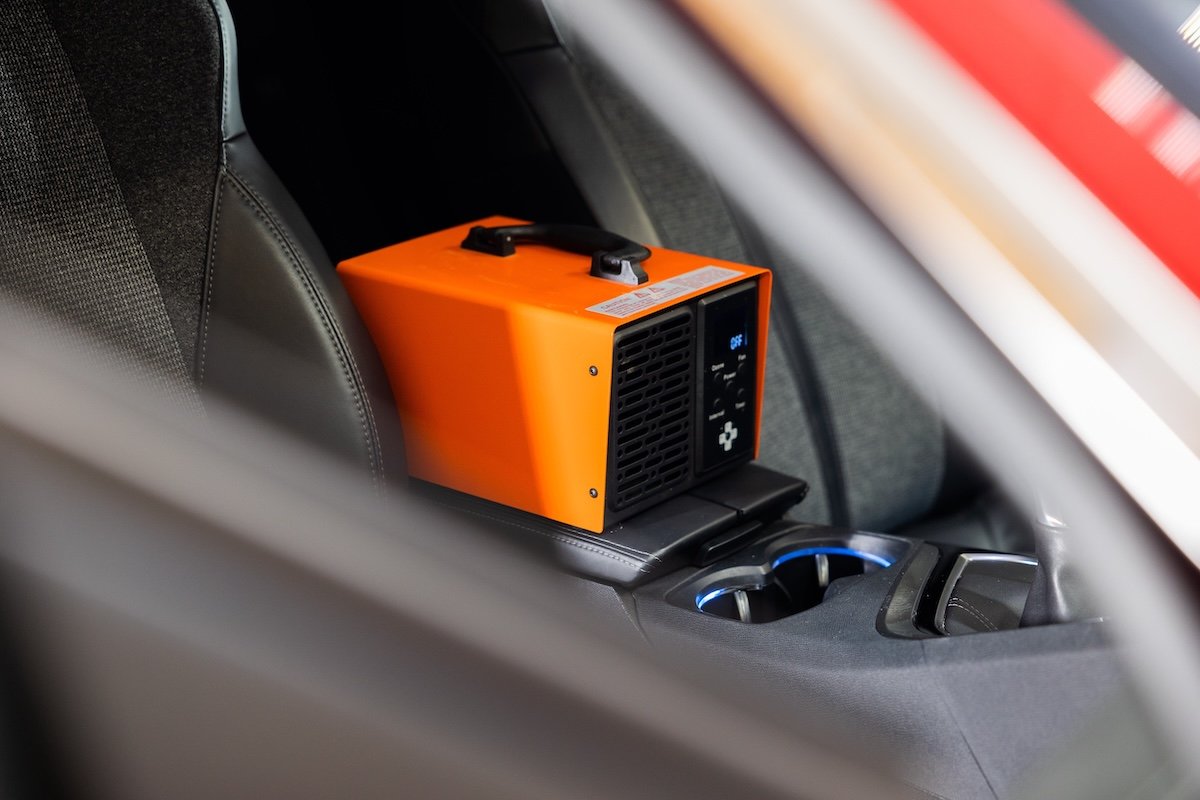
Ozone treatment is also sometimes used in vehicle detailing, but the vehicle must remain unoccupied during treatment and be thoroughly ventilated before re-entry. The ozone machine can destroy odors caused by stale cigarette smoke, sour food spills, or damp car AC odors that have become trapped inside the fabric of the closed vehicle cabin.
Other Uses
There are many industries that use ozone machines to handle powerful odors, especially in enterprises that involve renting space or items to people, such as car rental businesses and hotels. Real estate professionals and short-term rental spaces will also make use of ozone machines to refresh stale or neglected properties between tenant turnovers, while secondhand furniture stores may deodorize vintage or thrifted mattresses, couches, and cabinets before bringing them inside.
Fire and water damage restoration companies can also use ozone machines to eliminate heavy smoke, soot, and damp mildew smells after a disaster, while gyms may infrequently make use of ozone machines to reduce sweat and bacteria smells in closed training areas overnight. However, Roher notes that “ozone can be an effective deodorization tool, but it should never be used as a substitute for cleaning or remediation. If the source of the odor remains, the odor will likely return once the ozone treatment is complete.”
FAQ
Q. Does an ozone machine actually get rid of smells?
Ozone can react with some odor-causing compounds, which is why it is sometimes used for deodorization. However, its effectiveness varies, and removing or cleaning the odor source remains the most important step.
Q. How long should I let the room air out after using an ozone machine?
It’s important to allow the room to air out properly before re-entry. Roher states that “the amount of time required depends on the room size, the machine’s ozone output, and the treatment duration. Manufacturer guidelines can range from 2 to 8 hours; one even states that 12 hours should be allowed after shock treatments.”
Q. Can I sleep in a room after ozone treatment?
Whether you can sleep in the room or not depends on how long it has been since treatment and how effectively the ozone was vented from the room. “If you can still smell ozone even after waiting the manufacturer’s recommended time, I would keep ventilating the room and wait to sleep in the room until the ozone smell has dissipated. It is better to wait a little longer than to risk someone’s health,” says Roher.
However, odor alone should not be used to determine whether ozone levels are safe, since the ability to detect ozone by smell varies and can diminish with exposure.
Q. How long to run an ozone generator?
There is no universal run time for an ozone generator. Follow the instructions for the specific machine and treatment area, since ozone output and concentrations can vary substantially.
Q. How effective is ozone at killing mold?
Ozone should not be relied on to kill or remediate household mold. The EPA says ozone at concentrations within public-health standards does not effectively remove mold, and even high concentrations may not affect mold embedded in porous materials. Fix the moisture problem and clean or remove the mold instead.