We may earn revenue from the products available on this page and participate in affiliate programs. Learn More ›
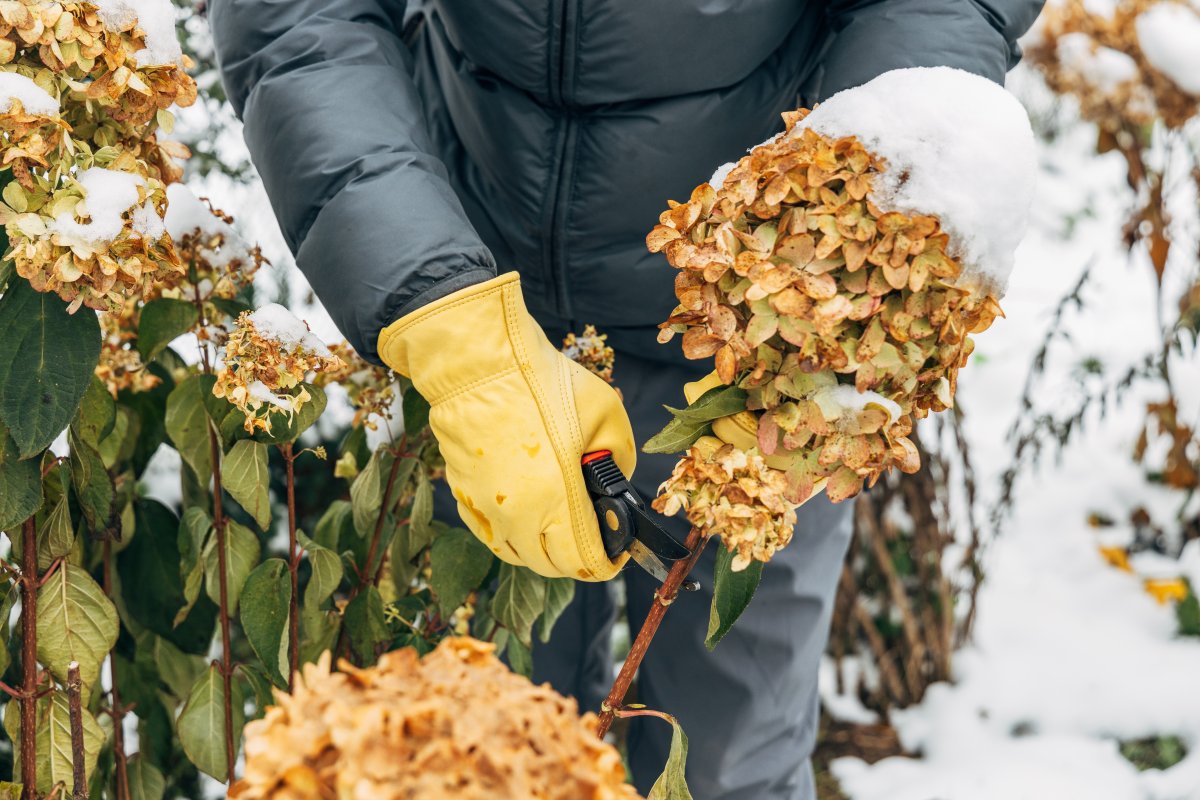
Wondering if you need to bundle up and head outside to tackle some winter gardening chores? Even though temperatures are still frigid and there might even be snow on the ground, it’s surprisingly an opportune time to focus on which trees and plants in your yard need pruning to prepare them for springtime.
Many deciduous shrubs bloom on new growth that emerges in the spring, so it’s beneficial to prune them in late winter to ensure they thrive once the cold weather passes. Winter pruning helps to tidy plants and improve their structure and growth pattern. Removing dead, diseased, or crossing stems and branches at a strategic time (when the plants are dormant) helps avoid stressing the plants and encourages flowers, fruit, and foliage to grow as the air warms. This is because it helps the plants use nutrients more efficiently and heal faster.
Here are three popular plants to prune in February, depending on your growing zone, and tips for doing it as effectively as possible. Keep in mind that when pruning plants in the middle of winter, choose a mild, dry day to prevent damage from cold temperatures, mold, and bacteria. Always use clean, sharp tools, such as pruners, loppers, a hand saw, or a pole saw, to reduce the chance of spreading disease.
1. Roses
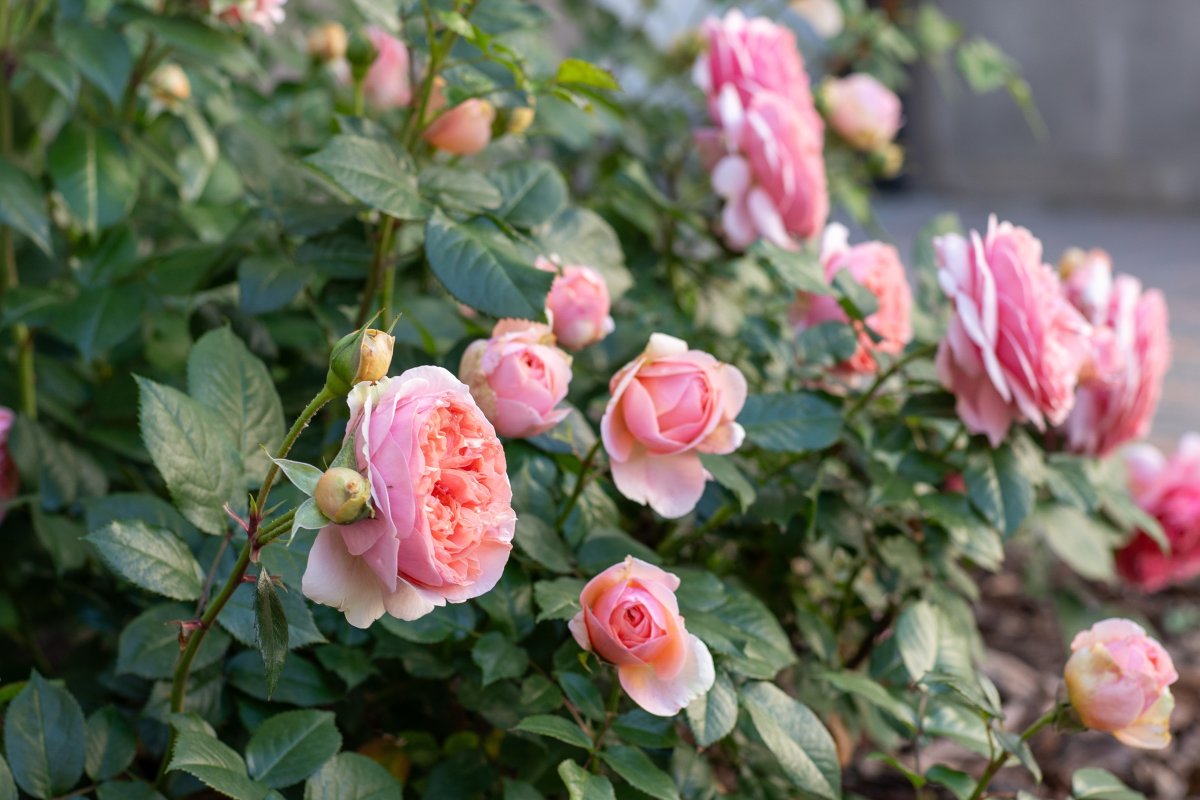
February is the optimal time to prune most rose varieties (excluding ramblers) because they are fully dormant, so the process is less stressful for the plant. Pruning in late winter sets the stage for healthy spring growth and abundant summer blooms.
First, check to see if the buds have started to swell. If so, then you know it’s time to start pruning your roses. Remove any dead, diseased, or damaged branches along with crossing, weak, or congested stems to open up the shrub’s center. Then focus on cutting each remaining stem by up to a third, pruning to an outward-facing bud. Thin out the interior to encourage airflow, which decreases the risk of fungal diseases. Finally, be sure to also remove any dead leaves.
When pruning climbing roses, tidy up any side shoots that branch off the main stems. Only trim the main shoot if you want to reduce its length. After pruning, tie the remaining shoots to their support structure to keep them secure and encourage growth in the desired direction.
2. Hydrangea
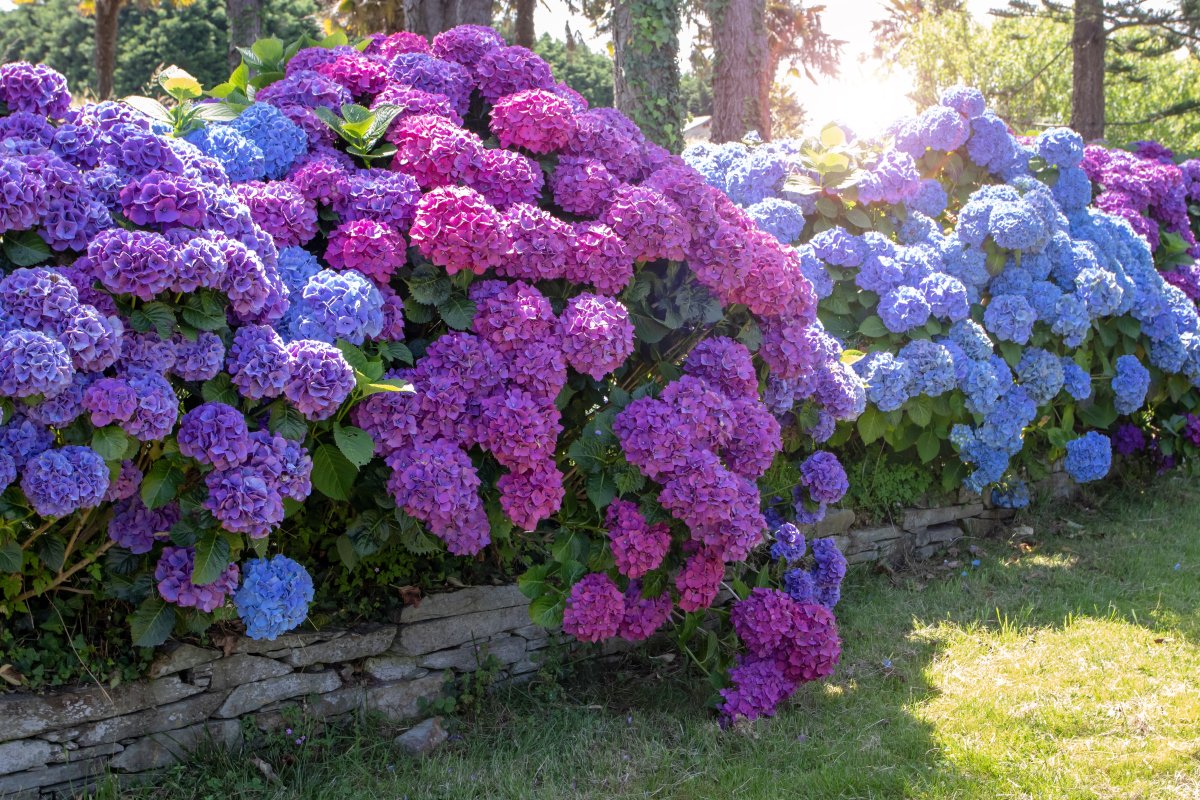
Not all types of hydrangeas should be pruned during the middle of winter, but it’s the best time to cut back panicles (Hydrangea paniculata) and smooth (H. arborescens) varieties. That’s because these flowers bloom on new wood produced during the current growing season; therefore, winter pruning won’t sacrifice any flower buds.
Wait until the harshest frosts have passed before pruning these shrubs. Remove old blooms from the previous season and shape the plant to your desired size by cutting just above the tiny “eyes” or notches visible on the stems. For smooth hydrangeas, cut all stems back drastically to approximately 12 inches from ground level. For panicle varieties, cut branches by roughly one-third of their height to encourage fresh growth.
This winter maintenance allows you to eliminate dead or damaged wood, thin out spindly interior branches, control plant dimensions, and remove one or two of the oldest stems at the base to stimulate new shoots that will produce more abundant blooms. When you prune panicle and smooth hydrangeas in February, you can expect to see spectacular cone-shaped flower clusters later in the season.
3. Butterfly Bush
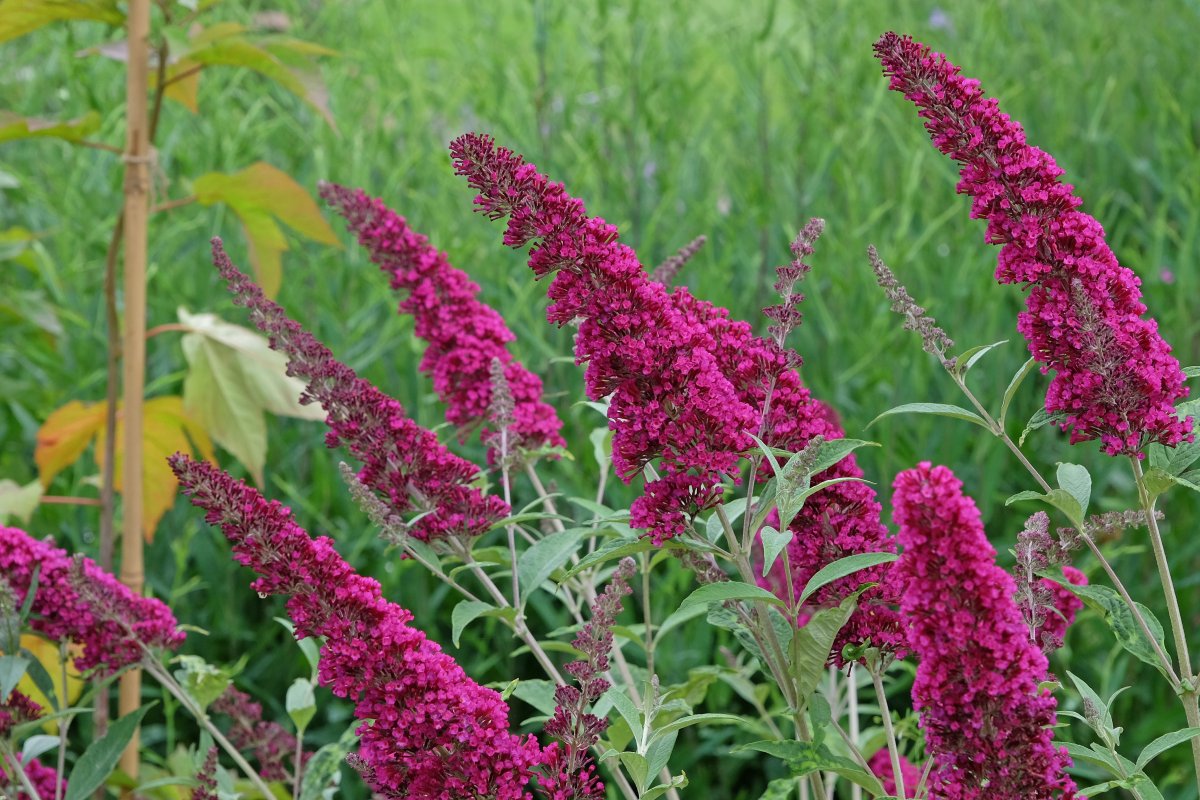
Prune your butterfly bush (Buddleia) in February in warmer climates to encourage healthy, vigorous growth, which should result in gorgeous blooms once spring arrives. As with small trees, pruning helps keep this plant’s shape so it will look good and attract as many butterflies as possible. If they aren’t pruned regularly, butterfly bushes will grow leggy and flowers will be sparse.
Cut back all stems by one-third to about 6 to 12 inches above the ground. If you need to manage the size of a very large bush, you can cut it down to the ground. Avoid pruning too early in areas with late frost, as this can damage fresh shoots.