We may earn revenue from the products available on this page and participate in affiliate programs. Learn More ›
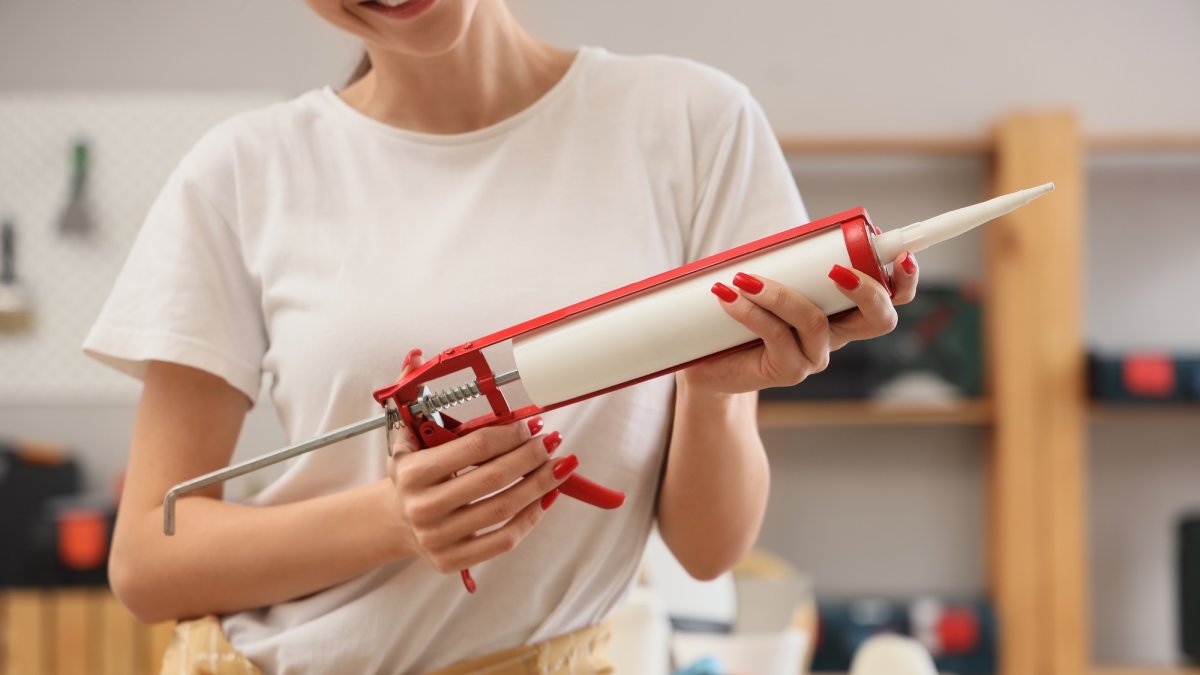
Caulk fixes myriad projects around the house, from outdoor maintenance to indoor decorating. What makes the material such a versatile DIY essential? The rubbery substance, available in a variety of formulations, including silicone, latex, acrylic, butyl rubber, polyurethane, and construction adhesives, can bond to almost any material, making it a wonderfully flexible material for projects indoors and out. With the right tube of caulk, you can solve just about any problem—including these common issues.
1. Drafty Windows
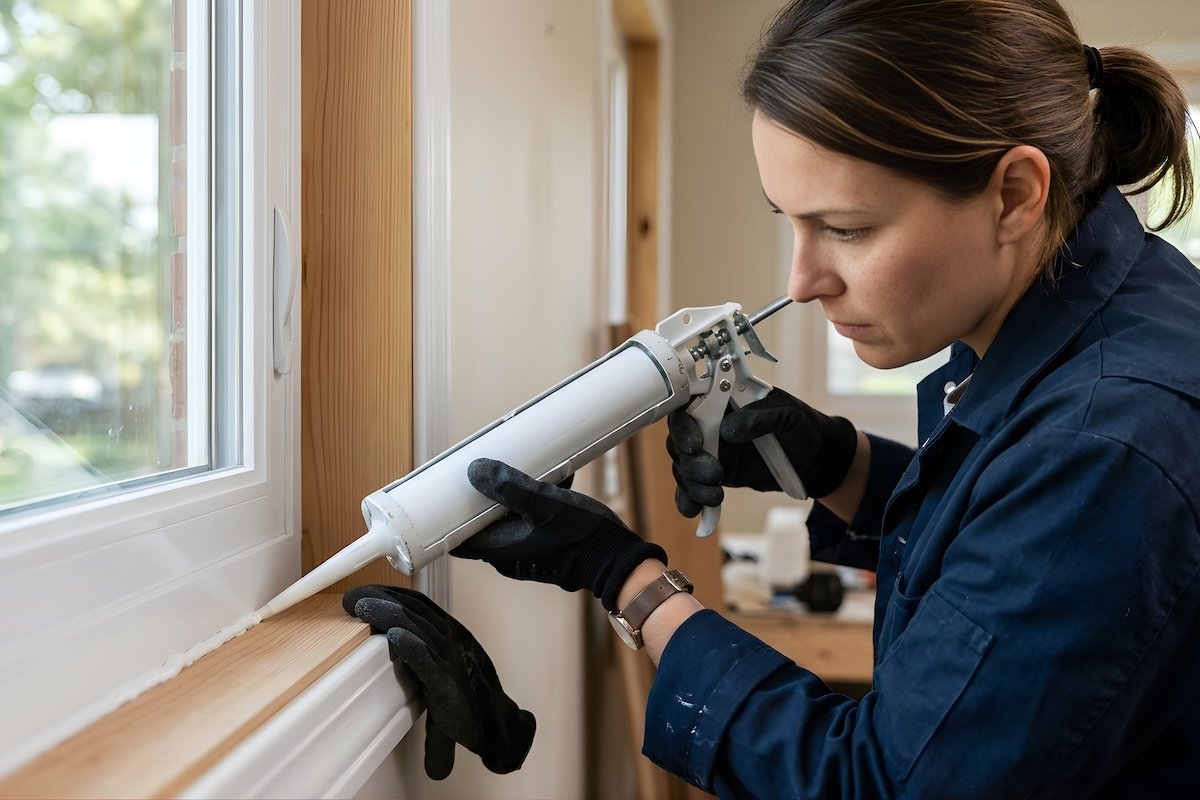
Caulking windows and doors is the best way to reduce drafts, cut home energy costs, enhance your house’s energy efficiency, and decrease your carbon footprint, according to the Consumer Federation of America. For this job, choose either acrylic latex or vinyl latex caulk. Acrylic latex caulk works best in dry environments and will perform well for up to 15 years, while vinyl latex can be used in damp areas and lasts about 5 years.
2. Bugs and Rodents Getting Inside Your Home
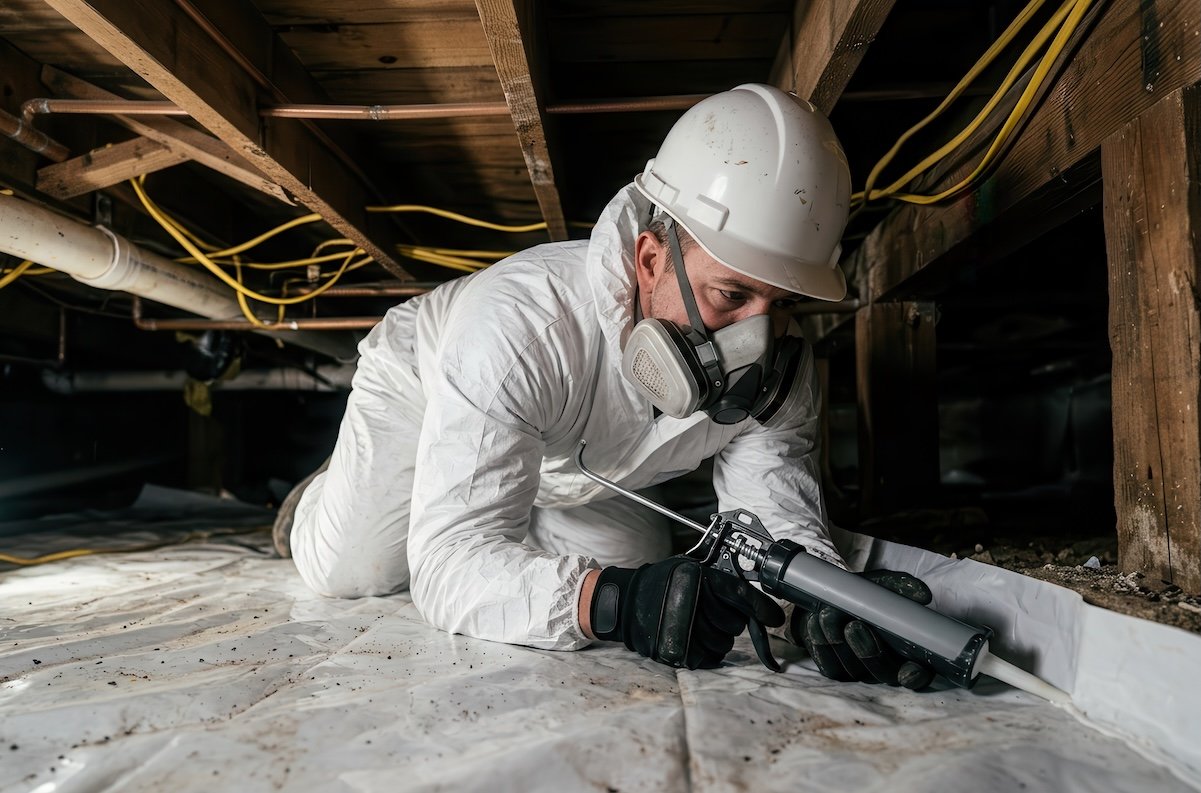
Concrete and mortar repair caulk is an excellent tool for sealing cracks and gaps in concrete, brick, stucco, stone, and metal. Similarly, it’s perfect for repairing small fissures in foundations and basement walls that allow insects, rodents, and other pests to enter your home. Designed for both interior and exterior use, concrete and mortar repair caulk has a textured finish and can be painted once it’s dry.
3. Gaps Around Baseboards
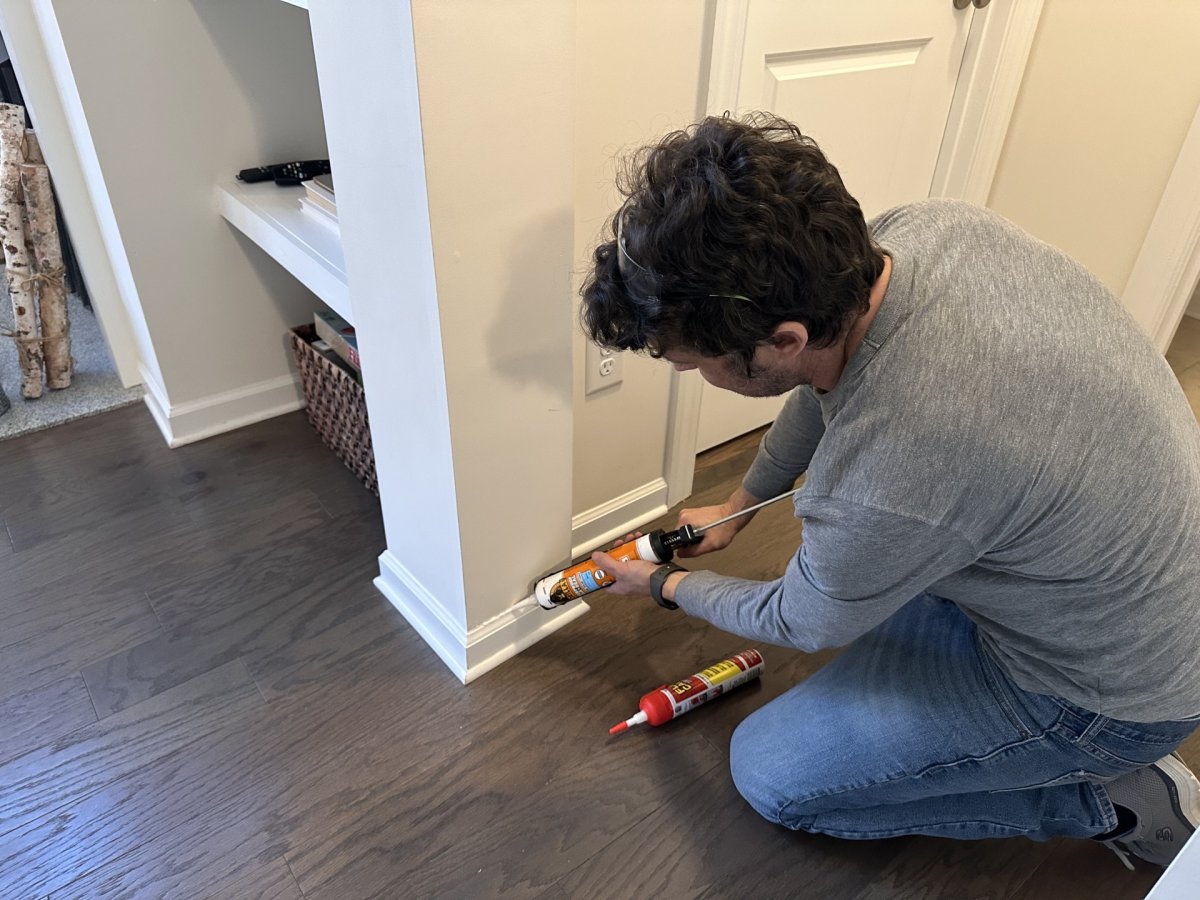
No matter how carefully you measure and cut, you often end up with little gaps between, above, and below moldings and baseboards. When you need to close the gap, acrylic latex caulk is one of the best caulks for baseboards, ideal for filling in those small spaces. The product dries quickly and can be painted as soon as 6 to 8 hours after application. Acrylic latex also comes in a variety of different pigments, so you can match the color to the surrounding material.
4. Water and Mold Issues Behind Bathroom Tile
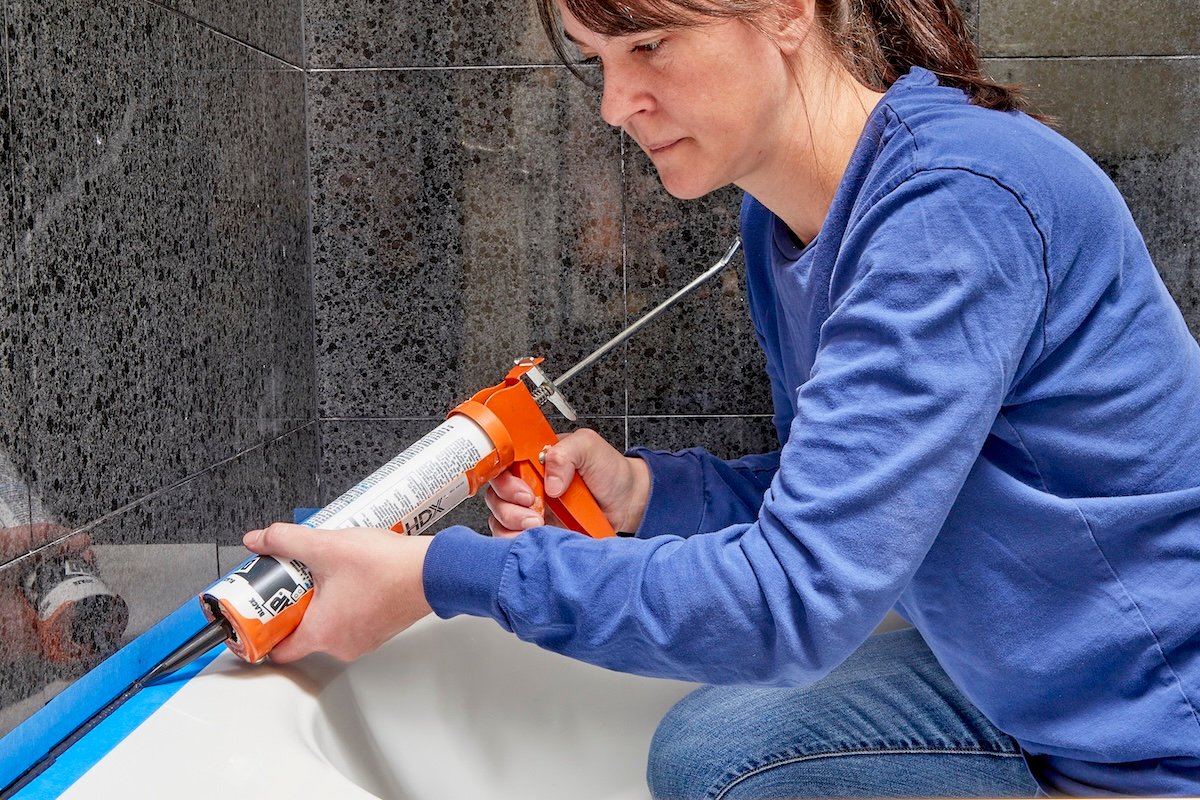
Over time, small spaces can open up between tiles, and in moist environments that’s an invitation for mold and mildew to grow behind the walls. Both 100 percent silicone caulk and siliconized acrylic caulk are ideal for wet environments and form a durable, watertight seal. Mold- and mildew-resistant silicone caulk is made for nonporous surfaces like ceramic, glass, and metal, while waterproof siliconized acrylic caulk works well on tubs, tile, glass, and ceramic tile surfaces. Gorilla silicone sealant is ideal to use since it is waterproof, and mold and mildew resistant.
The Best Caulk for Showers
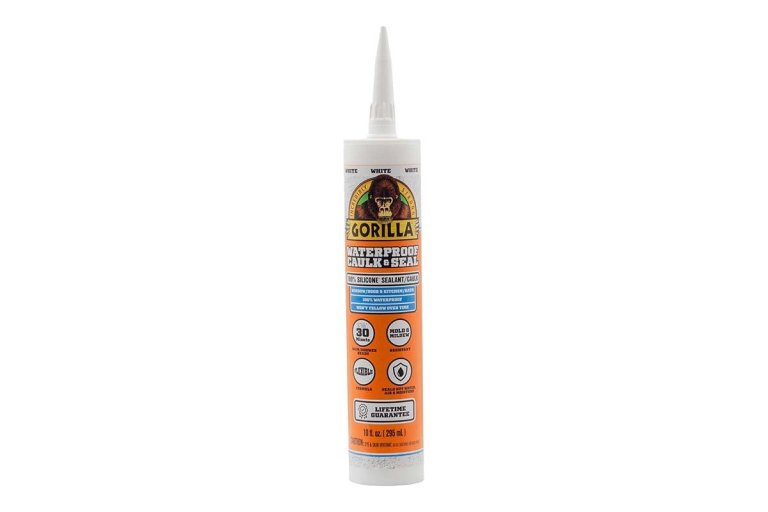
Gorilla 100% Silicone Waterproof Caulk
Gorilla silicone caulk is flexible, adheres well, and creates a mold- and mildew-resistant barrier on bathroom surfaces. Read the review.
See It5. Cracks and Holes in Walls
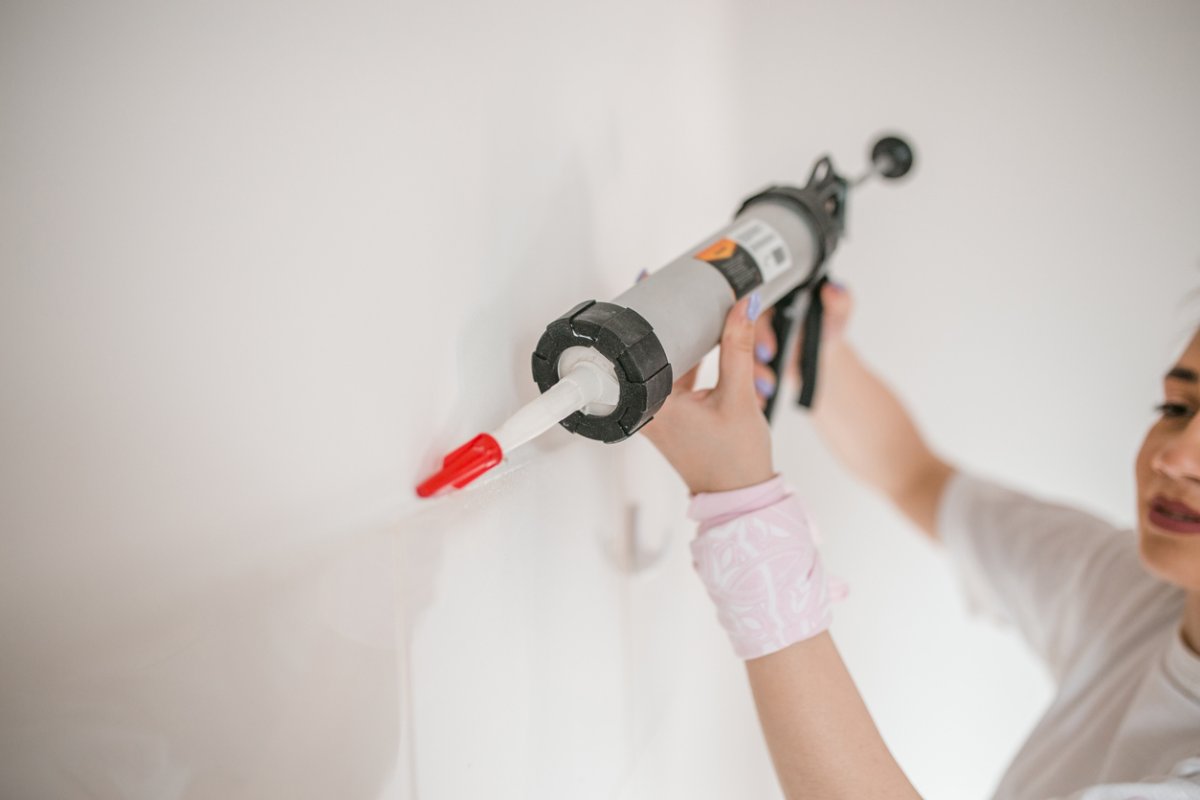
When you need to cover small holes and tiny cracks prior to painting, painter’s caulk, an acrylic latex compound, is just what you need. Painter’s caulk such as DAP Alex painter’s caulk adheres to wood, drywall, masonry, and other surfaces. Because it dries to a paintable texture in about an hour, it’s a good choice for busy DIYers.
6. Fire Moving Through Gaps in the Walls
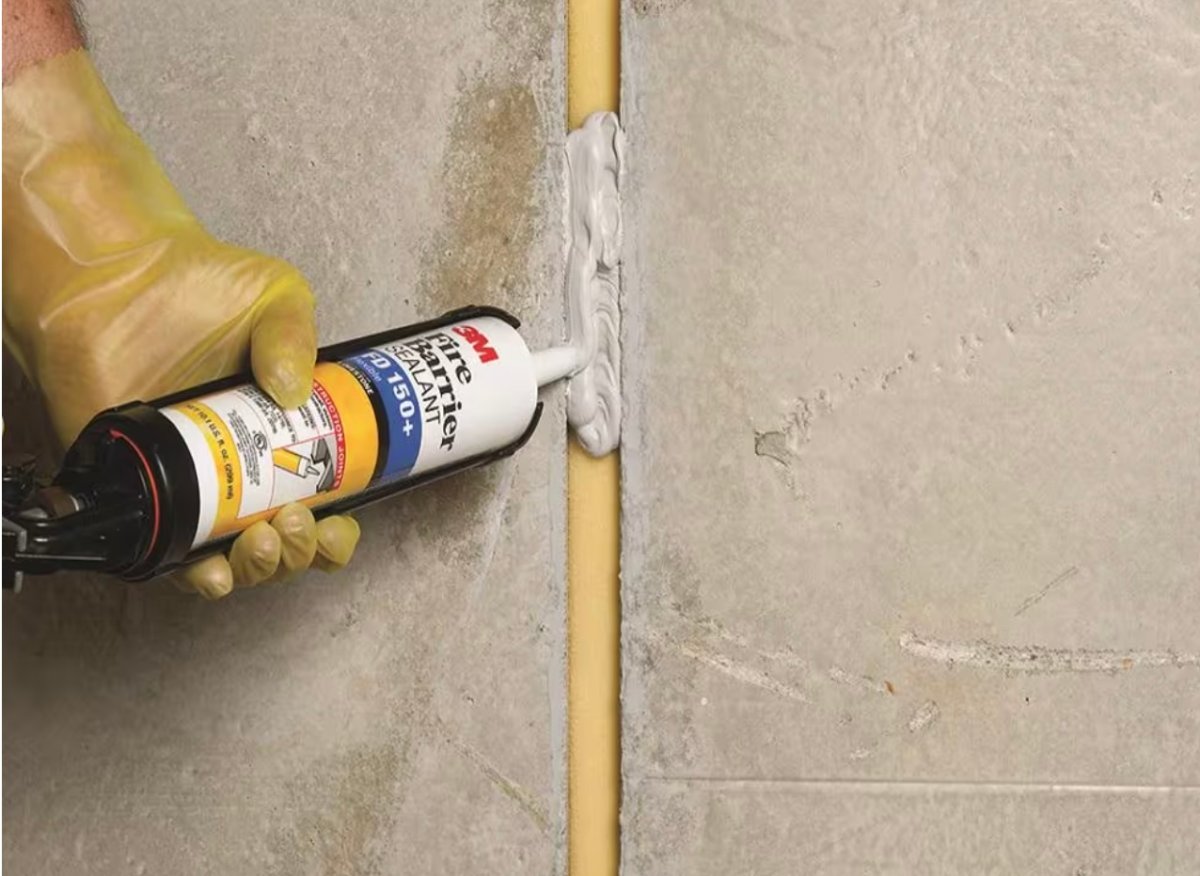
Fire barrier sealant, a specialized type of caulk, does more than patch holes. It actually helps make your home safer by preventing fire from moving through open spaces within a structure. Fire barrier sealant can be used to seal holes, gaps, and cracks around holes in interior framing, especially around plumbing or electrical conduits.
7. Loose Carpets, Tile, and Baseboards
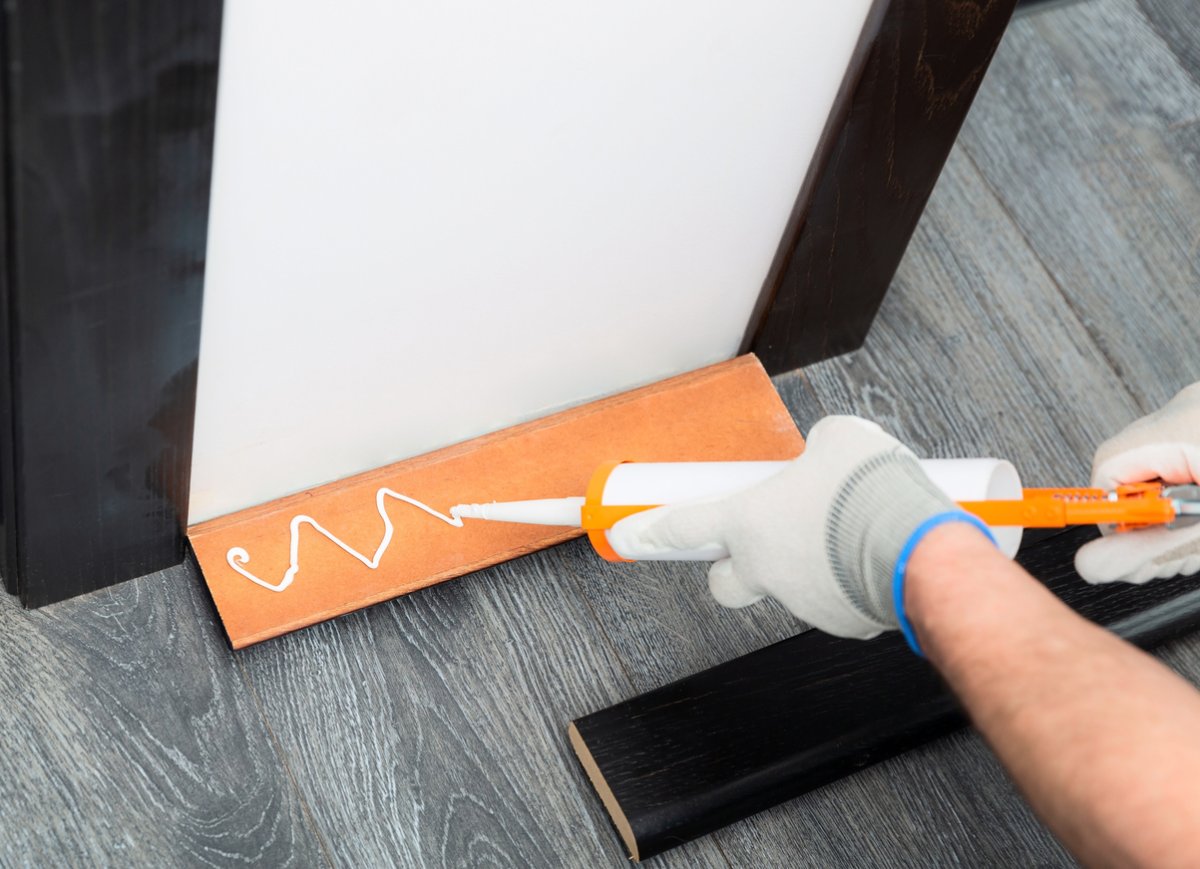
When a length of molding falls off, a corner of carpet comes up, or a tile comes loose, all-purpose caulk can fix it. Dab a little behind the loose material, then stick it back into place. You can even use an all-purpose caulk, like GE all-purpose silicone caulk, to install wood wall paneling without nails.
8. Peeling Wallpaper
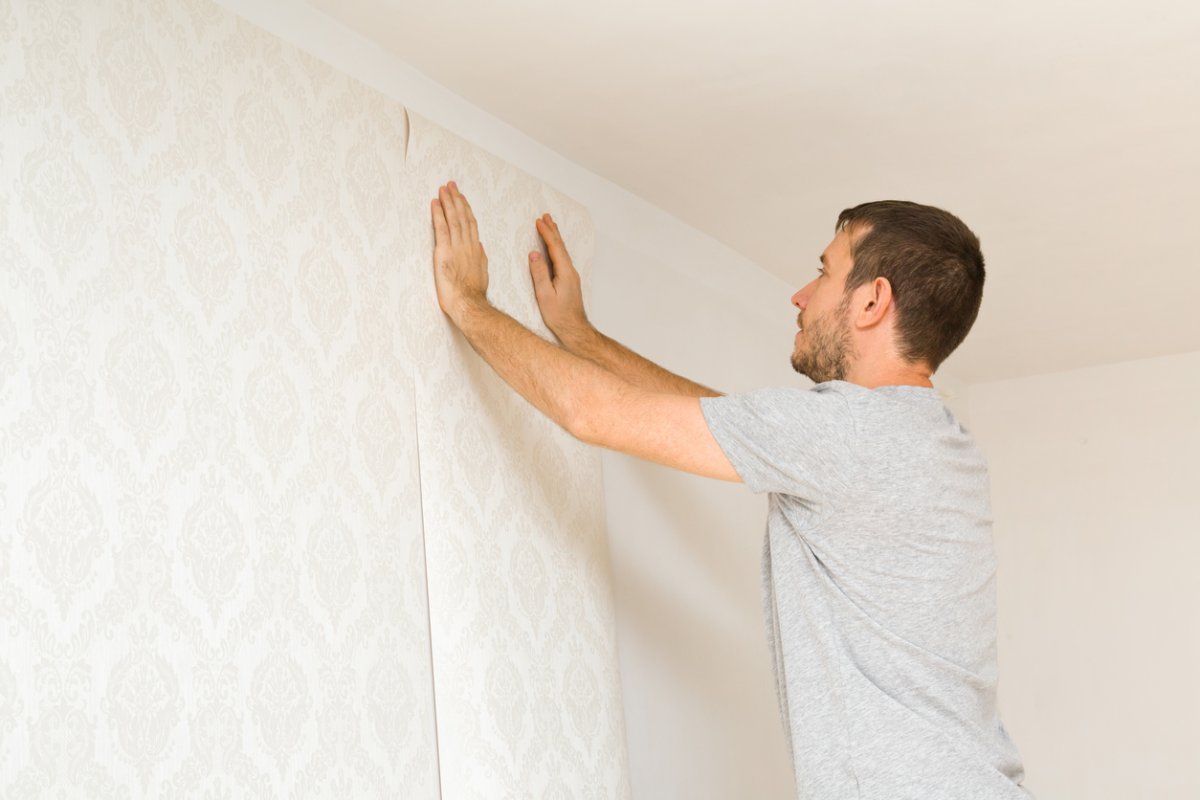
To keep wallpaper from pulling up as it dries, run caulk along all trimmed paper seams, especially in the corners, then smooth with a wet sponge or finger to remove any surface imperfections. For wallpaper that is peeling, lift up the loose section of paper, apply adhesive under it, then smooth the paper back against the wall. Once the adhesive dries, apply a continuous bead of caulk along the seam to keep it from peeling up again.
9. Cracks in Roof Flashing and Shingles
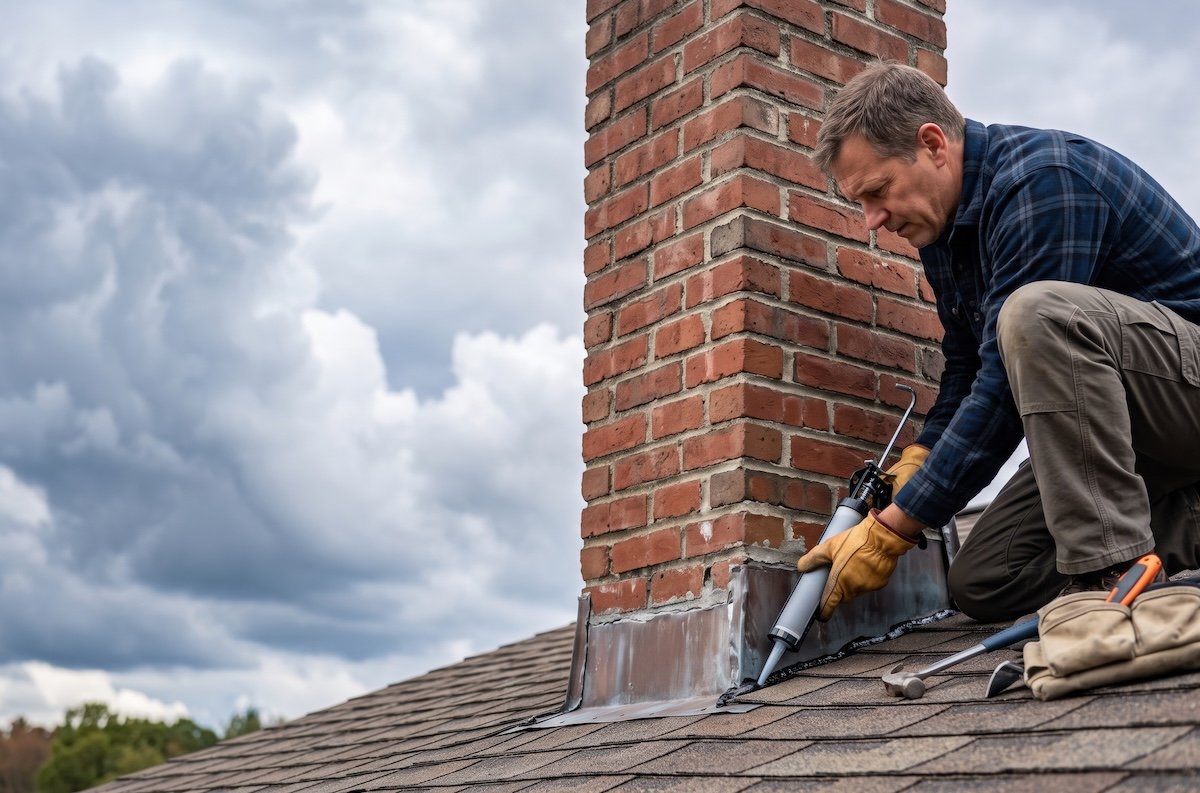
With the right caulk, you can even repair a roof! Roof repair caulk, like Roofers Choice Roof Cement Caulk, can be used to seal small cracks or gaps along roof edges, between shingles, and around skylights or flashing. As you might expect, roof repair caulk is completely weatherproof and waterproof, and can be used in wet areas or on dry surfaces.
10. Leaky Rain Gutters
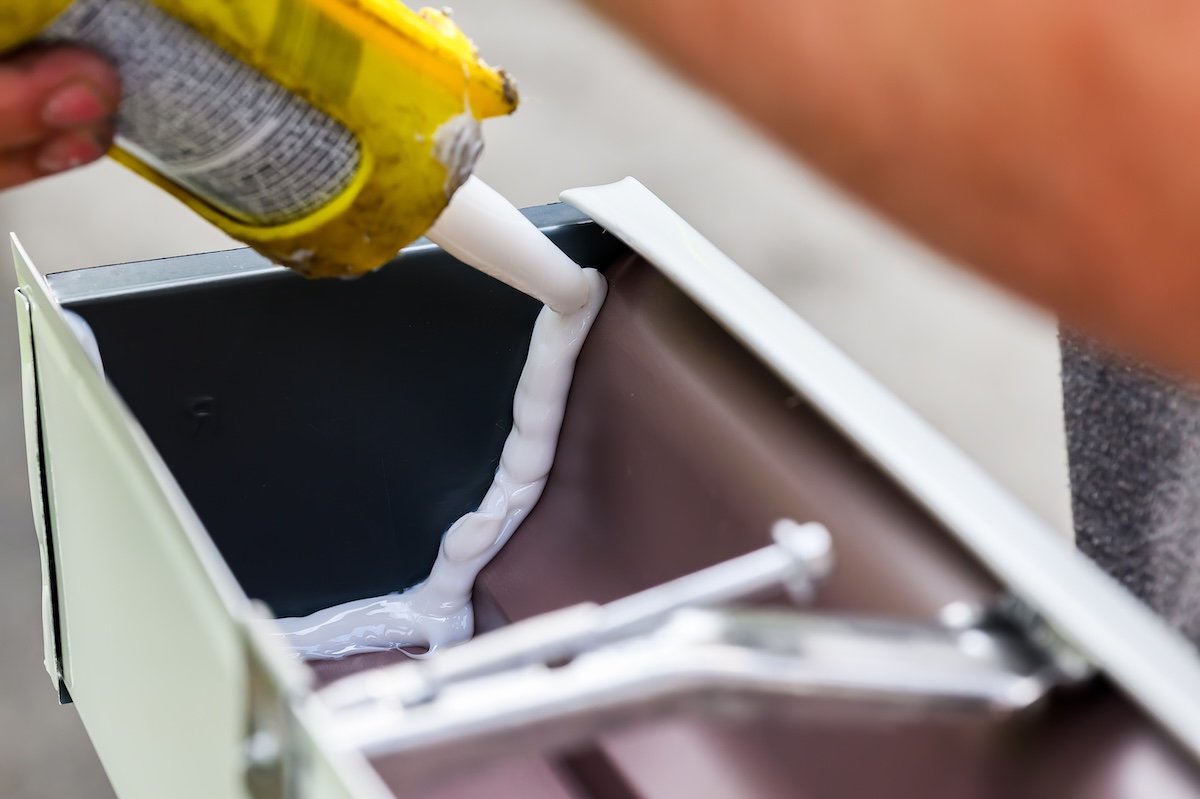
As your home’s gutters age, they can develop cracks and gaps, especially around joints and downspout junctions. Butyl rubber caulk, a strong waterproof sealant, can be used to seal joints in those damaged gutters. Dab a little onto the cracks to keep your gutters leak-free—and keep rainwater flowing out and away from your home.
11. Gaps in Molding
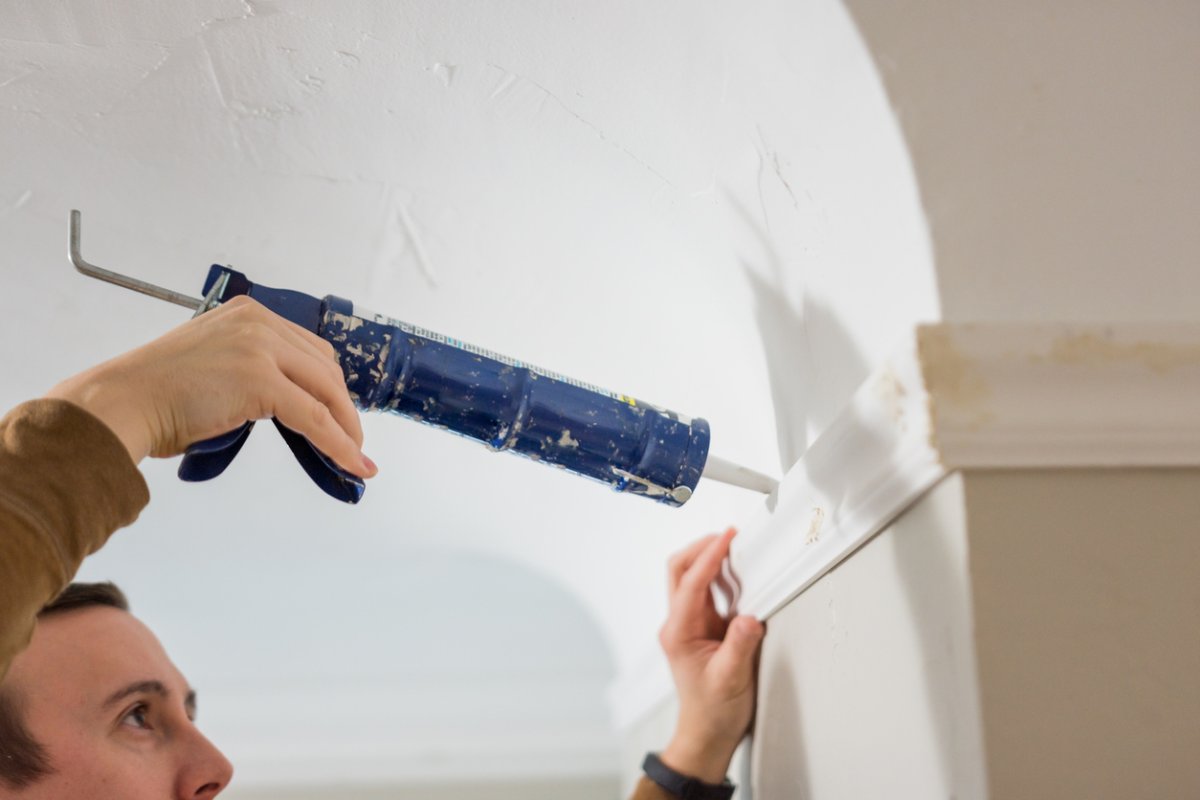
Painter’s caulk (or decorator’s caulk) is used, as its name suggests, just before decorating and painting. It’s the right choice for sealing crown molding, chair rails, and baseboards because it’s flexible and hides gaps between the wall and the finishes.
12. Holes in Vinyl Siding
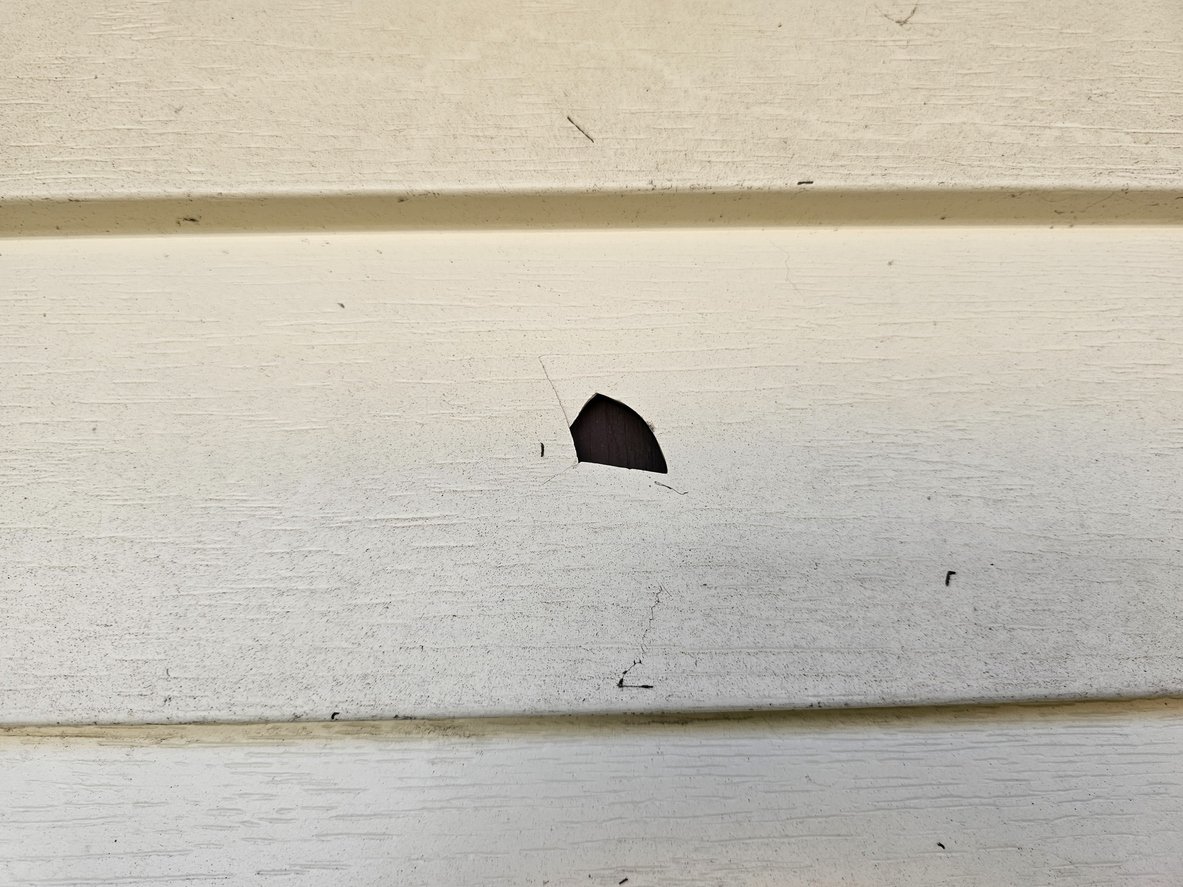
Whether you’re repairing a small hole or a sizable tear in your home’s vinyl siding, siding caulk can help. Simply choose a shade of exterior caulk that matches the hue of your exterior (even black caulk is available), and use a small dab to seal minor punctures, like nail holes. Cover larger holes or tears by applying caulk to the back of a scrap piece of siding, and covering the hole with the scrap piece.
13. Debris and Mildew in Kitchen and Bath Crevices
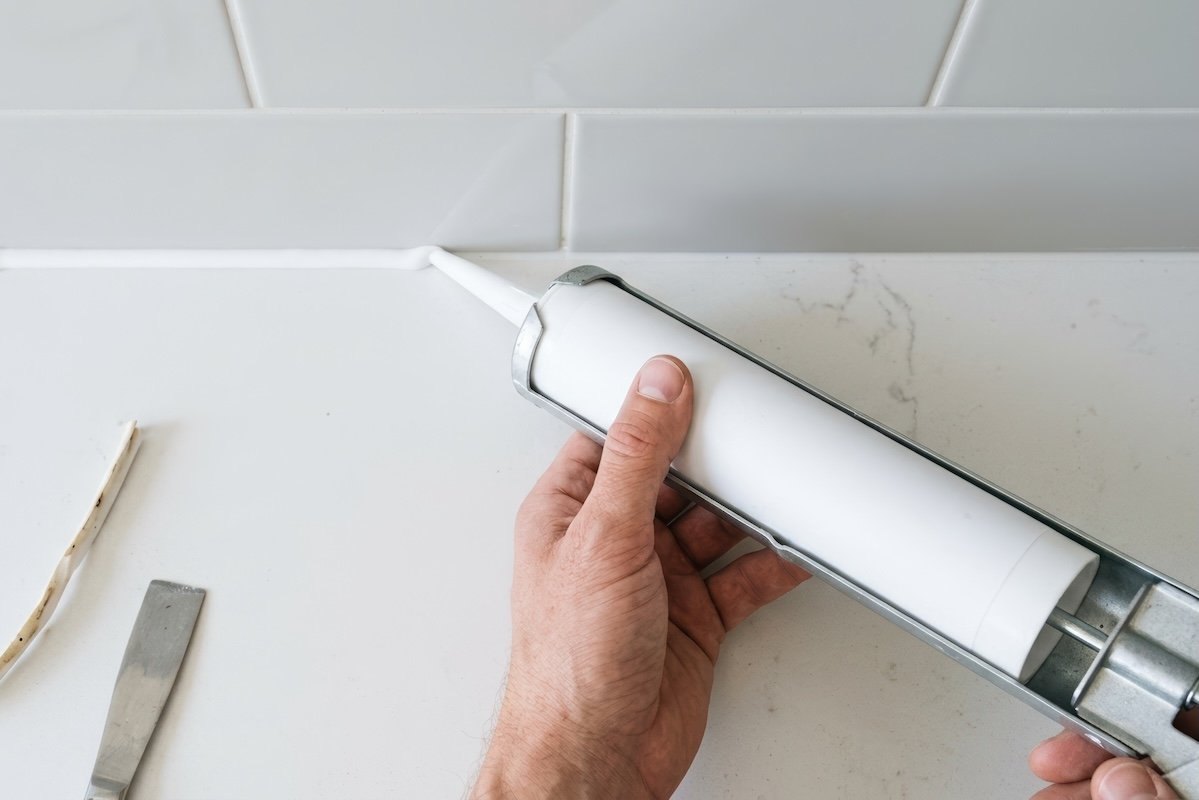
Caulking between a countertop and a tile backsplash in the kitchen doesn’t just give your work space a “finished” look. It keeps crumbs, food items and worse yet, water, from getting behind your countertop and cabinets. Silicone caulk, which is moisture and mildew resistant, is the best caulk for the job. While you have your caulk gun out, make sure there’s a sturdy seal between your countertop and kitchen sink, too!
14. Scratches on Hardwood Floors

When you don’t have any fluffy furniture pads on hand to stick on the undersides of flower pots and other decorative items, caulk can help. Turn your pots on their sides and apply a few dabs of silicone caulk to the bottoms of the pots. Allow the caulk to dry so the pots won’t stick to your floors. When they’re set, the silicone pads should keep the pot from scratching your hardwood.
15. Cracks in the Driveway
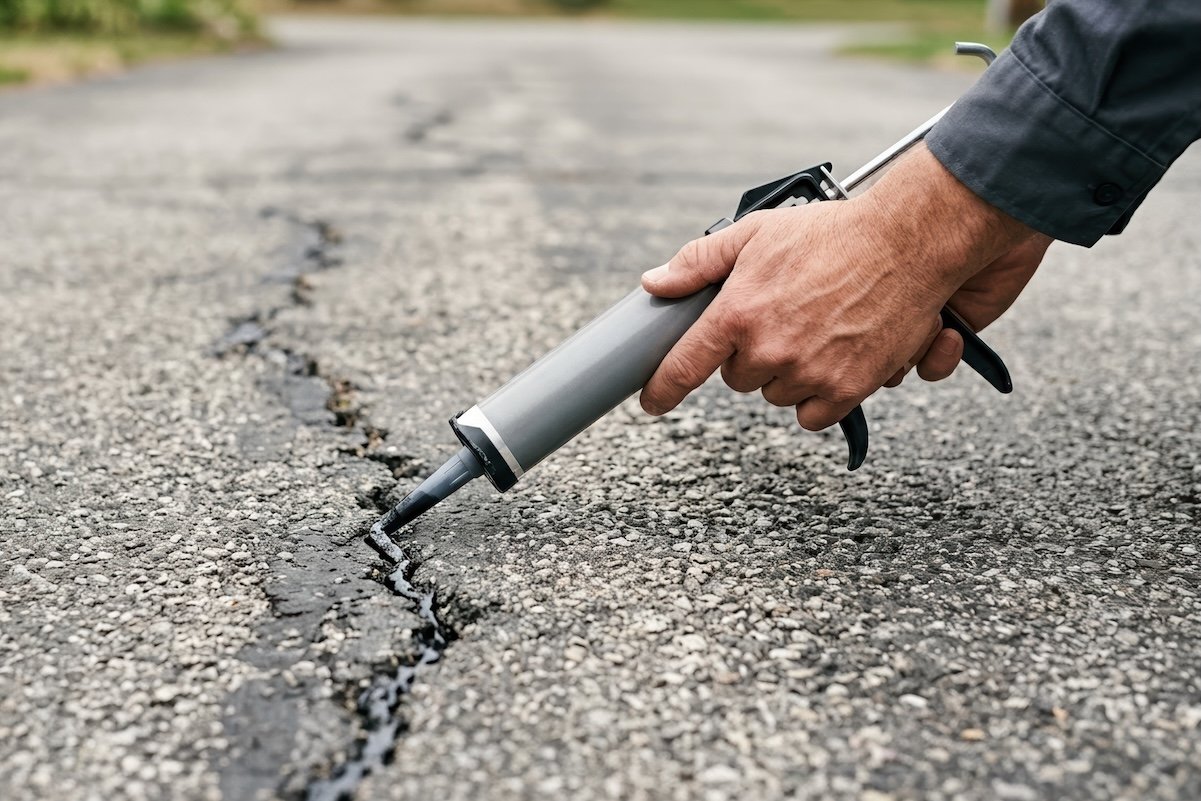
One of the easiest ways to keep your asphalt or concrete driveway in good condition is to attend to cracks as soon as you notice them. The longer you wait, the better the chance that moisture will seep into the cracks, and make an even more fractured-looking mess of your driveway. Load your caulk gun with a quality, water-resistant asphalt crack sealant. Acrylic formulas are flexible and should fit into just about any nook or cranny.