We may earn revenue from the products available on this page and participate in affiliate programs. Learn More ›
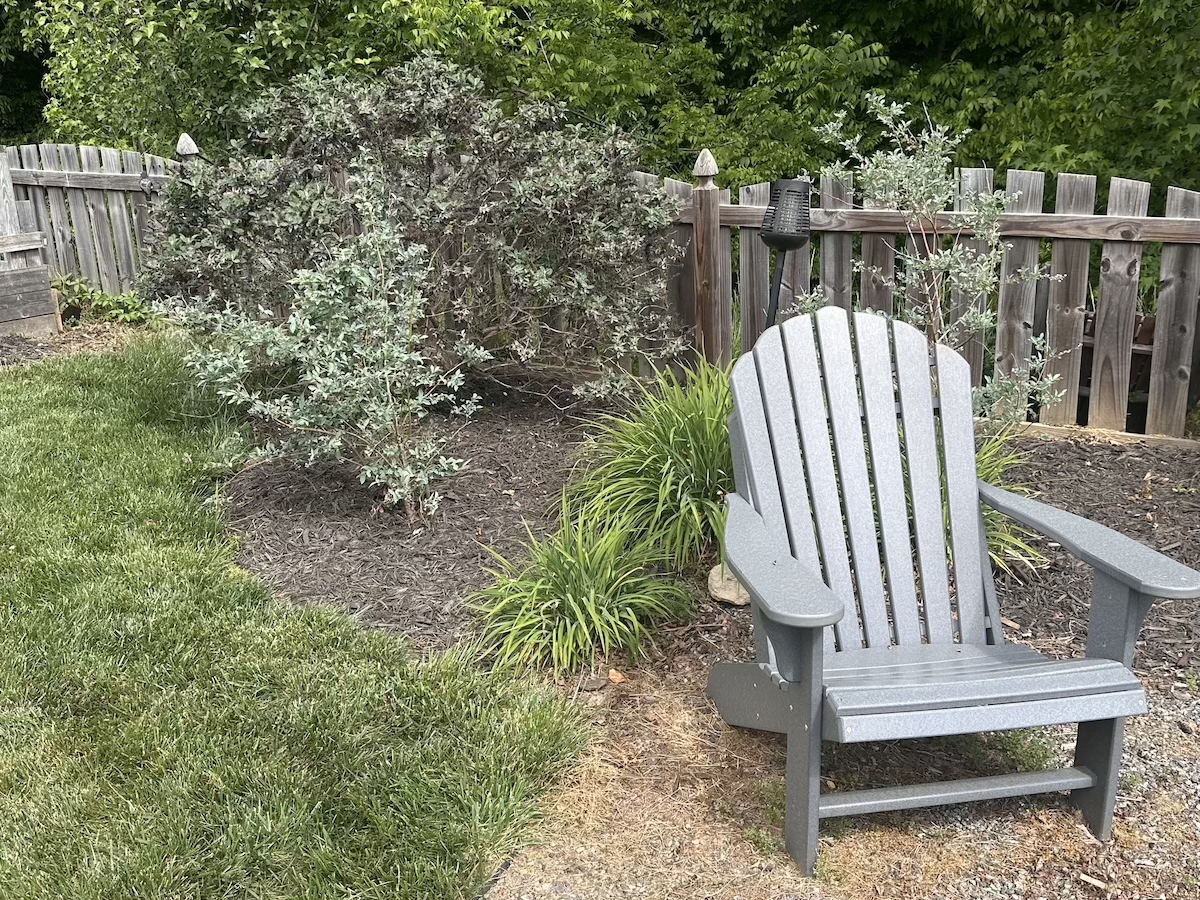
When my wife and I decided it was time to add landscaping to our backyard we decided to make life easier on ourselves by hiring a professional to handle the job, or so we thought. Hiring a landscaping company meant I could leave most of the technical planning for the job, along with the labor, to the pros. I figured they knew such elements as what plants to plant, when to plant them, and how to space them. When we asked for a fire pit with a pea gravel pad to be integrated into the plan, we assumed they would do it right.
Thus, my wife and I only concerned ourselves with what the landscaping would look like rather than the technical aspects. When it came time for the install, we left it up to the pros. As we realized later, this was a mistake. Poor timing, mistakes with plant spacing, and skipped steps created issues we ended up having to fix ourselves just 1 year later.
1. Better Timing
We learned the hard way that timing is crucial when it comes to a landscaping project. Although we signed off on the job and made a deposit in April, the landscaping company was so backed up that they didn’t end up breaking ground until mid July. While I didn’t get it then, I now realize that that was way too late to be planting new plants in North Carolina.
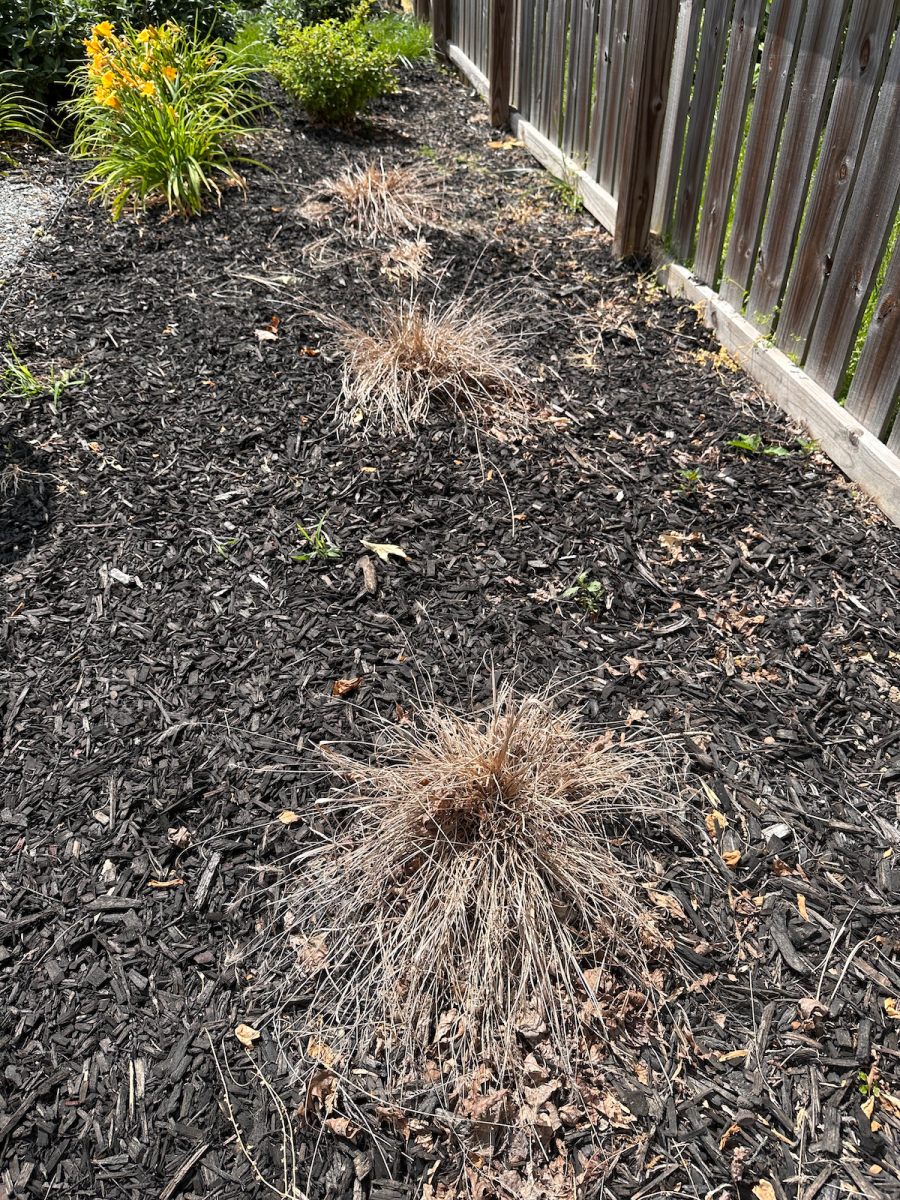
Among the 40 or so plants to be installed, the plan called for planting eight piglet fountain grasses. They looked great at first and seemed to flourish through the remainder of the summer. They turned brown as grasses do in the fall. After a harsh winter, I waited for those piglet grasses to reemerge in the spring. And I waited and waited. They never did come back. All but two of those piglet grasses died, and the surviving two that barely made it to spring croaked a year later.
Along with those eight casualties, there were also three supposedly frost-free gardenias that all but succumbed in that first winter. Their foliage died nearly down to the soil line before eventually growing back over the next two growing seasons.
It was a heavy loss for what wasn’t an inexpensive project. To lose eight plants and have three supposedly “frost free” shrubs nearly succumb to the weather is a pretty good indication that the plants didn’t have enough time to establish themselves before freezing temperatures set it.
I learned later that putting in new plants in the height of summer creates all kinds of issues:
- Transplant stress: When plants move from nursery to your yard, they must deal with the stress of transplanting while enduring hot dry conditions, which makes it very hard for them to develop their root systems.
- Dry conditions: Soil dries quickly in the summer, even with watering. It’s difficult for young plants with limited root systems to soak up water before it evaporates out of the soil.
- Misplaced resources: Summer temperatures prompt plants to grow leaves, which means they have fewer resources for establishing deep root systems that will carry them through winter.
So while my plants may have looked great in August, they weren’t developing the deep root system needed to survive a harsh winter. As a result, these plants died off when subfreezing temperatures arrived. A year after hiring a landscaping company to remake my backyard, I was forced to invest in replacements that I had to plant myself.
2. Use a Weed Barrier
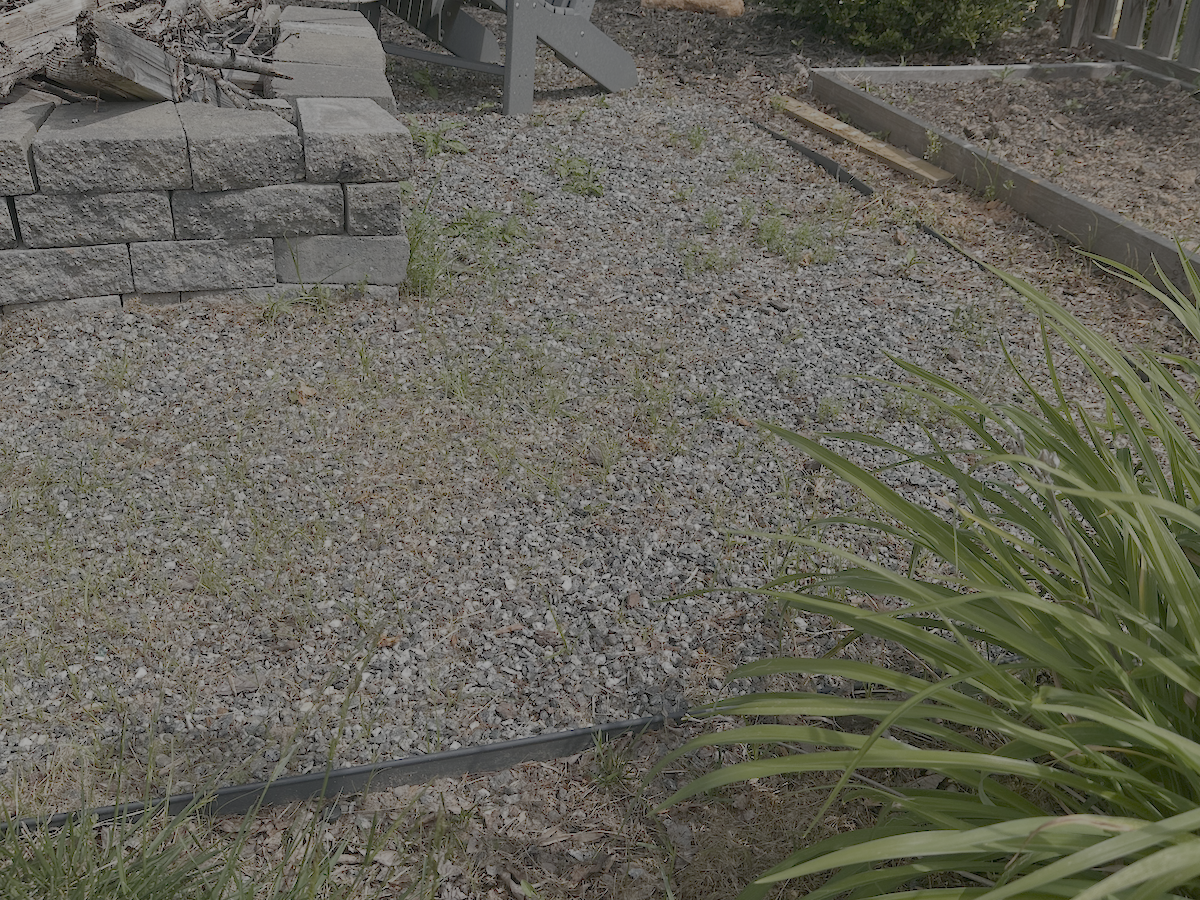
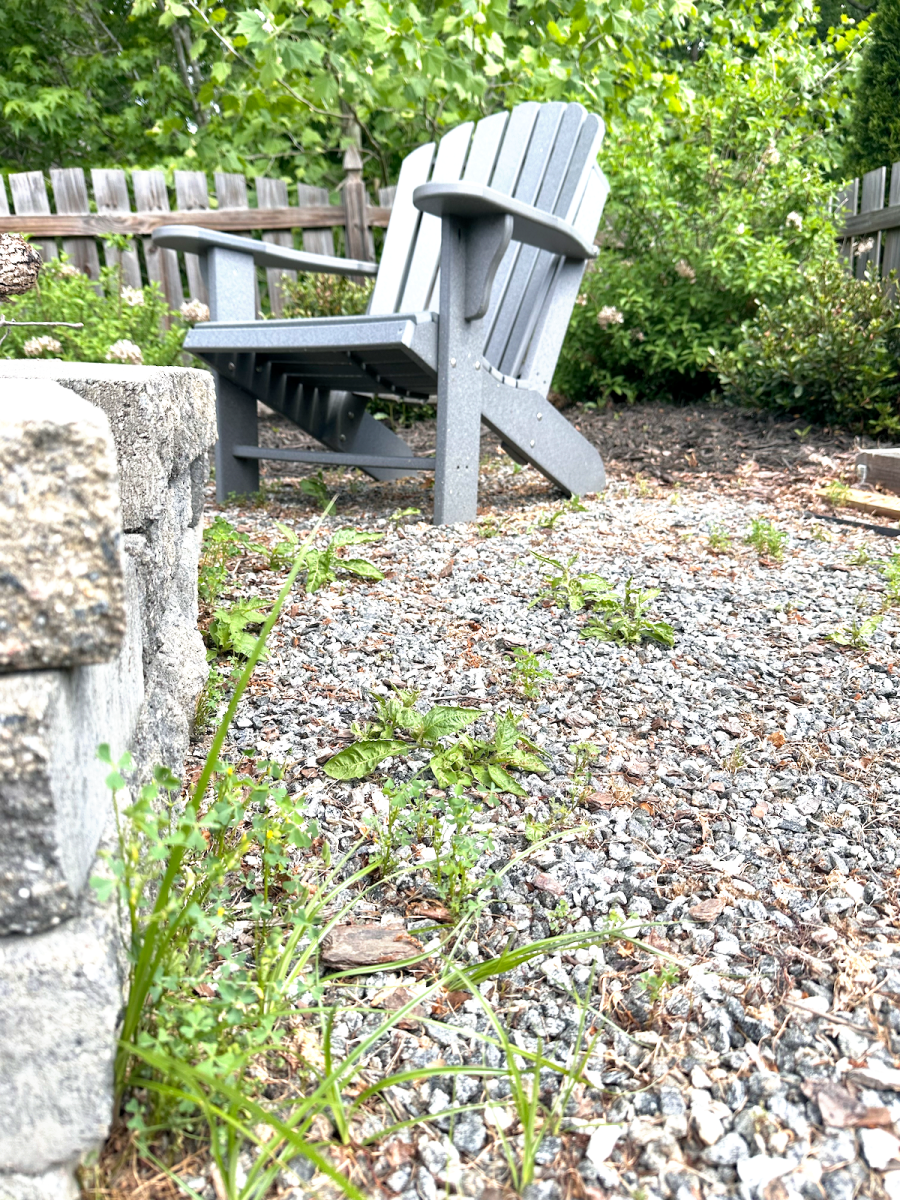
Our landscaping plan involved installing a small firepit and a square shaped sitting area with a pea gravel base. While this space initially looked great, it didn’t take long for weeds to begin growing through it in earnest.
Keeping weeds at bay in the fire pit area is now a 7-month-long battle that begins in April and lasts to the beginning of October. I go through gallons of weed killer just trying to prevent the weeds from growing through the pea gravel.
All of this toil could have easily been avoided by putting down about $30 worth of landscaping cloth prior to laying the gravel down. It’s a step I certainly wouldn’t have skipped had I done the job myself. Had I looked at the initial plan and estimate, I might have noticed that there was no line item for landscaping paper.
After several seasons of battling weeds, this year I finally caved and went through the backbreaking job of shoveling out all of that gravel, so I could lay down landscaping paper at the base.
3. Follow Recommended Plant Spacing
When you purchase plants in a 3-gallon container, they look so darned small. The tag clearly states that they’re going to grow, but when you’re hungry for instant gratification, you find yourself grouping these small plants together to create a bigger impact. It’s a lesson I’ve learned in the past, so I should have been alarmed when I saw how closely together my landscaper was planting the three butterfly bushes that were in the plan.
Initially, they looked great, but it didn’t take long for those butterfly bushes to start growing in earnest. In just 2 years, they were growing into each other and over the daylilies that had been planted too close to them.
Last year, I ended up having to dig up and move two of the bushes. One of them barely survived the transplant, losing about a third of its foliage and branches before rebounding. Checking the spacing guidelines and mature plant size on the tag would have prevented this.
Final Thoughts
Whether you’re hiring a professional to handle your landscaping or plan to do it yourself, learn from my mistakes. If you want to get the most success out of a landscaping project, then time it for the spring just after the last frost in your area. The cooler temperatures will give your plants time to establish their root systems before the heat of summer kicks in. Pay careful attention to spacing and sunlight/shade demands when making your landscaping plan to avoid having to make transplants down the line. And, finally, be your own project manager. Just because you hire a company to handle your landscaping doesn’t mean you should trust them to do it the right way. Carefully inspect the plan and monitor the project as the renovation is taking place to make sure it’s being completed to your standards.