We may earn revenue from the products available on this page and participate in affiliate programs. Learn More ›
While many of us prefer a lush, effortless yard, some of the most sought-after plants come with hidden complications. These popular but high maintenance species can quickly transform a relaxing backyard oasis into a demanding chore, requiring precise conditions, constant pruning, or frequent battles against pests.
To help you avoid a major gardening headache this season, we asked a couple of master gardeners to identify six common high-maintenance plants to avoid if you want a carefree landscape. Before your next trip to the nursery, read on to discover which problem plants you might want to skip and the resilient, easygoing alternatives that will keep your yard looking gorgeous without all the hard work.
1. Hosta (Hosta spp.)
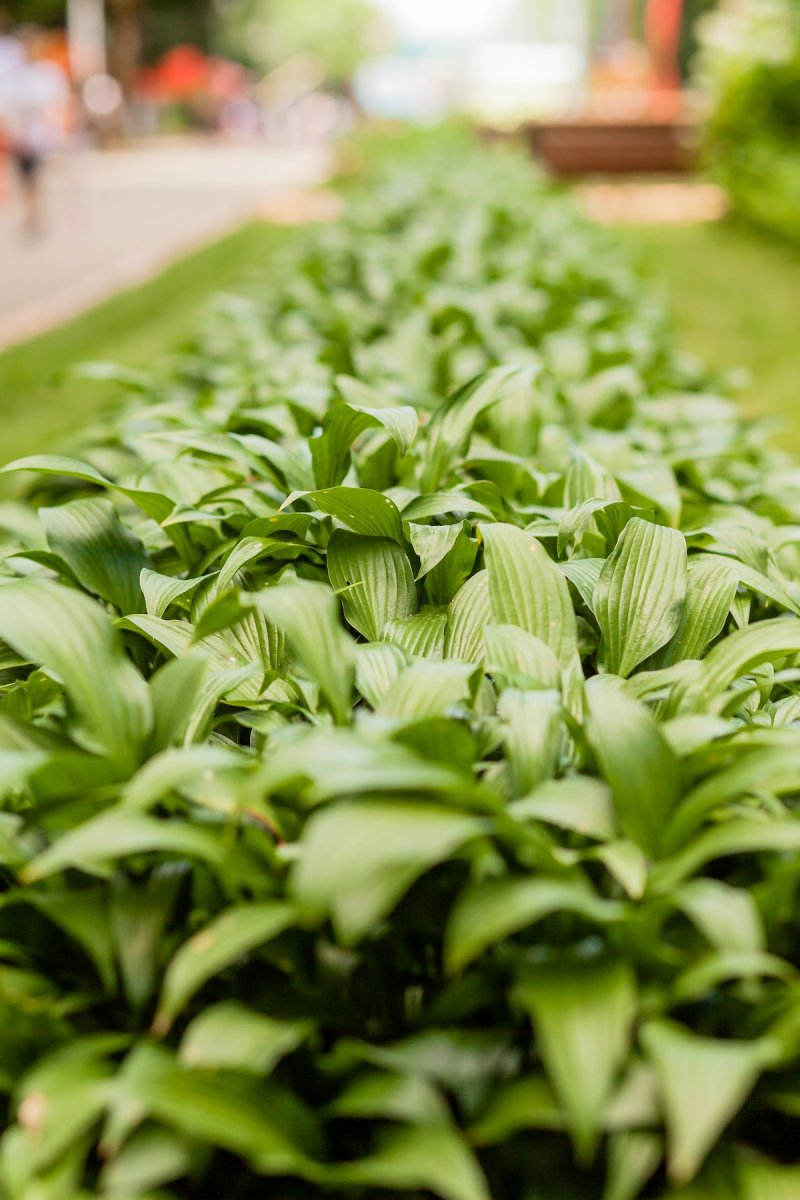
Because hostas can be high on the buffet list for many pests and deer, keeping them healthy can be time consuming, says Monica Watson, master gardener and community food systems manager at Operation Food Search in St. Louis, Missouri. “They love shade, which is great, but they become scorched easily with a modest amount of summer sun,” she explains. “The changing landscape of one’s yard (more sun hitting where there used to be shade) may mean your once-thriving hostas just don’t work.” She recommends planting wild ginger instead of the pretty but problematic hosta, since ginger does well in the shade and deer don’t like it.
Grow this instead: Wild Ginger (Asarum canadense)
2. Persian Buttercup (Ranunculus asiaticus)
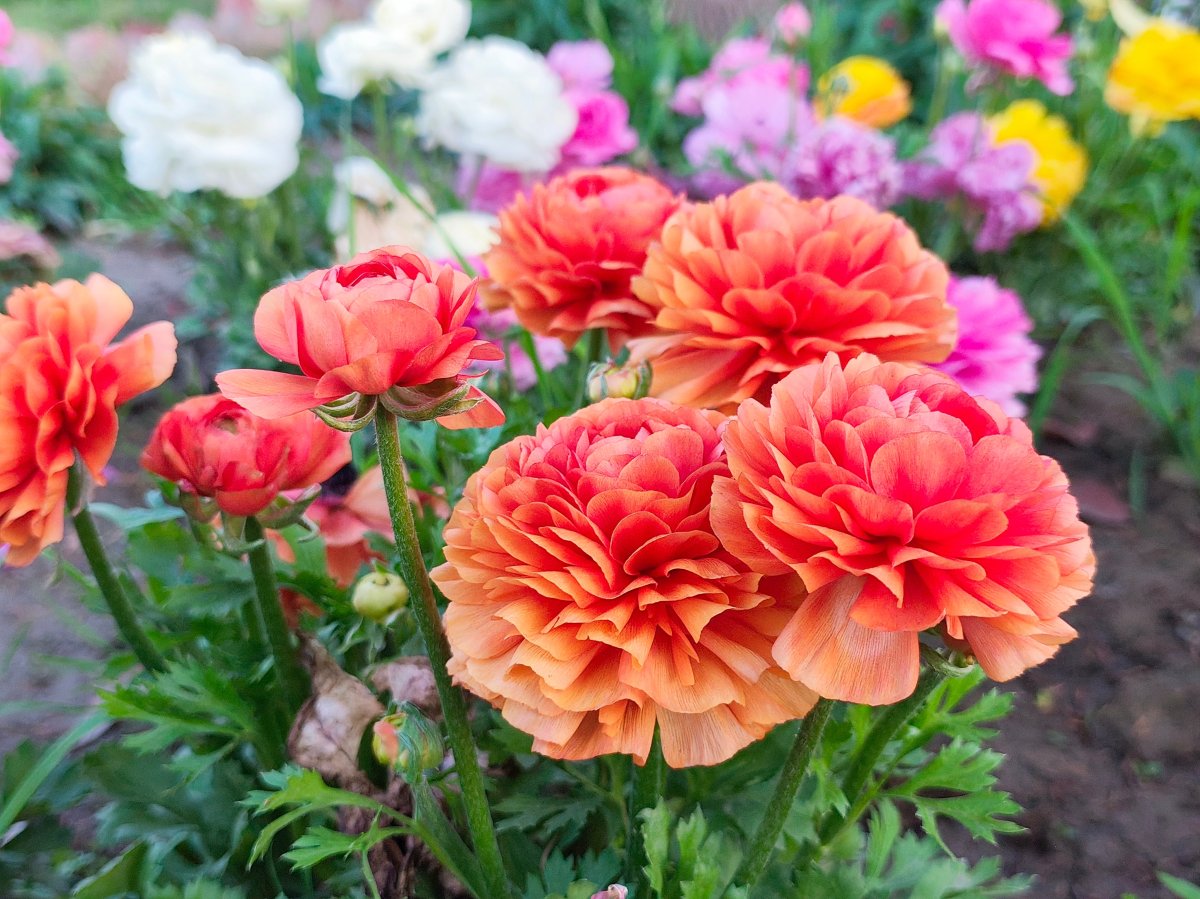
Persian buttercups are beloved for their vivid, ruffled petals, tall stems, and long vase life. The problem is that these plants stop growing once temperatures rise above 70 degrees Fahrenheit, which is challenging in warmer climates, notes Anastasia Borisevich, plant expert at Plantum, the app that helps identify plants and improve plant care. “Like many tuberous plants, it also doesn’t tolerate waterlogging.” For a lower maintenance option, select zinnia instead.
Grow this instead: Common Zinnia (Zinnia elegans)
3. Bradford Pear Tree (Pyrus calleryana)
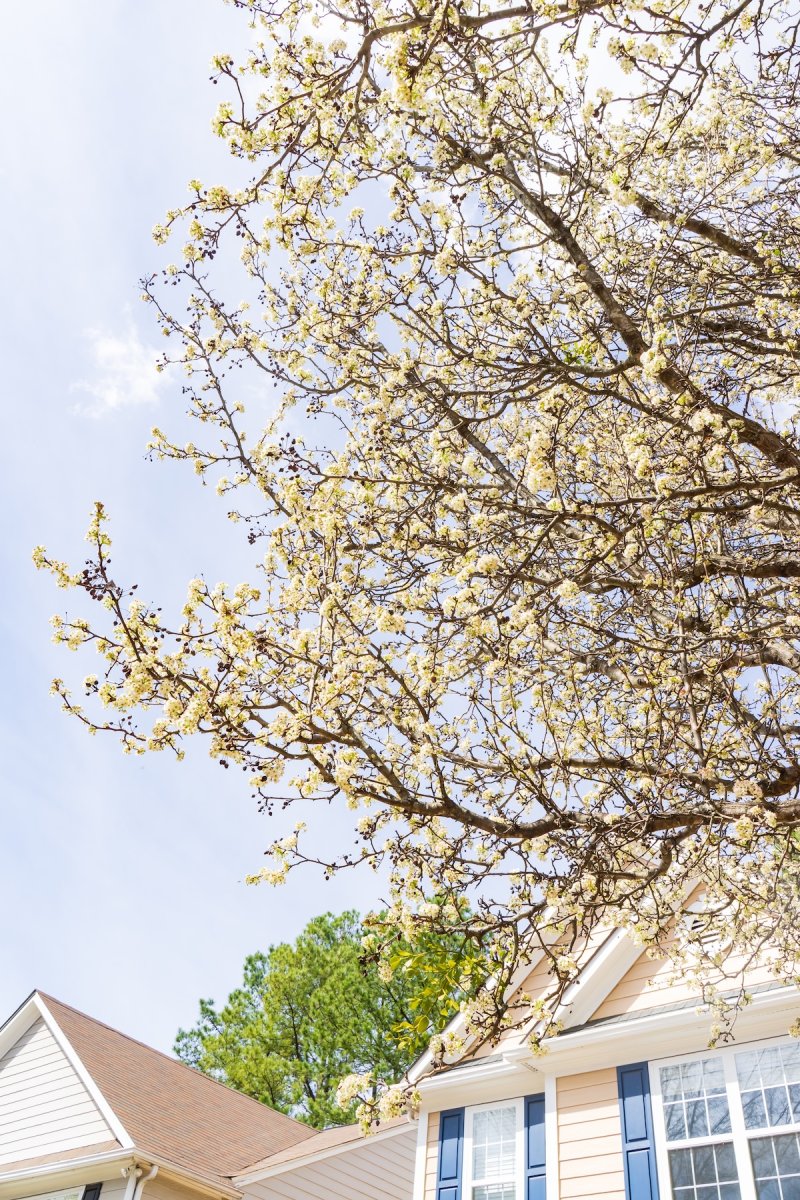
Bradford pear trees aren’t very sturdy, so they are susceptible in storms, costing owners money if not maintained, says Watson. “They also have invasive habits that cause many problems for many other plants.” While it is one of the first trees to bloom in the spring with white flowers, the scent is objectionable and foul to some, according to the NC State Extension. As an alternative, Watson suggests the serviceberry tree, which produces blossoms and edible berries in the spring.
Grow this instead: Serviceberry Tree (Amelanchier arborea)
4. Orange Star (Ornithogalum dubium)
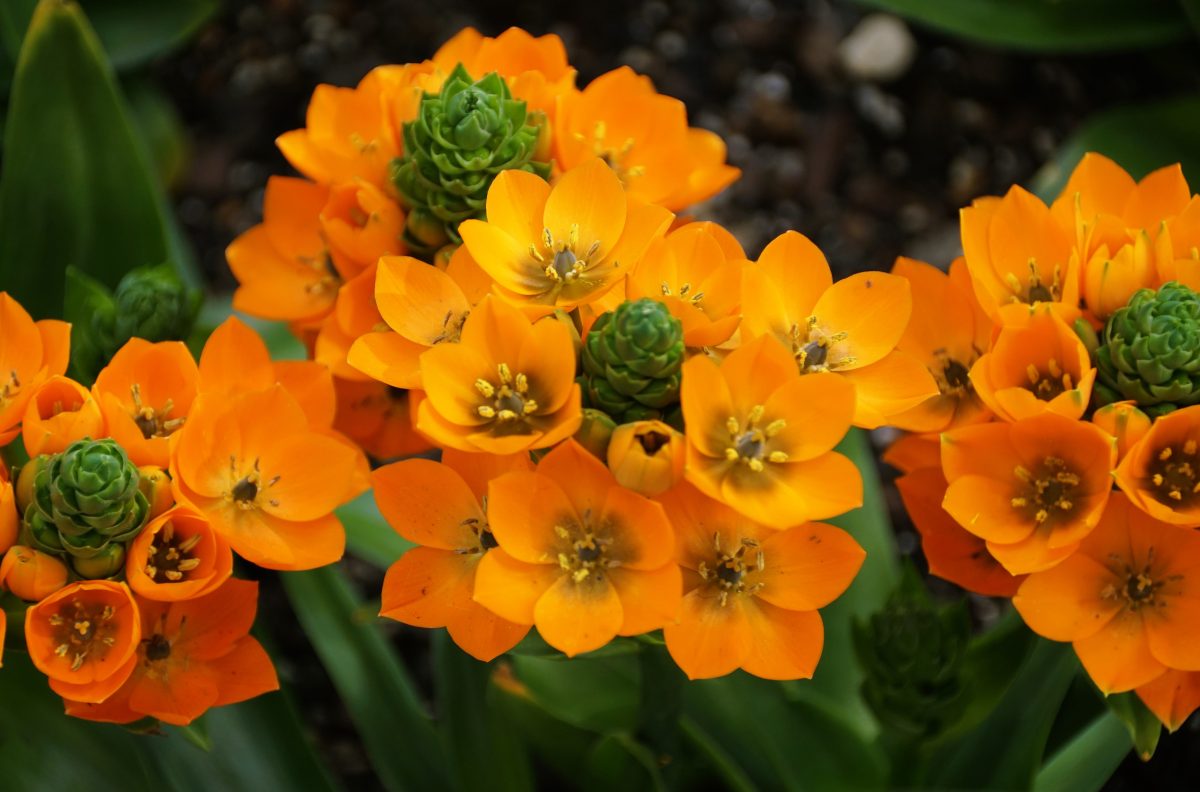
Borisevich also warns against planting orange star in your yard. “The orange star needs light, airy soil with fillers like perlite or coarse sand to prevent waterlogging,” she explains. “It also needs a dry, cool dormancy period of at least 2 to 3 months at around 50 to 59 degrees Fahrenheit.” Skipping this step means far fewer blooms. A better option is freesia.
Grow this instead: Freesia (Freesia)
5. Lisianthus (Eustoma grandiflorum)
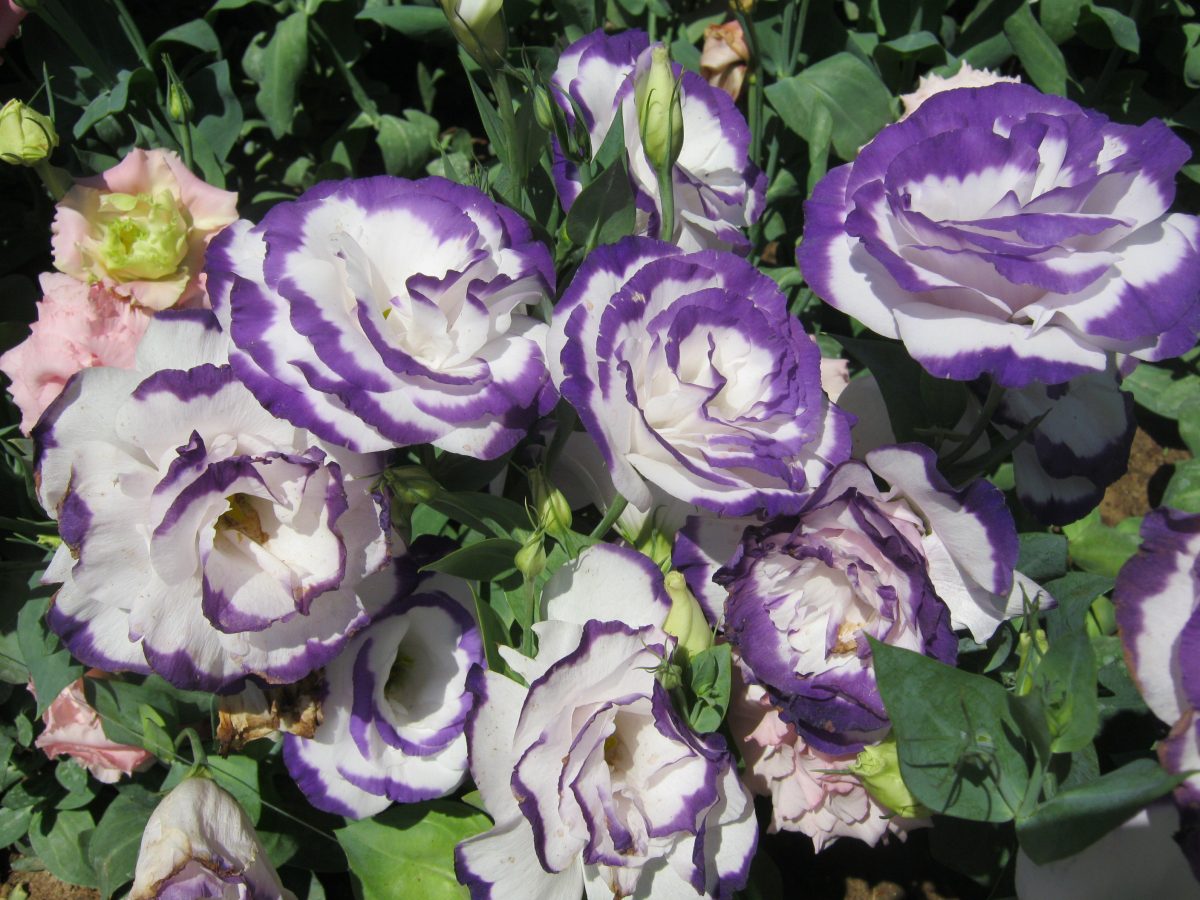
Lisianthus, an herbaceous perennial that typically grows as an annual, is another problematic plant since it has a root system that’s highly susceptible to rot, which means good drainage is essential, notes Borisevich. “You never want to let water droplets remain on the leaves, stems, or buds. Always water the plant directly at the base,” she explains. She recommends garden balsam as a better option.
Grow this instead: Garden Balsam (Impatiens balsamina)
6. Chinese Wisteria (Wisteria sinensis) or Japanese Wisteria (Wisteria floribunda)
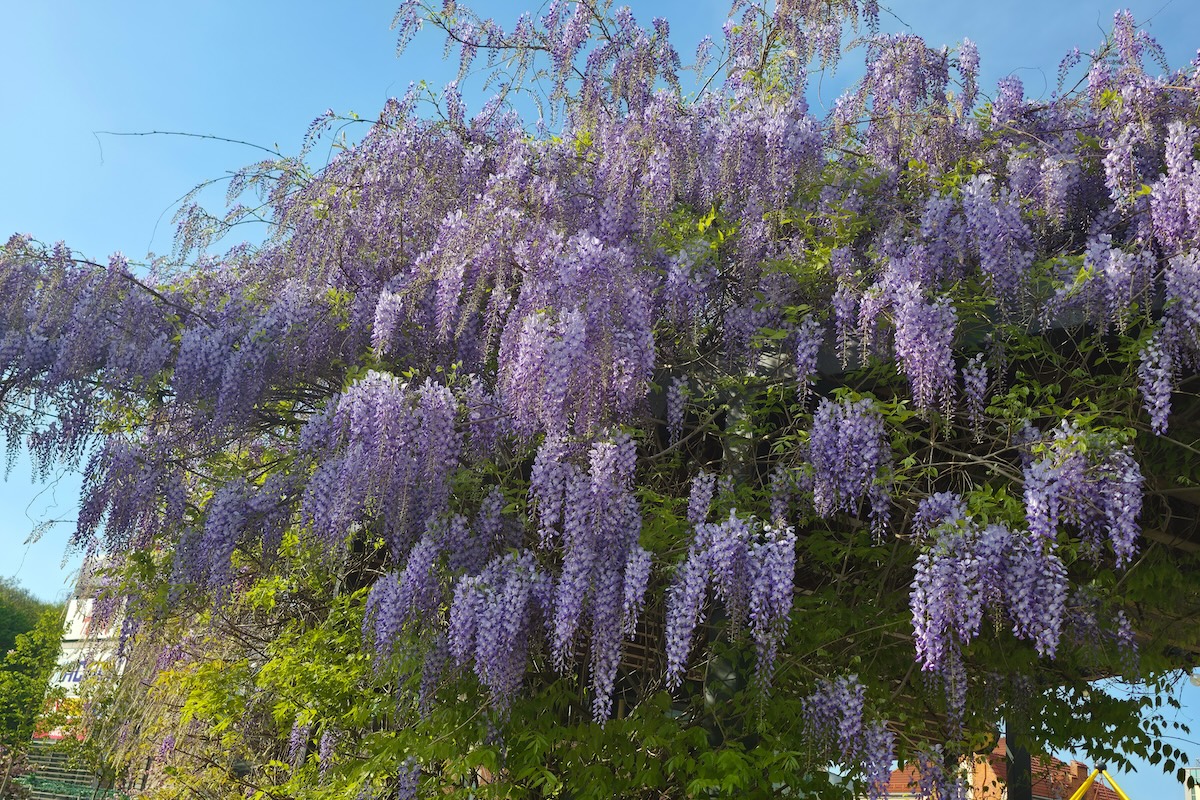
Although they produce beautiful clusters of white or purple flowers, these varieties are invasive. They are known for their aggressive, winding growth that can damage structures if not regularly contained. They also require heavy annual pruning to control their spread and promote flowering. Trumpet vine offers a comparable cascading floral display while being more contained and requiring basic support.
Grow this instead: Trumpet Vine (Campsis radicans)