We may earn revenue from the products available on this page and participate in affiliate programs. Learn More ›
Many of gardeners’ favorite annual plants for landscaping are also popular container plants because they bloom longer and more brilliantly than other put-in-the-shade varieties. By no means should you avoid them because everybody grows them, but we’re always in favor of seeking out new or unusual cultivars that fit your own particular style.
But you needn’t limit yourself to traditional flowering annuals either. Many colorful vines, grasses, herbs, and seldom-blooming succulents can look just as sensational when given their place in the sun.
1. Petunia (Petunia spp.)
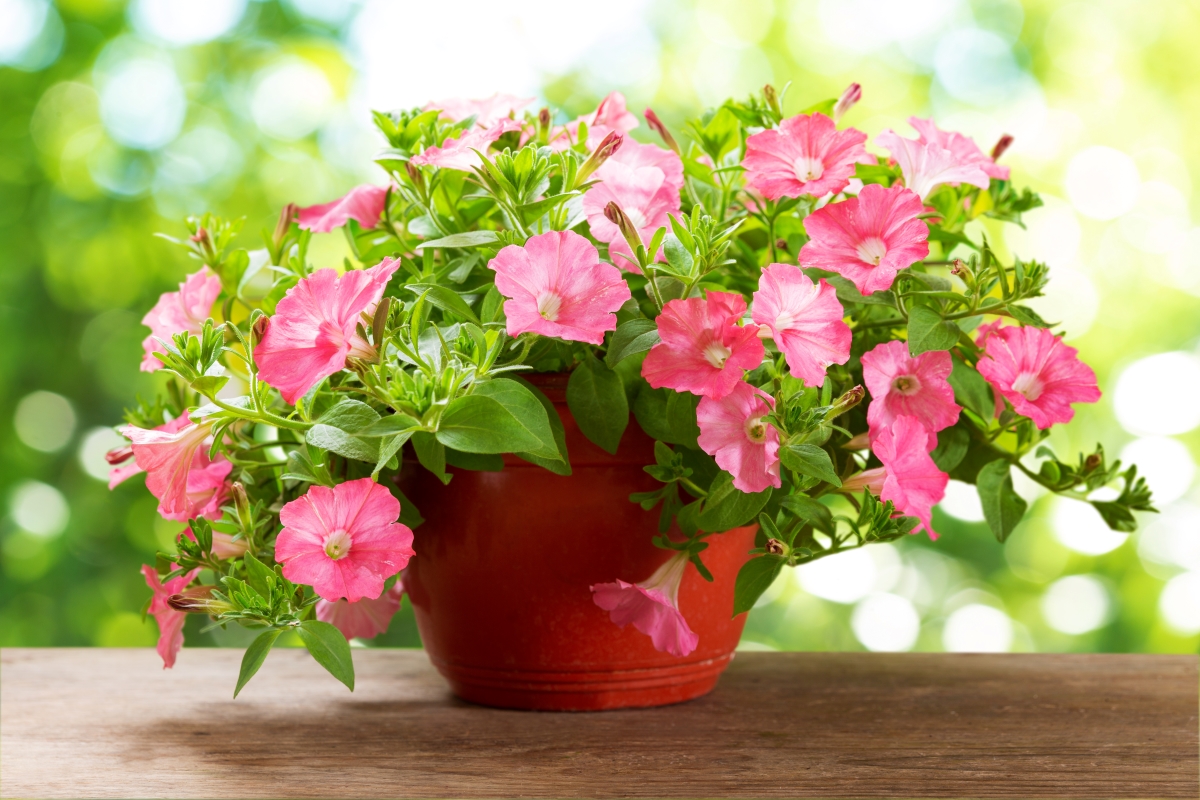
One of the most popular annual flowers on the planet, petunia blooms profusely and comes in a variety of exciting new colors, from orange and pistachio to genuinely black. Petunia also can be lushly doubled, striped with darker veins, or even spattered with galaxies of “stars.” Pinch off withered flowers for the best bloom, and cut the plant back by half if it seems on the verge of tiring and retiring.
2. Lantana (Lantana spp.)
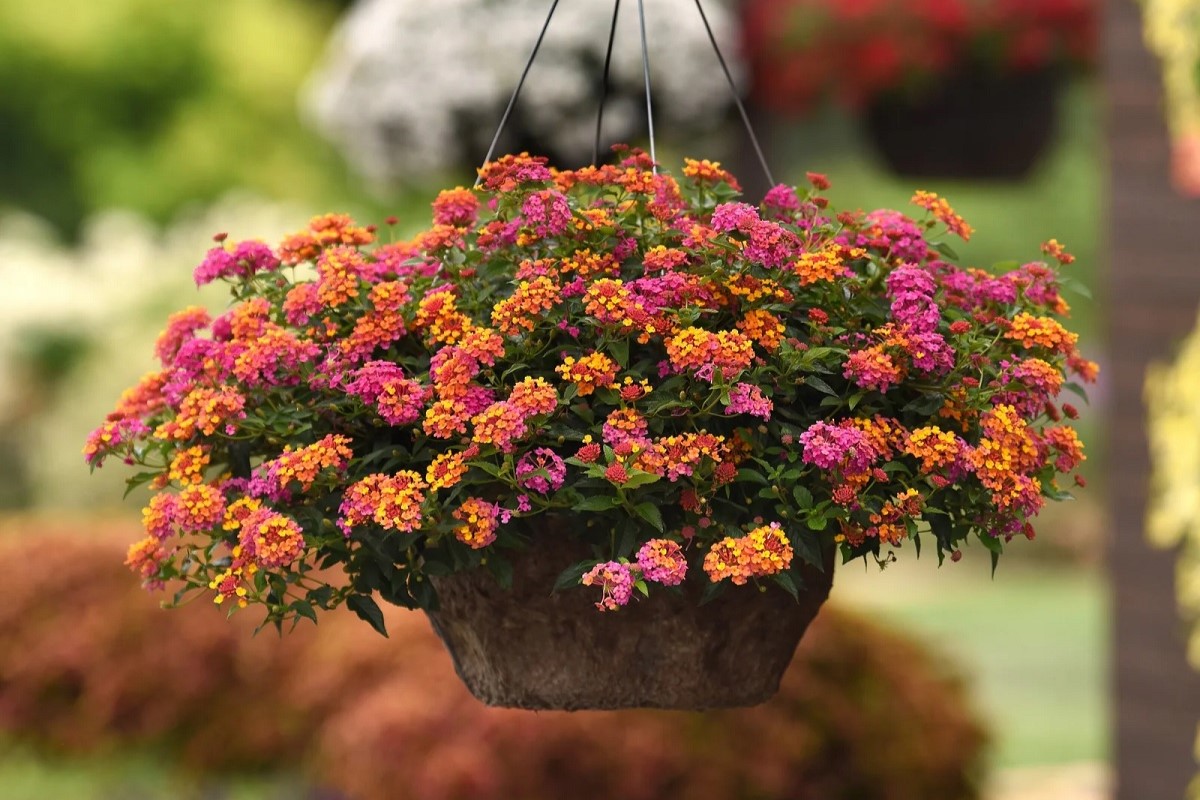
Lantana tolerates dry air, can adapt to indoor conditions, and may even flower there. However, it makes its most profuse bloom outdoors during summer, with clusters of tiny multicolored and often hot-hued flowers. Avoid pampering this plant with too much food and water, which may decrease its bloom. If you take it indoors in autumn, don’t panic when it drops most of its foliage. It is simply adjusting to changing light levels.
Best Bang for the Buck Self-Watering Planter
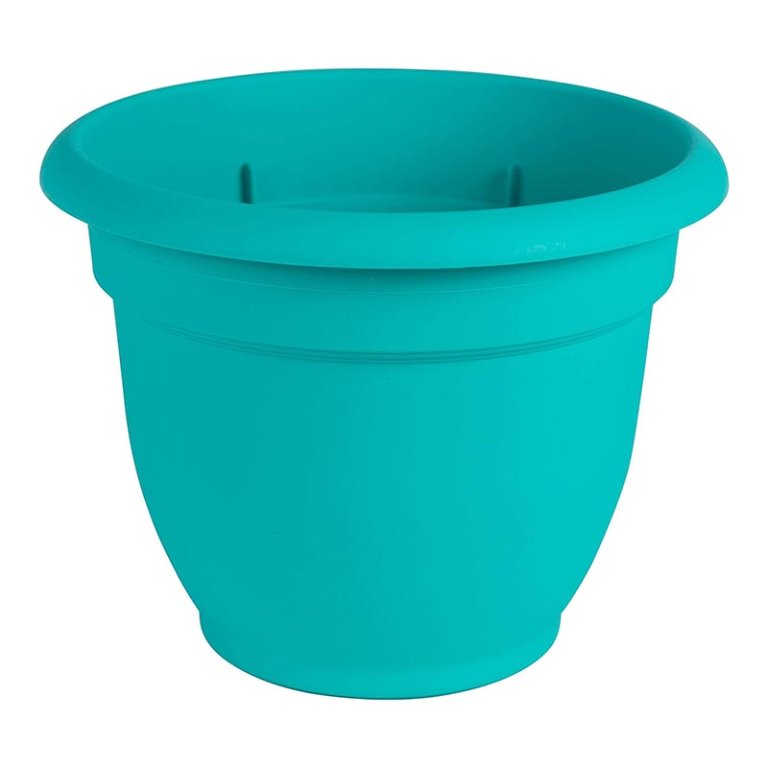
Bloem Ariana Self-Watering Planter
The Bloem Ariana planter is available in a variety of colors and features a removable self-watering disk that wicks water to plants. Read the review.
See It3. Portulaca (Portulaca grandiflora)
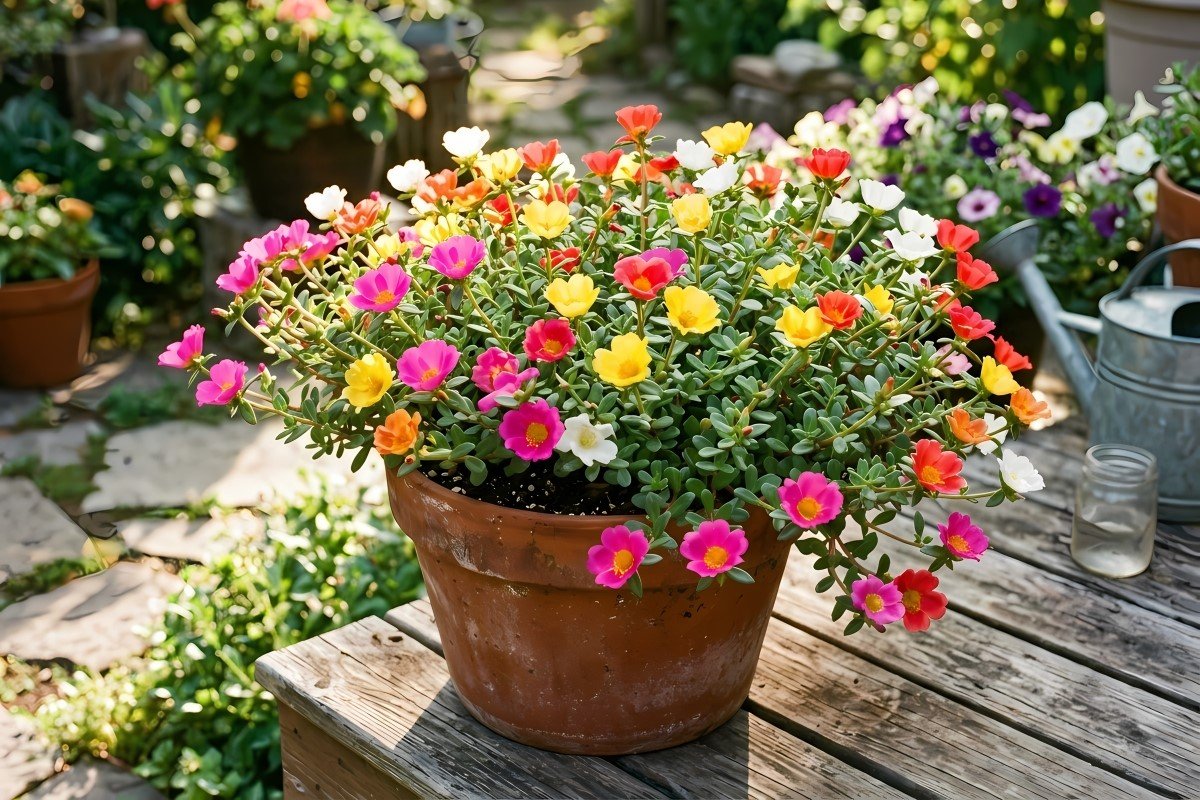
Although portulaca, a.k.a. moss rose, resembles the rose in its often double flowers, and the cactus in the satiny texture of its petals, those flowers appear on an annual plant that is as easy to grow as the marigold. It originally was a morning bloomer that closed its petals around noon and on cloudy days, but newer hybrids can remain bright into the afternoon if the sun is shining. When the plants become leggy, cut them back for renewed flowering.
4. Geranium (Pelargonium spp.)
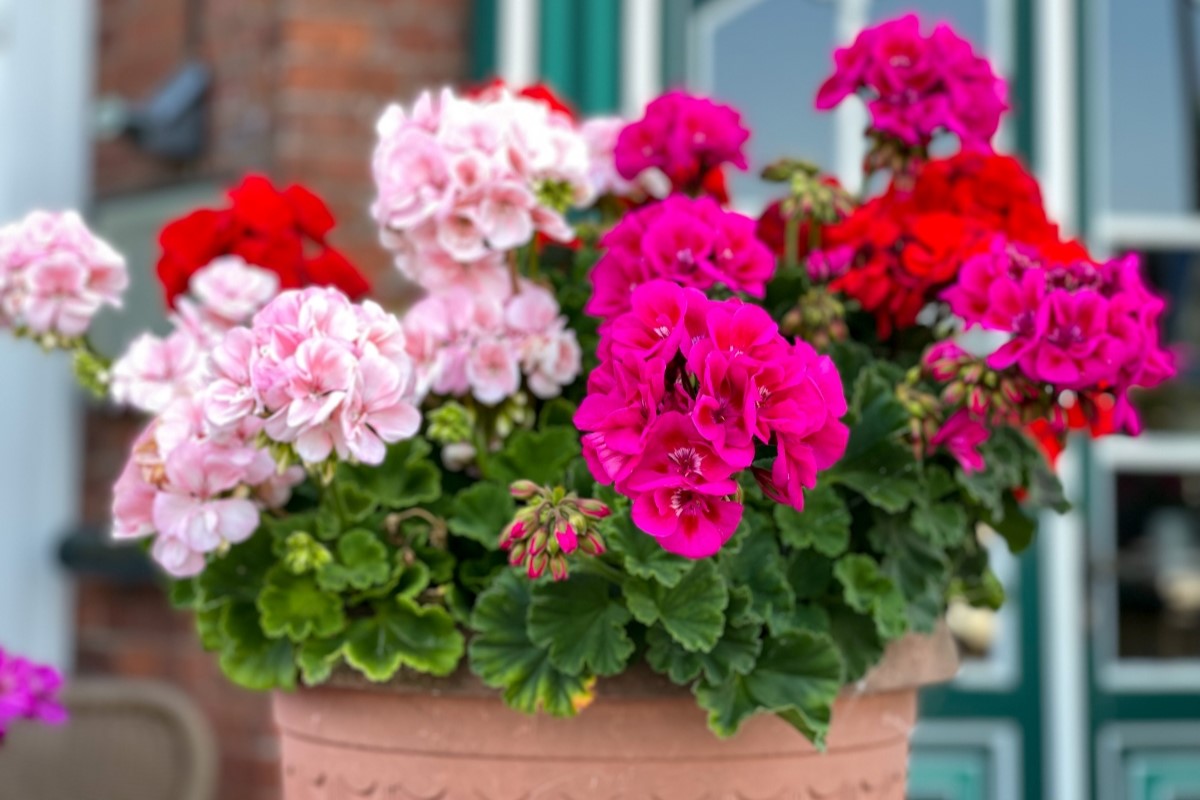
The annual geranium prefers somewhat dry air to humid air, an attribute that has made it the quintessential houseplant. It generally flowers most profusely outdoors during summer, however, where it can go head-to-head with other constant bloomers. Although it does prefer full sun in northern states, it can suffer from the heat in tropical climates where it may fare better with only morning sun. Keep it a bit root-bound for the most nonstop blooming.
5. Pentas (Pentas lanceolata)
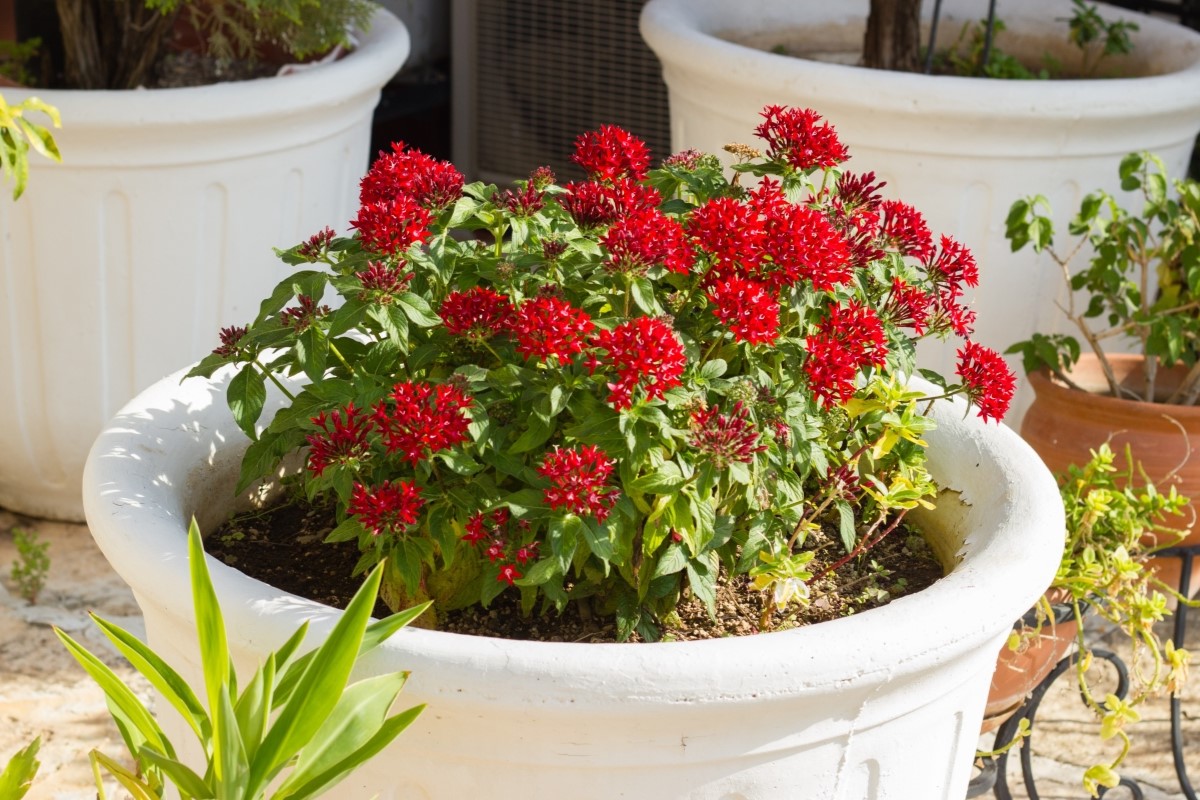
Not as well known as some annuals, the pentas plant (a.k.a. star cluster) produces 4-inch heads of stellar flowers in shades ranging from white through pink, red, and lavender. Highly attractive to butterflies and hummingbirds, it can make your containers a must-visit for those nectar-noshers. Don’t let those containers get soggy, as this plant is susceptible to root rot.
6. French Marigold (Tagetes patula)
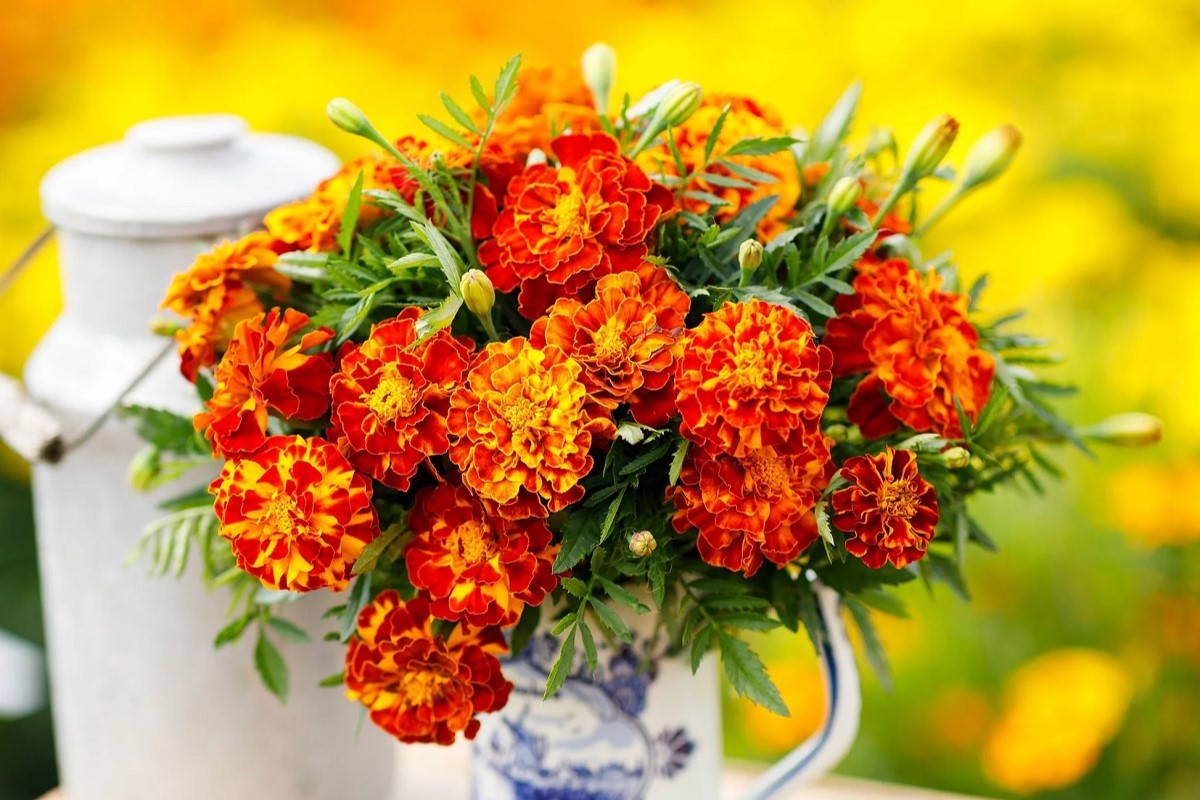
An old favorite with its short stature and flaming yellow, orange, or red blooms, French marigold can light up containers from early summer through first frost. When watering the plant, aim your can’s spout underneath its leaves, as constantly wet foliage can cause fungal problems. You’ll also want to deadhead withered flowers to keep your marigolds blooming.
7. Sweet Potato Vine (Ipomoea batatas)
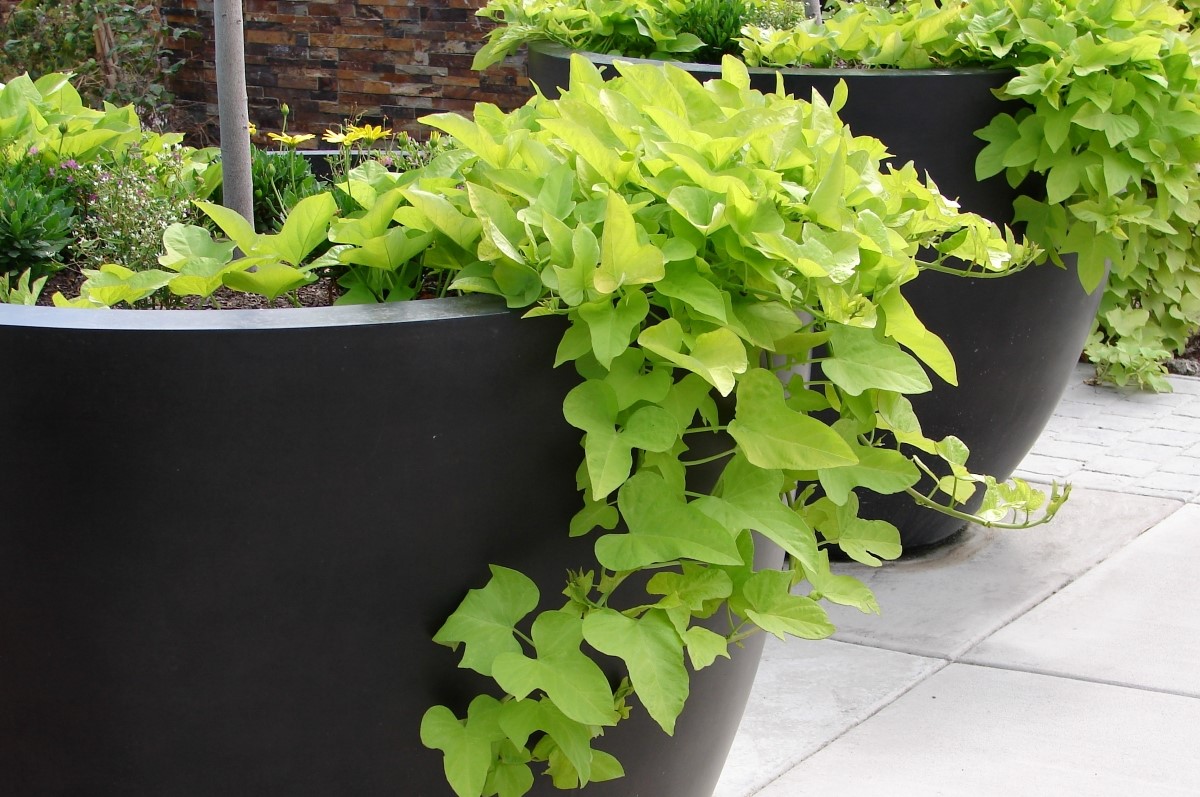
Not all container plants need to flower. You’ll find the sweet potato vine, which is grown for its showy foliage, in a variety of colors from purplish black to red, bronze, or variegated. Those splashy leaves typically produce their most intense hues in full sun. (Although the plant can make morning glory-like blooms, modern cultivars seldom do so.) The leaves may be heart-shaped or deeply divided, and the sweet potato vine can do double duty by serving as a houseplant during winter.
8. Agave (Agave spp.)
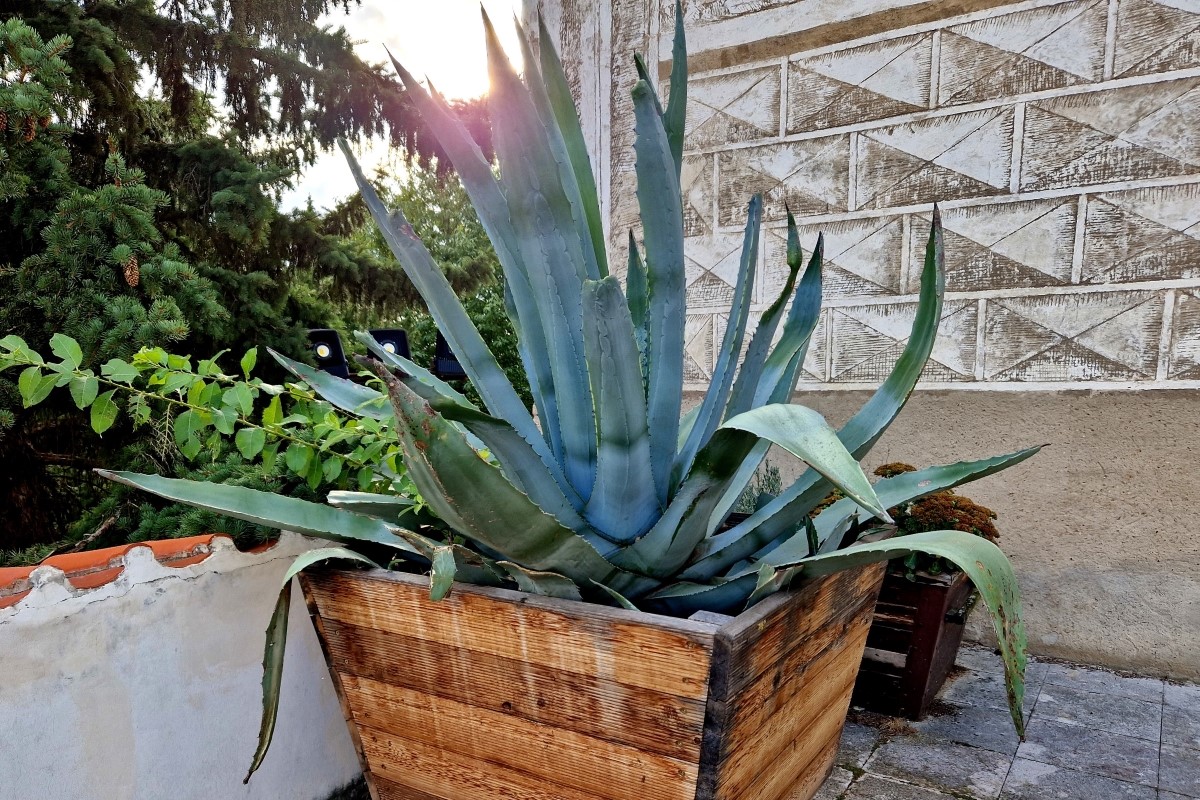
Also popular for its striking foliage, an outdoor agave plant may flower in its “old age” (10 to 25 years or so), but that blooming will kill the original plant—which may leave behind a few offsets to carry on. Therefore, it generally is grown for its rosette of silvery, succulent, and often spiky foliage. It too can be taken indoors during winter. Be sure to keep agave plant in cactus potting soil in a container with drainage holes to prevent rot.
9. Cuphea (Cuphea spp.)
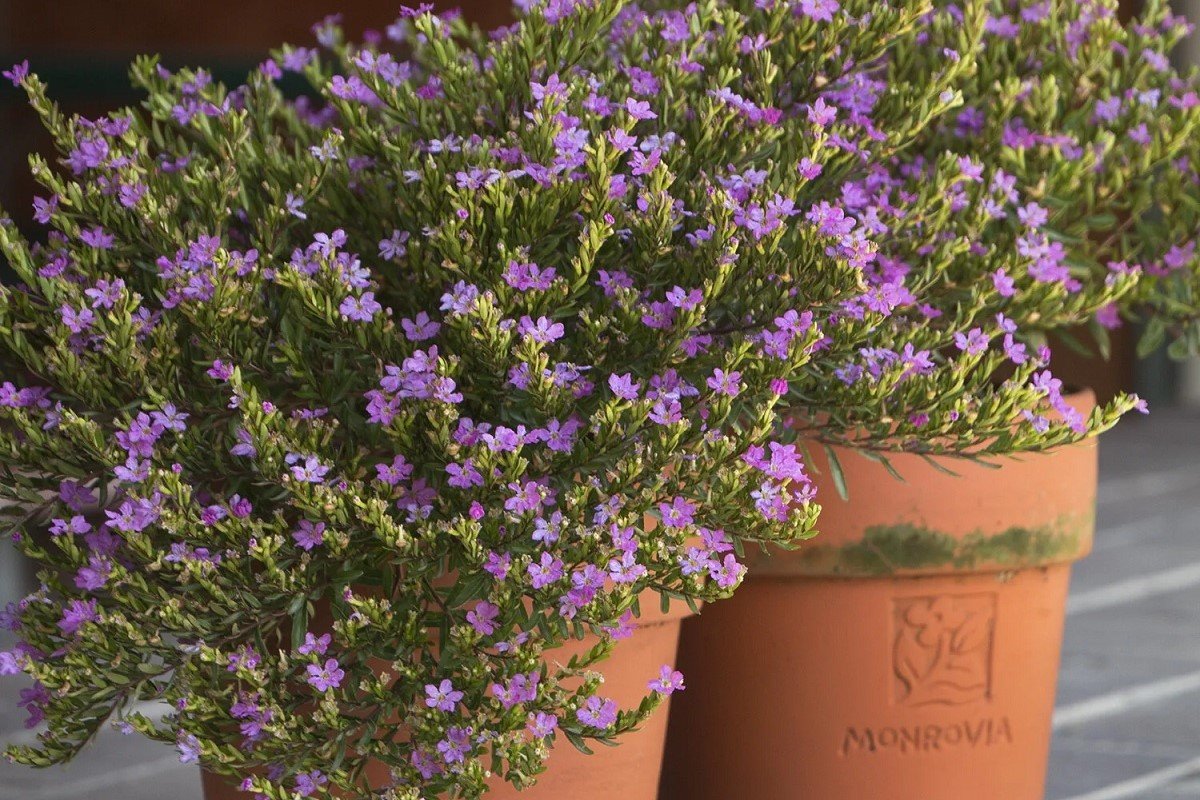
Although individual cuphea blooms may be quite small, en masse they make an impressive show that draws in butterflies and hummingbirds as well as envious neighbors. Cuphea comes in a wide variety of colors as well as interesting shapes resembling cigars, bats, mice, candy corn, and firecrackers, among other things! Pinch it back a bit when it is young and as necessary later to keep it compact rather than leggy.
10. Fountain grass (Pennisetum spp.)
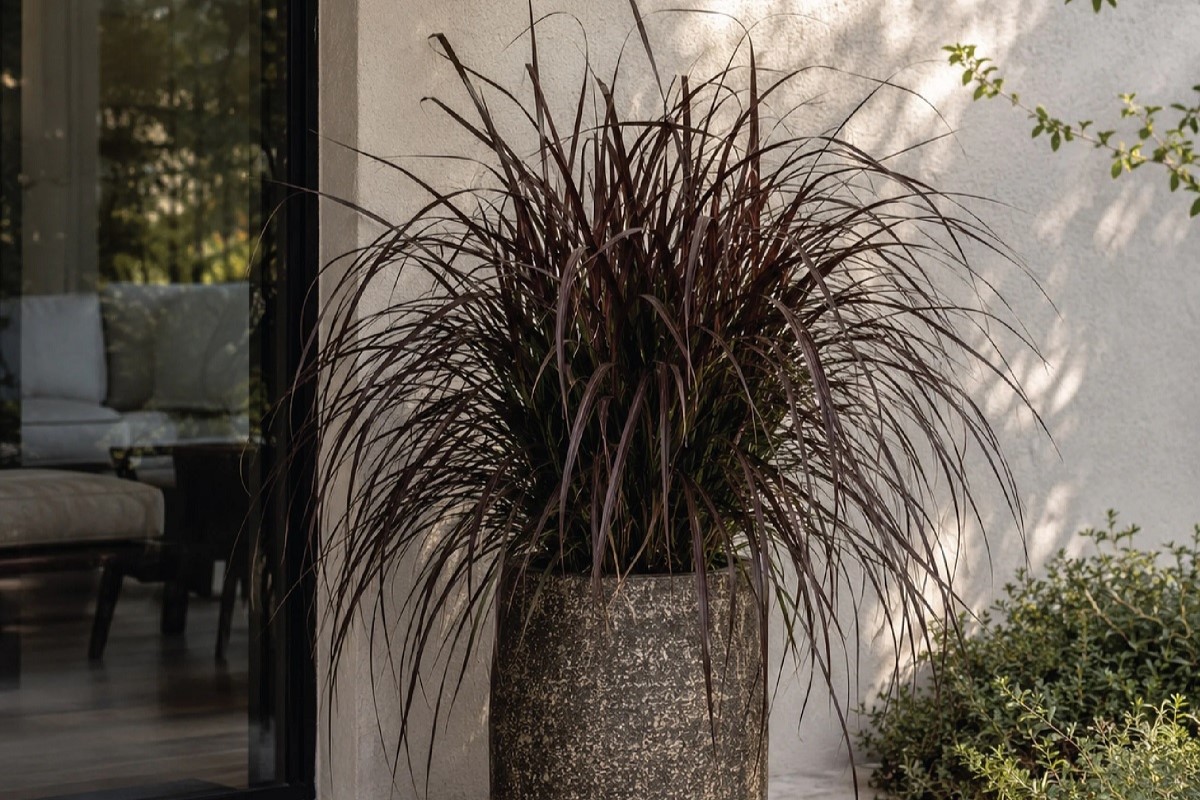
Like the fountain for which it is named, fountain grass adds a gracefully arching, cooling presence to the landscape. With narrow leaves and fluffy flower plumes, it can be used on its own or combined with other annuals. Cultivars with purple or burgundy foliage are particularly eye-catching. Like most ornamental grasses, the fountain type is vigorous enough to be pushy, so you may want to give it its own container to allow it to spout off in peace.
11. Rosemary (Salvia rosmarinus)
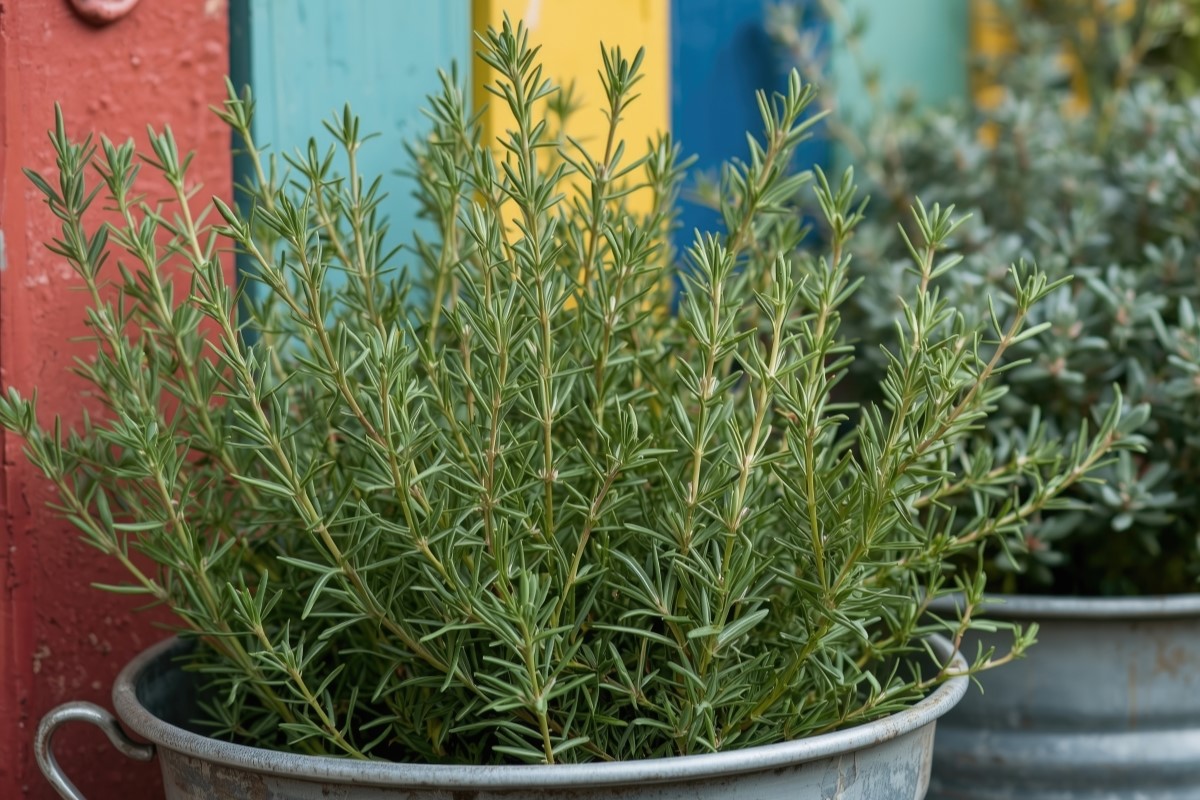
If you live where rosemary isn’t hardy, try growing it in a container that you can move indoors over the winter. That way you can give it the good drainage it likes and position it near the kitchen door, handy for culinary snipping. You can even trim it into a topiary, if you would like. Always pot rosemary in a fast-draining potting soil that is on the alkaline side rather than in peat-based soil, which tends to be too acidic for this plant.
12. Tropical Hibiscus (Hibiscus rosa-sinensis)
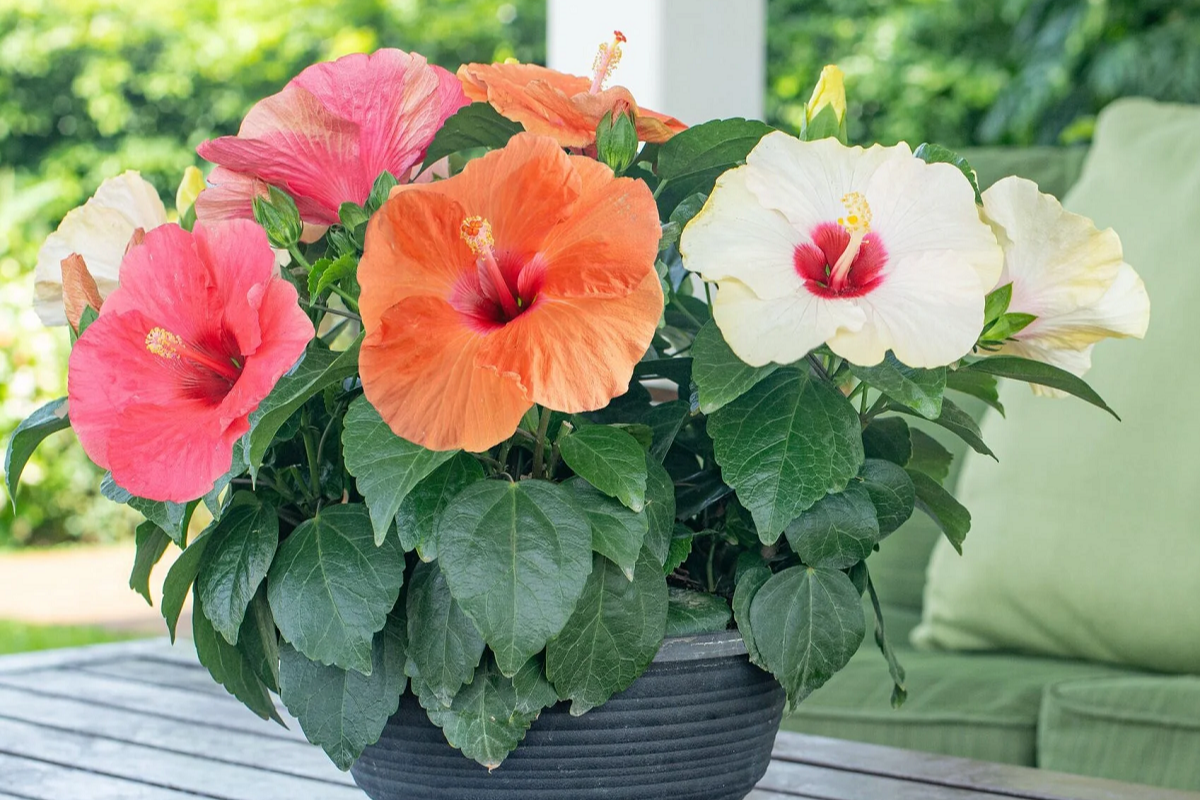
Despite its ability to turn out blooms 4 inches or larger across, tropical hibiscus is an easygoing plant that accepts being crammed into a pot with surprising equanimity. It even tolerates being taken indoors over winter, where necessary, and can bloom near a sunny window. Since hibiscus outgrows containers quickly, you’ll want to upgrade its digs frequently to keep it happy.