We may earn revenue from the products available on this page and participate in affiliate programs. Learn More ›
Yards and gardens in wet climates can be plagued by large, messy puddles or unsightly rills and gullies caused by wayward rivulets of water. Untamed runoff can not only cause unwanted erosion and disfigure your landscape, but it’s also an unfortunate mismanagement of resources that could otherwise be put to good use.
What is a rain garden?
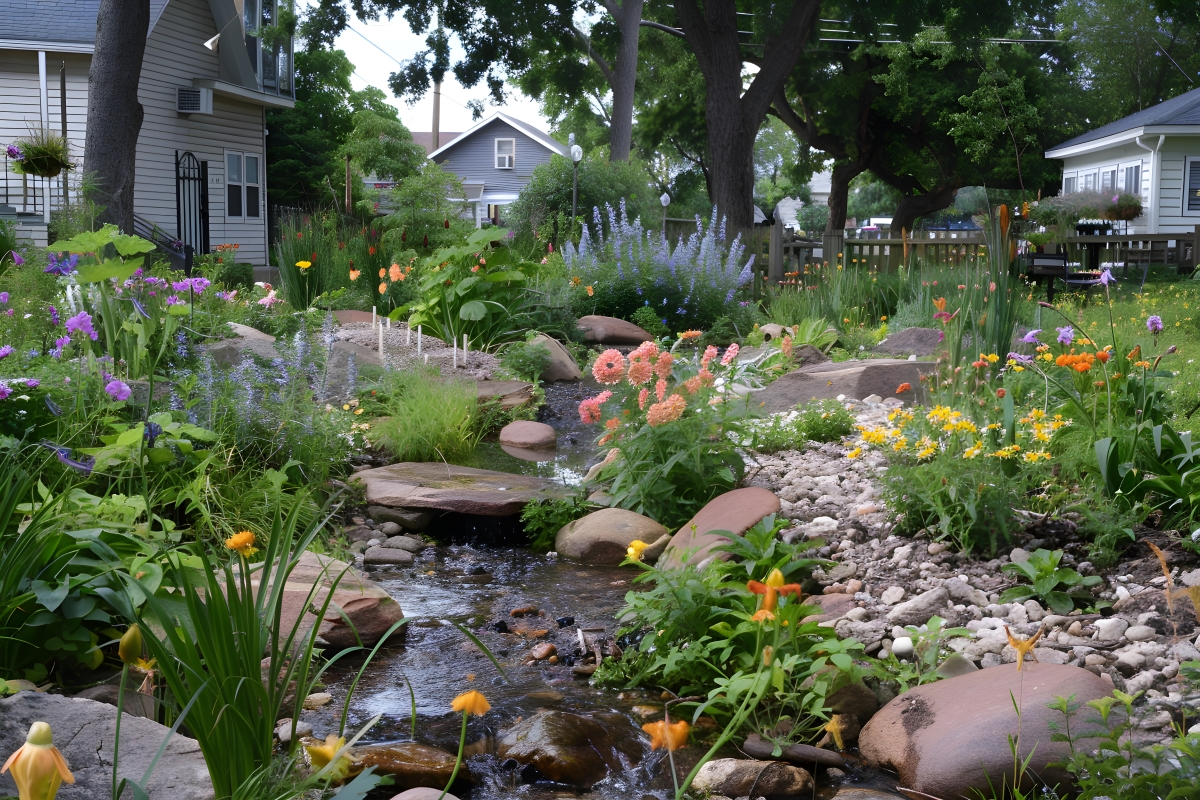
A rain garden is a depression intentionally created by digging out a low spot in the yard in order to create a space that will collect rainwater and provide a welcoming environment to hydration-hungry plants. Water directed to the rain garden ensures thirsty indigenous plants in the area are able to flourish and supply pollinators with the nutrition they need to keep the native biome healthy.
Where to Put a Rain Garden
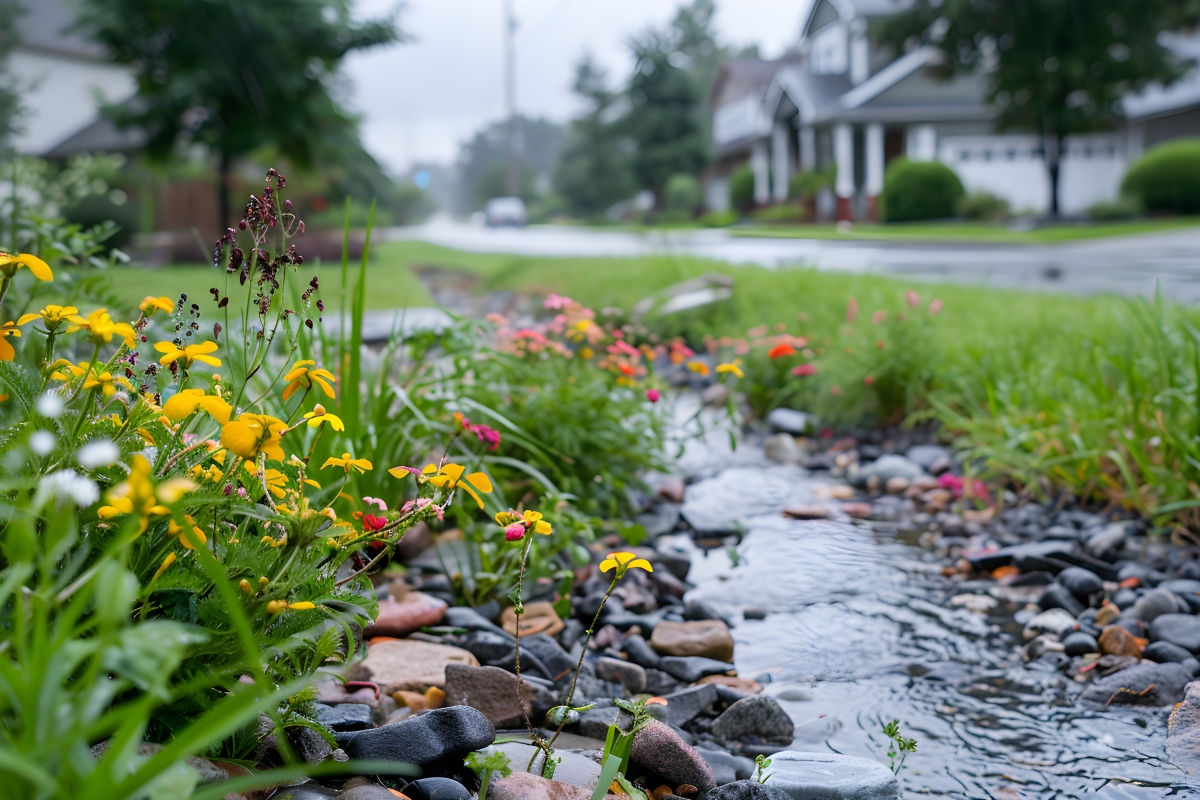
Rain gardens should be situated so they collect as much water as possible, at a safe distance away from your home. Consider placing your rain garden:
- At least 10 feet from your house
- A good distance from a septic system
- Away from underground utility lines
- In a natural depression that has pooled water previously
You’ll probably need to build up a berm on the low end, and maybe the sides, to contain the water.
Our Favorite Rain Garden Plants
It’s always a good idea to plant species that are native or adapted to your region; check with your local extension service about those that might be the best fits for your area. These are some of our favorite plants that can thrive in boggy conditions, and may work out well in your zone.
Blue flag iris (Iris versicolor)
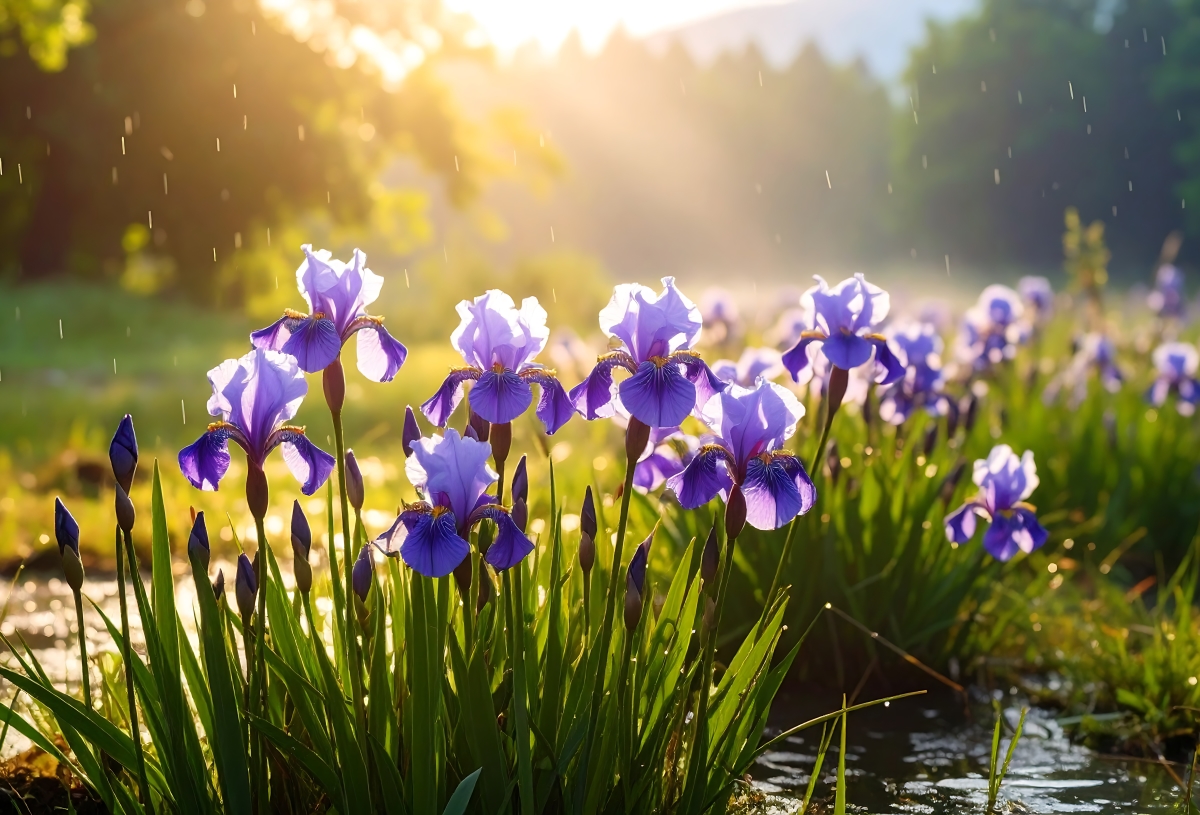
This iris flies its 4-inch blue-purple flags in late spring and early summer, with sword-shaped foliage and tall flower stalks. Once that foliage begins to flag after frosts, you can cut it back to 1 inch above the rhizomes. Bear in mind, though, that they are toxic.
USDA hardiness zones: 3–9
Size: 2–3 feet tall and wide
Cardinal flower (Lobelia cardinalis)
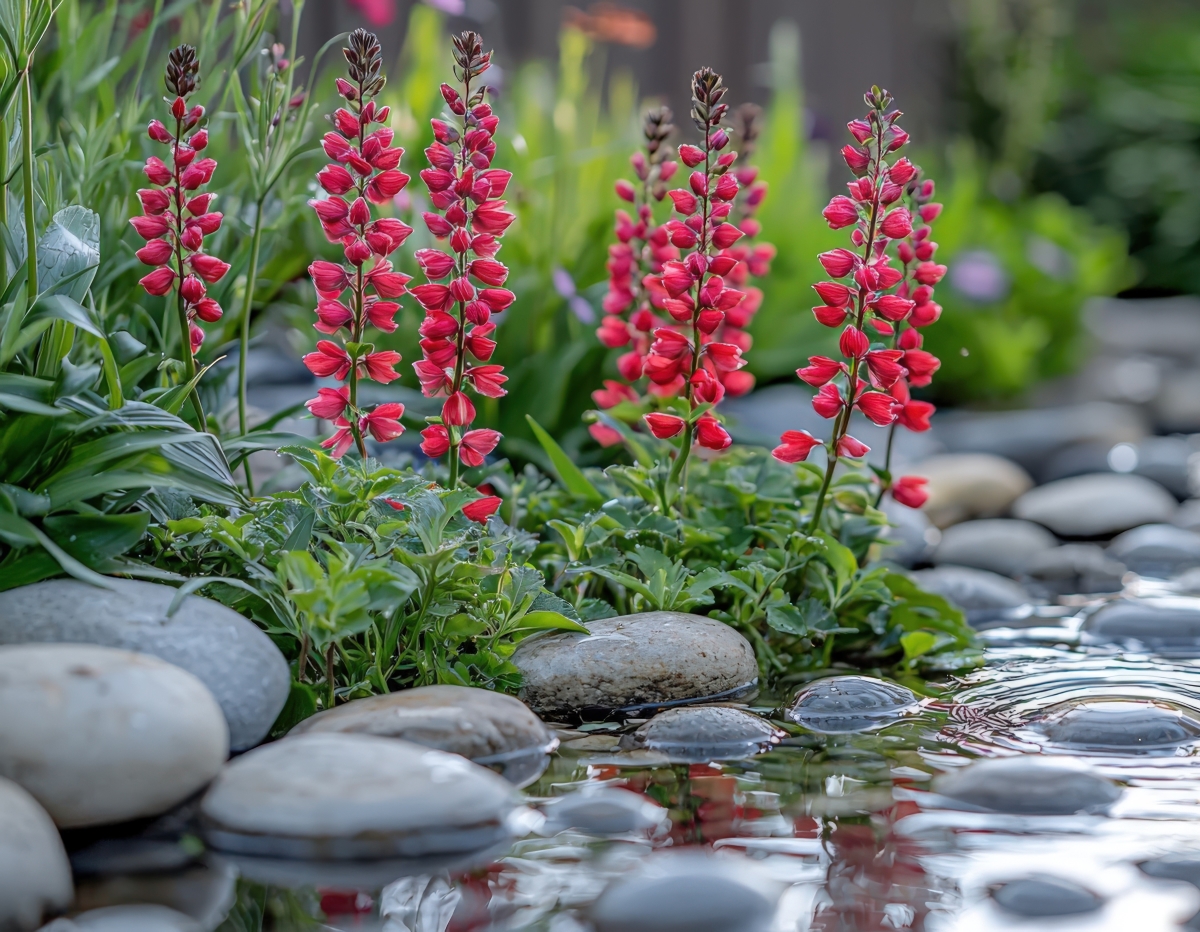
With flowers as red as the robes of Roman Catholic cardinals or as the birds of the same name, cardinal flower makes a showstopping addition to a rain garden. Its stalks of 1-inch scarlet blooms generally appear from mid-summer through early autumn. Offering a sweet and nutritious food for hummingbirds, you’ll also find cardinal flowers in white and pink.
USDA hardiness zones: 3–9
Size: 2–5 feet tall; 1–2 feet wide
Ditch Lily (Hemerocallis fulva)
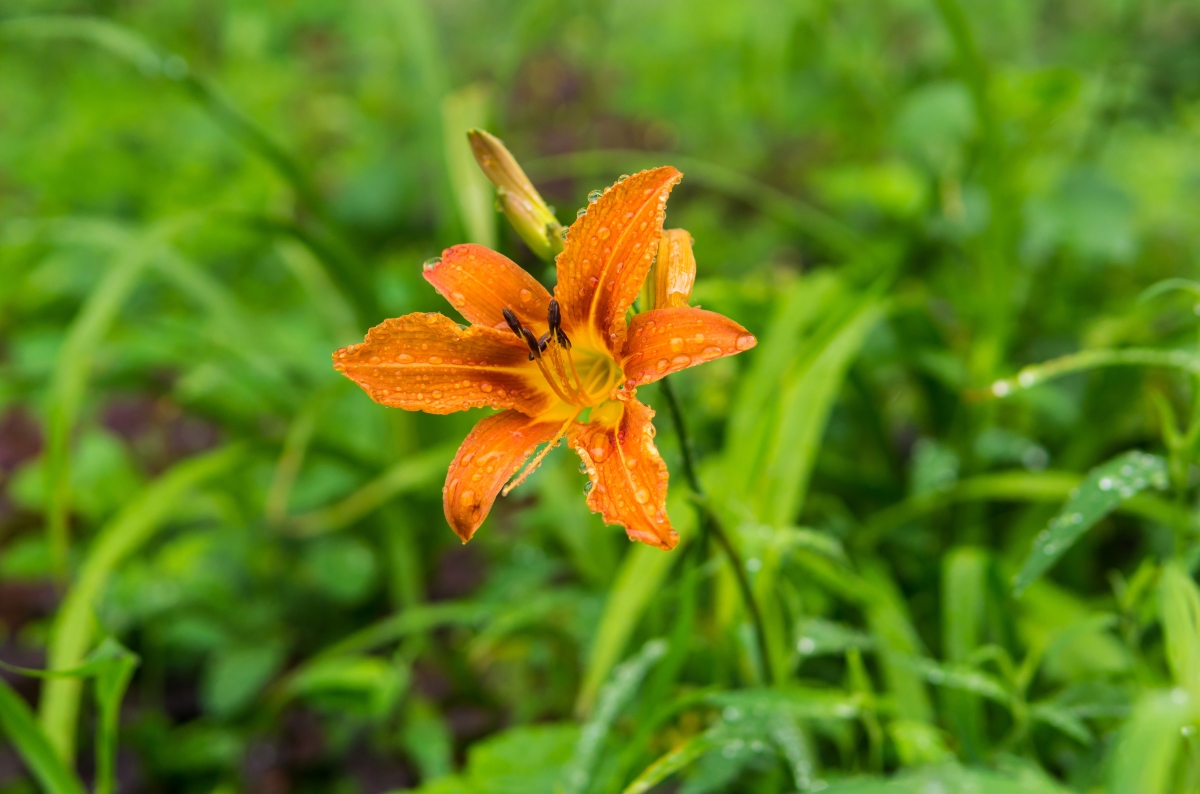
There’s a reason this now-wild daylily, which originated in China, is often called ditch lily: Its vigorous plants seem able to tolerate the soggy conditions in those roadside trenches with equanimity. Though ditchwater might be dull, plants often growing in it definitely aren’t. The tall flower stalks produced by this plant sport 5-inch, brilliant-orange trumpets. Vigorous enough to sometimes be invasive, ditch lily can be toxic to cats.
USDA hardiness zones: 3–8
Size: 2–4 feet tall and wide
Japanese primrose (Primula japonica) and Tibetan primrose (Primula florindae)
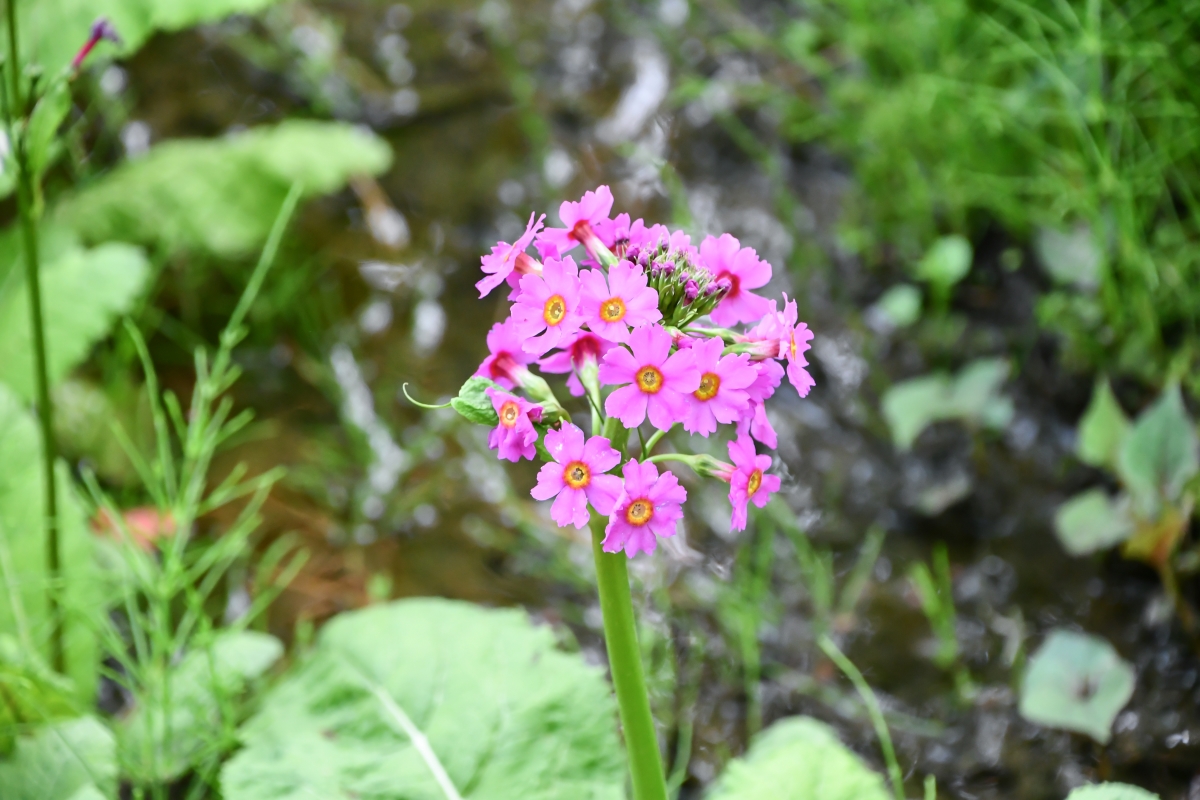
Although not all primroses tolerate running water, these two don’t mind standing “ankle-deep” in it. Both of these species flower later than other primrose varieties, producing their umbels of blooms in late spring or early summer. The Japanese variety (pictured above) typically has a single blush of bloom that lasts for 2 to 4 weeks, but the highly fragrant Tibetan variety can carry on for most of the summer.
USDA hardiness zones: Japanese primrose: 4–8; Tibetan primrose: 3–8
Size: Japanese primrose: 16–24 inches tall and 12-24 inches wide; Tibetan primrose: 2–3 feet tall and 2 feet wide
Marsh marigold (Caltha palustris)
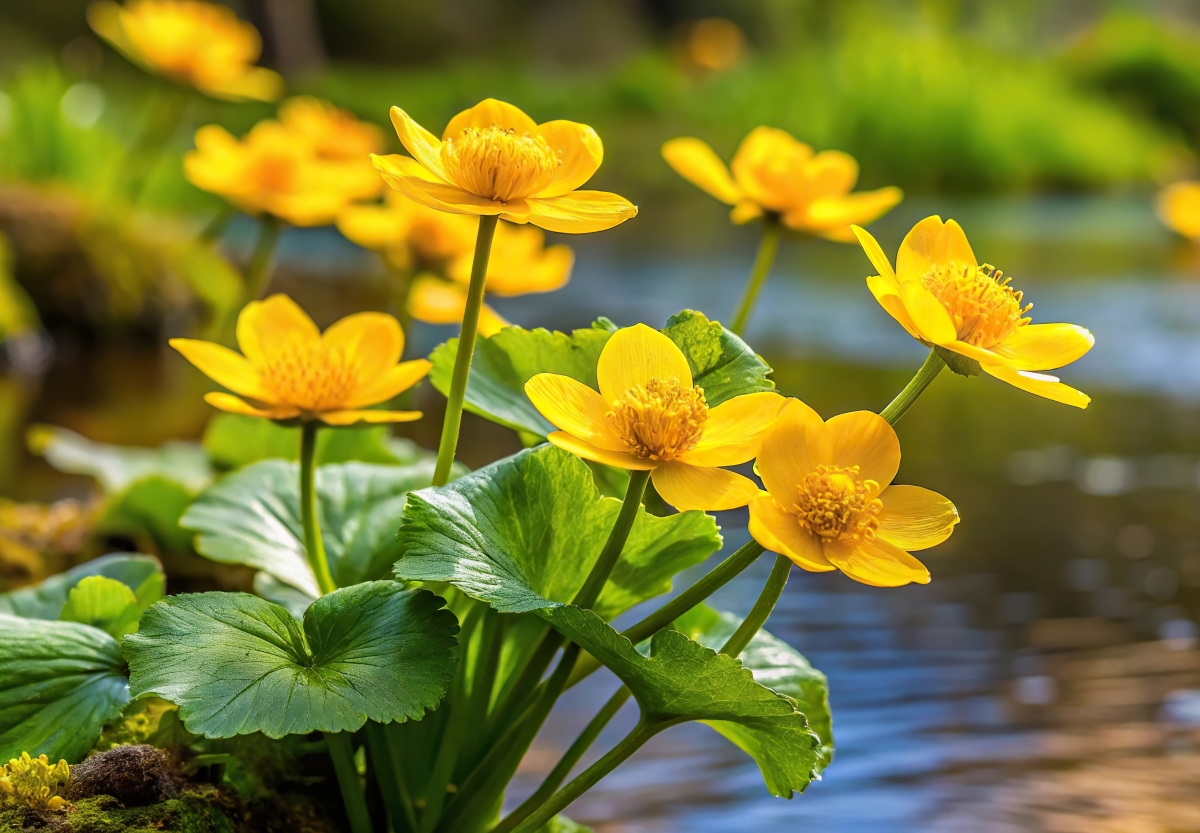
A mound of sunshine, the marsh marigold has kidney-shaped leaves and glossy, 1- to 2-inch buttercup-like flowers in mid-spring through early summer. It is not related to the typical marigold, nor to the primrose, even though another of its common names is cowslip. Don’t fret if the plant dies down to its rhizomes during summer. It should emerge again, bright and cheerful, the following spring.
USDA hardiness zones: 3–7
Size: 1–2 feet tall and wide
Meadowsweet (Filipendula ulmaria)
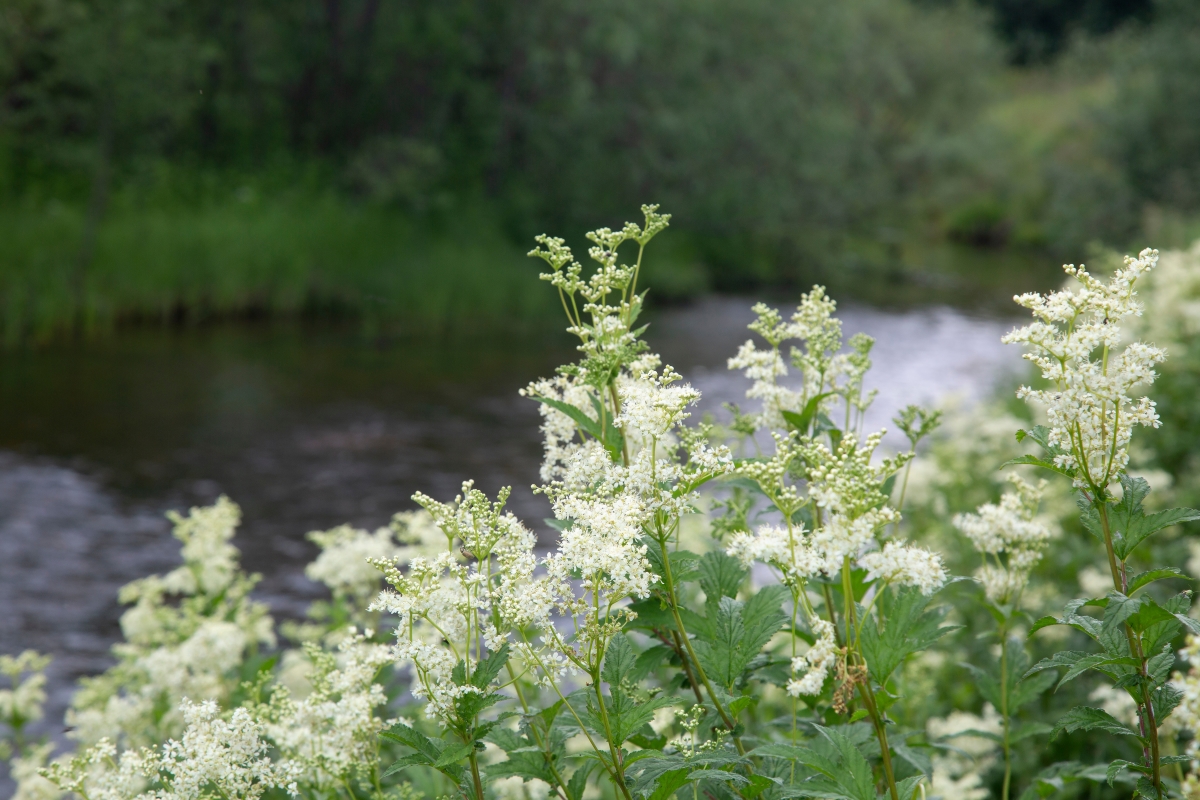
Meadowsweet can sweeten a lawn as well as a meadow, growing tall with plumes of fragrant, lacy white flowers in early summer. Originally a European wildflower, this plant has naturalized in the U.S. and is considered invasive in some states, where it should be avoided. Elsewhere, it still can lend a sweetly bridal look to your rain garden “bouquet.”
USDA hardiness zones: 3–9
Size: 3–6 feet tall; 1–3 feet wide
Swamp milkweed (Asclepias incarnata)
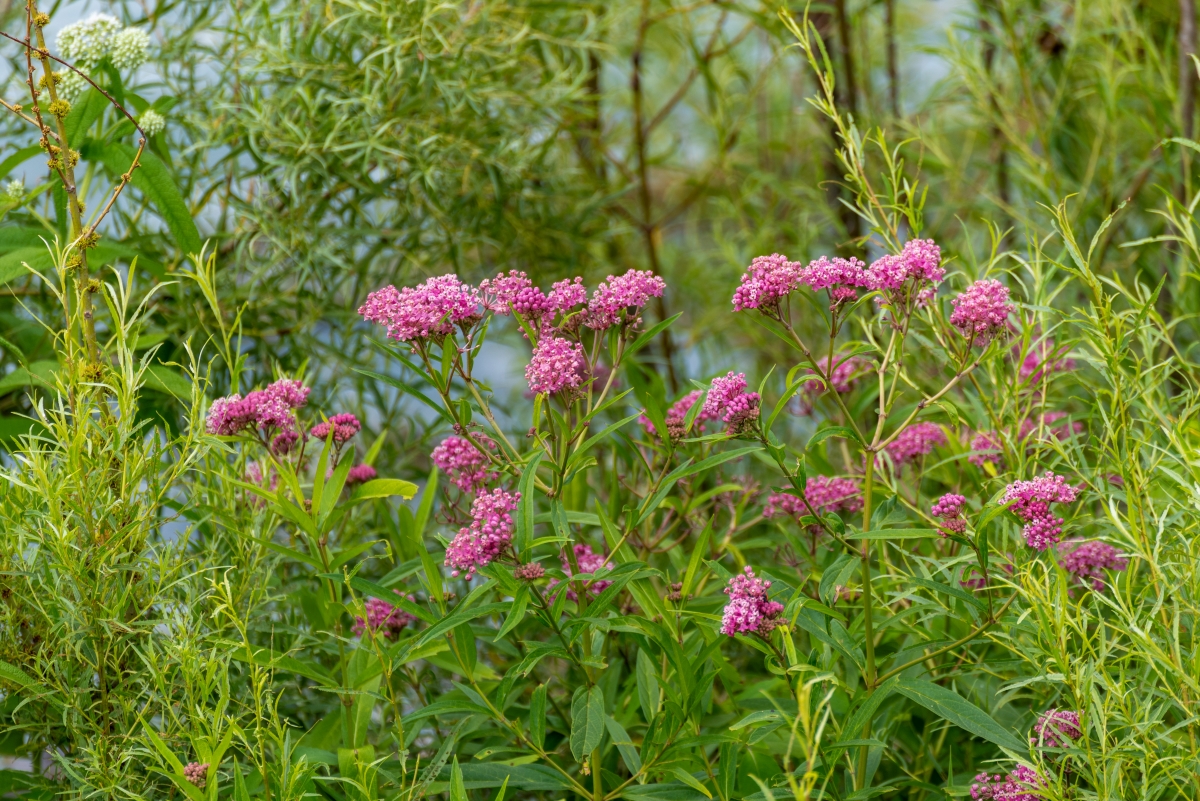
Growing tall and showing off clusters of fragrant pink flowers that appear in mid to late summer, this milkweed also is a food source for Monarch butterfly larvae. Plant it for them and for your children, who will like the fluff attached to the flyaway seeds. Keep in mind, though, that the plant’s white “blood” is toxic.
USDA hardiness zones: 3–6
Size: 3–5 feet tall; 2–3 feet wide
Swamp sunflower (Helianthus angustifolius)
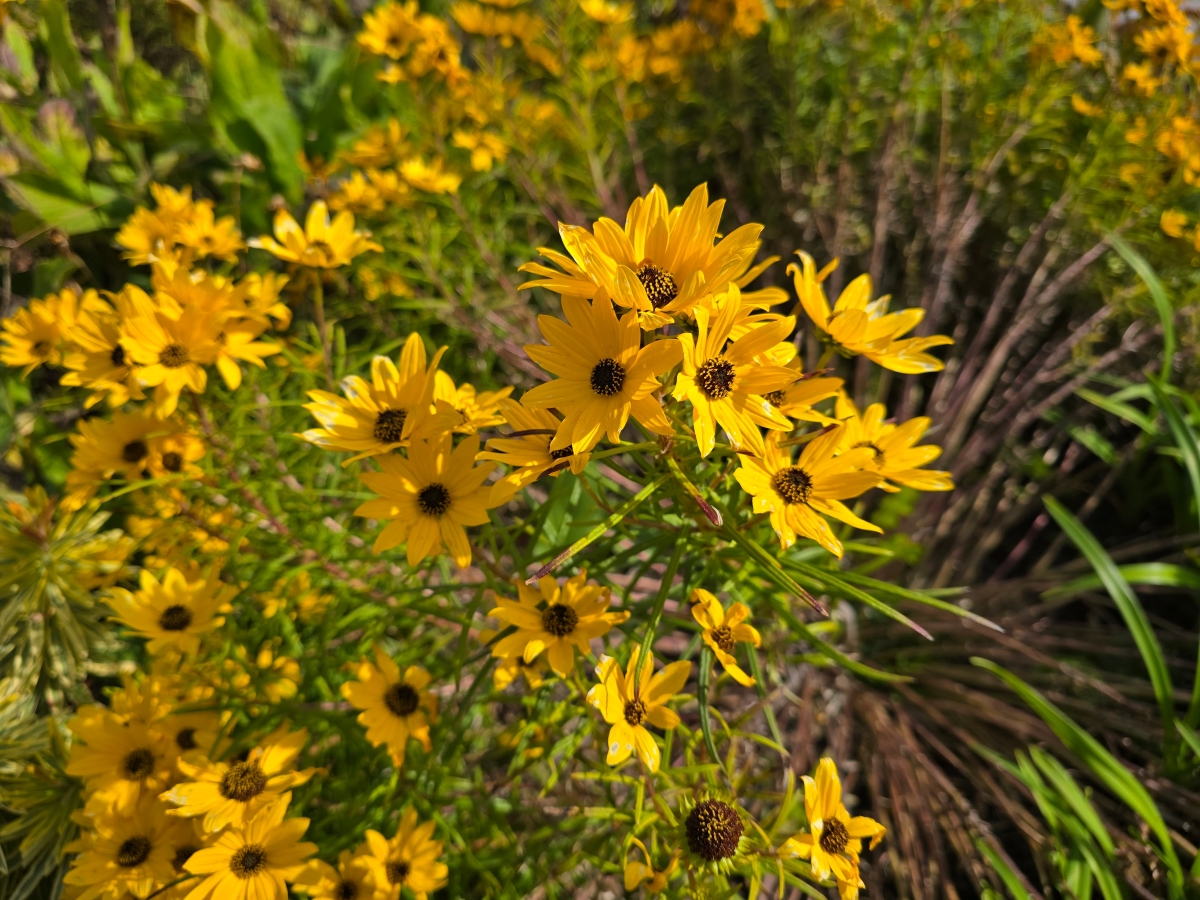
The swamp sunflower produces a generous number of 1- to 3-inch yellow blooms in mid-summer to autumn. Like the milkweed, this plant plays host to butterfly larvae, in its case those of the Silvery Checkerspot. Its seeds also are attractive to almost every bird under the sun.
USDA hardiness zones: 5–9
Size: 5–8 feet tall; 2–4 feet wide
Scarlet bee balm (Monarda didyma)
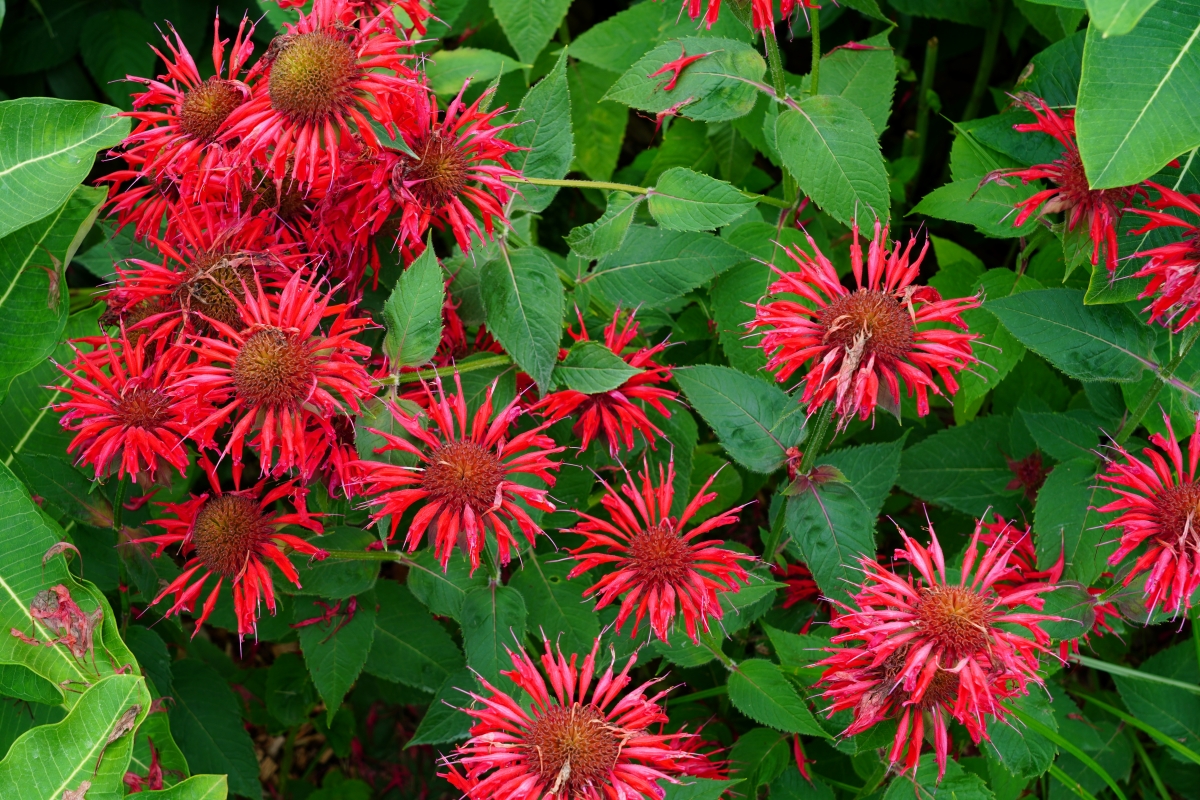
Bee balm grows to 4 feet tall in USDA zones 4 through 9 with minty foliage and mophead-like 3- to 4-inch red blooms that appear from mid to late summer. It can be balm to the spirit since its color attracts hummingbirds, several colorful moths whose larvae feed on it, and the insect for whom it is named.
USDA hardiness zones: 4–9
Size: 2–4 feet tall; 2–3 feet wide
Swamp rose mallow (Hibiscus grandiflorus, lasiocarpos, laevis, or moscheutos)
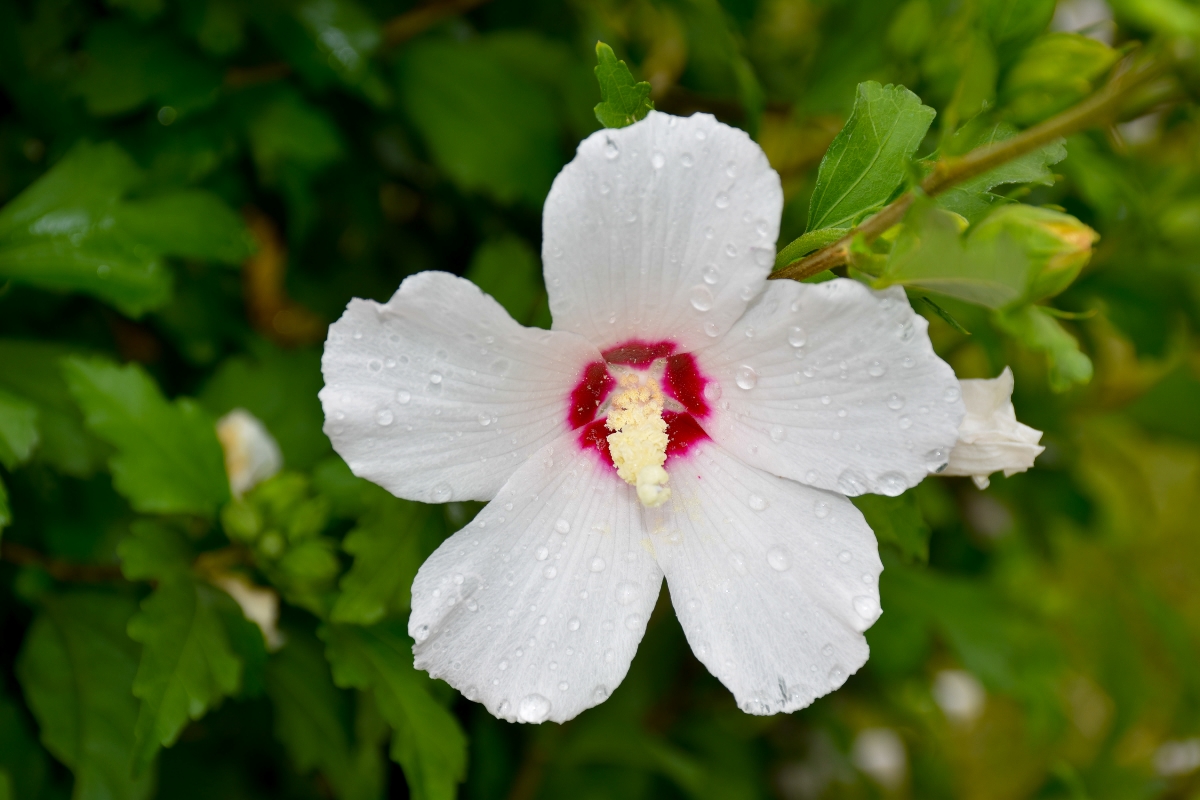
Among the showiest of swamp species, several members of the Hibiscus genus answer to this nickname, including grandiflorus (USDA zones 8b to 11a), lasiocarpos (USDA zones 5 to 9), laevis (USDA zones 4 through 9), and moscheutos(USDA zones 5 to 9). All grow to at least 6 feet high with maroon-centered pink blooms at least 6 inches across. In the North, the plants flower from midsummer through autumn, and as early as late spring in warmer climates. Grandiflorus has velvety leaves, while lasiocarpos leaves are hairy, laevis halberd-shaped, and moscheutos toothed.