We may earn revenue from the products available on this page and participate in affiliate programs. Learn More ›
In certain regions of the United States, it’s good practice to reseed or overseed a lawn in the fall. This entails choking out weeds and adding new grass seed to fill in bare spots with the goal of creating a thick, lush lawn. For many homeowners, reinvigorating their lawn is part of general maintenance done either once a year or every few years. In addition to improving curb appeal, overseeding boosts lawn health, produces dense grass that is less susceptible to soil erosion, helps make grass more resistant to disease and insects, and reduces the need for frequent applications of chemical herbicides, since weed growth plummets.
However, not everyone should reseed their lawn in the fall. We spoke to a couple of lawn care experts to identify the reasons why you should skip this lawn care task.
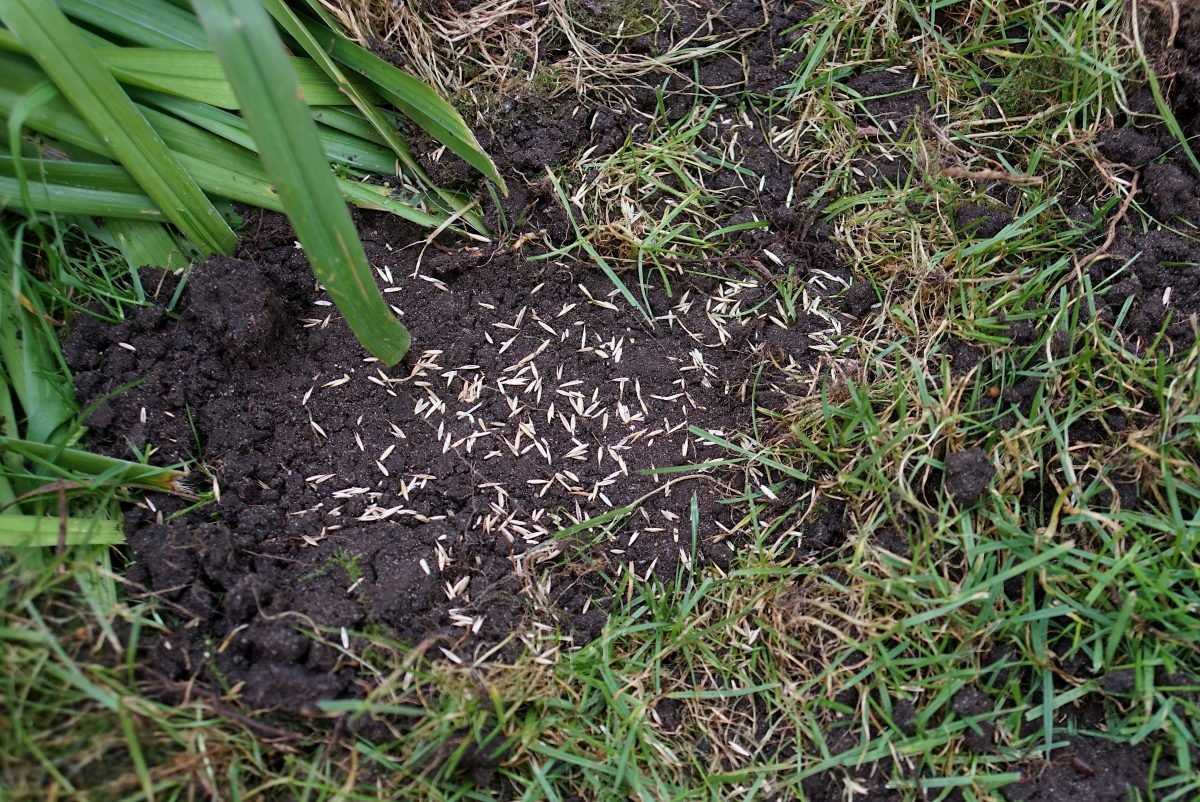
Don’t reseed your lawn in the fall if it looks lush.
Don’t mess with success. If your lawn already looks vibrant, then there’s no need to spend the time and money on reseeding. Save reseeding or overseeding for lawns that are struggling in the following ways:
- Thinning grass: If you start to see more soil than grass, you’ll know it’s time to reseed. Just make sure to determine the underlying issue causing the thinning and to address it accordingly.
- Brown or bare patches: Patchy grass is an indication that it’s unhealthy and unable to fight disease and deter pests.
- An abundance of weeds: In addition to being unattractive, excessive weeds growing all over your lawn can lead to bare patches and weak turf.
Don’t reseed your lawn in the fall if you have warm-season grass.
One of the easiest ways to determine if autumn is the time for this lawn care task is to identify the type of grass you have growing on your property. “Overseeding is not recommended if you have a warm-season lawn (Bermuda, zoysia, St. Augustine, centipede) because warm-season lawns are heading into dormancy in the fall, not active growth,” says Brian Feldman, senior director of operations and agronomy at TruGreen in Brielle, New Jersey.
On the other hand, if you have cool-season grasses such as fescue, ryegrass, or Kentucky bluegrass, it’s best to reseed in late summer or early fall. “Don’t wait too long in the fall to overseed because as the temperatures drop closer to winter, new grass seeds get eaten by birds or can lose viability, significantly lowering overall success,” warns Feldman.
Don’t reseed your lawn in the fall if the ground is badly compacted.
Check to see if the soil feels hard underfoot, water sits on the surface after rain, or you can barely push a garden fork into the soil. “If so, new grass seed is going to struggle no matter how good the seed is,” says Dr. Russell Sharp, plant scientist and founder of Eutrema in the United Kingdom.
The problem is that the roots need to get down into the soil quickly once they germinate, says Sharp. But on compacted ground, they stay shallow, dry out more easily, and never really establish properly. “People often assume reseeding will fix a tired-looking lawn, but if the underlying soil is the problem, you’re just putting fresh seed onto the same conditions that caused the grass to thin out in the first place.”
He recommends aerating first to loosen the surface and give the soil a chance to recover before sowing any seed. “If that pushes you too late into autumn, I’d wait until spring rather than rush it,” says Sharp. “You’ll get a much better result from seed going into prepared ground than from throwing it onto a lawn that’s physically too hard for new roots to penetrate.”
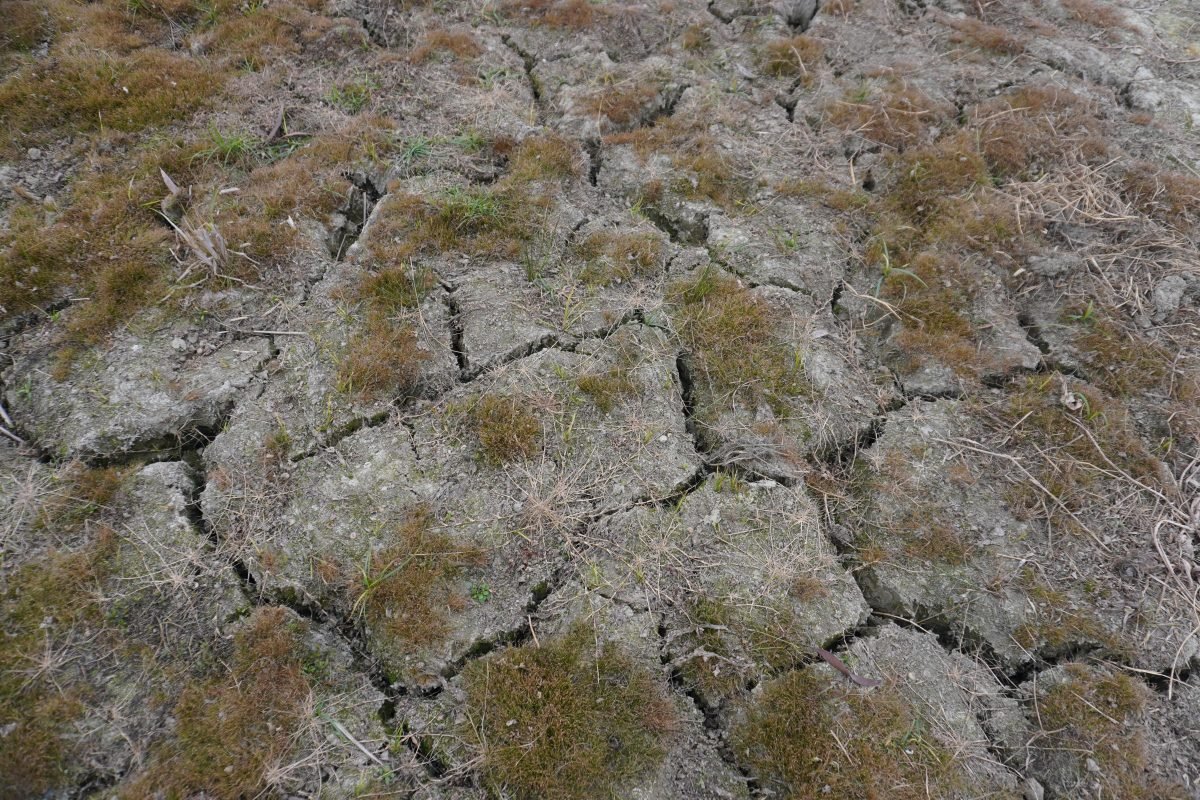
Don’t reseed your lawn in the fall if soil is extremely dry.
Sharp also recommends holding off on reseeding if the lawn is still extremely dry once the fall season arrives. “Autumn reseeding works well because you normally get a useful combination of warm soil and more reliable moisture, but that doesn’t happen every year,” he explains. Grass seed needs steady moisture in those first couple of weeks, and once it starts to germinate, it’s particularly vulnerable to drying out. “If the soil is dusty, cracked, or drying out within a day of watering, germination can be very uneven.” You may notice one section of grass coming through nicely while another barely germinates at all.
The timing should be based on the condition of the soil, not the month, says Sharp. “I’d rather wait for genuinely damp, settled weather than sow just because the calendar says it’s autumn,” notes Sharp. “If you’re having to constantly water just to keep the surface from drying out, the lawn probably isn’t ready to be reseeded yet.”