We may earn revenue from the products available on this page and participate in affiliate programs. Learn More ›
Starting seeds indoors allows gardeners to get a jump on the growing season. But some vegetables, herbs, and flowers, especially those with long taproots or are finicky about having their roots disturbed, don’t transplant well from seed-starting pots into the garden.
If you usually start your seeds indoors because your growing season is short, consider choosing varieties that flower or fruit earlier so you can sow and grow them in the ground during a single season. Though you should always check information on seed packets for the best sowing options for your zone, in our experience, these are the vegetables, herbs, and flowers that typically fare better when sown directly into the garden rather than started indoors.
Vegetables
Beans
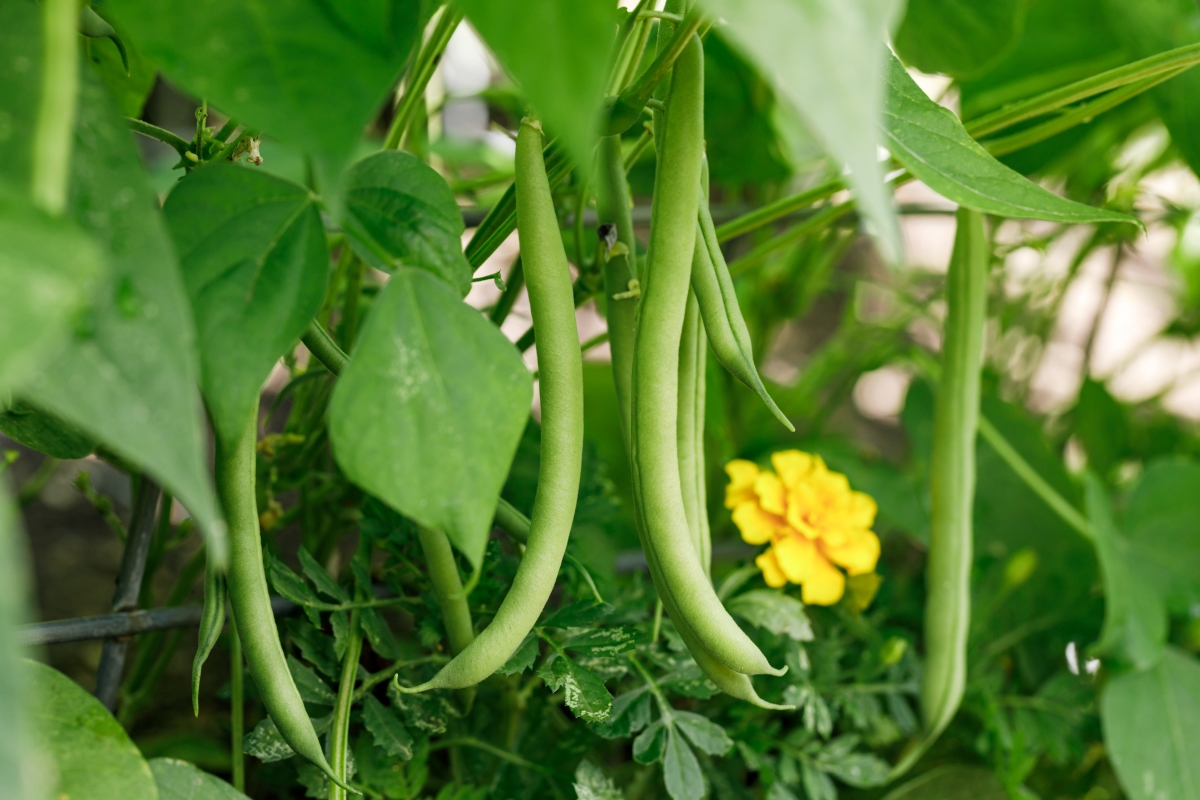
Green beans are an easy-to-grow vegetable that does best when sown directly in the garden and is highly vulnerable to transplant shock. If your season is simply too short to support their sowing and growing cycle, you can try starting them indoors, but use soil blocks or a similar method to avoid disturbing their taproots, which will stall their growth. You can try warming the garden bed’s soil by placing clear plastic sheeting on the ground a few weeks before you plan to sow beans. Lift it to water and remove it once the beans sprout.
When to direct seed beans: A few weeks after your last frost date
Days until harvest: 50 to 65, depending on variety
Beets

Beets are sensitive to transplanting, which can result in tangled or misshapen roots. If started indoors, they will be easier to transplant once they’re established, but require containers deep enough to help protect the roots when transplanting. Novice gardeners will have more success sowing them directly outdoors.
When to direct seed beets: About a month before your last frost date
Days until harvest: 50 to 60
Carrots
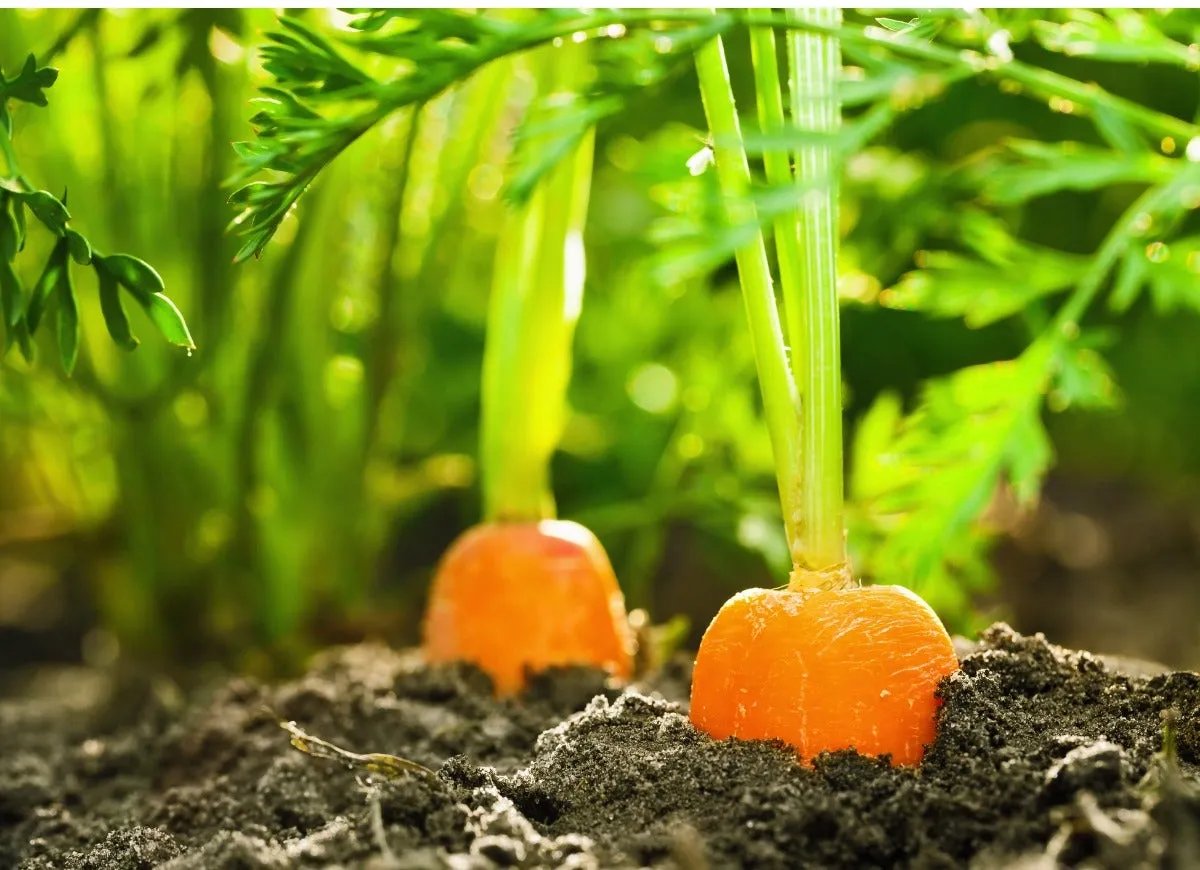
Never bother starting carrots indoors. Because of their long taproot, they hate being transplanted. That’s important, since that taproot is the edible part of the vegetable. You can transfer them outside, but the process is tedious, and there’s a good chance you’ll end up with misshapen carrots. It’s a lot easier to direct seed these vitamin A-packed veggies and thin them out as needed.
When to direct seed carrots: A few weeks before your last frost date
Days until harvest: 60 to 70, depending on variety
Cucumbers
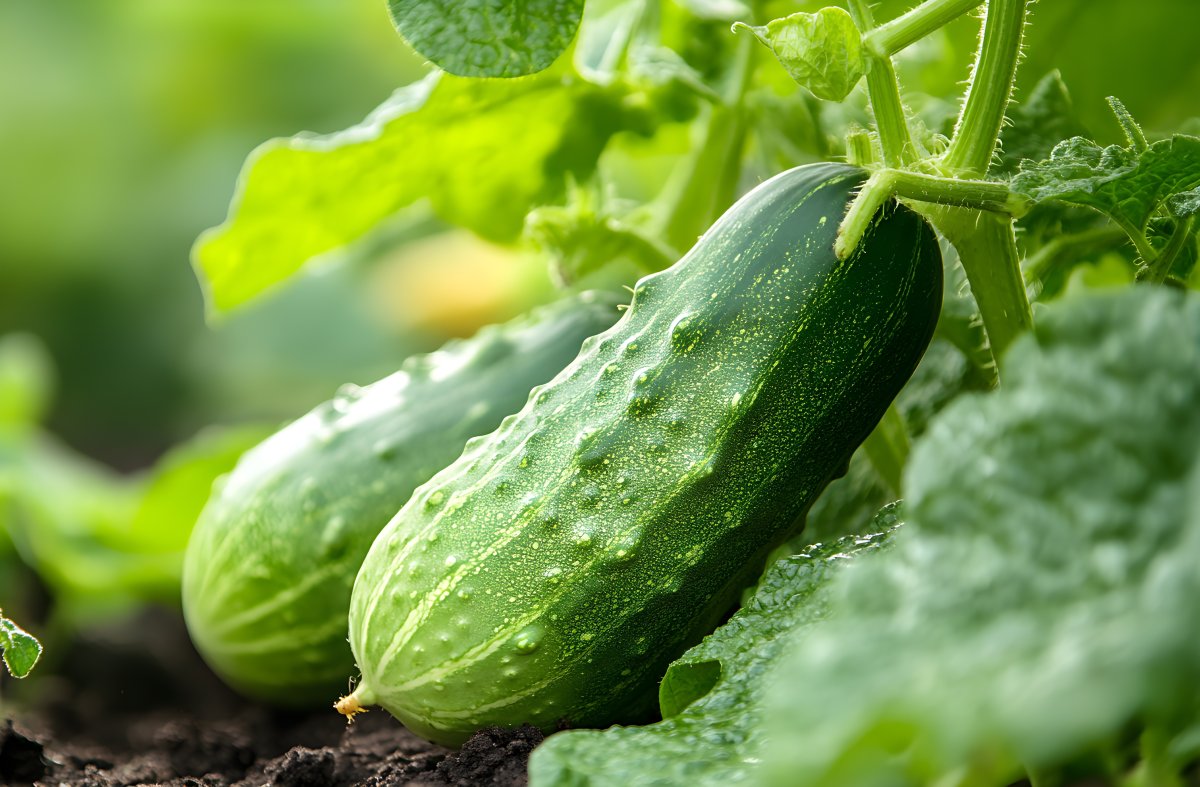
Cucumber seedlings are fragile and do not transplant well. You can try to extend their season by starting cucumbers indoors, but plants sown directly outdoors and left in place can surpass transplanted cucumbers in size and health after a few weeks. You’ll get the best results for your efforts if you wait until the soil warms a bit and sow cucumber seeds directly in the garden. Planting a few seeds on small hills or mounds can provide warmer soil for germination.
When to direct seed cucumbers: When soil temperatures reach 70 degrees Fahrenheit
Days until harvest: 50 to 70, depending on size and variety
Peas
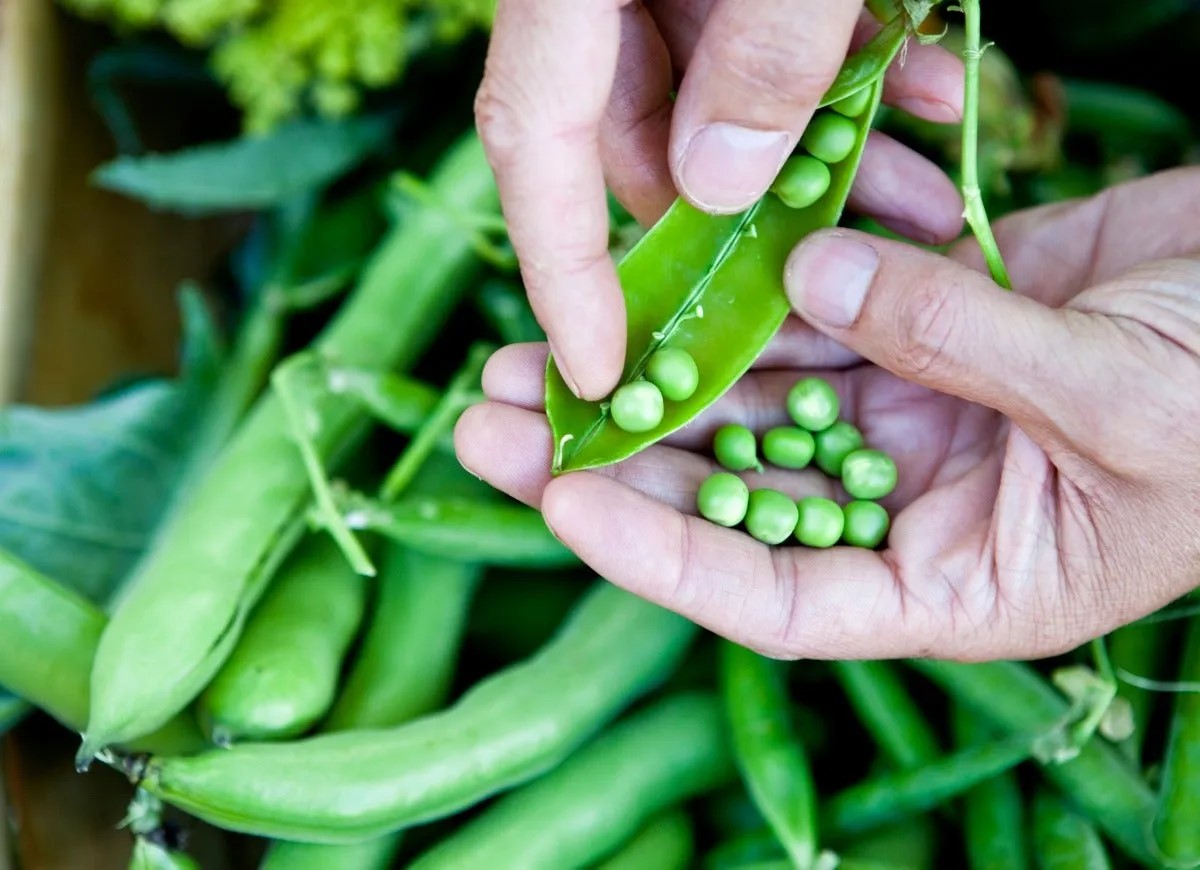
Peas do really well when sown directly in the garden and can be started sooner than beans. In many cool climates, they’re the first thing gardeners plant outside in the spring, so there is no need to take the chance on starting peas indoors and transplanting. Like beans, they don’t like to be moved because the small roots tend to break during the process. Make sure to sow them where they’ll remain until they’re harvested.
When to direct seed peas: In the spring, as soon as the soil can be worked
Days until harvest: About 60
Radishes
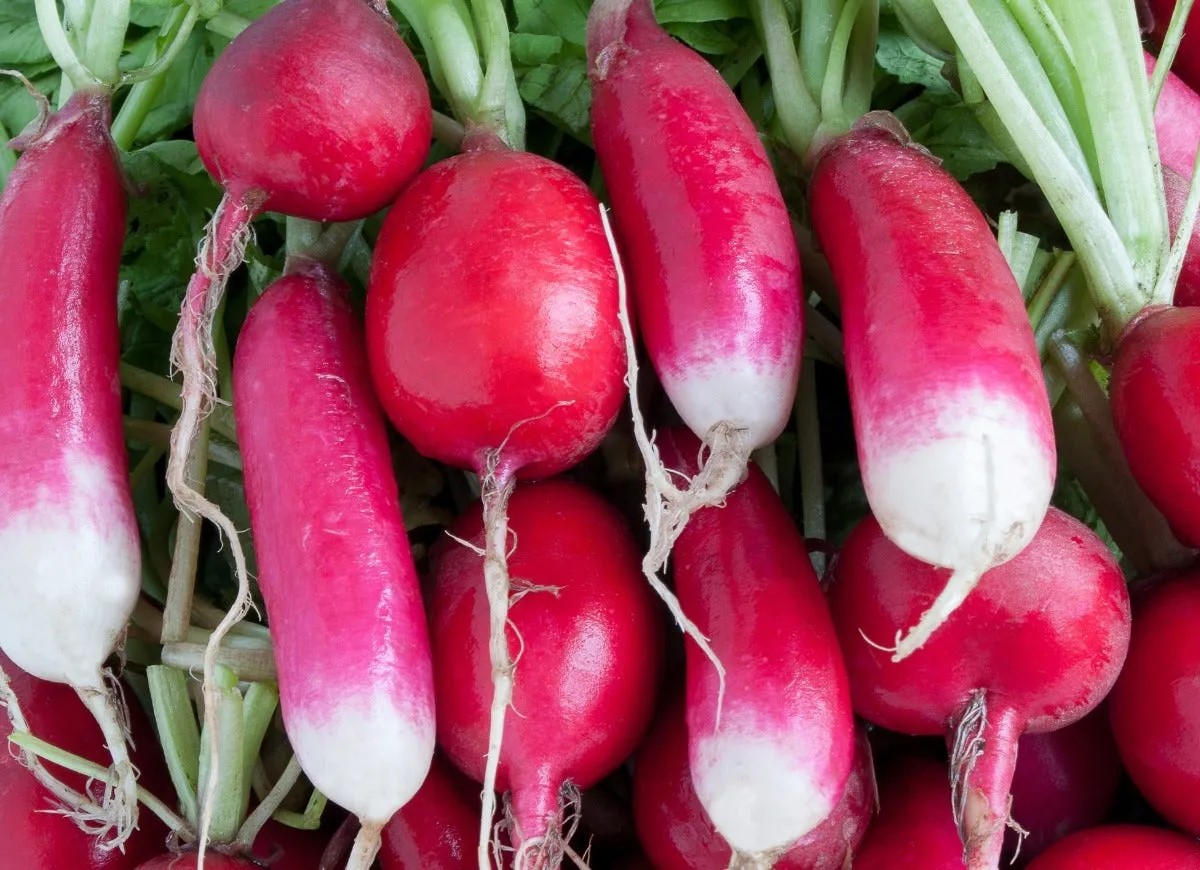
You could technically start radishes indoors, but like many root crops, they do not transplant well, which could prolong their time to harvest and likely waste time and water. Radishes grow so quickly that it’s more sensible to sow them in place. You can even sow them outdoors in cool temperatures of early spring and again at the end of summer for a fall crop.
When to direct seed radishes: About 4 to 6 weeks before your last frost date
Days until harvest: 21 to 28
Turnips
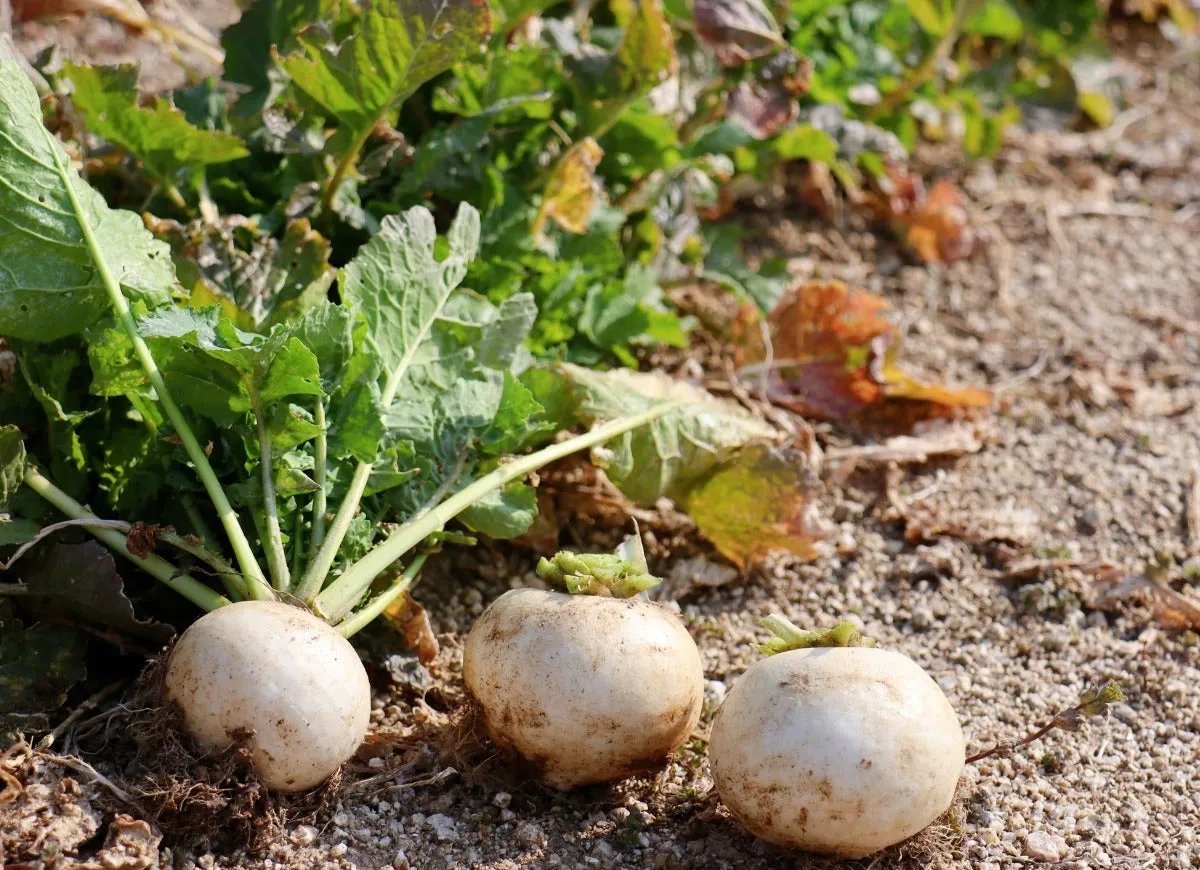
Turnip is another root vegetable that doesn’t like to be transplanted. Moving them disturbs the roots, stresses the plant, and slows growth. Like radishes, turnips work well as both a spring and fall crop, so you can successfully start turnips twice a year right outdoors (around April 15 and August 1).
When to direct seed turnips: A few weeks before your last frost
Days until harvest: About 60; up to 90 for rutabagas
Winter Squash
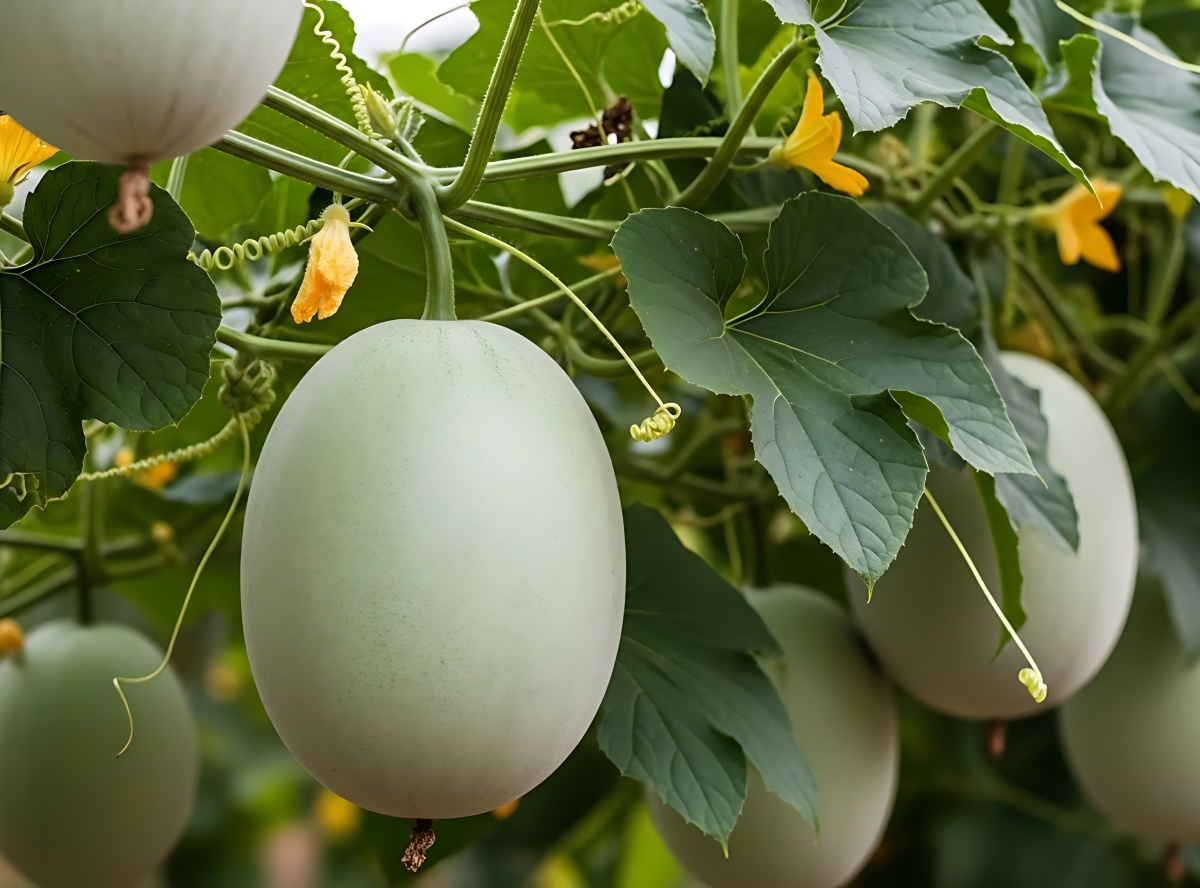
Winter squash has a long growing season, but trying to shorten it with indoor seeding is not the best idea. The roots are shallow and therefore susceptible to damage and resulting transplant shock. Direct sow acorn, butternut, pumpkin, and other winter squash in well-prepared garden soil after soil temperatures warm to about 60 degrees.
When to direct seed winter squash: When there’s zero risk of frost and soil temps approach 70 degrees Fahrenheit
Days until harvest: 80 to 120, depending on type
Zucchini
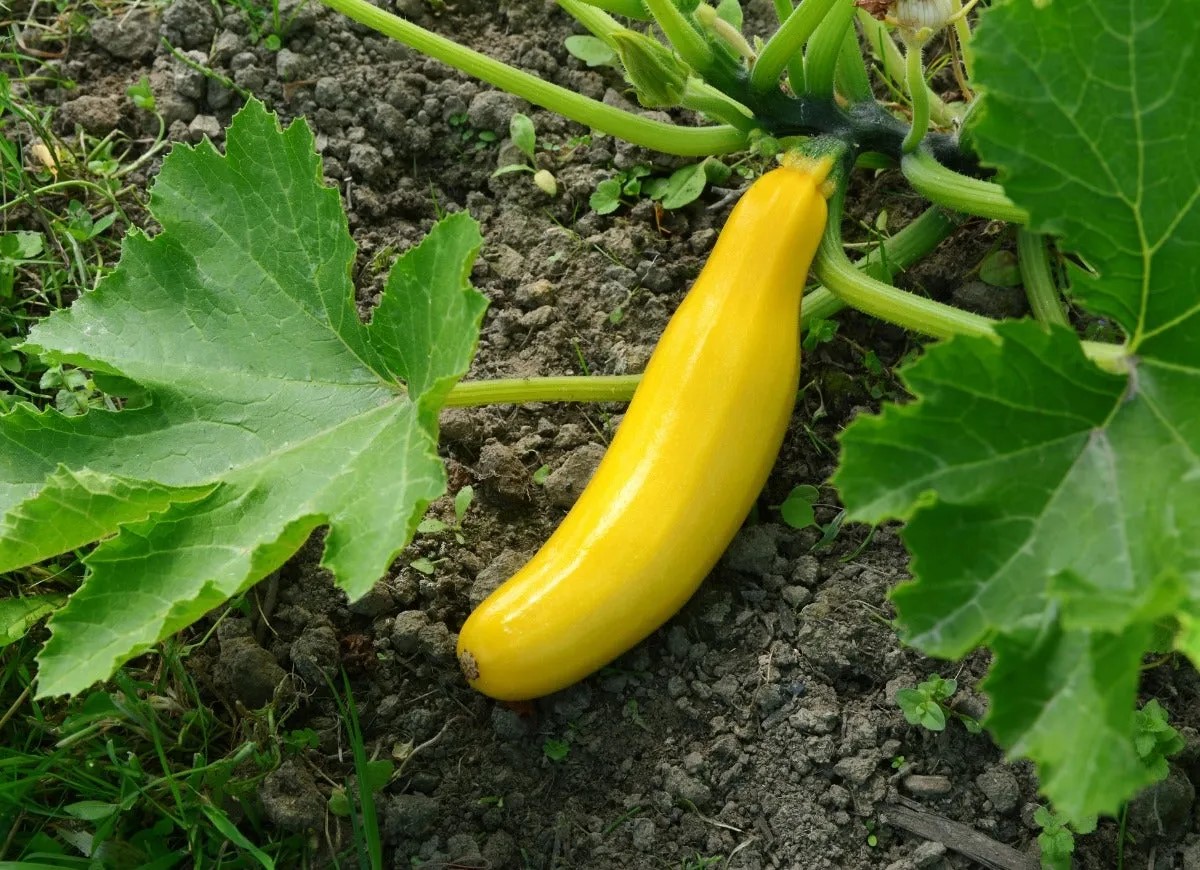
Summer squash like zucchini grows remarkably quickly and produces plenty of fruit in a short amount of time. The roots also grow quickly and do not like being rootbound, so starting them in small containers indoors is not recommended. If you do try an indoor start, it’s a bit of a wildcard: Everything could turn out for the best, but there’s also a high risk that the stress of transplanting and tearing roots will weaken the plant and make it susceptible to pests and disease.
When to direct seed summer squash: At least 3 weeks after your last frost
Days until harvest: 40 to 60
Herbs
Anise
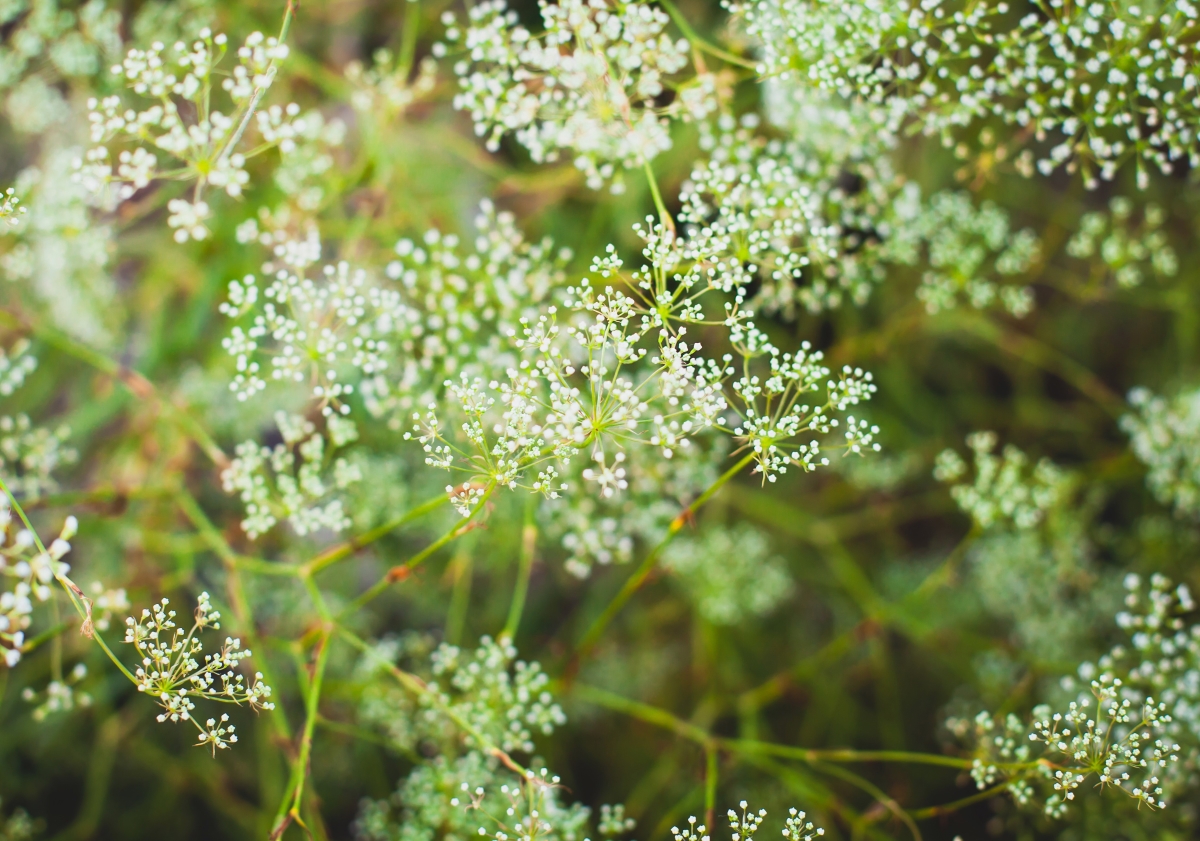
This licorice-flavored herb does not transplant well. If you want to start anise indoors, plant it in a container at least 8 inches deep that you can move outdoors so you don’t disturb the plant’s roots. This can help in areas with shorter growing seasons, since the herb takes some time to mature to seed.
When to direct seed anise: When soil temperatures reach 60 to 70 degrees Fahrenheit
Days until harvest: Up to 120 for seed, sooner for leaves
Cilantro
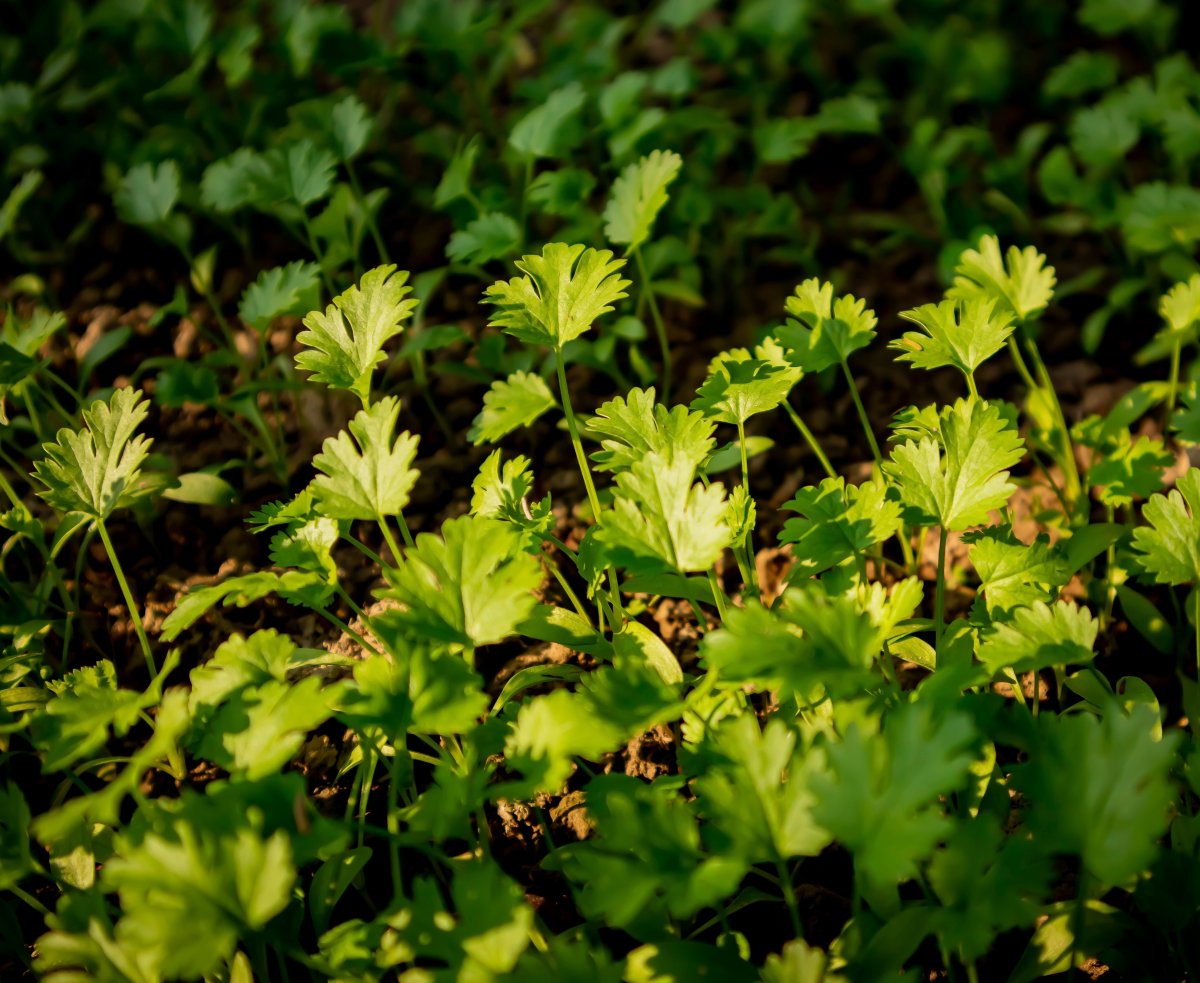
Cilantro, called coriander in seed form, is a popular herb for cooking. The plant develops a fragile taproot that does not take well to transplanting and might stop growing if disturbed. Plus, the annual herb grows so quickly that there is no need to give it a jumpstart indoors. It’s an excellent herb to plant in succession, every 2 to 3 weeks, for a continuous harvest. Cilantro can grow in a container indoors, but leave it in the same pot in a sunny location.
When to direct seed cilantro: When soil temperatures reach 55 degrees Fahrenheit
Days until harvest: 21 to 28 for cilantro leaves, 45 for seeds
Dill
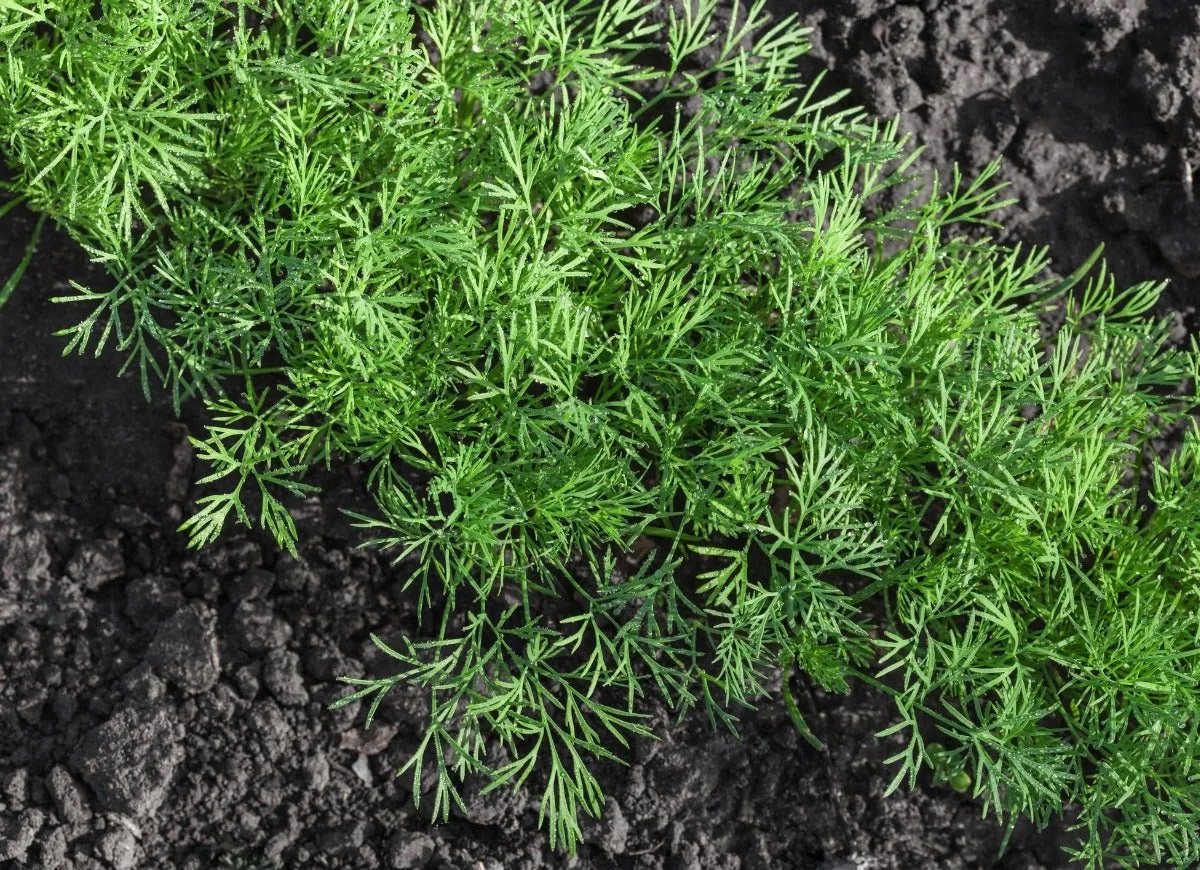
Dill belongs to the Apiaceae family, which makes it a cousin to the carrot. Like the humble carrot, this herb has an exceptionally long taproot that makes it difficult to transplant successfully. To transplant dill without killing it, you must keep the roots undisturbed, a challenging task. Dill sows and grows quickly, and will reseed the next year easily if you let the herb’s flowers go to seed.
When to direct seed dill: After there’s no risk of frost
Days until harvest: 28 to 56
Flowers
Milkweed (Asclepias)
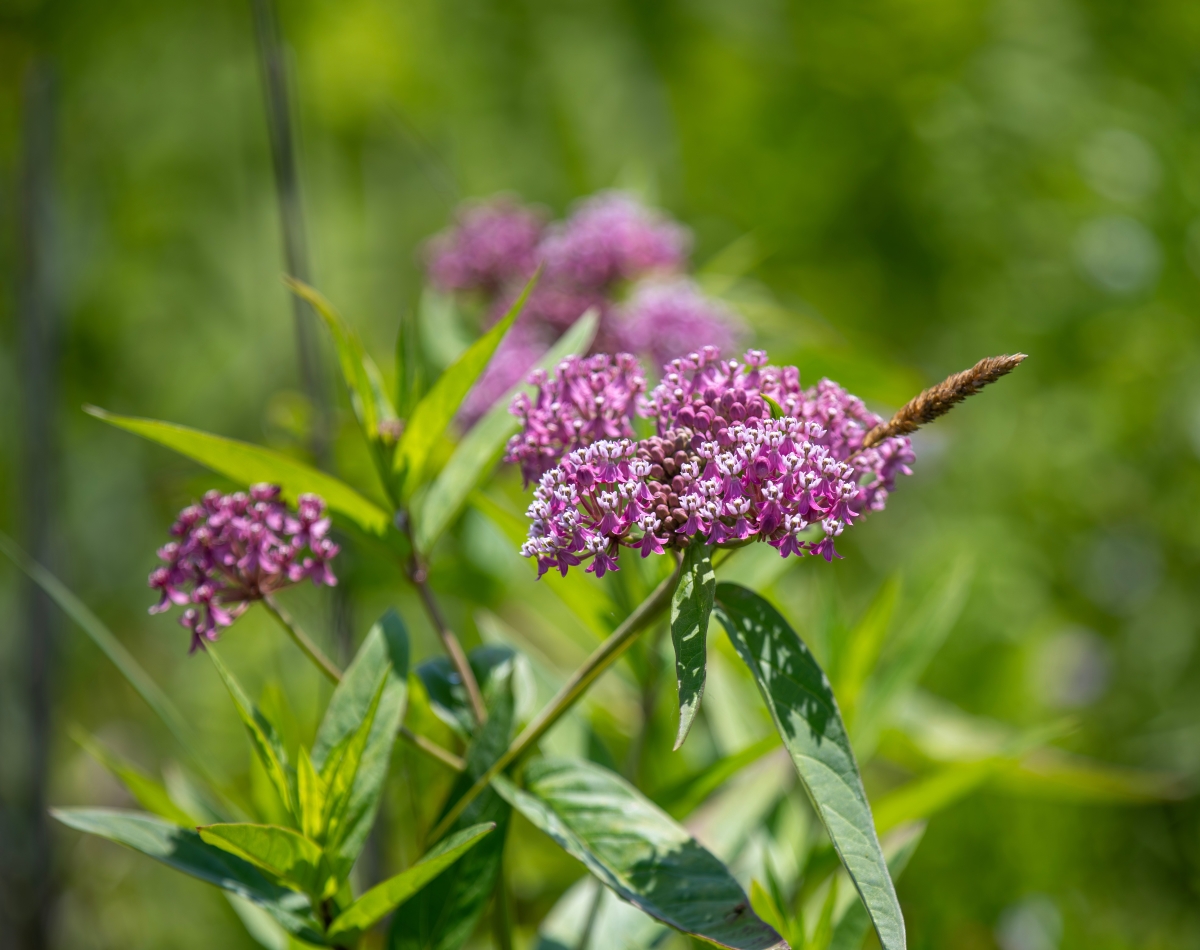
Milkweed has a very long taproot that doesn’t take well to transplanting. If you purchase a start or prefer to start milkweed and butterfly weed seeds indoors, use a large enough pot, set it into the planting hole, and then carefully cut the pot to disturb the root as little as possible. The perennial plant is best sown directly in the garden in a sunny spot. If you’re growing milkweed to attract monarch butterflies, look for swamp milkweed and common milkweed.
When to direct seed milkweed: Milkweed needs a stratification period to weaken its hard coating, so it’s best sown in the late fall, just before or after the first frost.
Days until maturity: About 60 after sprouting
Nasturtiums (Tropaeolum majus)
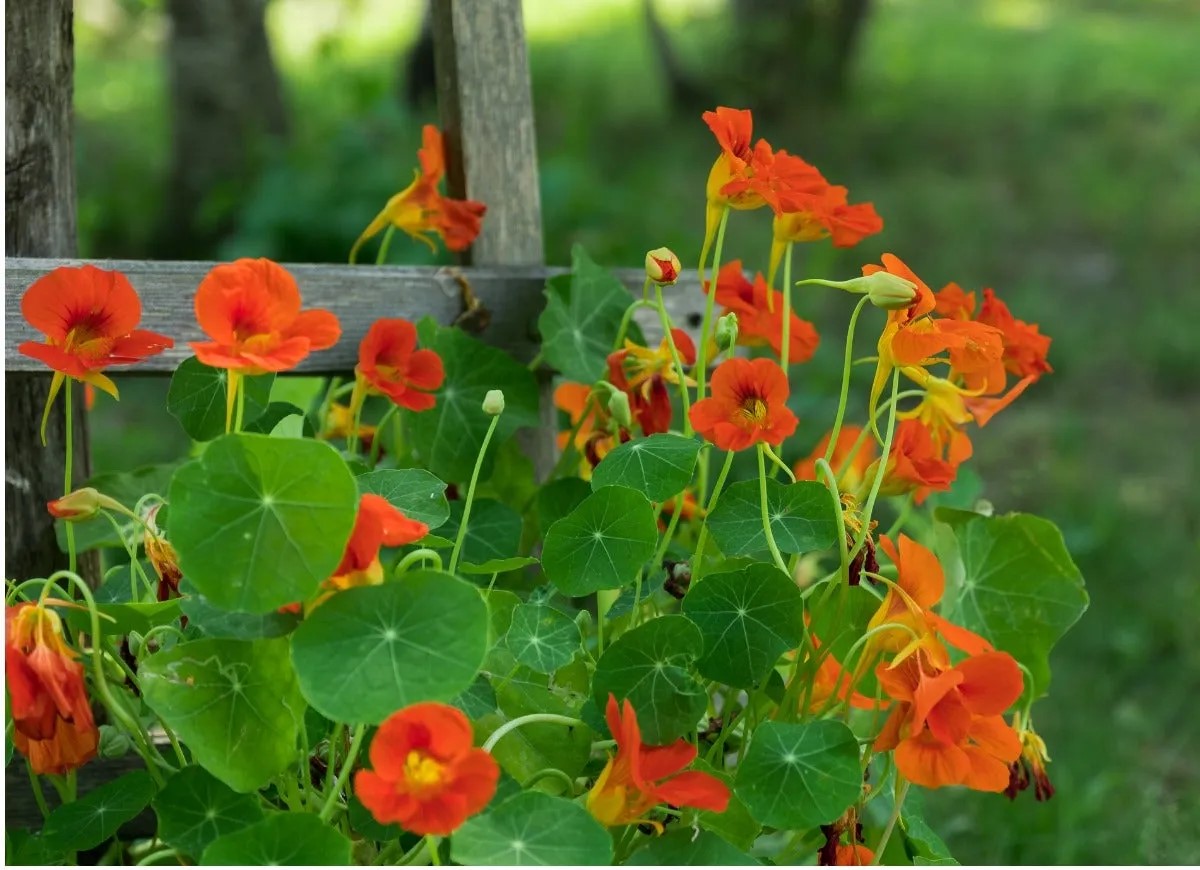
Gardeners usually have better luck direct sowing these colorful annuals because nasturtiums’ sensitive taproots don’t transplant well, and they germinate strongest in garden soil. Although these flowers are fussy about being moved, they don’t mind living in poor soils. Nasturtiums grow pretty quickly, so planting them right in the garden doesn’t really limit bloom time. For best results, scarify the tough seed coatings with sandpaper or a file just enough to expose the inside and soak the seeds in a bowl of tepid water overnight.
When to direct seed nasturtiums: About 2 weeks before your last frost date
Days to maturity: 40 to 60
Poppies (Papaver spp.)
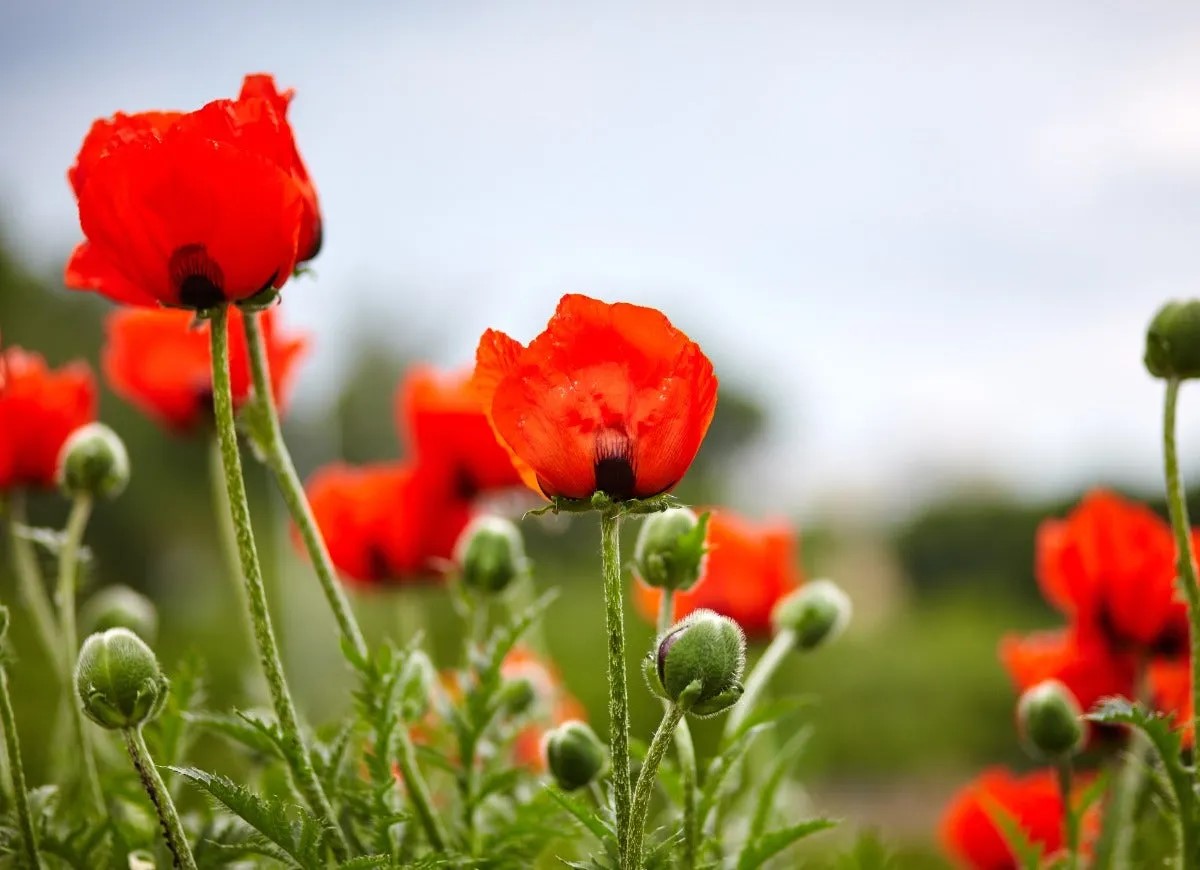
Like many of the plants on this list, poppies have long taproots, so planting them directly in the garden is ideal. To move an established poppy plant from one area of your garden to another, you’ll need to dig quite deep so you don’t disturb the long root. Once temperatures reach 55 to 70 degrees Fahrenheit, seedlings will emerge in 10 to 20 days.
When to direct seed poppies: Sow in the fall or winter to ensure seeds experience a natural freeze and thaw cycle, or in spring, a month before your last frost date.
Days to maturity: 60 to 90to full flowering
Sunflowers
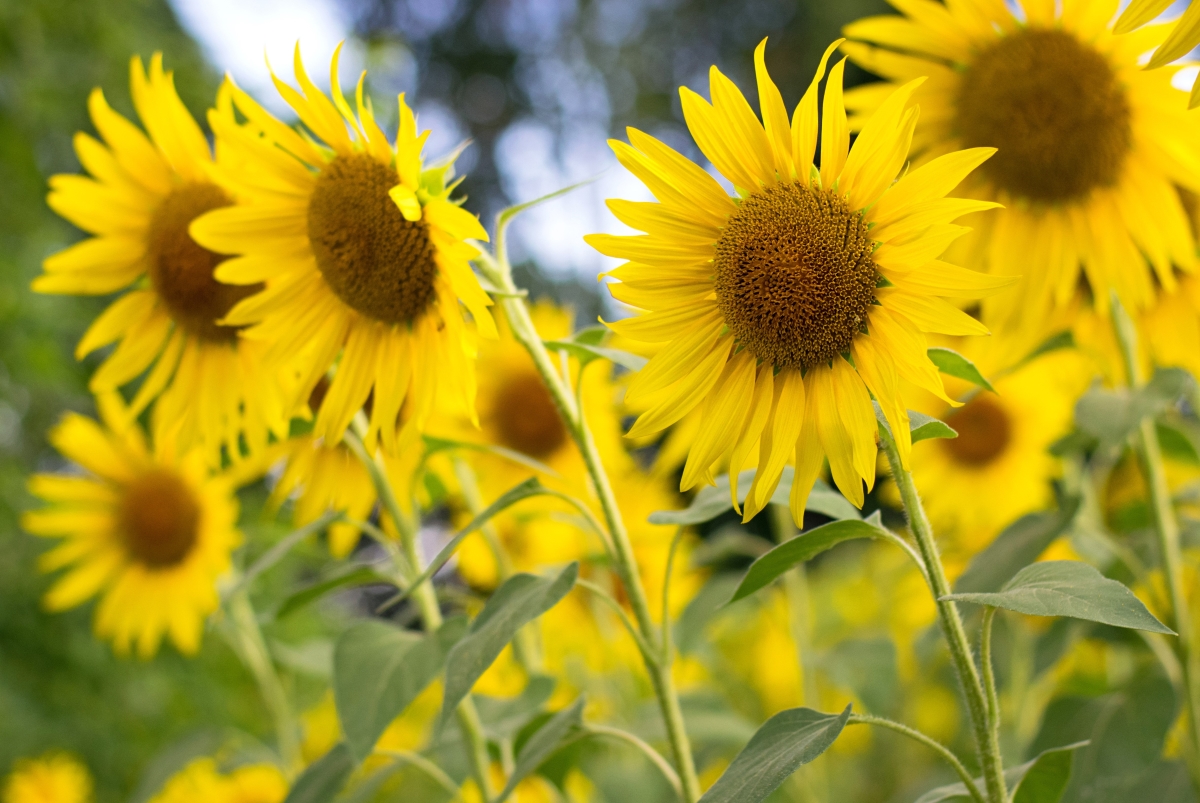
Sunflowers are warm-season annuals that also have taproots, so they grow best when direct sown outdoors. They grow very quickly once temperatures warm, so most gardeners wait to sow them directly in the garden. Most go about an inch deep in the ground and 6 inches apart in the garden bed. Thin them if they’re too crowded after sprouting.
When to direct seed sunflowers: After the soil warms to 55 to 60 degrees Fahrenheit
Days to maturity: 60 to 100 to full flowering, depending on variety
Zinnias
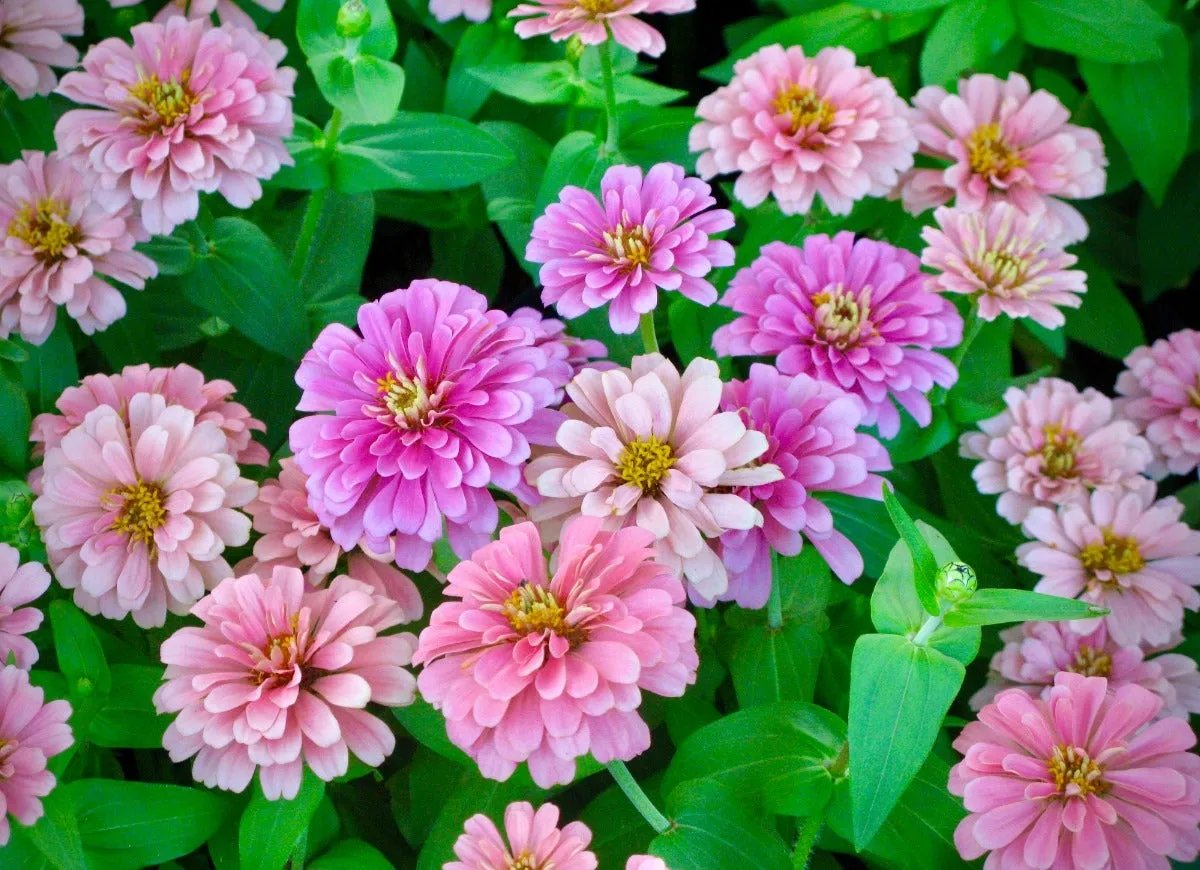
These pretty and prolific annual flowers add a burst of color and vibrance to the garden. They are ultra-easy to grow from seed and bloom all summer long, often well into the fall. Although you can start zinnias indoors, they’re best sown right where you want them because they don’t like having their roots disturbed. If the indoor starts are more than 3 to 4 weeks old, they are more likely to be rootbound in the starter pots and more susceptible to root damage.
When to direct seed zinnias: After your last frost date
Days until maturity: 80