We may earn revenue from the products available on this page and participate in affiliate programs. Learn More ›
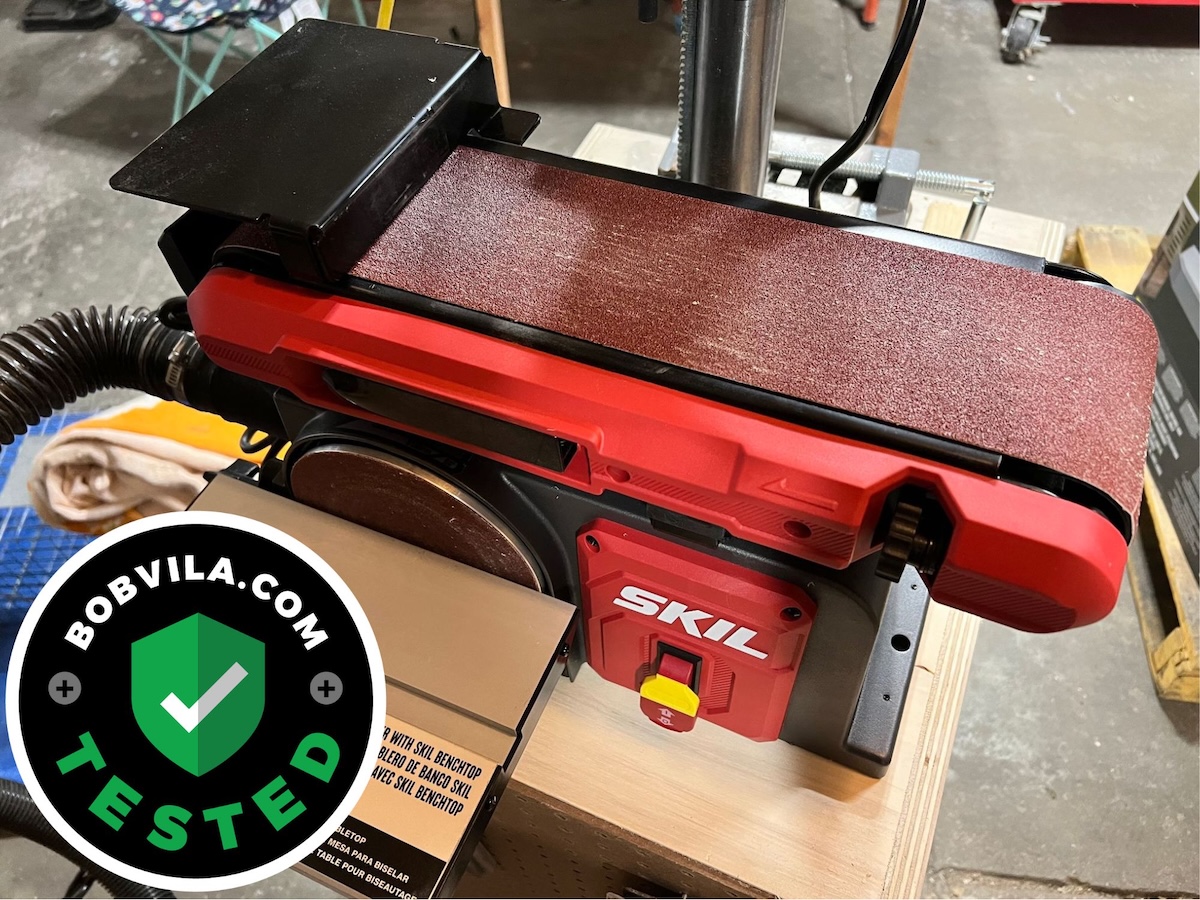
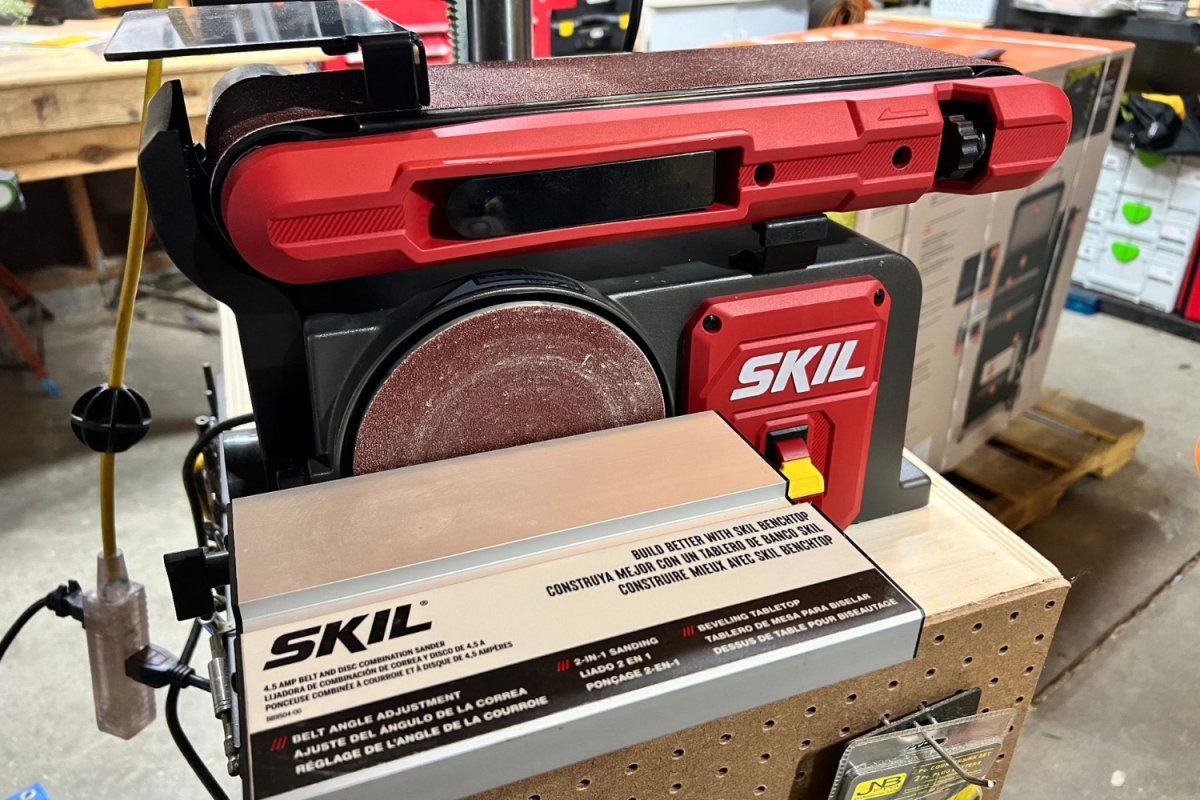
The Skil 4.5-Amp Belt and Disc Combination Sander is targeted squarely at hobbyist woodworkers who need to shape detail pieces or smaller projects. At an MSRP of just under $200, this tool won’t break the bank, especially if you can pick one up at a discount. Read on to see what I thought of it.
Key Takeaways
- Affordable and user-friendly. The Skil 4.5-Amp Belt and Disc Sander offers great value for hobbyists at under $200.
- Easy setup and solid build. Quick assembly and sturdy construction make it a reliable tool for small projects.
- Versatile but requires precision. Ideal for shaping materials, but caution is needed to avoid over-sanding.
- Dust collection needs improvement. Effective with the disc, but the belt sander creates excess dust.
Bottom line: The Skil 4.5-Amp Sander is a cost-effective choice for hobbyists, excelling in detail work with careful handling.
AI assisted, editor reviewed
Best Belt and Disc Combination Sander
Photo: Robert Annis for BobVila.com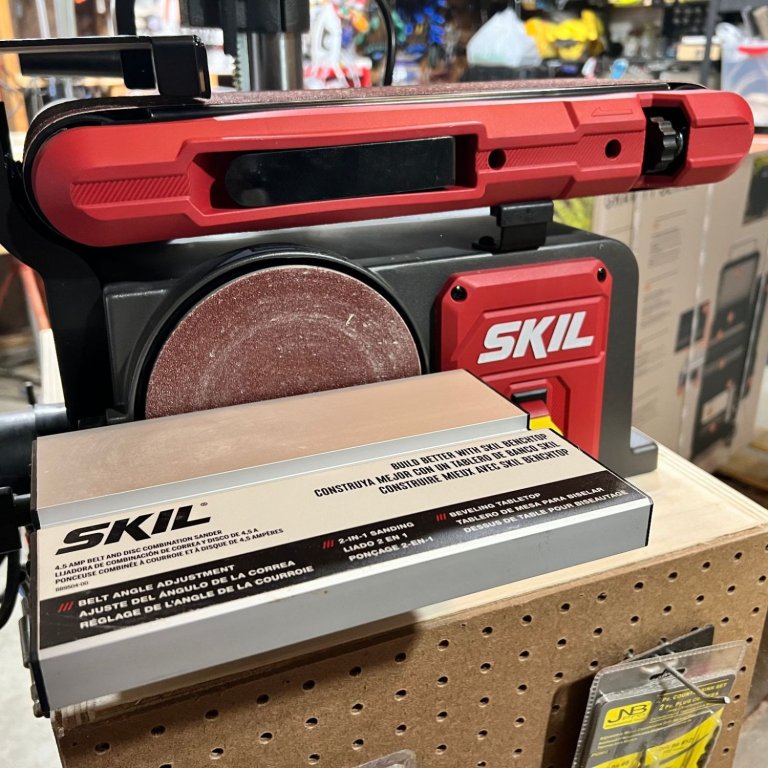
What We Like
- Powerful and quiet motor
- Easy setup
- Does exactly what it promises, quickly and easily
What We Don’t Like
- Less-than-optimal dust collection for the belt sander
- Can be too powerful; requires a light touch
Product Specs
- Amps: 4.5
- No-load speed: 3,600 RPM
- Motor type: Induction
- Disc size: 6 inch
- Disc table tilt: 0 to 45 degrees
- Disc table size: 8.9 in x 6.3 in
Surprisingly Easy Setup and Solid Construction
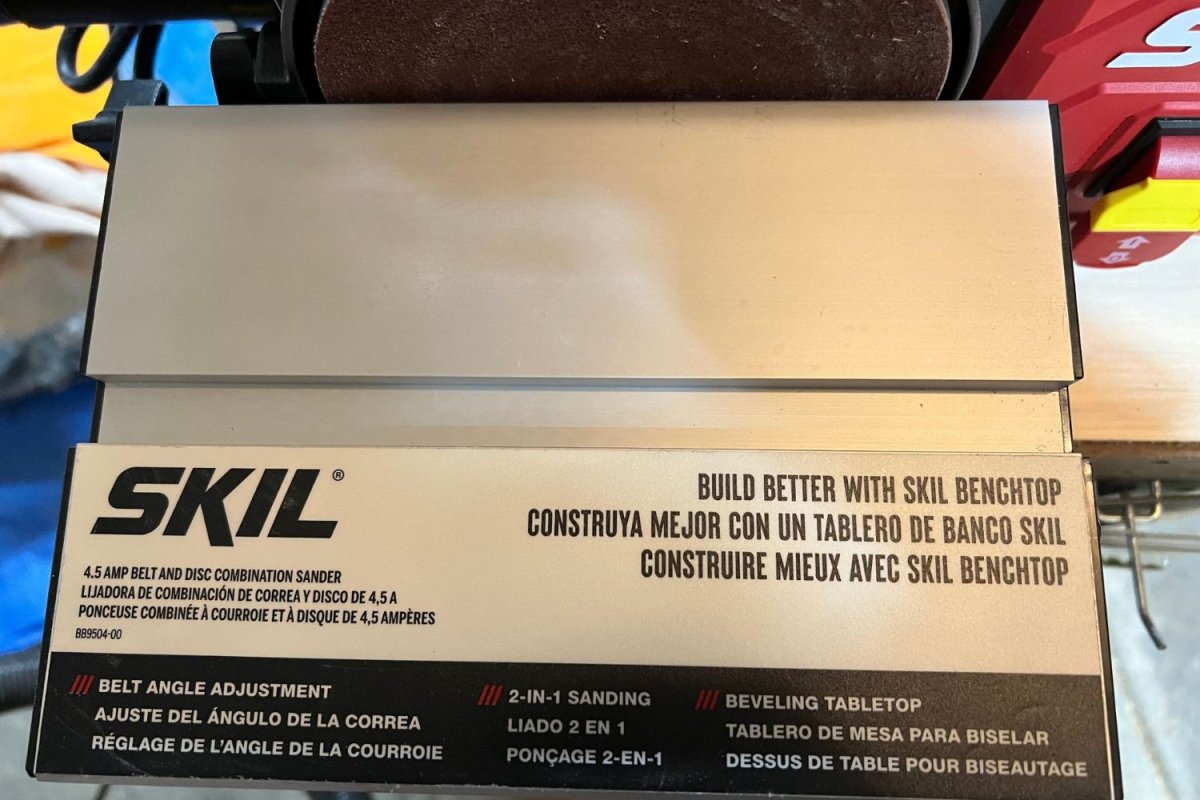
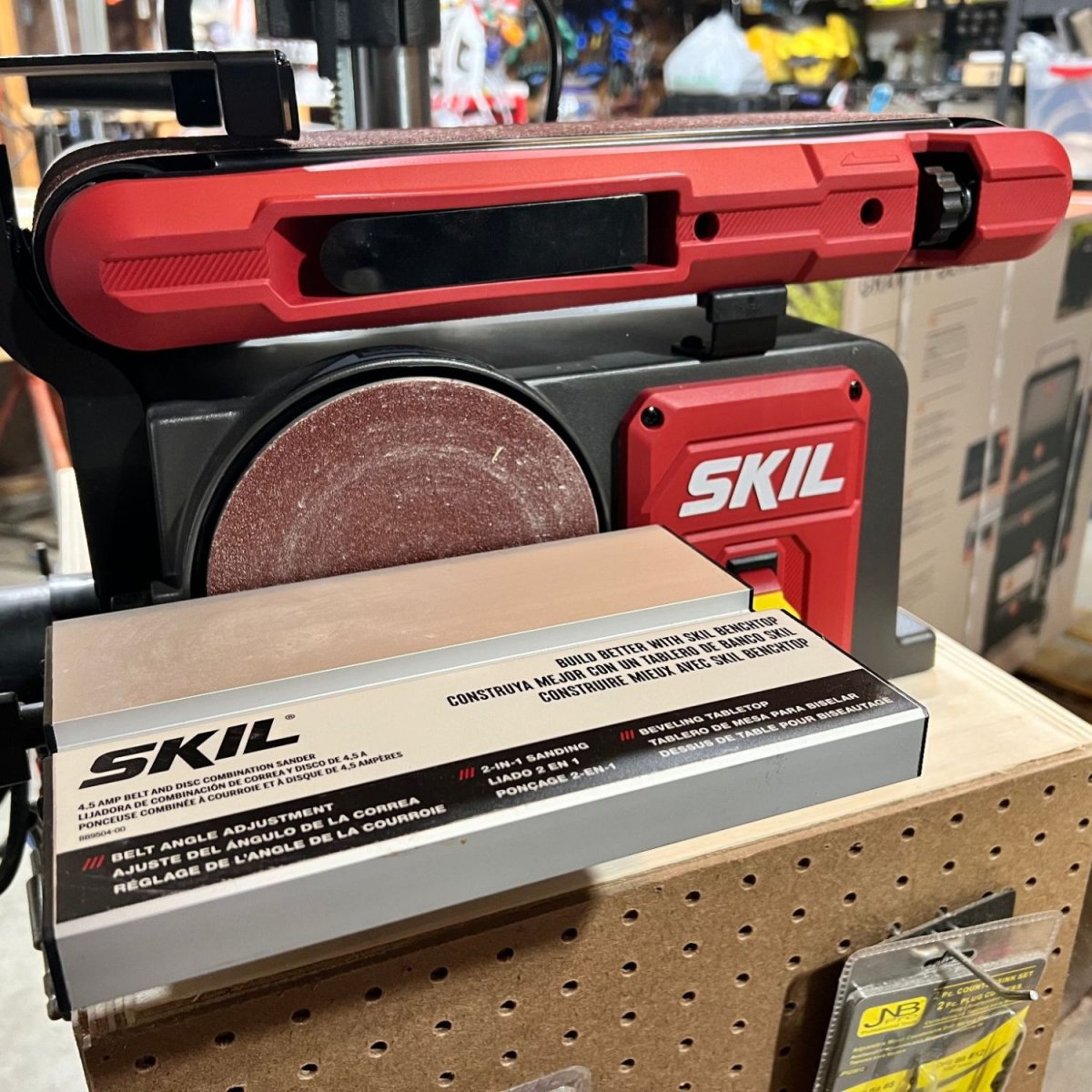
Setting up the sander couldn’t have been easier. Attaching the adjustable table and guard was as easy as attaching a few bolts and confirming square. Adjusting the belt to run perfectly center was also a piece of cake. All in all, I went from unboxing the sander to having it in perfect running condition in 5 minutes, tops.
The build quality is solid, especially for the price point. Even with so many plastic parts, there’s a bit of heft to the sander, but it’s still light enough that you can easily move it to your workbench when you need it.
Putting the Skil Sander to Work
The sander comes with a 6-inch sanding disc and a 4-inch-wide, 36-inch-long sanding belt. Users can switch out belts with an easily accessible lever, and a tracking dial allows you to quickly center the belt on the tool. A tensioning knob allows you to move the beveling tabletop for sanding from 0 to 45 degrees.
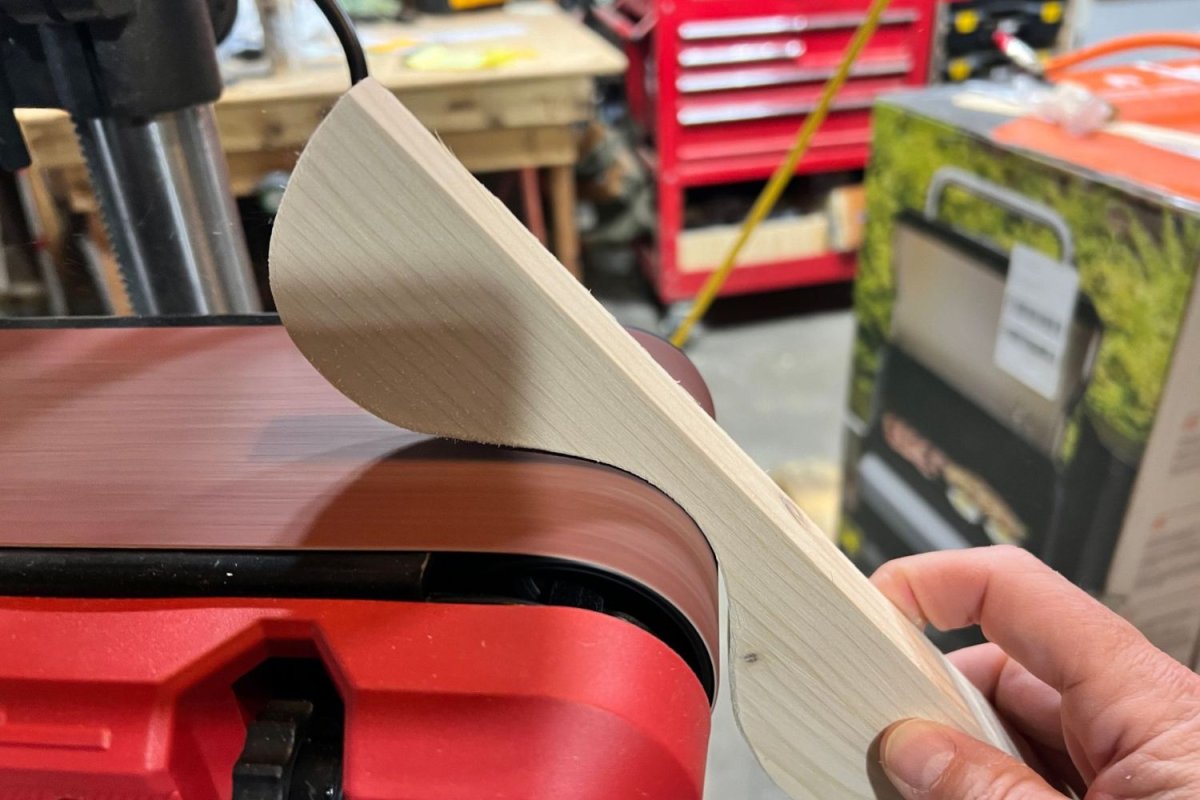
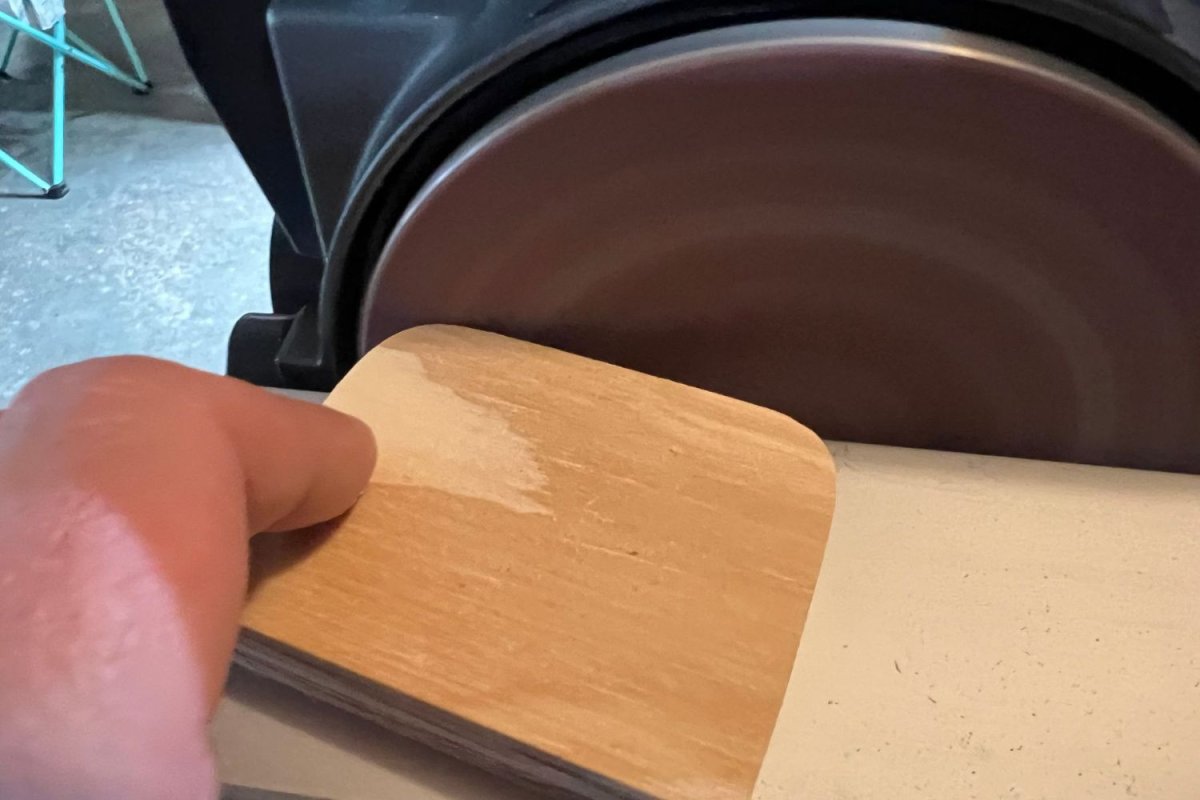
The 4.5-amp motor is pretty powerful, yet fairly quiet. Rounding off corners was easy, though getting them perfectly symmetrical did take a few attempts. Using a scrap piece of poplar, I cut some long, swooping curves on the bandsaw, then used the Skil sander to remove the excess. The result was darn near perfect. (Tighter spaces might require a spindle sander or a Dremel, though.) Precision is key here. Had I applied a touch more pressure to the workpiece, I could have easily burned past my pencil line. Going forward, I’ll use this sander primarily to shape material, then hand-sand or use a random orbital sander for fine sanding.
Where It Shines and Where It Falls Short
So what did I dislike about this sander? The dust collection port works OK when using the sanding disc, but when using the belt sander, dust sprayed everywhere in my garage shop. My work surface (and my lungs) were filled with dust. As I mentioned earlier, working with a light hand is crucial; it’s very easy to blast through the material if you’re not paying close attention.
Bottom line? Skil absolutely nailed it with their most recent line of benchtop tools, and the Skil 4.5-Amp Belt and Disc Combination Sander is no exception. The sander is great for small projects and detail work, assuming you can work with a light touch. Furniture builders or woodworkers who specialize in larger projects may be better off saving their cash for a drum sander or another tool. But at $200, it may be worth the small investment just to have it on hand, just in case.
Where to Buy
Photo: Robert Annis for BobVila.com