The Best Flame Light Bulbs of 2026, Picks from Our Editors
Set the mood for a romantic dinner, improve your home’s curb appeal, or enhance your holiday lighting with an LED flame light bulb.

Set the mood for a romantic dinner, improve your home’s curb appeal, or enhance your holiday lighting with an LED flame light bulb.
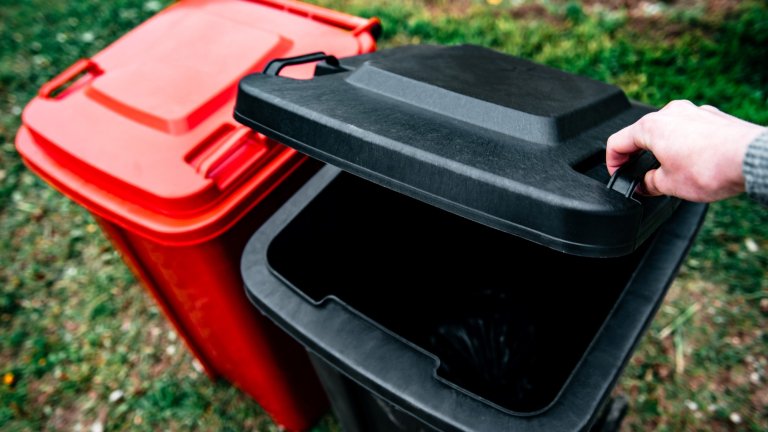
Cleaning and sanitizing your indoor and outdoor garbage cans can eliminate grime and foul odors.
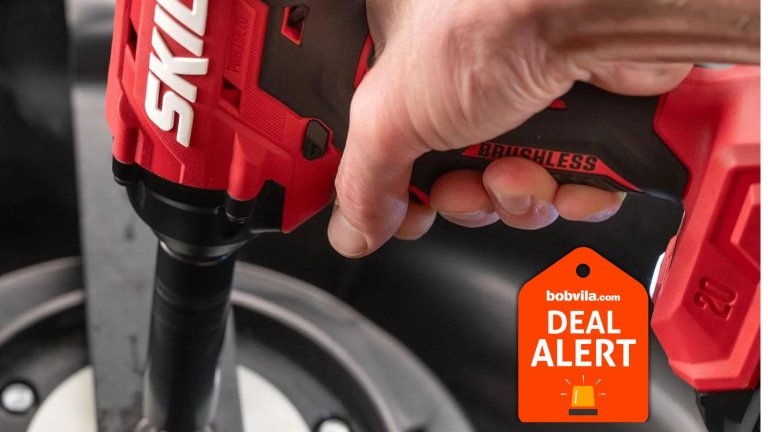
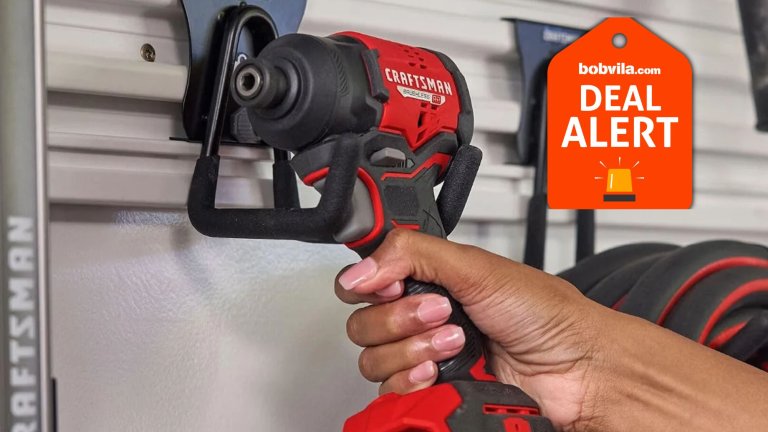
From tire changes to equipment repairs, these cordless wrenches do the heavy lifting. Kits start at $77.79, a practical gift for anyone who works on their own vehicles.
Don’t let money be an obstacle to regular home maintenance. Stay on top of home projects and prevent future problems with these affordable fixes.
Creating beautiful edge profiles is a snap with a good router. We tested the most popular ones on the market—find out how they fared.
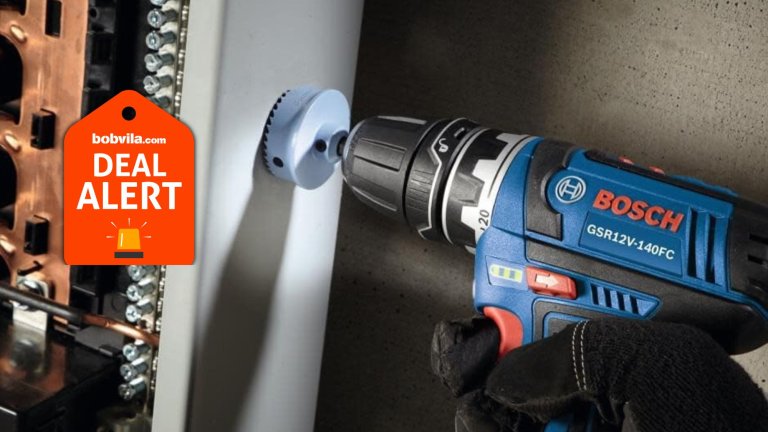
Saws, sanders, grinders, and rotary tools from DeWalt, Bosch, and Dremel are marked down too, starting at $38.79.
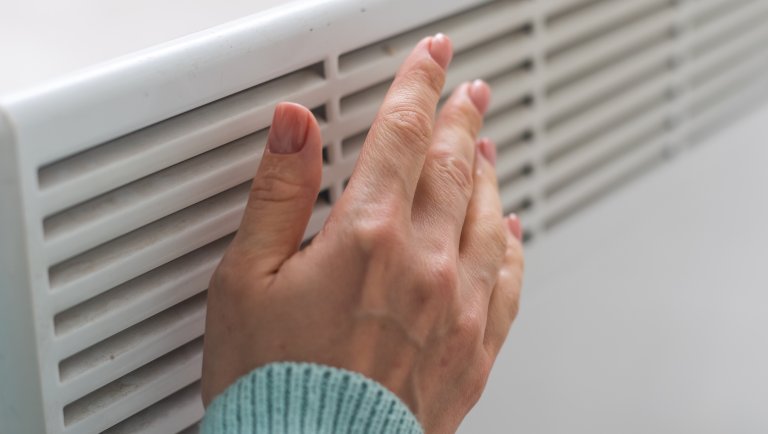
Keeping a house warm in cold weather can be costly, but experts say that shutting vents in unused rooms actually costs you more—not less.
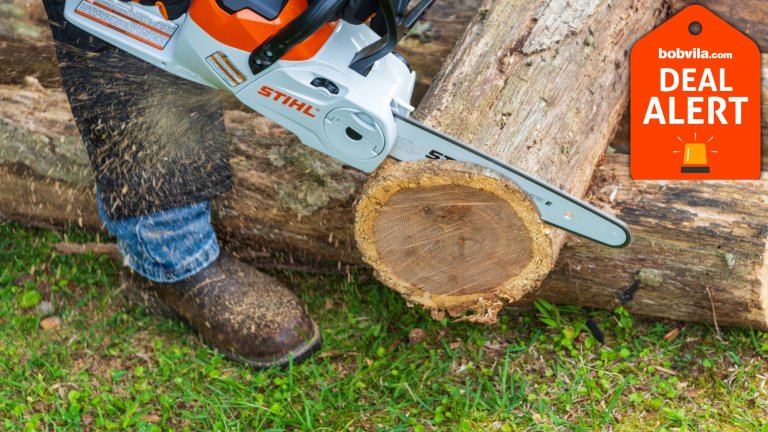
Cut firewood or clear storm damage with a STIHL saw from $189.99, and add a pair of chaps: their fibers stop a running chain in a split second.
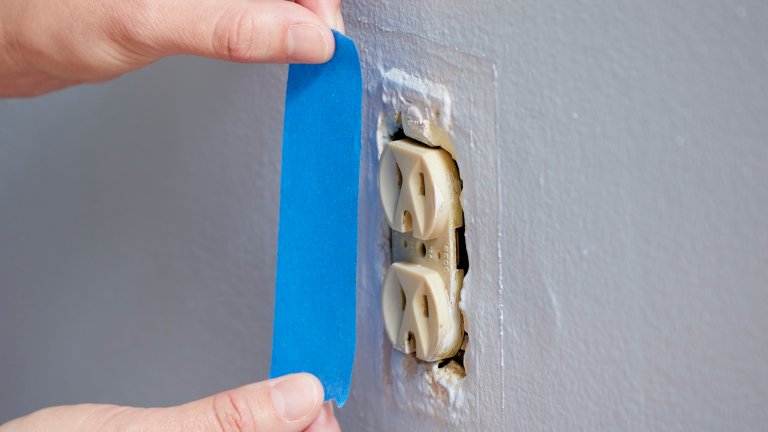
Ensure perfectly crisp lines by choosing the right painter’s tape and knowing how to apply it.
The BobVila.com team tested today’s most popular holiday trees to find the most realistic, durable, and festive options.
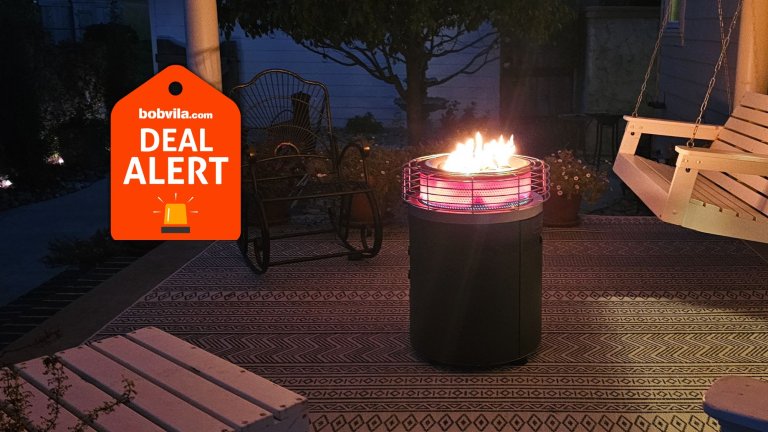
Propane and electric heaters and fire pits start at $69.90, so you can keep using the patio well into fall.
There's no one right way to heat a garage. A multipronged approach to heating the space, including insulation, heaters, and floor coverings, will keep your workspace comfortable year-round.
The sale also includes mechanics sets, hand tools, and stocking stuffers for the DIYer on your list, starting under $5.
Shop Bali, Levolor, Blinds.com, and more during the three-day sale, with bigger savings on larger orders and deals on everything from cellular shades to faux wood blinds.
Keep your vehicle shipshape at all times with these quick cleaning and organizing tasks.
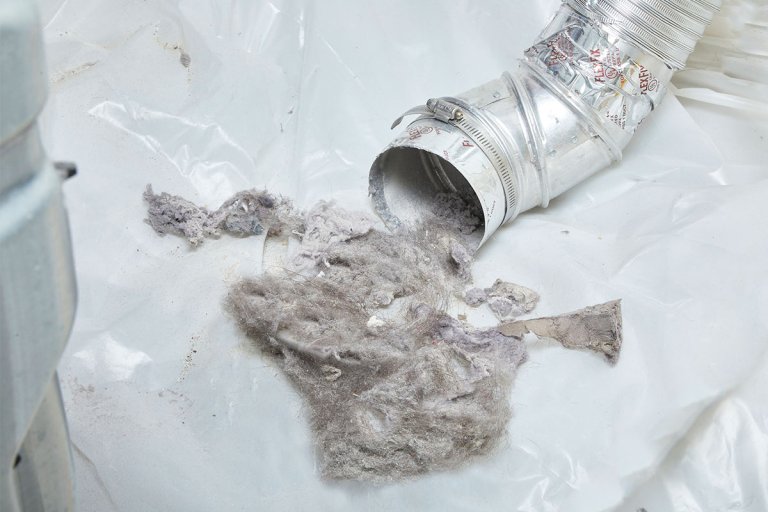
A dryer vent that's clogged with lint doesn't just reduce the appliance's efficiency—it is a potential fire hazard. Here’s how to get your vent clean and keep it that way.
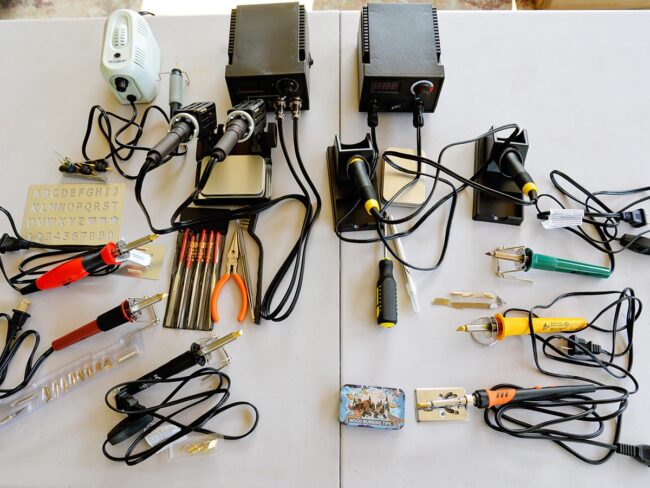
If you’re ready to try your hand at a hot new hobby, check out these top pyrography tools.
As the growing season comes to an end, it’s time to protect the garden bed from compaction, erosion, and nutrient depletion—and ready it for spring planting.
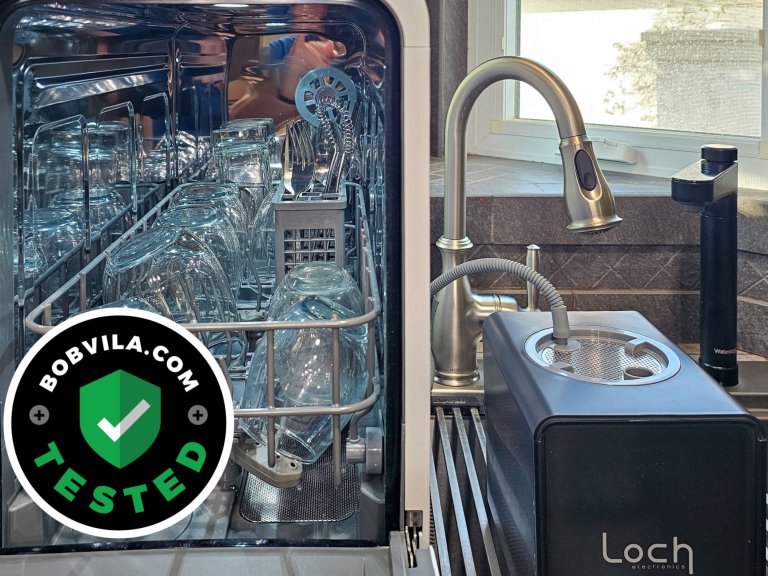
I was skeptical that a countertop dishwasher could clean as well as my full-size Bosch. After washing the same messy dinner dishes in both, I was genuinely surprised.