The Best Welders for Beginners: We Tested the Top Models for First-Time Users
Learning to weld opens up a world of both creative and career opportunities. We’ve taken a close look at the best equipment to get started.

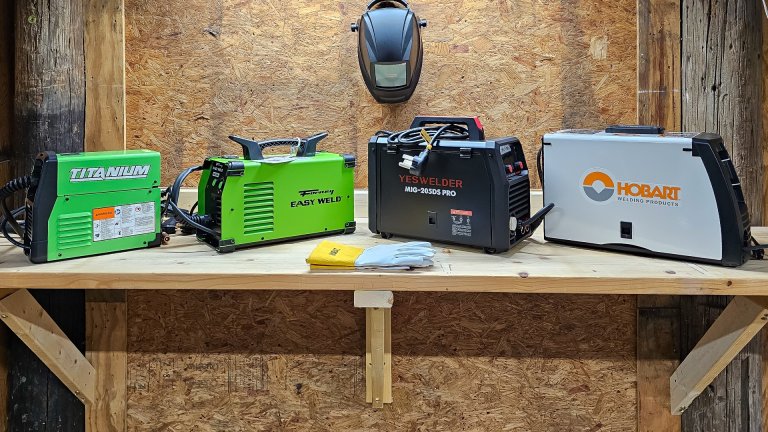
Learning to weld opens up a world of both creative and career opportunities. We’ve taken a close look at the best equipment to get started.

Keep hardwood floors effortlessly clean with the right robot vacuum.
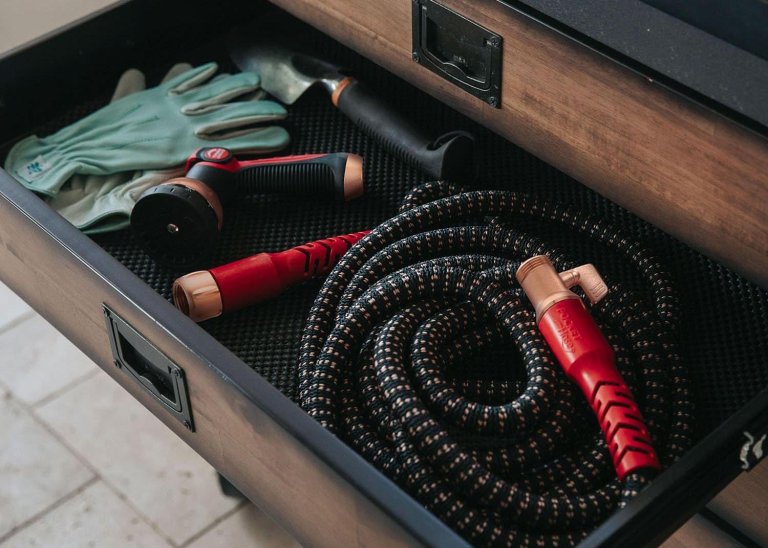
This 25-foot hose scrunches into a drawer when empty, then stretches full length when you turn on the tap—and it’s $39.99 today (43% off $69.99).

Painting a deck doesn't just make the space look sharp—doing so protects the wood from UV rays and moisture. Here's what to know about choosing the right paint and preparing the wood for a professional finish.
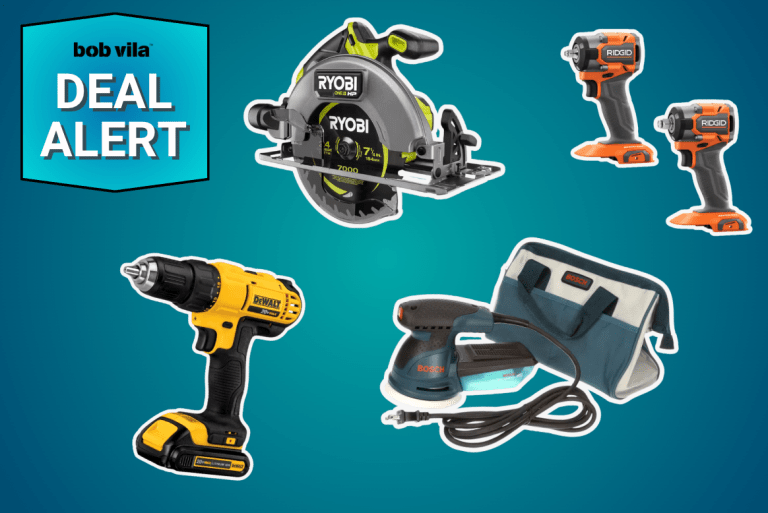
Save big on top power tool brands like Milwaukee, DeWalt, and Ryobi during The Home Depot’s 4th of July Savings event.
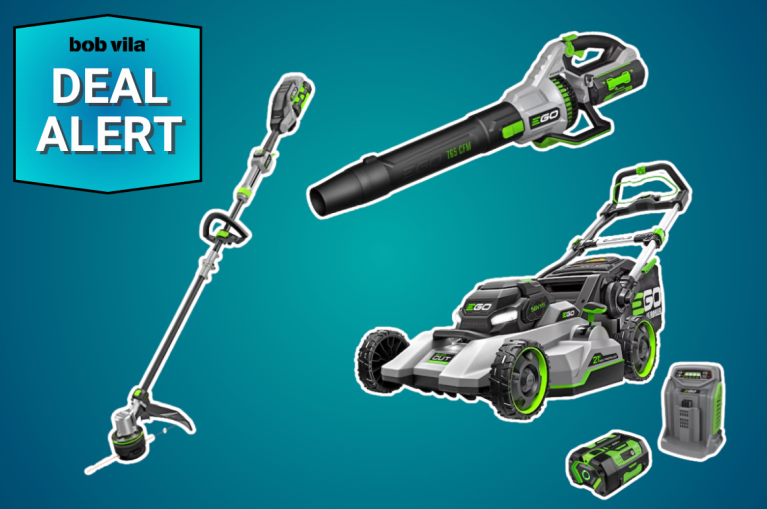
Lowe’s is throwing in a free 56V Ego battery with select purchases allowing you to double the power of your outdoor equipment.

The Home Depot is celebrating the 4th with deep discounts on top outdoor tools like Ryobi, DeWalt, and Milwaukee.
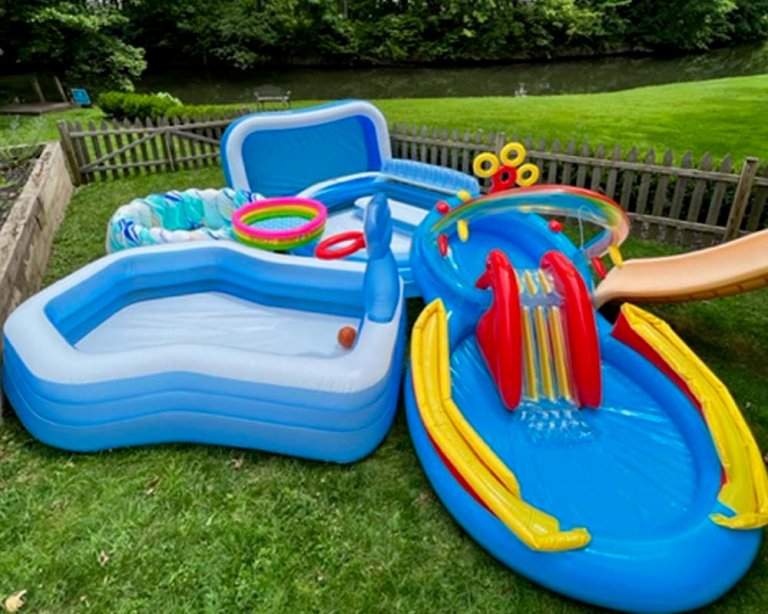
Inflatable pools are a fantastic way to enjoy the sunshine and cool off in the heat, especially for those with limited space or who appreciate easy installation and low-maintenance care.
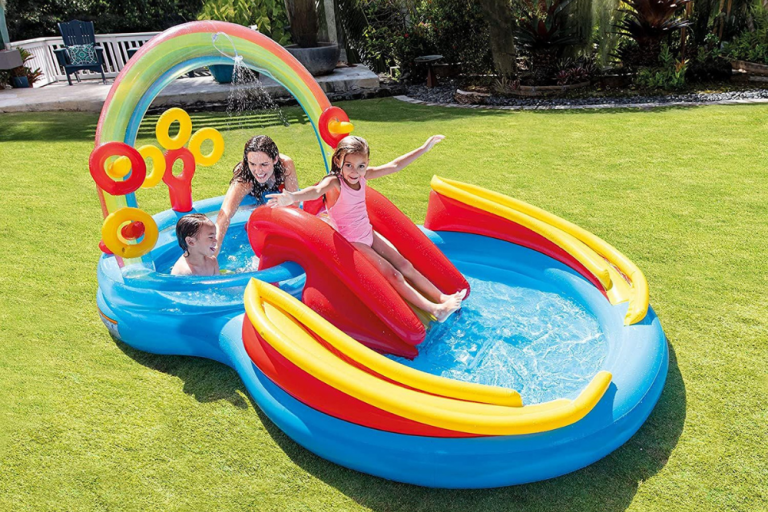
Turn your backyard into your own personal water park with one of these top inflatable slides.

Ready to tackle heavy-duty outdoor cleaning projects? The cost to rent a pressure washer ranges from $50 to $250 per day, with many customers spending an average of $90 per day.
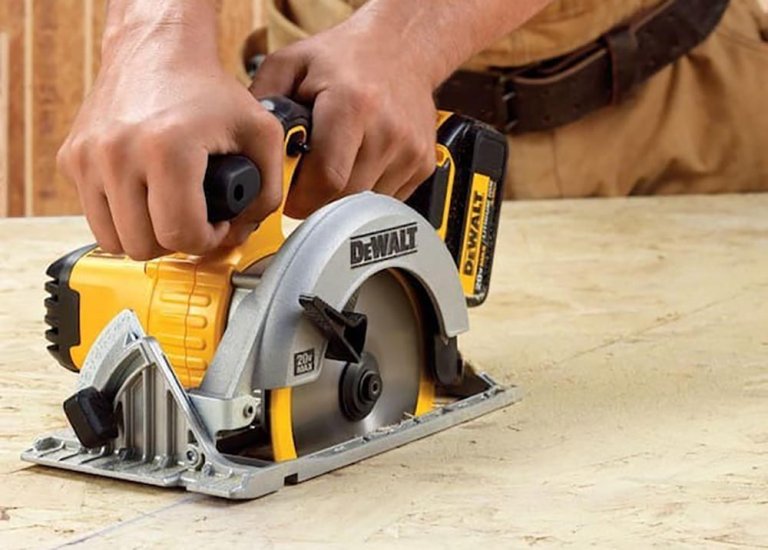
It’s not a gimmick: The Home Depot’s Buy One, Get Two Free promo is legit. Here are the DeWalt tools I picked—and why you should act fast.
Well-made, high-quality basic tools are the backbone of any tool collection.

Is the arching allure of a spider plant drawing you into its web? Learn spider plant care and propagation tips that will help your spider plant babies grow and thrive.
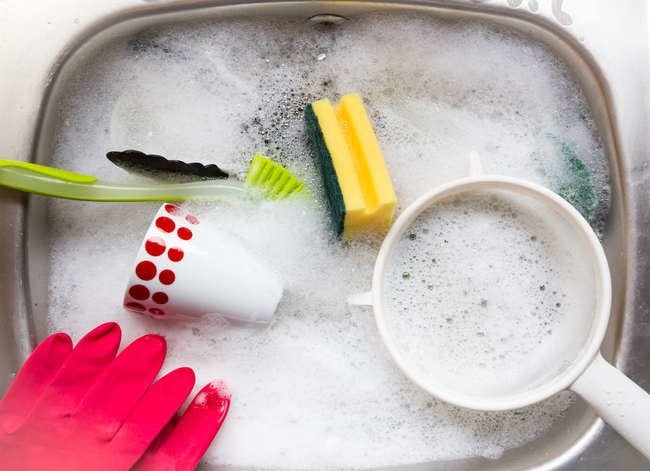
Switching up details such as the order in which you wash your dishes—and what you wash them in—can get them cleaner quicker. Try mixing up your routine today!

Here's how to score a Milwaukee 5.0Ah battery—a $169 value—for free.

Display the Stars and Stripes proudly, but make sure that you're flying Old Glory properly and respectfully.
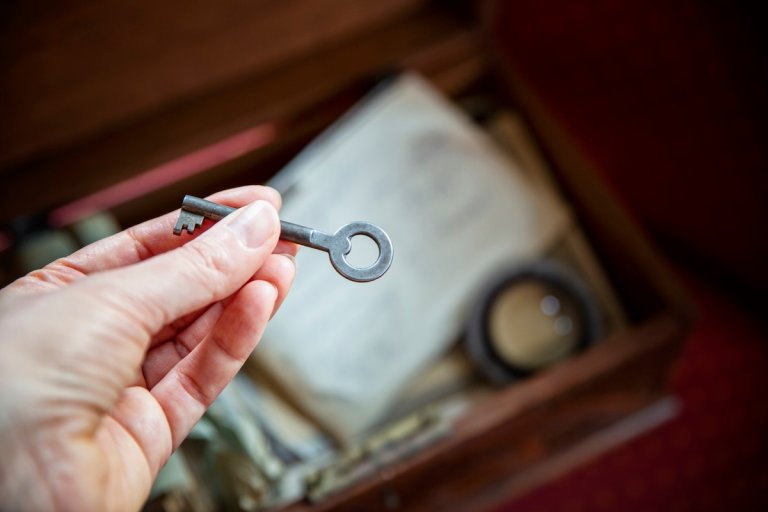
Want to stash your stuff out of sight, out of mind? We have ideas.
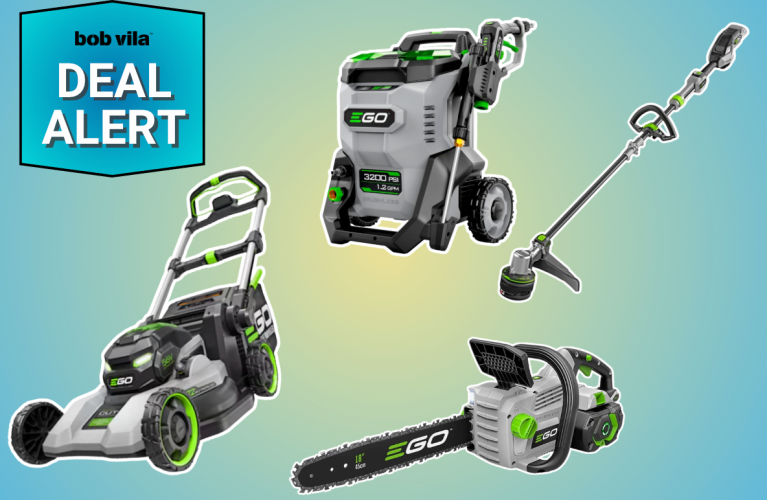
The top early Prime Day EGO Power+ tool deals include blowers, mowers, trimmers, and more. Hurry, these prices won’t stick around.

Create the perfect atmosphere for your outdoor spaces with these cool and classy fans.

Make these easy changes to your garden and you’ll be hosting these stunning creatures all season long.