We may earn revenue from the products available on this page and participate in affiliate programs. Learn More ›
Plants grown indoors typically don’t receive as much light as those that spend their lives outdoors. Many houseplants are specifically suited to lower-light conditions and will flourish inside. Some, however, may need supplemental lighting inside to flourish. Most seedlings that are started indoors to be moved outside when the time is right also get a better start when they’re helped along by grow lights.
Whatever the case, your plants will let you know they’re not happy and one of the steps you can take to address their distress is to set up some grow lights. Additional light will fuel the plants’ ability to photosynthesize, which in turn leads to the ability to create fuel for growth.
They’re leggy, growing sparsely, or not growing at all.
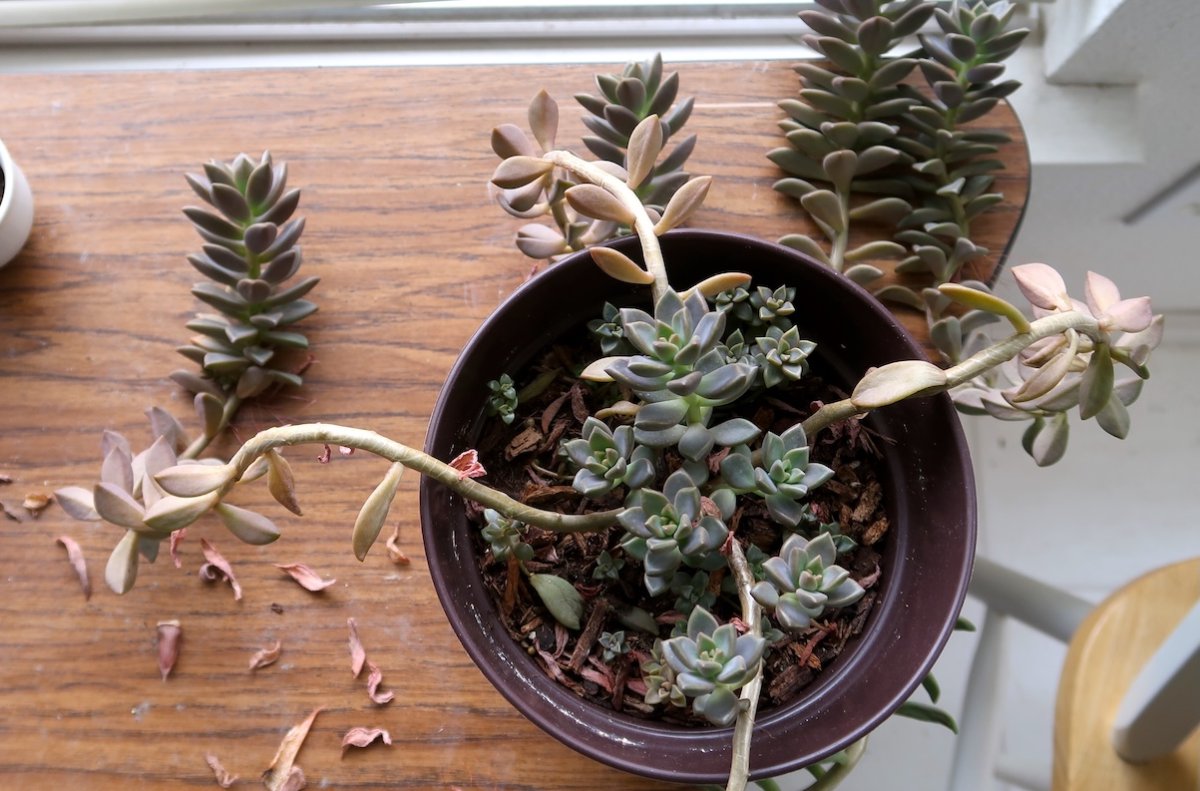
Plants that aren’t as full as they should be, or exhibit leggy growth—long stems with few leaves, spaced-out leaves, or leaves just at the end of the stem—might need more light. The same is true of plants that seem to be stuck in “why-bother” mode; these plants may appear lush and green but show no signs of growth whatsoever. Hit these sad greenies with time under a quality grow light and see if they kick into gear.
They’re leaning toward the light.
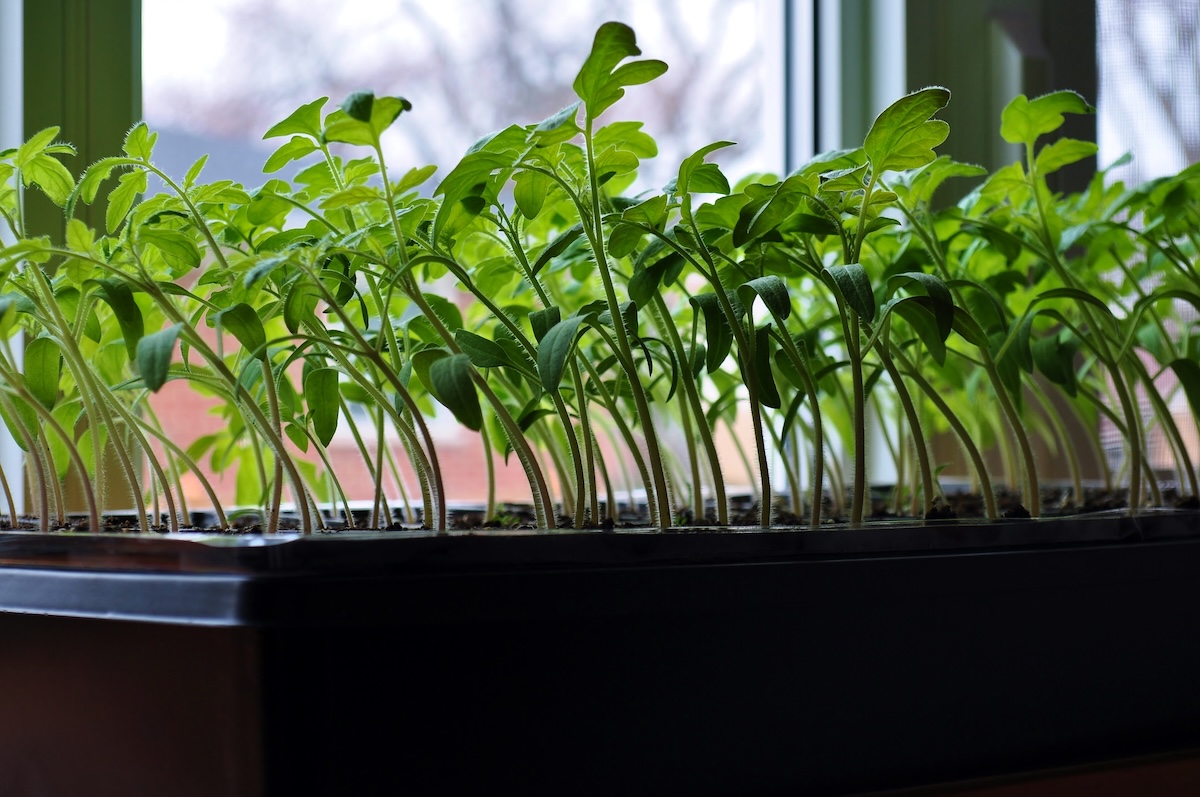
Phototropism is the way a plant positions itself in relation to its light source. If your plants are leaning aggressively toward a window or other light source, like a toddler stretching to reach a cupcake on the counter, they’re likely telling you they’re not getting enough light. Reward them with an overhead grow light and they’ll straighten up.
Overhead Grow Light

Hytekgro LED Grow Light (2-pack)
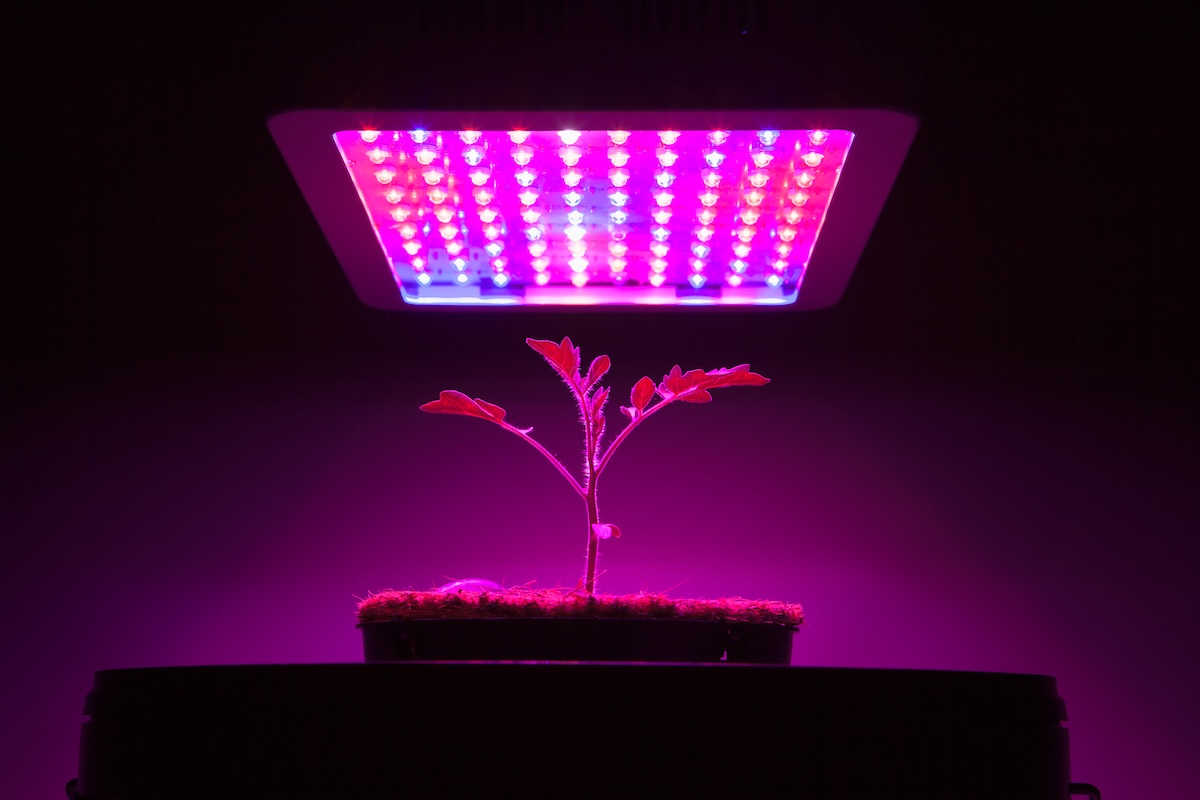
See ItLightweight and easy to install, the Hytekgro LED light panel puts out a full spectrum of color to support all stages of plant growth. The two-panel kit includes steel hanging brackets for proper height adjustment. Their square shape makes them suitable for hanging over square and rectangular flats of seedlings, and we felt the plants’ health improved during their time under the lights.
Their leaves are turning brown, yellow, or white.
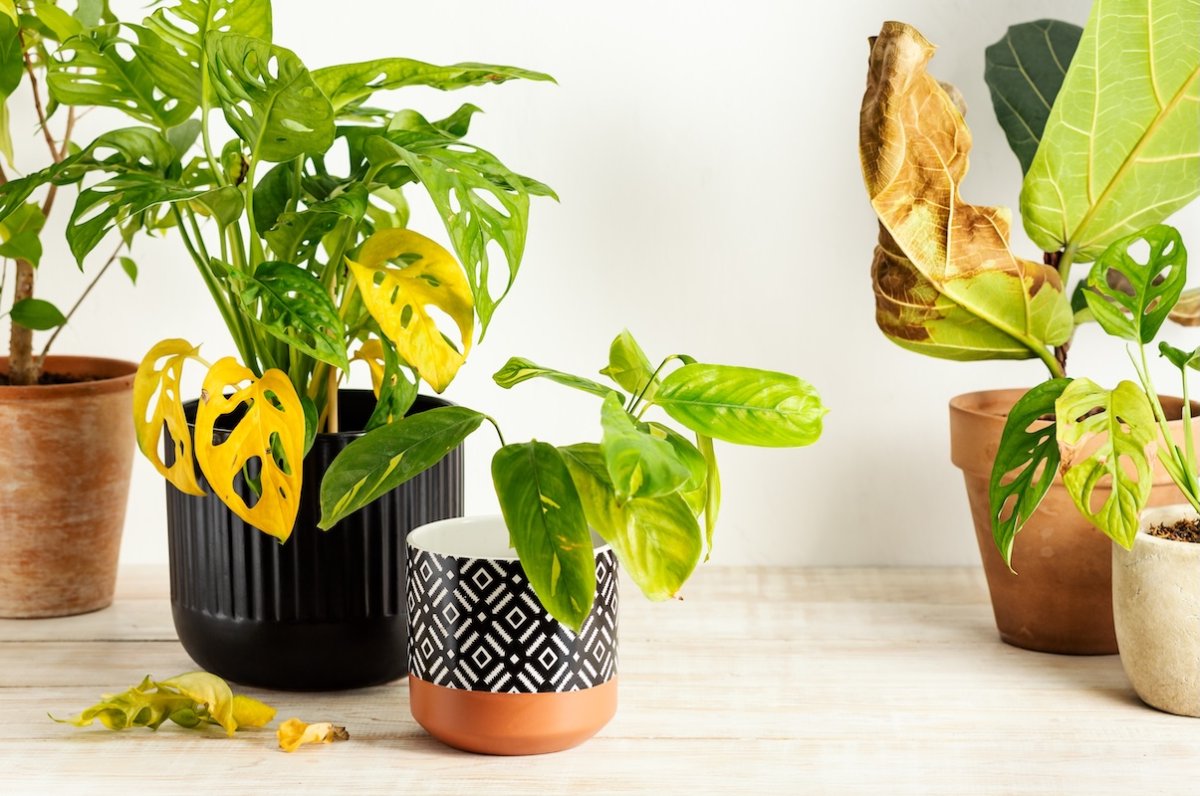
While discolored leaves can indicate any of a number of concerns, one of those problems can be a lack of light intensity. Plants need light to make chlorophyll, which is what makes plants green. Are the brown or yellow leaves on the side of the plant that faces away from the window? This indicates that your plant needs more light for healthy growth.
Variegated plants are losing their stripes.
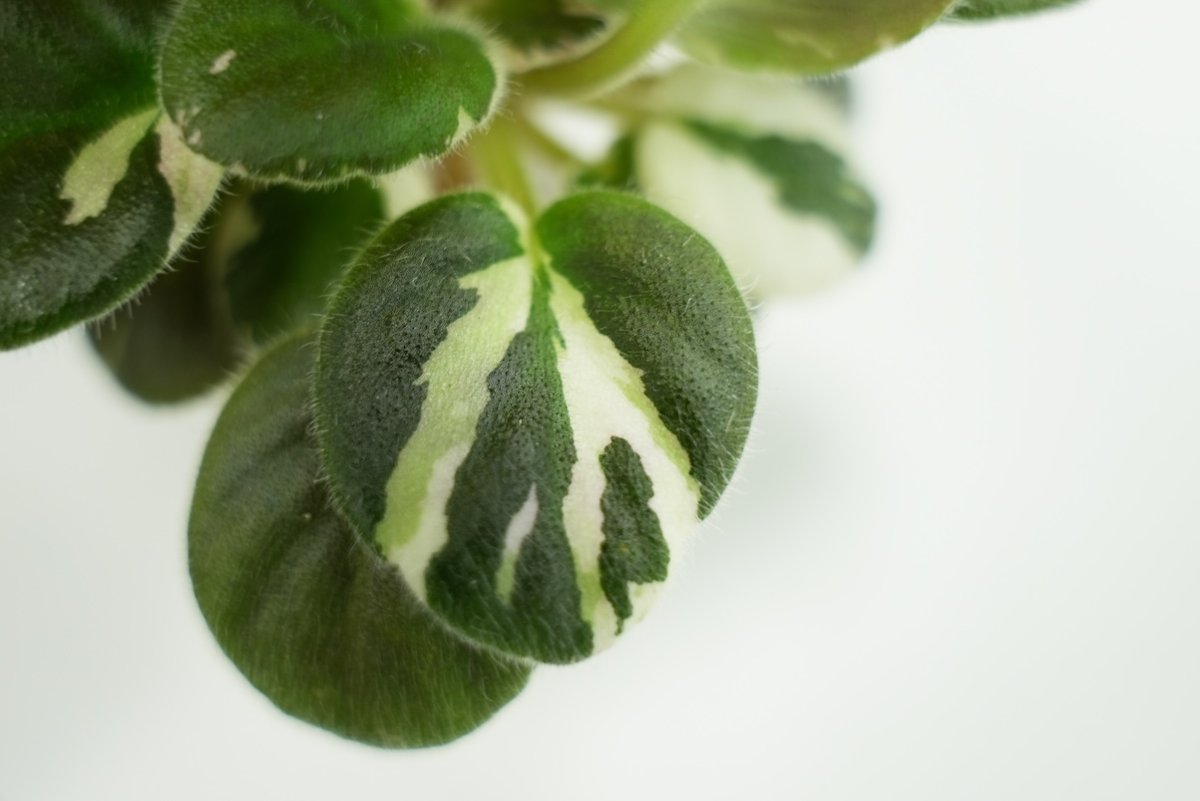
Did you purchase an intriguing philodendron with whimsical white pinstripes, but now you’re disappointed to discover that its once-dual-hued leaves are a boring solid green? The plant has gone into survival mode, eliminating the white bits in favor of the chlorophyll-filled green parts. It needs the chlorophyll for growth and survival. Situating the plant under a grow light will restore it to its former banded glory.
They’re not producing many (or any) flowers.
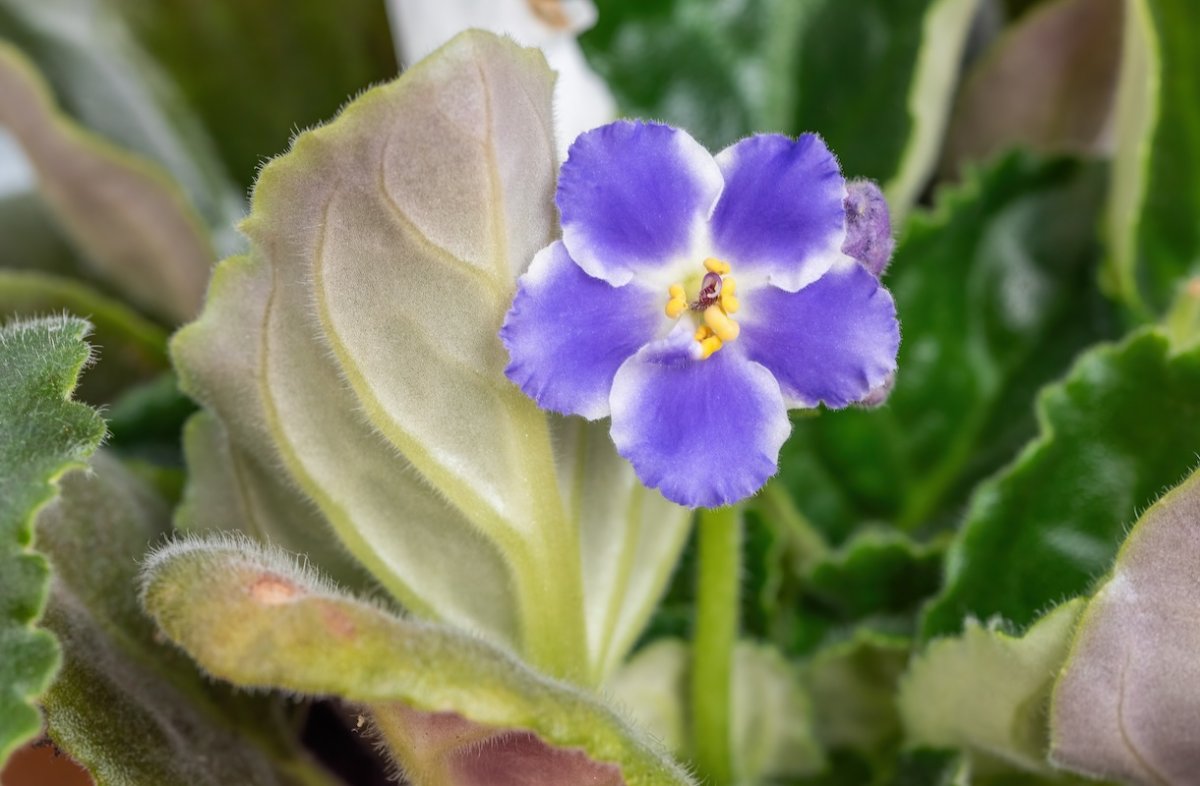
African violets are popular plants to grow indoors, but if they or other flowering plants in your collection aren’t rewarding your care with their usual showy display of purple and other colors of flowers, a grow light might kick blooming into gear. Plants need a lot of energy to produce flowers, and might be unable to create the colorful blossoms if they are not exposed to light that is intense enough for them to conduct their business.
You’re overwintering outdoor plants indoors.
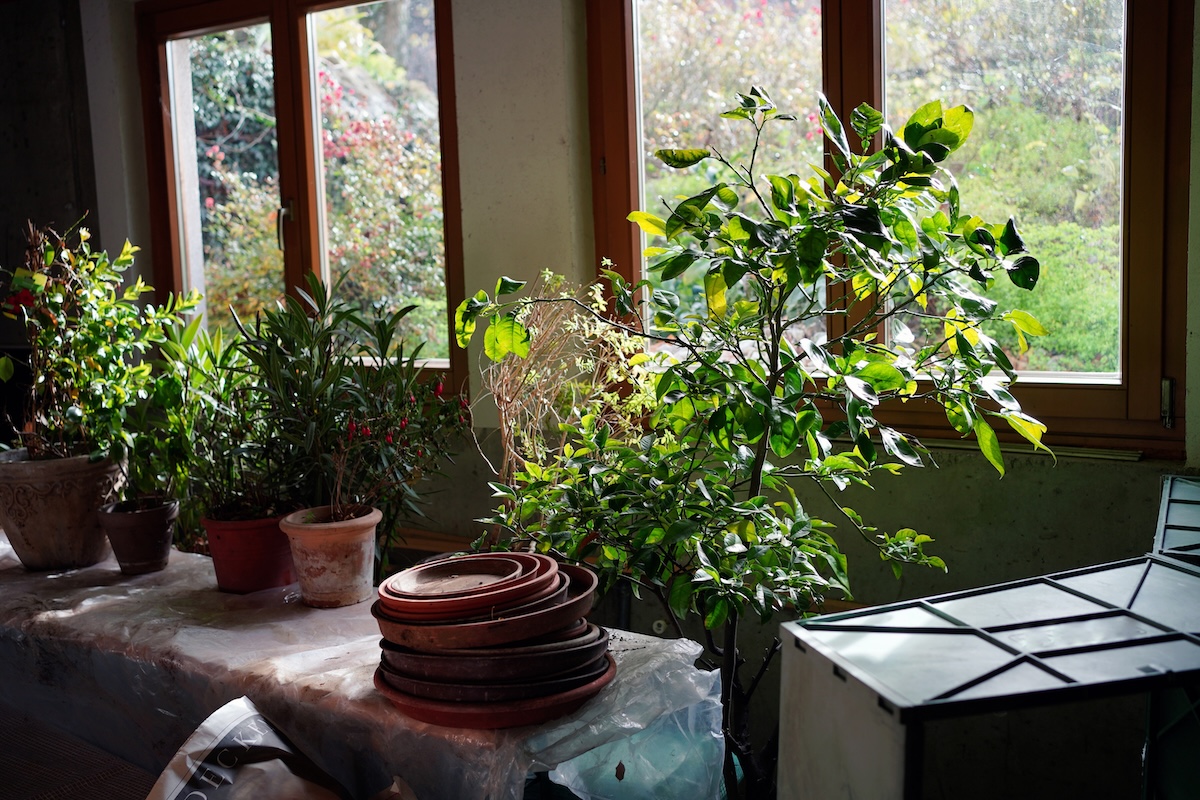
Many gardeners bring their outdoor potted plants inside when winter winds blow. However, plants that are accustomed to bright outdoor light can suffer in dimmer interior light. Consider fixing up a set of grow lights to provide these light-loving plants with the illumination they require to survive to see spring’s glory.
Grow Light Bulb
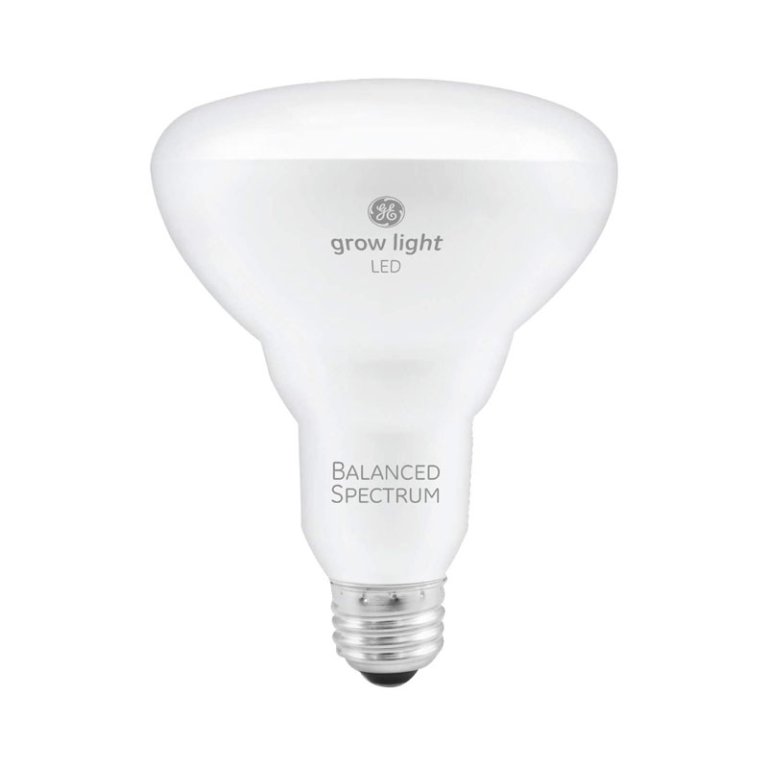
GE 9W Balanced Light LED Grow Light Bulb
See ItThe GE BR30 9-watt grow light is actually an LED light bulb that turns any conventional lamp or light fixture into a grow light. It produces full-spectrum lighting that appears white to the eye, with balanced red and blue wavelengths. It is a great choice for growing garden seedlings, overwintering tropical plants indoors, or growing a pot of basil on the countertop.
You’re starting new seedlings.
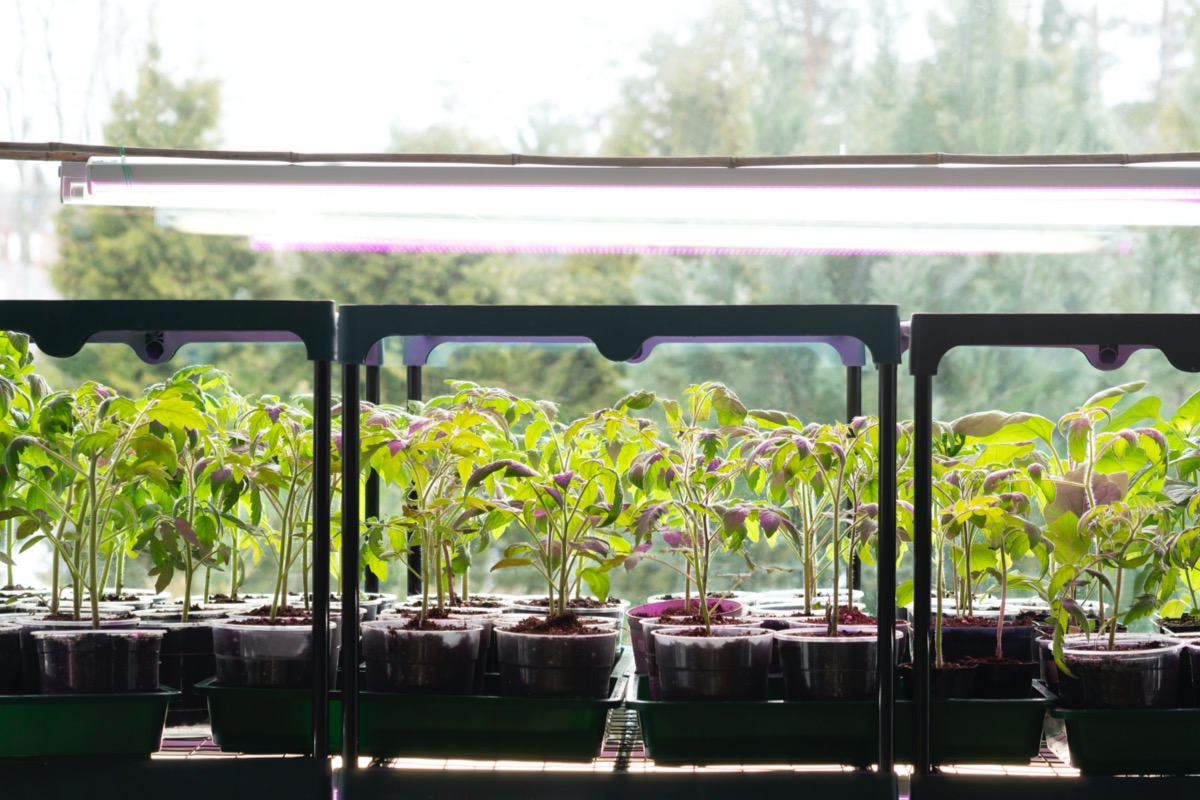
Like children who eat seemingly nonstop to fuel their growth, seedlings require 12 to 16 hours of light a day to get a foothold on life. If you are starting vegetable and flower seedlings indoors and will move them outside once it warms up, it’s a good idea to provide them with a grow light or two to ensure they get off to the best start possible.