We may earn revenue from the products available on this page and participate in affiliate programs. Learn More ›
Most people use tarps to protect items outdoors during inclement weather or to cover floors and furniture when painting rooms, but these durable fabrics are far more versatile than traditionally thought. Tarps, which come in a variety of materials, including canvas, polyethylene, and vinyl, can be used to tackle some unexpected home and garden tasks.
From protecting sensitive plants and setting up temporary shelters to moving mulch around a yard, these often overlooked materials can be tapped for many home and garden solutions with a little ingenuity and some basic tools. Here, we highlight six creative tarp uses that will have you wondering why you didn’t think of them sooner.
1. Shield plants from frost.
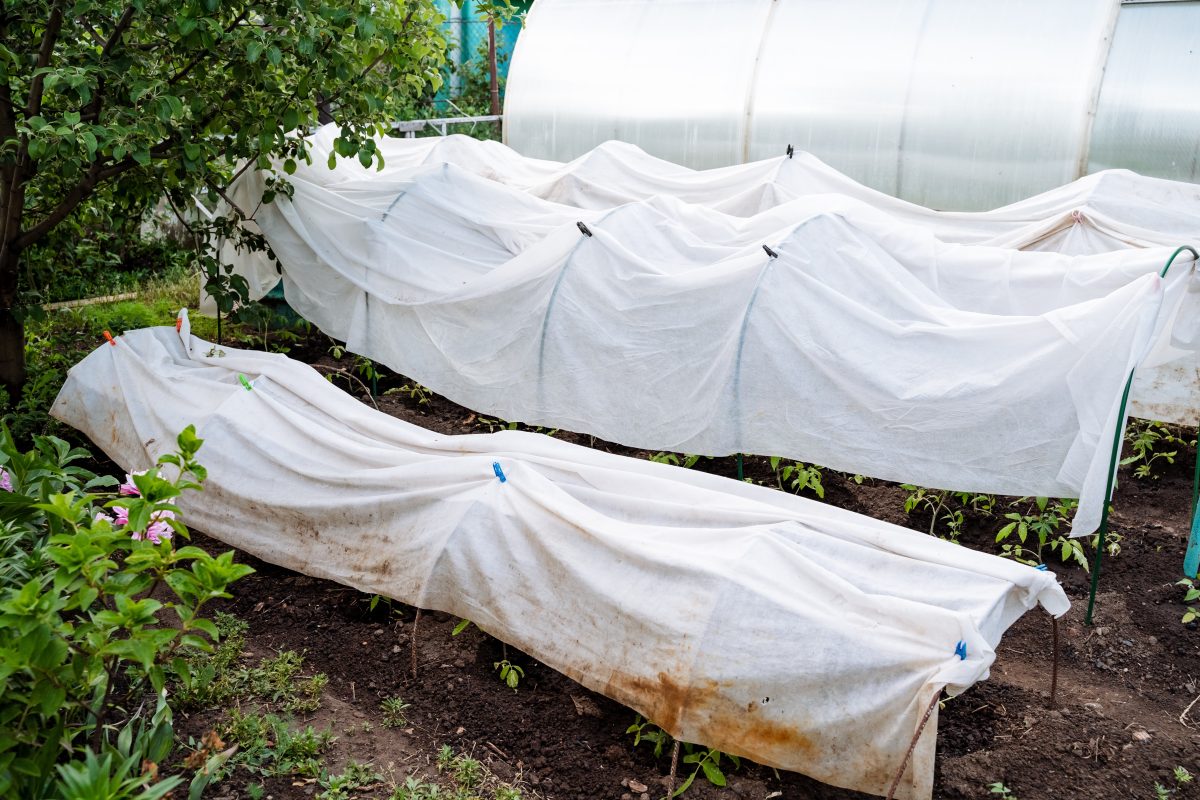
If you are worried about losing some vegetation during the winter months, then a tarp may be the solution you’re looking for. Tarps can effectively protect plants from frost and cold snaps. Simply drape a heavy-duty tarp over your flower beds, bushes, or young trees to trap in warmth and keep your plants from freezing overnight. Just be sure to prop up the cover with some stakes so it doesn’t squash your greenery, and remember to put it away once the sun comes out.
2. Haul mulch and other materials around your yard.
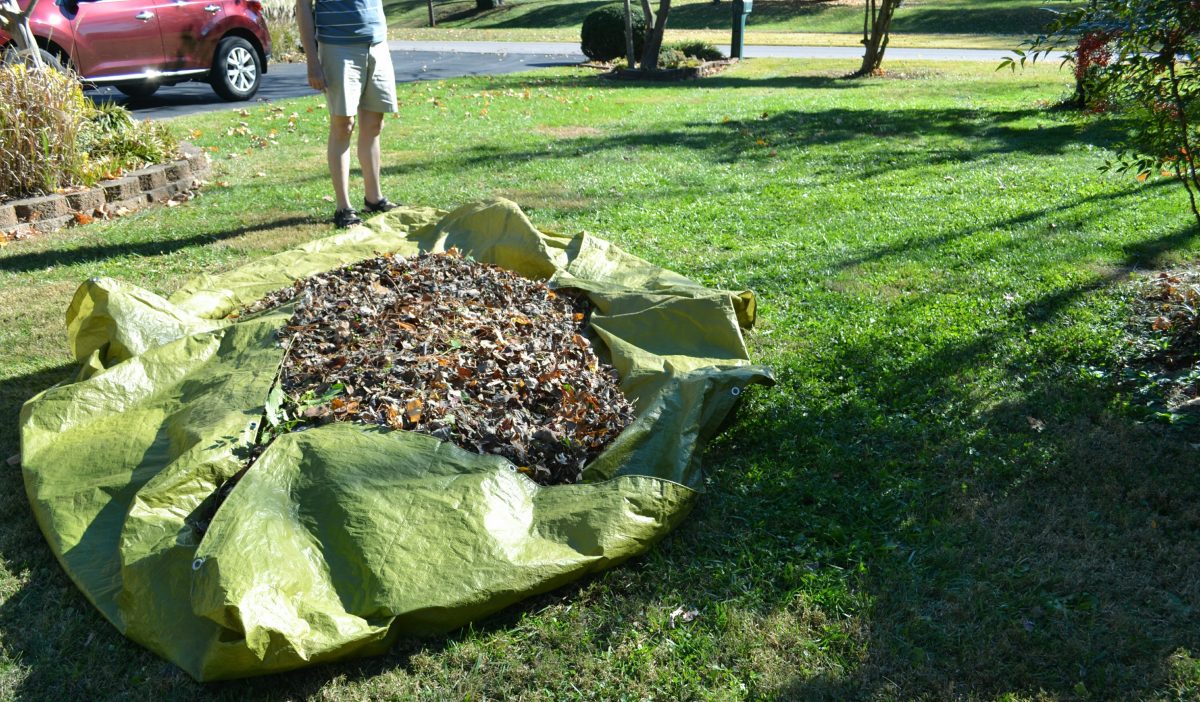
Tarps can come in handy for transporting mulch, gravel, soil, compost, and other materials from one spot to another. It can be a messy endeavor to move these items around, so try laying a tarp down on the ground and emptying everything on top of it. Then grab the four corners of the tarp and drag it where you want it to go. This would also be a smart solution for collecting raked leaves in autumn. You can also sew tarps into multiple-sized bags to move and store landscaping materials.
3. Set up a private area.
Tarps can also help create a secluded, comfortable outdoor living space for relaxing, dining, or entertaining. If you’re tired of the neighbors peeking in at you or just want to hide a messy corner of your yard, then stretch a durable tarp over a basic PVC or wooden frame to construct an instant privacy screen. These isolated areas can also block out harsh weather; drape a tarp over a pergola during a scorching summer afternoon or enclose your patio with one to block out a chilly breeze.
4. Kill weeds and grass for new garden beds.
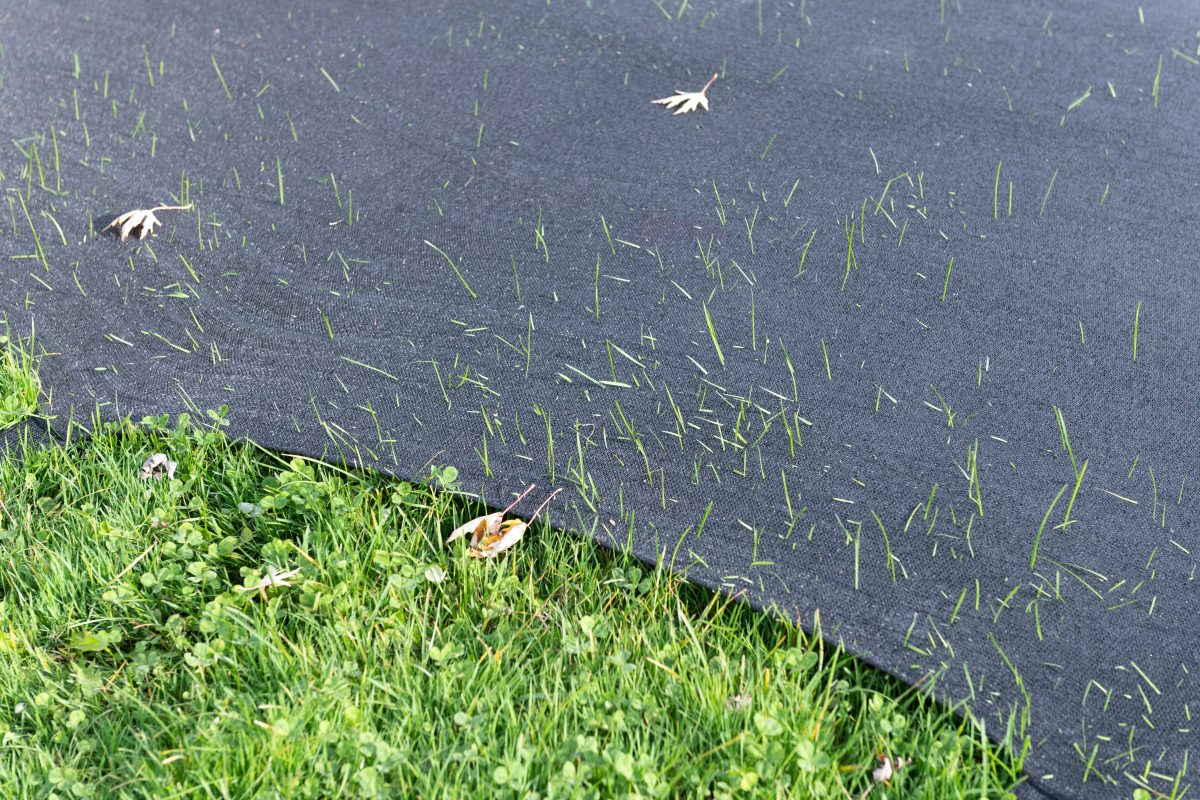
You may be wondering why you would want to destroy your lawn. But if you are preparing to plant a fresh garden for the upcoming growing season, you will need to kill off the grass and weeds in that specific area. Instead of using chemicals, stake down a tarp over the grass, and then that patch will be ready for planting come springtime.
5. Build a raised garden bed liner.
If you have a raised garden bed and are dealing with undesirable weeds and pests, consider using a tarp to resolve these issues. Place a heavy-duty tarp down to serve as a bottom liner for the raised bed. This will help prevent critters from sneaking in and weeds from sprouting. Cut small draining holes in the tarp to allow water to drain properly, and then top with soil mix.
6. Construct a temporary greenhouse or shed.
Need a temporary shed or greenhouse? Try a tarp. These areas are perfect for storing lawn and garden tools and equipment or for keeping seedlings safe before they are ready to be planted in the garden. Build an inexpensive frame and then place the tarp over it. A simple greenhouse constructed out of a tarp allows you to control temperature and guard against bad weather.