We may earn revenue from the products available on this page and participate in affiliate programs. Learn More ›
Whether due to fashion, safety concerns, or sheer obsolescence, the most charming architectural details we remember from our parents’ and grandparents’ homes are almost nowhere to be seen in our own homes. The phone nook at Grandma’s house that housed the Yellow Pages and an AT&T Trimline, for example, is wasted space in modern-built homes without landline phones. And though laundry chutes sound delightful for those of us with washing facilities in the basement, they’re probably less delightful for families with small children and smaller pets.
Walk with us apiece down memory lane. Which of these forgotten home features do you want in your home today?
1. Dutch Doors
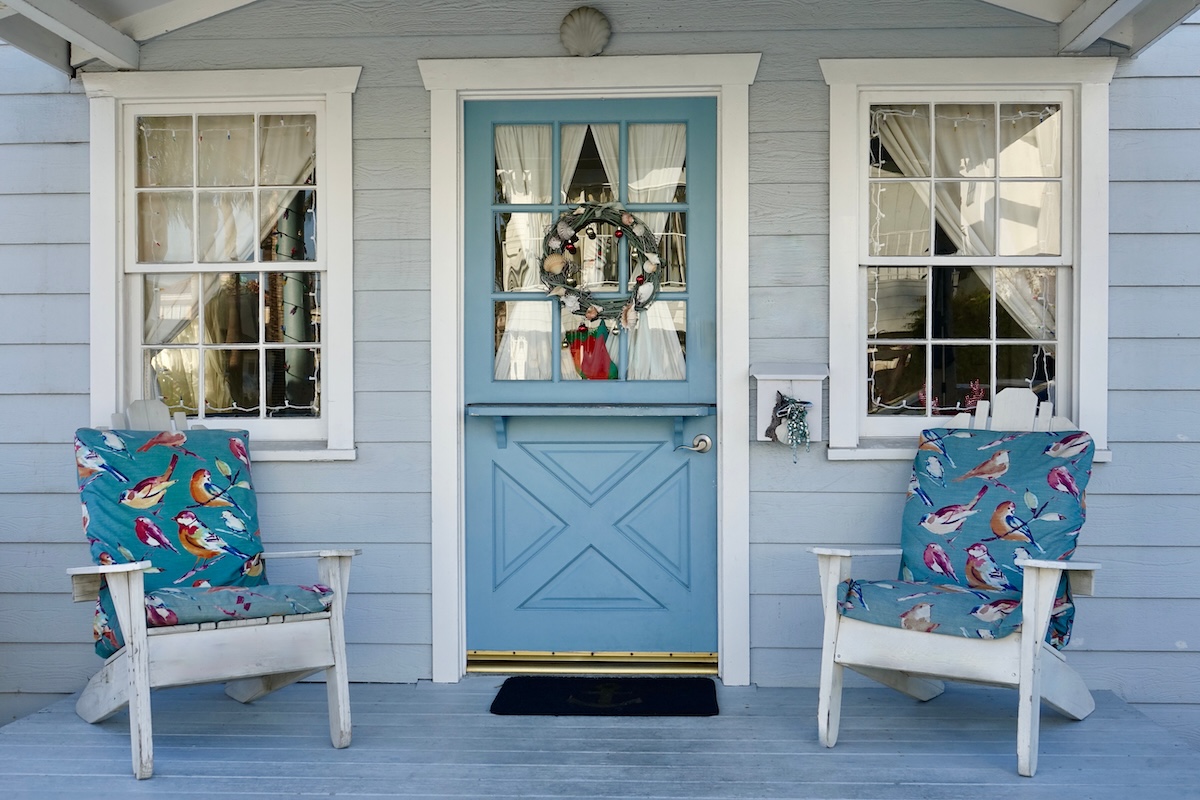
Popular with the 18th-century Dutch settlers of New York and New Jersey, Dutch doors are split horizontally in the middle; open just the top to keep out animals while letting in light and air. Making your own is straightforward: Saw any wood door in half, then attach each half to the door frame with two hinges apiece. A simple sliding bolt joins the top and bottom as a single, solid panel.
2. Sleeping Porches
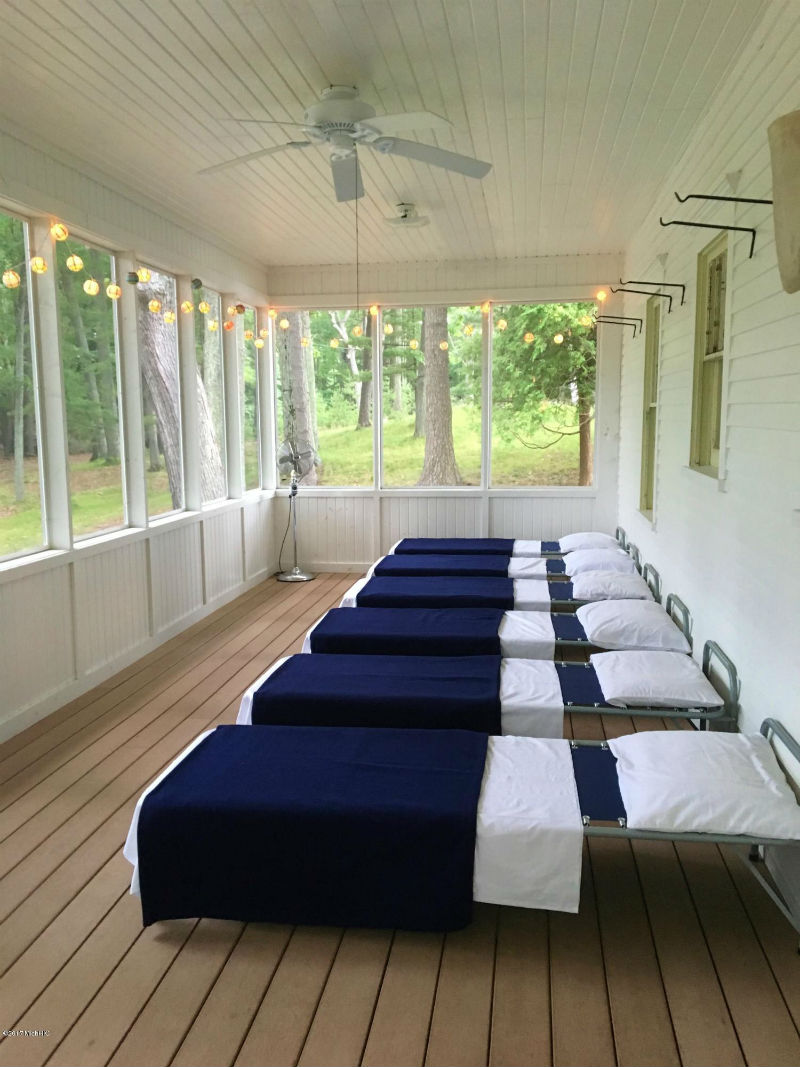
Sleeping porches became popular in the 20th century, when they were advocated by health professionals who believed that the fresh air they provided bolstered immune systems. Such porches were already popular in the South and West, where sleeping outdoors was cooler and more comfortable. Sound dreamy? Read our guide to creating a sleeping porch in your own home.
3. Transom Windows
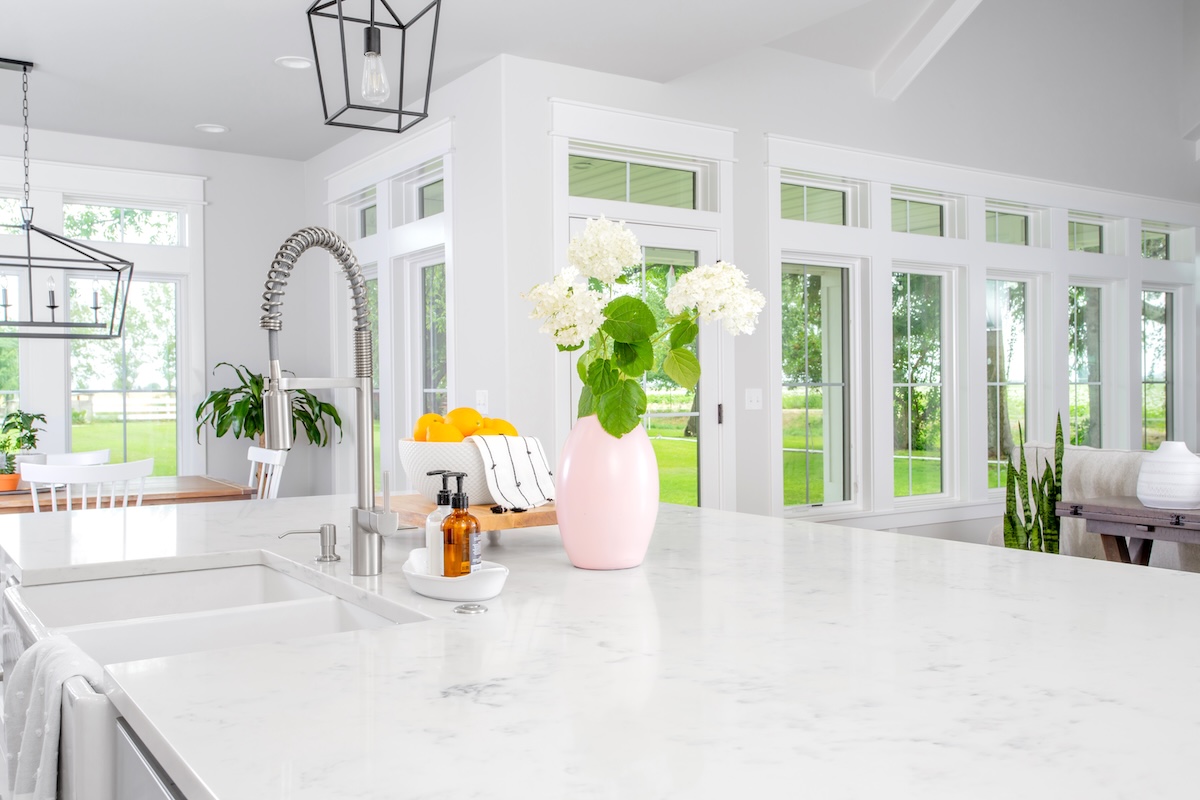
Transom windows are those panels of glass you see above doors in old homes, especially those built in the Mission or Arts and Crafts styles. Before the advent of electricity, transoms let natural light in to front hallways and interior rooms, and circulated air even when doors were closed for privacy. Transoms serve both purposes just as well today, and of course, the beauty of glass is timeless.
4. Laundry Chutes
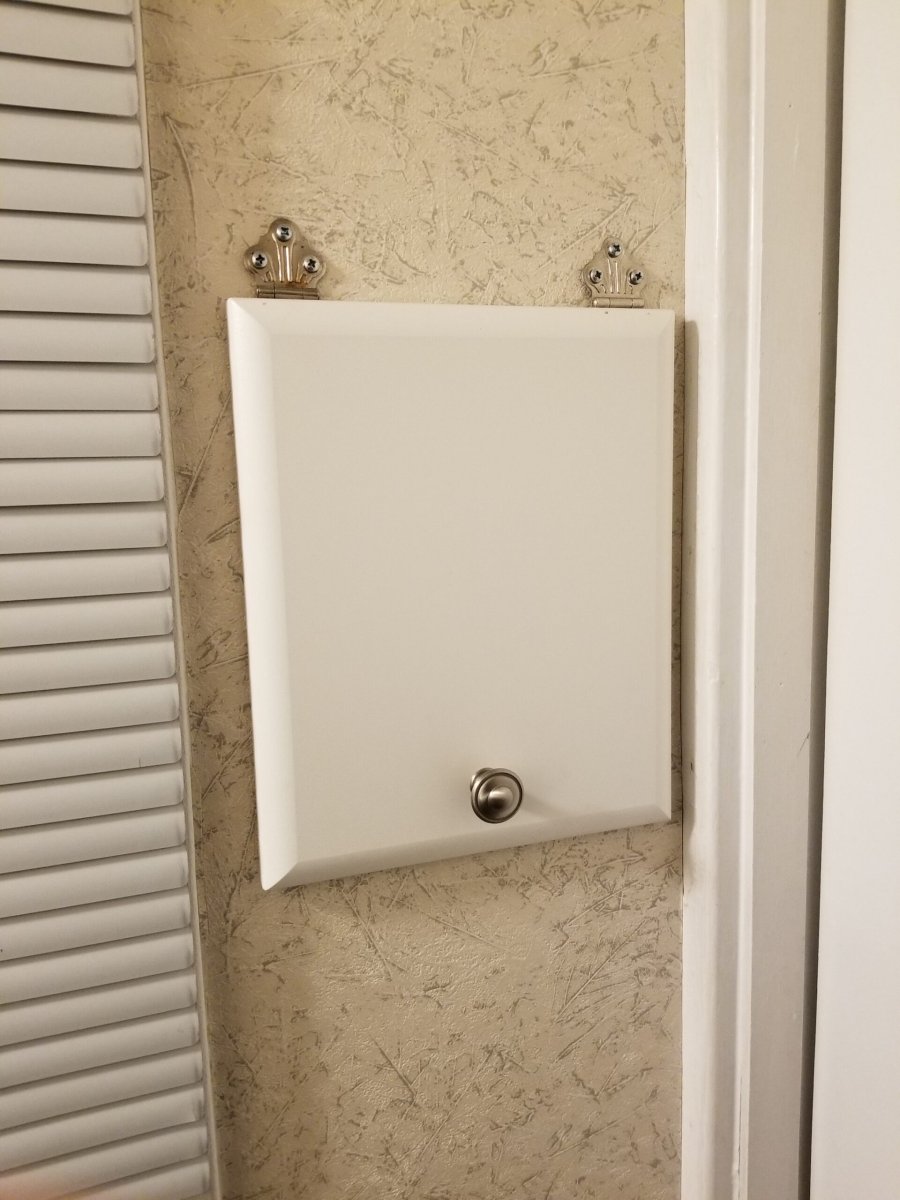
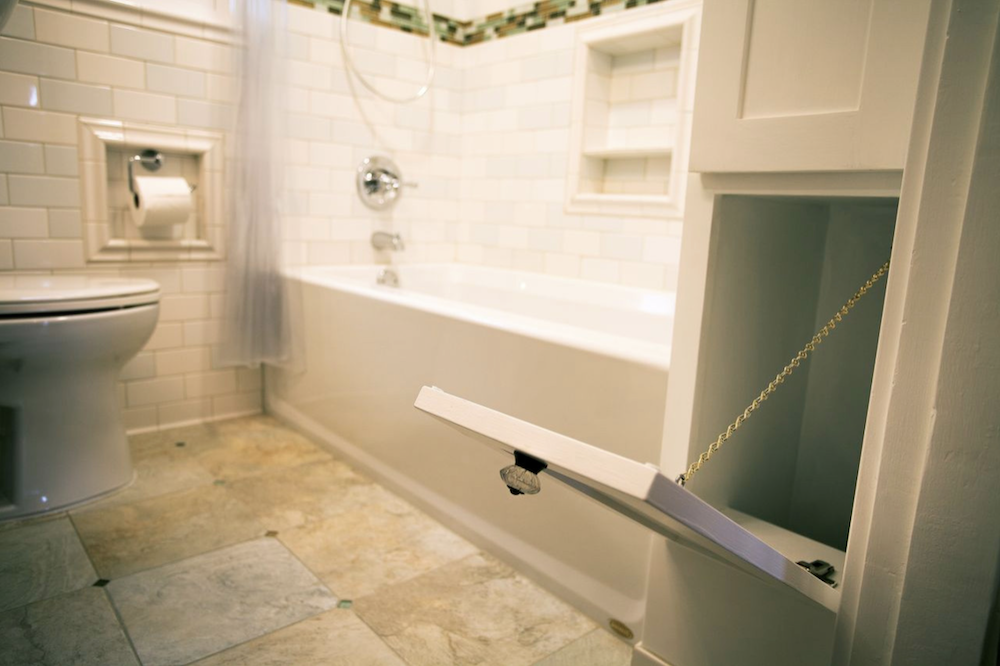
If your bedroom is two floors up from the washer and dryer, you might want to resurrect another nearly forgotten feature of old homes: the laundry chute. If you’d like to build your own, weld sheet metal together to create a ramp, or use lengths of extra-large PVC pipe to form a tube that ends in your laundry room. No matter your approach, adding a laundry chute injects low-tech convenience into one of life’s neverending chores.
5. Boot Scrapers
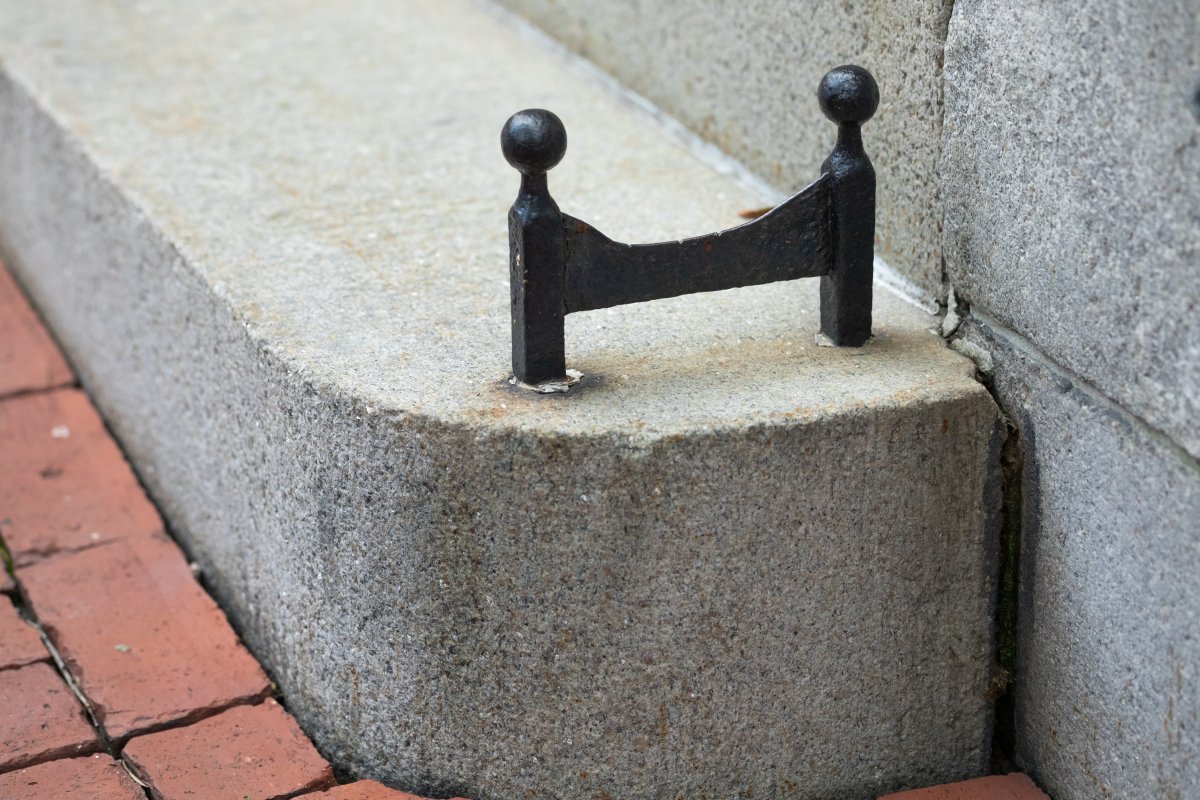
When horse-drawn wagons were a common mode of transportation, a boot scraper at the front door was a real necessity. As paved roads replaced dirt and tires replaced hooves, the boot scraper fell out of use. Today, you can still find the traditional-style cast iron bars set into masonry on many a front stoop, although many modern wood, rubber, or plastic scrapers have been augmented with brushes to remove debris from all angles.
6. Intercoms
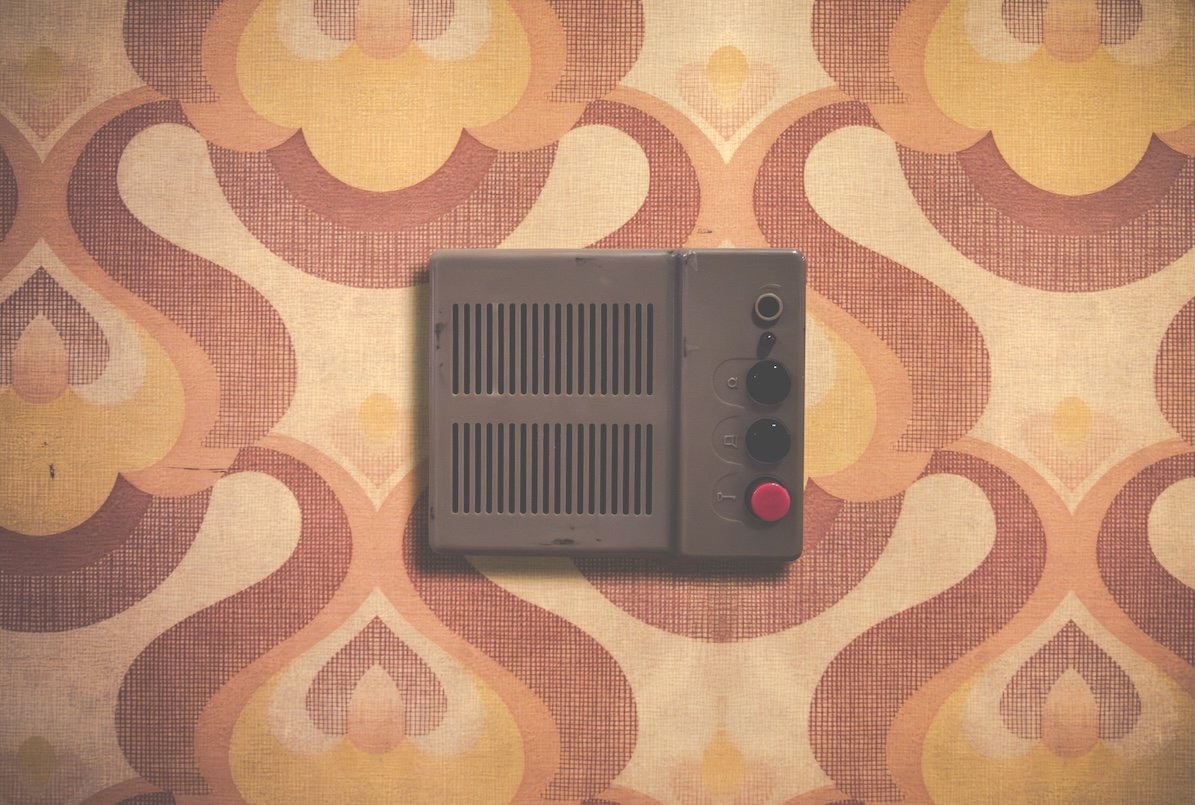
Intercom systems may remind you of The Brady Bunch, but these 1970s-era devices can be useful even if you don’t have six kids, a dog, and an Alice. Systems consist of a base station and several remote modules, and the newest intercoms are capable of piping music throughout your home. If you’d prefer to avoid any hardwiring, opt instead for a phone system with built-in intercom functionality.
Best Bang for the Buck Home Intercom System

Wuloo WL666 Wireless Intercom System
Wuloo’s inexpensive, modern intercom system uses a radio signal—no WiFi required!—and can be used tabletop or wall mounted. Read the review.
See It7. Pocket Shutters
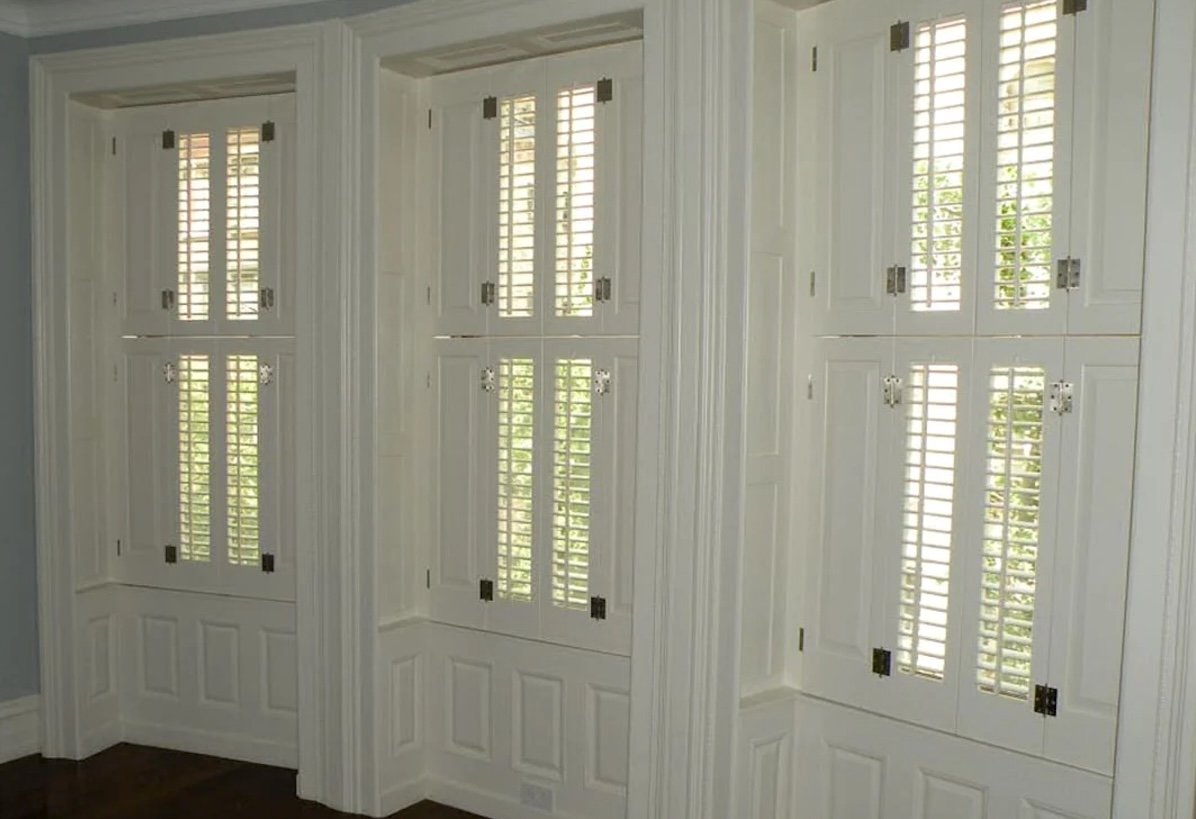
Northeast homes of the 18th and 19th century had walls of exceptional thickness (as they were often made of brick), providing a deep window jamb whose embrasures, or pockets, could contain an entire interior shutter. It’s high time these clever architectural details made a comeback, because interior shutters provide not only privacy, but also insulation or shade when the elements really start to bear down.
8. Phone Nooks
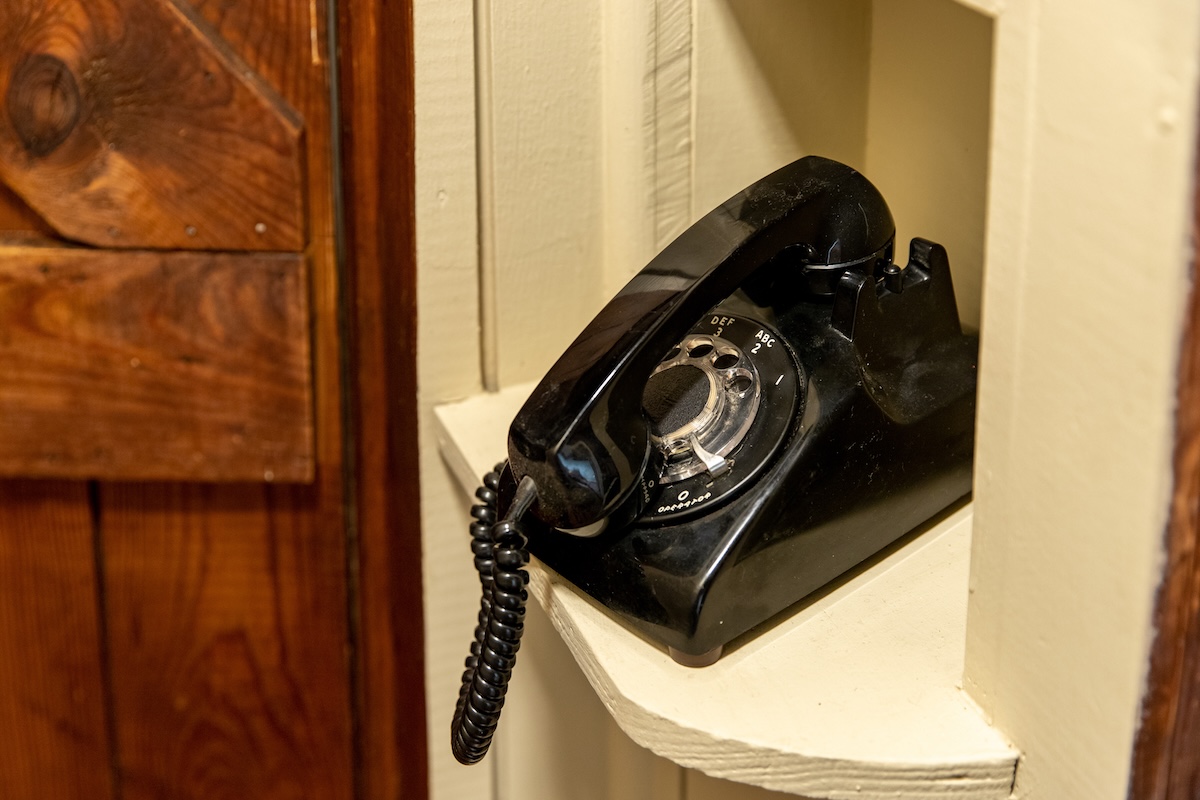
Back when telephones were large and unwieldy, homes often had a special nook to accommodate the bulky devices. Although the size of these cumbersome antiques is what necessitated their having their own holes in the wall, designating a dedicated space for a telephone doesn’t seem like such a bad idea, even today. After all, most of us spend the last five minutes before leaving the house screaming, “Where’s my cell phone?”
9. Dumbwaiters
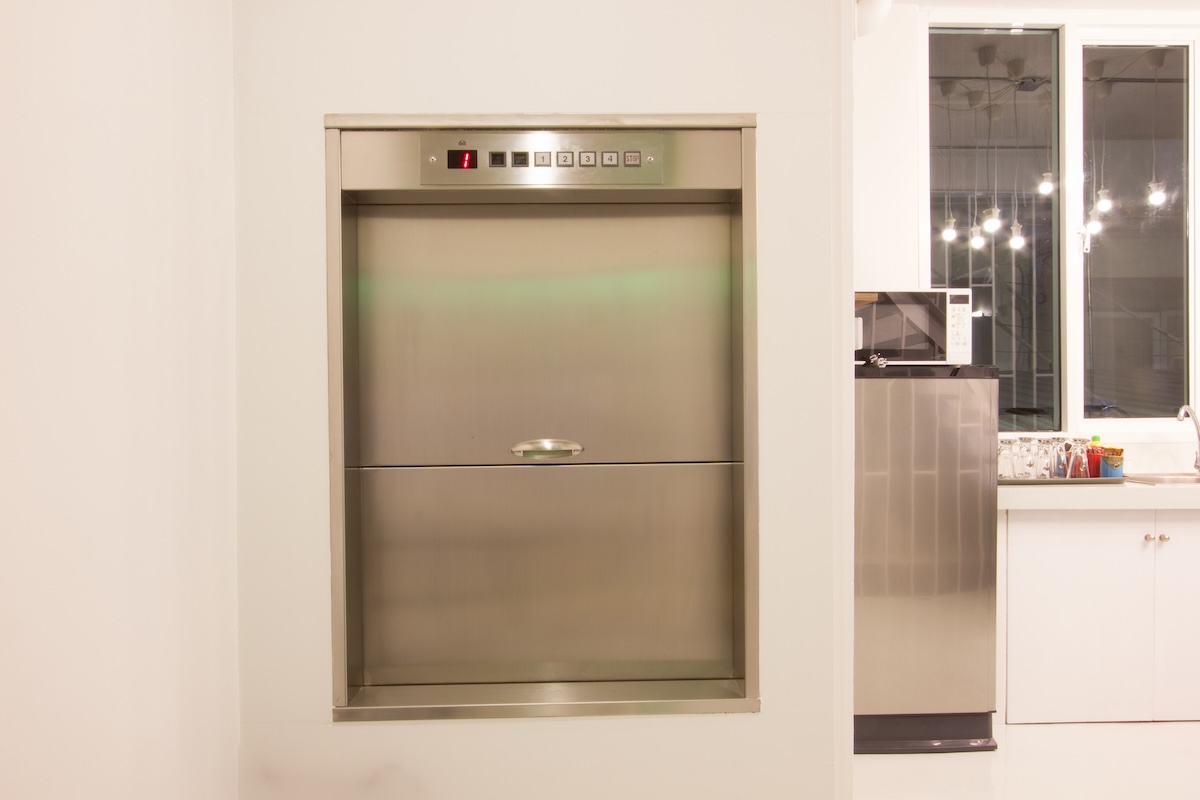
Convenient for carrying items like laundry and food from floor to floor, these small freight elevators rose to popularity during the 19th century. Although today they are seen mostly in restaurants and schools, a dumbwaiter could be installed in many multilevel homes and enhanced with electric motors, automatic control systems, and greater customization than was possible in olden times.
10. Mail Slots
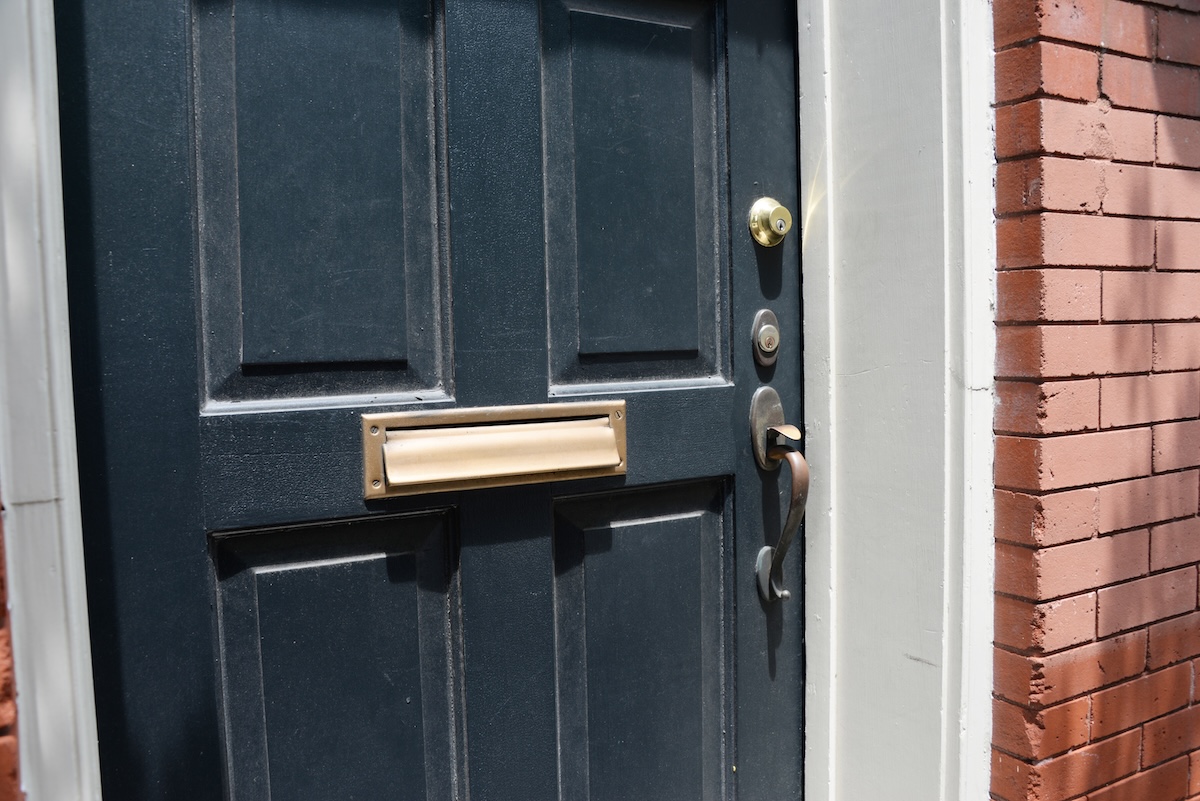
The mail slot has enjoyed a long run as a front door staple, and the image of the friendly neighborhood mail carrier sliding letters through the slot still persists to this day. However, with the rise of online bill payment and the decline of the USPS, mail slots—so sleek and secure—are no longer ubiquitous. Add some pizzazz and utility to your front door by installing one.
11. Ceiling Medallions
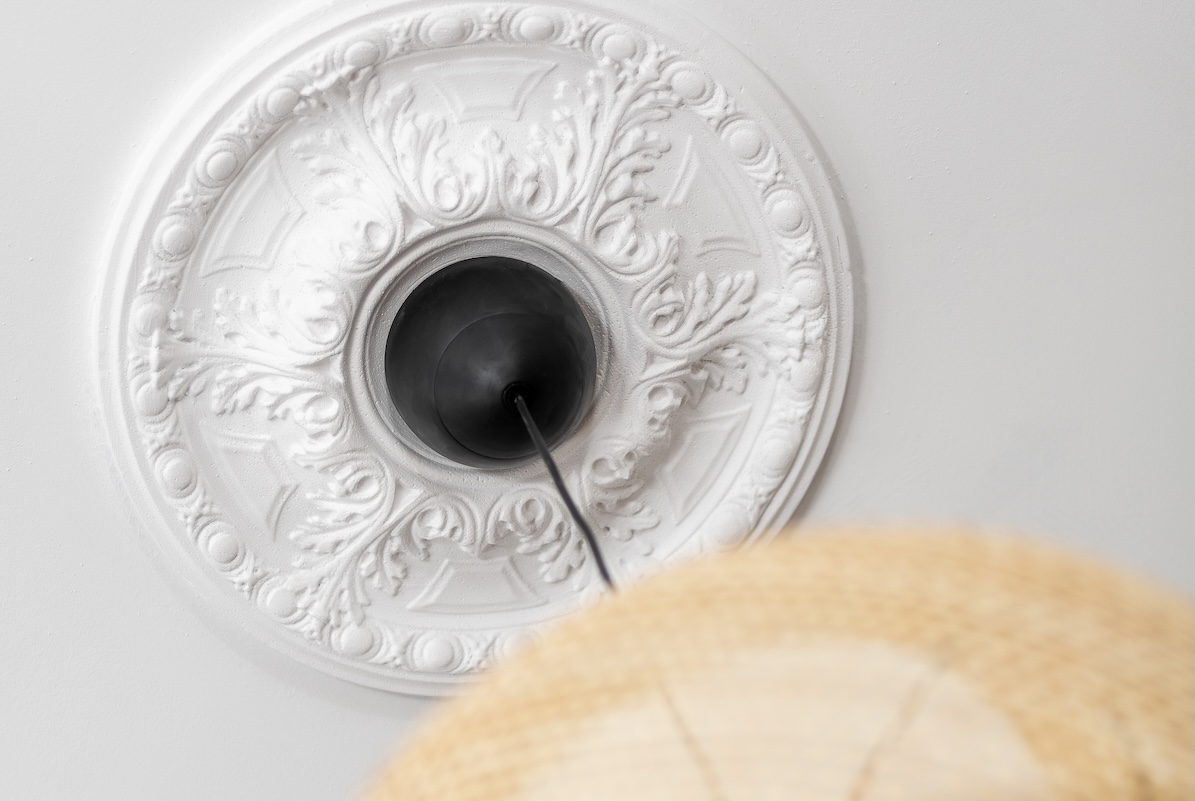
Popular in middle- to upper-class homes in the 19th century, ceiling medallions were designed to add architectural interest and beauty to a room. They were typically placed above a chandelier so that the light would emphasize their delicate patterns. Traditionally made from delicate paper mâché or heavy materials like iron or marble, you can get the same look today with ceiling medallions made from foam, plastic or light wood.
12. Root Cellars
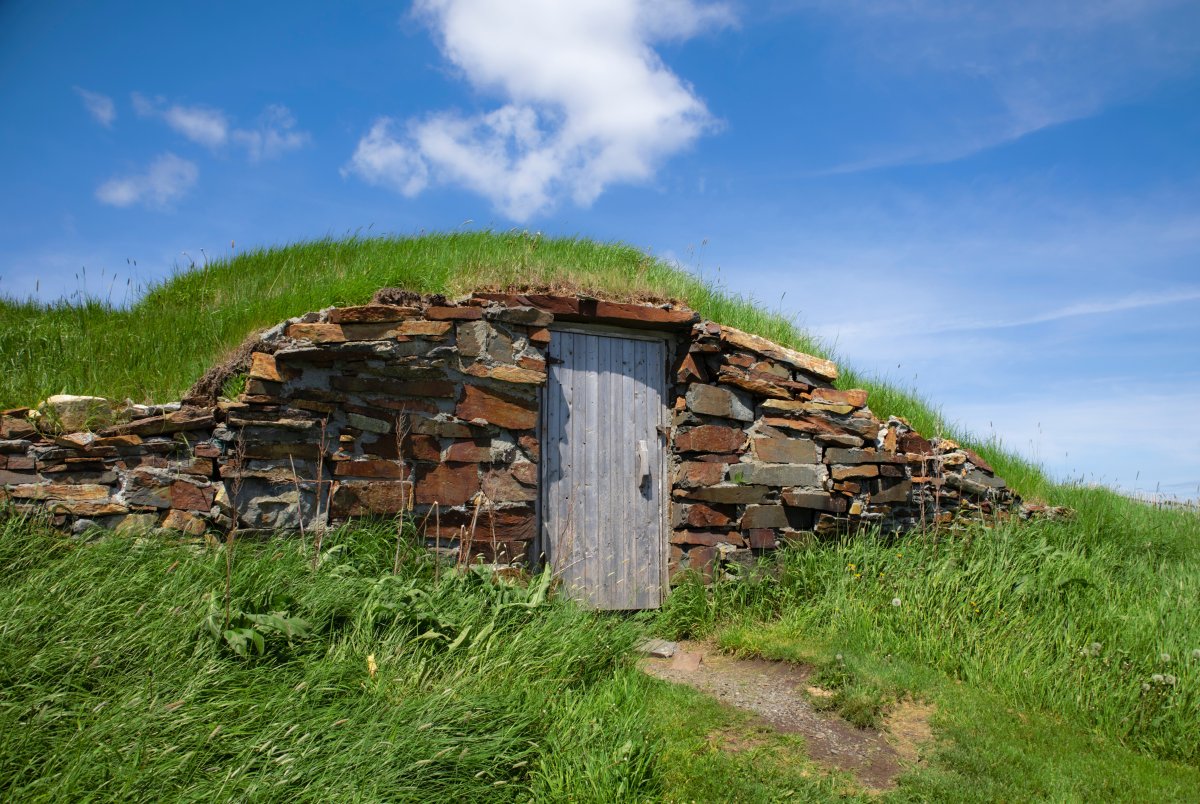
If you live in a climate where the ground freezes in the winter, you can jump on the modern green trend and build an old-fashioned root cellar: Dig a hole in your yard about 7 feet deep, put in a sturdy infrastructure and roof, and cover it up with dirt. The result is a storage area where you can keep large quantities of winter vegetables like potatoes, squash and cabbage preserved and ready to eat throughout the cold months.
13. Claw-Foot Tubs
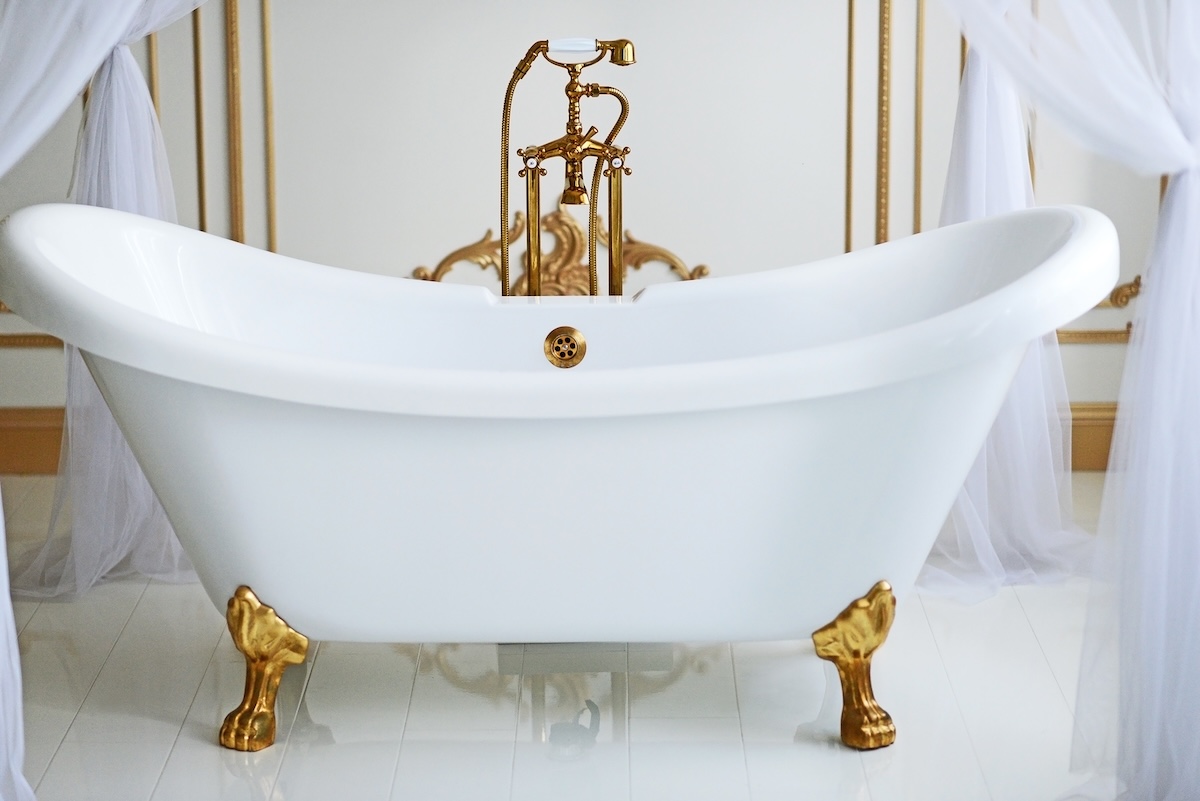
They’re lovely to look at and are the best bathtubs for soaking, more so than most modern tubs. If you have enough space in your bathroom, consider adding the luxury of a claw foot tub. Or, get whimsical and put one outside in your garden or on a patio so you can bathe under the stars. You can find many claw foot tubs inexpensively at salvage yards that, with a little TLC (and maybe some porcelain paint or a bathtub refinishing kit) will look as good as new. Or rather, old.
14. Rumford Fireplaces
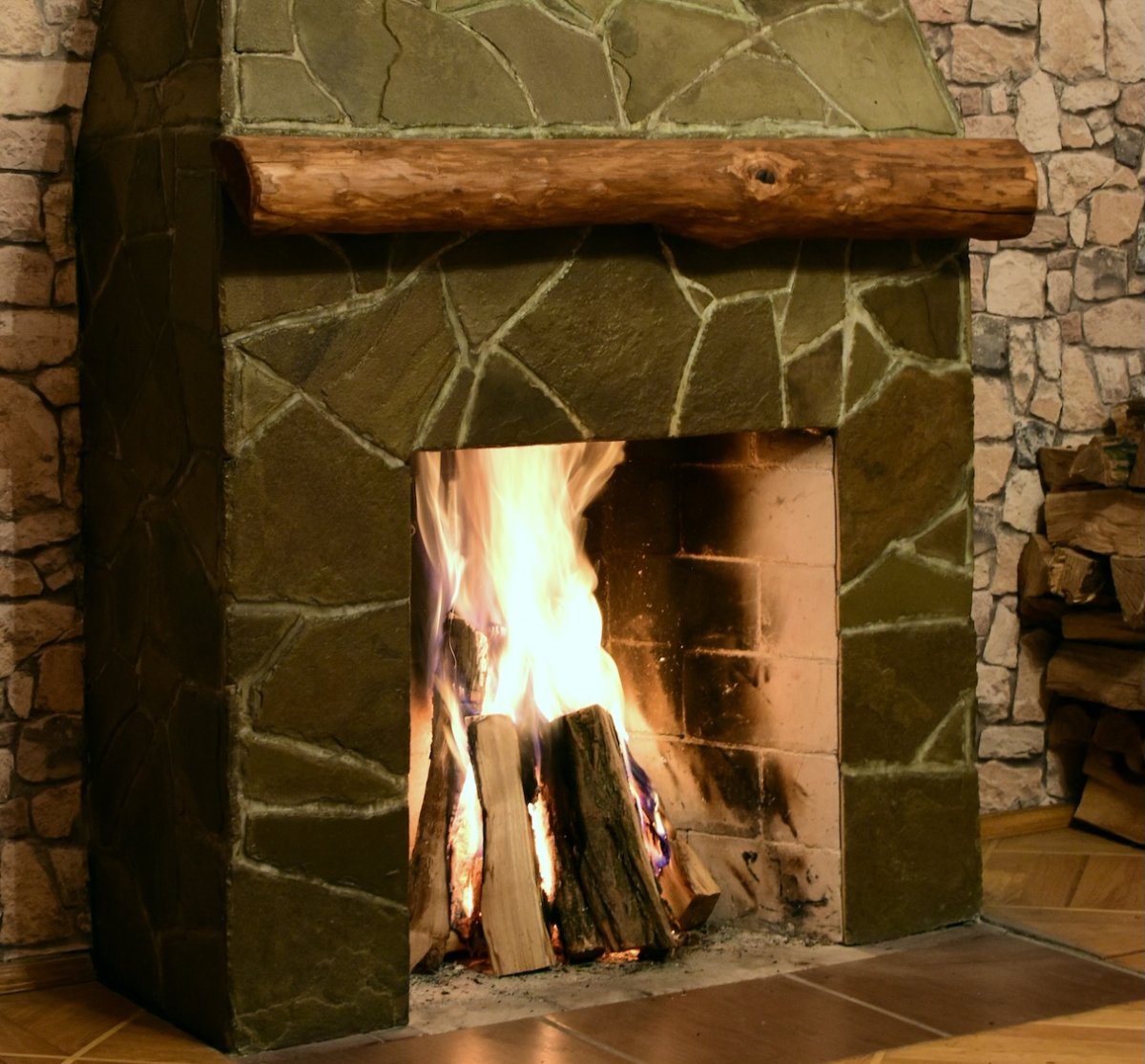
Henry David Thoreau once counted his Rumford fireplace as a modern convenience that was often overlooked by his contemporaries. Common in the early to mid-1800s, Rumford fireplaces are tall and not very deep, which allows them to reflect most of the heat generated by burning wood back into the room. With escalating fuel costs, this old design is becoming popular again as way to save some real money in the modern era.
15. Picture Rail Moldings
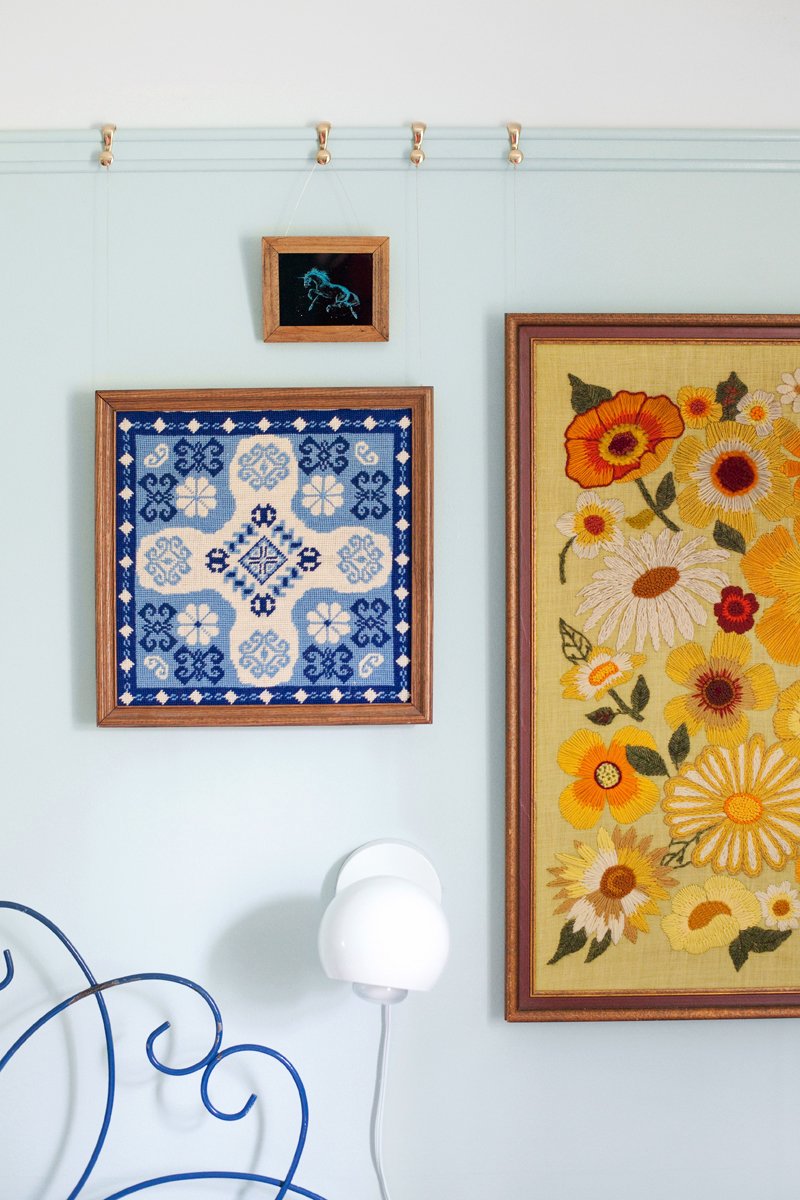
Picture rails were installed primarily in the New England and Southern townhouses in the Victorian era and provided a way to hang artwork on plaster walls that could crumble under the force of hammer and nail. Today, they can be installed as a visually appealing design elements that lets you hang photos and art in a unique way. Consider aligning your molding with the tops of windows and painting the ceiling a color that extends to the picture rail.