We may earn revenue from the products available on this page and participate in affiliate programs. Learn More ›
When I purchased my first homestead, adopting a flock of chickens wasn’t far from my mind. I grew up on a small farm and knew the surprising amount of joy a few feathered friends can bring to a garden—not to mention their ability to gobble up pests. However, I also dreamed of creating as close to a self-sustaining property as I could and figured having a few chickens around would eliminate the need to purchase grocery store eggs.
Having had chickens before, I wasn’t exactly new to the process. But I quickly realized once I began building the coop and rearing those first baby chicks that the process was bigger than I’d bargained for. In this guide, I’ll walk you through the basics of how I built my custom, predator-proof coop, how much I actually spent on the project, and all the other chicken “tending” lessons I learned the hard way so you don’t have to!
Planning the Coop
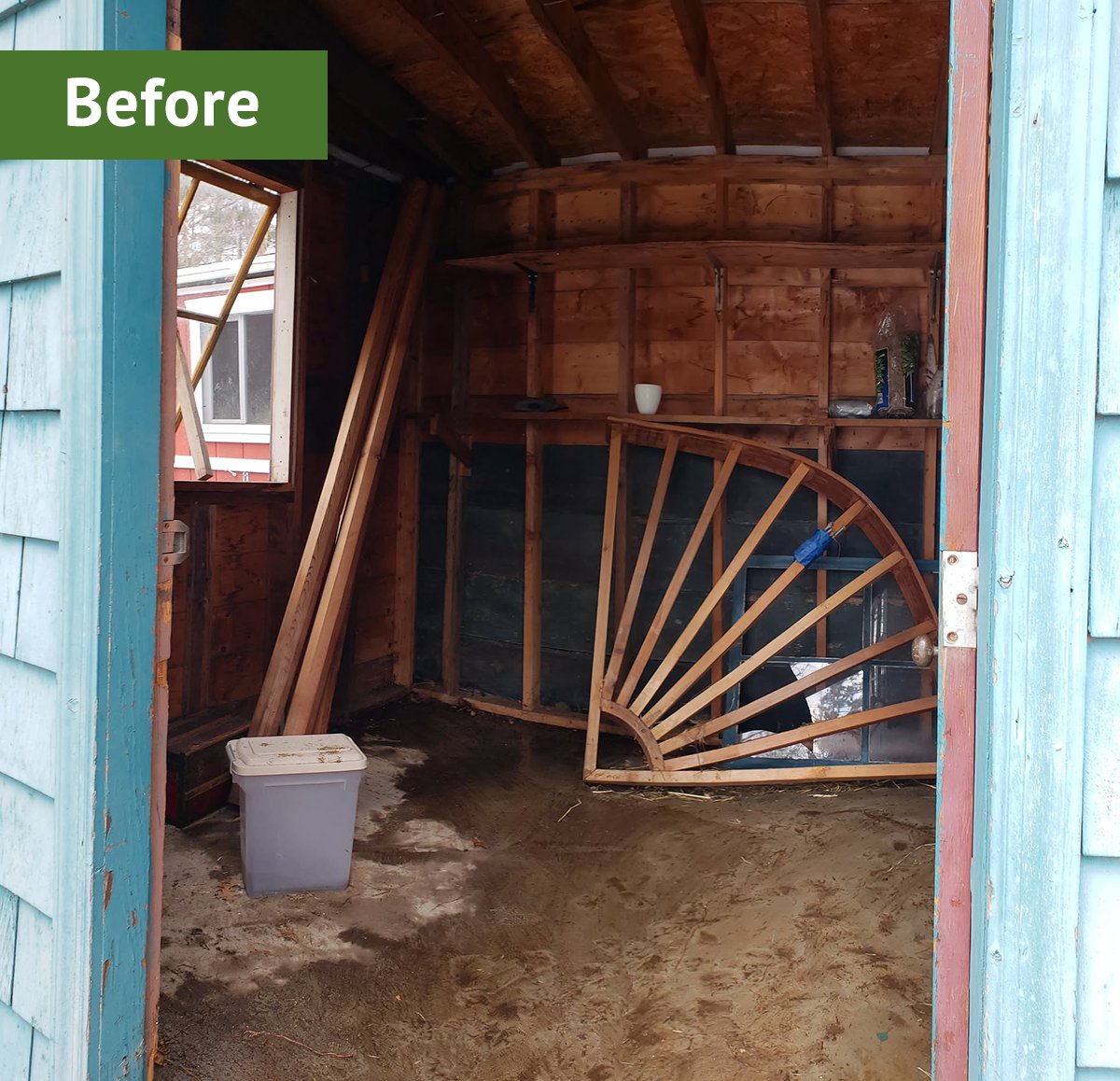
My first homestead came with a potting shed that was much bigger than I needed for my actual garden, so I figured half of the shed could be converted into a simple coop without losing a lot of necessary space. I also knew that my New England property had coyotes, foxes, birds of prey, and other predators that would love munching on hens and decided to make a fully enclosed run to keep my chickens safe. This covered run unfortunately meant I wouldn’t be able to use my chickens for controlling garden pests as I’d initially planned, but it also meant I wouldn’t need to worry about keeping my plants safe from hungry chickens.
To convert half of the shed into a chicken coop and build a rectangular run extending from one of the potting shed windows, I purchased 2x4s for framing and a makeshift chicken ramp, exterior grade screws, metal brackets, and hardware cloth to keep predators out. I also purchased exterior grade paint to weather-proof the outdoor run, low-VOC paint for chicken-proofing the interior of the coop, landscaping gravel for the base of the run, and tarping to cover the top of the run and prevent snow and rain from getting inside. Altogether, this ended up running me about $1,000 and cutting into my “egg rearing profits” a fair amount; however, I figured the coop would pay for itself over time.
How I Built My Chicken Coop and Run
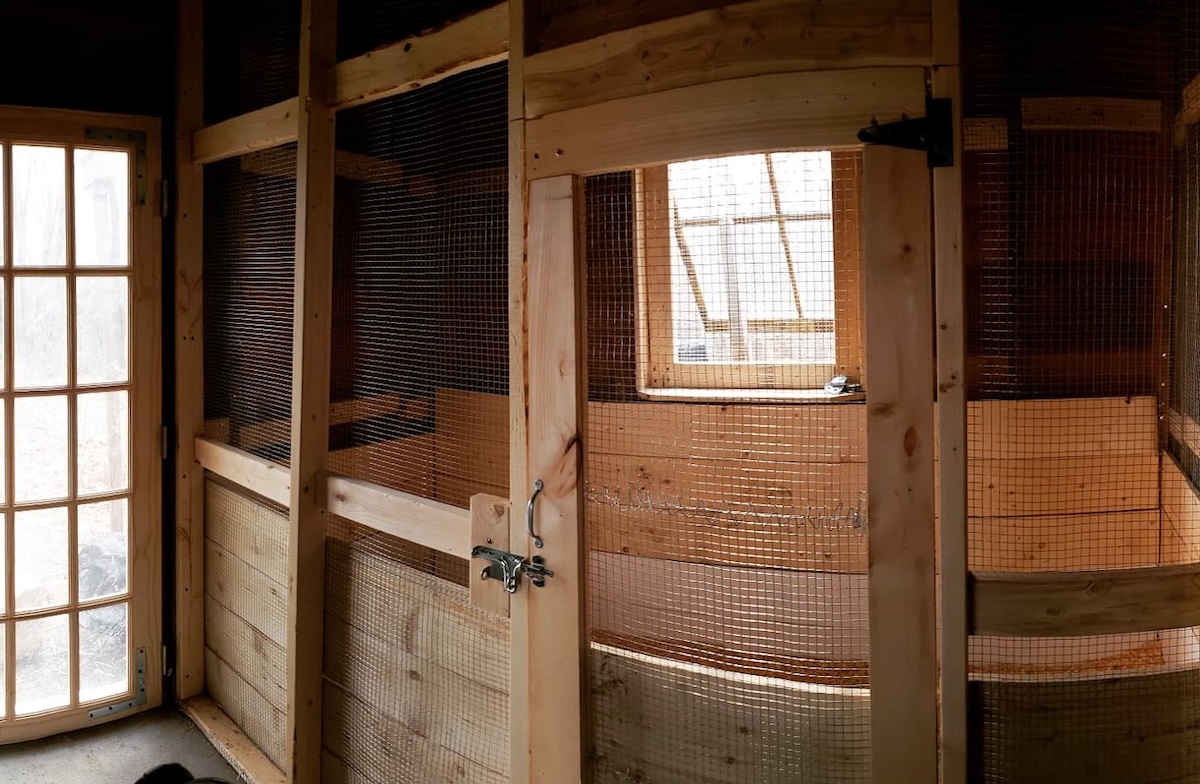
Since I was starting with a prefabricated shed, my “coop conversion” was a bit cheaper and easier to create than building a brand new chicken coop from scratch and I didn’t really need to research chicken coop plans. I simply had to build a makeshift wall with 2x4s, screws, and metal brackets to close off half the shed and create a basic door to let myself in and out of the interior coop when gathering eggs.
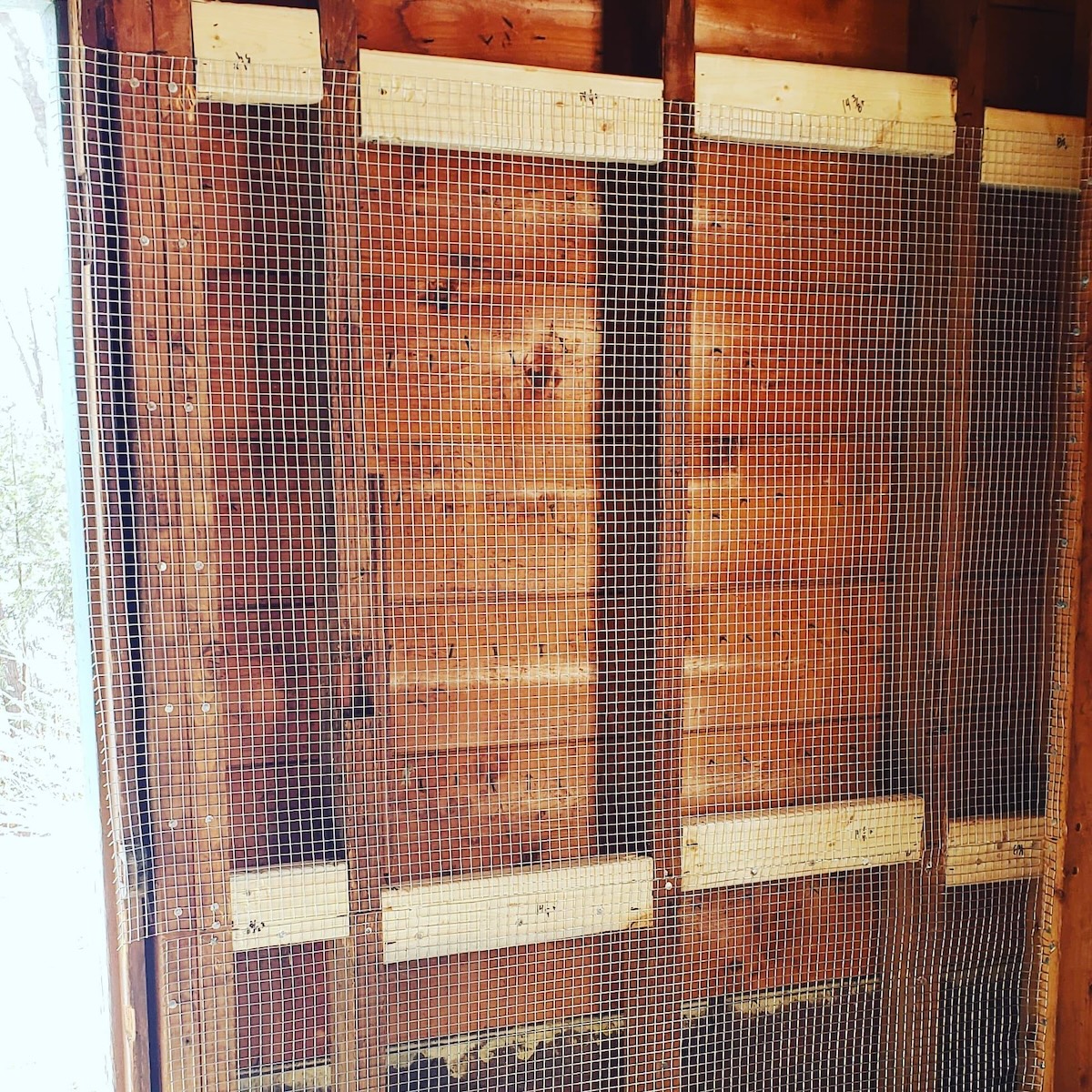
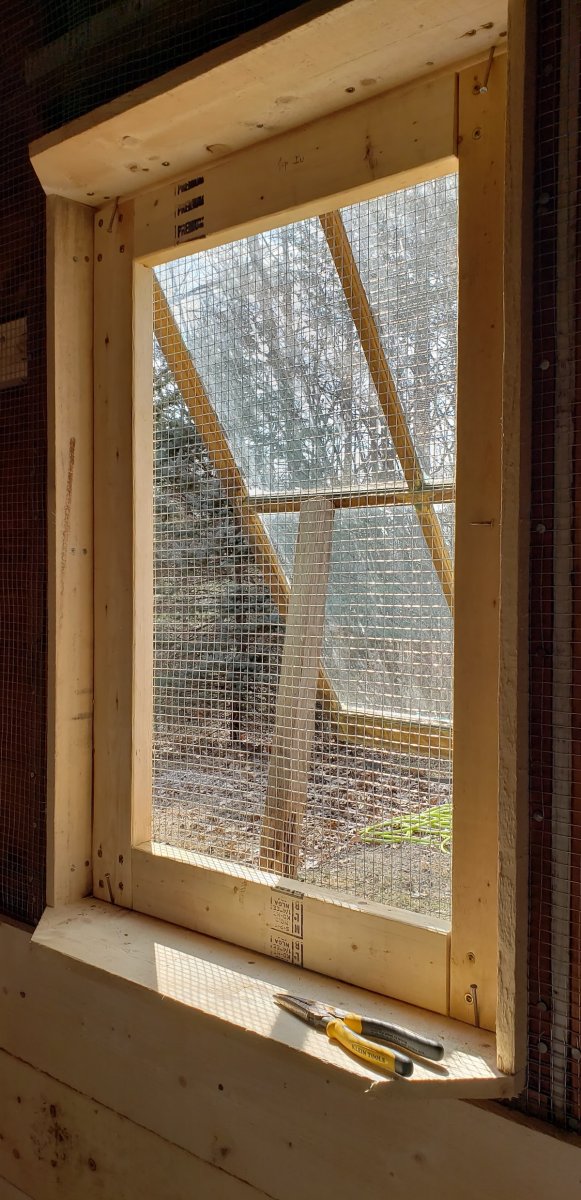
Conveniently, the shed had a sturdy cement floor, which meant predators couldn’t dig their way in, but I wasn’t fully confident that my chickens would be entirely safe from raccoons. So, I used roofing nails and staples to affix hardware cloth to the newly built chicken coop wall and door, as well as the roof of the potting shed and the interior of the existing potting shed walls. I chose to use ¼-inch hardware cloth rather than chicken wire as it’s stronger and more predator-proof and I found the roofing nails held the hardware cloth more firmly in place than the staples did on their own.
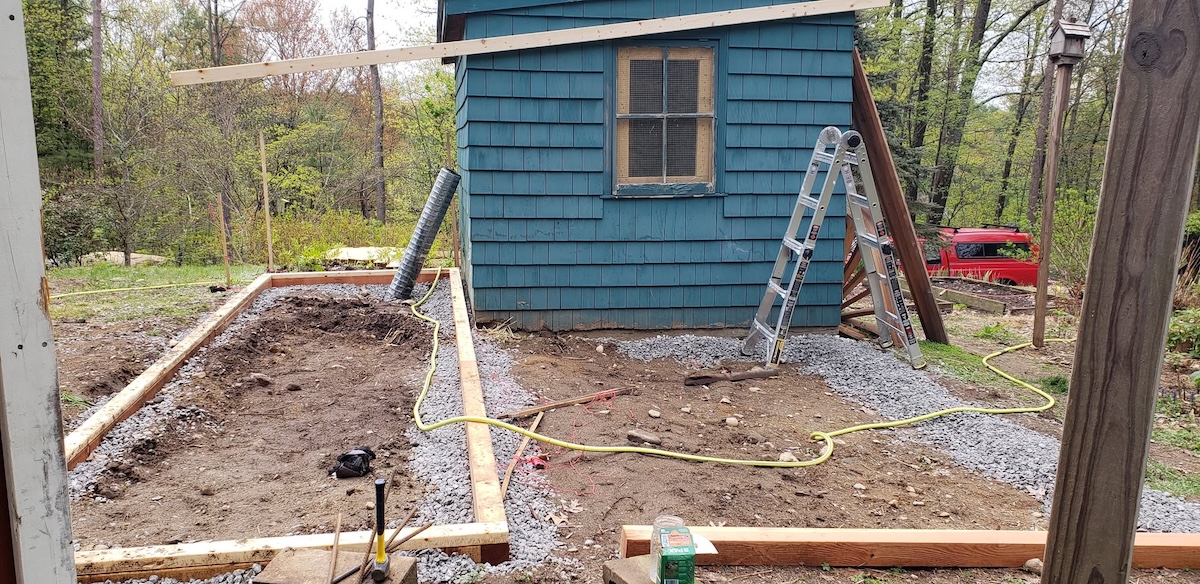
Once I’d built the main coop structure, I used scrap plywood to make a few simple nesting boxes and walkways which I mounted to the interior of the coop with brackets and screws to give the chickens more places to nest and roam. Then, I set about building the rectangular exterior run with additional 2x4s, screws, and brackets, which I built tall enough to encapsulate the potting shed window and long enough for the approximate number of chickens I intended to keep (more on that later!).
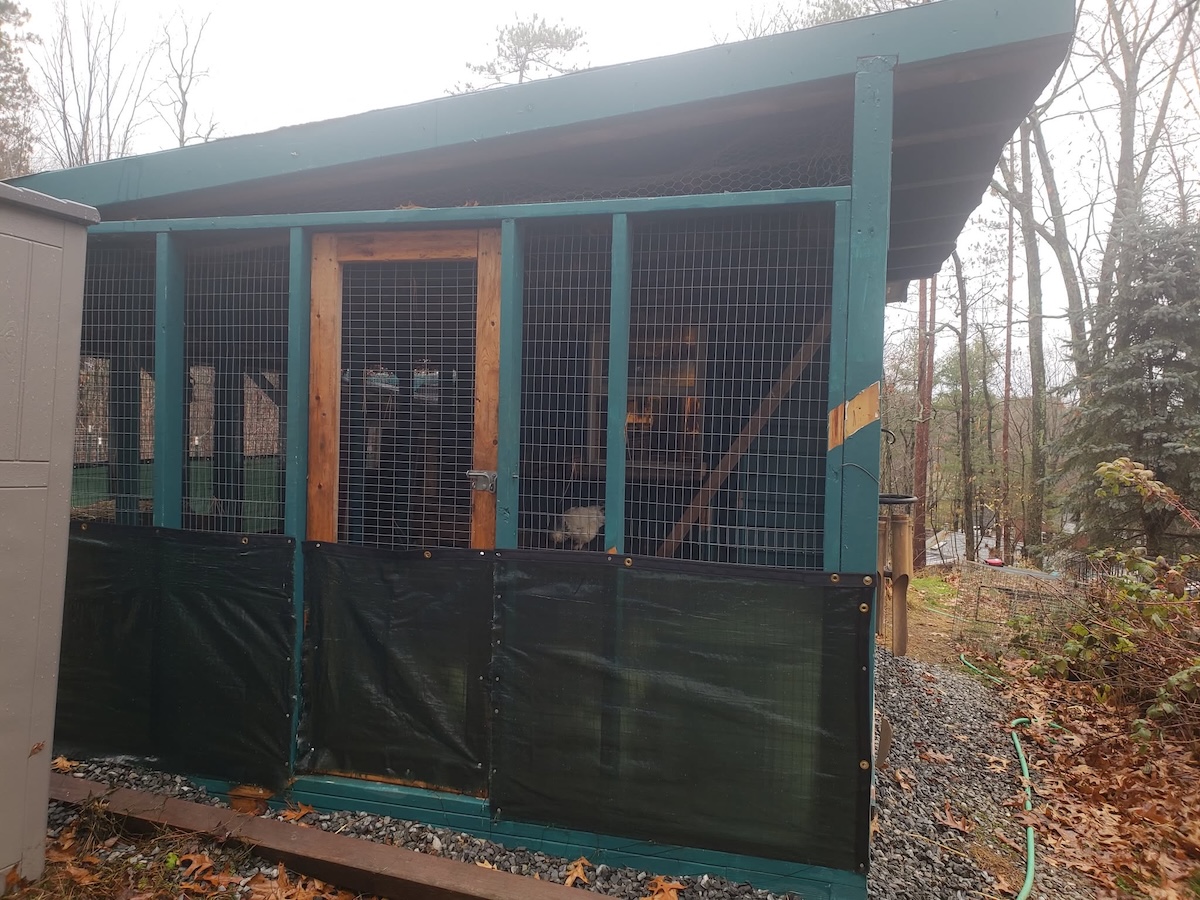
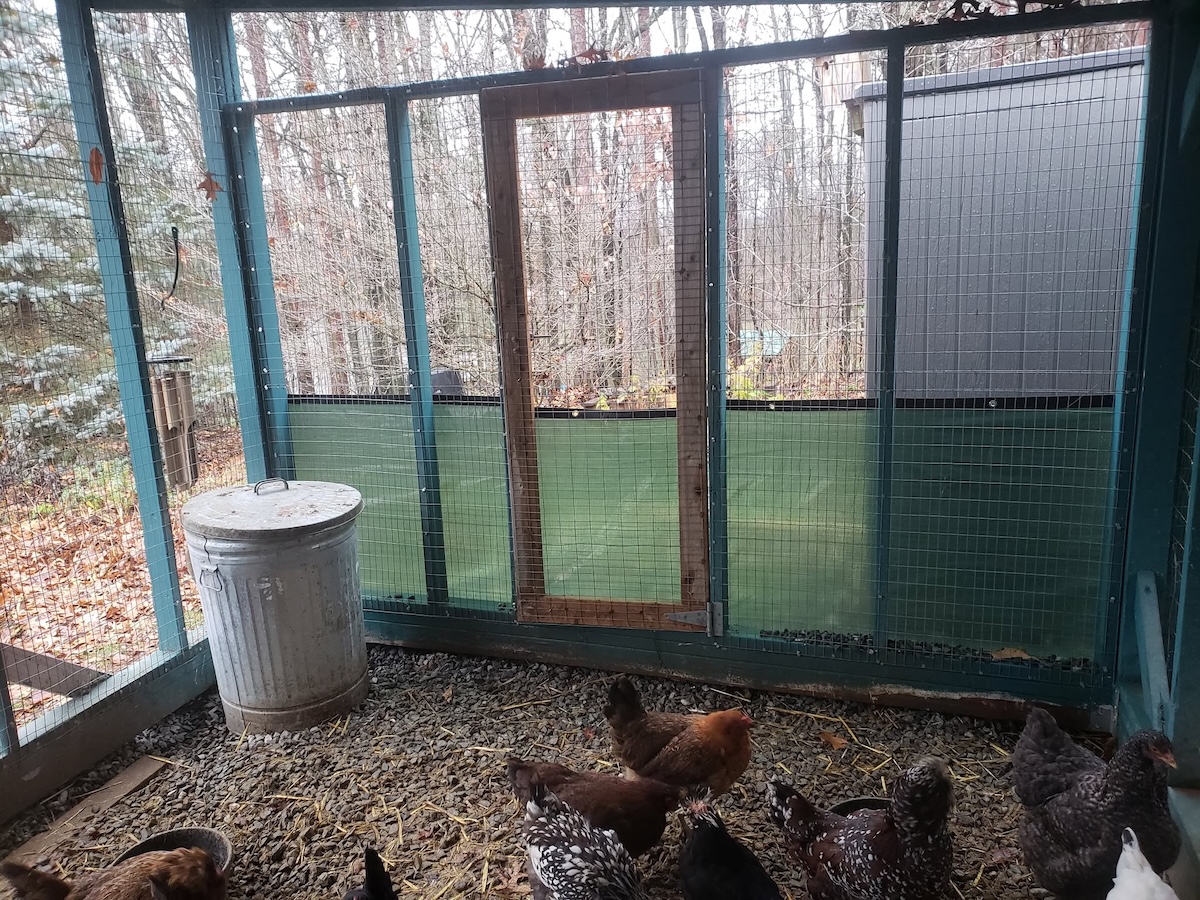
After I’d built the basic run structure, I painted the 2×4 frame with exterior grade paint and used roofing nails and staples to clad the interior of the run and roof with welded wire mesh. I decided to lay a few rolls of coated hardware cloth on the ground since it was less likely to rust than standard hardware cloth and then covered the coated hardware cloth up with about 3 inches of gravel, which I leveled with a tamper. I finished by building another simple ramp leading down from the potting shed window and into the run and secured tarping to the top of the run with stapl
Tending the Chickens
Once the chicken coop and run were finished, it was finally time for the fun part: adopting chickens. But I first needed to calculate the number of chickens that would fit in the coop.
According to my research, a single standard-size chicken needs 2 to 3-square feet of coop space or a minimum of 10-square feet of run space and bantam chickens need a little less. After measuring, I determined my coop was 5 feet by 15 feet, or 75 square feet total, while my run was 15 feet by 20 feet, or 300 square feet. That meant I could potentially keep around 20 chickens, but I settled on a mix of 15 standard and bantam hens.
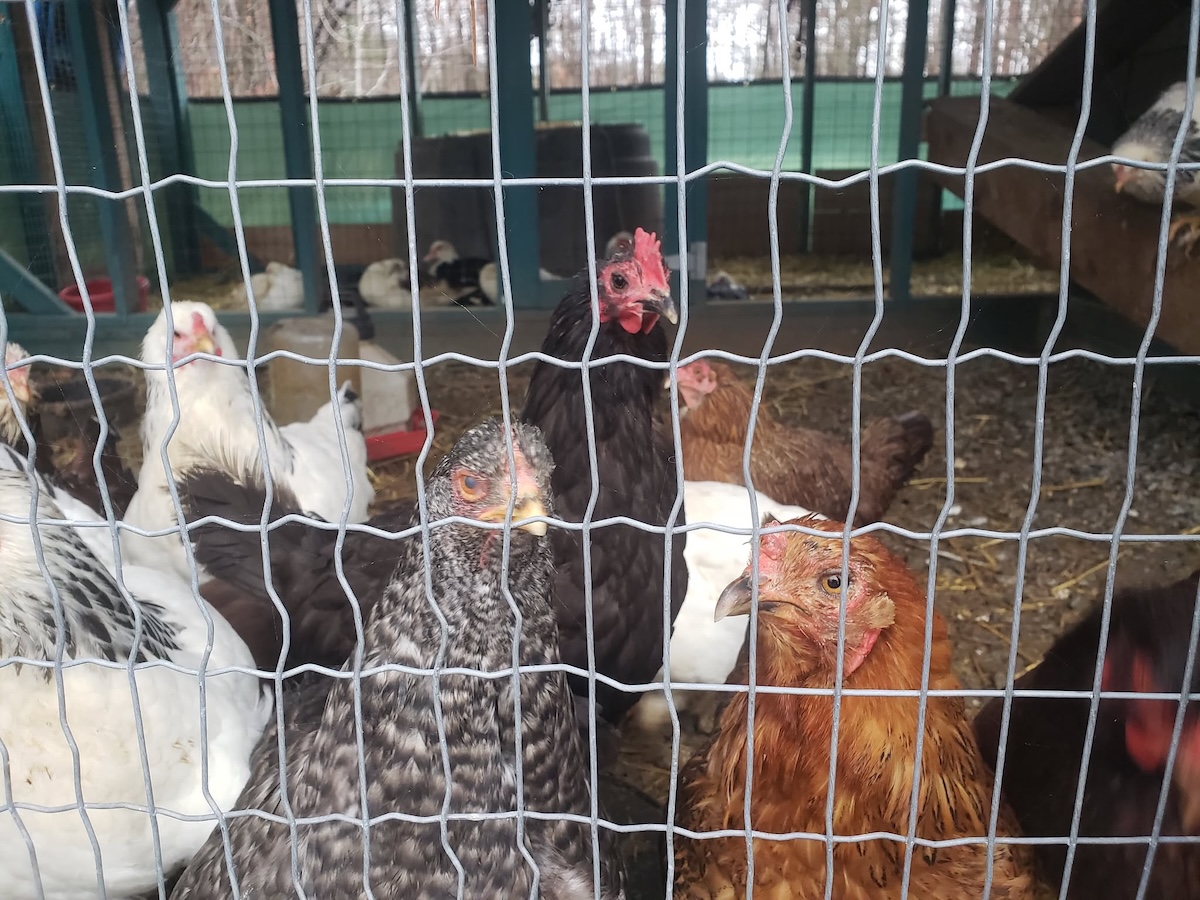
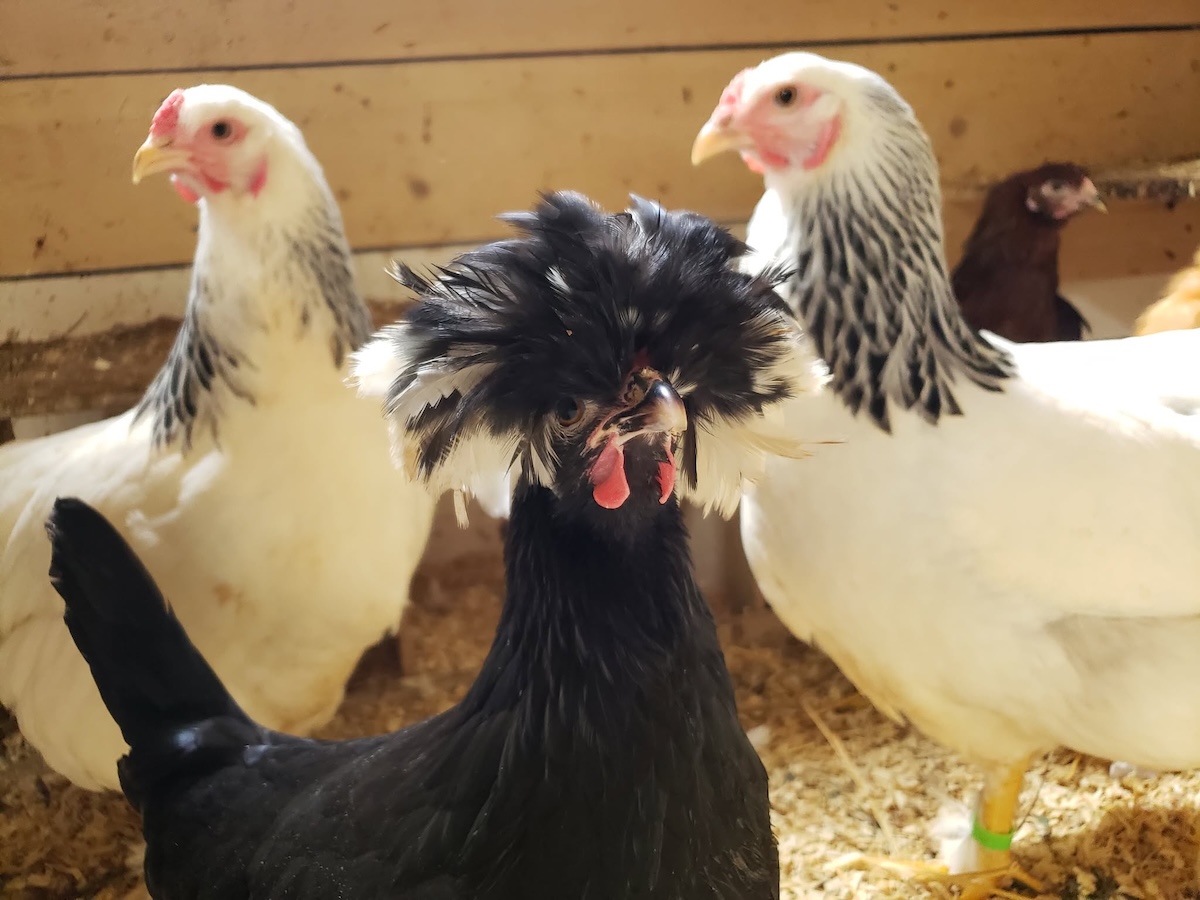
While the coop itself cost me a pretty penny, I purchased the chicks from a local breeder for about a dollar each. I then spent an additional hundred dollars on the initial chicken rearing essentials, like a heat lamp, feeders, chick feed, and a galvanized tub to keep the chicks in until they were large enough to be transitioned outside. As a life-long silkie lover, I purchased several silkie chicks, as well as a few varieties that were known for their cold hardiness and egg laying abilities, including Brahma chickens and Australorps, which ended up being my favorites.
I wanted organic eggs, so I opted for organic feed for my hens, but I didn’t notice a difference in the flavor of the eggs compared to grocery store eggs.
The Results
During the years I kept my coop, it definitely was not a profitable enterprise and I likely never recouped the costs that went into building the coop itself. Still, I learned a lot from the process and gathered enough eggs to keep my kitchen flush with them. I also fell in love with the chickens themselves, which made it all totally worthwhile.
The coop and run held up well as long as I kept the chickens, and I never had an issue with predators. The tarp roof, however, did succumb to the first snows of the season and I ended up simply removing it. While the coop was relatively warm on its own, I decided to do the deep bedding method to keep the chickens warm during the cold winter nights and it seemed to work out well.
Ultimately, I had the coop up and running for about 4 years before I moved and gave my hens to a local friend who had her own flock of chickens. I got lucky with this as rehoming chickens to good homes isn’t always easy and is something to keep in mind if you’re considering keeping a home coop.

What I’d Do Differently
From my experience, keeping chickens was not profitable but this had a lot to do with “chicken math,” which often inspires new homesteaders like me to adopt more chickens than necessary. If I’d limited myself to a smaller flock of 4 to 6 chickens, I could have built a simpler structure or purchased a pre-built coop that would have met my needs. Still, the coop I created was significantly sturdier than some store-bought coops, which is an important consideration in predator-prone areas where weaker coops may need to be bulked up with additional locks, bracing, and hardware cloth.
Aside from the size of my flock, the tarp roof on my run did not last and would have held up much better if I’d constructed the roof with corrugated plastic or metal sheeting. I also experienced rodent issues in the run which I fixed by building rodent-proof chicken feeders from PVC; however, this issue could have been prevented by using rodent-proof feeders from the start.