We may earn revenue from the products available on this page and participate in affiliate programs. Learn More ›
I acquired most of my houseplants back when I was a novice gardener, back when I still had plenty of room for more plants. Via online forums, I swapped cuttings and divisions with other gardeners who also were on the hunt for good-looking greenery. This is easy to do, and it can save everyone a pile of money.
If you’re hesitant to join to online forums (or in-real-life gardening groups), friends and relatives with extensive houseplant collections should be willing to oblige you with free divisions and cuttings—or swap you for cuttings from your plants. After all, both dividing and pruning plants can make the original plants healthier. Growing your indoor plant collection won’t take long if you start clipping and cutting these easily propagated houseplants.
1. ZZ Plant (Zamioculcas zamiifolia)
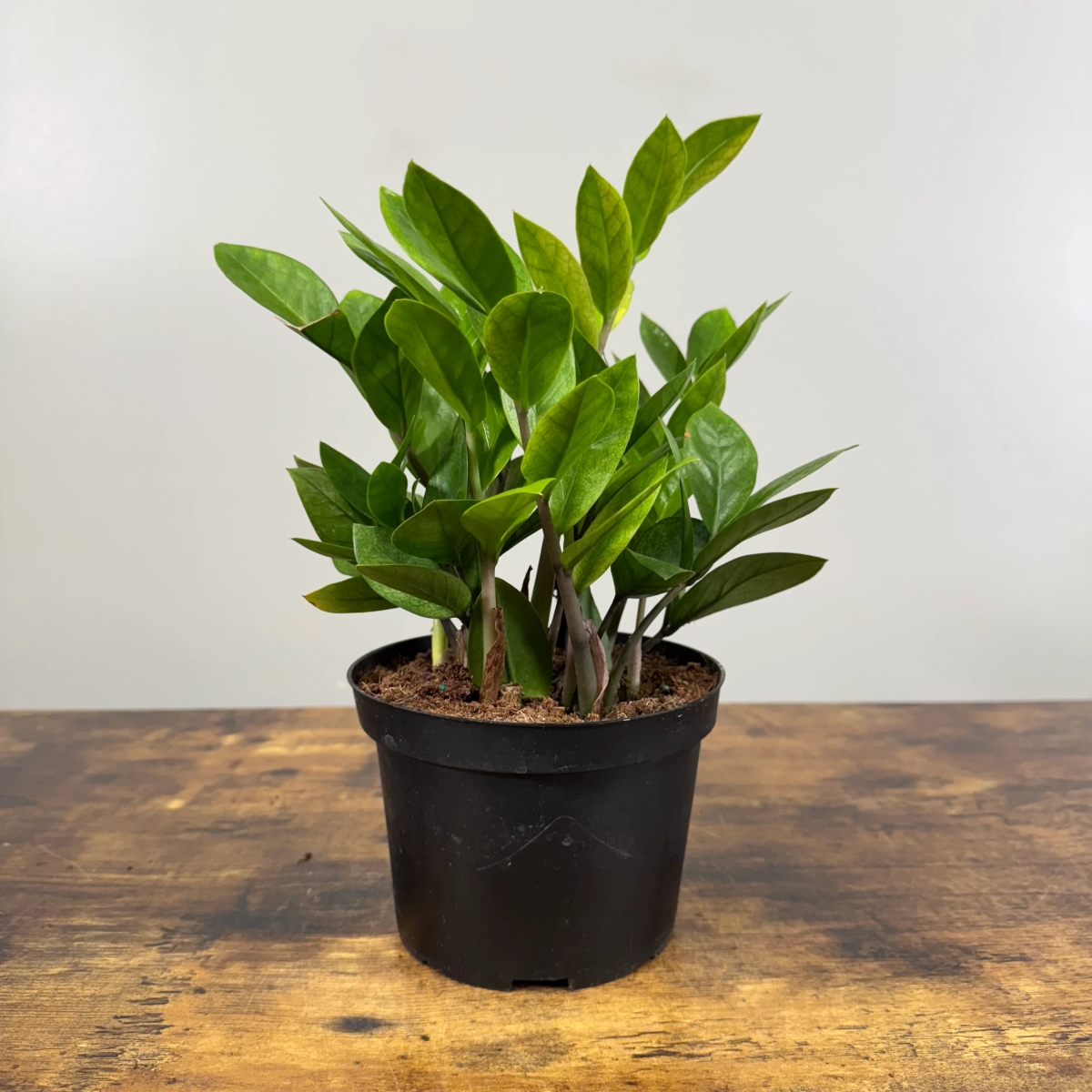
Before I attempt to propagate a houseplant with cuttings, I consider whether the parent plant really is a single plant or actually several crowded together in the same pot for a fuller look, which often is the case with the ZZ plant. Though its name might sound like a snorefest, this exciting modern plant is easy to divide. Simply lift it from the pot and gently tug its potato-like rhizomes just below the soil apart before giving each specimen its own container full of potting soil.
2. Burn Plant (Aloe vera)
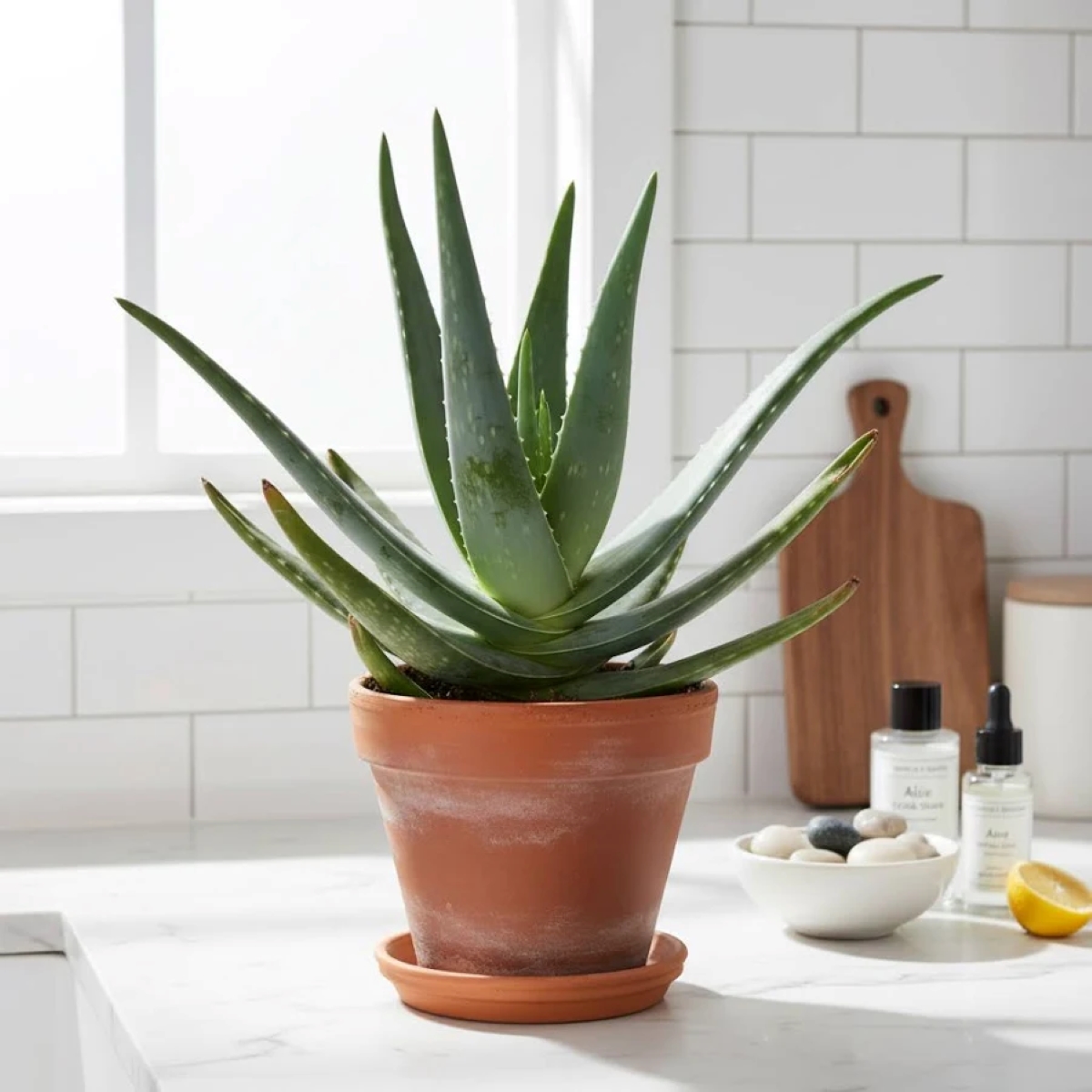
Aloe vera, or burn plant, does all the work of propagation for me by whelping “pups” around its base. They can be weaned from their mother, each to be top dog in its own container, though I usually let her keep a few mama’s boys. I accomplish this type of division by easing the root balls apart, using a sharp knife to slice where necessary, before potting the smaller ones up in a separate container or containers.
3. Queen’s Tears (Billbergia nutans)

As with succulents, some bromeliads like Queen’s Tears make offsets, this one so much so that it often is called the “friendship plant” for the ease with which we gardeners can share it. Keep in mind that the original queen will die after she flowers. Hence the tears, which actually are droplets of nectar in those blooms. I’d divide the plant’s offshoots and repot the heirs to the throne when they are 6 inches tall.
4. Spider Plant (Chlorophytum comosum)
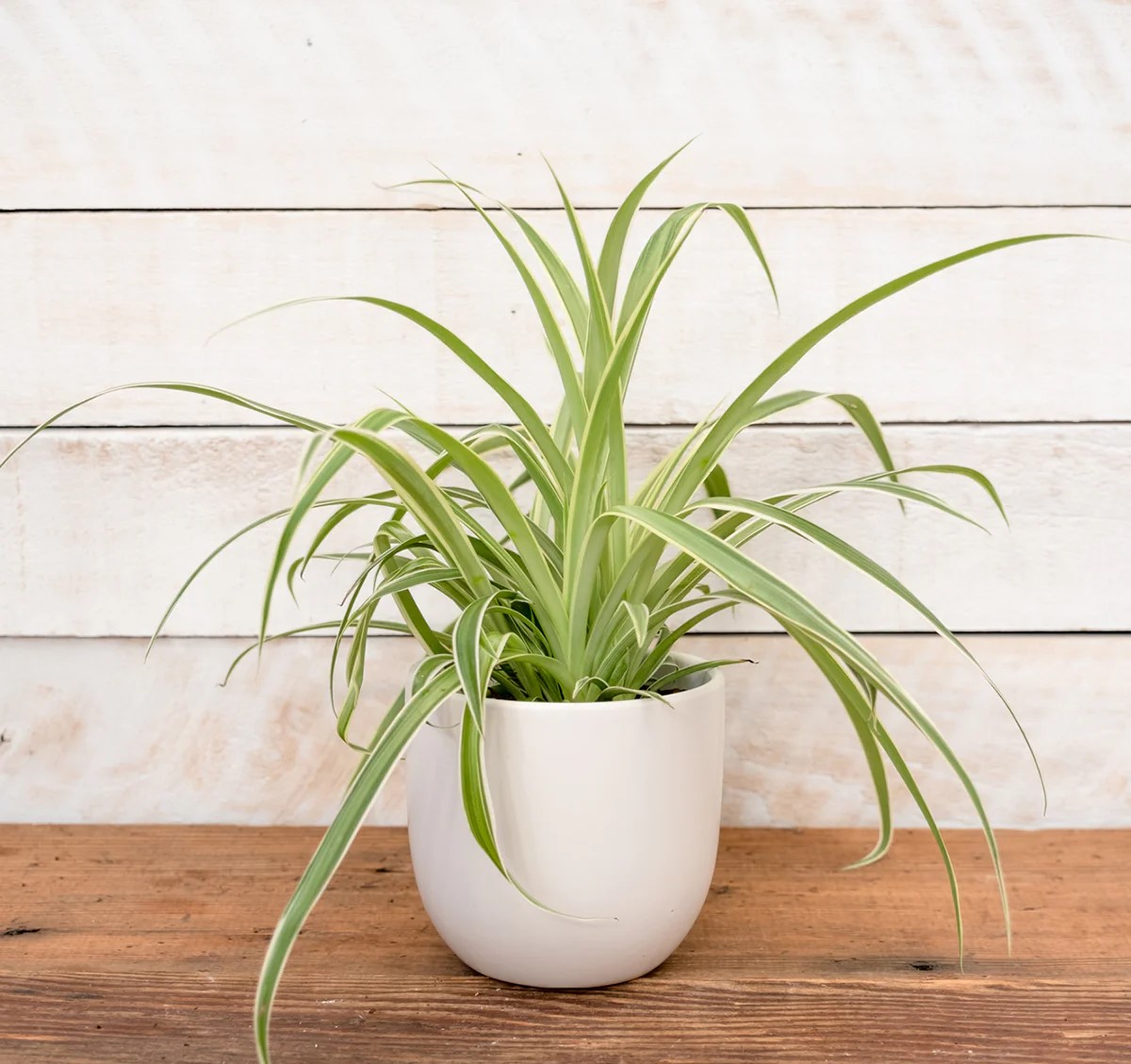
The spider plant also makes babies, but hers dangle from her “apron strings” (runners called stolons). I encourage a spiderling to put down roots of its own by setting a small container full of potting soil beside the mother plant, after which I bend a stolon and pin a plantlet—with its knobby base down—onto the surface of the soil with a landscape staple. If I leave it in place until it becomes rooted to the spot, I then can cut its apron string.
5. Mother of Thousands (Kalanchoe daigremontiana)
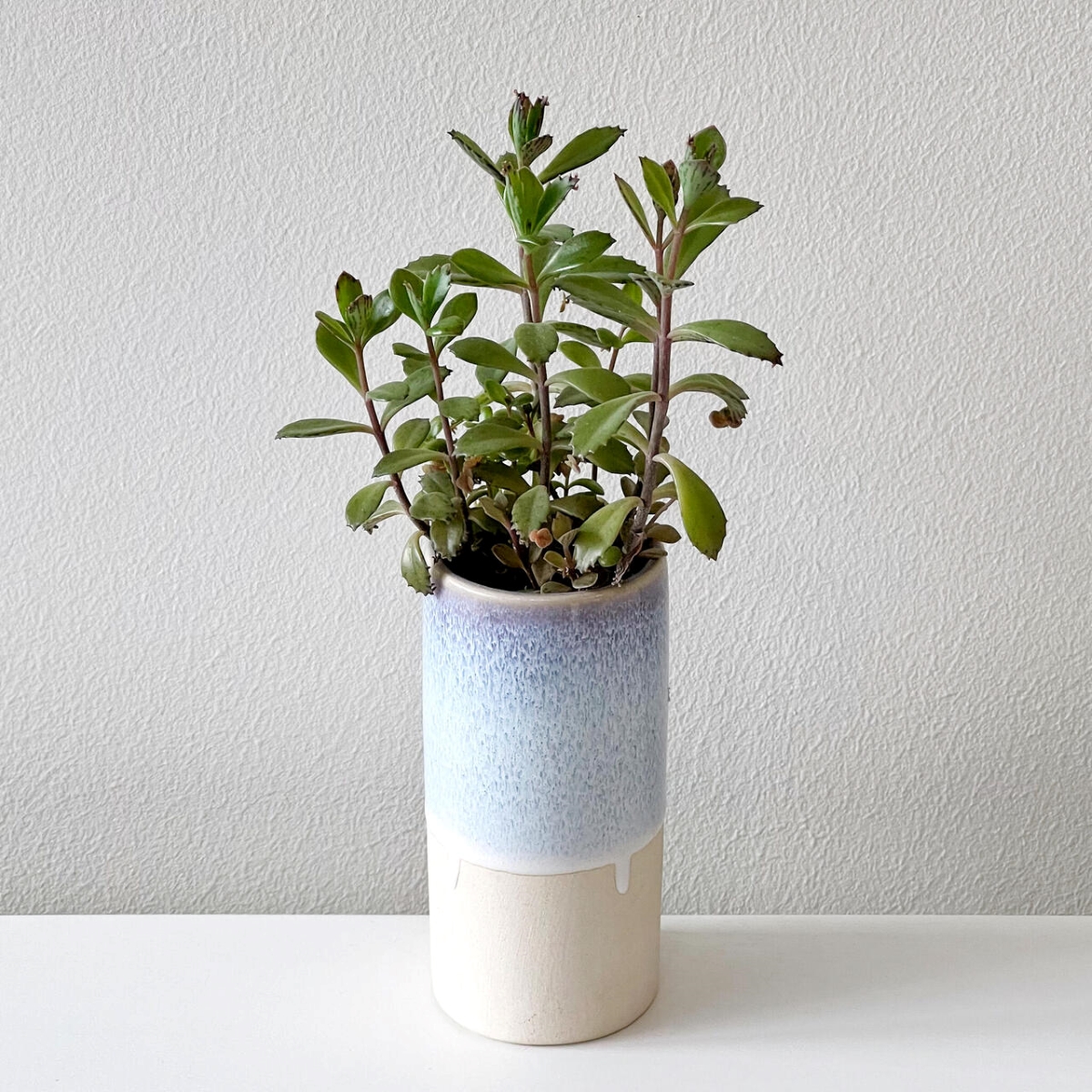
This kalanchoe wears children like ruffles around the edges of its leaves and those offspring often develop roots while still attached, and opportunistically drop into the soil of other nearby plants. Not a nurturing parent, this mother actually inhibits the growth of babies located in the same pot as mom, while those babies can have a similar allelopathic effect on other plants. So a friend probably will be happy to dig some up for you. Just place them in cactus potting soil and keep them away from your other plants.
6. Flaming Katy (Kalanchoe blossfeldiana)
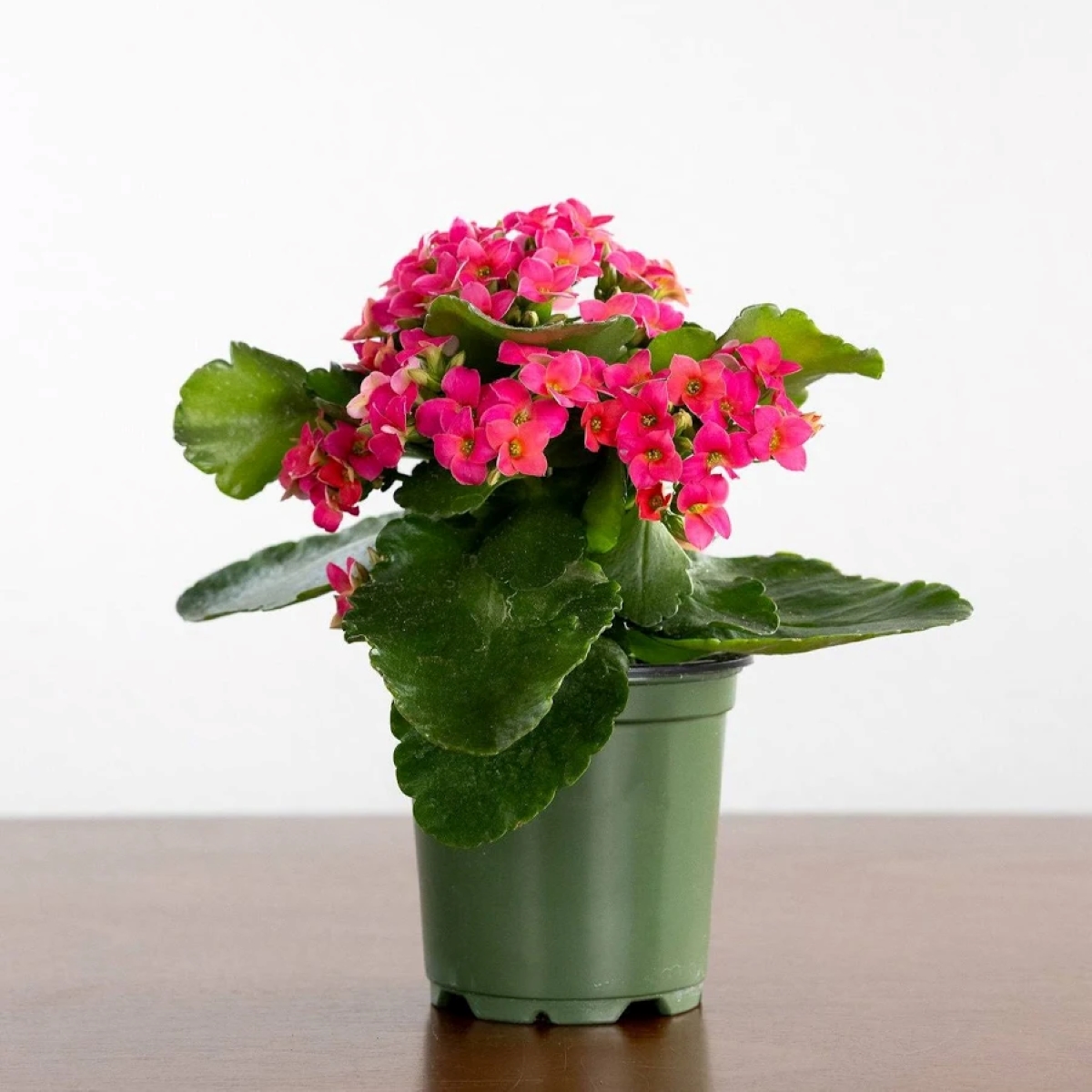
Another type of kalanchoe, Katy can grow lanky after blooming, but often considerately makes new roots at her joints (called adventitious or aerial roots). I sometimes cut one of those stems off below the roots and position it in a pot of cactus potting mix so that the roots are beneath the surface. I’ve also placed a cutting without roots in a juice glass containing an inch or so of water, keeping it in bright indirect light until it produces roots.
7. Swiss Cheese Plant (Monstera deliciosa)
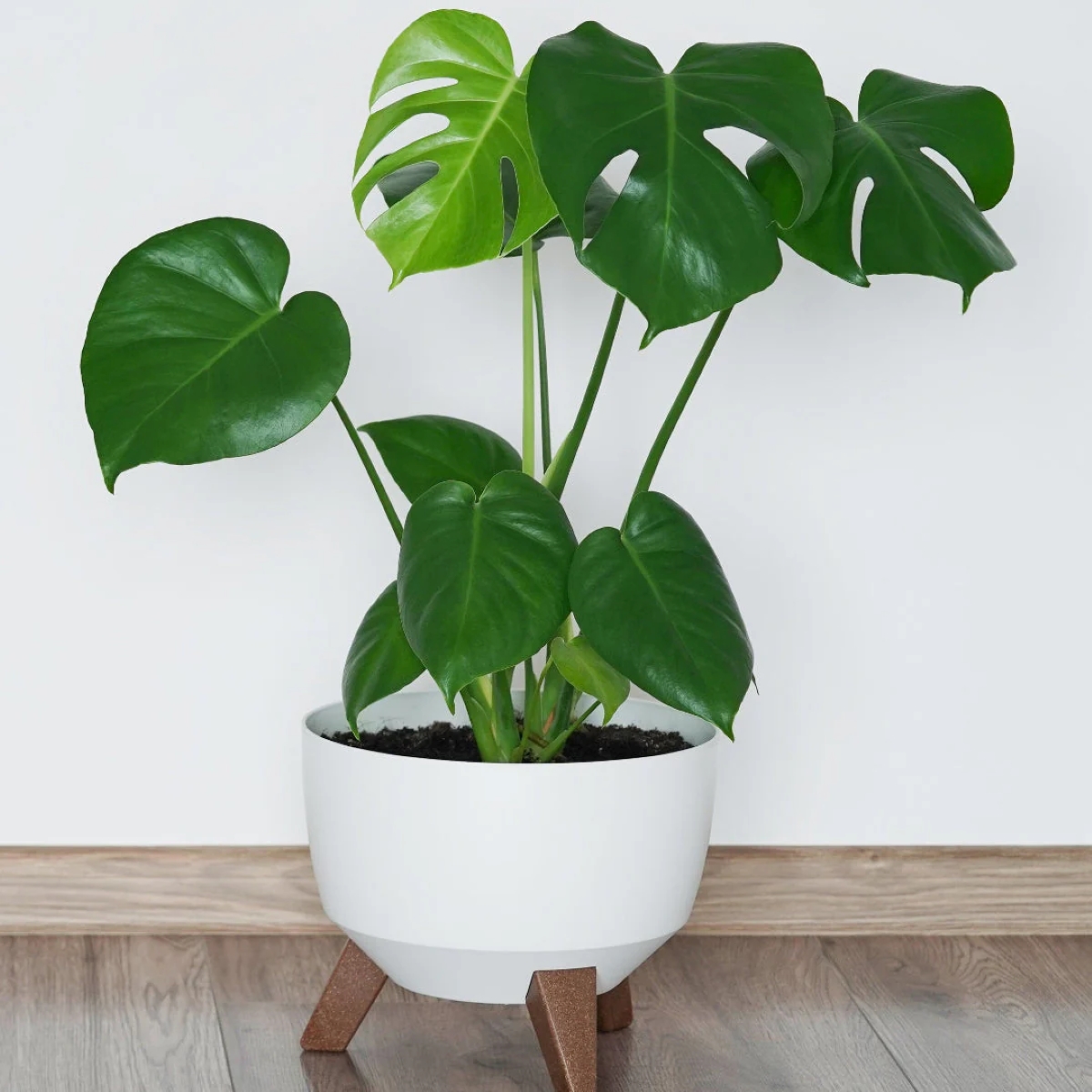
Speaking of aerial roots, the highly popular monstera, or Swiss cheese plant, also makes those—or at least nubs that are the beginnings of roots—in its leaf nodes. Although NUB stands for “non-useful body” in the Navy, it reportedly can be the “natural useful beginning” of a new monster plant, too. If you take a 4- to 5-inch cutting, strip off its lower leaves, and place it in a transparent glass of water, the nubs on the stem should root for you.
8. Coleus (Plectranthus scutellarioides)
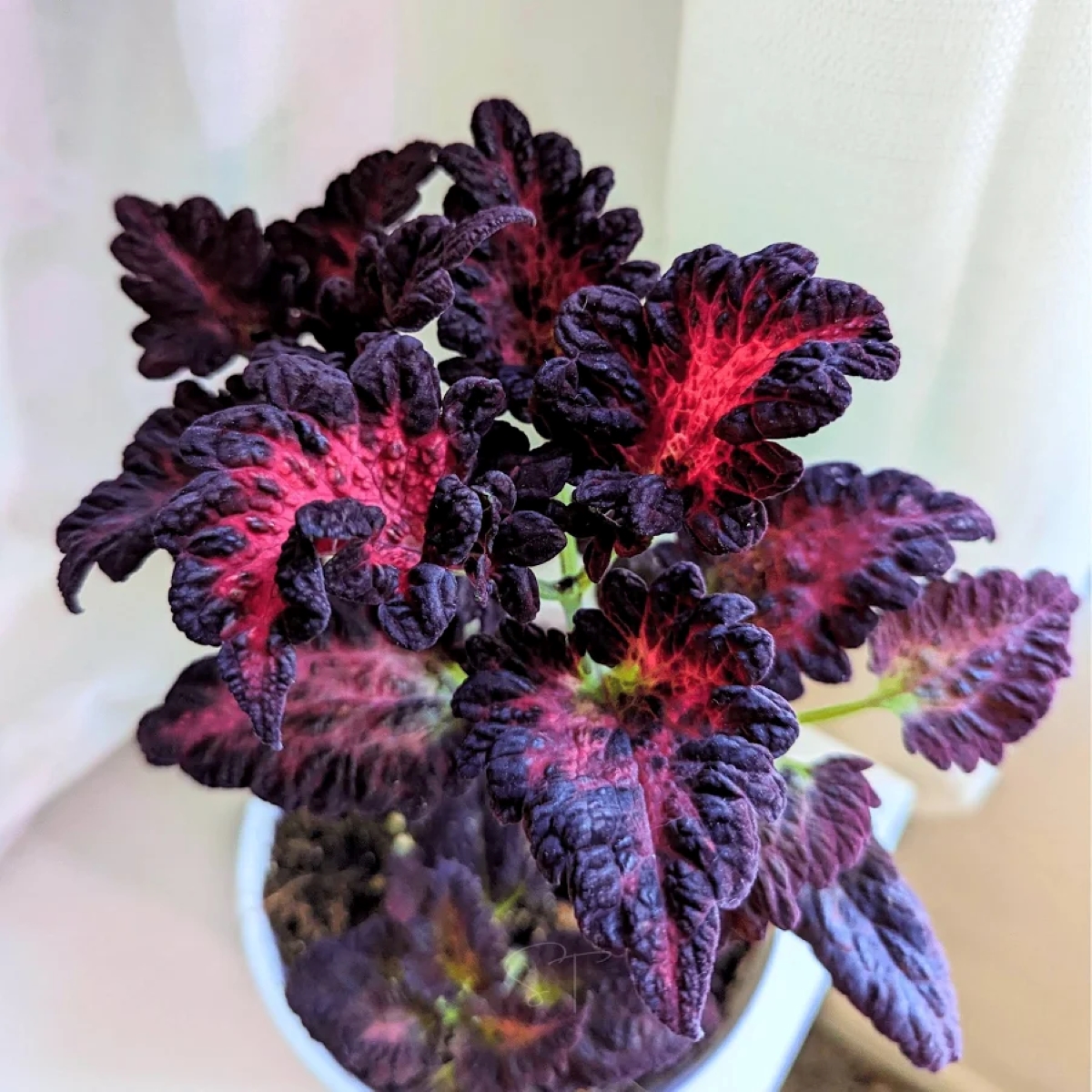
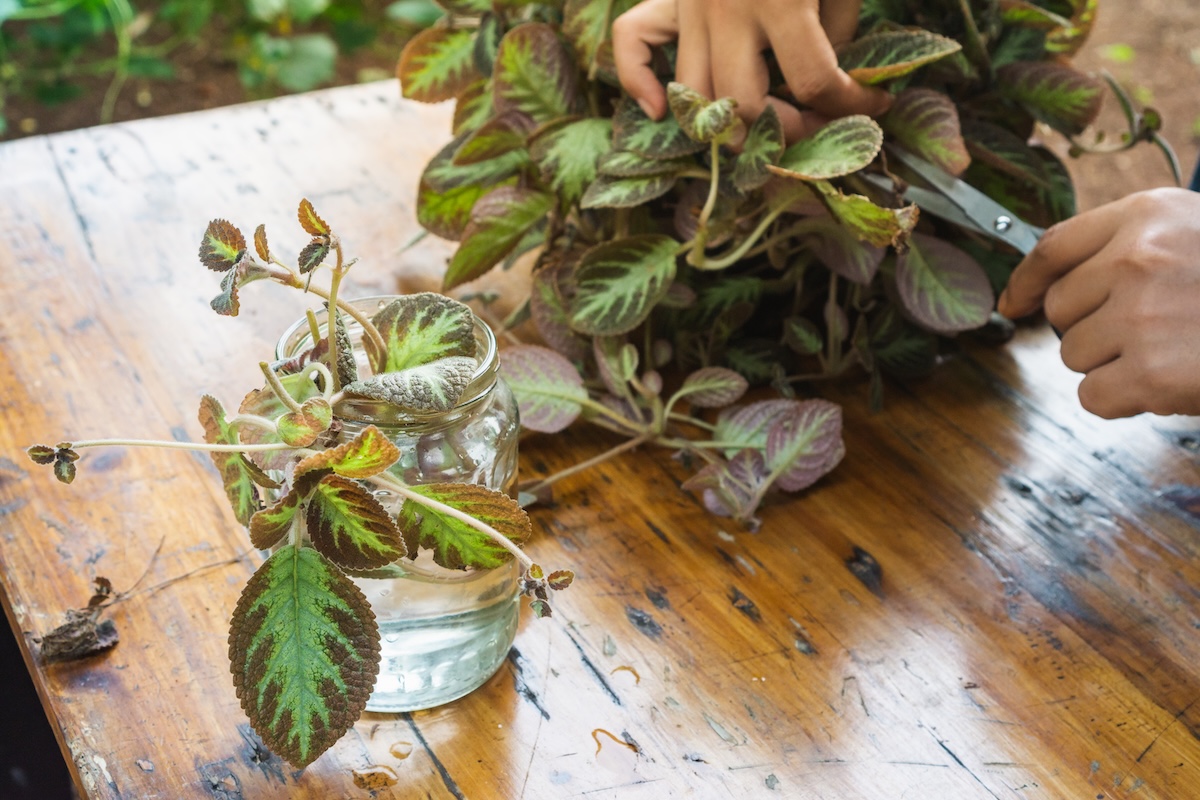
Multihued coleus roots quickly in water. I take a cutting 4 to 6 inches long, snipping it between two leaf nodes before I remove the lower leaves, allowing no more than four near the tip to remain. I then place the cutting in a transparent juice glass or jelly jar and add enough water to cover a couple nodes at its base. If kept in bright, indirect light, the cutting should root in a couple weeks.
9. Begonia (Begonia spp)
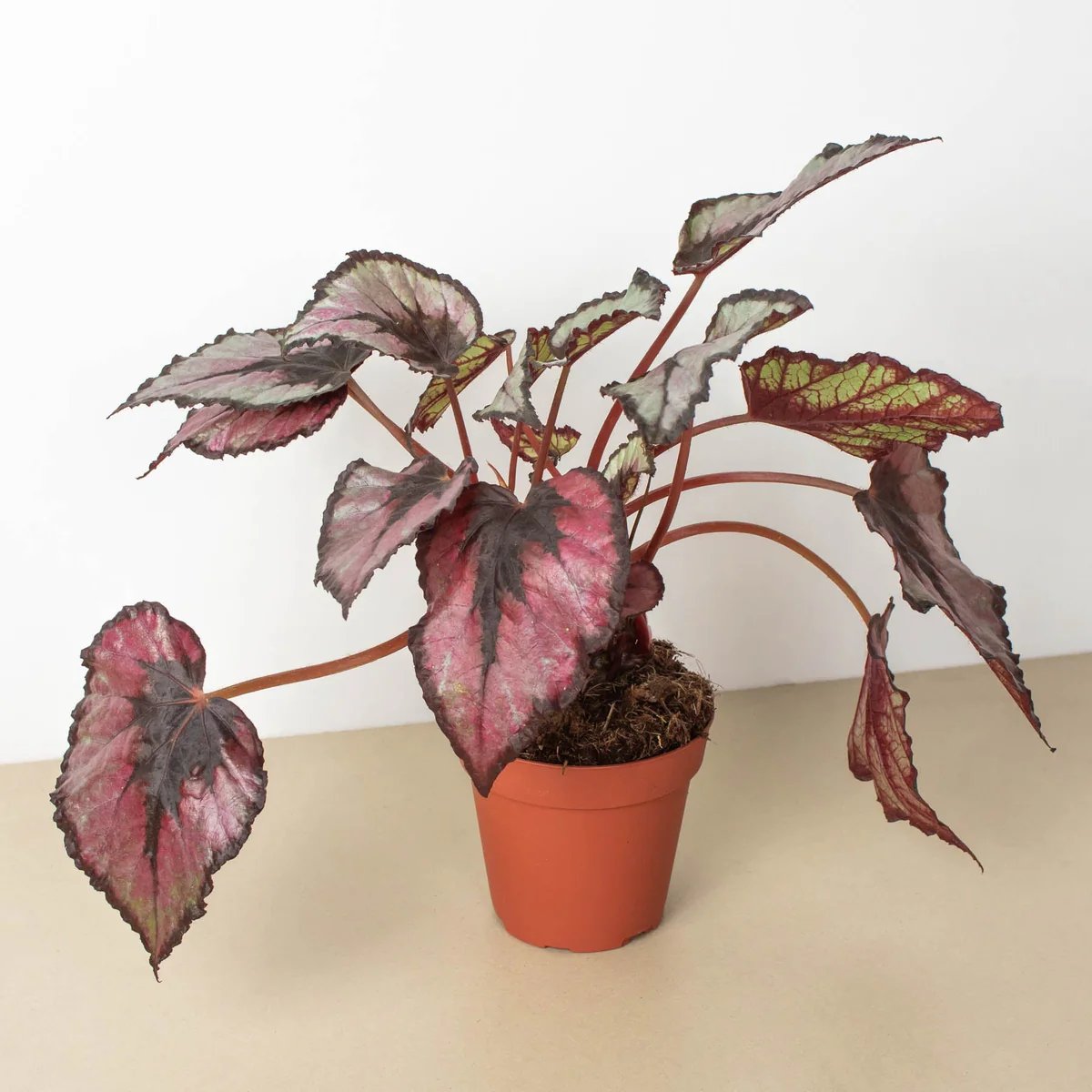
Wax begonia roots easily in water under the same conditions coleus does. In fact, almost all begonias get to the root of the matter quickly, though I’ve heard you should follow a different procedure for the large-leafed Rex type. Although this sounds cruel, you’ll need to detach a large leaf and slash its veins in the back before pinning the leaf face-up to the surface of damp potting soil with stones or T-pins. Make each ½-inch cut across—instead of parallel to—a main vein, and mini-Rexes should pop up through the holes eventually.
10. African Violet (Streptocarpus ionantha)
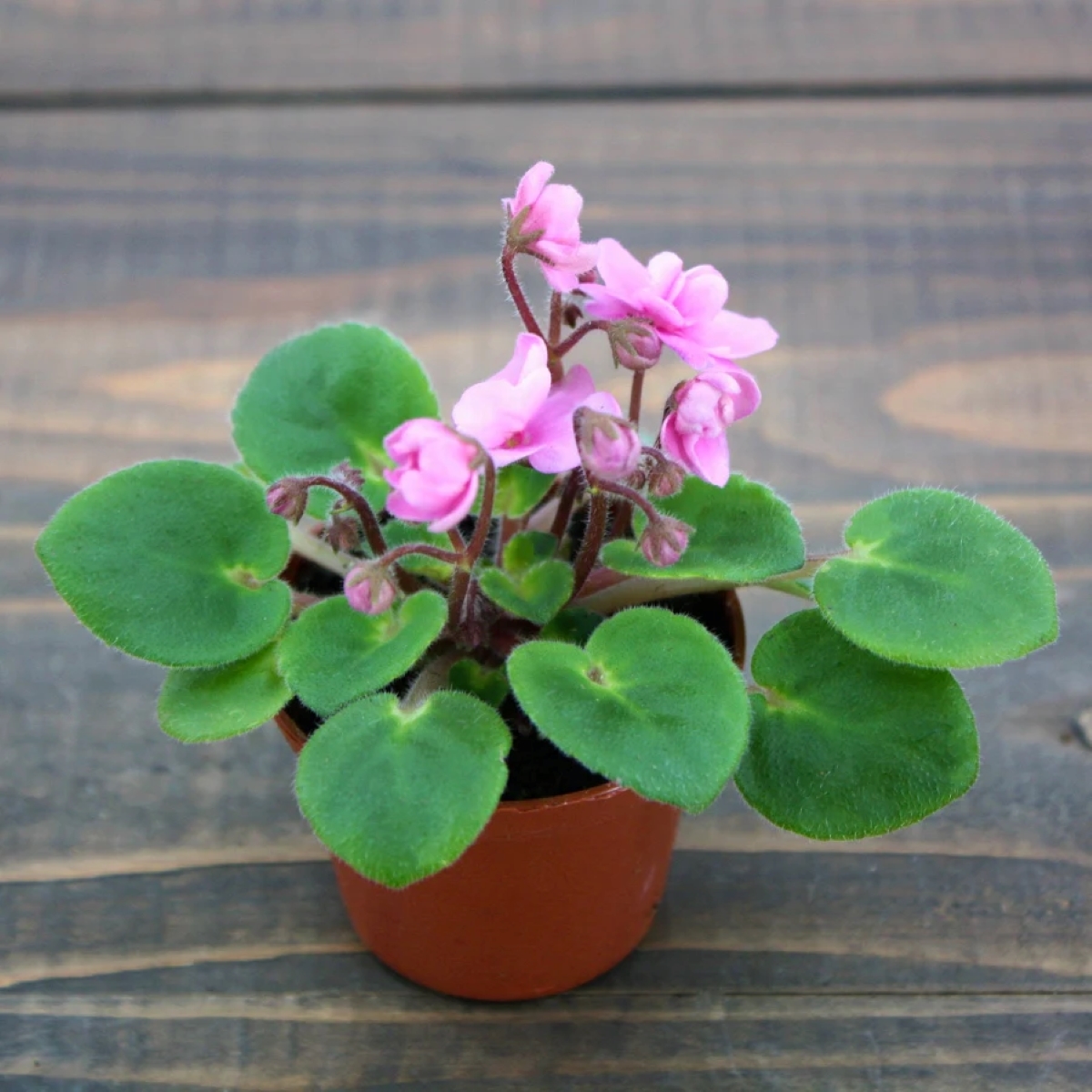
Speaking of leaves, you can take a leaf from your grandmother and root it to produce a new African violet. To do that, I fill a small juice glass nearly to its top with water and cover it with a small piece of aluminum foil. I then punch a hole in the foil with a pencil and suspend the leaf in the hole so that its ½-inch-long stem dangles into the water where it makes roots while the fuzzy leaf remains safely above the sogginess.