20 Plants That Thrive Even When Temperatures Rise
Does your garden wither and wilt as the mercury climbs? Give your landscape every chance of success with these plants that withstand scorching temperatures.


Does your garden wither and wilt as the mercury climbs? Give your landscape every chance of success with these plants that withstand scorching temperatures.
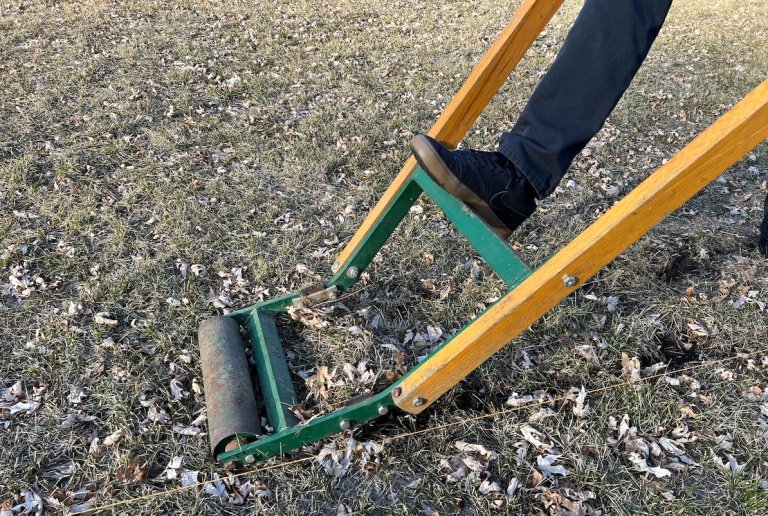
Removing grass from large areas of lawn goes more quickly with a sod cutter.
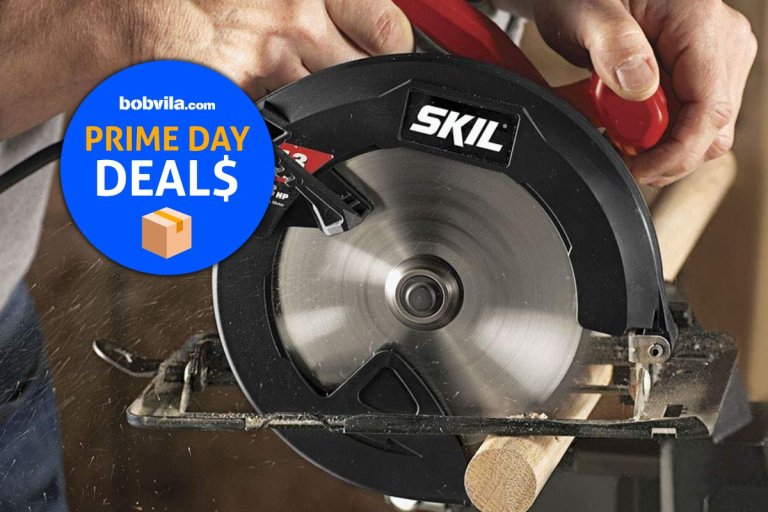
Early Prime Day discounts are already live on drills, impact drivers, miter saws, routers, sanders, nailers, shop vacs, and other workshop favorites from DEWALT, Bosch, Milwaukee, SKIL, Metabo HPT, and more.
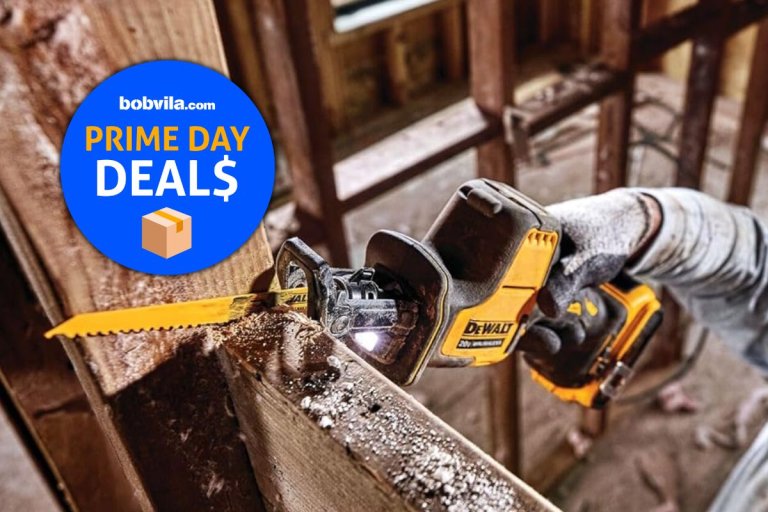
Prime Day doesn’t officially start until June 23, but Amazon is already dropping prices on DeWalt drills, saws, sanders, batteries, and jobsite essentials.
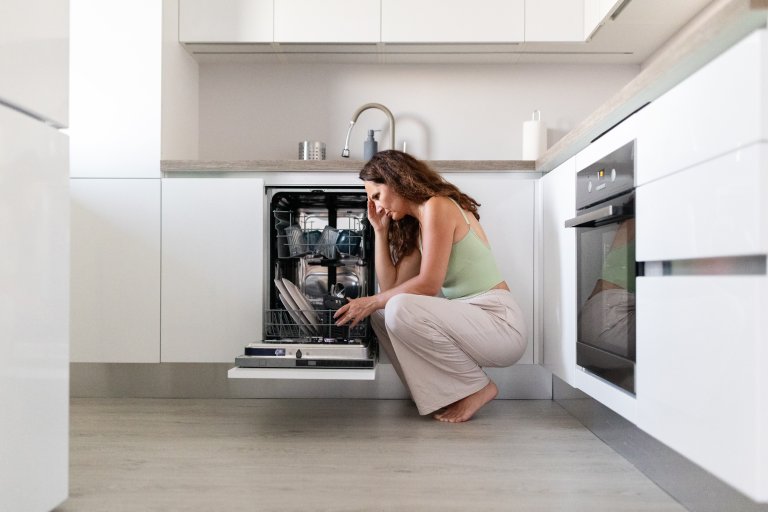
Add this quick chore to your schedule to prevent a foul-smelling plumbing disaster in your kitchen.

Well-made outdoor cushions crafted from high-quality materials offer comfort in attractive, durable packages.
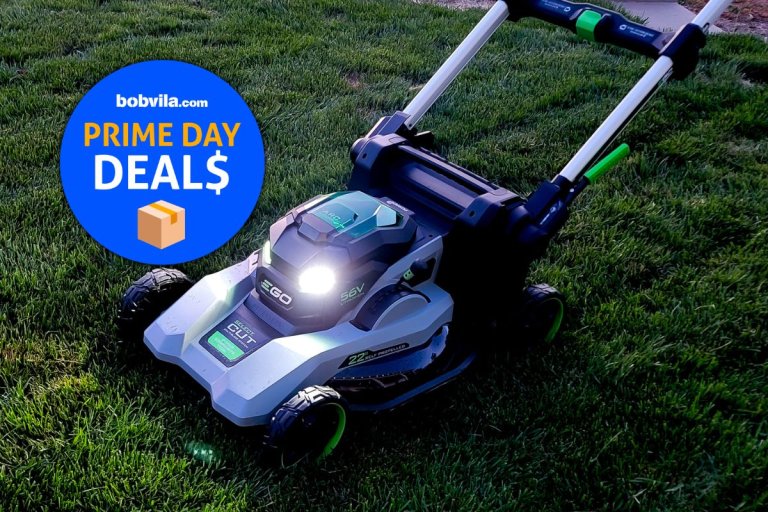
Some of EGO's best cordless yard tools are already discounted ahead of Prime Day, including a self-propelled mower for $150 off and a leaf blower for under $130.

It saves me time, space, and frustration.
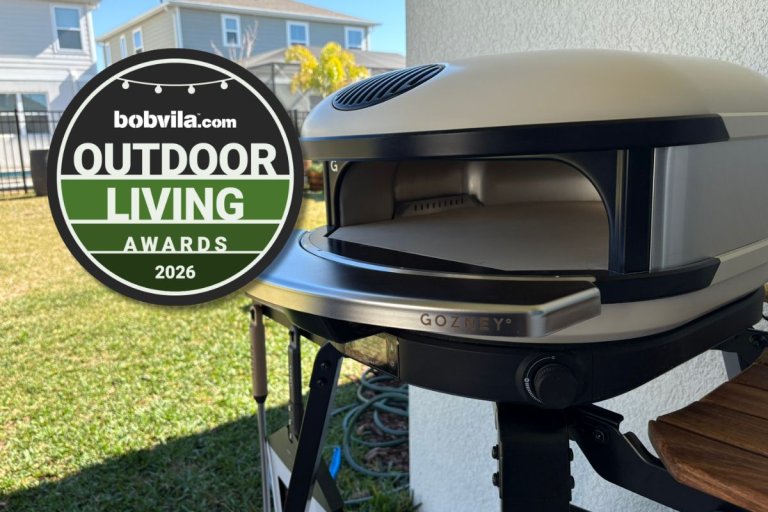
After yet another year of extensive testing, we’ve narrowed down hundreds of products to just over 2 dozen that are absolutely worth buying.
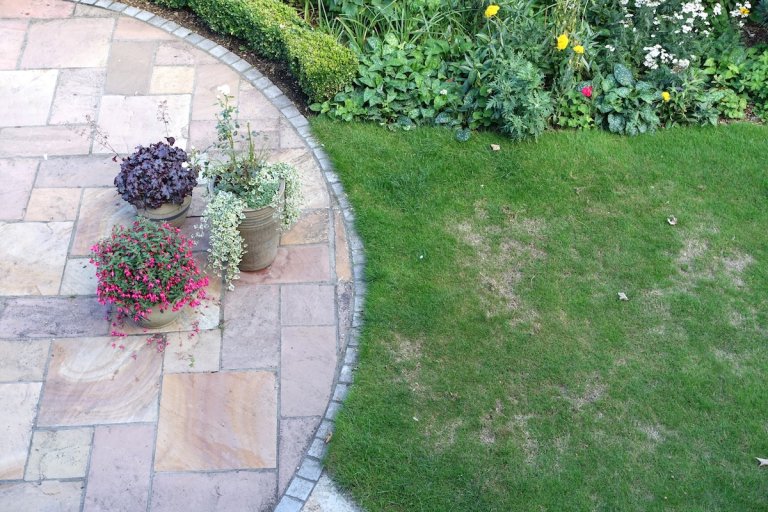
The road to a lush, green lawn is fraught with obstacles like bare spots and brown grass. We’ve broken down all the possible causes of bare spots in a lawn—and what can be done to repair those unsightly patches.
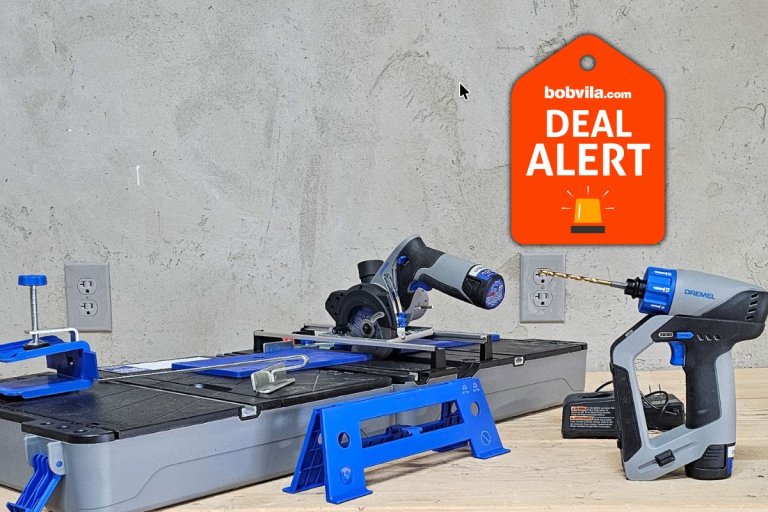
Save on Bosch laser levels, batteries, rotary hammers, drill kits, sanders, and Dremel’s Blueprint multi drill before Father’s Day.
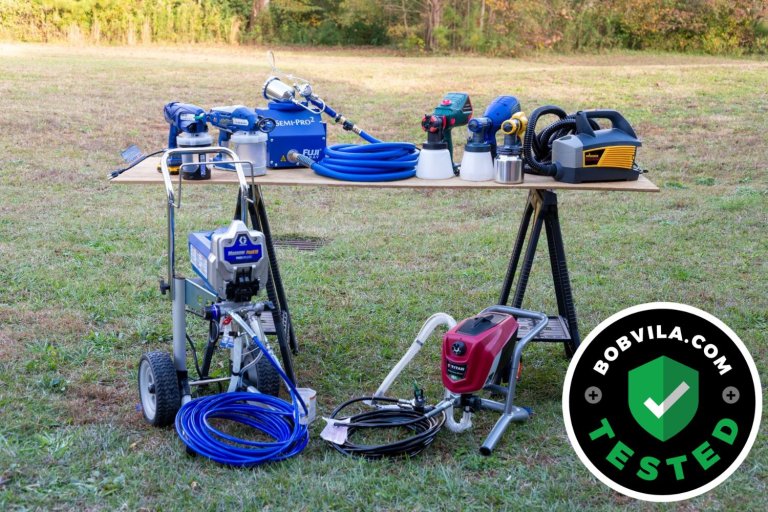
HVLP and airless paint sprayers are designed to lay down quick, even coats for a consistent finish—but not all models are created equal.
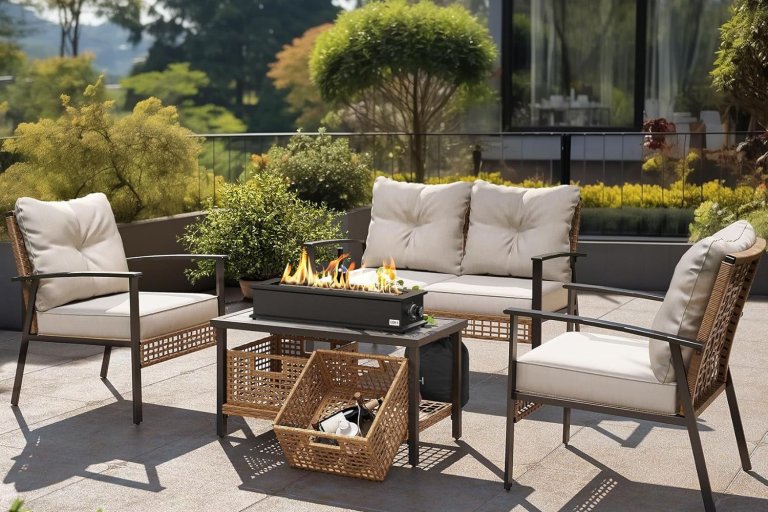
Make your yard, patio, and garden reflect your tastes without blowing your budget with these attractive upgrades.
Lowe’s Father’s Day sales event lets shoppers score a free Bosch cordless tool with the purchase of an 18V battery kit.
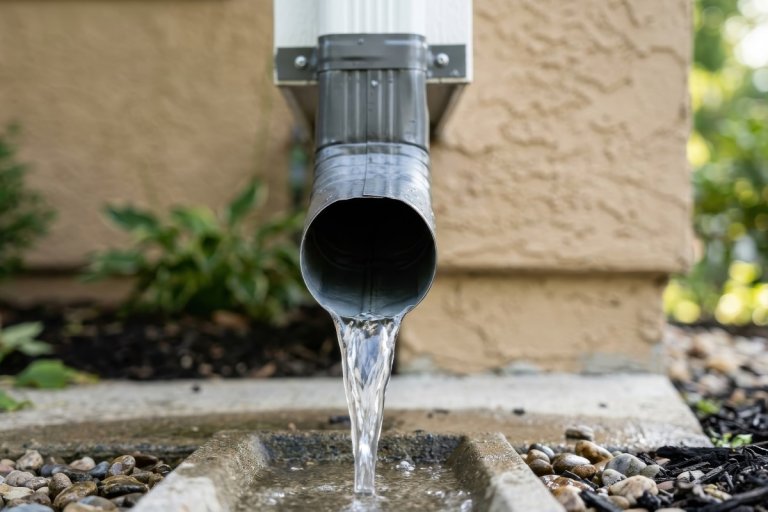
Your downspout usually isn’t enough to drain water away from your home’s foundation.
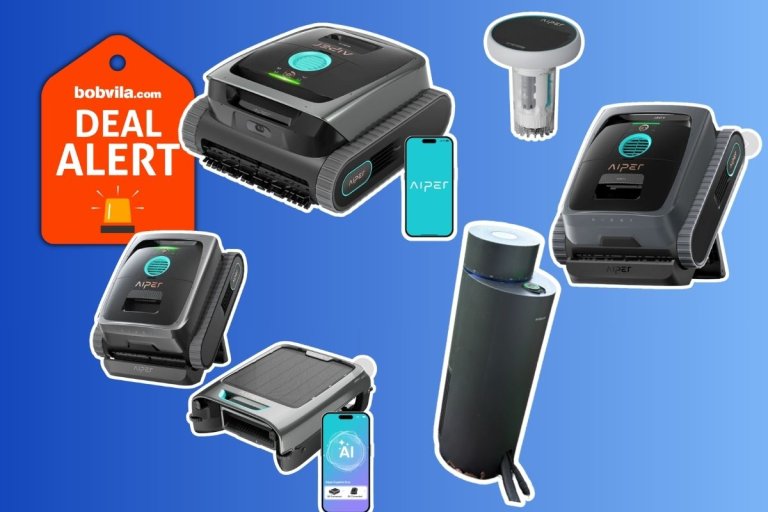
Start swim season with less skimming, scrubbing, and manual vacuuming thanks to summer deals on Aiper cordless robotic pool cleaners.
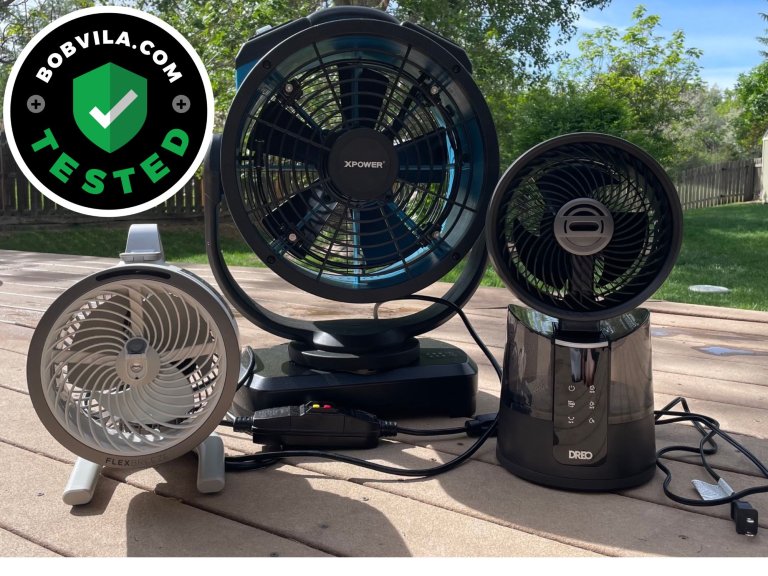
No AC? No problem. Stay cool outside so you can cut down on electricity costs inside.
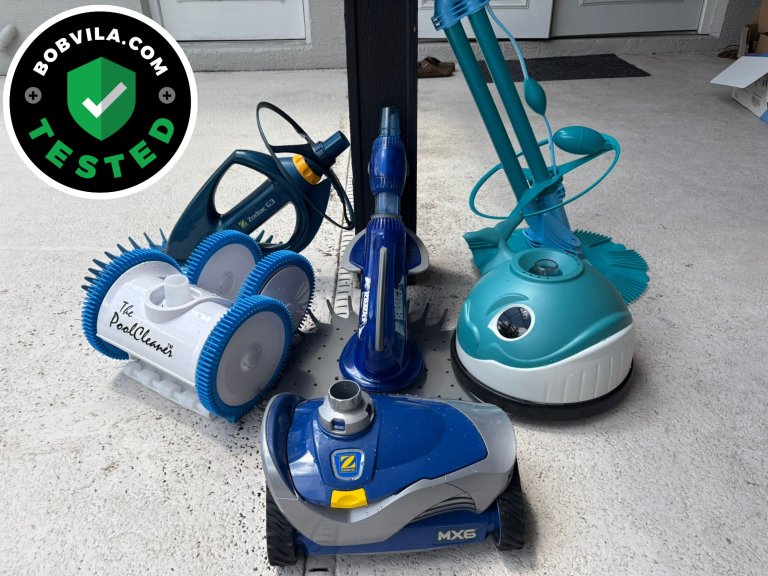
Some cleaned better than expected, some struggled to climb walls, and one quickly became our clear favorite after weeks of pool testing in Florida.
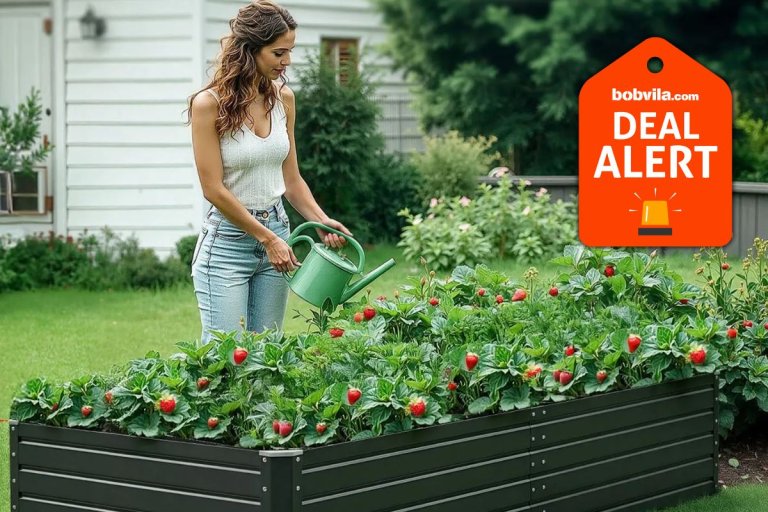
Vevor’s’s Summer Sale is offering up to 40% off tools, gardening gear, workshop equipment, and outdoor essentials. Shoppers can save an extra 12% with code VVBSSUS12.
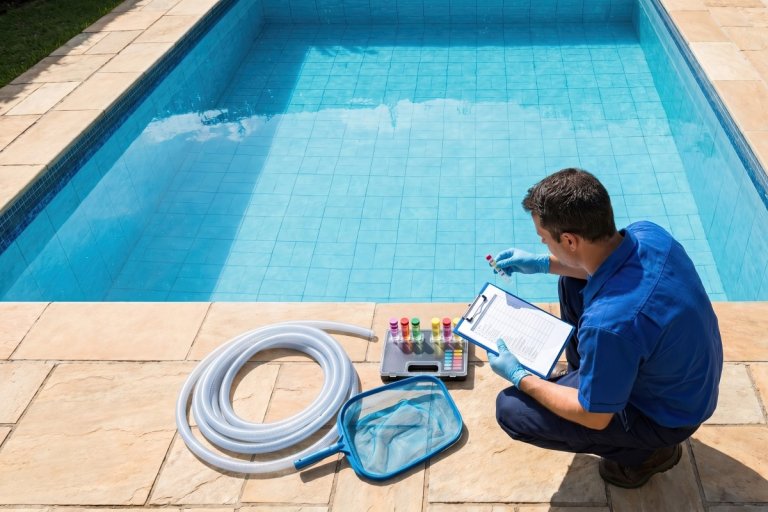
Treating your swimming pool with shock can kill algae, clear cloudy water, and keep your the water clean and swim-ready.